


Search results
Search for "cancer cells" in Full Text gives 166 result(s) in Beilstein Journal of Nanotechnology.
Nano-engineered skin mesenchymal stem cells: potential vehicles for tumour-targeted quantum-dot delivery
Beilstein J. Nanotechnol. 2017, 8, 1218–1230, doi:10.3762/bjnano.8.123
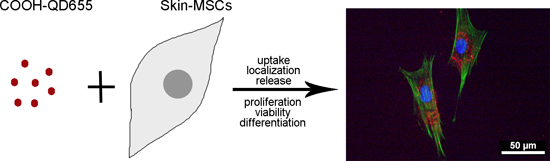
- . There were successful attempts to use a similar quantum dot–chlorin e6 complex in photodynamic cancer therapy [15]. Another study has shown that QDs, conjugated with antibodies against CD44, a marker of cancer stem-like cells, can be selectively engulfed by breast cancer cells [16]. Such surface
- ]. Lourenco et al. showed that MSC migration towards cancer cells is induced by MIF–CXCR4 chemotaxis [29]. Moreover, in close proximity of the tumour, cancer-associated fibroblast formation is induced by the release of vesicles containing miRNA from cancer cells. This leads to melanoma growth and invasion [30





Surface-enhanced Raman spectroscopy of cell lysates mixed with silver nanoparticles for tumor classification
Beilstein J. Nanotechnol. 2017, 8, 1183–1190, doi:10.3762/bjnano.8.120
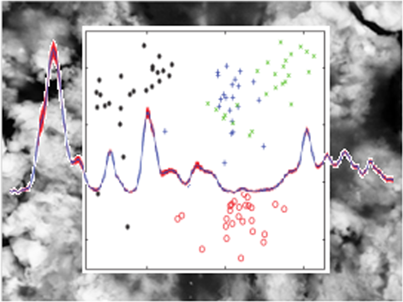
- , specificities and accuracies of the SVM model were calculated by cross-validation schemes. This proof-of-principle demonstrates that non-functionalized, easy-to-prepare silver nanoparticles give reproducible SERS spectra that can be used for the identification of human cancer cells. Results and Discussion The
- cancer cells was performed in RPMI 1640 with 2.0 g/L NaHCO3 (F 1215, Biochrom AG, Germany) and 40 mg/L folic acid (F7876, Sigma–Aldrich, Germany) with the same amount of fetal bovine serum, penicillin and streptomycin as described above for liver cells. The pancreatic cancer cell line Capan-1 was


Uptake of the proteins HTRA1 and HTRA2 by cells mediated by calcium phosphate nanoparticles
Beilstein J. Nanotechnol. 2017, 8, 381–393, doi:10.3762/bjnano.8.40
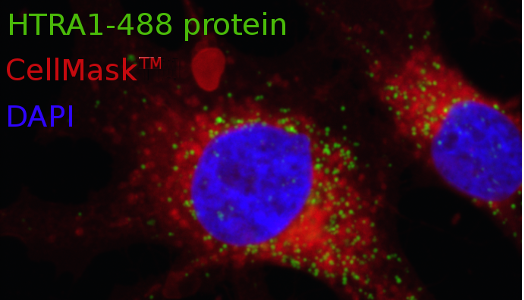
- functionalized nanoparticles per cell in the cell culture experiments was calculated accordingly. Cell line culture and imaging Human epithelial cervical cancer cells (HeLa) and human osteosarcoma cells (MG-63) cell lines were cultured in DMEM, supplemented with 10% fetal calf serum (FCS) under 37 °C, 5% CO2 and
- also influence their uptake [64][65][66][67]. Krais et al. have shown that serum proteins were necessary for cancer cells to take up folic acid-conjugated iron oxide nanoparticles [68]. The nature of the protein corona on the protein-loaded calcium phosphate nanoparticles after immersion in cell


Nanoscale isoindigo-carriers: self-assembly and tunable properties
Beilstein J. Nanotechnol. 2017, 8, 313–324, doi:10.3762/bjnano.8.34
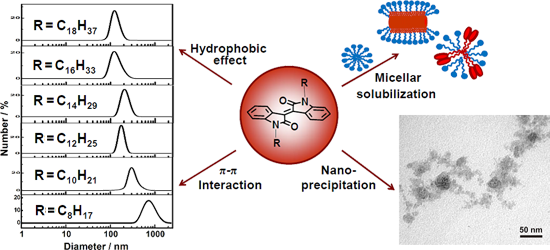
- cancer cells [59]. The factors controlling the formation of nanoparticles have been determined [42][57]. Nanoprecipitation is ideal, when the compound must dissolve in one component (the solvent), but must not in the second one (the non-solvent). This one-step manufacturing process commonly available to




Facile fabrication of luminescent organic dots by thermolysis of citric acid in urea melt, and their use for cell staining and polyelectrolyte microcapsule labelling
Beilstein J. Nanotechnol. 2016, 7, 1905–1917, doi:10.3762/bjnano.7.182
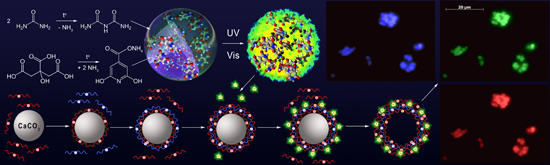
- nitric acid oxidation of carbon soot reduced the viability of HepG2 cells by 20%, at concentrations higher than 100 μg/mL [49]. The graphene quantum dots prepared with graphene oxide as starting material were markedly toxic for MCF-7 and MGC-803 (human gastric cancer) cells at concentrations higher than
- 100 μg/mL [50]. “Green” carbon dots from coriander leaves extract became toxic for normal lung cells (L-132) or cancer cell line (A549) at concentrations higher than 500 μg/mL [51], the cancer cells being somewhat more sensitive. Microcapsules decorated by O-dots had a very low cytotoxicity
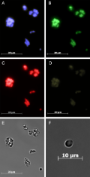
- -fixed ST-cells to be obtained (Supporting Information File 1, Figure S21). The findings suggest the possibility of the use of O-dots for the visual differentiation of normal cells and cells in a state of oxidative stress, as well as actively metabolizing cells. Non-fixed malignant breast cancer cells




Chitosan-based nanoparticles for improved anticancer efficacy and bioavailability of mifepristone
Beilstein J. Nanotechnol. 2016, 7, 1861–1870, doi:10.3762/bjnano.7.178
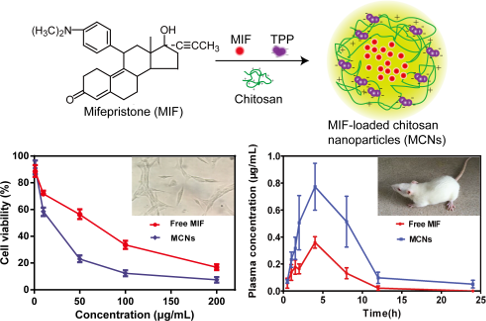
- hepatocellular carcinoma) cells (Figure 7). CNs demonstrated no obvious toxicity to the four cancer cells under all the tested concentrations, indicating that Cs could be used as a safe drug carrier. However, MCNs could inhibit cell growth in a dose-dependant manner. In this experiment, we found that MIF had no
- cell culture A549 human lung cancer cells, human epithelial carcinoma Hela cells, human endometrial carcinoma RL95-2 cells, and human hepatocellular liver carcinoma HepG2 cells were purchased from Type Culture Collection of the Chinese Academy of Sciences (Shanghai, China). A549 and Hela was grown in


Antitumor magnetic hyperthermia induced by RGD-functionalized Fe3O4 nanoparticles, in an experimental model of colorectal liver metastases
Beilstein J. Nanotechnol. 2016, 7, 1532–1542, doi:10.3762/bjnano.7.147
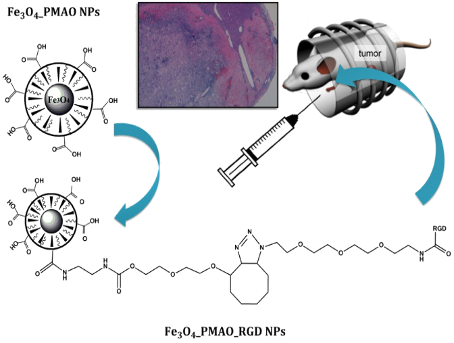
- . Nanotherapy based on targeted nanoparticles could become an attractive alternative to conventional oncologic treatments as it allows a local heating in tumoral surroundings without damage to healthy tissue. RGD-peptide-conjugated MNPs have been designed to specifically target αVβ3 receptor-expressing cancer
- cells, being bound the RGD peptides by “click chemistry” due to its selectivity and applicability. The thermal decomposition of iron metallo-organic precursors yield homogeneous Fe3O4 nanoparticles that have been properly functionalized with RGD peptides, and the preparation of magnetic fluids has been


Multiwalled carbon nanotube hybrids as MRI contrast agents
Beilstein J. Nanotechnol. 2016, 7, 1086–1103, doi:10.3762/bjnano.7.102
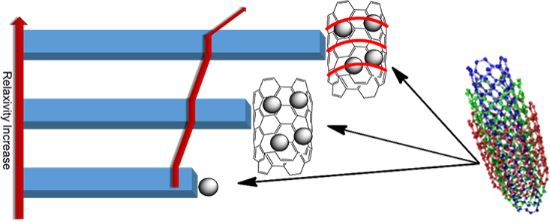
- period, is consistent with the abovementioned toxicity studies. Cytotoxicity and hemolysis Cytotoxicity of the nanohybrids was studied on various cell types (HeLa, HEK 293, human prostate cancer cells PC3, fibroblasts and others) and a general conclusion is the dose-dependent trend. However, the
- in the T2-weighted technique. There, darkening of the image was observed. A similar approach was taken to assess the contrast effect on the cells, where darkening of the image caused by the MWCNT hybrids was recorded in reference to untreated cells. Cancer cells exhibited from 9 up to over 100



Tight junction between endothelial cells: the interaction between nanoparticles and blood vessels
Beilstein J. Nanotechnol. 2016, 7, 675–684, doi:10.3762/bjnano.7.60
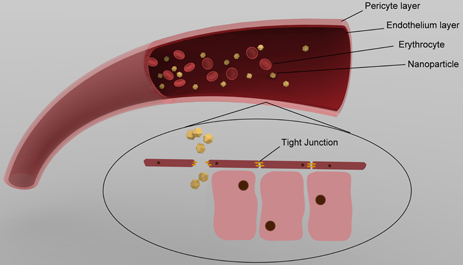
- might cause the disruption of the barrier function in ovarian cancer cells [60]. Oxidative stress is also relevant for changes in the tight junction. In an experiment under oxidative stress, the expression levels of claudin-5, occludin, and claudin-2 were decreased, while the expression levels of

Unraveling the neurotoxicity of titanium dioxide nanoparticles: focusing on molecular mechanisms
Beilstein J. Nanotechnol. 2016, 7, 645–654, doi:10.3762/bjnano.7.57
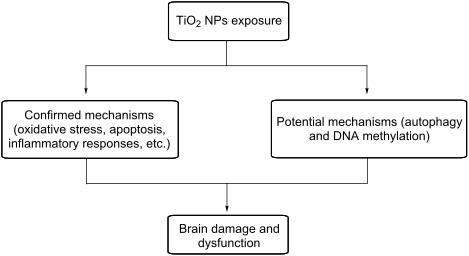
- (MRC-5), concomitant with excessive MDA production [67]. After lung epithelial cancer cells (A549) were exposed to iron oxide nanoparticles, ROS production, mitochondrial impairments and autophagy were detected [68]. Autophagy in human peripheral blood monocytes can be induced by cerium dioxide
Comparison of the interactions of daunorubicin in a free form and attached to single-walled carbon nanotubes with model lipid membranes
Beilstein J. Nanotechnol. 2016, 7, 524–532, doi:10.3762/bjnano.7.46
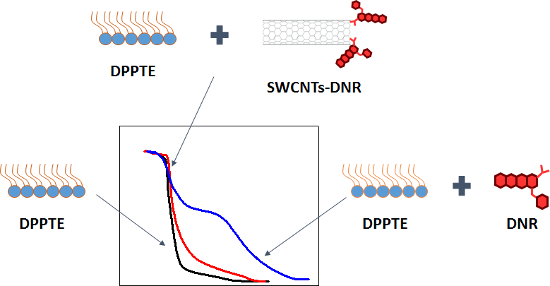
- transport daunorubicin to cancer cells [5]. Drug delivery systems are aimed at providing enhanced transport of therapeutic agents directly to the targeted organs and tissues, which enables the elimination or significant decrease in the side effects of a drug. One of the most common type of drug nanocarriers




Green and energy-efficient methods for the production of metallic nanoparticles
Beilstein J. Nanotechnol. 2015, 6, 2354–2376, doi:10.3762/bjnano.6.243
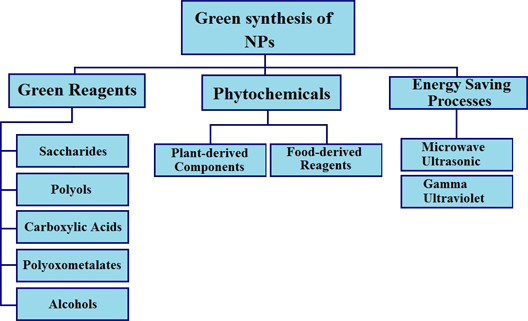
- preventive or protective properties with regard to human health. They are not essential for the human body to survive but they can act as antioxidant, enzyme stimulator, or antibacterial agent, and they can interfere with DNA to prevent the multiplication of cancer cells. Researchers found that several


Silica-coated upconversion lanthanide nanoparticles: The effect of crystal design on morphology, structure and optical properties
Beilstein J. Nanotechnol. 2015, 6, 2290–2299, doi:10.3762/bjnano.6.235
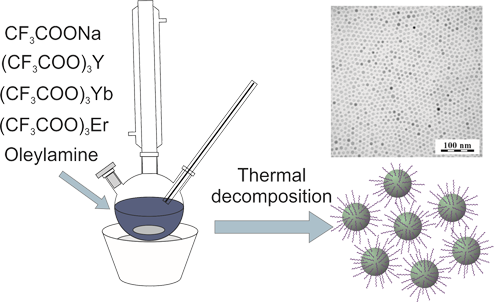
- structure. The pure hexagonal phase was obtained at reaction temperatures ≥ 350 °C and annealing times above 1 h. To generate free radicals such as singlet oxygen (destructive to cancer cells) in biological experiments, the nanoparticles should emit photons at 660 nm to excite phthalocyanine, a typical






Conformational switching of ethano-bridged Cu,H2-bis-porphyrin induced by aromatic amines
Beilstein J. Nanotechnol. 2015, 6, 2154–2160, doi:10.3762/bjnano.6.221
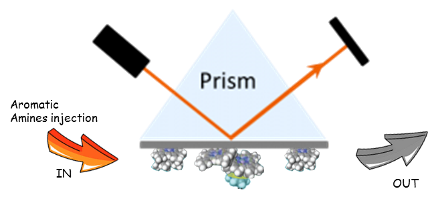
- promoting the formation of cancer cells [15]. Aromatic amine sensors with different transduction methods have also been developed [16][17][18][19]. In the present work, a copper, free-base bis-porphyrin complex of ethano-bridged bis-porphyrin (shown in the Figure 2), herewith named Cu,H2-Por2, was


Atomic force microscopy as analytical tool to study physico-mechanical properties of intestinal cells
Beilstein J. Nanotechnol. 2015, 6, 1457–1466, doi:10.3762/bjnano.6.151
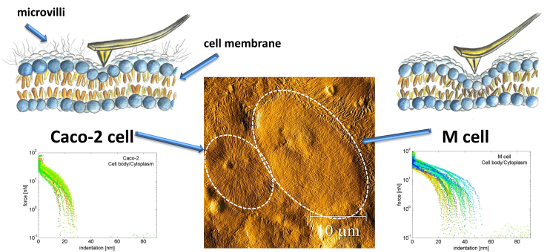
- leads to a decreased compliance of cancer cells [46]. Moreover, macrophages, which are also immune cells, display a similar arrangement of F-actin-rich structures, also referred as podosomes [47]. In activated state, podosomes rearrange and form a belt-shaped structure (i.e., rosette) on the outer


Natural and artificial binders of polyriboadenylic acid and their effect on RNA structure
Beilstein J. Nanotechnol. 2015, 6, 1338–1347, doi:10.3762/bjnano.6.138
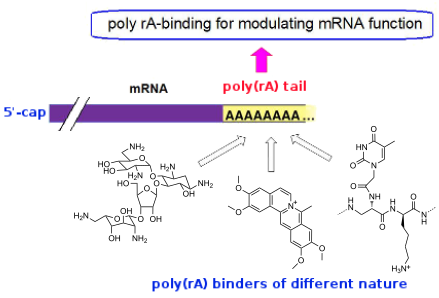
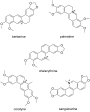
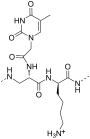
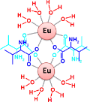
- aberrations in cancer cells [19]. Furthermore, the presence of a specific poly(rA) polymerase overexpressed in cancer cells and, more in general, the enhanced polyadenylation activity found in cancer cells, seem to indicate that poly(rA) is an important candidate for anticancer strategies [20]. Compounds that
- under investigation. A possibility to achieve the desired selectivity involves the conjugation of these binders with molecules (targeting agents) specific for receptors overexpressed on cancer cells in analogy to the work of Guaragna et al. concerning folate-conjugated drugs [21]. In this way the
- delivery of these molecular tools can be selectively directed towards cancer cells and, after their internalization, the anticancer activity could be exerted either by the entire conjugate or by the free binder after loss of the targeting agent. Thus, due to the importance of poly(rA) binders, for example





PLGA nanoparticles as a platform for vitamin D-based cancer therapy
Beilstein J. Nanotechnol. 2015, 6, 1306–1318, doi:10.3762/bjnano.6.135
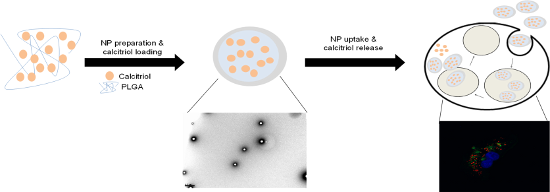
- to the free calcitriol results. At this concentration the inhibitory effect on nontumor cells (hTERT-HPNE) decreased to 65%. This study highlights the ability of PLGA nanoparticles to deliver vitamin D3 into cancer cells, with major effects regarding cancer cell cycle arrest and major changes in the
- inhibition when compared to free calcidiol, and the PLA NPs enhanced the intracellular delivery of vitamin in breast cancer cells [14]. In another work, Bonor et al. [23] developed calcitriol-conjugated quantum dots to analyze calcitriol distribution and dynamics in mouse myoblast cells. The authors


Novel ZnO:Ag nanocomposites induce significant oxidative stress in human fibroblast malignant melanoma (Ht144) cells
Beilstein J. Nanotechnol. 2015, 6, 570–582, doi:10.3762/bjnano.6.59
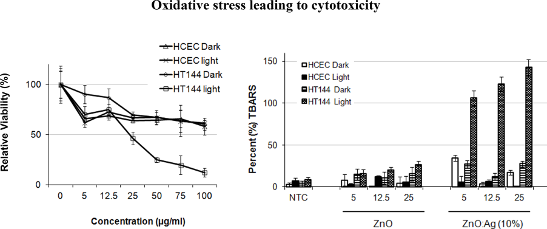
- . The NPs were investigated with regard to their different photocatalytic cytotoxic effects in human malignant melanoma (HT144) and normal (HCEC) cells. The ZnO:Ag nanocomposites killed cancer cells more efficiently than normal cells under daylight exposure. Nanocomposites having higher Ag content (10
- nanocomposites could provide a new therapeutic option to selectively target cancer cells. Keywords: cancer therapy; cytotoxicity; photo-oxidation; ZnO:Ag nanocomposites; Introduction Zinc oxide (ZnO) nanoparticles (NPs) exhibit an excellent photo-oxidation activity [1] and are considered as potential
- thus exciting the photosensitizer to produce reactive oxygen species (ROS) such as singlet oxygen (1O2) and hydroxyl radicals (HO•) [6][7]. Photo-oxidation holds promises for the targeted treatment and controlled elimination of cancer cells [8]. ZnO NPs have also shown photo-oxidative anticancer




Silica micro/nanospheres for theranostics: from bimodal MRI and fluorescent imaging probes to cancer therapy
Beilstein J. Nanotechnol. 2015, 6, 546–558, doi:10.3762/bjnano.6.57
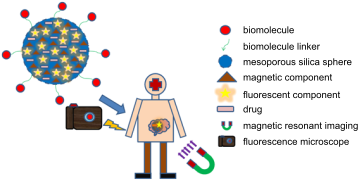
- cancer cells were treated and monitored under a fluorescence microscope at 405 nm excitation. Intense green fluorescence was observed from cancer cells which confirmed the internalization of NPs. Similarly, Pinho et al. [15] reported the synthesis of a bimodal MRI probe by embedding two lanthanide metal
- cytometry, confocal microscopy and MRI studies suggested that the prepared nanocomposites can be used for targeting cancer cells that overexpress folic acid. Similar strategies were also used by Peng et al. [22] by using an iridium(III) complex as fluorescent agent. Hu et al. [23] reported the synthesis of
- silica-encapsulated hydrophobic Mn3O4 NPs in which the silica surface was further modified by fluorescent rhodamine B and aptamer (AS411) as a targeting ligand. The in vitro confocal imaging and in vivo MRI studies showed that NPs specifically targeted the cancer cells. The histopathological and


Nanoparticle shapes by using Wulff constructions and first-principles calculations
Beilstein J. Nanotechnol. 2015, 6, 361–368, doi:10.3762/bjnano.6.35
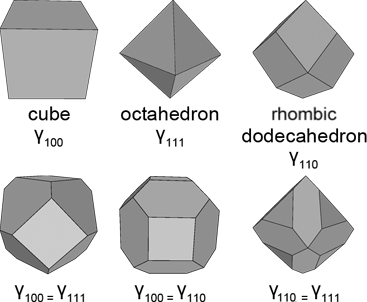
- daily basis. Nowadays, nanoparticles can be found in sensors, especially with biomedical interest, as agents to induce the death of cancer cells, as drug delivery vehicles, in emerging energy technologies, either in harvesting or for storage, as additives for fuels, in optics, and as part of smart



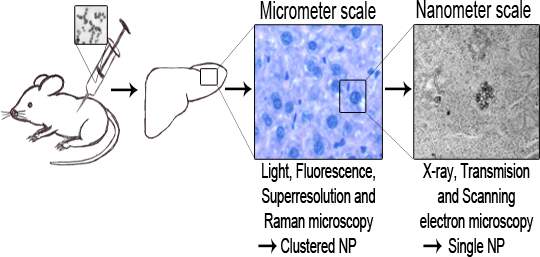
Overview about the localization of nanoparticles in tissue and cellular context by different imaging techniques
Beilstein J. Nanotechnol. 2015, 6, 263–280, doi:10.3762/bjnano.6.25
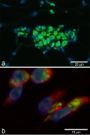
- models following exposure with silica nanoparticles (SiO2-NP) [12][13][14]. Inorganic SiO2-NP hold great potential for several biomedical applications, including the selective targeting of cancer cells as well as drug or gene delivery systems due to their favorable biocompatibility and modification
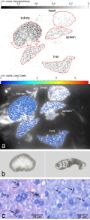
- deposits in HE-stained sections of glioblastomas (Figure 1a), a common brain tumor with high clinical relevance [45]. Such particles have similarly been visualized after targeting prostate cancer cells in humans [46]. Iron oxide nanoparticles have been introduced as diagnostic tool or for the treatment of
- of cancer cells as well as drug or gene delivery systems due to their favorable biocompatibility and modification possibilities [15][16]. However, labeling of NP always possesses the risk of changing their bioreactivity [20]. Thus, the site of labeling and the properties of the fluorochrome may have



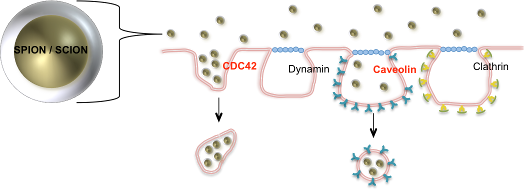
Caveolin-1 and CDC42 mediated endocytosis of silica-coated iron oxide nanoparticles in HeLa cells
Beilstein J. Nanotechnol. 2015, 6, 167–176, doi:10.3762/bjnano.6.16
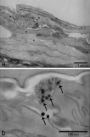
- , nanoparticles were mostly found in macrophages than in the cancer cells themselves [25]. In the respective study it was not crucial for successful treatment that the nanoparticles were specifically taken up by the tumor cells, because they were injected directly into the tumor and had no further payload
- attached to the surface. But for drug delivery applications and intravenous injections it would be very useful to understand, how cancer cells internalize iron oxide nanoparticles and which pathways are involved. Insights in the principles of nanoparticle endocytosis would be very helpful to develop
- the internalization behavior of HeLa cells in vitro. Discussion The aim of the study was to elucidate, how human cancer cells internalize iron oxide nanoparticles with silica shells, which have no target function for a special application or receptor. Therefore the human cervical cancer cell line HeLa


Synthesis of boron nitride nanotubes and their applications
Beilstein J. Nanotechnol. 2015, 6, 84–102, doi:10.3762/bjnano.6.9
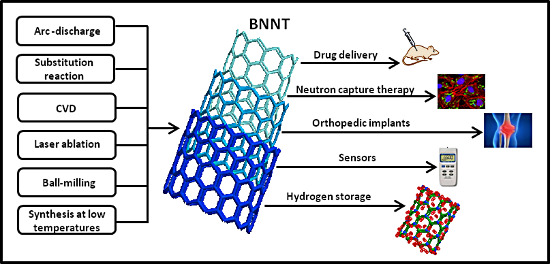
- composites in the presence and absence of a magnetic field [84]. The BNNT–NaGdF4:Eu composites simultaneously show fluorescent and magnetic properties. Thus, imaging and targeting of the composites can be more easily achieved. Human LNCaP prostate cancer cells were treated with the BNNT–NaGdF4:Eu composites
- in the presence and absence of a magnetic field and higher cell-associated uptake was found in the presence of a magnetic field. Then, the composites were loaded with doxorubicin (dox) to investigate the viability of LNCaP prostate cancer cells in the magnetic field. It was found that dox-loaded BNNT
- pH dependent and both negatively and positively charged structures had the same dox loading capacity. The BNNT–MS–NH2 had higher uptake potential in LNCaP prostate cancer cells due to its charge. Thus, it had a higher toxicity towards LNCaP prostate cancer cells. It was concluded that the prepared




Nanobioarchitectures based on chlorophyll photopigment, artificial lipid bilayers and carbon nanotubes
Beilstein J. Nanotechnol. 2014, 5, 2316–2325, doi:10.3762/bjnano.5.240
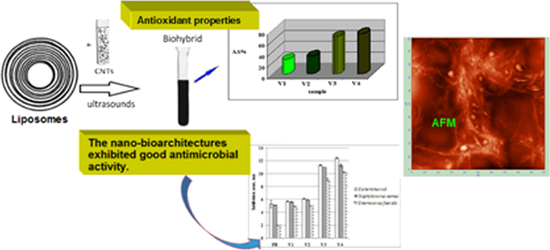
- largely used as drug delivery vehicles, showing potential in targeting specific cancer cells [18] with a necessary dosage lower than conventional drugs, without harming healthy cells and significantly reduced side effects. Another interesting property of carbon nanotubes is their antioxidant activity


Anticancer efficacy of a supramolecular complex of a 2-diethylaminoethyl–dextran–MMA graft copolymer and paclitaxel used as an artificial enzyme
Beilstein J. Nanotechnol. 2014, 5, 2293–2307, doi:10.3762/bjnano.5.238
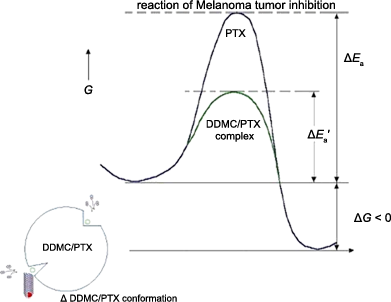
- complex that was used as an artificial enzyme against multi-drug-resistant cancer cells was confirmed. A complex of diethylaminoethyl–dextran–methacrylic acid methylester copolymer (DDMC)/paclitaxel (PTX), obtained with PTX as the guest and DDMC as the host, formed a nanoparticle 50–300 nm in size. This
- cancer cells; paclitaxel; supramolecular complex; Review Introduction As a means of delivering a drug to a target effectively, the enhanced permeation and retention (EPR) effect and reticuloendothelial system (RES) were enabled by using a polymer drug delivery system (DDS), and it is thought to
- revealed the activation of several genes downstream of EGR1 and TXNIP. Six hours after administration, CYR61, which is involved in resistance to PTX in breast cancer, became more active and continued to be influenced by EGR1. In this way, cancer cells exposed to anticancer drugs acquire resistance to the





