


Search results
Search for "characterization" in Full Text gives 1432 result(s) in Beilstein Journal of Nanotechnology. Showing first 200.
Radiosensitizing properties of dual-functionalized carbon nanostructures loaded with temozolomide
Beilstein J. Nanotechnol. 2025, 16, 229–251, doi:10.3762/bjnano.16.18
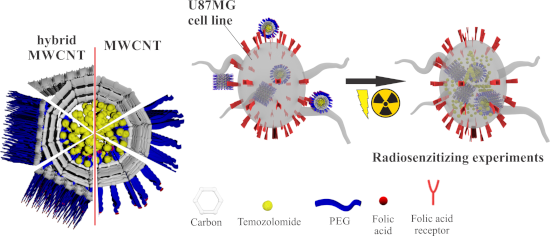
- physicochemical characterization, including the formulations exposed to irradiation under the same conditions. For physicochemical characterization of the formulations, different techniques were used by which successful functionalization of the CNs and TMZ loading were confirmed and visualized; no significant
- conditions were characterized in terms of their physicochemical and biopharmaceutical properties. Results and Discussion Biopharmaceutical characterization of temozolomide-loaded carbon nanostructures Loading efficacy, drug content, surface charge, and particle size distribution In the study, relatively high
- covalent functionalization, based on the assumption that the polymer with the higher molecular weight would provide longer circulation time and, thus, higher uptake ratio in the brain tumor cells. Physicochemical characterization of temozolomide-loaded carbon nanostructures For physicochemical




Synthesis and the impact of hydroxyapatite nanoparticles on the viability and activity of rhizobacteria
Beilstein J. Nanotechnol. 2025, 16, 216–228, doi:10.3762/bjnano.16.17
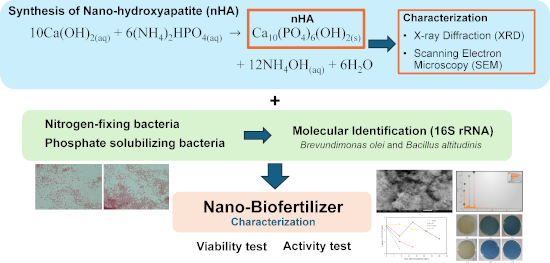
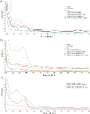
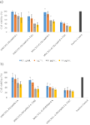
- gradually through a solvothermal reaction, driven by the chemical transformation represented by the following equation: Nanohydroxyapatite characterization The structural analysis of nHA was performed using X-ray diffraction (XRD). The diffraction pattern of nHA standard is given in Figure 1, while that of
- Novella and coworkers [26]. Nanohydroxyapatite characterization Structural assessment of the synthesized nHA was conducted using X-ray diffraction (XRD) with the PANalytical AERIS system and OriginLab 8.5.1 software. Further examination of the sample’s morphology was carried out using a scanning electron


Recent advances in photothermal nanomaterials for ophthalmic applications
Beilstein J. Nanotechnol. 2025, 16, 195–215, doi:10.3762/bjnano.16.16
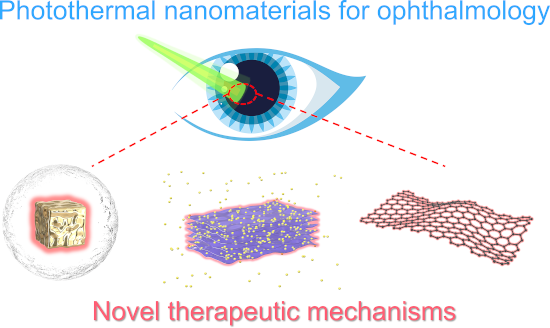
- machine learning to accelerate material development, exploring more types of photothermal nanomaterials, exploring more diverse composite photothermal material formulations, utilizing advanced characterization techniques, and collaborating with multidisciplinary researchers, more advanced and effective
- , synthesis methods, and activity [220]. Developing machine learning models for ophthalmic photothermal nanomaterials will expedite the development of high-performance target materials and alleviate the burden of extensive experimental work. Advanced characterization tools, theoretical simulations, and high


Probing the potential of rare earth elements in the development of new anticancer drugs: single molecule studies
Beilstein J. Nanotechnol. 2025, 16, 187–194, doi:10.3762/bjnano.16.15
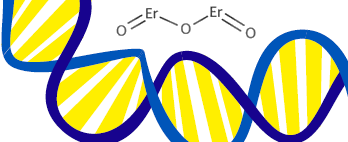
- of the mechanical parameters and their error bars (standard error of the mean) [21]. After this characterization, the chosen rare earth is introduced in the sample chamber at the desired concentration, and the procedure described above is repeated using the same DNA molecule, thus obtaining the


A review of metal-organic frameworks and polymers in mixed matrix membranes for CO2 capture
Beilstein J. Nanotechnol. 2025, 16, 155–186, doi:10.3762/bjnano.16.14
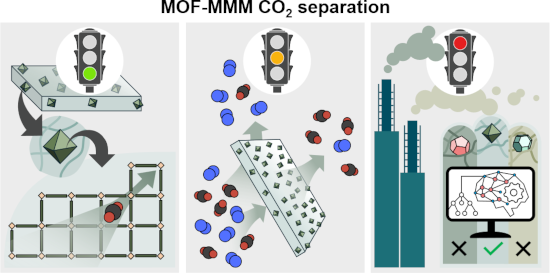
- [Dmim][Cl]) in the preparation of MOF-based MMMs has been demonstrated in numerous other studies on CO2 separation [97][133][134][135][136][137][138]. Note that all the previous considerations are generally true for MOF-based MMMs for CO2 capture purposes. 3.6 Structural characterization of MOF-based
- MMMs Material characterization techniques are pivotal for the assessment of novel MOF-based MMMs structures. Electron microscopy enables direct imaging of a sample with up to sub-nanometer resolution [139]. Scanning electron microscopy (SEM) is a popular and straightforward method to obtain images of




Clays enhanced with niobium: potential in wastewater treatment and reuse as pigment with antibacterial activity
Beilstein J. Nanotechnol. 2025, 16, 141–154, doi:10.3762/bjnano.16.13
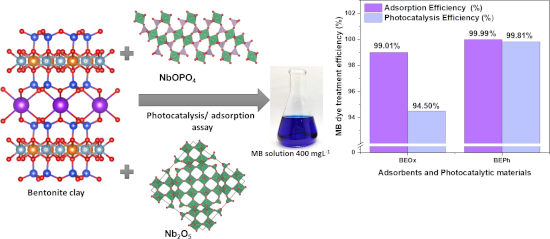
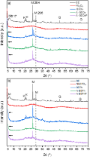
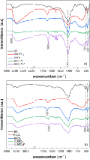
- photoelectron spectroscopy, and laser-induced breakdown spectroscopy assessed the modifications induced by the incorporation of niobium compounds into the clay, confirming the presence of niobium in the bentonite clay. Following characterization, the BEOx and BEPh samples were used as adsorbents or
- dye with the enzyme succinate dehydrogenase (present in the mitochondria), leading to the formation of a salt called Formazan with a pink-reddish color. Characterization X-ray diffraction (XRD) measurements of the powder were conducted using a Rigaku BEartLab SE 3 kW diffractometer equipped with Cu Kα



TiO2 immobilized on 2D mordenite: effect of hydrolysis conditions on structural, textural, and optical characteristics of the nanocomposites
Beilstein J. Nanotechnol. 2025, 16, 128–140, doi:10.3762/bjnano.16.12
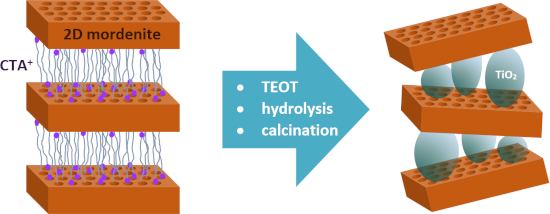
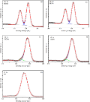
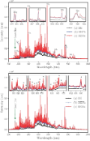
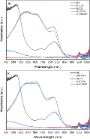
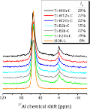
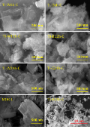
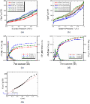
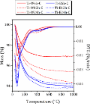
- complementary characterization techniques, including XRD, SEM-EDX, TGA, N2 sorption, NMR, XPS and UV–vis spectrometry. It was observed that treatment in 70% ethanol solution preserves the ordered layered structure of 2D mordenite because TEOT hydrolysis is slowed down. This, in turn, leads to higher



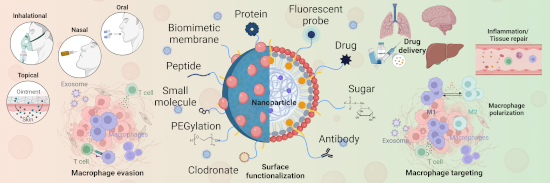
Nanocarriers and macrophage interaction: from a potential hurdle to an alternative therapeutic strategy
Beilstein J. Nanotechnol. 2025, 16, 97–118, doi:10.3762/bjnano.16.10


Characterization of ZnO nanoparticles synthesized using probiotic Lactiplantibacillus plantarum GP258
Beilstein J. Nanotechnol. 2025, 16, 78–89, doi:10.3762/bjnano.16.8
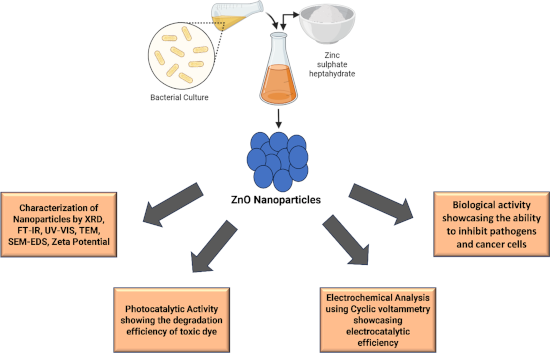
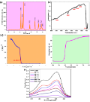
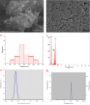
- nanoparticles (ZnO NPs), utilizing lactic acid bacteria isolated from curd as the key biological agent. Bacteria function as agents for both reduction and capping processes, which aids the synthesis of ZnO NPs. Various characterization techniques including XRD, FTIR, UV–vis, TEM, SEM-EDX, and zeta potential
- characterization using UV–vis spectroscopy, Fourier-transform infrared spectroscopy, X-ray diffraction measurements, energy-dispersive X-ray spectroscopy, scanning and transmission electron microscopy, photocatalytic studies, electrochemical analysis, and determination of antibacterial and anticancer activity. The
- using the indigenous LAB strain and understand its health-promoting characteristics and to extrapolate the beneficial characters to industrial scale [14][15]. Results Physiological and biochemical characterization of LAB The bacterial isolates from indigenous curd samples were cultured on MRS agar


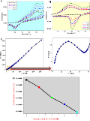

Advanced atomic force microscopy techniques V
Beilstein J. Nanotechnol. 2025, 16, 54–56, doi:10.3762/bjnano.16.6

- carry out a more detailed characterization of the optoelectronic properties. Rothhardt et al. map the local work function on graphene nanoribbons [7]. They experimentally investigate the charge transfer between a gold substrate and graphene nanoribbons and compare that to DFT calculations. Indeed, the
- characterization of defects in a single layer of graphene on iridium that were induced by rare-gas ion bombardment by using combined scanning tunnelling microscopy (STM) measurements and NC-AFM [12]. The authors reveal that presumed monoatomic vacancies, as deduced from STM measurements alone, have rather
Orientation-dependent photonic bandgaps in gold-dust weevil scales and their titania bioreplicates
Beilstein J. Nanotechnol. 2025, 16, 1–10, doi:10.3762/bjnano.16.1
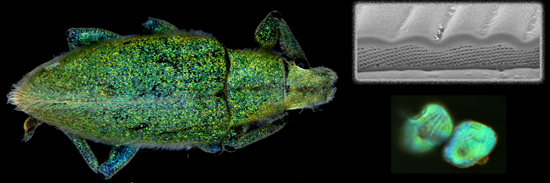
- standard. Scale bars: (a) 1 mm and (b) 10 μm. Structural characterization of the scales. (a) SEM image of an intact scale with the upper lamina facing upwards. (b, c) Cross-sectional images of an intact scale show a thin cortex wrapping around a chitin–air network with a 3D periodic nanostructure; the
- Information File 66: Material characterization, polarization properties, lattice estimation, additional microscopy and spectroscopy. Acknowledgements We thank Viola Bauernfeind and Ullrich Steiner (Adolphe Merkle Institute) for technical support with the FIB-SEM, Gregor Zickler (PLUS) for technical support


Mechanistic insights into endosomal escape by sodium oleate-modified liposomes
Beilstein J. Nanotechnol. 2024, 15, 1667–1685, doi:10.3762/bjnano.15.131
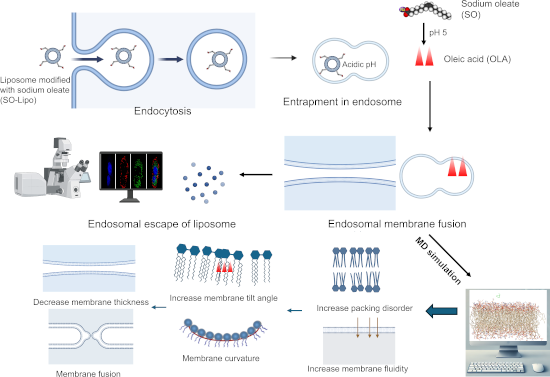
- systems. By presenting SO as a promising alternative endosomal escape agent, we aim to contribute to the advancement of targeted drug delivery strategies with improved therapeutic outcomes. Results and Discussion Characterization of liposomal formulations In our study, we meticulously formulated three
- vesicles. To standardize the size distribution, the sonicated dispersion underwent five cycles of extrusion through a 100 nm polycarbonate membrane using an Avanti Mini-Extruder. The finalized liposomal formations underwent a comprehensive characterization, assessing size, PDI, and zeta potential through




Fabrication of hafnium-based nanoparticles and nanostructures using picosecond laser ablation
Beilstein J. Nanotechnol. 2024, 15, 1639–1653, doi:10.3762/bjnano.15.129
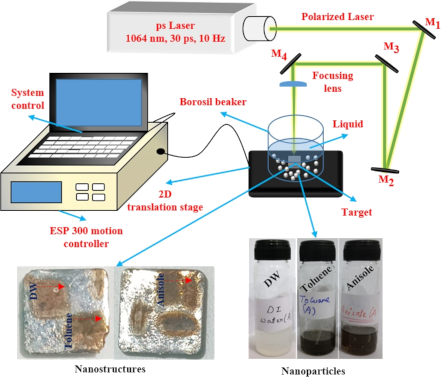
- picosecond laser [Nd:YAG, M/s EKSPLA] with a pulse duration of ≈30 ps, a repetition rate of ≈10 Hz, a wavelength of ≈1064 nm, and a pulse energy of ≈16.3 mJ (determined from previous experiments [33] and optimised using multiple ablation trials followed by detailed characterization studies) was used for the
- turned from transparent to turbid white, while toluene and anisole turned from transparent to black (Figure 2). The obtained NPs and NSs were labelled as described in Table 1, according to the liquid in which they were ablated, and subsequently characterised through different methods. Characterization




Heterogeneous reactions in a HFCVD reactor: simulation using a 2D model
Beilstein J. Nanotechnol. 2024, 15, 1627–1638, doi:10.3762/bjnano.15.128
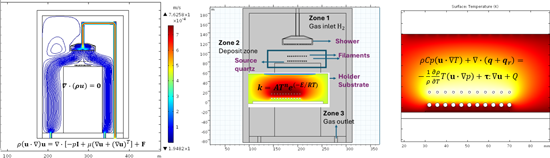
- precursors employed. Results and Discussion Experimental results The SiOx films obtained using the HFCVD reactor have already been characterized using different optical, electrical, and structural characterization techniques [29][30][31]. Also, the process of the growth of the films was optimized through a


Liver-targeting iron oxide nanoparticles and their complexes with plant extracts for biocompatibility
Beilstein J. Nanotechnol. 2024, 15, 1593–1602, doi:10.3762/bjnano.15.125
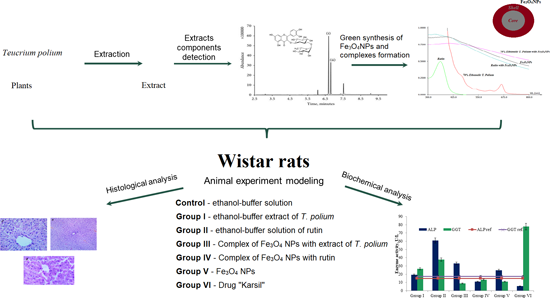
- . Experimental Synthesis and characterization of iron oxide nanoparticles The synthesis of iron oxide (Fe3O4) nanoparticles was carried out using a modified coprecipitation method with oleic acid as a stabilizer. 10 mL of 1 M FeSO4·7H2O and 10 mL of 2 M FeCl3·6H2O were added to 10 mL 4 M NaOH and 1 mL oleic acid


Facile synthesis of size-tunable L-carnosine-capped silver nanoparticles and their role in metal ion sensing and catalytic degradation of p-nitrophenol
Beilstein J. Nanotechnol. 2024, 15, 1576–1592, doi:10.3762/bjnano.15.124
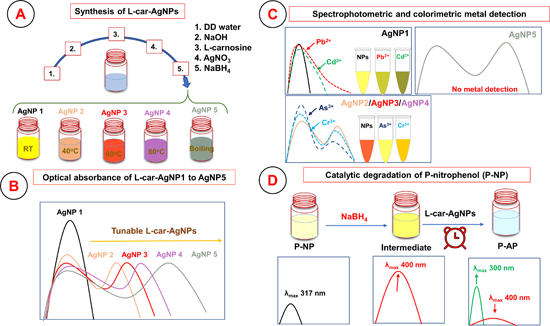
- ʟ-carnosine in synthesizing tunable plasmonic silver nanoparticles (ʟ-car-AgNPs). The formation of ʟ-car-AgNPs was confirmed via UV–vis optical absorption spectroscopy, showing single and double plasmonic peaks, depending on the synthesis conditions. Physicochemical characterization using TEM, FTIR
- was air-dried. Characterization of ʟ-carnosine-capped silver nanoparticles The spectral absorbance of ʟ-car-AgNPs was recorded using an Epoch2 spectrophotometer (BioTek, USA) in the 300–900 nm range. Zeta potentials and average hydrodynamic diameters of ʟ-car-AgNPs were determined using a Zetasizer
- temperature and the ratio of NaBH4 to NaOH led to the formation of ʟ-car-AgNPs with different colors. The color of the obtained nanoparticles suggested that they were in a controlled aggregated state. Further characterization was performed to analyze the physicochemical properties of the synthesized ʟ




The round-robin approach applied to nanoinformatics: consensus prediction of nanomaterials zeta potential
Beilstein J. Nanotechnol. 2024, 15, 1536–1553, doi:10.3762/bjnano.15.121
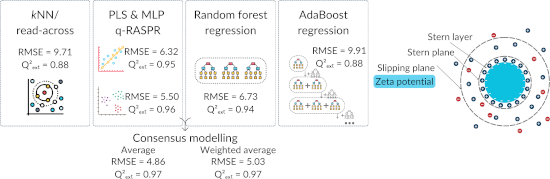
- engineered NMs was explored in silico in order to predict their ZP based on physicochemical and molecular descriptors. The physicochemical characterization of the NMs was performed under the EU-FP7 NanoMILE project (https://cordis.europa.eu/project/id/310451) [36]. From the available descriptors/properties


Electrochemical nanostructured CuBTC/FeBTC MOF composite sensor for enrofloxacin detection
Beilstein J. Nanotechnol. 2024, 15, 1522–1535, doi:10.3762/bjnano.15.120
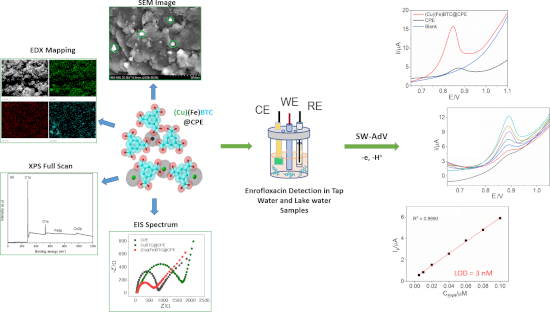
- mixture of CuBTC and FeBTC to modify carbon paste electrodes for the determination of enrofloxacin. The characterization and properties of the fabricated electrode, including molecular structure, morphology, and electrochemical characteristics, were thoroughly investigated using various analytical
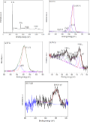
- techniques. The synergistic effects of CuBTC and FeBTC are considered promising for enhancing the performance of enrofloxacin sensors in aqueous solutions. Results and Discussion Characterization of (Cu)(Fe)BTC In the XRD pattern in Figure 1a, the FeBTC sample shows peaks at 2θ values of 6.26°, 10.34°, 10.85
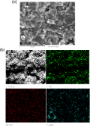
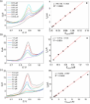
- 2e), the binding energy peak of Cu 2p3/2 (934.9 eV) can be attributed to Cu2+. Characterization of (Cu)(Fe)BTC@CPE Morphology The TEM image of the (Cu)(Fe)BTC sample shows unevenly distributed particles with different particle sizes fluctuating in the range of 40 to 100 nm (Figure 3). After mixing





Integrating high-performance computing, machine learning, data management workflows, and infrastructures for multiscale simulations and nanomaterials technologies
Beilstein J. Nanotechnol. 2024, 15, 1498–1521, doi:10.3762/bjnano.15.119
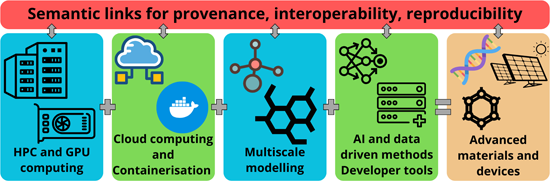
- unprecedented advancements in the design, characterization, and optimization of materials. By leveraging computational modelling and simulation, researchers can simulate and predict properties and behavior of materials with remarkable accuracy, explore a vast design space, and predict the properties and
- candidates for specific applications [10]. In addition to materials design, digital technologies can enhance the characterization and understanding of materials. Advanced imaging techniques, coupled with computational analysis, enable researchers to examine the microstructure and behavior of materials at
- in materials development. Beside the implementation of automation and robotics in the development, synthesis, and characterization of materials, automation in modelling has emerged as a powerful approach to streamline and enhance the efficiency of computational studies. By leveraging digital


Effect of radiation-induced vacancy saturation on the first-order phase transformation in nanoparticles: insights from a model
Beilstein J. Nanotechnol. 2024, 15, 1453–1472, doi:10.3762/bjnano.15.117

- energy change depend on the details of the material and the irradiation conditions and may require further analysis or experimental data for accurate characterization. In our case, the energies of point defects, ΔGpd(α) and ΔGpd(β), depend on the vacancy concentrations (denoted as Cvα and Cvβ


Green synthesis of carbon dot structures from Rheum Ribes and Schottky diode fabrication
Beilstein J. Nanotechnol. 2024, 15, 1369–1375, doi:10.3762/bjnano.15.110
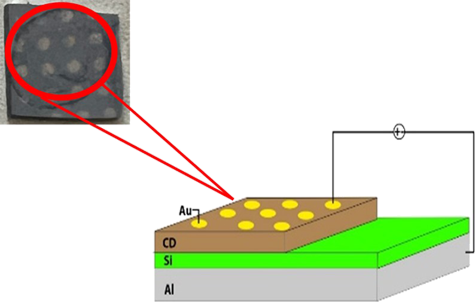
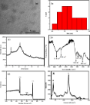
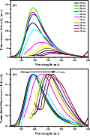
- synthesis, which is commonly used in the literature. TEM and zeta potential measurements were used to determine morphology and sizes of the CDs, and XRD, XPS, and FTIR and micro-Raman spectroscopy were used for structural characterization. Optical characterization of the CDs was done by absorption and
- dried to synthesize CDs. Acetone, methanol, silicon, gold powder, and aluminum were purchased from Sigma-Aldrich, Merck, and Alfa Aesar. All studies were carried out at room temperature. Instruments Various devices were used for the structural, morphological, and optical characterization of the CDs. FEI
- and the thickness of coated CDs film were 1 cm2 and ca. 566 nm, respectively. Results and Discussion Structural and optical characterization of synthesized CDs The morphological and chemical structures of the CDs obtained from Rheum ribes were determined by TEM, FTIR, XRD, and XPS analyses. TEM shows




Out-of-plane polarization induces a picosecond photoresponse in rhombohedral stacked bilayer WSe2
Beilstein J. Nanotechnol. 2024, 15, 1362–1368, doi:10.3762/bjnano.15.109
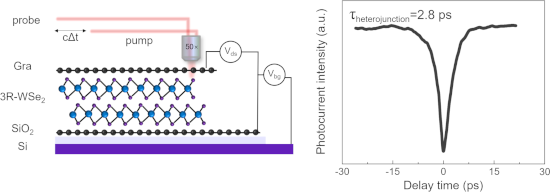
- deposited onto the heterojunctions through metal thermal evaporation. Material and performance characterization The optical images of heterojunctions were obtained using a microscope (ZEISS, Axio Scope A1). The SHG and PL measurements were performed by using a scanning confocal microscope (WITec, alpha 300R
- probe power. (d) Photoresponse intensity of heterojunction (red dots) and graphene region (black dots) as a function of probe power. Supporting Information Supporting Information File 20: Characterization of structure, SHG image, SEM and EDS images, Raman and PL spectrum of WSe2 and raw TRPC curves for


Investigation of Hf/Ti bilayers for the development of transition-edge sensor microcalorimeters
Beilstein J. Nanotechnol. 2024, 15, 1353–1361, doi:10.3762/bjnano.15.108

- the study of films of these materials carried out in [10]. It is shown that measurements of bridges allow for a more accurate characterization of the material than the measurements of substrate-sized films. Compared to films, bridges exhibit a much sharper transition from the normal to the


Nanoarchitectonics with cetrimonium bromide on metal nanoparticles for linker-free detection of toxic metal ions and catalytic degradation of 4-nitrophenol
Beilstein J. Nanotechnol. 2024, 15, 1312–1332, doi:10.3762/bjnano.15.106
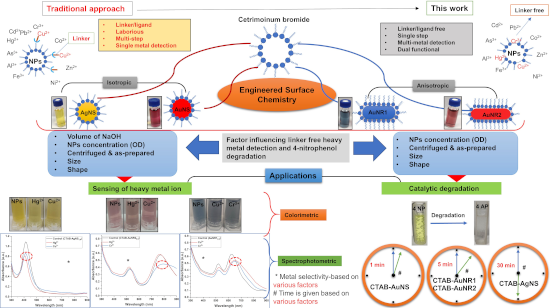
- length) and AuNR2 (longer length) were centrifuged at 16,000g and 12,000g for 20 min, respectively, to remove excess of surfactant and any impurities. Characterization of CTAB-capped isotropic and anisotropic metal nanoparticles The plasmonic properties of the synthesized isotropic and anisotropic metal
- , surface capping, and linker molecules are required to degrade 4-nitrophenol. Therefore, this study analyzed the impact of size, shape, metal type, and nanoparticle concentration on converting 4-nitrophenol to 4-aminophenol. Characterization of CTAB-capped nanoparticles UV–vis, DLS, Zeta, FTIR, XRD, and
- TEM analyses Physicochemical characterization was performed using optical spectroscopy, DLS, FTIR, XRD, and TEM analyses. Figure 2a shows the synthesized isotropic silver and gold nanospheres with plasmon bands at 410 nm (AgNS) and 525 nm (AuNS). The anisotropic tunable gold nanorods with longitudinal




Interaction of graphene oxide with tannic acid: computational modeling and toxicity mitigation in C. elegans
Beilstein J. Nanotechnol. 2024, 15, 1297–1311, doi:10.3762/bjnano.15.105
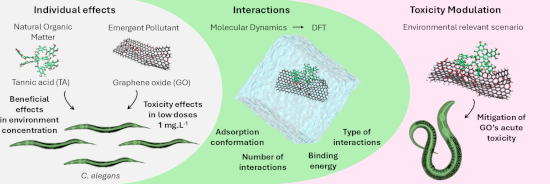
- . Results and Discussion Experimental characterization TA is a relevant component of the dissolved organic matter in the environment originating especially from vegetable organic decomposition [17]. Furthermore, because of unique physicochemical properties, TA has been increasingly applied for GO syntheses
- complete characterization of the GO sample is available in [36]. Atomic force microscopy (AFM), Raman spectroscopy, and X-ray photoelectron spectroscopy (XPS) were used to assess size, morphology, number of layers, and surface chemistry of GO. The GO sample used in this study consists of single layers with
- addition of TA. Raman analysis showed that TA does not affect the biodistribution of GO in C. elegans, including in secondary organs, although it changed the mortality caused by the material. Experimental and theoretical characterization show that TA can interact with the GO surface. DFT calculations





