Search results
Search for "dyes" in Full Text gives 211 result(s) in Beilstein Journal of Nanotechnology. Showing first 200.
Photobleaching of YOYO-1 in super-resolution single DNA fluorescence imaging
Beilstein J. Nanotechnol. 2017, 8, 2296–2306, doi:10.3762/bjnano.8.229
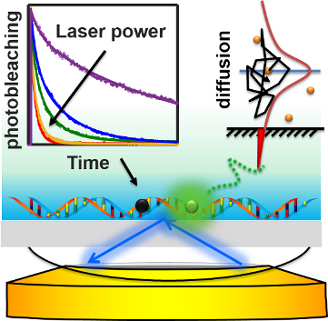
- theoretically predicted with the proposed method in this report. Keywords: diffusion; PAINT; single-molecule photophysics; super-resolution imaging; Introduction Fluorescence imaging of DNA with intercalating dyes is important for DNA sensing [1][2], nucleic acid imaging inside cells and viruses [3][4][5
- preference. Its fluorescent brightness at visible wavelengths is enhanced over 1,000-fold upon intercalation into DNA as compared to free YOYO-1 in water [13][14][15], which has triggered a revolution in DNA labeling since the 1990s [16]. YOYO-1 has been one of the major dyes used for super-resolution DNA
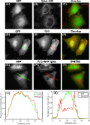
- (arrows) that is not because of irregular shapes and/or too large sizes. The former locations are stored and the latter locations are filtered out. The PSF peak intensities of single YOYO-1 dyes are shown in Figure 7d. They are calculated from the center of the peak intensity histograms of single YOYO-1




Synthesis and characterization of noble metal–titania core–shell nanostructures with tunable shell thickness
Beilstein J. Nanotechnol. 2017, 8, 2083–2093, doi:10.3762/bjnano.8.208
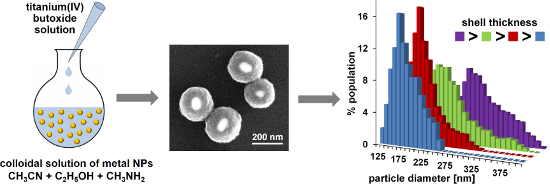
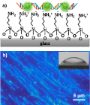
- electromagnetic fields increased the efficiency of light interaction with sensitizers (dyes). On the other hand, plasmon resonance energy transfer (PRET) and “hot” electron transfer led to an increased e−/h+ pair generation and amplified number of carriers available for photocurrent generation. An increased


Carbon nano-onions as fluorescent on/off modulated nanoprobes for diagnostics
Beilstein J. Nanotechnol. 2017, 8, 1878–1888, doi:10.3762/bjnano.8.188
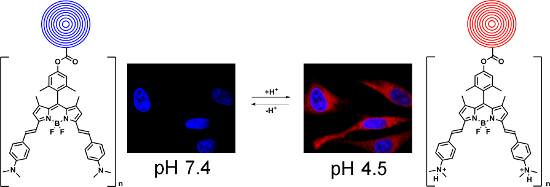
- are protonated (BODIPY 4). Despite the desired NIR window emission spectrum of BODIPY 3, its quantum yield (ΦF) in DMSO is very low (ΦF = 0.05), due to the active PET groups (amino groups), which causes a pH-dependent quenching of the fluorescent dyes. Overall, the non-protonated form of the dye




Three-in-one approach towards efficient organic dye-sensitized solar cells: aggregation suppression, panchromatic absorption and resonance energy transfer
Beilstein J. Nanotechnol. 2017, 8, 1705–1713, doi:10.3762/bjnano.8.171
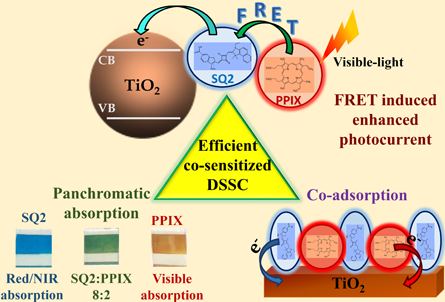
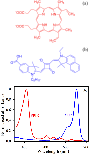
- absorption coefficients in the visible and NIR region of the solar spectrum and to probe the possibility of Förster resonance energy transfer (FRET) between the two dyes. FRET from the donor PPIX to acceptor SQ2 was observed from detailed investigation of the excited-state photophysics of the dye mixture
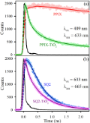
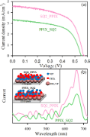
- , using time-resolved fluorescence decay measurements. The electron transfer time scales from the dyes to TiO2 have also been characterized for each dye. The current–voltage (I–V) characteristics and the wavelength-dependent photocurrent measurements of the co-sensitized DSSCs reveal that FRET between the
- two dyes increase the photocurrent as well as the efficiency of the device. From the absorption spectra of the co-sensitized photoanodes, PPIX was observed to be efficiently acting as a co-adsorbent and to reduce the dye aggregation problem of SQ2. It has further been proven by a comparison of the



Two-dimensional carbon-based nanocomposites for photocatalytic energy generation and environmental remediation applications
Beilstein J. Nanotechnol. 2017, 8, 1571–1600, doi:10.3762/bjnano.8.159


Bright fluorescent silica-nanoparticle probes for high-resolution STED and confocal microscopy
Beilstein J. Nanotechnol. 2017, 8, 1283–1296, doi:10.3762/bjnano.8.130
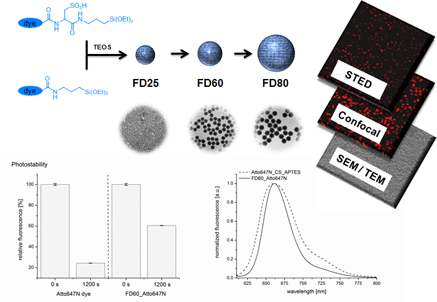
- dyes such as high photobleaching, low stability and limited fluorescence intensity. In the present work we describe an effective approach for the preparation of fluorescent silica nanoparticles in the size range between 15 and 80 nm based on L-arginine-controlled hydrolysis of tetraethoxysilane in a
- biphasic cyclohexane–water system. Commercially available far-red fluorescent dyes (Atto647N, Abberior STAR 635, Dy-647, Dy-648 and Dy-649) were embedded covalently into the particle matrix, which was achieved by aminosilane coupling. The physical particle attributes (particle size, dispersion, degree of
- agglomeration and stability) and the fluorescence properties of the obtained particles were compared to particles from commonly known synthesis methods. As a result, the spectroscopic characteristics of the presented monodisperse dye-doped silica nanoparticles were similar to those of the free uncoupled dyes


Evaluation of quantum dot conjugated antibodies for immunofluorescent labelling of cellular targets
Beilstein J. Nanotechnol. 2017, 8, 1238–1249, doi:10.3762/bjnano.8.125
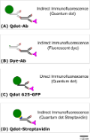
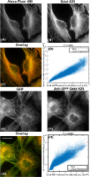
- , United Kingdom 10.3762/bjnano.8.125 Abstract Semiconductor quantum dots (Qdots) have been utilised as probes in fluorescence microscopy and provide an alternative to fluorescent dyes and fluorescent proteins due to their brightness, photostability, and the possibility to excite different Qdots with a
- fixation of cells, followed by permeabilisation with a detergent. This creates pores in the cell membrane, allowing primary and secondary antibodies to gain access to the protein of interest. Qdots are an attractive alternative to traditional fluorescent dyes for ICC because they are much brighter and more
- photostable [6][7]. In contrast to fluorescent dyes, Qdots can be excited with a wide range of wavelengths and have narrow emission spectra, which is advantageous for multiplex imaging [8][9]. The emission maxima of Qdots are dependent on their size; the emission peak for large Qdots is in the red end of the




Surface-enhanced Raman spectroscopy of cell lysates mixed with silver nanoparticles for tumor classification
Beilstein J. Nanotechnol. 2017, 8, 1183–1190, doi:10.3762/bjnano.8.120

- silver nanoparticles. Keywords: cell lysate; silver nanoparticles; surface-enhanced Raman spectroscopy (SERS); tumor-cell differentiation; Introduction Cytopathology is the histopathologic inspection of cells. Dyes, such as hematoxylin for cell nuclei or eosin for cytoplasm, are commonly used to stain


Enhanced catalytic activity without the use of an external light source using microwave-synthesized CuO nanopetals
Beilstein J. Nanotechnol. 2017, 8, 1167–1173, doi:10.3762/bjnano.8.118
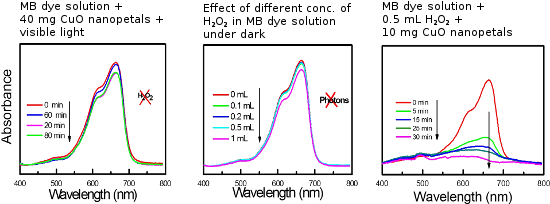
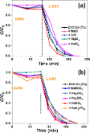
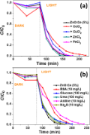
- conditions is also illustrated. Keywords: CuO nanopetals; dark catalytic activity; fast degradation of dyes; microwave synthesis; Introduction Controlling air quality and water pollutants is a big challenge for environmental research [1]. Particularly, efforts have been taken to control these pollutants
- enhance the photoconductive and photochemical properties in various energy applications [7]. Being inexpensive, nontoxic, and readily available, CuO has attracted particular attention. However, in the degradation of water pollutants (e.g., industrial dyes) as a photocatalytic oxidative species, CuO is
- found to be less effective as compared to other metal oxides [8][9][10][11][12]. Thus, in order to enhance its photocatalytic activity, CuO can be used with hydrogen peroxide (H2O2) [12][13][14][15][16][17][18][19][20][21]. However, the degradation time of dyes is an important problem when using CuO as


Synthesis of graphene–transition metal oxide hybrid nanoparticles and their application in various fields
Beilstein J. Nanotechnol. 2017, 8, 688–714, doi:10.3762/bjnano.8.74
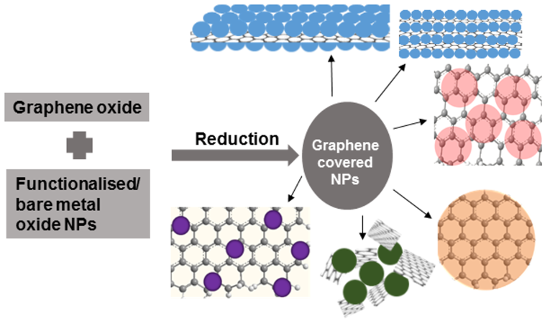
- cycling stability [166]. Geng et al. have prepared Fe3O4–rGO hybrids by one-pot solution chemistry which have good adsorption capability of various dyes (rhodamine B, rhodamine 6G, acid blue 92, orange (II), malachite green, and new coccine) [167]. These materials could be easily separated from the






Dispersion of single-wall carbon nanotubes with supramolecular Congo red – properties of the complexes and mechanism of the interaction
Beilstein J. Nanotechnol. 2017, 8, 636–648, doi:10.3762/bjnano.8.68
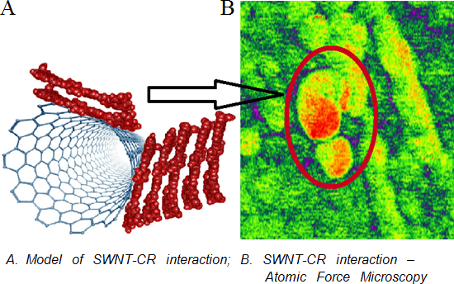
- , antigen-bound antibodies, cell-surface receptors) [29][34][35]. Congo red supramolecular assemblies can incorporate (through intercalation) other molecules – especially those containing planar, aromatic rings – e.g., doxorubicin, rhodamine B, other bis-azo dyes [36][37][38]. Thus CR could play a role of a


Investigation of the photocatalytic efficiency of tantalum alkoxy carboxylate-derived Ta2O5 nanoparticles in rhodamine B removal
Beilstein J. Nanotechnol. 2017, 8, 604–613, doi:10.3762/bjnano.8.65
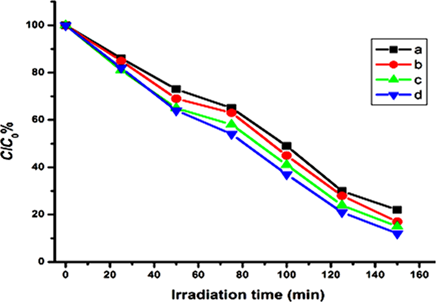
- water resources has become a major concern. Contamination of water by organic dyes is a threat as these molecules are non-biodegradable and highly toxic. Conventional waste water treatments (to remove solids, organic matter and, sometimes, nutrients from wastewater) such as coarse screening, grit
- removal, sedimentation and filtration are not very effective in removing organic dyes. Advanced oxidation processes (AOPs) receive a lot of interest in this regard, and photocatalysis by semiconductors is the most extensively investigated AOP. Metal oxide nanoparticles (NPs), for example TiO2, ZnO, SnO2


Nanoscale isoindigo-carriers: self-assembly and tunable properties
Beilstein J. Nanotechnol. 2017, 8, 313–324, doi:10.3762/bjnano.8.34
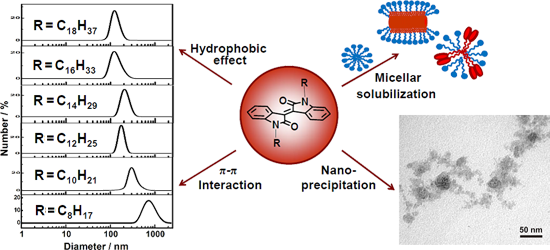
- micellar structures of different types in micellar anionic surfactant solutions (sodium dodecyl sulfate) was determined. These findings are of practical importance and are of potential interest for the design of drug delivery systems and new nanomaterials. Keywords: drug delivery systems; dyes; isoindigo
- hydropohobic solutes including drugs. Furthermore, the solubilization of organic hydrophobic dyes makes it possible to detect the formation of micelles in solution [67]. In Figure 4a, the dependence of the absorbance of hydrophobic dye (Sudan I) on the concentration of isoindigo derivatives 2g and 2h is shown
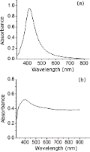
- available classical anionic (SDS), cationic (CTAB) and nonionic (Tween 80) surfactants. Because isatin and isoindigo derivatives are new dyes, their extinction coefficients were determined for the first time. UV–vis absorption spectra of 2a–h and 3 in chloroform are presented in Figures S11–S18 (Supporting




Performance of natural-dye-sensitized solar cells by ZnO nanorod and nanowall enhanced photoelectrodes
Beilstein J. Nanotechnol. 2017, 8, 287–295, doi:10.3762/bjnano.8.31
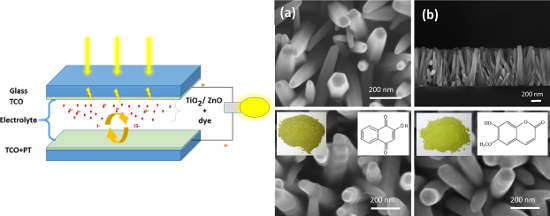
- Dipartimento di Fisica e Astronomia, Università di Catania, via S. Sofia 64, Catania, Italy 10.3762/bjnano.8.31 Abstract In this work, two natural dyes extracted from henna and mallow plants with a maximum absorbance at 665 nm were studied and used as sensitizers in the fabrication of dye-sensitized solar
- semiconductor in DSSCs [2][3][4][5]. Besides, the TiO2 offers high electronic mobility for photogenerated electron collection, a suitable band gap, which adapts to the injection of the electrons of most studied dyes, and high surface area to enhance the dye loading by anchoring the dye [6][7]. Zinc oxide (ZnO
- complete the reaction [2][10]. Different high-raked commercial dyes, such as N719 or N3, have been widely studied in the literature and their performance has been proven. Because these organometallic dyes contain environmental pollutants, such as heavy metals [6], recent studies have focused on finding a


Photocatalysis applications of some hybrid polymeric composites incorporating TiO2 nanoparticles and their combinations with SiO2/Fe2O3
Beilstein J. Nanotechnol. 2017, 8, 272–286, doi:10.3762/bjnano.8.30
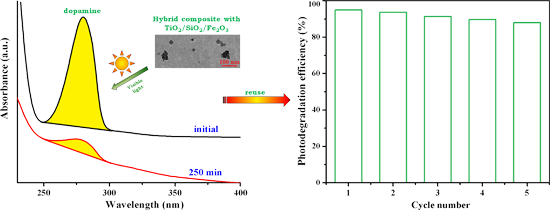
- drugs, pesticides, dyes, and plastics. On the basis of this information, we tried to prepare stable photocatalytic materials with good activity against phenolic pollutants under UV–visible light starting from TiO2 NPs with and without Si–O–Si sequences and/or Fe2O3 NPs immobilized in a polymer network
- hybrid polymeric films in the degradation of other pollutants such as dyes (methylene blue, methyl orange, nile red) in a fashion similar to the above molecules should be tested. Conclusion Polymeric composites containing TiO2 NPs, pure or combined with Si–O–Si linkages and/or Fe2O3 NPs were prepared via


Intercalation and structural aspects of macroRAFT agents into MgAl layered double hydroxides
Beilstein J. Nanotechnol. 2016, 7, 2000–2012, doi:10.3762/bjnano.7.191
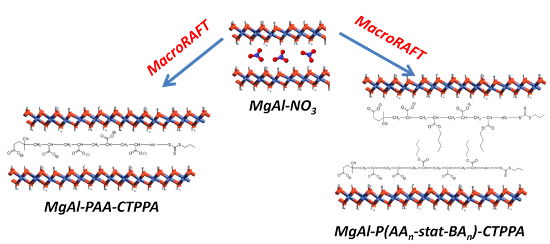
- matrices [5][6][7]. For instance, hybrid LDH involving amino acids, peptides, nucleosides, nucleic acids [8][9][10], biopolymers [11][12] and various drugs [13][14][15] were investigated to develop efficient systems for therapeutic applications [16][17]. Various dyes (sulfonated spyrospiran, methyl orange


A dioxaborine cyanine dye as a photoluminescence probe for sensing carbon nanotubes
Beilstein J. Nanotechnol. 2016, 7, 1991–1999, doi:10.3762/bjnano.7.190
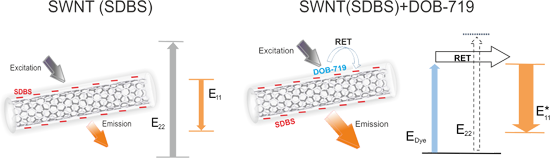
- sidewall with π-conjugated organic compounds [9][10][11][12]. Considering sensors, particular attention has to be paid to the PL enhancement in aqueous media, like the complexation and resonant energy transfer (RET) from cyanine dyes to the SWNTs covered by anionic surfactants in water [12]. However, a
- emergence of new PL peaks in the range of excitation wavelength at 650–780 nm, where the PL emission of the SWNTs is very low. Generally, polymethine dyes with a terminal dioxaborine group have intense PL signals, efficient two-photon absorption, high hyperpolarizability [13], and features of effective PL
- ) via the RET. This way, DOB-719 (donor of energy) and SWNT (acceptor of energy) form nanostructured complexes via non-covalent interaction. As a result, the diagrams model the emergence of new PL peaks due to formation of non-covalent complexes of DOB-719 with the SWNT. The complexes of such dyes have


Organoclay hybrid materials as precursors of porous ZnO/silica-clay heterostructures for photocatalytic applications
Beilstein J. Nanotechnol. 2016, 7, 1971–1982, doi:10.3762/bjnano.7.188
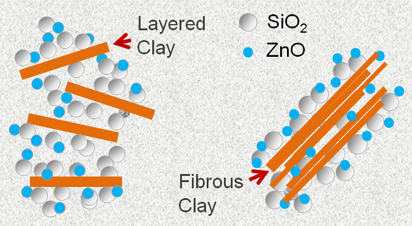
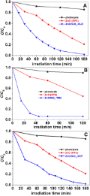
- of the prepared heterostructures were characterized by diverse physico-chemical techniques (such as XRD, FTIR, TEM, FE-SEM). The efficiency of these new porous ZnO/SiO2-clay heterostructures as potential photocatalysts in the degradation of organic dyes and the removal of pharmaceutical drugs in





Controlled supramolecular structure of guanosine monophosphate in the interlayer space of layered double hydroxide
Beilstein J. Nanotechnol. 2016, 7, 1928–1935, doi:10.3762/bjnano.7.184
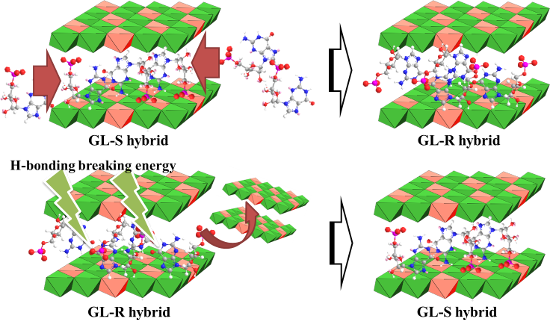
- ability towards cationic dyes or nucleoside through noncovalent interactions. Due to its characteristic structure having K+ in the center, G4 quartets can be considered as scaffolds for artificial ion channels. We have reported a stable G4 membrane film utilizing guanosine and bis(3-aminopropyl


Facile fabrication of luminescent organic dots by thermolysis of citric acid in urea melt, and their use for cell staining and polyelectrolyte microcapsule labelling
Beilstein J. Nanotechnol. 2016, 7, 1905–1917, doi:10.3762/bjnano.7.182
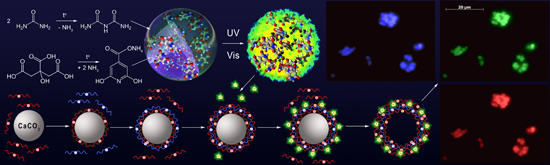
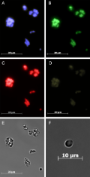
- crystals (quantum dots, Q-dots) are a good alternative to common fluorescent dyes in a variety of biomedical applications, mainly due to their high photostability and relatively large Stokes shift [1][2][3], but Q-dots typically contain heavy metals (lead, cadmium) and chalcogens (selenium, tellurium
- properties of low toxicity, being environmentally friendly, offering simple synthetic routes and low cost, as well as having comparable optical properties to traditional quantum dots and organic dyes [4][5][6][7][8][9][10][11][12][13][14][15][16][17][18]. Photoluminescent C-dots are superior in terms of
- -delivery vehicles in living beings [31][32]. Earlier, such microcapsules had been decorated using other luminescent labels, including organic dyes [33], rare-earth phosphate nanocrystals [34] and visible [35][36] or near-infrared emitting chalcogenide Q-dots [36]. Results and Discussion O-dot formation and




Role of RGO support and irradiation source on the photocatalytic activity of CdS–ZnO semiconductor nanostructures
Beilstein J. Nanotechnol. 2016, 7, 1684–1697, doi:10.3762/bjnano.7.161
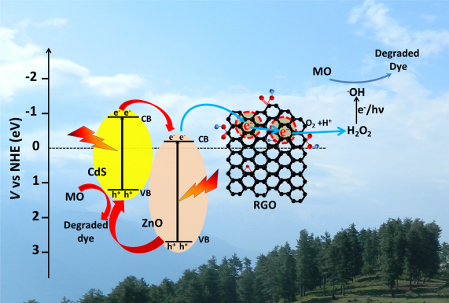
- of these pollutants, particularly dyes, are carcinogenic and mutagenic [2]. Thus, there is an urgent need for removal of these pollutants as these are harmful to both human and environment [3]. Previous studies have extensively explored the role of semiconductor oxides mainly ZnO, TiO2 in the
- [11], ozonization [12] and adsorption [13], as these methods are unable to remove the contaminants completely. Some recent studies have reported ZnO as a better photocatalytic material in the degradation of organic dyes in aqueous solutions, because of high charge carrier mobility and significantly


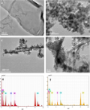


Scanning probe microscopy studies on the adsorption of selected molecular dyes on titania
Beilstein J. Nanotechnol. 2016, 7, 1642–1653, doi:10.3762/bjnano.7.156
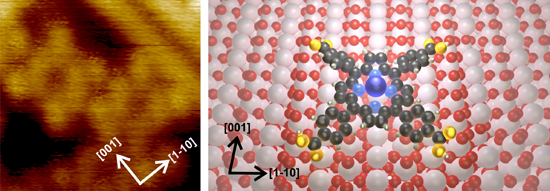
- , Jagiellonian University, Łojasiewicza 11, 30-348 Krakow, Poland Department of Physics, University of Basel, Klingelbergstr. 82, 4056 Basel, Switzerland 10.3762/bjnano.7.156 Abstract Titanium dioxide, or titania, sensitized with organic dyes is a very attractive platform for photovoltaic applications. In this
- context, the knowledge of properties of the titania–sensitizer junction is essential for designing efficient devices. Consequently, studies on the adsorption of organic dyes on titania surfaces and on the influence of the adsorption geometry on the energy level alignment between the substrate and an
- charge separation and transport functions are separated. Now, the properties of the semiconductor–sensitizer junction may increase the conversion efficiency in the photovoltaic device. In view of this, it is essential to study the adsorption properties and the charge transfer of organic dyes on the


Nano- and microstructured materials for in vitro studies of the physiology of vascular cells
Beilstein J. Nanotechnol. 2016, 7, 1620–1641, doi:10.3762/bjnano.7.155
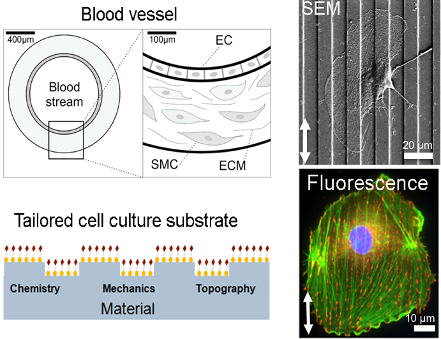

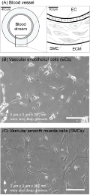


An efficient recyclable magnetic material for the selective removal of organic pollutants
Beilstein J. Nanotechnol. 2016, 7, 1447–1453, doi:10.3762/bjnano.7.136
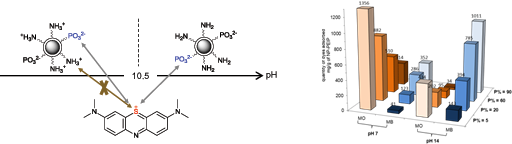
- Da) was purchased from BASF, phosphorous acid, formaldehyde, hydrochloric acid and sodium hydroxide were obtained from VWR and dyes (methylene blue, MB, and methyl orange, MO) from Sigma-Aldrich. Dialysis tubings were bought from Roth. Absorbance was measured by using a UV–visible Perkin-Elmer
- of the NP-PEIP in removing pollutants was determined by the adsorption of two organic dyes used as contaminants models: the positively charged (regardless of the pH value) methylene blue (MB) and the negatively charged (from pH 3.4 to basic pH) methyl orange (MO). Such dyes are pollutants themselves
- , which are considerably harder to remove, the concentration of the dyes was kept below 5·10−4 mol·L−1 in all the experiments. This choice of low concentration (which is not a strict limitation) is dictated by the need to be close to the most common pollutions that are often diffuse and characterized by


High performance Ce-doped ZnO nanorods for sunlight-driven photocatalysis
Beilstein J. Nanotechnol. 2016, 7, 1338–1349, doi:10.3762/bjnano.7.125
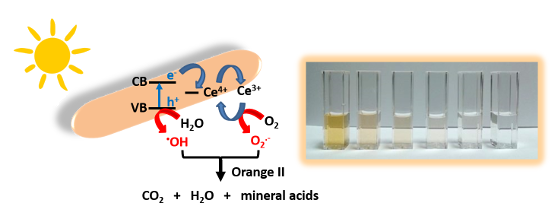
- been developed and their ability to degrade cyanide anions [28] or organic dyes [29][30][31][32][33] like methylene blue or methyl-orange has been demonstrated. The preparation of Ce–Cu, Ce–Pd or Ce–Ag co-doped photocatalysts to enhance the solar or the visible light catalytic response was also