Search results
Search for "irradiation" in Full Text gives 590 result(s) in Beilstein Journal of Nanotechnology. Showing first 200.
Recent trends in Bi-based nanomaterials: challenges, fabrication, enhancement techniques, and environmental applications
Beilstein J. Nanotechnol. 2022, 13, 1316–1336, doi:10.3762/bjnano.13.109
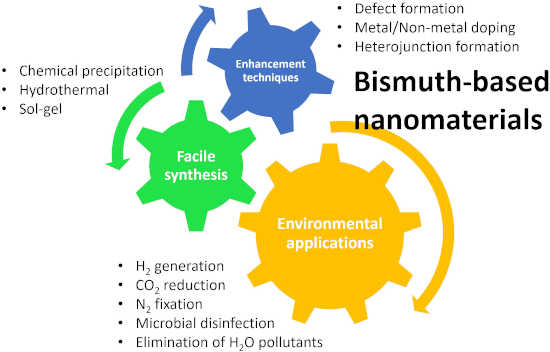
- obtained. They found that Bi5O7Br effectively converts molecular oxygen to superoxide radicals and hydroxyl radicals in visible light. Under UV–vis irradiation, Bi5O7Br showed a higher photocatalytic activity in the degradation of rhodamine B (RhB) dye than BiOBr. The addition of Bi5O7Br photocatalysis to
- the Bi–O–X photocatalytic system improved the system. In this work, they found that the RhB elimination percentage over Bi5O7Br is 85% after 120 min of UV–visible-light irradiation, and the reaction rate constant was measured as 1.496 h−1·m−2. In contrast, the reaction rate constant for BiOBr was
- irradiation, the RhB photodegradation efficiency of the coralloid particles produced at pH 7 was about four times greater than that of the sample synthesized at pH 0.5. The increased photocatalytic activity was caused by several factors, such as a synergistic effect of highly exposed (010) grain facets, an




Application of nanoarchitectonics in moist-electric generation
Beilstein J. Nanotechnol. 2022, 13, 1185–1200, doi:10.3762/bjnano.13.99
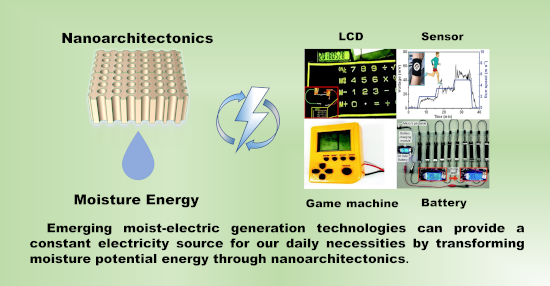
- graphene oxide on the outer side are higher and more hydrophilic than the part that did not receive laser irradiation (Figure 5b). After exposure to moisture, a significant difference in ion concentration occurs due to the difference in humidity and the ability to dissociate hydronium ions, thereby driving


Microneedle-based ocular drug delivery systems – recent advances and challenges
Beilstein J. Nanotechnol. 2022, 13, 1167–1184, doi:10.3762/bjnano.13.98
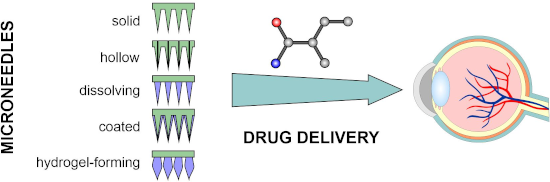
- type and construction of the manufactured microneedles, as well as the applied material. The properties of the drug must be carefully taken into consideration, as some active ingredients may decompose at higher temperatures or upon irradiation. In the case of solid microneedles prepared with the use of


Rapid fabrication of MgO@g-C3N4 heterojunctions for photocatalytic nitric oxide removal
Beilstein J. Nanotechnol. 2022, 13, 1141–1154, doi:10.3762/bjnano.13.96
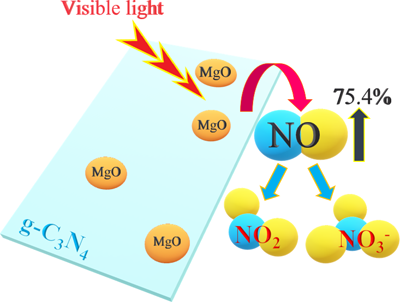
- heterojunction photocatalysts were synthesized by one-step pyrolysis of MgO and urea at 550 °C for two hours. The photocatalytic NO removal efficiency of the MgO@g-C3N4 heterojunctions was significantly improved and reached a maximum value of 75.4% under visible light irradiation. Differential reflectance
- −1), and M is the molecular weight of NO (g·mol−1). The photon flux in the photocatalytic experiment is 2.72·1019 cm−2·min−1, the irradiation area for the 12 cm diameter petri dish is 113.1 cm2. In addition, the bandgap energy of materials was calculated by using the Tauc and the Kubelka–Munk
- and 5% MgO@g-C3N4 in the visible and UV range, which increased the photocatalytic performance under visible light irradiation. The PL results confirmed the presence of vacancies in the MgO@g-C3N4 heterojunctions. MgO@g-C3N4 is promising for large-scale fabrication via this simple and fast method. This





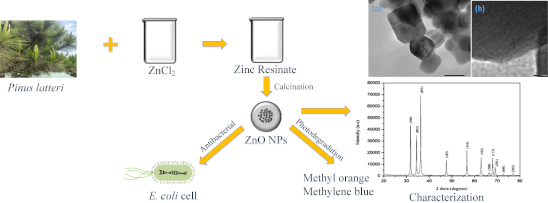
Green synthesis of zinc oxide nanoparticles toward highly efficient photocatalysis and antibacterial application
Beilstein J. Nanotechnol. 2022, 13, 1108–1119, doi:10.3762/bjnano.13.94
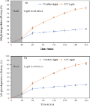
- Equation 3. Figure 8 shows the degradation absorption spectra of MO and MB by synthesized ZnO under visible and UV light for different time intervals. The intensity of the peak decreased with increasing irradiation time. The results in Figure 9 show that the degradation efficiency of MB and MO solutions
- under UV light was higher than that under visible light. The degradation of MB (10 mg/L) under visible and UV light by ZnO NPs was 50.46% and 100%, respectively, after 210 min of irradiation. The degradation efficiency of MO (10 mg/L) by ZnO was lower than that of MB (10 mg/L). After 210 min of
- irradiation by visible and UV light, the MO degradation efficiency by ZnO NPs reached 33.56 and 82.78%, respectively. ZnO has a rather high bandgap energy; therefore, the degradation efficiency of organic substances under visible light is not as high as that under UV light. Maddu et al. [34] studied the




Recent advances in green carbon dots (2015–2022): synthesis, metal ion sensing, and biological applications
Beilstein J. Nanotechnol. 2022, 13, 1068–1107, doi:10.3762/bjnano.13.93
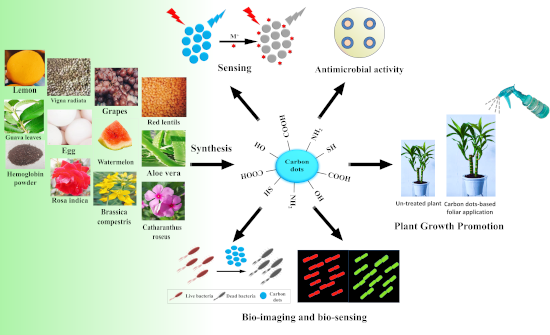
- treatments, ultrasonication, microwave irradiations, and microwave-assisted hydrothermal/pyrolysis are used in the green synthesis of CDs [41]. Hydrothermal methods convert the raw material into carbonized matter. Although relatively simple, the procedure takes several hours. Microwave irradiation, in




Spindle-like MIL101(Fe) decorated with Bi2O3 nanoparticles for enhanced degradation of chlortetracycline under visible-light irradiation
Beilstein J. Nanotechnol. 2022, 13, 1038–1050, doi:10.3762/bjnano.13.91
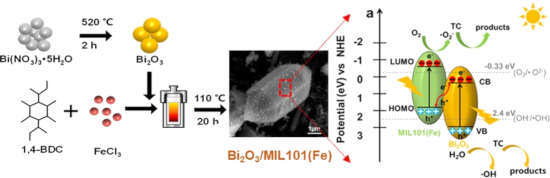
- -light irradiation. The obtained BOM-20 composite (20 wt % Bi2O3/MIL101(Fe)) exhibits the highest photocatalytic activity with CTC degradation efficiency of 88.2% within 120 min. The degradation rate constant of BOM-20 toward CTC is 0.01348 min−1, which is 5.9 and 4.3 times higher than that of pristine
- photocatalyst under UV light irradiation [30]. So far, a large number of MOFs have been shown to exhibit photocatalytic activity in H2 production, organic pollutant degradation, and Cr(VI) and CO2 reduction [26][27][31][32][33]. Among MOF catalysts, MIL101(Fe) is a cage-like structure formed by self-assembly of
- nanoparticles. Photocatalytic test The photocatalytic activity of the prepared samples was evaluated by the degradation of chlortetracycline (CTC) under visible-light irradiation. The test method is similar to what has been described in [35]. In a typical reaction, 30 mg of photocatalysts were added to 100 mL


Effects of focused electron beam irradiation parameters on direct nanostructure formation on Ag surfaces
Beilstein J. Nanotechnol. 2022, 13, 1004–1010, doi:10.3762/bjnano.13.87
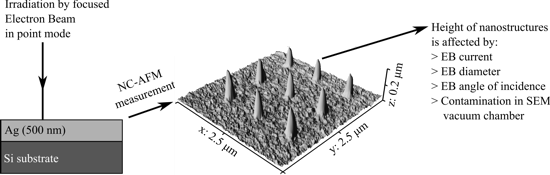
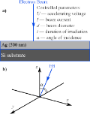
- plasmonics, due to their ability to absorb or emit light at frequencies which depend on their size and shape. It was recently shown that irradiation by a focused electron beam can promote the growth of nanostructures on metal surfaces and the height of these structures depends on the duration of the
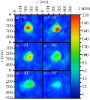
- irradiation and the material of the surface. However, the effects on growth dynamics of numerous irradiation parameters, such as beam current or angle of incidence, have not yet been studied in detail. We explore the effects of focusing, angle of incidence, and current of the electron beam on the size and
- surfaces undergoing irradiation by a focused electron beam. Keywords: atomic force microscopy; electron beam; lithography; nanostructure; silver; sputtering; surface; Introduction Metallic nanostructures have various uses, including in nano-electro-mechanical systems [1], plasmonic biosensors [2], and




Influence of water contamination on the sputtering of silicon with low-energy argon ions investigated by molecular dynamics simulations
Beilstein J. Nanotechnol. 2022, 13, 986–1003, doi:10.3762/bjnano.13.86
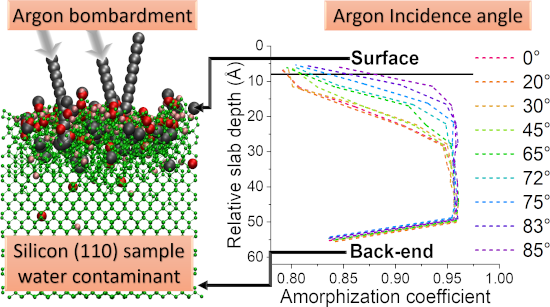
- extreme cases. Nowadays, very little is known about the influence of contaminations on the amorphization process under ion irradiation. Thanks to molecular dynamics (MD) simulations, a wide range of materials properties and process parameters can be reproduced [27][28][29]. In this paper, we are using MD
- cascade happened and to increase it after the energy dissipated into the system. During the ion irradiation simulations, the bottom slab of the sample (one lattice high) was set in an NVT ensemble using the same methodology in order to reproduce a heat-bath effect [55]. The remaining atoms were kept in
- ., a few hundred picoseconds in simulations compared to µs in experiments) leading to an overall higher irradiation density yet keeping the sample at room temperature. To reproduce an ion beam, the initial positions of the argon ions were randomized in the surface plane. Each simulation set consisted




Solar-light-driven LaFexNi1−xO3 perovskite oxides for photocatalytic Fenton-like reaction to degrade organic pollutants
Beilstein J. Nanotechnol. 2022, 13, 882–895, doi:10.3762/bjnano.13.79
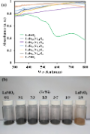
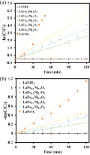
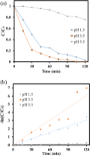
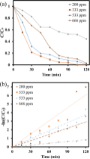
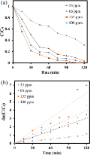
- Fenton reaction, a photo-Fenton reaction excited by ultraviolet light or visible light can achieve a faster reaction rate and a complete degree of oxidation [19]. Besides, it shows a positive relationship between light intensity and photocatalytic activity. With the assistance of light irradiation, the
- ]. LaFeO3 perovskite oxides are promising materials to conduct Fenton-like oxidation to decompose organic pollutants with light irradiation. Some literature exhibits the capability of LaFeO3 perovskite oxides as photocatalysts to degrade organic contaminants. Li et al. prepared intrinsic LaFeO3 or SmFeO3
- nanoparticles via the sol–gel method to decompose rhodamine-B under visible light irradiation. With the assistance of H2O2, it shows a synergistic effect between photocatalytic reaction and heterogeneous photo-Fenton-like reaction [23]. Furthermore, the strategies of being loaded over supports (such as g-C3N4



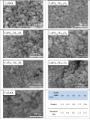
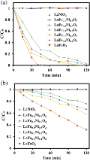
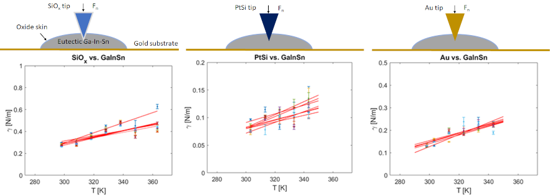
Temperature and chemical effects on the interfacial energy between a Ga–In–Sn eutectic liquid alloy and nanoscopic asperities
Beilstein J. Nanotechnol. 2022, 13, 817–827, doi:10.3762/bjnano.13.72
- have been characterized by TEM and XPS [25]. The authors reported on the effect of electron beam exposition time on the growth of a ZnGa2O4 layer. After 35 min irradiation, the oxide layer had grown from 2 nm to less than 5 nm. Besides this moderate growth, the authors observed the partial



Hierachical epicuticular wax coverage on leaves of Deschampsia antarctica as a possible adaptation to severe environmental conditions
Beilstein J. Nanotechnol. 2022, 13, 807–816, doi:10.3762/bjnano.13.71
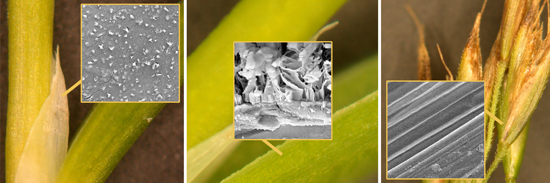
- harsh environments (e.g., strong UV irradiation, low temperatures, and icing). Experimental Plant material D. antarctica plants used in this study were collected in the vicinity of Henryk Arctowski Polish Antarctic Station, King George Island, Maritime Antarctica (62°09′50″ S, 58°28′7″ W) during X




Optimizing PMMA solutions to suppress contamination in the transfer of CVD graphene for batch production
Beilstein J. Nanotechnol. 2022, 13, 796–806, doi:10.3762/bjnano.13.70
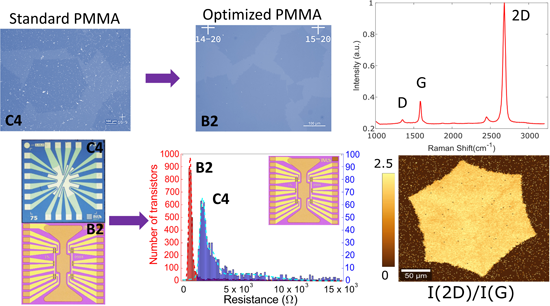
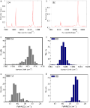
- B2 samples. This result again supports that employing B2 PMMA yields fewer residues and may help in avoiding post-transfer treatments for advanced PMMA residue cleaning of graphene, such as annealing and ion beam irradiation [32]. The graph of the G band shift (Supporting Information File 1, Figure




Recent advances in nanoarchitectures of monocrystalline coordination polymers through confined assembly
Beilstein J. Nanotechnol. 2022, 13, 763–777, doi:10.3762/bjnano.13.67
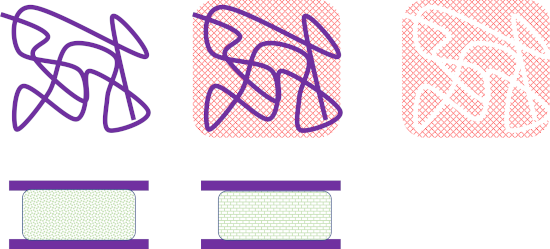
- -irradiation, mechanical deformation, or electrical and magnetic forces could influence the interactions and the formation kinetics of the interest structures. From the point view of materials, it would be interesting to use confined growth and assembly to assemble the coordination polymers that could satisfy
- challenges to be tackled in the future. First, the detailed structures of the networks@crystal are difficult to investigate. The atomic structures of the composites are easily lost during observation because the coordination polymers are not stable under electron irradiation. Moreover, when the composites


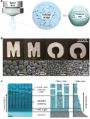


Hierarchical Bi2WO6/TiO2-nanotube composites derived from natural cellulose for visible-light photocatalytic treatment of pollutants
Beilstein J. Nanotechnol. 2022, 13, 745–762, doi:10.3762/bjnano.13.66
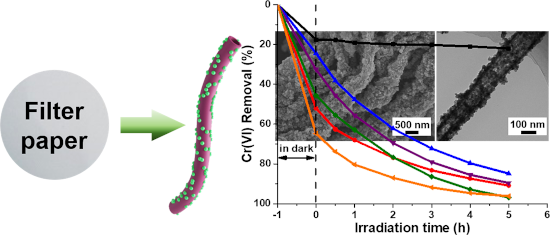
- − units [22]. The hybridized O 2p and Bi 6s orbitals in the conduction band of the material contribute to the effective transfer of photoinduced electron−hole pairs, resulting in good photocatalytic properties under visible-light irradiation [23][24]. However, there is still room for improvement of the
- reduction of Cr(VI) or degradation of rhodamine B (RhB) under visible-light irradiation (λ > 420 nm), they exhibited excellent photocatalytic activities. This was due to the unique hierarchical network structures of the composite as well as the uniformly and compactly built heterostructures in between TiO2
- irradiation for t hours, after the achievement of the adsorption−desorption equilibrium, and at the initial moment (10.0 mg·L−1), respectively. The photocatalytic stabilities of the cellulose-derived Bi2WO6/TiO2-NT nanocomposites on the photocatalytic reduction of Cr(VI) or degradation of RhB were confirmed


Direct measurement of surface photovoltage by AC bias Kelvin probe force microscopy
Beilstein J. Nanotechnol. 2022, 13, 712–720, doi:10.3762/bjnano.13.63
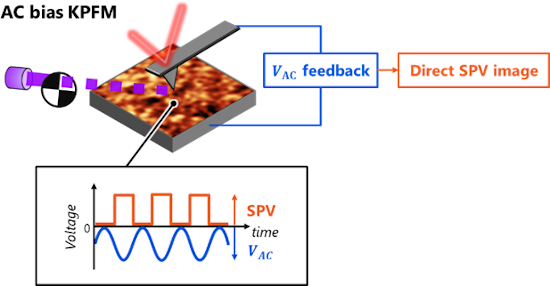
- amplitude VSPV: Therefore, the electrostatic force under modulated laser irradiation is described as This equation can be divided into three parts: (Equation 5) is measured to determine the SPV by controlling VAC and nullifying the modulated force where the SPV is derived as Thus, AC-KPFM controls the AC


Sodium doping in brookite TiO2 enhances its photocatalytic activity
Beilstein J. Nanotechnol. 2022, 13, 599–609, doi:10.3762/bjnano.13.52
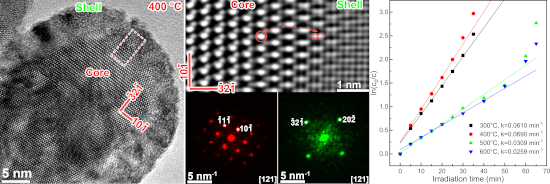
- exceeded four times that of P25 under visible light irradiation [8]. The degradation of methyl orange by brookite nanoflowers was much more efficient than that by anatase nanorods [9]. Moreover, the heterojunction of brookite TiO2 can enhance the photocatalytic activity (e.g., the rutile/brookite TiO2
- over two typical samples (400 and 500 °C). The MB concentration versus the irradiation time was determined from the characteristic absorption peak of MB (≈665 nm) acquired by a UV–vis spectrophotometer, as shown in Figure 1c. Samples calcinated at 300 and 400 °C exhibited an excellent photocatalytic
- activity, and more than 90% of MB was decolorized after UV light irradiation for 30 min. However, for the samples calcinated at 500 and 600 °C, it takes about 60 min to degrade 90% of MB. Moreover, the photodegradation rate of MB by the samples was quantitatively characterized based on pseudo first-order


Zinc oxide nanostructures for fluorescence and Raman signal enhancement: a review
Beilstein J. Nanotechnol. 2022, 13, 472–490, doi:10.3762/bjnano.13.40
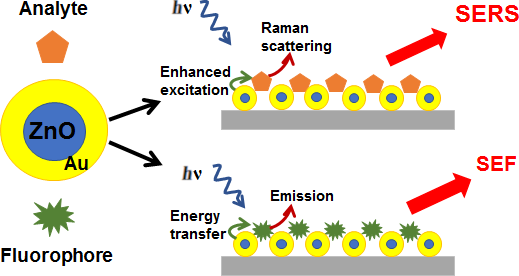
- ) [12] was carried out as well. Chou et al. employed a simple and rapid method, namely pulsed laser-induced photolysis to develop Au NPs on the surface of ZnO nanorods fabricated by the sol–gel method (Figure 2c,d) [38]. Various irradiation times were tested, indicating that a short irradiation time was
- photochemical reduction [32], pulsed laser-induced photolysis [38], or controlled decoration with Ag NPs using an electroless plating technique [44]. Photochemical synthesis permits the control of nucleation and growth rate without using organic additives. Xu et al. employed laser irradiation of ZnO nanorods in
- milli-Q water to the freshly prepared Ag nanowire solution [55]. A higher photocatalytic activity was shown for the Ag–ZnO core–shell particles compared to ZnO alone under solar light irradiation. SERS applications of ZnO-based nanostructures SERS is a powerful technique with promising applications for




Investigation of electron-induced cross-linking of self-assembled monolayers by scanning tunneling microscopy
Beilstein J. Nanotechnol. 2022, 13, 462–471, doi:10.3762/bjnano.13.39
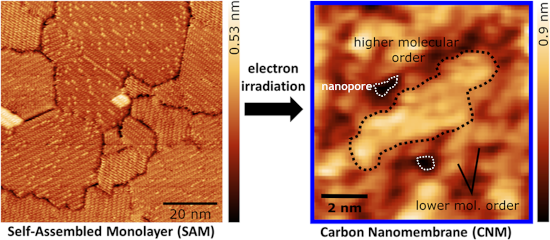
- with a scanning tunneling microscope. As the irradiation dose was increased, the cross-linked regions continued to grow and a large number of subnanometer voids appeared. Their equivalent diameter is 0.5 ± 0.2 nm and the areal density is ≈1.7 × 10¹⁷ m−2. Supported by classical molecular dynamics
- tailor surface properties [13][14][15][16][17][18][19][20]. These monolayers can be modified with lithographic tools, such as scanning probes [21], UV light, X-rays, ions, or electron beams [22][23][24]. A particularly versatile nanofabrication scheme utilizes electron irradiation of aromatic SAMs to
- electron energy loss spectroscopy (HREELS) [53][54], Raman spectroscopy [55], and low-energy electron microscopy (LEEM) [56] as well as by theoretical analysis [57][58][59]. It is now well established that electron irradiation leads to cleavage of C–H and S–H bonds, followed by the formation of C–C bonds


A broadband detector based on series YBCO grain boundary Josephson junctions
Beilstein J. Nanotechnol. 2022, 13, 325–333, doi:10.3762/bjnano.13.27
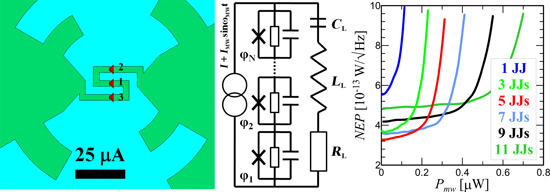
- deposition of YBaCuO films on a bicrystal substrate [25]. This problem can be mitigated by using ion irradiation [4][18][26] or step-edge junction technology [19], which will significantly increase the receiving properties and efficiency of the JJ series at high frequencies. While the integral received power



Photothermal ablation of murine melanomas by Fe3O4 nanoparticle clusters
Beilstein J. Nanotechnol. 2022, 13, 255–264, doi:10.3762/bjnano.13.20
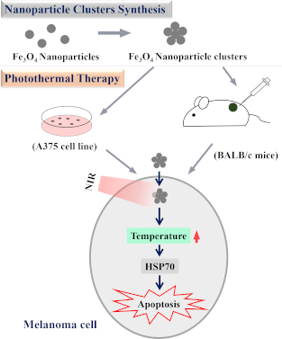
- diameter of 329.2 nm. They are highly absorptive at the near-infrared wavelength of 808 nm and efficient at locally converting light into heat. In vitro experiments using light-field microscopy and cell viability assay showed that Fe3O4 NPCs, in conjunction with near-infrared irradiation, effectively
- MRI imaging, targeted drug delivery and hyperthermia therapy [8][9]. Hyperthermia therapy can be achieved by using either magnetic fields or NIR irradiation. Application of an external alternating magnetic field on these nanoparticles leads to the production of heat to mediate magnetic hyperthermia
- needed to elicit sufficient hyperthermia by NIR irradiation, lingering magnetite may impose potential systemic toxicity. Thus, Fe3O4 single nanoparticles must be modified to reduce the dosage while keeping their therapeutic efficacy. In our earlier report, we synthesized Fe3O4 nanoparticle-containing


Impact of device design on the electronic and optoelectronic properties of integrated Ru-terpyridine complexes
Beilstein J. Nanotechnol. 2022, 13, 219–229, doi:10.3762/bjnano.13.16
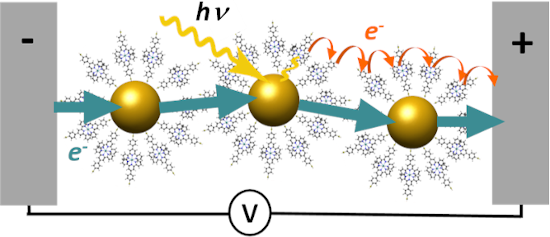
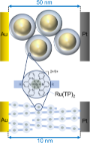
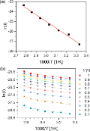
- mechanism, that is, thermally activated hopping conduction in the case of Ru-terpyridine wire devices or sequential tunneling in nanoparticle-based devices. Furthermore, the conductance switching of nanoparticle-based devices upon 530 nm irradiation was attributed to plasmon-induced metal-to-ligand charge
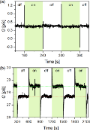
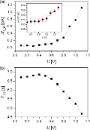
- devices upon irradiation at a wavelength of 490 to 540 nm and DC bias (USD) of 0.1 to 1.2 V (Figure 5a). Current vs time traces were recorded while the light source was switched on and off for a period needed until a stable current was recorded. The period was varied between 30 s and several minutes. The
- ). The Ru(MPTP)2–AuNP devices, consisting of three to four AuNPs between the nanoelectrodes, were optically addressed by the same procedure, that is, 530 nm irradiation (USD = 1 V) and on/off switching with different frequencies and at bias voltages in the range from 0.1 to 1.1 V (Figure 5b and


Engineered titania nanomaterials in advanced clinical applications
Beilstein J. Nanotechnol. 2022, 13, 201–218, doi:10.3762/bjnano.13.15
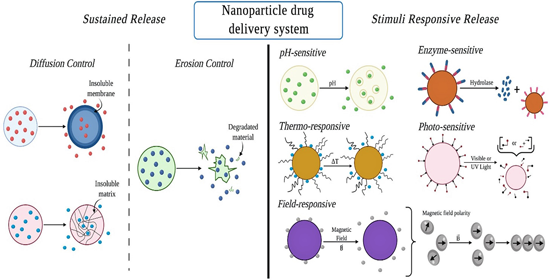
- minimize the risk of device-related infections, implants are usually coated with TiO2 nanotubes, which under UV irradiation, generate reactive oxygen species (ROS), resulting in the disinfection ability [13]. One of the most vital contributions of nanotechnology is the development of novel modes of drug
- cells containing TiO2 nps undergo oxidative degeneration upon light irradiation under the influence of generated ROS and, therefore, these nps are considered as a potent photosensitizer in anticancer photodynamic therapy and the photodynamic inactivation of antibiotic-resistant bacteria [15]. TiO2
- photocatalytic activity. Upon UV irradiation, the electrons in the valence band get excited to the conduction band, leading to the formation of electron–hole pairs and the generation of ROS. Subsequently, the generated holes (h+) convert water/hydroxide molecules to peroxide/hydroxyl radicals by oxidation. The


A comprehensive review on electrospun nanohybrid membranes for wastewater treatment
Beilstein J. Nanotechnol. 2022, 13, 137–159, doi:10.3762/bjnano.13.10




Bacterial safety study of the production process of hemoglobin-based oxygen carriers
Beilstein J. Nanotechnol. 2022, 13, 114–126, doi:10.3762/bjnano.13.8
- , the sterility of the final product is not guaranteed. Terminal sterilization of hemoglobin as well as particle suspension with standard methods of heat inactivation, UV-C irradiation, or gamma irradiation all led to a denaturation of the hemoglobin or to an enormous formation of methemoglobin due to