Search results
Search for "membrane" in Full Text gives 563 result(s) in Beilstein Journal of Nanotechnology. Showing first 200.
Spatial mapping of photovoltage and light-induced displacement of on-chip coupled piezo/photodiodes by Kelvin probe force microscopy under modulated illumination
Beilstein J. Nanotechnol. 2023, 14, 1059–1067, doi:10.3762/bjnano.14.87
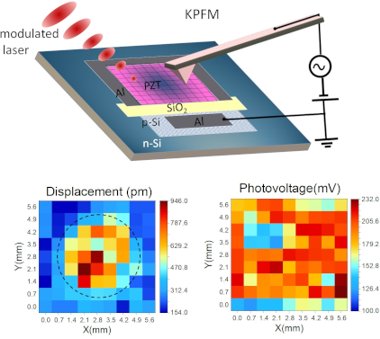
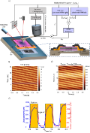
- In this work, a silicon photodiode integrated with a piezoelectric membrane is studied by Kelvin probe force microscopy (KPFM) under modulated illumination. Time-dependent KPFM enables simultaneous quantification of the surface photovoltage generated by the photodiode as well as the resulting
- mechanical oscillation of the piezoelectric membrane with vertical atomic resolution in real-time. This technique offers the opportunity to measure concurrently the optoelectronic and mechanical response of the device at the nanoscale. Furthermore, time-dependent atomic force microscopy (AFM) was employed to
- spatially map voltage-induced oscillation of various sizes of piezoelectric membranes without the photodiode to investigate their position- and size-dependent displacement. Keywords: Kelvin probe force microscopy (KPFM); light-driven micro/nano systems; piezoelectric membrane; surface photovoltage (SPV


Recognition mechanisms of hemoglobin particles by monocytes – CD163 may just be one
Beilstein J. Nanotechnol. 2023, 14, 1028–1040, doi:10.3762/bjnano.14.85
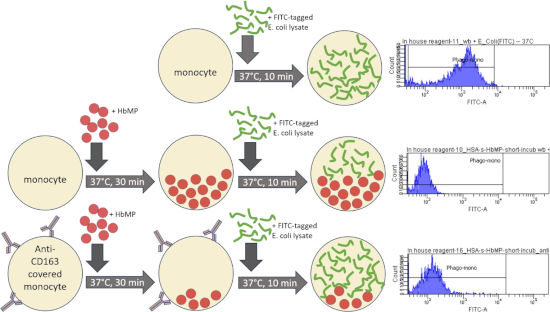
- since both proteins are specific for monocytes. CD163 was tested because of its direct affinity to Hb. Also, we tested the effect of blocking CD204 (scavenger receptor A/SR-A). SR-A is a membrane protein occurring in the monocyte/macrophage lineage. Playing an important role in host defense, it exhibits
- block the monocytic membrane protein, as formerly described by Schaer and co-workers [27]. For a reference sample, the phagocytic capacity of monocytes was fully utilized for the uptake of FITC-labeled E. coli lysate over a period of 10 min at 37 °C (commercially available phagocytosis tests use lysate
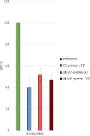
- allowed to ingest FITC-labeled E. coli lysate, the MFI was reduced to 39.8% ± 19.8% (EC-prefed-120′, Figure 2a). This circumstance indirectly represents phagocytic activity by monocytes: the lower the MFI, the greater the extent of phagocytosis in the “pre-feeding-step”. Covering the monocytes membrane




Nanoarchitectonics of photothermal materials to enhance the sensitivity of lateral flow assays
Beilstein J. Nanotechnol. 2023, 14, 988–1003, doi:10.3762/bjnano.14.82
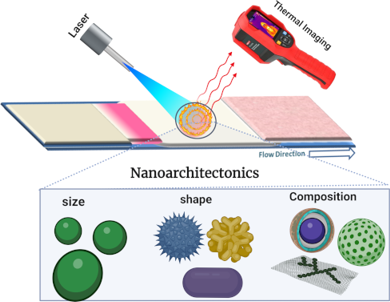
- different parts, namely sample pad, conjugate pad, nitrocellulose membrane, and adsorbent pad, maintaining a smooth flow of reagents through the LFA membrane. In the presence of a sample, the analyte initially reacts with affinity molecules, commonly antibodies linked with tracers such as gold nanoparticles
- , before being captured by immobilized biomolecules on a test line in the nitrocellulose membrane [6][7]. In conventional LFAs, most commonly gold nanoparticles and coloured cellulose nanobeads have been used as tracer elements because of strong light absorption and surface plasmon resonance, which yield
- nanomaterials; it also influences the capillary movement of nanoparticles inside the nitrocellulose membrane pores. Herein, we discuss the current development of photothermal nanomaterials regarding the application in LFAs. As an introduction, we discuss the classification of different photothermal


Prediction of cytotoxicity of heavy metals adsorbed on nano-TiO2 with periodic table descriptors using machine learning approaches
Beilstein J. Nanotechnol. 2023, 14, 939–950, doi:10.3762/bjnano.14.77
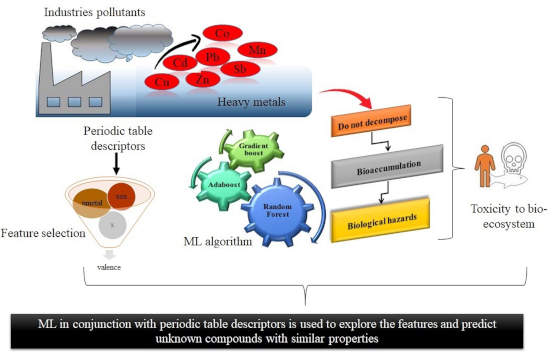
- toxicity through an ionic mechanism followed by the generation of reactive oxygen species (ROS). Another, biomarker for ROS is lipid peroxidation [38] as free radicals cause lipid peroxidation inside the cell membrane. The catalytic properties of the metals are also responsible for an increased toxicity of


Green SPIONs as a novel highly selective treatment for leishmaniasis: an in vitro study against Leishmania amazonensis intracellular amastigotes
Beilstein J. Nanotechnol. 2023, 14, 893–903, doi:10.3762/bjnano.14.73
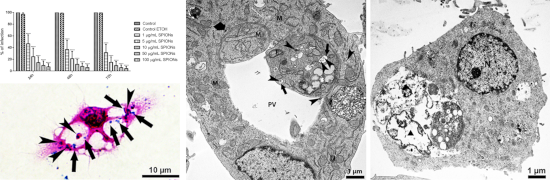
- effects on cell proliferation, infectivity percentage, and ultrastructure. SPIONs were internalized by both parasite stages, randomly distributed in the cytosol and located mainly in membrane-bound compartments. The selectivity index for intracellular amastigotes was more than 240 times higher compared to
- , scanning electron microscopy and chemical element mapping analysis were carried out to confirm the uptake of the SPIONs by L. amazonensis intracellular amastigotes after removing the plasma membrane to expose the cytoplasmic environment (Figure 2). Secondary electron imaging revealed intracellular
- different sizes. Furthermore, at high magnification, it is possible to observe that the SPIONS are frequently surrounded by membranes (Figure 3B, arrows). In addition, SPIONs were also observed inside the flagellar pocket (Figure 3C, arrowheads) and closely associated with the membrane. The uptake of SPIONs


A wearable nanoscale heart sound sensor based on P(VDF-TrFE)/ZnO/GR and its application in cardiac disease detection
Beilstein J. Nanotechnol. 2023, 14, 819–833, doi:10.3762/bjnano.14.67
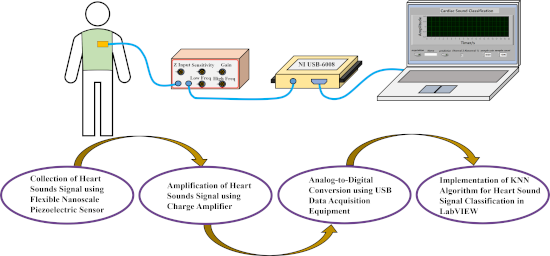
- advancement in wearable electronic devices within the healthcare field, leading to several noteworthy breakthroughs. For instance, D. Wan et al. [11] presented a groundbreaking development in the form of a flexible wearable friction patch. This innovative patch consists of a dual-layer PDMS membrane infused


Nanostructured lipid carriers containing benznidazole: physicochemical, biopharmaceutical and cellular in vitro studies
Beilstein J. Nanotechnol. 2023, 14, 804–818, doi:10.3762/bjnano.14.66
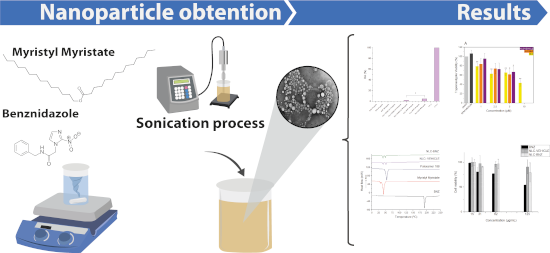
- nanoparticles could accumulate in the site of inflammation delivering the drug in the surroundings of their molecular target. In addition, nanocarriers may pass through the cell membrane via endocytosis to avoid BNZ efflux via the P-glycoprotein efflux pump [14][15][16], thus delivering the drug more
- , hemolytic activity could be caused by several reasons, including the ageing of the blood sample after 48 h of incubation with the concomitant release of hemoglobin, but also by the presence of surfactants that could destabilized the erythrocyte membrane [47]. On the other hand, the differences between NLC
- it to the outer leaflet of the lipid bilayer [49]. Trypanosoma brucei predominant membrane protein variant surface glycoprotein (VSG), which is involved in parasite host immune system evasion, is anchored by a GPI that requires myristate for its synthesis. Analogs of myristate have shown toxicity


Silver nanoparticles loaded on lactose/alginate: in situ synthesis, catalytic degradation, and pH-dependent antibacterial activity
Beilstein J. Nanotechnol. 2023, 14, 781–792, doi:10.3762/bjnano.14.64
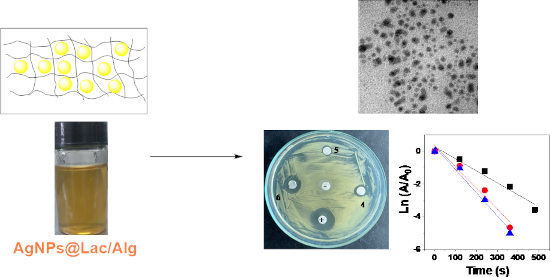
- the medium. The antibacterial effectiveness of the nanocomposite varied among the bacterial strains and pH values, which may be related to the antibacterial mechanism of AgNPs and the cell wall and membrane structure of each bacterial strain [50]. These findings suggest that the antibacterial activity


Control of morphology and crystallinity of CNTs in flame synthesis with one-dimensional reaction zone
Beilstein J. Nanotechnol. 2023, 14, 741–750, doi:10.3762/bjnano.14.61
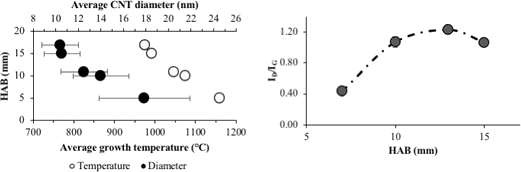
- Malaysia, 81310 Johor Bahru, Malaysia Advanced Membrane Technology Research Center, Universiti Teknologi Malaysia, 81310 Johor Bahru, Malaysia National Research and Innovation Agency, Indonesia 10.3762/bjnano.14.61 Abstract The growth of carbon nanotubes (CNTs) in a flame requires conditions that are


On the use of Raman spectroscopy to characterize mass-produced graphene nanoplatelets
Beilstein J. Nanotechnol. 2023, 14, 509–521, doi:10.3762/bjnano.14.42
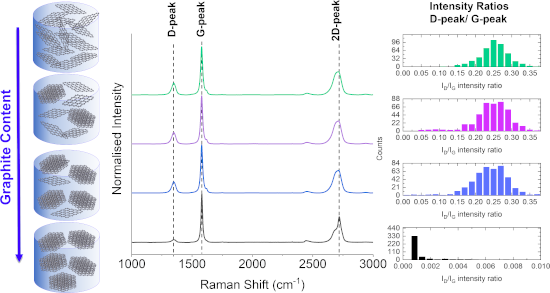
- was then vacuum-filtered through alumina membranes (20 nm pore size), rinsed with IPA to remove residual NMP, and dried in a vacuum oven at 60 °C overnight. For samples 2 to 7, 3 mL of the dispersion was filtered, while for sample 1, ca. 30 mL was used to ensure adequate coverage of the membrane
- . Raman spectra of the filtered films on the membrane were recorded using a Renishaw Qontor confocal spectrometer (Renishaw plc., UK) using a 532 nm excitation laser and a 2400 L/mm grating. An area of 20 μm × 20 μm of the film was mapped, with 1 μm distance between measurement locations. Spectra were


A mid-infrared focusing grating coupler with a single circular arc element based on germanium on silicon
Beilstein J. Nanotechnol. 2023, 14, 478–484, doi:10.3762/bjnano.14.38
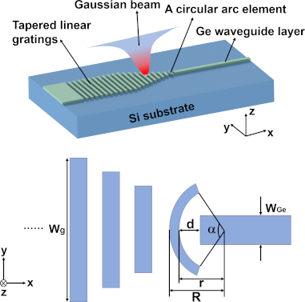
- membrane Ge waveguide [1]. The maximum coupling efficiency was −11 dB at the focusing SWG’s center wavelength of 2.37 μm. The high coupling efficiency was obtained experimentally. However, the fabrication flow of the suspended membrane Ge waveguide with focusing SWGs greatly increased the complexity of the
- geometry of the CAE. To the best of our knowledge, it is the highest coupling efficiency in full-etch grating couplers based on Ge-on-Si. Moreover, the proposed MIR FGC can also be used for sensing, and the maximum refractive index (RI) sensitivity is 980.7 nm/RIU. Compared with the suspended membrane Ge


Conjugated photothermal materials and structure design for solar steam generation
Beilstein J. Nanotechnol. 2023, 14, 454–466, doi:10.3762/bjnano.14.36
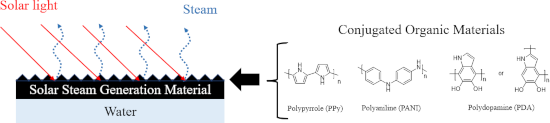
- derivatives on a filter paper produced Janus structures with a hydrophobic top surface suitable for vapor generation and a hydrophilic bottom surface for water uptake and transport. Figure 10e displays the developed SSG device. A cotton fiber thread connects the photothermal membrane to the water tank and


Molecular nanoarchitectonics: unification of nanotechnology and molecular/materials science
Beilstein J. Nanotechnol. 2023, 14, 434–453, doi:10.3762/bjnano.14.35
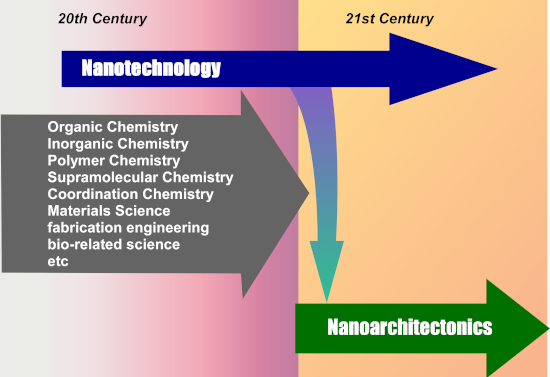
- water impermeability of the bilayer membrane causes one-dimensional swelling and diffusion, and the hydrophobic aggregates act as sacrificial bonds to yield high mechanical strength and toughness during deformation. The abovementioned general examples could be involved in parts of nanoarchitectonics





Plasmonic nanotechnology for photothermal applications – an evaluation
Beilstein J. Nanotechnol. 2023, 14, 380–419, doi:10.3762/bjnano.14.33




The steep road to nonviral nanomedicines: Frequent challenges and culprits in designing nanoparticles for gene therapy
Beilstein J. Nanotechnol. 2023, 14, 351–361, doi:10.3762/bjnano.14.30

- ) [16]. Unfortunately, confocal imaging is limited by relatively low throughput (even with automation) and can be ambiguous when determining internalization within 500 nm of the cell membrane [17]. However, widefield fluorescence microscopy is still widely used when it comes to observing the expression
- surface-bound and internalized NPs. Commonly used techniques are far from optimal, but include non-specific methods for removing surface-bound NPs or quenching surface-bound fluorescence [17]. In addition to the distinction between membrane binding and internalization, there are other concerns associated
- should be closely monitored, as cell death can be misinterpreted as efficient inhibition, especially in metabolism-based assays. For these inhibitors that involve the permeablization of plasma membranes, such as filipin III, appropriate controls for plasma membrane integrity during the inhibition

Polymer nanoparticles from low-energy nanoemulsions for biomedical applications
Beilstein J. Nanotechnol. 2023, 14, 339–350, doi:10.3762/bjnano.14.29
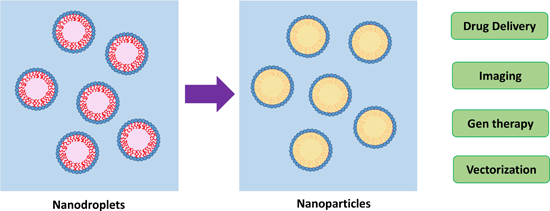
- SH-SY5Y cells, and no hemolysis was observed. The presence of Tat on the surface of the nanoparticles enabled cell membrane penetration and uptake in HeLa Cells. The effect of electrolytes in the aqueous phase on Polysorbate 80-based PIC nanoemulsions and derived PLGA nanoparticles has been explored




Overview of mechanism and consequences of endothelial leakiness caused by metal and polymeric nanoparticles
Beilstein J. Nanotechnol. 2023, 14, 329–338, doi:10.3762/bjnano.14.28
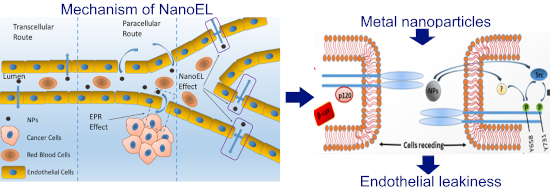
- larger molecules. Fenestrated capillaries are more permeable than the continuous endothelium and occur in endocrine organs such as the thyroid gland and kidneys. The holes in the cell membrane (fenesters) allow for the selective exchange of larger substances and molecules, for example, hormones, as well
- as the mass transport of water. Sinusoidal capillaries are characterized by the greatest permeability, and they are found in the liver and spleen. Their increased permeability is caused by the large gaps present between the endothelial cells and in the basement membrane. The second crucial aspect


Bismuth-based nanostructured photocatalysts for the remediation of antibiotics and organic dyes
Beilstein J. Nanotechnol. 2023, 14, 291–321, doi:10.3762/bjnano.14.26
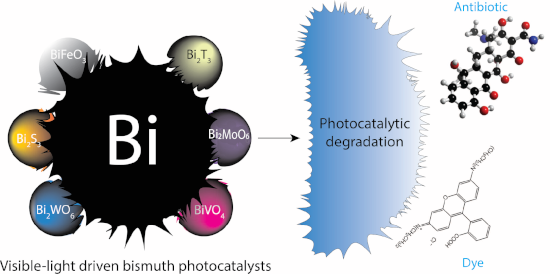
- treat contaminated water and wastewater, including adsorption, bioremediation, precipitation, electrocoagulation, filtration, membrane separation, flocculation, centrifugation, advanced oxidation processes based on photocatalysis, and chemical coagulation [4][5][6][7][8][9][10][11]. Each of these


Recent progress in cancer cell membrane-based nanoparticles for biomedical applications
Beilstein J. Nanotechnol. 2023, 14, 262–279, doi:10.3762/bjnano.14.24
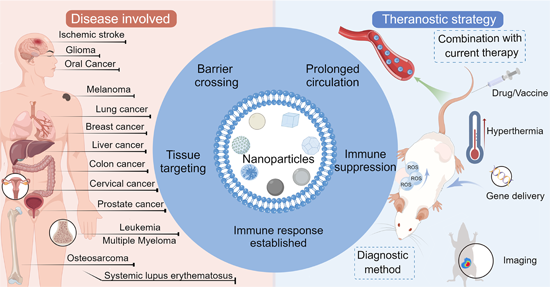
- strategies for cancer. Toxic side effects and individual differences in response to treatment have further limited the benefits of clinical treatment for patients. Biomimetic cancer cell membrane-based nanotechnology has provided a new approach for biomedicine to overcome these obstacles. Biomimetic
- diseases, and cardiovascular diseases. Furthermore, cancer cell membrane-encapsulated nanoparticles show improved effectiveness and efficiency in combination with current diagnostic and therapeutic methods, which will contribute to the development of individualized treatments. This strategy has promising
- intended function of the NPs, resulting in changes of biological behavior and loss of function [6][7]. Moreover, the protein corona can accelerate RES/MPS uptake and interfere with the targeting ability of NPs [8]. The biomimetic technique of cell membrane coating, which employs naturally cell-derived


Nanotechnology – a robust tool for fighting the challenges of drug resistance in non-small cell lung cancer
Beilstein J. Nanotechnol. 2023, 14, 240–261, doi:10.3762/bjnano.14.23
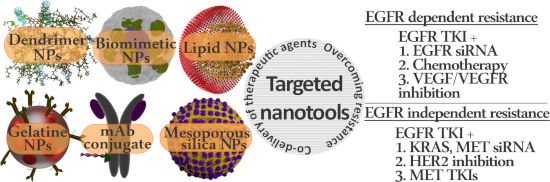
- translated to drug delivery systems for lung and brain targeting [119][120][121][122]. Biomimetic cell membrane protein-decorated NPs successfully mitigate immune system recognition, increase blood circulation time, improve nonspecific tumor targeting, and increase tumor homing potential. NPs with red blood
- cell-like (RBC) surfaces, a “do not eat me” CD47 cell signal, and an immuno-suppressive protein shell instead of, or combined with, a PEG corona are among the most common biomimetic cell membrane-based NP examples in literature. So-called red blood cell vesicle shell nanoparticles (RVPNs), or RBC
- membrane-decorated NPs, platelet membrane-coated core–shell nanovesicles, and cancer cell membrane-coated nanoparticles are also versatile biomimetic nanocarriers showing improved biodistribution and increased tumor-homing potential [127][128][129][130]. Among them, cancer cell membrane biomimetic NPs may


A novel approach to pulsed laser deposition of platinum catalyst on carbon particles for use in polymer electrolyte membrane fuel cells
Beilstein J. Nanotechnol. 2023, 14, 190–204, doi:10.3762/bjnano.14.19
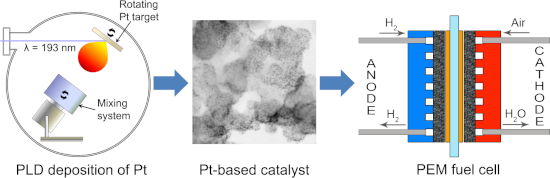
- an efficient Pt-based catalyst for polymer electrolyte membrane fuel cells (PEMFCs) by using a cost-effective and efficient physical method to deposit platinum nanoparticles (PtNPs) on carbon supports directly from the platinum target. The method developed avoids the chemical functionalization of the
- graphitization were used as carbon supports. The best electrochemical measurement results were obtained for Pt deposited on Vulcan XC-72R. The peak power density measured for this material in a membrane electrode assembly (MEA) of a PEMFC (fed with H2/Air) was 0.41 W/cm2, which is a good result compared to 0.57
- electric power generation. Among various fuel cells, polymer electrolyte membrane fuel cells (PEMFCs) have received considerable attention because of several physicochemical advantages over other fuel cell types [1][2][3][4][5]. PEMFCs, constructed of polymer electrolyte membranes as the proton conductor



Structural, optical, and bioimaging characterization of carbon quantum dots solvothermally synthesized from o-phenylenediamine
Beilstein J. Nanotechnol. 2023, 14, 165–174, doi:10.3762/bjnano.14.17
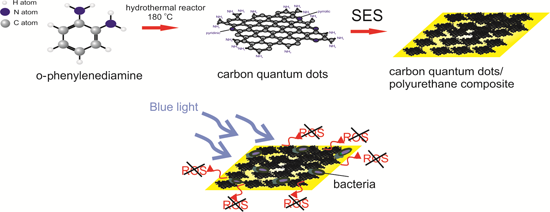
- [41]. Recently, Bing et al. observed that CQDs with different surface charges had different antibacterial activities. Positively charged CQDs damaged the membrane of E. coli completely whereas negatively charged CQDs interacted only weakly with the bacterial membrane [42]. Uncharged CQDs did not show
- their surface can possibly contribute to antibacterial activity. NH2 groups adsorb onto the bacterial membrane and molecules bearing this functional group can diffuse into the cell interior, where the disruption of the cytoplasmic membrane finally leads to cell death [25][43]. The dots synthesized from
- o-phenylenediamine did not disrupt the cytoplasmic membrane. Cytotoxicity testing Low cytotoxicity is one of the mandatory requirements for biomedical applications. In this paper, we performed cell viability tests by applying the MTT assay toward MRC5 human lung fibroblast cells. Lung fibroblasts


Intermodal coupling spectroscopy of mechanical modes in microcantilevers
Beilstein J. Nanotechnol. 2023, 14, 123–132, doi:10.3762/bjnano.14.13
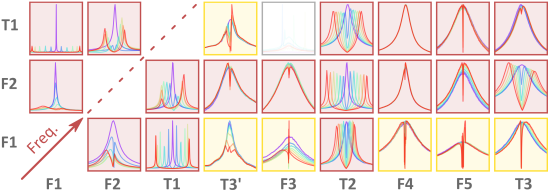
- surface and the tip of the mechanical resonator. This promotes cantilevers as the chosen geometry for this task, as building a clamped beam or a square membrane at the edge of a chip is considerably more challenging. In the following, we will explore intermodal coupling in a microcantilever as an


Antimicrobial and mechanical properties of functionalized textile by nanoarchitectured photoinduced Ag@polymer coating
Beilstein J. Nanotechnol. 2023, 14, 95–109, doi:10.3762/bjnano.14.11
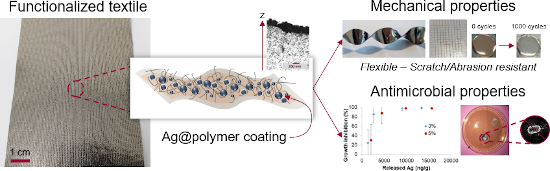
- the outer cell membrane and as such, are less likely to prompt resistance in microorganisms. In addition, their tunable sizes, shapes, and high surface area-to-mass ratio offer increased interactions with cells [8]. The prevalent MNPs used today as antimicrobial agents are copper [9] (or copper oxide
- [10]), gold [11][12], zinc oxide [13][14], and especially silver nanoparticles [15][16][17][18]. Silver is known to target peptidoglycane, a cellular membrane component of Gram-negative and -positive bacteria. If introduced directly in its ionic form, silver interacts with the electron-donor groups of
- the bacterial cell membrane [19][20], allowing its penetration inside the cytoplasm. This leads to the leakage of cellular components through the pores of the perforated cellular membrane. Once inside, the ions promote reactive oxygen species (ROS) generation, deactivate proteins, and block DNA



In search of cytotoxic selectivity on cancer cells with biogenically synthesized Ag/AgCl nanoparticles
Beilstein J. Nanotechnol. 2022, 13, 1505–1519, doi:10.3762/bjnano.13.124
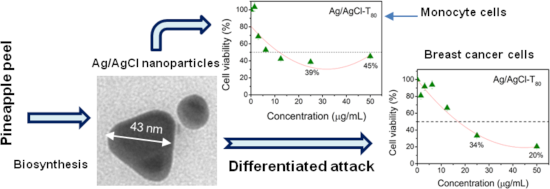
- compounds act as reducing agents, as well as to changes in the shape, size, and size distribution of the resulting Ag nanoparticles. Cytotoxic behavior It has been reported that several cytotoxic mechanisms of AgNPs can cause DNA, mitochondrial, and cell membrane damage as well as apoptosis [44]. Here, the
- concentrations, however, necrosis (black box) predominates, where the formation of cellular debris and damage to the cell membrane are detected. Depending on the level of stress exerted on the cell, this behavior will trigger cell death [47]. Çìftçì et al. [48] suggested that AgNPs induce apoptosis and necrosis
- metalloproteinases (MMPs), the activity of which is favored by reactive species, and they have been shown to be directly involved in death mechanisms such as apoptosis, causing damage at the cell membrane level. In contrast, in monocytes, which are also high in MMPs, their activation mechanism is largely dependent