Search results
Search for "phase" in Full Text gives 1624 result(s) in Beilstein Journal of Nanotechnology. Showing first 200.
A formulation containing Cymbopogon flexuosus essential oil: improvement of biochemical parameters and oxidative stress in diabetic rats
Beilstein J. Nanotechnol. 2025, 16, 617–636, doi:10.3762/bjnano.16.48
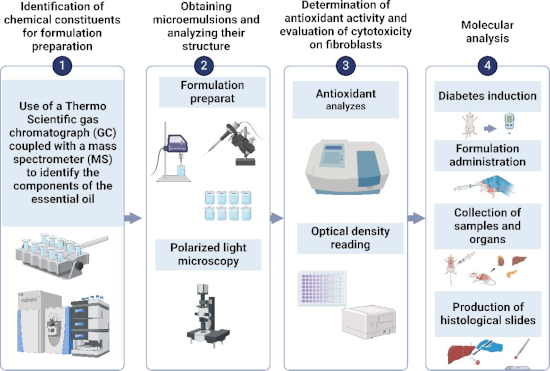
- obtained after consulting the corresponding pseudoternary phase diagram and showed stability, isotropy, Newtonian behavior, nanometric size (15.2 nm), and pH 4.2. Both EOCF and the ME showed high antioxidant activity, but the ME resulted in greater antioxidant activity, potentiating the activity of
- %), corroborating the findings of the present study. However, other minor components were not identified in this study, showing that the composition of the essential oil can change significantly when obtained from different geographical origins. Development of microemulsions considering the pseudoternary phase
- 40 (14.1) and Tween® 80 (15) are suitable for O/W formulations. Among various combinations of the components (Supporting Information File 1, Table S2), the pseudoternary phase diagram (PTPD) that best provided transparent liquid systems was obtained with Eumulgin® CO40/Tween® 80, in a ratio of 1:1 (v




Focused ion and electron beams for synthesis and characterization of nanomaterials
Beilstein J. Nanotechnol. 2025, 16, 613–616, doi:10.3762/bjnano.16.47

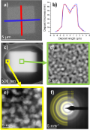
- deposition techniques, this thematic issue includes studies on low-energy electron interactions with metal(II) bis(acetylacetonate) complexes [5]. Another molecule investigated for its gas-phase fragmentation mechanism via dissociative ionization and dissociative electron attachment is [Au(CH3)2Cl]2. Studies
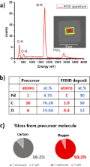
- by Oddur Ingólfsson’s group [6], supported by quantum chemical calculations, revealed that chlorine removal during focused electron beam induced deposition (FEBID) was nearly complete, in contrast to the limited chlorine loss observed in gas-phase experiments. Previous studies have shown that gas
- -phase investigations of molecular fragmentation by electron beams may not fully predict the behavior of molecules when adsorbed on a surface. This highlights the importance of comparing gas-phase fragmentation results with FEBIP processes. In this issue, the novel iron precursor (i.e., iron

Polyurethane/silk fibroin-based electrospun membranes for wound healing and skin substitute applications
Beilstein J. Nanotechnol. 2025, 16, 591–612, doi:10.3762/bjnano.16.46
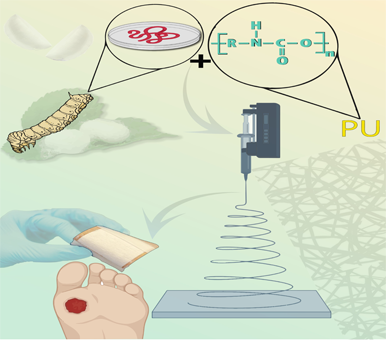
- of clarity never before possible [6][7]. In nanotechnology, different nanofiber production techniques are used such as template synthesis, electrospinning, solution blowing, drawing, thermally induced phase segregation, and self-assembly [8][9]. Among these techniques, electrospinning is the most
- are cleared by macrophage efferocytosis, apoptosis, or return to blood vessels [40]. Proliferation Granulation tissue development, re-epithelialization, and neovascularization are features of the proliferative phase. This period may last several weeks [41]. Fibroblasts, keratinocytes, macrophages, and
- [43]. Remodeling phase Remodeling is the last phase of wound healing, which ends with the formation of scars and clearance of immune cells from the epidermis. All processes from the previous stages are completed in this phase [44]. When a wound heals, endothelial cells and myofibroblasts leave behind



Retrieval of B1 phase from high-pressure B2 phase for CdO nanoparticles by electronic excitations in CdxZn1−xO composite thin films
Beilstein J. Nanotechnol. 2025, 16, 551–560, doi:10.3762/bjnano.16.43

- Abstract This study investigates the recovery of the B1 phase from the high-pressure B2 phase, at atmospheric pressure, in cadmium oxide (CdO) nanoparticles incorporated within sol–gel synthesized CdxZn1−xO (x = 0.40) composite thin films. The recovery process is investigated using electronic excitations
- as an effective tool. Exposure to 120 MeV silver ion irradiation results in the complete amorphization of the B2 phase in CdO nanoparticles, while the crystalline hexagonal wurtzite phase of zinc oxide (ZnO) remains intact. In contrast, 80 MeV oxygen ion irradiation preserves the B2 phase and
- facilitates the reemergence of the B1 phase. The partial damage caused by electronic energy loss during oxygen ion irradiation in the willemite Zn2SiO4 phase is identified as a trigger for the B1 to B2 phase transformation in CdO nanoparticles, enabling the recovery of the B1 phase. The diminishing local


Electron beam-based direct writing of nanostructures using a palladium β-ketoesterate complex
Beilstein J. Nanotechnol. 2025, 16, 530–539, doi:10.3762/bjnano.16.41
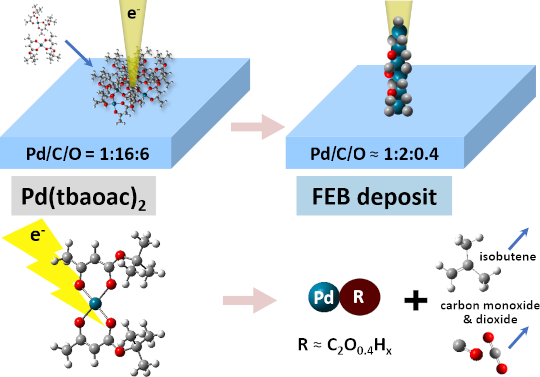
- to about 3.3 atoms in the FEB deposit. Mass spectrometry studies of gas-phase electron-impact dissociation of [Pd(tbaoac)2] [42] showed the loss of tert-butyl (t-Bu) as (CH3)2CCH2 by dehydrogenation. Furthermore, the chelating ring collapse happens through the formation of O-containing molecular
- species, such as CH3CHO, which were seen in gas phase dissociation experiments with this precursor [42], as illustrated in Figure 4. Regardless of the exact stoichiometry of volatile species, it is noteworthy that from these large tbaoac ligands (each containing 8 C, 3 O, and 13 H atoms) about 90% of the
- with other fragments on the surface to form a nonvolatile matrix, or (iii) become embedded by newly arriving molecules from the gas phase [30]. A key factor for rapid desorption is the neutral charge of the generated fragments, which reduces the desorption energy. This applies to the isobutene


Zeolite materials with Ni and Co: synthesis and catalytic potential in the selective hydrogenation of citral
Beilstein J. Nanotechnol. 2025, 16, 520–529, doi:10.3762/bjnano.16.40
- exchange in conventional solutions, in the solid phase with molten salts, and with gaseous phases. Depending on the chosen modification method, particularities regarding the elemental composition and application of the resulting materials occur [4][5][6]. Cu–Y zeolites were obtained by contacting Na–Y
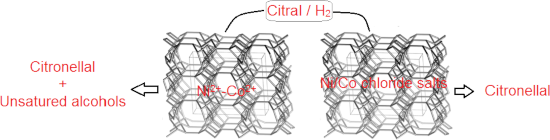
- treatments an ion exchange process occurred between the Ni2+ and Co2+ cations from solutions and the Ca2+, Na+, K+, and Mg2+ cations from the zeolite phases (mordenite and clinoptilolite-heulandite) contented within ZSA, as represented by Equation 1: where Z(s) is the solid zeolite phase, and An+ denotes the


N2+-implantation-induced tailoring of structural, morphological, optical, and electrical characteristics of sputtered molybdenum thin films
Beilstein J. Nanotechnol. 2025, 16, 495–509, doi:10.3762/bjnano.16.38
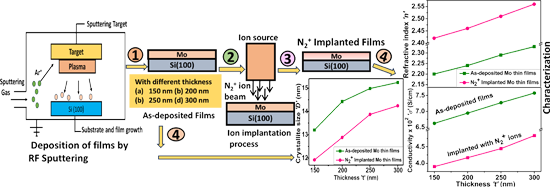
- nitrogen ion implantation on molybdenum thin films. They also examined the phase development and tribological alterations caused by ion implantation. Furthermore, Nakano et al. [26] investigated the deterioration of optical characteristics in polycrystalline Mo mirrors exposed to irradiation with helium or
- deuterium ions. With increasing fluence and energy of the ions, a greater extent of deterioration was observed in helium-irradiated specimens than in deuterium-irradiated specimens. Mändl et al. [27][28] examined the impact of nitrogen ion implantation on Mo, focusing on nitride phase formation and nitrogen
- diffusion behavior within a temperature range of 330 to 580 °C. They observed the formation of a new cubic Mo2N phase. In addition, they also examined the impact of high ion fluence and temperature on nitrogen implantation in molybdenum with supplementary heating within the temperature range of 500 to 750


Impact of adsorbate–substrate interaction on nanostructured thin films growth during low-pressure condensation
Beilstein J. Nanotechnol. 2025, 16, 473–483, doi:10.3762/bjnano.16.36

- , crystallinity, and surface chemistry of the films is crucial for optimizing performance in these applications. In adsorption–desorption processes, where materials are deposited from the gas phase, experimental techniques enable the study the formation of clusters or islands of adsorbed molecules/atoms, which
- − x1)(1 − x2), where the adsorption rate ka = ωpexp(−Ea/kBT) is defined through the adsorption energy Ea, the frequency factor ω, and the pressure of the gaseous phase p; kB is the Boltzmann constant; T is the temperature. They require free sites on both first (1 − x1) and second (1 − x2) layers. The
- adsorbate–substrate interactions results in first-order transitions from a low-density state toward a high-density state. It is found that at extremely low pressures of the gaseous phase, these interactions induce self-organization processes of adatoms leading to the formation of separated adsorbate islands


Effect of additives on the synthesis efficiency of nanoparticles by laser-induced reduction
Beilstein J. Nanotechnol. 2025, 16, 464–472, doi:10.3762/bjnano.16.35
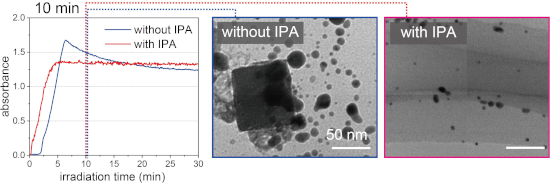
- metal ions in the solution to form nanoparticles [25][26]. It has been reported that, due to the short reduction reaction of solvated electrons [29][30], it is possible to form solid–solution alloy nanoparticles with controlled compositions that do not exist in the equilibrium phase diagram [20]. It has
- Au–Pt alloy (atomic ratio, Au/Pt = 1:1) that has an immiscible gap in the binary phase diagram and is difficult to form a solid–solution alloy in a bulk form. Figure 6 shows a a) TEM image and b) STEM-EDS mappings of the particles produced after laser irradiation. The TEM results (Figure 6a


Synthetic-polymer-assisted antisense oligonucleotide delivery: targeted approaches for precision disease treatment
Beilstein J. Nanotechnol. 2025, 16, 435–463, doi:10.3762/bjnano.16.34

- synthetic approaches, that is, chemical–enzymatic synthesis (CES), solid-phase peptide synthesis (SPPS), and ring-opening polymerisation (ROP) of N-carboxy anhydrides [62]. While CES and SPPS offer access to structural isomers (i.e., α-PLL or ε-PLL) and sequence-controlled ʟ-lysine-rich peptides
- PLL-based system to enhance ribozyme-catalysed RNA recombination and oligonucleotide assembly within peptide–RNA condensates [27]. This work demonstrated that low-molecular-weight PLL (Mw = 1–5 kDa) facilitated charge-mediated phase separation, significantly shifting the reaction equilibrium from RNA


Quantification of lead through rod-shaped silver-doped zinc oxide nanoparticles using an electrochemical approach
Beilstein J. Nanotechnol. 2025, 16, 422–434, doi:10.3762/bjnano.16.33
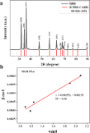
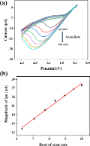
- ), (103), (200), (112), (201), (004), (202), (104), and (203) respectively. The pattern of Ag-doped ZnO nanoparticles exhibits three additional diffraction peaks at 2θ values of 38.29°, 44.39°, and 64.58°. These peaks are associated with the metallic FCC phase of Ag. Ag doping at the substitution sites of
- with XRD results of secondary phase formations [22][23][24]. X-ray photoelectron spectroscopy study of Ag@ZnO nanorods The physical state and chemical compositions of Ag@ZnO NRs were analyzed using X-ray photoelectron spectroscopy (XPS). Figure 7a represents the scan results of the binding energy. The
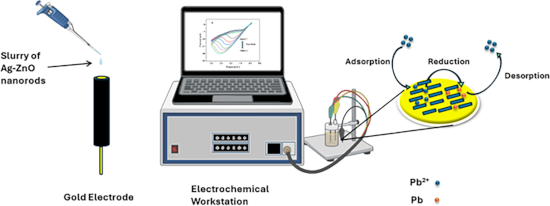
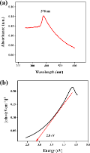
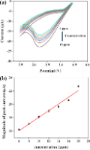
- synthesized nanorods possess a crystalline structure, specifically a wurtzite hexagonal phase structure (space group: 186: P63mc) and exhibit advantageous optical properties. The integration of Ag into ZnO nanostructures enhances their optical characteristics and improves their ability to detect heavy metal





Size control of nanoparticles synthesized by pulsed laser ablation in liquids using donut-shaped beams
Beilstein J. Nanotechnol. 2025, 16, 407–417, doi:10.3762/bjnano.16.31
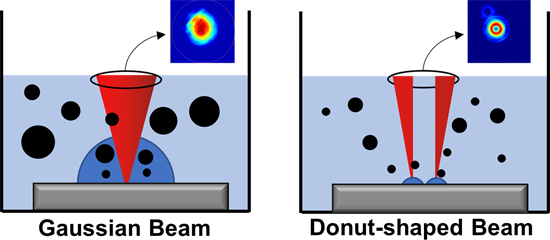
- NP agglomerates [42][43]. The NPs are released from the cavitation bubble mainly during bubble collapse. Jet formation can penetrate the bubble boundary and expels NPs outside the bubble, or the formed shockwave can push NPs into the liquid phase. The modification of the beam shape inherently changes
- materials is intended to clarify the effect of the donut-shaped beam on NP size and to approve whether factors such as phase and composition can be disregarded. For example, the inertness of gold minimizes its oxidation by laser irradiation, whereas the HEA is composed of elements prone to oxidation
- phase transformation processes do not seem to have a major impact on the resulting sizes of NPs produced with donut-shaped pulses since the observed trends of size reduction and narrowing the distribution are similar to those for the other studied materials. The peak corresponding to the


ReactorAFM/STM – dynamic reactions on surfaces at elevated temperature and atmospheric pressure
Beilstein J. Nanotechnol. 2025, 16, 397–406, doi:10.3762/bjnano.16.30
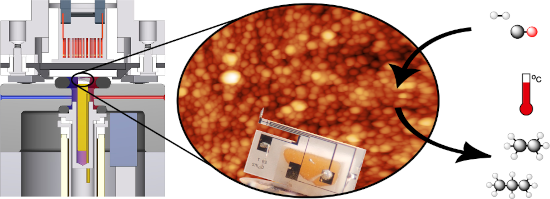
- signal analyzer. The tip motion and the feedback loop are controlled by electronics from RHK technology. A phase-locked loop is employed for locking the phase between the AC drive signal to the QTF and the signal input. When the phase is locked, the resonance frequency of the tuning fork will shift as
- the tip interacts with the surface. Amplitude, frequency, and phase are measured. These signals are then fed into the electronics for monitoring and feedback options. The RHK software (R9 plus) allows for various user controls, that is, setpoint (frequency shift for AFM feedback or current for STM
- feedback), amplitude, and phase as well as the current images can be recorded separately or in several combined modes and compared in real time. Results and Discussion To demonstrate the capabilities of the combined ReactorAFM/STM, we show results from two different types of experiments. In the first, we


Vortex lattices of layered HTSCs at different vortex–vortex interaction potentials
Beilstein J. Nanotechnol. 2025, 16, 362–370, doi:10.3762/bjnano.16.27
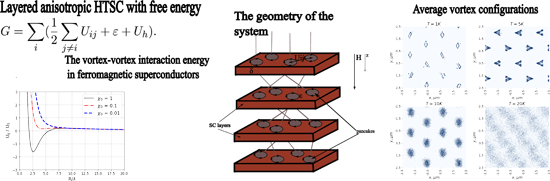
- ; Introduction Type-II superconductors, as shown by numerous studies, have a complex phase diagram in a magnetic field. In fields greater than the first critical field Hc1 and less than the second critical field Hc2, at temperatures below the critical temperature the superconductor is in a mixed state, in which
- ordering of the pancakes, which also enhances the pinning of vortices on defects. In [8], the vortex system in a HgBa2CuO4+δ monocrystal was studied. The measurements were performed in a wide range of temperatures and magnetic fields, and the phase diagram of the vortex system was obtained as a result of
- with respect to the superconducting planes. The phase diagram of the vortex system becomes even more complex in an inclined magnetic field. As studies [9][10][11] have shown, the structure of the vortex lattice depends on the anisotropy parameter of the superconductor in the form of the Josephson


Pulsed laser in liquid grafting of gold nanoparticle–carbon support composites
Beilstein J. Nanotechnol. 2025, 16, 349–361, doi:10.3762/bjnano.16.26
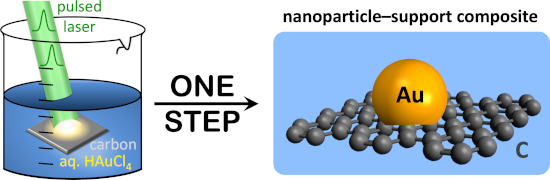
- trapped materials that are not accessible under thermodynamic equilibrium conditions [1]. Pulsed laser grafting permits access to extreme regions of materials phase diagrams by concentrating the laser energy into the region where nanoparticles emerge, followed by rapid cooling. Kinetically trapped
- , evident from electrochemical impedance spectroscopy (EIS) data (Figure 5B). Impedance, measured in an electrochemical setup, is the time-dependent opposition to alternating current stemming from the combined effect of ohmic resistance, capacitance, and phase elements in an electronic circuit. Impedance is
- redox species to the electrode, and the ubiquitous capacitance at the interface between the electrode and the electrolyte. This capacitance is non-ideal at the porous, non-flat gold nanoparticle–carbon fiber paper electrode, necessitating incorporation of a constant phase element. In a Nyquist plot


Tailoring of physical properties of RF-sputtered ZnTe films: role of substrate temperature
Beilstein J. Nanotechnol. 2025, 16, 333–348, doi:10.3762/bjnano.16.25
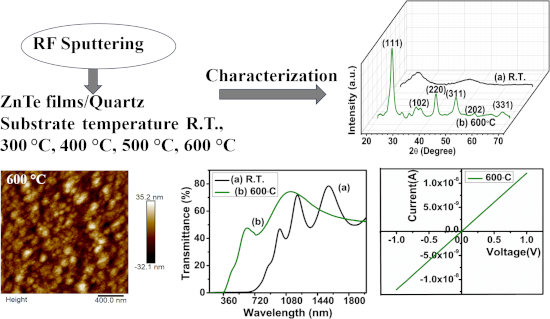
- . Comparison with the JCPDS card no. 00-019-1482 reveals that these correspond, respectively, to the (102) and (202) reflections of the hexagonal ZnTe phase. Thus, a mixture of phases exists at this substrate temperature. Other very low-intensity peaks at this temperature are from pure Zn and Te. The




Graphene oxide–chloroquine conjugate induces DNA damage in A549 lung cancer cells through autophagy modulation
Beilstein J. Nanotechnol. 2025, 16, 316–332, doi:10.3762/bjnano.16.24
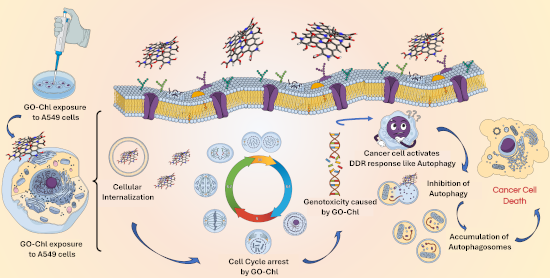
- permeability to chemotherapeutics, which leads to alterations in the cell cycle, genotoxicity, and autophagy modulation in cancer cells [39][55]. The cell cycle includes a division phase and an interphase which are responsible for the efficient cellular physiology and metabolic pathways. Any impairment in the
- . Figure 6 reveals the cell cycle analysis of A549 cells exposed to GO–Chl. Results showed a significant increase in the population of cells in the sub G1 phase (reduced DNA content), which could be attributed to possible DNA fragmentation and ultimate A549 cell death by the exposure to the GO–Chl
- nanoconjugate. However, as observed in Figure 6E and Figure 6F, the P2 population was slightly moved towards the P5 which could be attributed to either the arrest of cells in the subG0/G1 phase before their migration or could be related to alterations in the marker intensity due to the treatments. Genotoxicity



Enhancing mechanical properties of chitosan/PVA electrospun nanofibers: a comprehensive review
Beilstein J. Nanotechnol. 2025, 16, 286–307, doi:10.3762/bjnano.16.22

- , phase separation, self-assembly, and electrospinning. Electrospinning is considered the most versatile and widely used technique for nanofiber fabrication, offering greater control over fiber structures, higher productivity, simplicity, lower cost, and potential for industrial use [69][70
- single-phase homogeneous liquid. Polymer blending allows for the creation of novel materials through the incorporation of the unique properties of the component polymers [78]. In blend electrospinning, the preparation of a homogenous solution is crucial in ensuring the formation of uniform fibers during
- steps but minimizes the risk of incomplete dissolution or phase separation due to different solubility requirements of each polymer [84]. Nevertheless, the instabilities can still occur when blending the two solutions if the solvents are incompatible. Sequential electrospinning Sequential


Emerging strategies in the sustainable removal of antibiotics using semiconductor-based photocatalysts
Beilstein J. Nanotechnol. 2025, 16, 264–285, doi:10.3762/bjnano.16.21
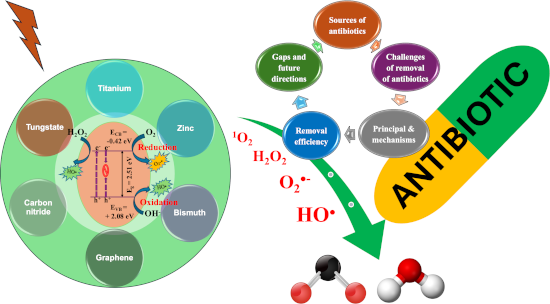
- -Bi2O3 appearing at high temperatures. Scientists have noted that Bi2O3 in the metastable phase can undergo a transformation into (BiO)2CO3, which limits its potential as an effective visible photocatalyst because of its chemical instability [85]. Furthermore, β-Bi2O3 exhibits enhanced photocatalytic



Preferential enrichment and extraction of laser-synthesized nanoparticles in organic phases
Beilstein J. Nanotechnol. 2025, 16, 254–263, doi:10.3762/bjnano.16.20
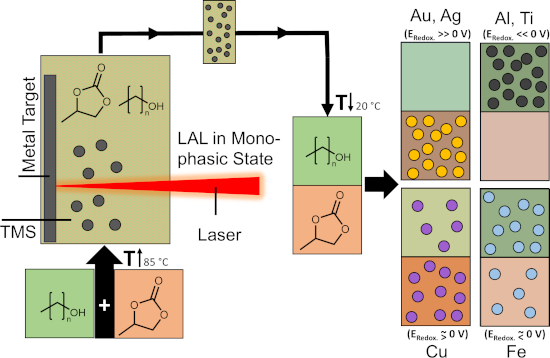
- ) functionalization of the nanoparticles have been observed, which ultimately should affect their lipophilicity and, hence, colloidal stability in apolar or polar solvents. Two-phase liquid systems and the possibility to transfer the surfactant-free nanoparticles from one liquid phase into another remain practically
- unaddressed in literature. To tackle this knowledge gap, the present study investigates the phase preference of laser-generated noble metal (Au and Ag) and base metal (Cu, Fe, Al and Ti) nanoparticles within propylene carbonate/alcohol (PC/A) systems. Alcohols of increasing chain length (C6–C11) and hence
- decreasing polarity were chosen for this study. For each metal, LAL was performed at elevated temperatures (85 °C) where the PC/A mixture forms a single phase. Upon cooling, the phases separated and the amount of colloidal nanoparticles in the alcohol and propylene carbonate phase was analyzed for each metal




Radiosensitizing properties of dual-functionalized carbon nanostructures loaded with temozolomide
Beilstein J. Nanotechnol. 2025, 16, 229–251, doi:10.3762/bjnano.16.18
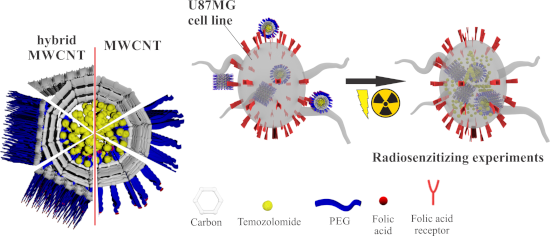
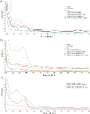
- irradiated and non-irradiated CNs. In vitro release All functionalized CNs loaded with TMZ manifested a biphasic release profile, with an initial burst release and a phase of continuous release (observed also in non-covalently PEGylated formulations in our previous study [43]). In the initial phase of 2 h
- effects on the proliferation of cancer cells by blocking the cell cycle in the G0/G1 phase and increasing the osmotic pressure [91][92]. In addition, in a paper of Xu et al. [93], dynamic biological interactions between PEG and cells on the molecular level were clarified, explaining both the inhibitory




Recent advances in photothermal nanomaterials for ophthalmic applications
Beilstein J. Nanotechnol. 2025, 16, 195–215, doi:10.3762/bjnano.16.16
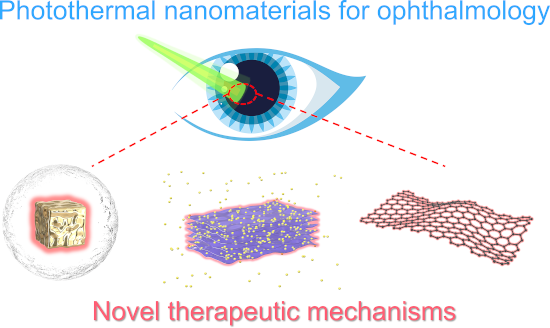
- demonstrated therapeutic effects that excel traditional thermal therapies. The studies reviewed herein underscore the promising clinical potential of photothermal nanomaterials in ophthalmology (Table 1). Presently, research in this field remains predominantly in the conceptual validation phase, but it holds


A review of metal-organic frameworks and polymers in mixed matrix membranes for CO2 capture
Beilstein J. Nanotechnol. 2025, 16, 155–186, doi:10.3762/bjnano.16.14
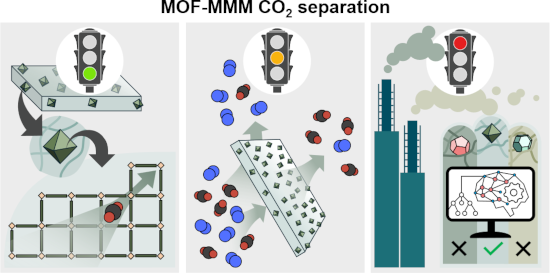
- a thin layer atop a polymer support. Solvent removal following casting yields the finalized MOF-based MMM. This casting method is simple and cost-effective but is primarily relevant in small-scale applications. Asymmetric membranes can alternatively be prepared via phase inversion, where the
- precursor slurry undergoes phase separation under altered solvent, composition, or temperature conditions to form a porous support phase and a dense MMM phase [80][87][92][94]. Finally, fabrication of thin selective MMM layers on top of porous substrates can be accomplished via spin coating [95]. Defects




Clays enhanced with niobium: potential in wastewater treatment and reuse as pigment with antibacterial activity
Beilstein J. Nanotechnol. 2025, 16, 141–154, doi:10.3762/bjnano.16.13
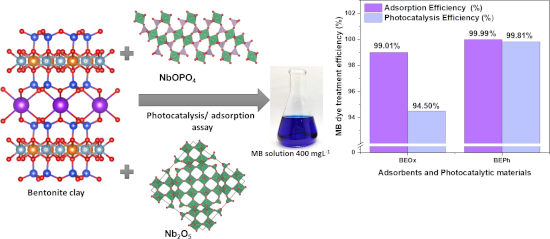
- natural clay has predominantly the bentonite phase (at least 50%), known as montmorillonite. Isomorphic substitution of cations between the interlayer space of montmorillonites by exchanging Na+, Ca2+, Mg2+, and Cu2+ cations add other functionalities to the resulting material [7]. Heterogeneous
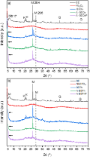
- reflections of montmorillonite (M) for the basal spacing correspond to approximately 15 Å (d001 = 14.88 Å), related to the interlayer distance of 2:1 clays, resulting in a spacing between 14.0–15.0 Å corresponding to the peak at 6.17 2θ (o) [11]. The quartz phase (Q) was identified by the presence of
- reflections at 2θ = 50.02° and 68.32°. The characteristic peaks that allowed the identification of the kaolinite phase (K) were at 2θ = 12.48°and 20.14° [7]. Figure 2a,b presents diffraction patterns with amorphous characteristics of the niobium compounds NbOPO4 and Nb2O5. Two broad peaks were identified, one


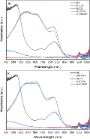

TiO2 immobilized on 2D mordenite: effect of hydrolysis conditions on structural, textural, and optical characteristics of the nanocomposites
Beilstein J. Nanotechnol. 2025, 16, 128–140, doi:10.3762/bjnano.16.12
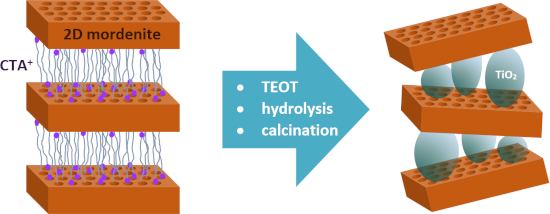
- hybrid zeolite–CTAB aggregates, inorganic pillars are pre-formed in the CTAB layers, which will keep the zeolite lamellae from collapsing when burning the organic phase. The flexibility in the choice of material to form pillars creates a wide range of potential new materials for targeted applications
- similarly leads to the formation of TiO2. TiO2 is a well-known photocatalyst whose efficiency depends on a number of factors, including the crystalline phase, particle size, and degree of crystallinity. The most active phase of TiO2 is considered to be anatase. Its nanoparticles usually show higher
- efficiency than the bulk phase, but the bandgap of anatase particles smaller than 10 nm is very sensitive to their size [14]. One of the disadvantages of such free photocatalyst nanoparticles is the limitation of mass transfer between solid and liquid phases. From this perspective, the problem of