Search results
Search for "photocatalytic" in Full Text gives 213 result(s) in Beilstein Journal of Nanotechnology. Showing first 200.
Facile synthesis of ZnFe2O4 photocatalysts for decolourization of organic dyes under solar irradiation
Beilstein J. Nanotechnol. 2018, 9, 436–446, doi:10.3762/bjnano.9.42
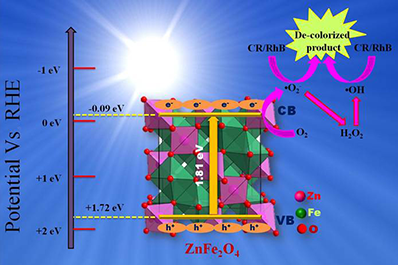
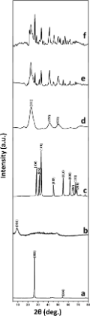
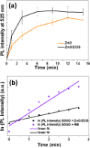
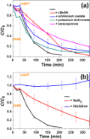
- , FESEM, UV–vis DRS, PL, FTIR and photocurrent measurements. The photocatalytic activity of the prepared material is studied with regard to the degradation of rhodamine B (Rh B) and Congo red under solar irradiation. The kinetic study showed that the material exhibits zeroth and first order reaction
- kinetics for the degradation of Rh B and Congo red, respectively. The photocatalytic behaviour of ZnFe2O4 was systematically studied as a function of the activation temperature. ZnFe2O4 prepared at 500 °C showed the highest activity in degrading Rh B and Congo red. The highest activity of ZnFe2O4-500 °C
- fabrication cost [14]. ZnFe2O4 is an n-type semiconductor having a direct band gap with suitable band edge positions for various photocatalytic processes. It is a solid solution of ferric oxide and zinc oxide, which greatly enhances the charge carrier separation. To date, various methods such as refluxing


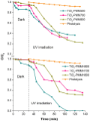
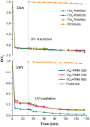
Photocatalytic and adsorption properties of TiO2-pillared montmorillonite obtained by hydrothermally activated intercalation of titanium polyhydroxo complexes
Beilstein J. Nanotechnol. 2018, 9, 364–378, doi:10.3762/bjnano.9.36
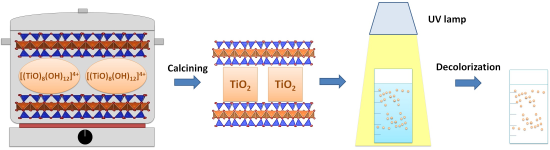
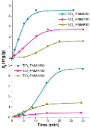
- crystallinity (nanocrystals) representing a mixture of anatase and rutile phases. The structures exhibit improved adsorption and photocatalytic activity as a result of hydrothermally activated intercalation of titanium polyhydroxo complexes (i.e., TiCl4 hydrolysis products) in a solution with a concentration
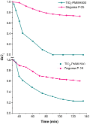
- , and liquefied nitrogen adsorption/desorption. The photocatalytic activity of the TiO2-pillared materials was studied using the degradation of anionic (methyl orange, MO) and cationic (rhodamine B, RhB) dyes in water under UV irradiation. The combined effect of adsorption and photocatalysis resulted in
- removal of 100% MO and 97.5% RhB (with an initial concentration of 40 mg/L and a photocatalyst-sorbent concentration of 1 g/L) in about 100 minutes. The produced TiO2-pillared montmorillonite showed increased photocatalytic activity as compared to the commercially available photocatalyst Degussa P25






Sugarcane juice derived carbon dot–graphitic carbon nitride composites for bisphenol A degradation under sunlight irradiation
Beilstein J. Nanotechnol. 2018, 9, 353–363, doi:10.3762/bjnano.9.35
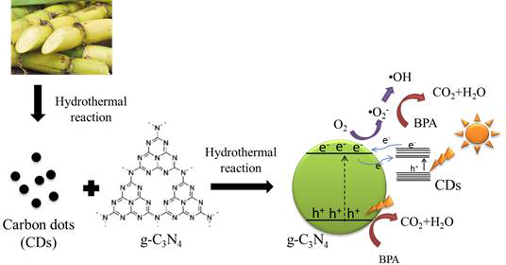
- of g-C3N4. Hence, the charge separation efficiency should not be one of the main factors responsible for the enhancement of the photocatalytic activity of CD/g-C3N4. Instead, the light absorption capability was the dominant factor since the photoreactivity correlated well with the ultraviolet–visible
- extended absorption spectrum from the visible to the near-infrared (NIR) region. This extended spectral absorption allows for the generation of more electrons for the enhancement of BPA degradation. It was determined that the reactive radical species responsible for the photocatalytic activity were the
- superoxide anion radical (O2•−) and holes (h+) after performing multiple scavenging tests. Keywords: carbon dots; g-C3N4; photocatalytic degradation; sugarcane juice; sunlight; Introduction Carbon dots (CDs) predominantly consist of amorphous carbon together with nanocrystalline regions of sp2-hybridized


Bombyx mori silk/titania/gold hybrid materials for photocatalytic water splitting: combining renewable raw materials with clean fuels
Beilstein J. Nanotechnol. 2018, 9, 187–204, doi:10.3762/bjnano.9.21
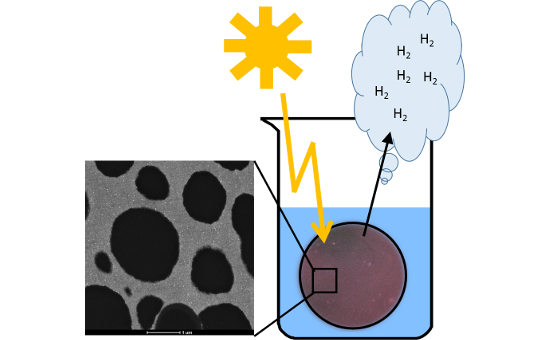
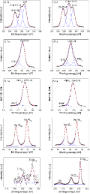
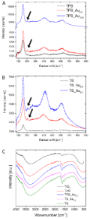
- Giessen, Germany Department of Chemistry and CQ-VR, University of Trás-os-Montes e Alto Douro, Pt-5001-801 Vila Real, Portugal 10.3762/bjnano.9.21 Abstract The synthesis, structure, and photocatalytic water splitting performance of two new titania (TiO2)/gold(Au)/Bombyx mori silk hybrid materials are
- of 5 and 7–18 nm, respectively. Addition of poly(ethylene oxide) to the reaction mixture enables pore size tuning, thus providing access to different materials with different photocatalytic activities. Water splitting experiments using a sunlight simulator and a Xe lamp show that the new hybrid
- easily be recycled and show great potential for application in lightweight devices for green fuel production. Keywords: Bombyx mori silk; gold; photocatalytic water splitting; titania; Introduction Fossil fuel availability is one of the pressing issues today. Especially in light of a growing world




Review on optofluidic microreactors for artificial photosynthesis
Beilstein J. Nanotechnol. 2018, 9, 30–41, doi:10.3762/bjnano.9.5
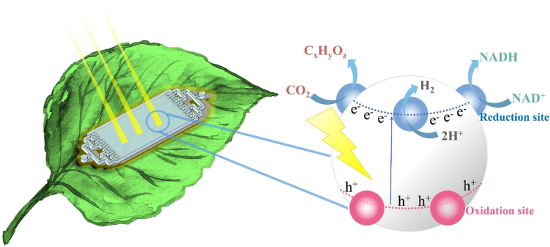
- create not only the carbohydrates but also other high-value chemicals from abundant resources [12][13][14][15][16][17][18][19][20][21]. Based on the targeted production, three key areas in the field of APS have attracted intense attention including: photocatalytic water splitting [24][25], light-driven
- CO2 reduction [26] and photo-coenzyme regeneration [27] (see Figure 2), which are promising solutions to the energy crisis, greenhouse effect and food shortage, respectively [24][26][28][29][30][31][32][33][34][35][36][37][38][39][40][41][42][43][44][45]. Photocatalytic water splitting aims to convert
- water into hydrogen and oxygen. Some studies have focused on only the half-reaction for water splitting, while ignoring the other half-reaction for oxygen production. This is often called photocatalytic hydrogen production (or generation) and can be regarded as a low-configured version of photocatalytic


Facile synthesis of silver/silver thiocyanate (Ag@AgSCN) plasmonic nanostructures with enhanced photocatalytic performance
Beilstein J. Nanotechnol. 2017, 8, 2781–2789, doi:10.3762/bjnano.8.277
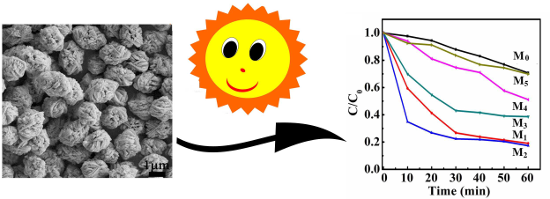
- the product was investigated based on the time-dependent experiments. Further experiments indicated that the prepared Ag@AgSCN nanostructures with an atomic ratio of Ag/AgSCN = 0.0463 exhibited high photocatalytic activity and long-term stability for the degradation of oxytetracycline (84%) under
- visible-light irradiation. In addition to the microstructure and high specific surface area, the enhanced photocatalytic activity was mainly caused by the surface plasmon resonance of Ag nanoparticles, and the high stability of AgSCN resulted in the long-term stability of the photocatalyst product
- intensively investigated in recent years, and various methods such as adsorption, biodegradation, photocatalytic degradation and chemical oxidation have been developed [1][2][3][4]. Among them, photocatalytic degradation is considered as one of the most effective strategies due to its high removal efficiency


CdSe nanorod/TiO2 nanoparticle heterojunctions with enhanced solar- and visible-light photocatalytic activity
Beilstein J. Nanotechnol. 2017, 8, 2741–2752, doi:10.3762/bjnano.8.273
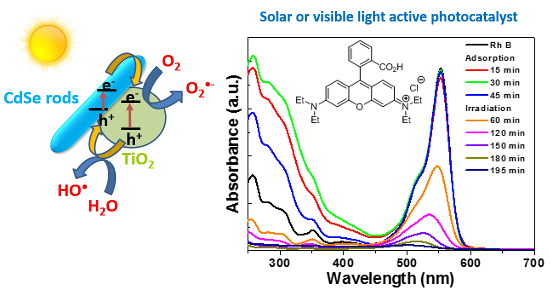
- the narrow bandgap of CdSe NRs serves to increase the photoresponse of CdSe/TiO2 composites until ≈725 nm. The CdSe (2 wt %)/TiO2 composite exhibits the highest photocatalytic activity for the degradation of rhodamine B in aqueous solution under simulated sunlight or visible light irradiation. The
- enhancement in photocatalytic activity likely originates from CdSe sensitization of TiO2 and the heterojunction between these materials which facilitates electron transfer from CdSe to TiO2. Due to its high stability (up to ten reuses without any significant loss in activity), the CdSe/TiO2 heterostructured
- separation. The interfacial electron transfer between two semiconductors has gained significant interest because the heterojunction improves both the optical absorption in the visible range and the charge separation yield and thus the charge carrier lifetime [3][4][5][6][7][8]. The photocatalytic activity is






Hydrothermal synthesis of ZnO quantum dot/KNb3O8 nanosheet photocatalysts for reducing carbon dioxide to methanol
Beilstein J. Nanotechnol. 2017, 8, 2264–2270, doi:10.3762/bjnano.8.226
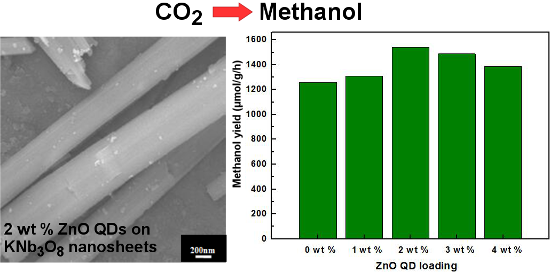
- , East China University of Science and Technology, Shanghai 200237, China 10.3762/bjnano.8.226 Abstract ZnO quantum dots and KNb3O8 nanosheets were synthesized by a two-step hydrothermal method for the photocatalytic reduction of CO2 to methanol where isopropanol is simultaneously oxidized to acetone
- . The as-prepared photocatalysts were characterized by X-ray diffraction (XRD), energy dispersive X-ray spectroscopy (EDS), scanning electron microscopy (SEM), high-resolution transmission electron microscopy (HRTEM) and UV–vis absorption spectroscopy (UV–vis). The photocatalytic activity of the
- production rate was found to increase to 1539.77 μmol/g/h. Thus, the ZnO quantum dots obviously prompted separation of charge carriers, which was explained by a proposed mechanism for this photocatalytic reaction. Keywords: CO2 reduction; KNb3O8 nanosheets; methanol production; photocatalysis; ZnO quantum


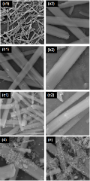


Evaluating the toxicity of TiO2-based nanoparticles to Chinese hamster ovary cells and Escherichia coli: a complementary experimental and computational approach
Beilstein J. Nanotechnol. 2017, 8, 2171–2180, doi:10.3762/bjnano.8.216

- University, Umultowska 85, 61-614 Poznan, Poland 10.3762/bjnano.8.216 Abstract Titania-supported palladium, gold and bimetallic nanoparticles (second-generation nanoparticles) demonstrate promising photocatalytic properties. However, due to unusual reactivity, second-generation nanoparticles can be
- only towards bacteria, but also exhibit detrimental effects to the environment and to human health. Many studies have been focused on ways to synthesize doped NPs, leveraging the photocatalytic (UV–vis active photocatalyt) and bactericidal properties, and minimizing the release of potentially toxic


Synthesis and characterization of noble metal–titania core–shell nanostructures with tunable shell thickness
Beilstein J. Nanotechnol. 2017, 8, 2083–2093, doi:10.3762/bjnano.8.208
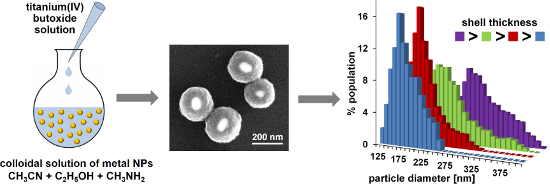
- ][5][6][7][8][9][10][11]. For many applications, however, the use of titanium dioxide in CSNs would be of much greater interest. Useful physicochemical properties of titanium dioxide in its crystalline forms, rutile and anatase, such as high refractive index and photocatalytic activity have led to its
- use in many fields. For example, TiO2 nanomaterials have been investigated for their use in photocatalysis [12][13][14], photocatalytic fuel generation [15], photovoltaics and sensors [16][17]. The CSNs with noble metal (Au, Ag) nanoparticles (NPs) as a core and TiO2 shell, Au@TiO2 and Ag@TiO2, have
- titania to be overcome: the limitation of photocatalytic capability to UV light (λ < 400 nm). In addition, they may serve as a precursor for plasmon-sensitized colloidal perovskites, which are materials of great interest for solar cell applications [20]. The limiting factor in the broader use of Ag@TiO2


Two-dimensional carbon-based nanocomposites for photocatalytic energy generation and environmental remediation applications
Beilstein J. Nanotechnol. 2017, 8, 1571–1600, doi:10.3762/bjnano.8.159
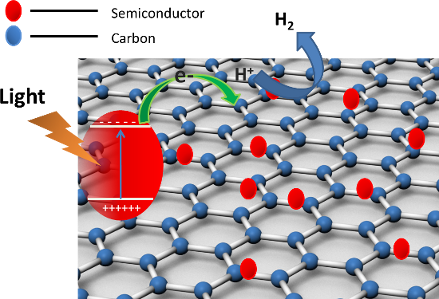
- sustainable source for energy generation and environmental remediation, photocatalytic water splitting and photocatalytic pollutant degradation have recently gained significant importance. Research in this field is aimed at solving the global energy crisis and environmental issues in an ecologically-friendly
- energy generation and environmental remediation using two-dimensional carbon-based nanocomposites. It begins with a brief introduction to the field, basic principles of photocatalytic water splitting for energy generation and environmental remediation, followed by the properties of carbon-based
- environmental remediation and energy generation applications [29][30][31][32]. Semiconductor nanocomposite-based photocatalytic reactions are generally initiated by absorbing light energy equal to or more than the band gap of semiconductor photocatalyst [4]. This leads to the excitation of electrons from the


Enhanced catalytic activity without the use of an external light source using microwave-synthesized CuO nanopetals
Beilstein J. Nanotechnol. 2017, 8, 1167–1173, doi:10.3762/bjnano.8.118
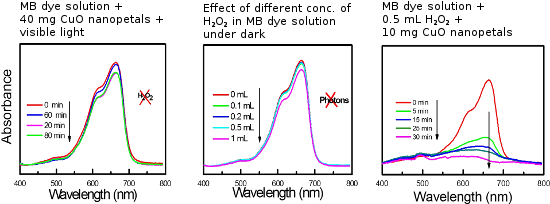
- enhance the photoconductive and photochemical properties in various energy applications [7]. Being inexpensive, nontoxic, and readily available, CuO has attracted particular attention. However, in the degradation of water pollutants (e.g., industrial dyes) as a photocatalytic oxidative species, CuO is
- found to be less effective as compared to other metal oxides [8][9][10][11][12]. Thus, in order to enhance its photocatalytic activity, CuO can be used with hydrogen peroxide (H2O2) [12][13][14][15][16][17][18][19][20][21]. However, the degradation time of dyes is an important problem when using CuO as
- ]. This blue shift in the absorption further confirms the nanometer range of synthesized material. Catalytic activity of nanopetals for the degradation of methylene blue The use of inorganic semiconductors as a heterogeneous, photocatalytic material has been extensively investigated under UV–vis light


Preparation of thick silica coatings on carbon fibers with fine-structured silica nanotubes induced by a self-assembly process
Beilstein J. Nanotechnol. 2017, 8, 1145–1155, doi:10.3762/bjnano.8.116
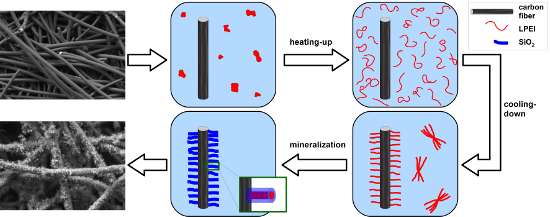
- support or as a catalytic active material. The second possibility can be fulfilled for instance by introducing a titania precursor in the mineralization process. A silica/titania mixture is able to catalyze liquid phase epoxidation [35], the NOx abatement under UV irradiation [36] or the photocatalytic


ZnO nanoparticles sensitized by CuInZnxS2+x quantum dots as highly efficient solar light driven photocatalysts
Beilstein J. Nanotechnol. 2017, 8, 1080–1093, doi:10.3762/bjnano.8.110
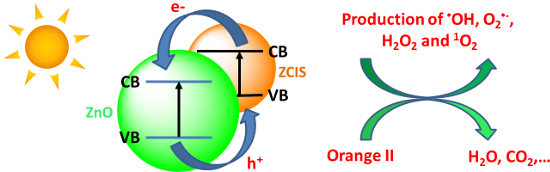
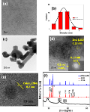
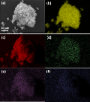
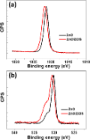
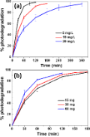
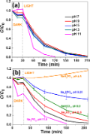
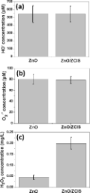
- nanoparticles exhibit a high photocatalytic activity under simulated solar light irradiation for the degradation of Orange II dye (>95% degradation after 180 min of irradiation at an intensity of 5 mW/cm2). The heterojunction built between the ZnO nanoparticle and ZCIS QDs not only extends the light adsorption
- . The activity of the ZnO/ZCIS composite is retained at over 90% of its original value after ten successive photocatalytic runs, indicating its high stability and its potential for practical photocatalytic applications. Keywords: heterojunction; photocatalysis; quantum dots; reactive oxygen species
- composites prepared for the photocatalytic degradation of pollutants require a relatively large quantity of CIS nanocrystals to be complete (20 wt % CIS QDs relative to ZnO) [34][37]. When the ZCIS/ZnO weight ratio was decreased to ≈7%, the photodegradation never exceeded 80% even using a light source




High photocatalytic activity of Fe2O3/TiO2 nanocomposites prepared by photodeposition for degradation of 2,4-dichlorophenoxyacetic acid
Beilstein J. Nanotechnol. 2017, 8, 915–926, doi:10.3762/bjnano.8.93
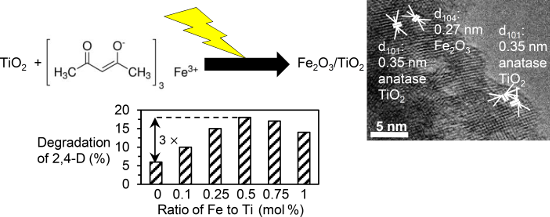
- Puncak Tidar N-01, Malang 65151, East Java, Indonesia 10.3762/bjnano.8.93 Abstract Two series of Fe2O3/TiO2 samples were prepared via impregnation and photodeposition methods. The effect of preparation method on the properties and performance of Fe2O3/TiO2 for photocatalytic degradation of 2,4
- photodeposition showed higher photocatalytic activity than the unmodified TiO2. Three times higher photocatalytic activity was obtained on the best photocatalyst, Fe2O3(0.5)/TiO2. The improved activity of TiO2 after photodeposition of Fe2O3 was contributed to the formation of a heterojunction between the Fe2O3
- stability and reusability, suggesting its potential for water purification applications. Keywords: 2,4-dichlorophenoxyacetic acid; Fe2O3/TiO2; herbicide degradation; heterojunction; holes and superoxide radicals; photocatalyst; photodeposition; water purification; Introduction Photocatalytic reactions


Synthesis of graphene–transition metal oxide hybrid nanoparticles and their application in various fields
Beilstein J. Nanotechnol. 2017, 8, 688–714, doi:10.3762/bjnano.8.74
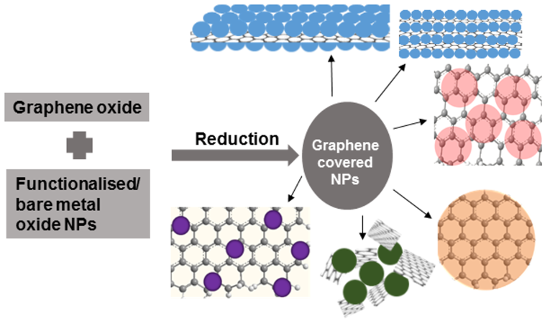
- bond interactions and suppresses the charge recombination in the semiconductor materials [30]. As a consequence, improved photocatalytic properties of the hybrid system have been demonstrated. Synthesis of graphene The first free-standing single-layer graphene was obtained in 2004 by the isolation of
- acid [60]. Despite the chemical reagent reduction, other reduction processes are used for the conversion of GO to graphene, e.g., microwave irradiation [61][62], electrochemical reduction [63][64], thermal annealing [46][65], photocatalytic reduction [66], solvothermal reduction [67][68], thermal
- significantly. The introduction of graphene into TiO2 results in increased conductivity of the hybrid material, higher transparency and efficient charge separation of the system which causes enhanced photocatalytic activity and other novel properties [81]. Also, due to its high conductivity, graphene is highly






Investigation of the photocatalytic efficiency of tantalum alkoxy carboxylate-derived Ta2O5 nanoparticles in rhodamine B removal
Beilstein J. Nanotechnol. 2017, 8, 604–613, doi:10.3762/bjnano.8.65
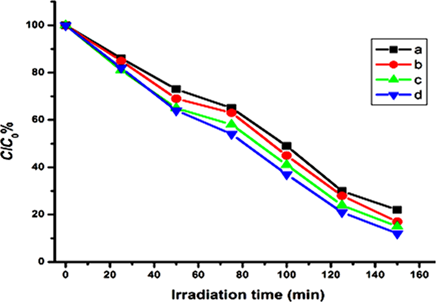
- and CeO2, serve as potential photocatalysts [1][2][3][4]. The properties of the metal oxide nanoparticles (surface area, band gap, porosity) determine its photocatalytic activity for the degradation of organic pollutants from water. Because of properties such as high refractive index and large band
- photocatalytic activity of the nanoparticles was investigated regarding the degradation of rhodamine B (RhB). Experimental All reactions before the sol–gel synthesis were carried out under strict anhydrous conditions by using Schlenk tubes and vacuum line techniques. Ta(OEt)5 and Ta(On-Bu)5 were purchased from
- gel was left at room temperature for 24 h for aging. It was then dried at 90 °C for 12 h to remove the solvent and other volatile residues to provide a white to off-white powder, which after calcination afforded Ta2O5 nanoparticles. Photocatalytic degradation of rhodamine B over Ta2O5 nanoparticles


Photocatalysis applications of some hybrid polymeric composites incorporating TiO2 nanoparticles and their combinations with SiO2/Fe2O3
Beilstein J. Nanotechnol. 2017, 8, 272–286, doi:10.3762/bjnano.8.30
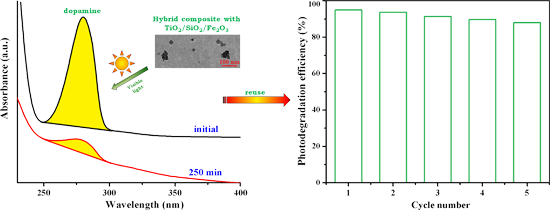
- composition of the hybrid film tested and the light applied (UV–visible light). Also, it was established that such hybrid films can be reused at least for five cycles, without losing too much of the photocatalytic efficiency (ca. 7%). These findings could have implications in the development of new
- , Li-ion batteries, sensors, photodynamic cancer therapy or in biomaterials [1][2][3][4][5][6][7]. Since 1972, when Fujishima and Honda published their seminal work [8], much work has been focused on investigating the photocatalytic properties of TiO2 [9]. Titanium dioxide catalysts proved to be better
- maximization of the photocatalytic efficiency. An interesting route to reach this goal is the use of iron(III) added to titanium dioxide photocatalysts, which improves the photocatalytic activity under visible light reducing the recombination rates of the photo-excited carriers [38]. Also, the immobilization


Nanocrystalline ZrO2 and Pt-doped ZrO2 catalysts for low-temperature CO oxidation
Beilstein J. Nanotechnol. 2017, 8, 264–271, doi:10.3762/bjnano.8.29
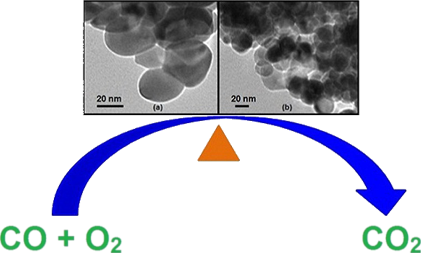
- . The UV–vis spectra of both samples show a strong absorption peak at 273 nm, which agrees very well with data reported in literature [36]. The absorption peak in case of Pt(1%)-ZrO2 is higher than ZrO2 which could be beneficial for photocatalytic applications. FTIR spectra of prepared ZrO2 and Pt(1


Laser irradiation in water for the novel, scalable synthesis of black TiOx photocatalyst for environmental remediation
Beilstein J. Nanotechnol. 2017, 8, 196–202, doi:10.3762/bjnano.8.21
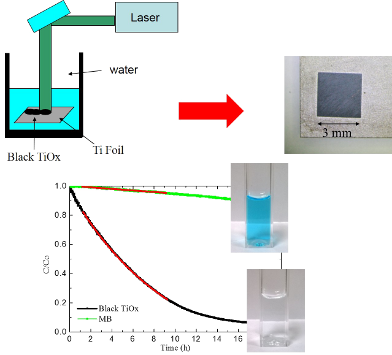
- readily employed for water decontamination. In order to enhance the photocatalytic performance of TiO2 under visible (solar) irradiation, many efforts have been made in the last years, ranging from doping with N, C and transition metals [7][8][9], to coupling with narrow band gap semiconductor quantum
- a 2 MeV He+ beam with a scattering angle of 165° in normal incidence. The RUMP software was employed for the analysis of the RBS spectra. In order to evaluate the photocatalytic activity of the TiOx nanostructured film, the methylene blue (MB) discoloration test was performed [24]. The apparent
- [23]. It is worth noting the obtained black TiOx has very high absorbance in the full range of solar radiation: in particular, solar radiation spans from 0.5 eV (2.5 µm) to 5 eV (250 nm). Although it depends on other concomitant surface processes, photocatalytic activity benefits from the high


Optical and photocatalytic properties of TiO2 nanoplumes
Beilstein J. Nanotechnol. 2017, 8, 190–195, doi:10.3762/bjnano.8.20
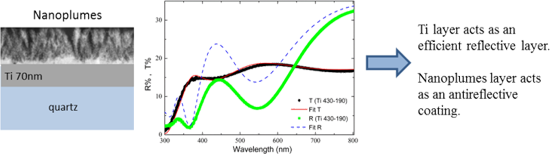
- Viviana Scuderi Massimo Zimbone Maria Miritello Giuseppe Nicotra Giuliana Impellizzeri Vittorio Privitera CNR-IMM, Via S. Sofia 64, 95123 Catania, Italy CNR-IMM, Z.I. VIII Strada 5, 95121 Catania, Italy 10.3762/bjnano.8.20 Abstract Here we report the photocatalytic efficiency of hydrogenated TiO2
- of the synthesized material and related them to the efficiency of UV photodegradation of methylene blue dye. The obtained results show that TiO2 nanoplumes act as an effective antireflective layer increasing the UV photocatalytic yield of the film. Keywords: black titania; nanostructures
- Ti films as an easy, rapid, and low-cost method to synthesize hydrogenated TiO2 nanoplumes with significant photocatalytic properties under UV and visible light irradiation. Here we report the optical properties of the TiO2 nanoplumes and their correlation with the efficiency of UV photodegradation


Nanocrystalline TiO2/SnO2 heterostructures for gas sensing
Beilstein J. Nanotechnol. 2017, 8, 108–122, doi:10.3762/bjnano.8.12
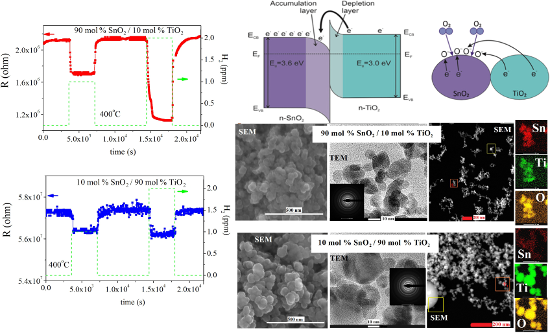
- –SnO2 system prepared by flame spray synthesis with application to gas sensing. Flame spray synthesis is a well-known and efficient method for the synthesis of crystallized metal oxide nanopowders with particular morphology, e.g., spherical, monodispersed nanoparticles of TiO2 with good photocatalytic


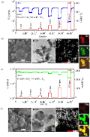


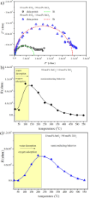
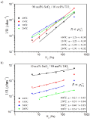
Organoclay hybrid materials as precursors of porous ZnO/silica-clay heterostructures for photocatalytic applications
Beilstein J. Nanotechnol. 2016, 7, 1971–1982, doi:10.3762/bjnano.7.188
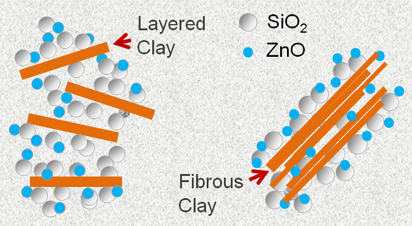
- devoted to study ZnO as a very promising catalyst in the photocatalytic degradation of water pollutants. This is because of its elevated activity, its low cost and, in particular, its environmentally friendly behavior [1][2]. It has been confirmed that ZnO compared to TiO2 exhibits better efficiency in the
- photocatalytic degradation of organic pollutants [3][4][5][6]. It should be remembered that nanoparticulated zinc oxide is a wide-band gap II–VI semiconductor with a band-gap energy of around 3.4 eV, which is of great interest for photocatalytic applications [7]. ZnO nanoparticles (NP) have been assembled to
- [21]. In this context, the presence of SiO2 NP may play an additional role regarding the improvement of adsorption properties, although this effect has not been clarified neither its possible influence in photocatalytic behavior of resulting materials. Moreover, the simultaneous generation of TiO2 and


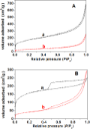


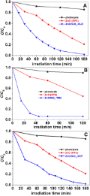

Nanostructured TiO2-based gas sensors with enhanced sensitivity to reducing gases
Beilstein J. Nanotechnol. 2016, 7, 1718–1726, doi:10.3762/bjnano.7.164
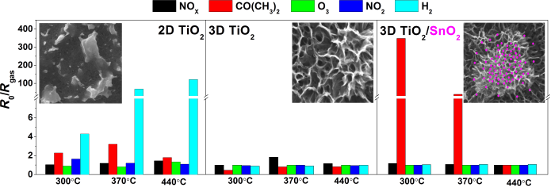
- cells, photocatalytic water purification, and hydrogen generation by water splitting [3][4][5]. In sensor technology this n-type semiconductor is frequently considered as a promising material for gas detection applications [6]. It has excellent sensitivity and selectivity for many different gases such


Role of RGO support and irradiation source on the photocatalytic activity of CdS–ZnO semiconductor nanostructures
Beilstein J. Nanotechnol. 2016, 7, 1684–1697, doi:10.3762/bjnano.7.161
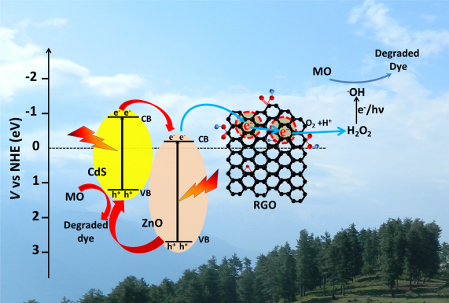
- , Rourkela, Odisha, India 10.3762/bjnano.7.161 Abstract Photocatalytic activity of semiconductor nanostructures is gaining much importance in recent years in both energy and environmental applications. However, several parameters play a crucial role in enhancing or suppressing the photocatalytic activity
- characterized using different spectroscopic and microscopic techniques. The photocatalytic activity was evaluated by studying the degradation of a model dye (methyl orange, MO) under visible light (only) irradiation and under natural sunlight. The results reveal that the RGO-supported CdS–ZnO photocatalyst
- performs considerably better than the unsupported CdS–ZnO nanostructures. In addition, both the catalysts perform significantly better under natural sunlight than under visible light (only) irradiation. In essence, this work paves way for tailoring the photocatalytic activity of semiconductor