


Search results
Search for "polymerization" in Full Text gives 224 result(s) in Beilstein Journal of Nanotechnology. Showing first 200.
Ester formation at the liquid–solid interface
Beilstein J. Nanotechnol. 2017, 8, 2139–2150, doi:10.3762/bjnano.8.213
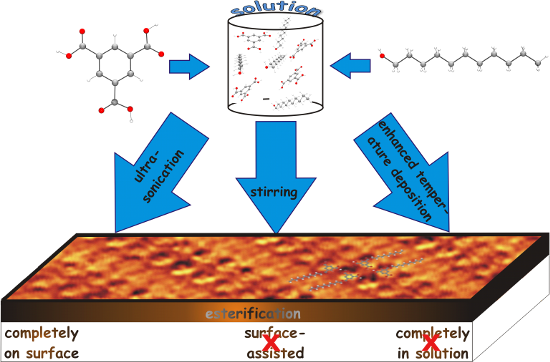
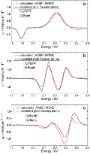
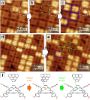
- imaging in different stages of the reaction has been demonstrated in such cases where the molecular entities changed their appearance due to structural and electronic changes during different reaction steps. Examples for this are the polymerization reaction of brominated copper-2,3,7,8,12,13,17,18
- -octabromo-5,10,15,20-tetraphenylporphyrin (CuTPPBr8) at an Au(111) substrate [2] or the polymerization of 1,3,6,8-tetrabromopyrene on Cu(111) and Au(111) substrates [3]. Characteristic for all these studies is that they are performed at an almost ideal monocrystalline surface in ultra-high vacuum (UHV). On


Advances and challenges in the field of plasma polymer nanoparticles
Beilstein J. Nanotechnol. 2017, 8, 2002–2014, doi:10.3762/bjnano.8.200
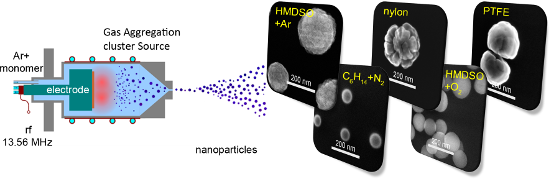
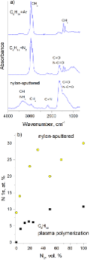
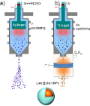
- plasma polymerization of volatile monomers or via radio frequency (RF) magnetron sputtering of conventional polymers. The formation of hydrocarbon, fluorocarbon, silicon- and nitrogen-containing plasma polymer nanoparticles as well as core@shell nanoparticles based on plasma polymers is discussed with a
- used as precursors for plasma polymerization [43][44][45][46][47][48][49][50][51][52]. Depending on the experimental conditions, plasma polymerization can be forced to proceed in a gas phase which results in the formation of NPs of different chemical and physical properties and with different size
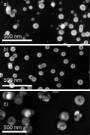
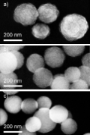
- a result of plasma polymerization of n-hexane and hexamethyldisiloxane (HMDSO) [53] or as a result of RF magnetron sputtering of nylon [54] and poly(tetrafluoroethylene) (PTFE) [55]. One can readily judge the diversity of shape and morphology of the NPs with diameters ranging from tens to hundreds






Bi-layer sandwich film for antibacterial catheters
Beilstein J. Nanotechnol. 2017, 8, 1982–2001, doi:10.3762/bjnano.8.199
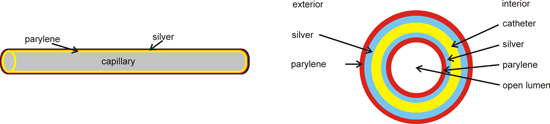
- (Figure 3). Following Gorham, PPX is deposited by thermally cracking the precursor di(parylene N) (DPX) at 700 °C [27][28] (Figure 4). According to Figure 4, the radical polymerization reaction occurs at the two methylene groups in para-position of the benzene ring. This is one of the very rare reactions
- polymerization can be forced back or can even be suppressed by an increase of temperature, if the temperature is raised beyond the so-called ceiling temperature [34]. This is the basis for the construction of a temperature seesaw (Figure 7). It consists of a metallic rail with a semi-circular groove cut, which
- sccm. The monomer is highly diluted with argon (flows between 2 and 4 sccm), approaching epitaxial conditions, i.e., volume polymerization is suppressed to favor surface polymerization (Figure 10). For a flow of 10 sccm argon, the pressure would rise to 156 mTorr, and the residence time in the reactor


Fabrication of carbon nanospheres by the pyrolysis of polyacrylonitrile–poly(methyl methacrylate) core–shell composite nanoparticles
Beilstein J. Nanotechnol. 2017, 8, 1897–1908, doi:10.3762/bjnano.8.190

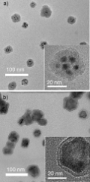
- nanoparticles. Firstly, PAN–PMMA nanoparticles at high concentration and low surfactant content were controllably synthesized by a two-stage azobisisobutyronitrile (AIBN)-initiated semicontinuous emulsion polymerization. The carbon nanospheres were obtained after the PAN core domain was converted into carbon
- –shell nanoparticles; emulsion polymerization; polyacrylonitrile; Introduction Due to their high specific surface area, chemical inertness, good mechanical stability and unique electrical properties, carbon nanospheres have numerous potential applications in nanocomposites [1], gas storage [2], lithium
- efficiency of micellization make the method unappealing to the industrial community. Emulsion polymerization is a facile and efficient route to synthesize polymer particles. By combining the emulsion polymerization with the pyrolysis, the production efficiency of PAN-based carbon nanospheres can be improved



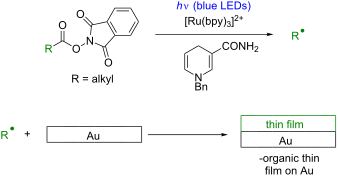
Application of visible-light photosensitization to form alkyl-radical-derived thin films on gold
Beilstein J. Nanotechnol. 2017, 8, 1863–1877, doi:10.3762/bjnano.8.187
- arenediazonium ion can accept a single electron from a cathode to generate aryl radical and N2 at relatively high potentials. Rapid covalent bonding [11][12][13][14] of aryl radical to surfaces followed by further attachment of radicals to already-grafted arenes results in polymerization and generates dense



(Metallo)porphyrins for potential materials science applications
Beilstein J. Nanotechnol. 2017, 8, 1786–1800, doi:10.3762/bjnano.8.180
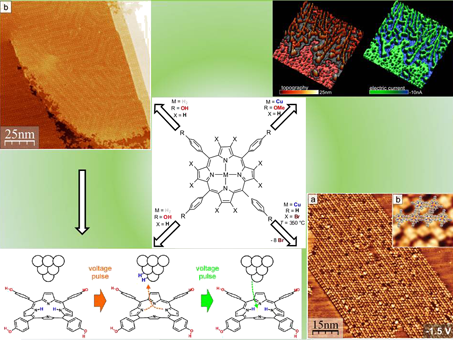
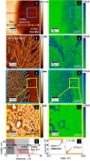
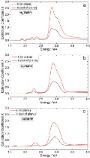
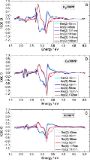
- use discrete (metallo)porphyrins for the formation of (sub)monolayers by surface-confined polymerization, of monolayers formed by supramolecular recognition and of thin films formed by sublimation techniques. Selected physical properties of these systems are reported as well. The application potential
- of those ensembles of (metallo)porphyrins in materials science is discussed. Keywords: atomic force microscopy; magneto-optical Kerr effect spectroscopy; scanning tunnelling microscopy and spectroscopy; self-assembly; surface-confined 2D polymerization; transport properties; Review Introduction
- . It would be thus fascinating to create covalently bonded ensembles on surfaces, or, even more challenging, to induce a 2D surface polymerization. Despite the difficulties to control covalent bond formation on surface, a small number of such studies already exist [34][35][36][37][38][39], including






Surface functionalization of 3D-printed plastics via initiated chemical vapor deposition
Beilstein J. Nanotechnol. 2017, 8, 1629–1636, doi:10.3762/bjnano.8.162
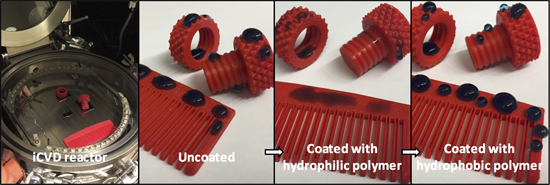
- engineering applications [18]. In another example of surface functionalization, Wang et al. reported a method for modifying the surfaces of 3DP structures fabricated via SLA by using a UV-curable resin with an embedded alkyl bromide initiator from which atom transfer radical polymerization was initiated [19
- ][20]. They demonstrated that complex 3D-printed structures could be coated with hydrophobic polymers and various metals. However, this coating technique is limited to photocurable resins into which the polymerization initiator has already been incorporated, which restricts surface modification to only
- to substrates on a cooled stage where polymerization occurs. The molecular weight increases with decreasing substrate temperature and typical molecular weights are in the range of 50,000 to 200,000 [23][24]. The iCVD process is solventless and therefore effects of surface tension are avoided



Oxidative stabilization of polyacrylonitrile nanofibers and carbon nanofibers containing graphene oxide (GO): a spectroscopic and electrochemical study
Beilstein J. Nanotechnol. 2017, 8, 1616–1628, doi:10.3762/bjnano.8.161
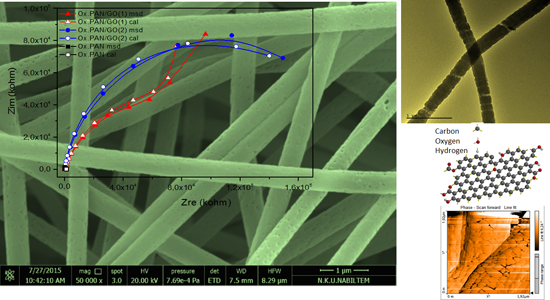
- hydrophilicity of the PAN precursor but also catalyze the cyclization of nitrile groups during the stabilization process by forming a ladder structure. In our previous studies, copolymers of AN have been synthesized by free radical polymerization, and electrospun nanofibers were obtained with different AN co


Two-dimensional carbon-based nanocomposites for photocatalytic energy generation and environmental remediation applications
Beilstein J. Nanotechnol. 2017, 8, 1571–1600, doi:10.3762/bjnano.8.159


Parylene C as a versatile dielectric material for organic field-effect transistors
Beilstein J. Nanotechnol. 2017, 8, 1532–1545, doi:10.3762/bjnano.8.155
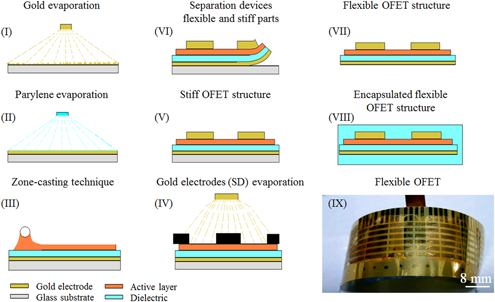
- process, on the other hand, it results in the formation of organic polymers with high molecular weight, whereas typical products of these processes are inorganic materials of either metallic or ceramic nature. Perhaps the most unusual feature of the parylene process is the polymerization mechanism itself
- substrate. Finally, as it has been already stressed above, the polymerization reaction is initiated spontaneously and as such it requires no external initiator/catalyst. This unique feature makes the product uncontaminated with impurities influencing electrical conduction. As far as the termination of the
- reaction is concerned, there is none as long as the growing macromolecules remain under vacuum. The polymerization reaction exhibits a step-growth mechanism with second order kinetics with respect to the active radical sites [26]. Upon exposure to the atmosphere, these radical active centers (sometimes




A nanocomplex of C60 fullerene with cisplatin: design, characterization and toxicity
Beilstein J. Nanotechnol. 2017, 8, 1494–1501, doi:10.3762/bjnano.8.149
- , USA) at ca. 37 °C. 20 µL of the mixture were used to prepare a microscope slide previously covered with 1% high-melting agarose. After agarose polymerization, the slides were placed in the lysis solution consisting of 2.5 М NaCl, 100 mM ЕDTA, 10 mM Tris-HCl (рН 7.5), and 1% Triton X-100 (Ferak



Cationic PEGylated polycaprolactone nanoparticles carrying post-operation docetaxel for glioma treatment
Beilstein J. Nanotechnol. 2017, 8, 1446–1456, doi:10.3762/bjnano.8.144
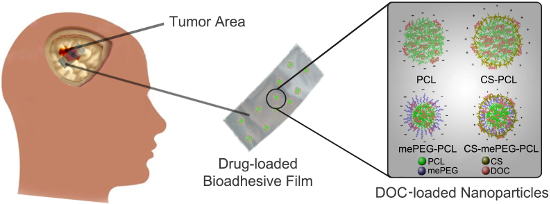
- allow targeted drug delivery [14][15][16][17]. Polycaprolactone (PCL) is a synthetic hydrophobic polymer, which is prepared by ring opening polymerization of the monomer ε-caprolactone. It is used as a polymer in preparation of nanoparticles and other drug depot and delivery systems. Moreover, PCL is




Low uptake of silica nanoparticles in Caco-2 intestinal epithelial barriers
Beilstein J. Nanotechnol. 2017, 8, 1396–1406, doi:10.3762/bjnano.8.141
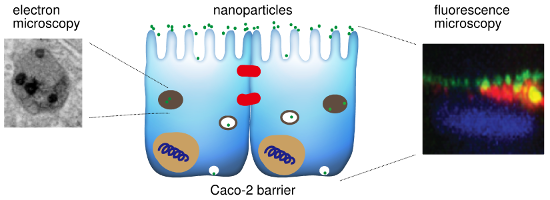
- for 1 h before being transferred to pure Epon and embedded at 37 °C for 2 h. The final polymerization was carried out at 65 °C for 24 h. With a reported approach [16], ultrathin sections of 80 nm, obtained with a diamond knife using an ultramicrotome Leica U6, were mounted on copper grids, and stained



Micro- and nano-surface structures based on vapor-deposited polymers
Beilstein J. Nanotechnol. 2017, 8, 1366–1374, doi:10.3762/bjnano.8.138
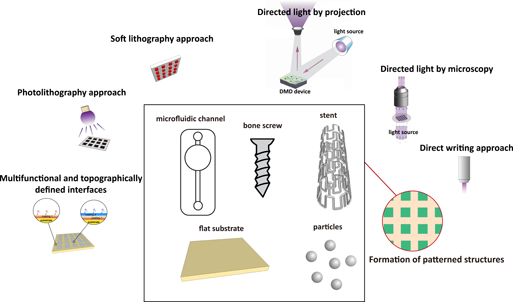
- uniformity with reduced array-to-array variation [19]. Vapor-phased plasma polymerization to prepare polyacrylic acid has also used to pattern and functionalize microfluidic devices based on wet and dry etching techniques [20]. Combining plasma polymerization and lithographical processes has also been used
- polymerization/deposition has the advantage of conformal coverage of substrates, the vapor-phase polymers are freely accessible to deposit on micro- and nano-structured surfaces, curved surfaces, confined microfluidic channels, 3D structures, and substrates with complex geometry [3][31][32]. Although an
- polymerization chamber to form a multi-phasic reactive species (monomer vapors). The copolymerization processes spontaneously occur when the multicomponent copolymer coatings form on substrates [41][46][47]. A wide range of functionalities was demonstrated: combinations of active esters, carbonyls, amino groups


Miniemulsion copolymerization of (meth)acrylates in the presence of functionalized multiwalled carbon nanotubes for reinforced coating applications
Beilstein J. Nanotechnol. 2017, 8, 1328–1337, doi:10.3762/bjnano.8.134
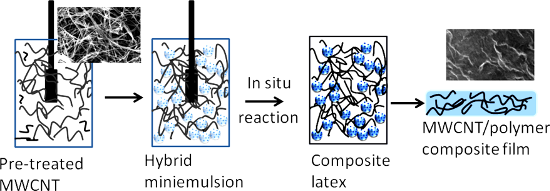
- with modified multiwalled carbon nanotubes (MWCNTs) were synthesized by in situ miniemulsion polymerization. The MWCNTs were pretreated by an air sonication process and stabilized by polyvinylpyrrolidone. The presence of the MWCNTs had no significant effect on the polymerization kinetics, but strongly
- ; miniemulsion polymerization; multiwalled carbon nanotubes; Introduction Carbon nanotubes (CNTs) are hollow, fiber-like materials, with a diameter on the nanometer scale and a relatively long length on the micrometer scale, resulting in a very high aspect ratio material. Two types of CNTs exist, those made of
- technology (blends of latexes and CNT dispersions) [13][14][15][16][17], and in situ polymerization [8][12][18][19][20][21]. In situ polymerization can be performed in solution, bulk and in dispersed media. Polymerization in dispersed media allows a relatively easy control of the reactor temperature (which


Oxidative chemical vapor deposition of polyaniline thin films
Beilstein J. Nanotechnol. 2017, 8, 1266–1276, doi:10.3762/bjnano.8.128
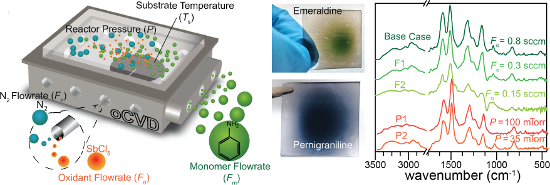
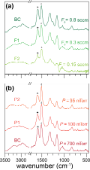
- temperature of 90 °C is needed to minimize the formation of oligomers during polymerization. Lower substrate temperatures, such as 25 °C, lead to a film that mostly includes oligomers. Increasing the oxidant flowrate to nearly match the monomer flowrate favors the deposition of PANI in the emeraldine state
- polymerization and coating technique, which has previously been used to deposit thin and ultrathin conducting polymer films, including polypyrrole, polythiophene (PTh), and poly(3,4-ethylenedioxythiophene) (PEDOT), without the limitations of solvent-based techniques [17]. The oCVD process provides better control
- inert carrier to help transport the oxidant and as a diluent to help control polymerization reactions. The monomer and oxidant are delivered in separate quarter-inch stainless-steel tubes to isolate the reactants prior to entering the reaction chamber and minimize polymerization and blockage in the gas




Nanotopographical control of surfaces using chemical vapor deposition processes
Beilstein J. Nanotechnol. 2017, 8, 1250–1256, doi:10.3762/bjnano.8.126
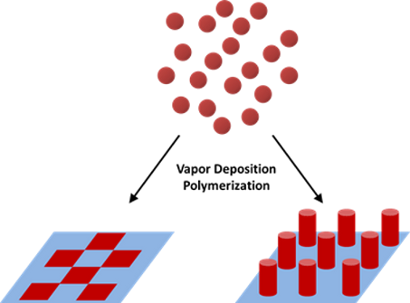
- achieved via various vapor deposition strategies, for instance, using masks, exploiting surface properties that lead to spatially selective deposition, via the use of additional porogens or by employing oblique angle polymerization deposition. Here, we provide a concise review of these studies. Keywords
- : polymer coatings; polymer structures; structured coatings; vapor deposition polymerization; Review Introduction Polymer coatings have wide-spread applications, from electronics [1], to sensor systems [2] to biotechnology [3]. The ability to spatially control the surface properties in order to further
- deposition of poly(p-xylylenes) (PPX), as well as plasma-enhanced chemical vapor deposition polymerization, both of which offer many advantages over solution-based deposition methods [4]. Since no solvents are involved, no wetting problems or problems with solvent residues arise, which can potentially




Preparation of thick silica coatings on carbon fibers with fine-structured silica nanotubes induced by a self-assembly process
Beilstein J. Nanotechnol. 2017, 8, 1145–1155, doi:10.3762/bjnano.8.116
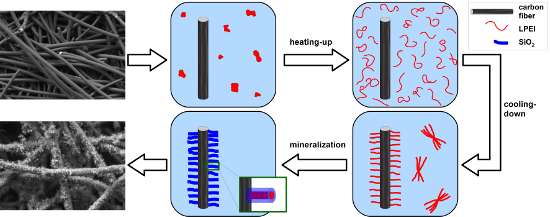
- . Experimental Preparation Synthesis of linear poly(ethylenimine). LPEI was synthesized by hydrolysis of the precursor polymer poly(2-ethyl-2-oxazoline) (PEOX, Sigma-Aldrich, average Mw = 50,000 g/mol corresponding to an average polymerization degree of ≈500, PDI ≈ 3–4), in a similar way as described elsewhere


Growth, structure and stability of sputter-deposited MoS2 thin films
Beilstein J. Nanotechnol. 2017, 8, 1115–1126, doi:10.3762/bjnano.8.113
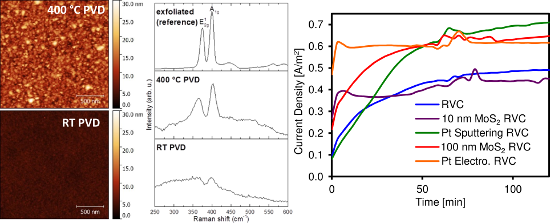
- amorphous MoS2 films, deposited via simple electro-polymerization procedures, the precatalysts could be MoS3 or MoS2; the active form of the catalysts was identified as amorphous MoS2 [19]. Narrow molybdenum disulfide nanosheets with the edge-terminated structure and a significantly expanded interlayer were


Fully scalable one-pot method for the production of phosphonic graphene derivatives
Beilstein J. Nanotechnol. 2017, 8, 1094–1103, doi:10.3762/bjnano.8.111
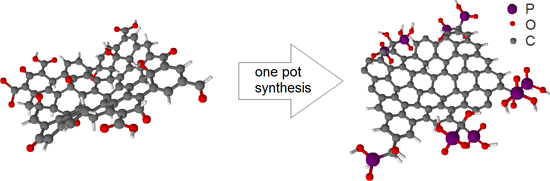
- phosphorylating GO and the usage of the latter as proton exchange membranes component was presented in [5]. Phosphorylated GO was synthesized via distillation–precipitation polymerization using dimethyl vinylphosphonate as monomer together with cross-linker and initiator. This approach required the introduction


Vapor-phase-synthesized fluoroacrylate polymer thin films: thermal stability and structural properties
Beilstein J. Nanotechnol. 2017, 8, 933–942, doi:10.3762/bjnano.8.95
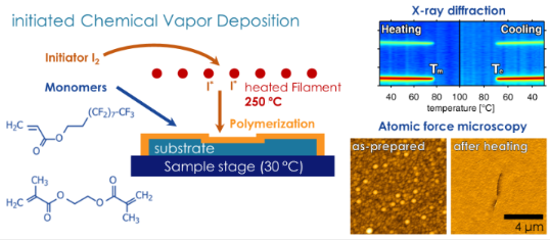
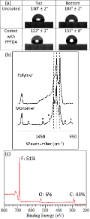
- surfaces based on perfluoroacrylates were previously prepared by initiated chemical vapor deposition (iCVD) [8]. The iCVD technique allows polymerization of the fluorinated monomers, while the chemical structure of the precursor(s) remains intact. Therefore, ultrathin (<100 nm) perfluoropolymers can be
- , it also allows the chemical structure of the monomers to be retained at high deposition rates, especially when compared with pulsed plasma deposition techniques [11]. The mechanism of polymerization by iCVD mirrors that of radical polymerization in solution [12]. An initiator molecule is thermally
- decomposed into radicals by a filament heated to 250–300 °C. The radicals of the initiator selectively react with the vinyl bonds of monomer species absorbed on the substrate, initiating the polymerization. For this, the substrate is typically held below 60 °C. Chain growth then proceeds on the substrate


Synthesis of coaxial nanotubes of polyaniline and poly(hydroxyethyl methacrylate) by oxidative/initiated chemical vapor deposition
Beilstein J. Nanotechnol. 2017, 8, 872–882, doi:10.3762/bjnano.8.89
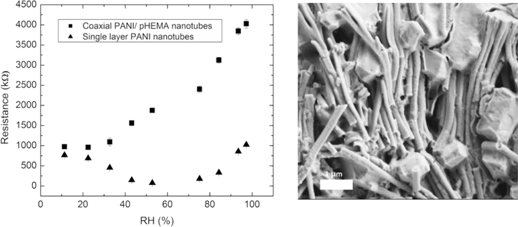
- applicable in different areas [7][8]. Among these, the conducting polymer (CP) nanostructures, such as nanowires, nanorods, nanotubes or nanospheres have been extensively studied through solution-based techniques, such as chemical polymerization [9][10][11] or electrochemical polymerization [12][13][14] for
- effect and surface tension. Thus, vapor-phase polymerization techniques have emerged for the deposition of conducting polymers that facilitate the fabrication of conformal polymeric structures [21][22]. Polyaniline (PANI) is one of the well-known conducting polymers with applications in supercapacitors
- purity and controlled wall thickness. Furthermore, the oxidation state of PANI could be controlled by varying the oxidant flowrate for the purpose of achieving conductive emeraldine salt. The oCVD technique is based on step-growth polymerization where the polymerization takes place directly on the


Vapor deposition routes to conformal polymer thin films
Beilstein J. Nanotechnol. 2017, 8, 723–735, doi:10.3762/bjnano.8.76
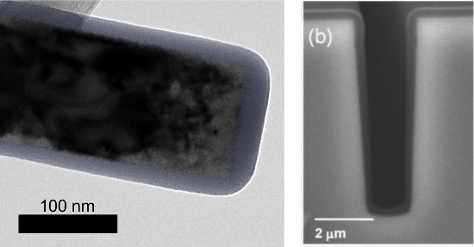
- -studied, conformal polymer CVD techniques: parylene CVD and initiated CVD (iCVD), with both deriving from free radical polymerization mechanisms. The four parts of this review will address reaction mechanisms of the aforementioned techniques, necessary deposition conditions for conformal film growth
- , imaging conformal polymer films, and finally applications for conformal polymer films. Reaction mechanisms Parylene CVD Parlyene CVD is a well-established, free radical polymerization technique that results in poly[p-xylene] films [13]. The reaction mechanism proceeds as shown in Figure 2a, where [2,2
- the introduction of new chemistries into the final poly[p-xylene] structure such as halogens, amines, and esters [15][16]. Initiated CVD iCVD is another free radical polymerization technique where instead of a single reactive species, a monomer and an initiating radical are needed to form the final


Methods for preparing polymer-decorated single exchange-biased magnetic nanoparticles for application in flexible polymer-based films
Beilstein J. Nanotechnol. 2017, 8, 408–417, doi:10.3762/bjnano.8.43
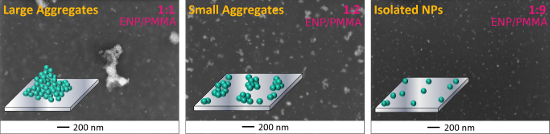
- ) or polystyrene (PS), using radical-controlled polymerization under various processing conditions. We compared the influence of the synthesis parameters on the structural and microstructural properties of the resulting hybrid systems, with special emphasis on significantly reducing their mutual
- resulting nanohybrids can be considered as valuable building blocks for flexible, magnetic polymer-based devices. Keywords: assembly; ATRP; magnetic nanoparticle; exchange-bias; films; functionalization; polymerization; poly(methyl methacrylate); polystyrene; seed-mediated growth; surface; Introduction
- grafting processes, living-radical polymerization (e.g., atom-transfer radical polymerization (ATRP), reversible addition–fragmentation chain transfer (RAFT) or nitroxide-mediated polymerization (NMP)) makes it possible to establish robust polymer–particle bonds and then grow polymer brushes of controlled


Uptake of the proteins HTRA1 and HTRA2 by cells mediated by calcium phosphate nanoparticles
Beilstein J. Nanotechnol. 2017, 8, 381–393, doi:10.3762/bjnano.8.40
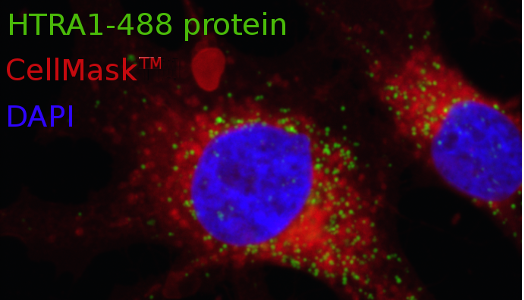
- in MG-63 cells with selective inhibitors (Table 1 and Figure 7). The uptake of the CaP/CMC/HTRA1-488 nanoparticles was partially inhibited by nocodazole (which inhibits the polymerization of microtubules in the cytoskeleton) and almost completely by nystatin (which inhibits caveolin-mediated





