Search results
Search for "reduction" in Full Text gives 1284 result(s) in Beilstein Journal of Nanotechnology. Showing first 200.
Nanocarriers and macrophage interaction: from a potential hurdle to an alternative therapeutic strategy
Beilstein J. Nanotechnol. 2025, 16, 97–118, doi:10.3762/bjnano.16.10
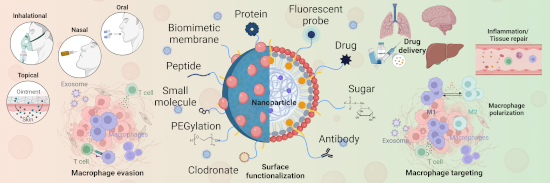
- ADP/ATP translocase in the mitochondria, ultimately leading to KCs apoptosis. When encapsulated in liposome in combination with nintedanib, a triple tyrosine kinase inhibitor, there is also a reduction in the secretion of inflammatory cytokines, which enhances the antifibrotic effects. This has been
- tirapazamine (TPZ), significantly enhanced drug accumulation in hypoxic regions of solid tumors. Macrophage-mediated delivery achieved a 3.7-fold greater tumor weight reduction than free TPZ alone or in NP form [59]. This method underscores the dual utility of macrophages as both therapeutic targets and
- STAT6 inhibitor AS1517499, zoledronic acid, or muramyl tripeptide (MTP), these liposomes inhibited M2 polarization. In preclinical breast cancer models, PAPC nanoliposomes reduced tumor growth, inhibited the M2 phenotype, and prevented pre-metastatic niche formation, achieving up to a 70% reduction in


Characterization of ZnO nanoparticles synthesized using probiotic Lactiplantibacillus plantarum GP258
Beilstein J. Nanotechnol. 2025, 16, 78–89, doi:10.3762/bjnano.16.8
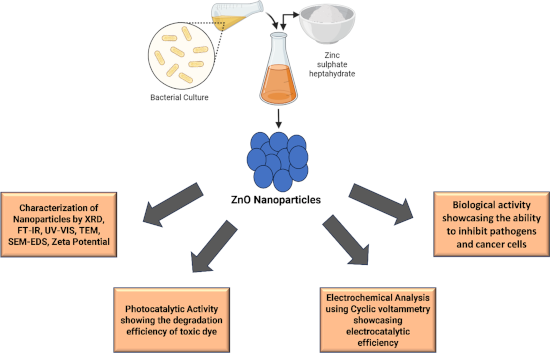
- nanoparticles (ZnO NPs), utilizing lactic acid bacteria isolated from curd as the key biological agent. Bacteria function as agents for both reduction and capping processes, which aids the synthesis of ZnO NPs. Various characterization techniques including XRD, FTIR, UV–vis, TEM, SEM-EDX, and zeta potential
- photocatalyst and 20 ppm of MB dye was exposed to UV light in order to initiate photodegradation. Measurements were taken at 15 min intervals to track the reduction in MB dye concentration. UV–visible spectrophotometry was used to measure the absorbance at 663 nm. Under UV irradiation, the photodegradation of
- reduction currents and increased peak oxidation, indicating rapid electron transport at the contacts between the electrolyte and electrode. Pseudo-capacitive behavior was observed in both electrolytes, where ionic conductivity influenced capacitance [17][18]. The addition of dextrose increased the redox


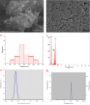
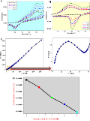

Instance maps as an organising concept for complex experimental workflows as demonstrated for (nano)material safety research
Beilstein J. Nanotechnol. 2025, 16, 57–77, doi:10.3762/bjnano.16.7

- polyvinylpyrrolidone (PVP) surface by reduction of silver nitrate in ethylene glycol with 10k PVP. The PVP-AgNPs are characterised regarding some of their physical attributes such as the particles’ shape, size, and crystalline phase. The particles are then sulfidised using different specified concentrations of the PVP
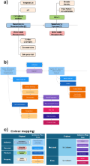


Advanced atomic force microscopy techniques V
Beilstein J. Nanotechnol. 2025, 16, 54–56, doi:10.3762/bjnano.16.6

- Joule dissipation leads to energy dissipation of the cantilever oscillation and a reduction in amplitude for constant excitation. They focus on two-dimensional materials and discuss how the reduction in amplitude resulting from energy dissipation influences the height measurement. In addition to the
Bioinspired nanofilament coatings for scale reduction on steel
Beilstein J. Nanotechnol. 2025, 16, 25–34, doi:10.3762/bjnano.16.3

- stability on steel. Our study demonstrates the successful coating of stainless steel with SNFs, achieving super-hydrophobicity and resilience under high shear stress and explosion/decompression tests. Scaling experiments reveal a 75.5% reduction in calcium carbonate deposition on SNF-coated steel surfaces
- . This reduction is attributed to altered flow dynamics near the super-hydrophobic surface, inhibiting nucleation and growth of scale. Our findings highlight the potential of bioinspired SNF coatings to enhance the performance and longevity of steel surfaces in industrial environments. Keywords
- test. The water contact angle also remains unchanged after the decompression/explosion test (Figure 5D). Scale reduction on SNF-coated steel surfaces The scaling of SNF samples was tested in a flow loop designed for the observation of calcium carbonate scaling at surfaces. Coated and uncoated steel


Orientation-dependent photonic bandgaps in gold-dust weevil scales and their titania bioreplicates
Beilstein J. Nanotechnol. 2025, 16, 1–10, doi:10.3762/bjnano.16.1
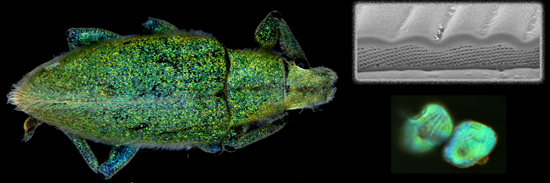
- step (130 °C). Raising the temperature slightly might increase the effective refractive index of titania before lattice degradation occurs. If the process could be additionally tuned by, for example, varying process times and chemical compositions (including hybrid sol/gels), a further reduction of


Mechanistic insights into endosomal escape by sodium oleate-modified liposomes
Beilstein J. Nanotechnol. 2024, 15, 1667–1685, doi:10.3762/bjnano.15.131
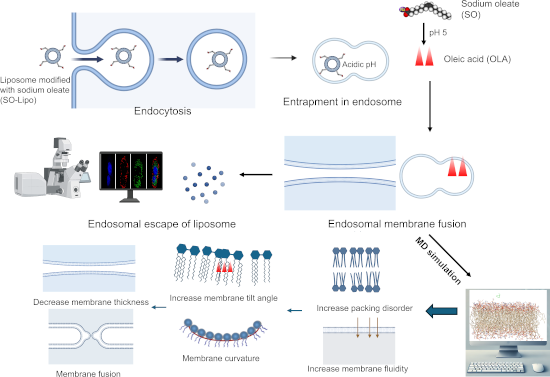
- notable stability across the studied pH range. In contrast, SO-Lipo exhibited a significant reduction in the negativity of its zeta potential (−0.86 ± 5.14 mV), consistent with the expected protonation of SO to OLA under acidic conditions. Most strikingly, AUR-Lipo underwent a critical transition, as
- reduction of resazurin to resorufin by metabolically active cells. The data reveal that Unmodified-Lipo exhibited minimal cytotoxicity at lower lipid concentrations (15.625 to 250 µM), with no statistically significant differences compared to untreated control cells (p > 0.05). However, at a concentration
- , respectively, demonstrating a dose-dependent cytotoxic effect at elevated lipid concentrations. SO-Lipo displayed a similar trend, maintaining non-significant cytotoxicity from 15.625 to 250 µM (p > 0.05), supporting the biocompatibility of the SO modification at lower concentrations. A noticeable reduction in




Fabrication of hafnium-based nanoparticles and nanostructures using picosecond laser ablation
Beilstein J. Nanotechnol. 2024, 15, 1639–1653, doi:10.3762/bjnano.15.129
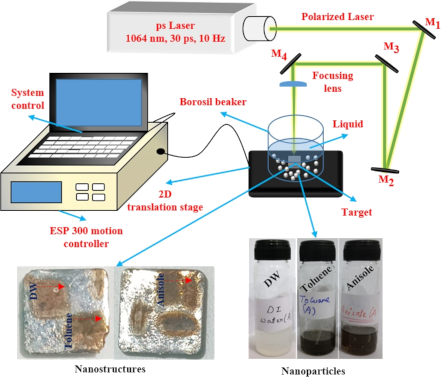
- liquids was also investigated. Experimental Materials Hf sponge was produced by metallurgical operations involving solvent extraction, briquetting, carbochlorination, Kroll reduction and vacuum distillation. The sponge samples were further refined by consolidation and refining under vacuum (3–6 × 10⁻⁵
- 60°) taken in the wavelength range from 250 to 1200 nm. The black curve corresponds to the reflectance spectrum of the reference pristine Si sample; the red curve is HfNPs-T, the blue curve is HfNPs-A, and the green curve is HfNPs-D. The values of the reflectance and reduction in the UV (λ = 250 nm
- with far superior and stable optical absorption compared to similar HfC NPs synthesised in our earlier work [31]. With an increase in angle, a reduction in absorption was observed for HfNPs-D, HfNPs-T, and HfNPs-A. A decrease in absorption was also observed with an increase in wavelength at a constant




Biomimetic nanocarriers: integrating natural functions for advanced therapeutic applications
Beilstein J. Nanotechnol. 2024, 15, 1619–1626, doi:10.3762/bjnano.15.127

- activity of polylactic glycolic acid (PLGA) nanoparticles coated with membranes, Zhang et al. (2021) tested nanoparticles loaded with gambogic acid and coated with red-blood-cell-derived membranes in colorectal cancer cells. They demonstrated a reduction in phagocytosis, increasing the circulation time of
- the nanoparticles due to the coating [63]. A similar study with nanoparticles coated with cytotoxic T lymphocyte membranes for the treatment of gastric cancer showed a reduction in macrophage uptake compared to other membrane types [64]. Other studies on nanoparticles loaded with the antitumor


Liver-targeting iron oxide nanoparticles and their complexes with plant extracts for biocompatibility
Beilstein J. Nanotechnol. 2024, 15, 1593–1602, doi:10.3762/bjnano.15.125
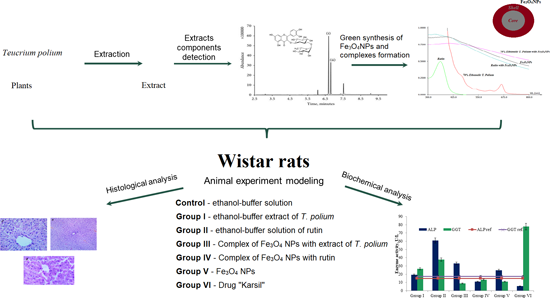
- hypolipidemic effect through a reduction in LDL cholesterol, despite preserving synthetic functions of the liver. Fe3O4 NPs enhance GPx activity, which is attributed to their peroxidase-like enzyme-mimetic properties, while concurrently preserving the architecture of liver tissue. Taking the above into account


Facile synthesis of size-tunable L-carnosine-capped silver nanoparticles and their role in metal ion sensing and catalytic degradation of p-nitrophenol
Beilstein J. Nanotechnol. 2024, 15, 1576–1592, doi:10.3762/bjnano.15.124
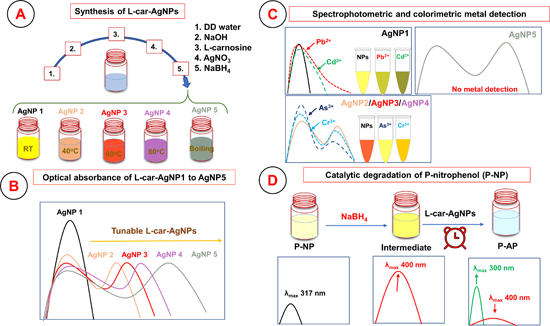
- purification. Before the experiment, glassware was cleaned with aqua regia and rinsed twice with double distilled (DD) water. Methods Tunable plasmonic silver nanoparticle synthesis using ʟ-carnosine Silver nanoparticles with tunable plasmon wavelength were synthesized using a wet-chemical reduction approach
- -chemical reduction approach. The precursor metal salt was reduced in the presence of the stabilizing or capping agent. Figure 1 shows a schematic representation of the ʟ-car-AgNP synthesis. The sample ʟ-car-AgNP1 was synthesized at room temperature by sequentially mixing water, NaOH, ʟ-carnosine, AgNO3




Green synthesis of silver nanoparticles derived from algae and their larvicidal properties to control Aedes aegypti
Beilstein J. Nanotechnol. 2024, 15, 1566–1575, doi:10.3762/bjnano.15.123
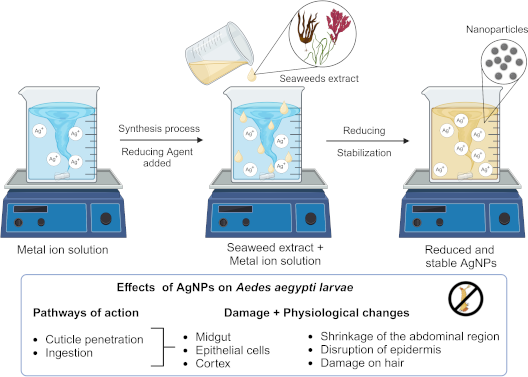
- chemical reduction of metal ions through biological compounds can be used to synthesize non-toxic and environmentally safe “green” insecticide alternatives in the form of metal-based nanoparticles [15]. A promising option are silver nanoparticles (AgNPs) obtained through synthesis from natural extracts
- containing secondary metabolites that act as reducing and stabilizing agents. Among these metabolites, alkanes, aromatics, phenols, ethers, amines, and amides stand out for their role in the reduction, stabilization, and capping of silver nanoparticles [11][16][17][18][19]. Compounds of natural origin are
- on naturally occurring biomaterials have been used as an alternative to obtain metallic nanoparticles [32][33]. These do not involve any toxic chemicals and require less energy and synthesis time. Simple protocols have been used involving the reduction of metal ions using biological extracts as


Electrochemical nanostructured CuBTC/FeBTC MOF composite sensor for enrofloxacin detection
Beilstein J. Nanotechnol. 2024, 15, 1522–1535, doi:10.3762/bjnano.15.120
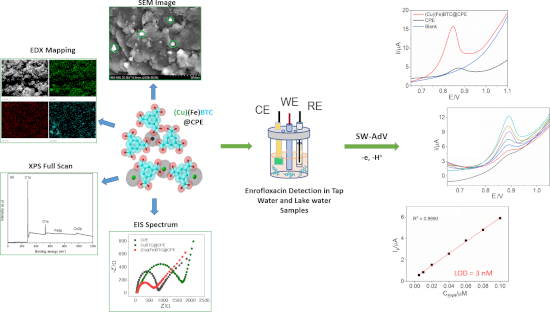
- Ω and significantly better conductivity [37], to the (Cu)(Fe)BTC@CPE led to reduction to about a third in Rct. This reduction in charge transfer resistance is advantageous for the enhancement of electrochemical oxidation on the electrode surface. Electrochemical behaviour of enrofloxacin on the (Cu
- voltammogram in ENR-free blank solution with no electrochemical response for ENR. In phosphate-buffered saline (PBS) containing ENR, there is a peak at 0.85 V on all four electrodes, attributed to the oxidation of ENR during the anodic scanning. No reduction peak was observed, revealing that the
- present in the analytical solution. Figure 13 illustrates that, at a concentration 100 times higher than that of ENR, ions including K+, Na+, Ca2+, Mg2+, Zn2+, Ni2+, Cl−, NO3−, SO42−, HCO3−, and CH3COO− had a negligible impact on the ENR signal, leading to a reduction in the ENR signal of less than 5





Polymer lipid hybrid nanoparticles for phytochemical delivery: challenges, progress, and future prospects
Beilstein J. Nanotechnol. 2024, 15, 1473–1497, doi:10.3762/bjnano.15.118
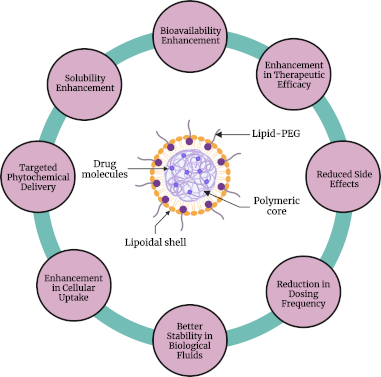
- profiles. The cell culture studies indicated that the targeted PLHNPs showed much greater cell uptake in MDA-MB-435s cells by integrin receptor-medicated endocytosis than the non-targeted PLHNPs. The targeted PLHNPs showed a significant reduction in IC50 value (by ≈50%) compared to the non-targeted PLHNPs
- . The hepatoprotective and antihyperlipidemic activity of the developed PLHNPs was evaluated in NAFLD-bearing PNPLA3 I148M transgenic mice. The developed PLHNPs showed a significant reduction in blood lipid levels, enhanced liver function, and decreased accumulation of lipids in the livers of mice. The
- HPN dispersion. The developed HPN-cPLHNPs gels showed much better wound healing activity with a significantly higher reduction in wound size after topical application for 14 days in comparison with the conventional HPN gel. Emodin Emodin (EDN) is a natural anthraquinone compound found in various


Effect of radiation-induced vacancy saturation on the first-order phase transformation in nanoparticles: insights from a model
Beilstein J. Nanotechnol. 2024, 15, 1453–1472, doi:10.3762/bjnano.15.117

- irradiated with He+ ions, their amorphization leads to a reduction in nanohardness, and this reduction is strongly correlated with the grain size [12]. Phase instability (radiation-induced amorphization) is observed in zirconia nanoparticles (ZrO2) embedded in nanocrystalline composites. ZrO2 nanoparticles
- nanomaterials with phase change and reduction in surface tension serve as suitable systems for elucidation and comparison. In summary, there is a competition among various energetic factors influencing phase stability and transformations in HDCMs during irradiation. These factors include (i) the bulk


Strain-induced bandgap engineering in 2D ψ-graphene materials: a first-principles study
Beilstein J. Nanotechnol. 2024, 15, 1440–1452, doi:10.3762/bjnano.15.116
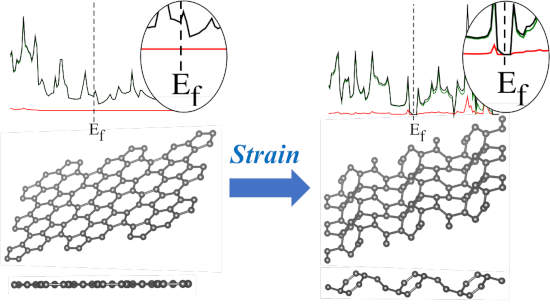
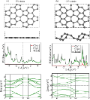
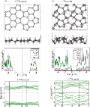
- ψ-graphene at strain levels of −15% and −6% (Table 2). The bond length d1, which was 1.51 Å in the absence of deformation, undergoes a considerable reduction under compression in the lattice plane. This bond length decreases until it reaches the lowest value of 1.27 Å at −10% strain level. The
- slight reduction in the lattice parameters, was found to be sufficient for a metal-to-semiconductor transition in ψ-graphone (Figure 3). These results indicate the extreme sensitivity of the ψ-graphone crystal structure to mechanical strain (tensile or compressive). As the magnitude of strain increases
- beyond −1%, the bandgap increases and reaches a stable value of 2.31 eV within a negative strain range of −5% to −7%. However, beyond the −7% strain level, a continuous reduction is observed in the bandgap, which continues up to −16% strain. At this level, the bandgap becomes 0.7 eV, signifying the


Ion-induced surface reactions and deposition from Pt(CO)2Cl2 and Pt(CO)2Br2
Beilstein J. Nanotechnol. 2024, 15, 1427–1439, doi:10.3762/bjnano.15.115

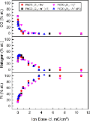
- sputtering of deposited material [21][22][25]. Recently, it was reported that the ion identity plays a major role in FIBID of Pt from MeCpPtMe3 [41]. In this study, Pt(IV) reduction from Ne+ and Ar+ bombardment resulted in the loss of four CH3 groups, whereas He+ and H2+ bombardment resulted in the loss of
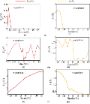
- 73 and 71 eV, respectively. This shift indicates Pt reduction from Pt(II) to a Pt species that resembles Pt(0) [66][67]. As the ion dose increases, the intensity of these two new Pt peaks increases, while the intensity of the Pt(II) peaks associated with the parent compound decreases. At an Ar+ dose
- comparison of the CO loss and Pt(II) reduction from Pt(CO)2Cl2 as functions of the Ar+ dose. Both data sets are fit to a first-order kinetic decay profile producing very similar reaction cross sections of 8.5 × 10⁻¹⁵ and 1.9 × 10⁻¹⁴ cm2, respectively. Figure 4 shows how the photoelectron spectrum of Pt(CO



A biomimetic approach towards a universal slippery liquid infused surface coating
Beilstein J. Nanotechnol. 2024, 15, 1376–1389, doi:10.3762/bjnano.15.111
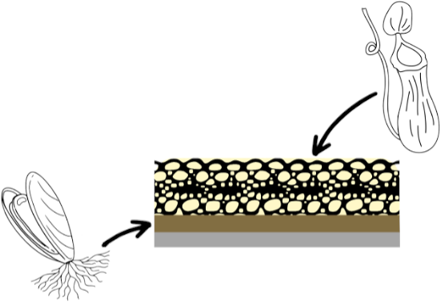
- –PFD compared to BSA and a ≈40% reduction in FXII activation on PDA–FDT–PFD compared to glass. This suggests that there is FXII coming down onto the surface of our coating and activating, though to a lesser degree than on glass. However, we observed no difference in FXII activation between PDA and
- , previous studies investigating SLIPS-induced fibrin polymerization found a significant reduction compared to bare surfaces [4]. There was significant variation between donors and between runs, but the trends remained consistent. Differences between runs were not of interest, so data was normalized to the




Investigation of Hf/Ti bilayers for the development of transition-edge sensor microcalorimeters
Beilstein J. Nanotechnol. 2024, 15, 1353–1361, doi:10.3762/bjnano.15.108

- sensitivity of the microcalorimeter. Our Hf films demonstrate superconductivity at half of the thickness of Ir films [12], allowing for the reduction of the detector volume. Moreover, hafnium is inexpensive in comparison with iridium. Another point is that the technology of Hf deposition, developed in our


Hymenoptera and biomimetic surfaces: insights and innovations
Beilstein J. Nanotechnol. 2024, 15, 1333–1352, doi:10.3762/bjnano.15.107
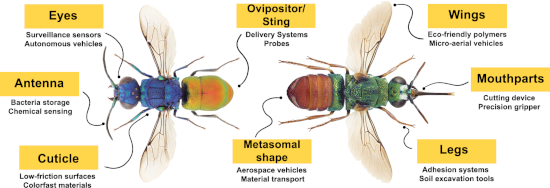
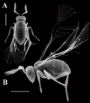
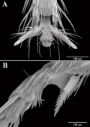
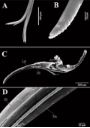
- sculptured and thick cuticle of some hymenopterans is also associated with increased resistance to fractures and high pressures [16] and may also potentially reduce water loss [17][18]. Alternative hypotheses yet to be tested for the function of such complex cuticle sculpturing is the air drag reduction
- to a reduction in electronic waste, as devices retain their visual appeal over a longer period. The techniques to create biomimetic materials with color producing mechanisms inspired by insects already exist [29][30] and applications of such technology have several possibilities. Hairs The body
- up to 90%, deflecting incoming air and create a zone of stagnant air, potentially helping in the deployment of sensors outdoors, where they are strongly subjected to airborne dust [19]. The detailed study of hymenopteran hairs can be useful in fabricating new surfaces with friction reduction




Nanoarchitectonics with cetrimonium bromide on metal nanoparticles for linker-free detection of toxic metal ions and catalytic degradation of 4-nitrophenol
Beilstein J. Nanotechnol. 2024, 15, 1312–1332, doi:10.3762/bjnano.15.106
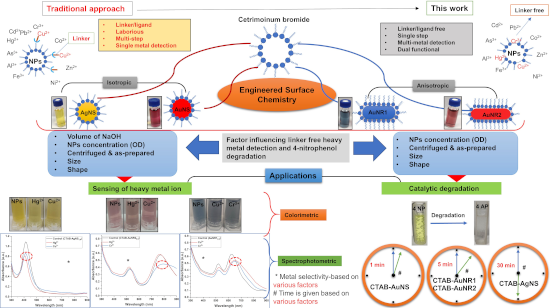
- synthesized using wet chemical reduction, as shown in Figure 1a. A unique feature of CTAB is its robust and selective binding to certain crystal facets of metal surfaces that define the growth and nucleation of nanoparticles. CTAB on metal surfaces plays a key role in nanoparticle stabilization but hinders
- , no flattening or aggregation of silver nanoparticles was noticed (Figure 4e,f). The decrease in the intensity of silver nanoparticles might be due to less CTAB on the nanoparticles’ surface or a decrease in CTAB CMC value. As reported elsewhere, the reduction in CTAB CMC is associated with NaCl




Interaction of graphene oxide with tannic acid: computational modeling and toxicity mitigation in C. elegans
Beilstein J. Nanotechnol. 2024, 15, 1297–1311, doi:10.3762/bjnano.15.105
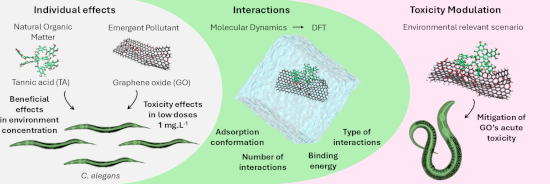
- characteristics made TA attractive to nanomaterial synthesis and functionalization for applications in nanomedicine, sensors, electronics, and composites [25][26][27]. In these different fields, TA has been applied in green alternative methods of GO synthesis and physicochemical modifications (e.g., reduction and
- (15 mL, 30% w/w) is added to complete the oxidation of graphite and the reduction of residual KMnO4; the mixture is left under stirring overnight. At the end, the material is precipitated by centrifugation and washed with H2SO4 (3.0%) and H2O2 (0.5%) to remove residues of oxidants and inorganic


Mn-doped ZnO nanopowders prepared by sol–gel and microwave-assisted sol–gel methods and their photocatalytic properties
Beilstein J. Nanotechnol. 2024, 15, 1283–1296, doi:10.3762/bjnano.15.104
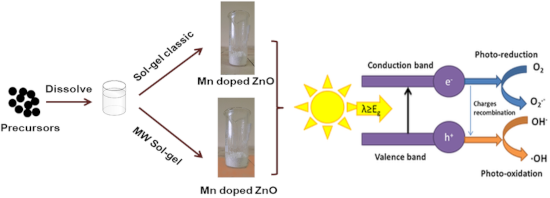
- simulated solar light, as follows: 0.003 g powder was suspended in 3 mM solution of 2,3-bis(2-methoxy-4-nitro-5-sulfophenyl)-2H-tetrazolium-5-carboxanilide; its reduction by the photogenerated O2‾ leads to the formation of formazan. This is signaled by a broad peak located at 470 nm. The UV–vis spectra were


New design of operational MEMS bridges for measurements of properties of FEBID-based nanostructures
Beilstein J. Nanotechnol. 2024, 15, 1273–1282, doi:10.3762/bjnano.15.103
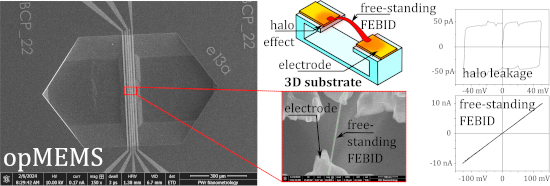
- before and after FIB milling at 393 K (100 K above ambient), respectively. (e) Von Mises strain (in MPa) around the formed RoI, showing concentration of strain around edges and near the cantilevers, indicating areas suitable for strain reduction. RoI of an opMEMS (a) before and (b) after FIB alignment


The role of a tantalum interlayer in enhancing the properties of Fe3O4 thin films
Beilstein J. Nanotechnol. 2024, 15, 1253–1259, doi:10.3762/bjnano.15.101

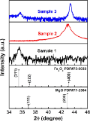
- affect Ms [39][40]. In reports [41][42], APBs in Fe3O4 thin films lead to the reduction of saturation magnetization compared to bulk Fe3O4 (510 emu/cm3) [29]. Therefore, sample 3 has the highest Ms because of the smallest number of APBs among all samples. Using a double buffer layer of MgO/Ta to lower
- buffer layer is nearly 3.5 times larger than that in sample 2, the number of APBs in sample 3 is the smallest, resulting in the reduction in Hc of sample 3 compared to the Hc value of sample 2. Conclusion Fe3O4 films were prepared on different substrates of SiO2/Si(100), MgO(100), and MgO/Ta/SiO2/Si(100