


Search results
Search for "surface" in Full Text gives 2438 result(s) in Beilstein Journal of Nanotechnology. Showing first 200.
Fabrication of metal complex phthalocyanine and porphyrin nanoparticle aqueous colloids by pulsed laser fragmentation in liquid and their potential application to a photosensitizer for photodynamic therapy
Beilstein J. Nanotechnol. 2025, 16, 1088–1096, doi:10.3762/bjnano.16.80
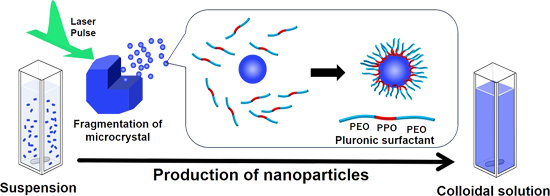
- that small nanoparticles generated by laser fragmentation are extremely unstable and aggregate rapidly to form larger nanoparticles, which precipitated after one day. In F-127 solutions, in contrast, F-127 molecules coated the surface of the nanoparticles immediately after generation, and small stably
- period of at least one week. F-127 plays an important role not only regarding dispersion stability but also regarding the generation efficiency of nanoparticles. It is considered that the surface of nanoparticles generated by laser fragmentation is coated rapidly and tightly with F-127 molecules through
- hydrophobic interactions between the hydrophobic nanoparticles’ surface and the hydrophobic PPO block of F-127. A nanoemulsion having a core (MPcs or PtOEP nanoparticle)–shell (F-127) structure formed immediately after laser fragmentation of microcrystals, leading to the generation of highly dispersive


Single-layer graphene oxide film grown on α-Al2O3(0001) for use as an adsorbent
Beilstein J. Nanotechnol. 2025, 16, 1082–1087, doi:10.3762/bjnano.16.79
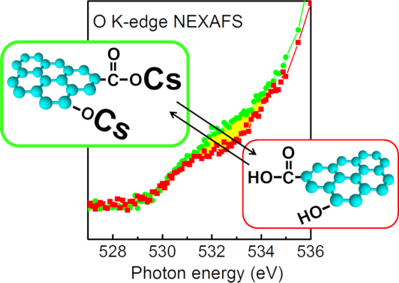
- obtained by oxidizing monolayer graphene grown by metal-free chemical vapor deposition on the α-Al2O3(0001) surface, and the adsorption state was determined by surface analytical techniques. It was clarified that Cs adsorbs on oxygen functional groups by substituting with H atoms from carboxyl and hydroxy
- deposition; electronic state analysis; graphene oxide; X-ray absorption fine structure; Introduction Graphene oxide (GO) is oxidized graphene and its surface and periphery are partially modified by epoxy, hydroxy, and carboxy functional groups [1][2]. GO can be thinned to a monolayer of one carbon atom and
- methods have been reported, including the Broadie and Hummers methods, contingent upon the oxidizing agent employed [8][14][15]. GO possesses the ultimate large surface area, low-cost production, and high chemical stability. Therefore, GO has a potential prospect to be an efficient adsorbent for metal


Piezoelectricity of hexagonal boron nitrides improves bone tissue generation as tested on osteoblasts
Beilstein J. Nanotechnol. 2025, 16, 1068–1081, doi:10.3762/bjnano.16.78
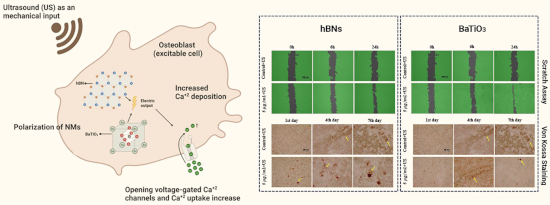
- SiC surface and stored at room temperature. The synthesized hBN and commercial BaTiO3 nanoparticles (Sigma-Aldrich, Germany) were characterized using several analytical techniques. Transmission electron microscopy (TEM, JEOL ARM 200 CF, 200 keV) was employed to examine morphology and particle size by
- amplitude contrast showed that grains have different piezo responses. According to the applied electric field, bright areas correspond to regions with active piezoelectric response, while dark regions indicate piezoelectric activities in the opposite direction of the applied electric field on the surface
- [57]. Moreover, sonoporation, a mechanical effect of US, may lead to a temporarily perturbation of cell membrane homeostasis and disruption of the cell membrane [58]. Additionally, US exposure could cause cells to detach from the surface, potentially leading to their removal during the washing process


Soft materials nanoarchitectonics: liquid crystals, polymers, gels, biomaterials, and others
Beilstein J. Nanotechnol. 2025, 16, 1025–1067, doi:10.3762/bjnano.16.77
- control the structure of discotic liquid crystal molecular nanowires by manipulating the subphase temperature and surface pressure in a Langmuir monolayer system (Figure 2) [226]. The LB technique represents a powerful methodology that allows for effective control over the assembly of molecular-sized
- thicknesses. At low temperatures, the molecular nanowires coalesce, whereas, at high temperatures, the nanowires separate to form interconnected networks. The compression of the thin-film structure on the water surface resulted in the transformation of the network into a compact and highly uniform monolayer
- . At a temperature of 5 °C, the molecules formed islands with a high degree of density. At 40 °C and 10 mN·m−1, a network of separated nanowires was observed. As the surface pressure increased, the separated nanowires exhibited a tendency to come closer together, ultimately forming a nanowire network






Multifunctional properties of bio-poly(butylene succinate) reinforced with multiwalled carbon nanotubes
Beilstein J. Nanotechnol. 2025, 16, 1014–1024, doi:10.3762/bjnano.16.76
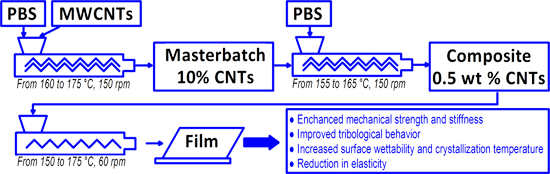
- . The surface morphology of the original substances and the PBS/CNTs nanocomposites was studied using SEM (Figure 1). In Figure 1a, the typical surface structure of PBS is visible. CNTs appear as agglomerates ranging from 500 nm to 200 μm, composed of woven nanotubes with an outer diameter of 14 to 28
- nm and a length of up to 40 μm (Figure 1b). The microstructure of PBS/CNT_10 (Figure 1c) and PBS/CNT_0.5 (Figure 1d) samples is quite similar. In the SEM images of both samples, small white inclusions (nanotubes) ranging from 24 to 200 nm in size are evenly distributed over the surface. On the
- surface of the masterbatch sample (PBS/CNT_10), there are many more of these white inclusions, which is expected, as the CNT content in this sample is 20 times higher. Thus, due to the mixing of CNTs with PBS in a twin-screw extruder with a special screw configuration, the CNT agglomerates are broken down



Time-resolved probing of laser-induced nanostructuring processes in liquids
Beilstein J. Nanotechnol. 2025, 16, 968–1002, doi:10.3762/bjnano.16.74
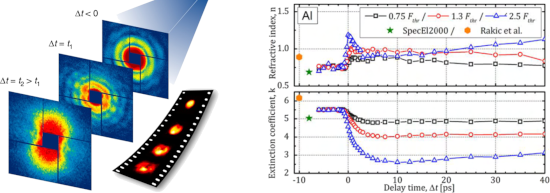
- exchanging energy and material with the excited loci. LSPC commonly encompasses laser ablation in liquid (LAL), which allows for producing NPs from a surface of virtually any solid [6][7][8][9], laser fragmentation in liquid (LFL) to further reduce dimensions of particles down to few-atom clusters [10][11
- surrounding liquid can be resolved in one experiment. And finally, a fourth chapter provides a state-of-the-art overview on the subject “Large-scale optical probing of laser ablation dynamics in liquids”. Here, the relaxation dynamics of a few tens of square micrometer large laser-excited surface, as used in
- melting. This indicates that residual effects from the initial electron dynamics play a dominant role in influencing ionic dynamics at later stages, persisting for several to tens of picoseconds. Localized surface plasmon formation in metallic NPs, followed by their annihilation, have been identified as


Shape, membrane morphology, and morphodynamic response of metabolically active human mitochondria revealed by scanning ion conductance microscopy
Beilstein J. Nanotechnol. 2025, 16, 951–967, doi:10.3762/bjnano.16.73
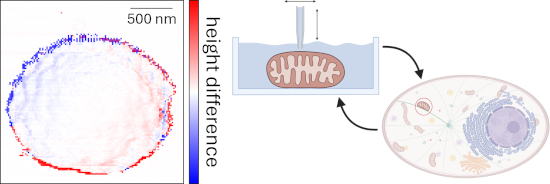
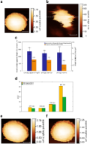
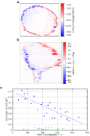
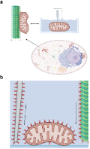
- nanopipette with a sub-micrometer aperture, which is brought near the sample surface via piezo actuators in an electrolyte bath. A voltage applied between two Ag/AgCl electrodes, one in the pipette and the other in the bath, generates an ion current. If the pipette approaches the sample, the ionic current
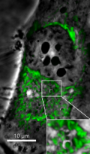
- study demonstrated the use of a nanopipette for extraction of small mitochondrial subpopulations from fibroblasts for next-generation genome sequencing [33]. However, metabolically active, isolated mitochondria and their surface morphology at nanometer resolution have not been reported using SICM. In
- . Shape changes were quantified using a metric according to mitochondrial complexity index (MCI) [9], as it is suitable for assessing both regular and irregular morphologies. It is modified to where SA is the surface area (computed by triangulation) and V is the volume (integral of the apparent height



Tendency in tip polarity changes in non-contact atomic force microscopy imaging on a fluorite surface
Beilstein J. Nanotechnol. 2025, 16, 944–950, doi:10.3762/bjnano.16.72
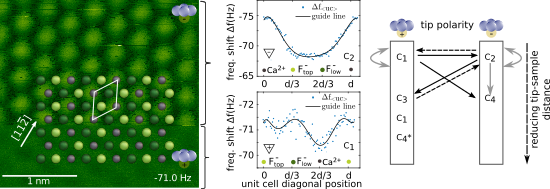
- CaF2(111) surface. A change of the atomic contrast is explained by a polarity change of the tip-terminating cluster or by a polarity-preserving tip change via the re-arrangement of the foremost atoms. Based on the established understanding of the unique contrast patterns on CaF2(111), polarity
- . Keywords: atomic resolution imaging; calcium fluoride surface; interaction force; non-contact atomic force microscopy (NC-AFM); tip change; Introduction Non-contact atomic force microscopy (NC-AFM) [1] is a surface science tool that has been used to atomically resolve surfaces of semiconductor and
- a vital role as the tip-terminating cluster uniquely interacts with the different surface atoms. At cryogenic temperatures, the use of functionalized tips such as as CO-terminated tips [6][11], Xe-terminated tips [12][13][14] and O-terminated Cu tips [15][16][17] has become the state-of-the-art for


Synthesis of biowaste-derived carbon-dot-mediated silver nanoparticles and the evaluation of electrochemical properties for supercapacitor electrodes
Beilstein J. Nanotechnol. 2025, 16, 933–943, doi:10.3762/bjnano.16.71
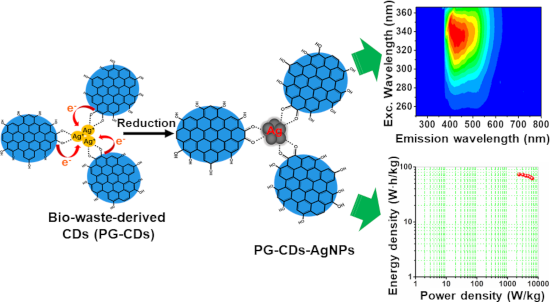
- density, quick charge/discharge capacity, and an outstanding retention rate. Nanocarbons are the appropriate candidates for EDLCs due to their high surface charge-storage ability and high conductivity [8][9][10]. The development of electrode materials with an efficient EDLC and pseudocapacitor properties
- in electrochemical energy storage applications given their exceptional chemical durability, high electronic conductivity, and surface chemical characteristics. Due to these characteristics, AgNPs possess the capacity to function as the electrode material for supercapacitors. Numerous reports have
- ]. Lokhande et al. reached a specific capacitance (SC) of 424 F/g for the Kimchi cabbage extract mediated AgNPs [16]. The enhanced performance was credited to the fact that the AgNPs were smaller, which meant that there was a bigger surface area for operative conducting pathways. Nevertheless, chemical


Structural and magnetic properties of microwave-synthesized reduced graphene oxide/VO2/Fe2O3 nanocomposite
Beilstein J. Nanotechnol. 2025, 16, 921–932, doi:10.3762/bjnano.16.70
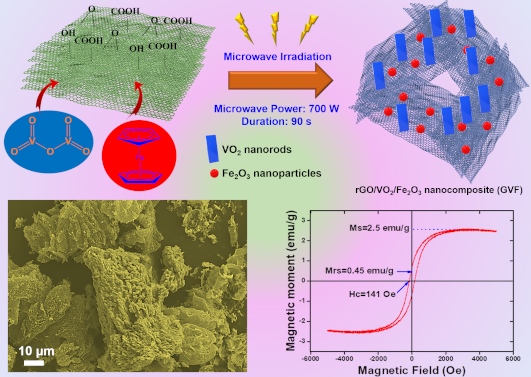
- Fe2O3 nanoparticles and VO2 nanorods on the 2D rGO surface. Notably, the ternary composite displayed good magnetic properties for its potential biomedical applications. Overall, this work explores an efficient and cost-effective synthetic approach for developing graphene-based magnetic nanocomposites
- in a honeycomb fashion enabled this special class of materials to exhibit desirable characteristics, such as enhanced electrical conductivity, higher mechanical strength, elevated surface area, and high thermal and chemical stability. Owing to such improved characteristics, graphene materials
- the NCs. The Raman spectra of rGO and the related NCs were recorded through the “XploRA plus HORIBA” instrument with a laser excitation of 532 nm. Additionally, the surface analysis was performed using X-ray photoelectron spectroscopy measurements (XPS, Thermofisher Scientific) functioning at 12 kV



Focused ion beam-induced platinum deposition with a low-temperature cesium ion source
Beilstein J. Nanotechnol. 2025, 16, 910–920, doi:10.3762/bjnano.16.69
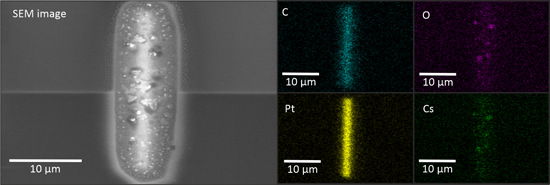
- surface is a frequently used process of focused ion beam (FIB) systems. Here, we report on the deposition of platinum (Pt) with a new kind of cesium (Cs) FIB, in which the cesium ions are produced by a low-temperature ion source. Platinum was deposited at different acceleration voltages and ion beam
- ); Introduction The deposition of material at a certain spot on a sample surface is a powerful and useful feature of focused ion beam (FIB) systems. At first, the deposition was used for circuit editing and as a protection layer before milling. Nowadays, the process is more far-reaching, and three-dimensional
- major role is played by the primary ion beam, together with a thermal heat spike, excited surface atoms (ESA), or secondary electrons (SE). According to Hlawacek et al. [8], the number of ESA is proportional to the nuclear stopping power, so for heavier ions this mechanism dominates the deposition. The


Characterization of ion track-etched conical nanopores in thermal and PECVD SiO2 using small angle X-ray scattering
Beilstein J. Nanotechnol. 2025, 16, 899–909, doi:10.3762/bjnano.16.68
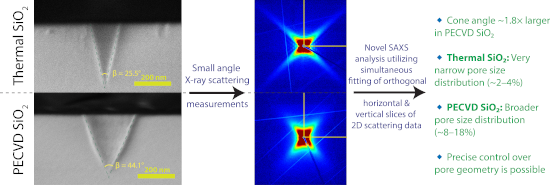
- dioxide [29][40][30]. Amorphous silicon dioxide (SiO2) has excellent chemical stability, well-understood surface chemistry, and compatibility with semiconductor processing, opening up new applications for track-etched nanopores in this material [30]. In this study, we report the characterization of track
- average radius at the sample surface (T1, T2, and T3) are measured to be 100.3 ± 1.3, 103.2 ± 1.6, and 102.4 ± 2.6 nm, respectively, in thermal SiO2. In contrast, the representative pores (P1, P2, and P3) in PECVD SiO2 measure 127.2 ± 2.7, 112.3 ± 2.4, and 114.7 ± 1.6 nm, respectively. The uncertainty
- conical nanopores in thermal SiO2 illustrating the regions used for horizontal (blue) and vertical (orange) cuts. The sample was irradiated with 1.6 GeV Au ions and etched for 15 mins in 3% HF. Measurements were performed with a tilt angle of the surface normal of ≈20° with respect to the X-ray beam. The


Heat-induced transformation of nickel-coated polycrystalline diamond film studied in situ by XPS and NEXAFS
Beilstein J. Nanotechnol. 2025, 16, 887–898, doi:10.3762/bjnano.16.67
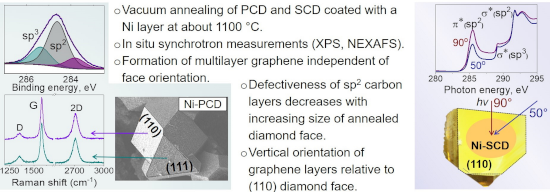
- coating on the electronic structure and chemical state of graphite layers formed on the surface of a polycrystalline diamond (PCD) film with mixed grain orientation was studied. A synthetic single-crystal diamond (SCD) with a polished (110) face was examined for comparison. The samples were coated with a
- fine structure (NEXAFS) methods. XPS data revealed the formation of a thin graphite-like film with low-ordered atomic structure on the surface of the nickel-coated PCD film. The chemical state of sp2-hybridized carbon atoms was found to be insensitive to the face orientation of the diamond micro-sized
- -coated (110) face after annealing discovered the vertical orientation of sp2-hybridized carbon layers relative to the diamond surface. The observed behavior suggests that sp2 carbon layers were formed on the diamond surface due to its saturation by released carbon atoms as a result of etching by nickel


Ar+ implantation-induced tailoring of RF-sputtered ZnO films: structural, morphological, and optical properties
Beilstein J. Nanotechnol. 2025, 16, 872–886, doi:10.3762/bjnano.16.66
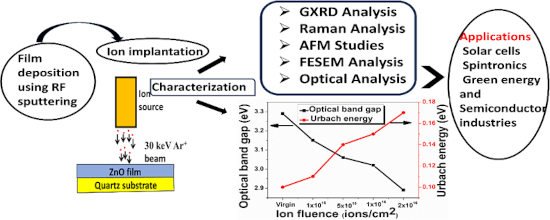
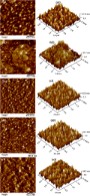
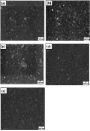
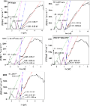
- in grazing incidence angle X-ray diffraction patterns. Atomic force microscopy images show grain size reduction and a fall in the surface roughness value of films after implantation. The implantation-induced structural modifications are further correlated with the variation in diffuse reflectance
- foreign ions in the ZnO film lattice can create an impact on its surface roughness and particle size. Previous reports available discuss the implantation-induced optical longitudinal phonon symmetry in ZnO films using heavy ions with high energy and low implantation fluences [12][13][14][15]. Singh et al
- modes on the surface morphological and optical characteristics (Urbach energy and optical bandgap). In fact, in the existing literature, there are barely any studies that have addressed the impact of the evolution of A1 (LO) modes on surface morphology and optical properties in low-energy regimes






Insights into the electronic and atomic structures of cerium oxide-based ultrathin films and nanostructures using high-brilliance light sources
Beilstein J. Nanotechnol. 2025, 16, 860–871, doi:10.3762/bjnano.16.65

- transport properties in the presence of specific gases, due to the redox reactions that take place on the surface [12][13]. An atomic level understanding of the structure–function relationship in this oxide is essential for guiding the design of efficient materials to optimize the performance of the
- , thin films, and supported nanostructures, investigated using laboratory-based surface science methods, we refer the reader to existing reviews [18][19][20]. The aim of this work is to provide an overview of recent studies highlighting the advantages of using synchrotron and FEL radiation to achieve a
- sensitivity of the method and to selectively probe the surface and or deeper layers, like buried interfaces. Since the early studies of epitaxial cerium oxide films by Mullins and coworkers [22], it became clear that synchrotron radiation could provide high-resolution Ce 3d, Ce 4d, and valence band spectra


Synchrotron X-ray photoelectron spectroscopy study of sodium adsorption on vertically arranged MoS2 layers coated with pyrolytic carbon
Beilstein J. Nanotechnol. 2025, 16, 847–859, doi:10.3762/bjnano.16.64
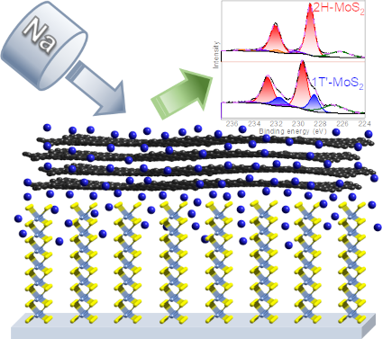
- temperature of 873 K for 30 min. Heating the raw film in a hydrogen atmosphere at 1073 K removes excess sulfur and other contaminations from the film surface. In the final step, a thin PyC film synthesized by chemical vapor deposition (CVD) technique is placed on the surface of the cleaned MoS2 film using the
- wet transfer method (see the Experimental section for details). The resulting hybrid, designated PyC-MoS2, together with a surface-cleaned MoS2/SiO2/Si sample and a PyC film transferred onto a SiO2/Si substrate, were used to comparatively study the ability to adsorb and accumulate evaporated sodium
- . The scanning electron microscopy (SEM) images of the surface of raw MoS2 film, hydrogen-annealed film, and PyC film are compared in Figure 1b,c,e. The raw MoS2 film covers the entire area of the substrate and contains polysulfide nanoparticles on the surface (Figure 1b). These nanoparticles are absent


Facile one-step radio frequency magnetron sputtering of Ni/NiO on stainless steel for an efficient electrode for hydrogen evolution reaction
Beilstein J. Nanotechnol. 2025, 16, 837–846, doi:10.3762/bjnano.16.63
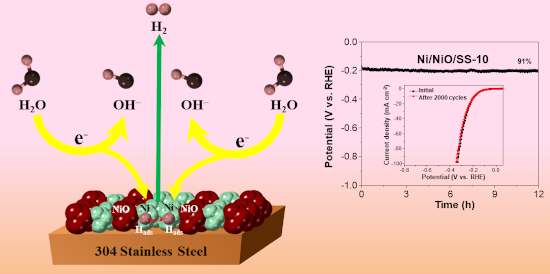
- carried out to analyze the morphology of the Ni/NiO thin film on the SS substrate. The as-synthesized Ni/NiO film at 5 sccm of O2 flow rate showed uniform and continuous appearance on the entire surface of the SS substrate (Figure 2a,e). However, at high O2 flow rates, the surface of Ni/NiO/SS-10, Ni/NiO
- distribution of the primary elements (Ni, O) in the Ni/NiO/SS-10 sample. This outcome revealed that catalytic sites were also uniformly distributed on the electrode’s surface. Figure 5a exhibits the X-ray photoelectron spectroscopy (XPS) survey of the Ni/NiO/SS-10 sample. It can be seen that Ni/NiO/SS gives Ni
- attributed to a satellite peak. The presence of Ni3+ can be ascribed to the formation of NiOOH species originating from water adsorption on the surface of NiO. The high-resolution O 1s spectrum can be deconvoluted into three peaks, namely, O–Ni2+ (528.9 eV), O–Ni3+ (530.5 eV), and O–H (531.4 eV) [39]. To


Synthesis and magnetic transitions of rare-earth-free Fe–Mn–Ni–Si-based compositionally complex alloys at bulk and nanoscale
Beilstein J. Nanotechnol. 2025, 16, 823–836, doi:10.3762/bjnano.16.62
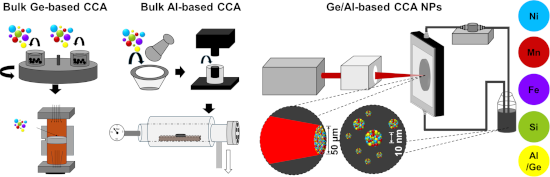
- because they exhibit remarkable properties due to the interplay between their compositional complexity and nanoscale effects, such as a high surface-to-volume ratio and quantum confinement. These unique characteristics make CCA nanoparticles (NPs) highly suitable for catalysis [26][27], energy storage [28
- diffractograms. EDX data was processed using AZtec software. Results and Discussion Microstructural characterization of bulk CCAs The SEM images and EDX elemental maps of the polished surface of the Ge-based CCA (Figure 2a) revealed a homogeneous microstructure, with no significant elemental segregation on the
- presents the average composition of the Ge-based and Al-based CCAs measured at different spatial positions of the target’s surface, showing that the measured values nearly align with the expected alloy composition. Notably, the percentage variance in Table 1 highlights that Ge exhibits the highest variance


Supramolecular hydration structure of graphene-based hydrogels: density functional theory, green chemistry and interface application
Beilstein J. Nanotechnol. 2025, 16, 806–822, doi:10.3762/bjnano.16.61
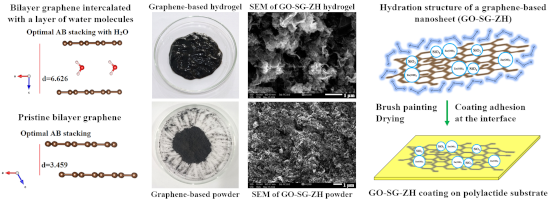
- repulsive hydration forces when another surface perturbs the hydration layers [6][7][8]. Hydration shells and hydration forces keep the hydrated structures stable and functional in the natural concert of biological processes. In the aspect of artificial nanomaterials, it is proposed that hydration also
- interactions, a type of van der Waals force, for supramolecular attraction [9]. Particularly, graphene sheets with a large surface area and π-conjugated network are likely to stack together through hydrophobic agglomeration and π–π interaction. Although π–π interactions are generally weaker than hydrogen
- bonding, two graphene sheets in face-to-face geometry have a large interaction surface area to multiply the van der Waals force per unit area, resulting in strong binding energy of total attraction forces. The restacking of graphene-based nanosheets, including pristine graphene, graphene oxide (GO), and


Morphology and properties of pyrite nanoparticles obtained by pulsed laser ablation in liquid and thin films for photodetection
Beilstein J. Nanotechnol. 2025, 16, 785–805, doi:10.3762/bjnano.16.60
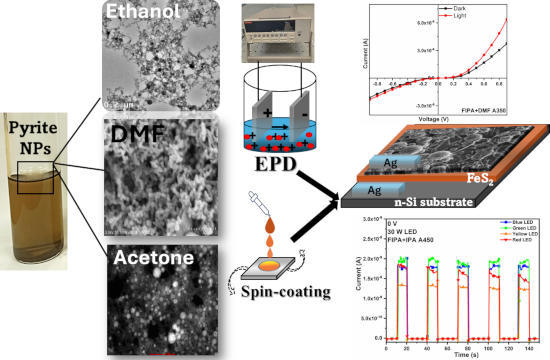
- related to FeS2 [3]. Pyrite has shown outstanding performance and a long shelf life as a high-capacity cathode and has been utilized in batteries [4]. Pyrite has also been identified as a promising material for effectively removing environmental contaminants in the environment near the surface of the
- film deposition technique where a substrate surface can be uniformly coated by spreading an evenly distributed layer of a desired material ink (in this case, NPs in a solvent) across the surface of the rotating substrate [30]. With these benefits, EPD and spin coating can be described as
- straightforward, flexible, and affordable methods to obtain thin films using laser-processed nanocolloids. Spin coating is combined with EPD for film deposition with the intention of obtaining seeded film growth with improved thickness and for surface morphology modifications. The importance of using






Changes of structural, magnetic and spectroscopic properties of microencapsulated iron sucrose nanoparticles in saline
Beilstein J. Nanotechnol. 2025, 16, 762–784, doi:10.3762/bjnano.16.59
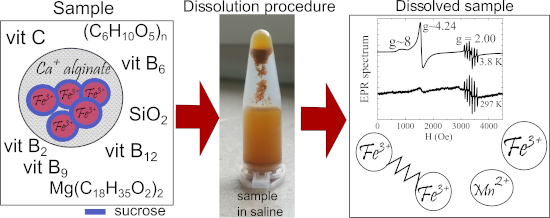
- coupling between Fe ions, (iii) the analysis of interactions between the magnetic core and the sucrose shell and their impact on core surface magnetic moments, (iv) the impact of the core surface and nonmagnetic additives on the saturation magnetization of the investigated compound [19], and (v) the
- microcapsules. The resolution of the SEM technique is insufficient to recognize iron sucrose nanoparticles. Therefore, it is impossible to determine whether calcium alginate uniformly covers all iron sucrose nanoparticles or if some nanoparticles are on the microcapsule surface. Furthermore, it remains unclear
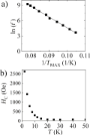
- the microcapsule as a magnetic system, it is expected that the sucrose shell will prevent or significantly diminish interactions between nanoparticles, also probably modifies the surface state of the core. To understand the low-temperature magnetic state of the FS0 sample, the zero field cooled





Thickness dependent oxidation in CrCl3: a scanning X-ray photoemission and Kelvin probe microscopies study
Beilstein J. Nanotechnol. 2025, 16, 749–761, doi:10.3762/bjnano.16.58
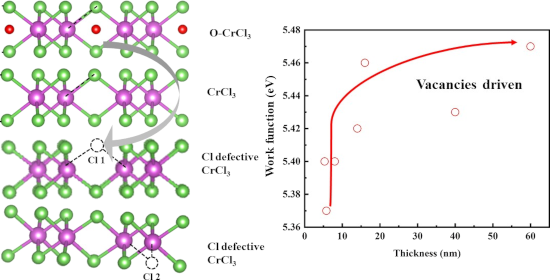
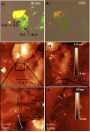
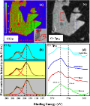
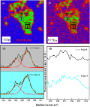
- evaluated the surface modification reaction and the surface potential. Our results established the correlations of the two latter properties with the thickness of flakes, observing a natural tendency to preserve their characteristic when the flakes have significantly less thickness. This is in contrast to
- investigates interfaces made by dry transfer of CrCl3 flakes in an atmospheric environment. Cl vacancies and the formation of O/CrCl3 are induced, serving as dissociation centers that facilitate the migration of Cl vacancies between the top and bottom surfaces. By manipulating 2D atomic layers via surface
- oxidation or the introduction of surface vacancies, a novel and versatile approach is unveiled for the development of low-dimensional multifunctional nanodevices. Keywords: chemical mapping; CrX3; Kelvin probe force microscopy; mechanical exfoliation; scanning photoelectron microscopy (SPEM); two





Serum heat inactivation diminishes ApoE-mediated uptake of D-Lin-MC3-DMA lipid nanoparticles
Beilstein J. Nanotechnol. 2025, 16, 740–748, doi:10.3762/bjnano.16.57
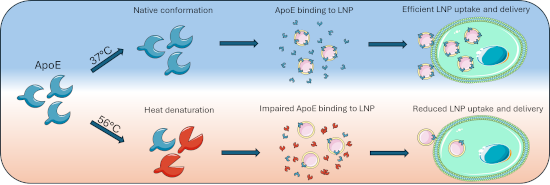
- surface of nanoparticles after administration has garnered substantial attention due to the significant effects it has on their performance. Lipid nanoparticles (LNPs) depend on protein corona formation to mediate their targeting. Such protein–nanoparticle interactions are often initially studied using in
- proteins, forms on its surface. This so-called protein corona significantly affects the physicochemical properties of the nanoparticle, such as size, charge and stability [2][3][4][5]. In turn, the composition of the protein corona is influenced by the physicochemical properties of the pristine
- intravenously after which they are dependent on the adsorption of the plasma protein apolipoprotein E (ApoE) to their surface to efficiently target LDL-receptor expressing cells in the liver and deliver the siRNA cargo [25][26]. As the protein corona seems to play a pivotal role in LNP tissue distribution and


Synthesis of a multicomponent cellulose-based adsorbent for tetracycline removal from aquaculture water
Beilstein J. Nanotechnol. 2025, 16, 728–739, doi:10.3762/bjnano.16.56
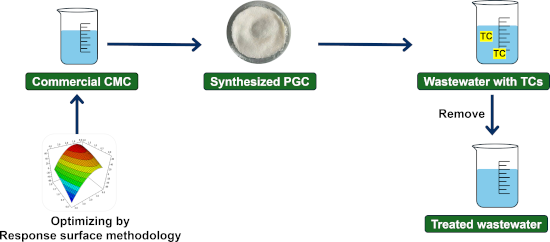
- -based multicomponent adsorbent material (PGC) synthesized from sodium carboxymethyl cellulose and investigated factors influencing its TC adsorption capacity. The synthesis process was optimized using parameters derived from the response surface methodology. The surface and structural properties of PGC
- were characterized, and the TC adsorption efficiency of PGC was assessed using high-performance liquid chromatography–mass spectroscopy (HPLC-MS). Elemental analysis of PGC identified four key mechanisms governing its endothermic TC adsorption mechanism: surface complexation, electrostatic interactions
- , hydrogen bonding, and CH–π interactions, with surface complexation between Ca2+ and TCs being dominant. Batch adsorption experiments conducted to examine the factors influencing adsorption capacity revealed that PGC achieved up to 70% TC removal efficiency at an adsorbent dosage of 40 mg and an initial TC


Efficiency of single-pulse laser fragmentation of organic nutraceutical dispersions in a circular jet flow-through reactor
Beilstein J. Nanotechnol. 2025, 16, 711–727, doi:10.3762/bjnano.16.55
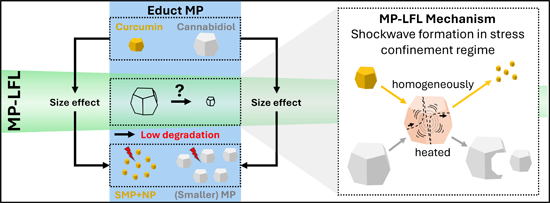
- particle surface and quantified regarding feedstock mass concentration and nutraceutical type. Cytotoxicity in HepG2 cancer cells was significantly reduced in cells treated with laser-processed curcumin in comparison to unirradiated curcumin controls, and antioxidant effects were proven, ensuring high
- goes along with an elevated specific surface area that improves solubility and bioavailability of these nutraceuticals. Consequently, the amount of degradation products per generated surface area within one laser passage is a particularly interesting assessment criterion for process efficiency
- . Moreover, the created surface area is also a descriptor highly relevant for application (as the solubility of hydrophobic particle dispersions in water is proportional to the surface [67][68]). For simplified calculations of the total surface created by LFL, we assumed all particles to be ideal spheres





