


Search results
Search for "synthesis" in Full Text gives 1244 result(s) in Beilstein Journal of Nanotechnology. Showing first 200.
Synthesis and the impact of hydroxyapatite nanoparticles on the viability and activity of rhizobacteria
Beilstein J. Nanotechnol. 2025, 16, 216–228, doi:10.3762/bjnano.16.17
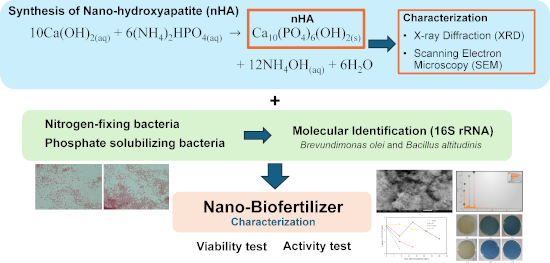
- productivity. Results and Discussion Synthesis of nanohydroxyapatite The synthesis of nHA was effectively achieved through a hydrothermal method, conducted at a temperature of 230 °C for a duration of 48 h. The resultant nHA material was obtained in the form of white powder. The formation of nHA occurred
- the synthesized nHA is given in Figure 2. Figure 2 shows that the XRD pattern of nHA aligns with the ICSD #157481 standard (Figure 1) and the P63/m space group. This alignment confirms the successful synthesis of hydroxyapatite. Notably, the image highlights the characteristic (211) peak of HA at 2θ
- % similarity to Bacillus altitudinis strain NPB34b. Experimental Nanohydroxyapatite synthesis The synthesis of nHA in this study builds upon previous protocols. Specifically, a mixture containing 2.7925 g of calcium oxide and 3.9663 g of diammonium phosphate (with a Ca/P ratio of 1.67) was dissolved in 100 mL


Recent advances in photothermal nanomaterials for ophthalmic applications
Beilstein J. Nanotechnol. 2025, 16, 195–215, doi:10.3762/bjnano.16.16
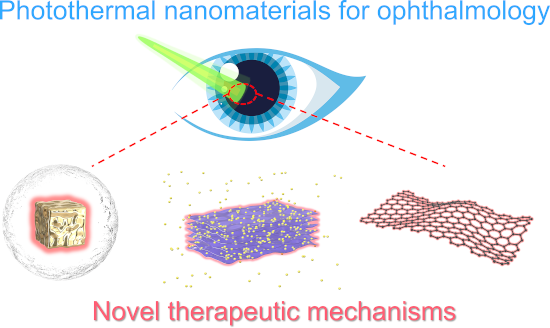
- the dielectric environment present during their synthesis (see below in Figure 2b) [48][49]. Because of the direct occurrence of photothermal conversion on the surfaces of LSPR metals and its rapid nature, combined with the metals’ inherent high thermal conductivity and strong hydrophilicity, LSPR
- , facilitating controlled photothermal drug therapy (Figure 2i) [87][88]. Additionally, semiconductor materials are notable regarding their stability, ease of synthesis, and cost-effectiveness, making them highly promising for ophthalmic applications [89][90]. Some semiconductors with high surface carrier
- synthesis of AuNPs and served as a surface coating for AuNPs, promoting the coupling of DOX, enhancing anti-tumor activity, and improving the biocompatibility of AuNPs. The significant extinction coefficient of these nanoparticles enhances the contrast in photoacoustic imaging within the tumor region


A review of metal-organic frameworks and polymers in mixed matrix membranes for CO2 capture
Beilstein J. Nanotechnol. 2025, 16, 155–186, doi:10.3762/bjnano.16.14
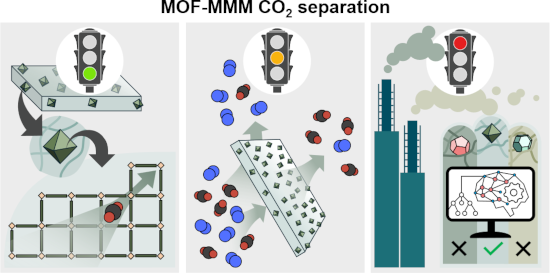
- modification of the synthesized MOFs and allows for the synthesis of multifunctional frameworks [32][33][34][35]. Alternatively, MOFs can undergo post-synthetic modification to achieve similar functionalization without the risk of degrading functionalized linkers during high-temperature and high-pressure MOF
- synthesis [32]. The resulting constructions have pore sizes ranging from microporous (<2 nm) to mesoporous (2–50 nm) [30][36]. This simple strategy has led to substantial exploration of various MOFs with different structures and properties for various applications in heterogeneous catalysis, biomedicine
- their promising roles as fillers in MMMs. The versatility of MOFs enables the synthesis of CO2-selective MOFs with high CO2 uptake capacities [23]. By choosing or engineering appropriate metal nodes and organic linkers, the physical and chemical properties of the framework can be tuned to favorably





TiO2 immobilized on 2D mordenite: effect of hydrolysis conditions on structural, textural, and optical characteristics of the nanocomposites
Beilstein J. Nanotechnol. 2025, 16, 128–140, doi:10.3762/bjnano.16.12
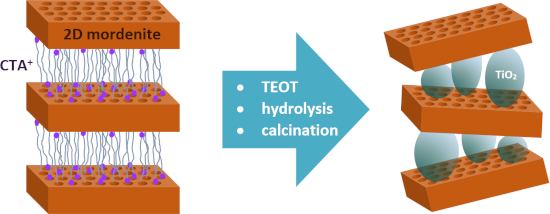
- cetyltrimethylammonium bromide (CTAB) layers. The latter method involves the synthesis of layered 2D zeolites in the presence of CTAB and organic structure directing agents (OSDAs), followed by calcination to remove them from the resulting products [1]. The choice of the OSDA determines not only the interlamellar
- distance and, hence, the mesopore size, but also the aluminum distribution and acidic properties of the obtained material, which are key parameters for catalysts [5][7][8][9][10]. One widely used component for the synthesis of 2D zeolites is CTAB [5][9][11][12][13]. To prepare mesoporous materials from
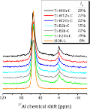
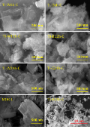
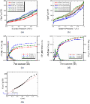
- that direct synthesis of TiO2 in mesoporous silica or zeolites provides strong immobilization of TiO2 nanoparticles through Ti–O–Si bonding [21][22][23]. Previously, we reported the results of the trial synthesis of a new TiO2/2D mordenite nanocomposite [28]. The material was obtained from a composite



Comparison of organic and inorganic hole transport layers in double perovskite material-based solar cell
Beilstein J. Nanotechnol. 2025, 16, 119–127, doi:10.3762/bjnano.16.11
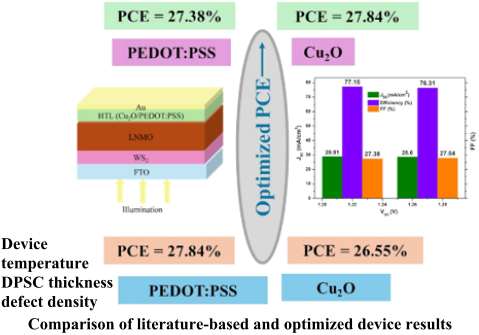
- optimized PSC device displays a higher efficiency of 27.84% with Cu2O and 27.38% with PEDOT:PSS for the planar n-i-p FTO/WS2/LNMO/HTL/Au device structure. However, highly efficient organic HTLs have a few disadvantages over inorganic HTLs, including multistep synthesis requiring additional doping, leading


Nanocarriers and macrophage interaction: from a potential hurdle to an alternative therapeutic strategy
Beilstein J. Nanotechnol. 2025, 16, 97–118, doi:10.3762/bjnano.16.10
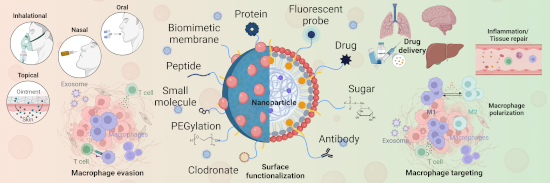
- . For instance, endotoxins or LPS remaining on the NC surface after synthesis can enhance macrophage uptake but may also cause unwanted immune activation [61]. Consequently, ensuring sterility is a critical prerequisite for developing nanomedical devices. 5.2 Harnessing macrophage plasticity for
- ideal target for NC-based therapies because of its unique anatomy, clearance functions, and resident KCs. As mentioned in Section 3.1, it plays a pivotal role in detoxification, protein synthesis, and regulating various biochemical pathways, making it a critical focus for therapeutic intervention


Characterization of ZnO nanoparticles synthesized using probiotic Lactiplantibacillus plantarum GP258
Beilstein J. Nanotechnol. 2025, 16, 78–89, doi:10.3762/bjnano.16.8
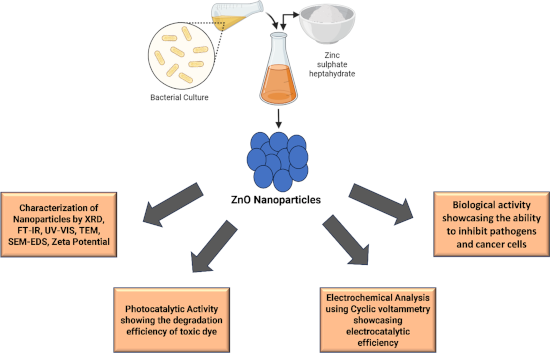
- , Shri Dharmasthala Manjunatheshwara University, Dharwad, Karnataka, India Research Centre, Department of Science, East West Institute of Technology, Bangalore, 560091, India 10.3762/bjnano.16.8 Abstract The fundamental goal of our investigation is to employ a sustainable synthesis method for zinc oxide
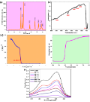
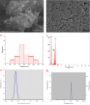
- nanoparticles (ZnO NPs), utilizing lactic acid bacteria isolated from curd as the key biological agent. Bacteria function as agents for both reduction and capping processes, which aids the synthesis of ZnO NPs. Various characterization techniques including XRD, FTIR, UV–vis, TEM, SEM-EDX, and zeta potential
- applications. Keywords: anticancer; green synthesis; lactic acid bacteria; nanoparticles; zinc oxide; Introduction Nanotechnology has revolutionized various fields through its remarkable development and the unique properties exhibited by nanoparticles (NPs) at the mesoscopic level. Dimension, form, surface




Instance maps as an organising concept for complex experimental workflows as demonstrated for (nano)material safety research
Beilstein J. Nanotechnol. 2025, 16, 57–77, doi:10.3762/bjnano.16.7

- of Geological and Environmental Sciences, Appalachian State University, Boone, USA Seven Past Nine GmbH, Rebacker 68, 79650 Schopfheim, Germany 10.3762/bjnano.16.7 Abstract Nanosafety assessment, which seeks to evaluate the risks from exposure to nanoscale materials, spans materials synthesis and
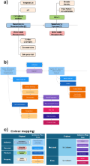
- models to be used, and the data flows arising from study execution. Application of the InstanceMaps tool (described herein) to research workflows of increasing complexity is presented to demonstrate its utility, starting from (i) documentation of a nanomaterial’s synthesis, functionalisation, and
- ]. This tendency of nanomaterials to change with their surroundings, or even with time during storage [19], suggests that the time between synthesis and initial characterisation and/or toxicity analysis, as well as changes in conditions of the surrounding medium, are important to document, although they


A nanocarrier containing carboxylic and histamine groups with dual action: acetylcholine hydrolysis and antidote atropine delivery
Beilstein J. Nanotechnol. 2025, 16, 11–24, doi:10.3762/bjnano.16.2

- disintegrates the nanocarrier, leading to the release of Atr (Scheme 1). This paper discusses the synthesis of the Atr nanocarrier, its physicochemical and biological properties, the encapsulation of Atr into the nanocarrier cavity, ACh hydrolysis, nanocarrier degradation, and Atr release under the ACh action
- . Results and Discussion Synthesis of the nanocarrier p(Hist-CA) For the development of the Atr nanocarrier, two resorcinarenes were selected, namely, one with carboxylate groups (CA-RA, Scheme 1) and the other with hydroxy and imidazole groups (Hist-RA, Scheme 1). CA-RA was obtained according to [29]. Hist
- added to the solution, and it was homogenized for 10 min in an ultrasonic bath. The solvent was then removed under reduced pressure. Then, solutions of Hist-RA (4 mM, 0.5 mL, PB, pH 8.5), CA-RA (8.8 mM, 0.5 mL, PB, pH 8.5), and BA (1.25 mM, 4 mL, PB, pH 8.5) were added, and then the synthesis was


Orientation-dependent photonic bandgaps in gold-dust weevil scales and their titania bioreplicates
Beilstein J. Nanotechnol. 2025, 16, 1–10, doi:10.3762/bjnano.16.1
- the effective refractive index of titania thin films produced by sol–gel synthesis varies because of porosity, depending on the specific process, chemicals, and reaction conditions [41]. A higher annealing temperature seems to have a large influence on reducing the porosity of thin films, while
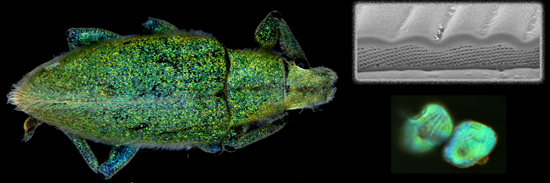
- structure. While the individual scales appear bright and of saturated color, the resulting overall coloration under an extended light source is uniformly green with a very low specularity. The synthesis of negative replicas using titania sol–gel chemistry demonstrates its potential for producing materials


Mechanistic insights into endosomal escape by sodium oleate-modified liposomes
Beilstein J. Nanotechnol. 2024, 15, 1667–1685, doi:10.3762/bjnano.15.131
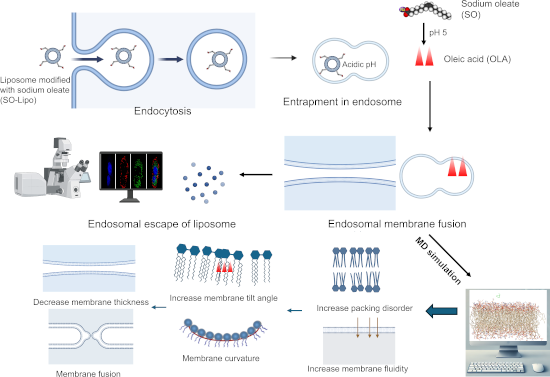
- ionizable lipids or pH-sensitive polymers, have also been investigated. While promising, these methods face significant hurdles, including toxicity, instability under physiological conditions, reduced drug loading capacity, and complex synthesis processes that hinder widespread adoption [7][8]. Given the
- medium. This approach ensures the anchorage of the peptide to the liposome membrane surface. Synthesis of the liposomal formulations was conducted via a refined thin-film hydration technique, as inspired by existing protocols [34]. Initially, the lipids were dissolved in a chloroform and methanol





Attempts to preserve and visualize protein corona on the surface of biological nanoparticles in blood serum using photomodification
Beilstein J. Nanotechnol. 2024, 15, 1654–1666, doi:10.3762/bjnano.15.130

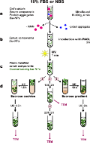
- photomodifier, the choice of which was described in detail and justified earlier. The best option was the photoactivatable cross-linker 4-azido-N-[3-[3-(2,5-dioxopyrrol-1-yl)propanoylamino]propyl]-2-nitrobenzamide (PACL), which was synthesized in the Laboratory of Organic Synthesis (ICBFM SB RAS, Novosibirsk



Fabrication of hafnium-based nanoparticles and nanostructures using picosecond laser ablation
Beilstein J. Nanotechnol. 2024, 15, 1639–1653, doi:10.3762/bjnano.15.129
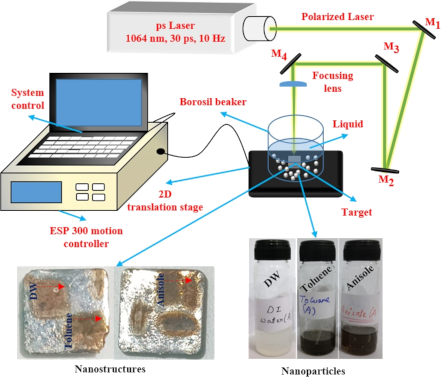
- size and morphology [1]. Recently, interest has risen regarding synthesis and study of Hf-based NPs. Depending on the morphology, chemical composition, and quantum confinement effects, NPs can exhibit novel properties, making them applicable for large-spectrum usage [12][13]. Thus, synthesizing the
- determines the electrical and optical properties, which can vary depending on the synthesis technique [19]. Among the methods mentioned above, laser ablation in liquids (LAL) is a clean and single-step synthesis method used for obtaining nanomaterials from a bulk source [11][16][17][18][20]. It produces NPs
- of high purity with minimal or no unwanted by-products [11][17][21], thus making it a valuable candidate for green synthesis [21][22]. In the LAL method, a high-energy ultrashort pulsed laser (nanosecond, picosecond, or femtosecond) is focused on the surface of the target material immersed in a




Biomimetic nanocarriers: integrating natural functions for advanced therapeutic applications
Beilstein J. Nanotechnol. 2024, 15, 1619–1626, doi:10.3762/bjnano.15.127

- electrostatic attraction, leading to spontaneous synthesis [46][47][48]. The process depends on electrostatic and hydrophobic interactions, where modulation of the carrier charge determines the strength of interaction and conjugation efficiency with the membrane vesicle [49][50]. A common technique for merging


Liver-targeting iron oxide nanoparticles and their complexes with plant extracts for biocompatibility
Beilstein J. Nanotechnol. 2024, 15, 1593–1602, doi:10.3762/bjnano.15.125
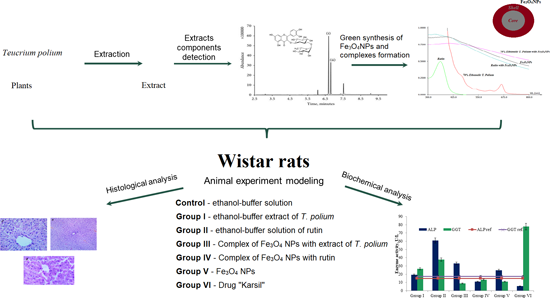
- Biochemistry, Koryun St 2, Yerevan, Armenia Ghitu Institute of Electronic Engineering and Nanotechnologies of Technical University of Moldova, Chisinau, Moldova 10.3762/bjnano.15.125 Abstract Thanks to their simple synthesis, controlled physical properties, and minimal toxicity, iron oxide nanoparticles
- Fe3O4 NPs (20–30 nm) administered to rat livers at doses up to 75 µg/g did not result in statistically significant changes in ALT, AST, and ALP activities [58]. Among the most important processes occurring in the liver are lipid metabolism and lipoprotein synthesis, which characterize its functional
- well as SREBP1c, whose increased activity in liver tissue leads to hypoactivation and suppression of cholesterol and triglyceride synthesis, as well as hyperexpression of GPx [59]. The increase in protein and albumin content in the plasma of experimental animals may be associated with the ability of


Facile synthesis of size-tunable L-carnosine-capped silver nanoparticles and their role in metal ion sensing and catalytic degradation of p-nitrophenol
Beilstein J. Nanotechnol. 2024, 15, 1576–1592, doi:10.3762/bjnano.15.124
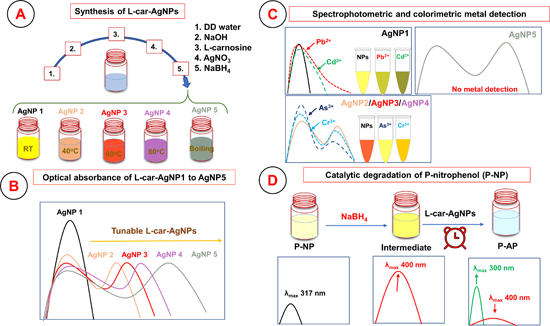
- /bjnano.15.124 Abstract ʟ-Carnosine is a dipeptide with notable antioxidant, antiglycation, metal chelating, and neuroprotective properties. Despite its many biological roles, applying ʟ-carnosine as a capping agent in nanoparticle synthesis has remained underexplored. This study explores the potential of
- ʟ-carnosine in synthesizing tunable plasmonic silver nanoparticles (ʟ-car-AgNPs). The formation of ʟ-car-AgNPs was confirmed via UV–vis optical absorption spectroscopy, showing single and double plasmonic peaks, depending on the synthesis conditions. Physicochemical characterization using TEM, FTIR
- capping and stabilizing agent is required for silver nanoparticle synthesis. Maiti et al. demonstrated that the dipeptide ʟ-carnosine interacted highly with pristine silver nanospheres [6]. However, its role as a stabilizing/capping agent was never explored for nanoparticle synthesis and advanced





Green synthesis of silver nanoparticles derived from algae and their larvicidal properties to control Aedes aegypti
Beilstein J. Nanotechnol. 2024, 15, 1566–1575, doi:10.3762/bjnano.15.123
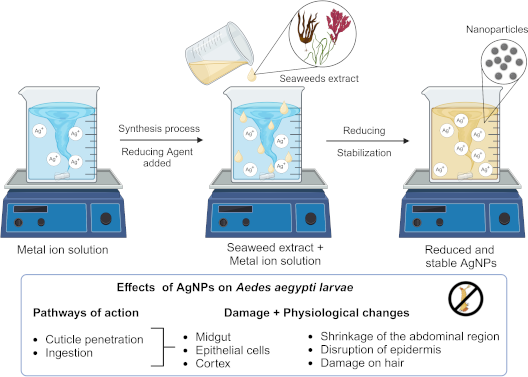
- chemical insecticides against vector-borne diseases. Natural seaweed extracts contain metabolites such as polyphenols, terpenoids, and alkaloids. These compounds act as reducing agents and stabilizers to synthesize biogenic AgNPs. The green synthesis of AgNPs has advantages over other methods, such as low
- cost and sustainable biosynthesis. In the perspective of using AgNPs in the development of novel insecticides for vector control, this review deals with the eco-friendly synthesis of AgNPs through seaweed extracts as reducing and stabilizing agents. In addition, assessment of toxicity of these
- chemical reduction of metal ions through biological compounds can be used to synthesize non-toxic and environmentally safe “green” insecticide alternatives in the form of metal-based nanoparticles [15]. A promising option are silver nanoparticles (AgNPs) obtained through synthesis from natural extracts


Electrochemical nanostructured CuBTC/FeBTC MOF composite sensor for enrofloxacin detection
Beilstein J. Nanotechnol. 2024, 15, 1522–1535, doi:10.3762/bjnano.15.120
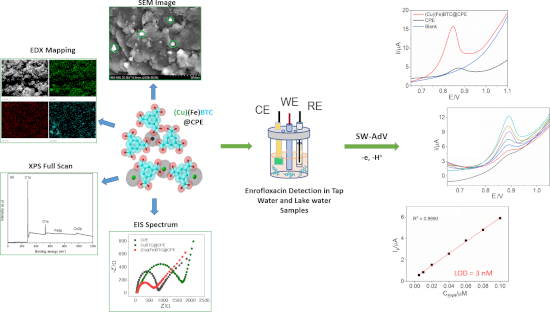
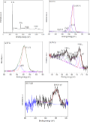
- simultaneous presence of FeBTC and CuBTC phases in the (Cu)(Fe)BTC sample indicates the successful synthesis of (Cu)(Fe)BTC composite. The N2 adsorption/desorption isotherms of the (Cu)(Fe)BTC sample are of type I with H4 hysteresis ring according to IUPAC classification (Figure 1b) [35]. The N2 adsorption
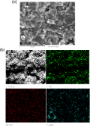
- -ray spectroscopy (EDX, Horiba 7593-H, England), and X-ray photoelectron spectroscopy (XPS, Thermo VG Multilab 2000). Synthesis of CuBTC, FeBTC MOFs CuBTC and FeBTC were synthesized using the solvothermal method as described in our previous reports [37][38]. Specifically, 12 mmol of trimesic acid was






Integrating high-performance computing, machine learning, data management workflows, and infrastructures for multiscale simulations and nanomaterials technologies
Beilstein J. Nanotechnol. 2024, 15, 1498–1521, doi:10.3762/bjnano.15.119

- unprecedented resolutions [11][12][13]. This aids in the understanding of fundamental properties and the identification of structure–property relationships. The integration of digital technologies with experimental techniques also enables real-time monitoring and control of materials synthesis processes
- in materials development. Beside the implementation of automation and robotics in the development, synthesis, and characterization of materials, automation in modelling has emerged as a powerful approach to streamline and enhance the efficiency of computational studies. By leveraging digital


Polymer lipid hybrid nanoparticles for phytochemical delivery: challenges, progress, and future prospects
Beilstein J. Nanotechnol. 2024, 15, 1473–1497, doi:10.3762/bjnano.15.118


Strain-induced bandgap engineering in 2D ψ-graphene materials: a first-principles study
Beilstein J. Nanotechnol. 2024, 15, 1440–1452, doi:10.3762/bjnano.15.116
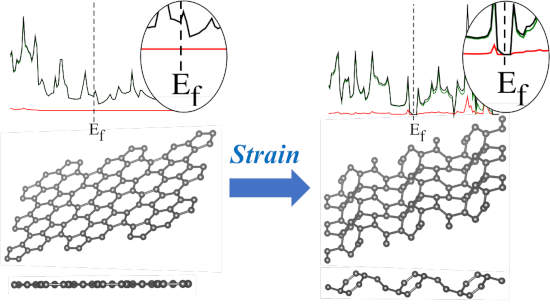
- geometrical structures of graphene obtained from its half and full hydrogenation are called, respectively, graphone [6] and graphane [7]. Zhao et al. have reported the successful synthesis of graphone on a Ni(111) surface [8]. Their X-ray photoelectron diffraction (XPD), temperature programmed desorption (TPD
- ]. Although a successful experimental synthesis of ψ-graphene has not yet been realized, many theoretical investigations have been carried out by different research teams to study its various potential applications in sensors, lithium-ion batteries, and hydrogen storage [16][39][42]. We have recently employed


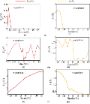
Ion-induced surface reactions and deposition from Pt(CO)2Cl2 and Pt(CO)2Br2
Beilstein J. Nanotechnol. 2024, 15, 1427–1439, doi:10.3762/bjnano.15.115

- typical of IBID. Experimental Precursor synthesis General synthesis procedure All reactions were carried out under an inert atmosphere of dinitrogen using either Schlenk or glovebox techniques. Glassware was flame-dried or oven-dried before use. Solvents (i.e., dichloromethane (DCM, CH2Cl2), 1,2



Green synthesis of carbon dot structures from Rheum Ribes and Schottky diode fabrication
Beilstein J. Nanotechnol. 2024, 15, 1369–1375, doi:10.3762/bjnano.15.110
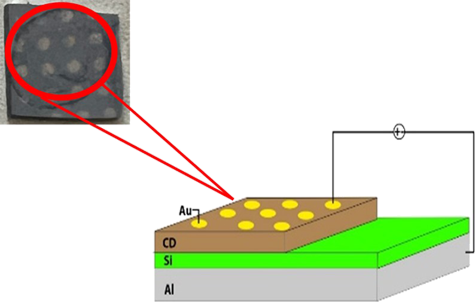
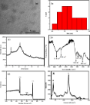
- synthesis, which is commonly used in the literature. TEM and zeta potential measurements were used to determine morphology and sizes of the CDs, and XRD, XPS, and FTIR and micro-Raman spectroscopy were used for structural characterization. Optical characterization of the CDs was done by absorption and
- behavior. The results obtained from this study showed that CDs can be applied in the field of electronics, apart from sensor studies, which are common application areas. Keywords: carbon dot (CD) structures; green synthesis; Rheum Ribes plant; Schottky diode; Introduction One of the most current types of
- nanostructures are carbon dot structures (CDs). These structures have recently become a common field of study because of their properties including chemical stability, water solubility, and easy synthesis and functionalization. Carbon dots, were first discovered by Xu and his working group [1] while purifying




Nanoarchitectonics with cetrimonium bromide on metal nanoparticles for linker-free detection of toxic metal ions and catalytic degradation of 4-nitrophenol
Beilstein J. Nanotechnol. 2024, 15, 1312–1332, doi:10.3762/bjnano.15.106
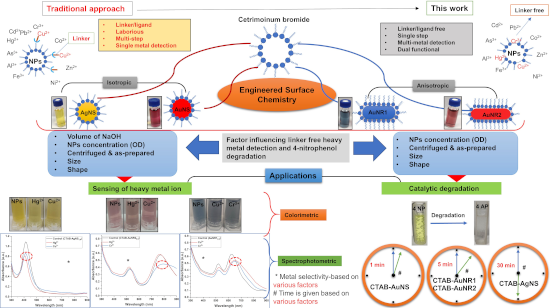
- high strength to nanoparticles, the use of such nanoparticles is limited in sensing, catalysis, and biomedical applications because of post-synthesis functionalization, morphology, and toxicity [6][7][8]. CTAB is a resilient molecule on the nanoparticle surface because of its micellar structure and
- such as Hg2+ are poisonous environmental pollutants that cause damage at the DNA level by inhibiting DNA replication and DNA polymerase activity, ultimately affecting normal cell synthesis [13]. The less toxic Fe3+ is an essential nutrient for human health in a lower dose, while increasing the dose
- [15]. Besides heavy metals, 4-nitrophenol is widely used for dye synthesis, insecticides and pesticides, indicators, and photographic chemicals [16]. Regarding the use of 4-nitrophenol, there are several toxicity concerns via different exposure routes, including dermal, oral, and inhalation [17




Interaction of graphene oxide with tannic acid: computational modeling and toxicity mitigation in C. elegans
Beilstein J. Nanotechnol. 2024, 15, 1297–1311, doi:10.3762/bjnano.15.105
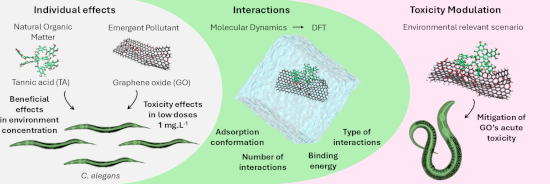
- toxicity and highlight the potential of tannic acid for the synthesis and surface functionalization of graphene-based nanomaterials, offering insights into safer nanotechnology development. Keywords: biodistribution; density functional theory; ecotoxicity; molecular dynamics; surface interactions
- characteristics made TA attractive to nanomaterial synthesis and functionalization for applications in nanomedicine, sensors, electronics, and composites [25][26][27]. In these different fields, TA has been applied in green alternative methods of GO synthesis and physicochemical modifications (e.g., reduction and
- regarding the electronic properties of the system, such as the most reactive sites and their interactions. Our findings provided new insights into toxicity mitigation and behavior of GO in the environment, as well as, the safety of application of TA for synthesis and functionalization of this nanomaterial





