Search results
Search for "technology" in Full Text gives 1456 result(s) in Beilstein Journal of Nanotechnology. Showing first 200.
Bioinspired nanofilament coatings for scale reduction on steel
Beilstein J. Nanotechnol. 2025, 16, 25–34, doi:10.3762/bjnano.16.3

- Siad Dahir Ali Mette Heidemann Rasmussen Jacopo Catalano Christian Husum Frederiksen Tobias Weidner Department of Chemistry, Aarhus University, 8000 Aarhus C, Denmark Department of Biological and Chemical Engineering, Aarhus University, 8000 Aarhus C, Denmark Danish Offshore Technology Centre
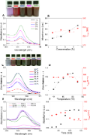
- coat stainless steel (Type 316) with nanofilaments, discuss stability test of the coatings, and the results of scaling experiments. Results and Discussion Nanofilamant performance and stability on steel Shear stress test of SNF coatings on steel Previous applications of SNF technology have been focused
- for funding of the TESCAN CLARA SEM. We thank the Innovation Foundation Denmark for funding within the INNO-CCUS consortium (project grant CORROPro). The DTU Offshore Technology Center is gratefully acknowledged for funding (DTU/AU_CSP.3.D.02_CA_298).


Orientation-dependent photonic bandgaps in gold-dust weevil scales and their titania bioreplicates
Beilstein J. Nanotechnol. 2025, 16, 1–10, doi:10.3762/bjnano.16.1
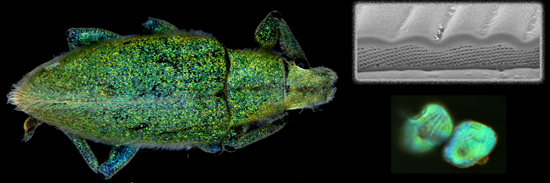
- Norma Salvadores Farran Limin Wang Primoz Pirih Bodo D. Wilts Department for Chemistry and Physics of Materials, University of Salzburg, Jakob-Haringer-Str. 2a, 5020 Salzburg, Austria Current address: Institute of Materials Science and Technology, Vienna Technical University, 1060 Vienna, Austria


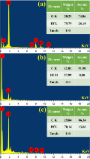
Fabrication of hafnium-based nanoparticles and nanostructures using picosecond laser ablation
Beilstein J. Nanotechnol. 2024, 15, 1639–1653, doi:10.3762/bjnano.15.129
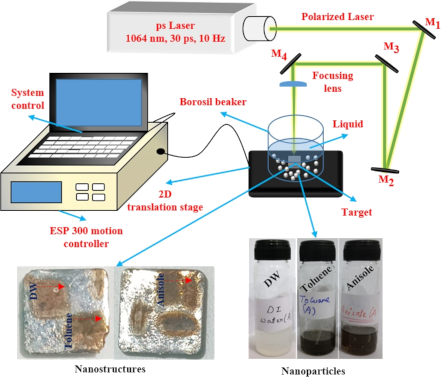
- University, Varanasi 221005, Uttar Pradesh, India Advanced Centre of Research in High Energy Materials (ACRHEM), DRDO Industry Academia – Centre of Excellence (DIA-COE), University of Hyderabad, Hyderabad 500046, Telangana, India Centre for Materials for Electronics Technology (C-MET), IDA Phase III
- , Cherlapalli, HCL (P.O.), Hyderabad 500 051, Telangana, India Institute of Electronics, Bulgarian Academy of Sciences, 72, Tzarigradsko Shosse, 1784, Sofia, Bulgaria Centre for Advanced Studies in Electronics Science and Technology (CASEST), University of Hyderabad, Hyderabad 500046, Telangana, India 10.3762
- mbar) using an electron beam melting furnace having a beam power of 60 kW (ELIT 60) at an accelerating voltage of 24 kV in a water-cooled crucible with feeding mechanism and an extraction system [32]. All operations were conducted at the Centre for Materials for Electronics Technology (CMET), Hyderabad




Heterogeneous reactions in a HFCVD reactor: simulation using a 2D model
Beilstein J. Nanotechnol. 2024, 15, 1627–1638, doi:10.3762/bjnano.15.128
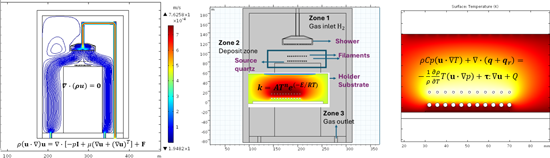
- for the subsequent growth of the SiOx films. These SiOx films have interesting properties and embedded nanostructures, which make them excellent dielectric, optoelectronic, and electroacoustic materials for the fabrication of devices compatible with silicon-based technology. Keywords: 2D model


Liver-targeting iron oxide nanoparticles and their complexes with plant extracts for biocompatibility
Beilstein J. Nanotechnol. 2024, 15, 1593–1602, doi:10.3762/bjnano.15.125
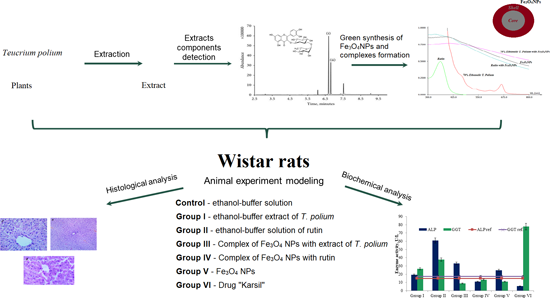
- challenges associated with human health. Nanotechnology offers great opportunities in medicine because of the physicochemical properties at the nanoscale. There are efforts to apply unique quantum phenomena at the nanoscale in the fields of medicine, biomedical sciences, bioengineering, food technology


Ultrablack color in velvet ant cuticle
Beilstein J. Nanotechnol. 2024, 15, 1554–1565, doi:10.3762/bjnano.15.122

- pigment absorption that results in these remarkably absorptive surface. Especially, this kind of wasp-inspired technology may have its application in increasing efficiency of solar panels [20]. Further research is needed to uncover the mechanisms and functional roles of ultrablack coloration in velvet



The round-robin approach applied to nanoinformatics: consensus prediction of nanomaterials zeta potential
Beilstein J. Nanotechnol. 2024, 15, 1536–1553, doi:10.3762/bjnano.15.121
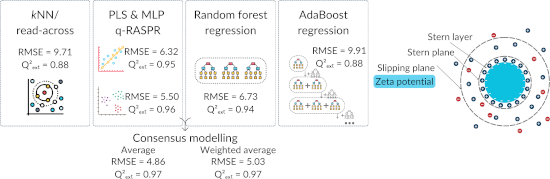
- Cheminformatics (DTC) Lab, Department of Pharmaceutical Technology, Jadavpur University, Kolkata 700 032, India School of Chemical Engineering, National Technical University of Athens, 9 Iroon Polytechniou, 15780, Athens, Greece QSAR Lab, Trzy Lipy 3, 80-172 Gdańsk, Poland University of Gdańsk, Faculty of


Electrochemical nanostructured CuBTC/FeBTC MOF composite sensor for enrofloxacin detection
Beilstein J. Nanotechnol. 2024, 15, 1522–1535, doi:10.3762/bjnano.15.120
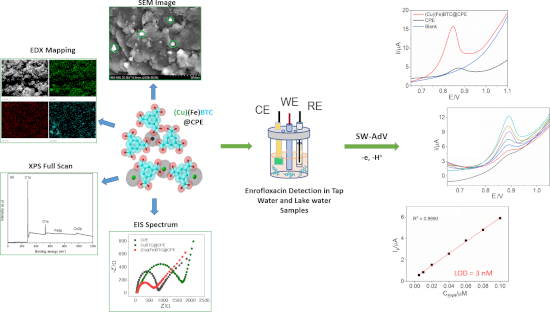
- Thi Kim Ngan Nguyen Tien Dat Doan Huy Hieu Luu Hoang Anh Nguyen Thi Thu Ha Vu Quang Hai Tran Ha Tran Nguyen Thanh Binh Dang Thi Hai Yen Pham Mai Ha Hoang Graduate University of Science and Technology, Viet Nam Academy of Science and Technology, Ha Noi, Vietnam Faculty of Chemistry, TNU-University
- of Sciences, Tan Thinh Ward, Thai Nguyen City, Vietnam Institute of Chemistry, Vietnam Academy of Science and Technology, 18 Hoang Quoc Viet Street, Cau Giay District, Ha Noi, Vietnam Hanoi University of Industry, 298 Cau Dien Street, Bac Tu Liem District, Ha Noi, Vietnam National Key Laboratory of
- Polymer and Composite Materials, Ho Chi Minh City University of Technology, Vietnam National University, Ho Chi Minh City, 70000, Vietnam Center for High Technology Research and Development, Vietnam Academy of Science and Technology, 18 Hoang Quoc Viet Street, Cau Giay District, Ha Noi, Vietnam 10.3762





Integrating high-performance computing, machine learning, data management workflows, and infrastructures for multiscale simulations and nanomaterials technologies
Beilstein J. Nanotechnol. 2024, 15, 1498–1521, doi:10.3762/bjnano.15.119
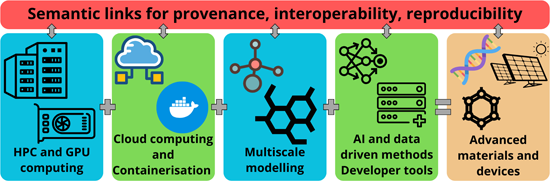
- , GPUs are nowadays considered the most efficient technological platform for performing AI and data-intensive tasks [13][25]. This has enabled the development of complex models that can process vast amounts of materials data. Another consumer-driven technology that has boosted the digitalization of
- horizontal technologies to a vertical integration to the materials science domain see Figure 3. The successful implementation of digital strategies for materials/nanomaterials development relies on the crucial role of “translators” who bridge the gap between domain-specific researchers and digital technology
- role in identifying the specific needs and challenges of the research domain and articulating them to digital technology experts, supporting the translation of domain-specific requirements into technical specifications, and enabling the development of tailored digital solutions. Likewise, translators


Polymer lipid hybrid nanoparticles for phytochemical delivery: challenges, progress, and future prospects
Beilstein J. Nanotechnol. 2024, 15, 1473–1497, doi:10.3762/bjnano.15.118
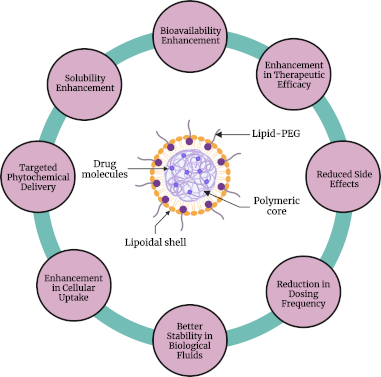
- Iqra Rahat Pooja Yadav Aditi Singhal Mohammad Fareed Jaganathan Raja Purushothaman Mohammed Aslam Raju Balaji Sonali Patil-Shinde Md. Rizwanullah Department of Pharmaceutical Technology, Meerut Institute of Engineering and Technology, Meerut-250005, Uttar Pradesh, India Department of Basic Medical


Strain-induced bandgap engineering in 2D ψ-graphene materials: a first-principles study
Beilstein J. Nanotechnol. 2024, 15, 1440–1452, doi:10.3762/bjnano.15.116
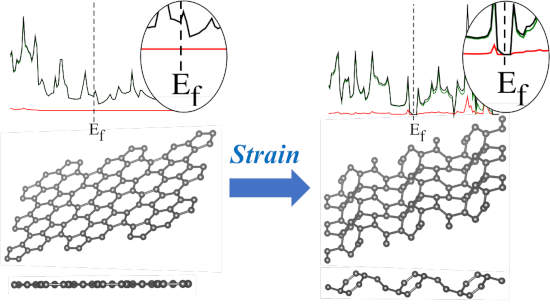
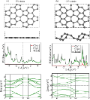
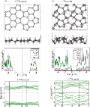
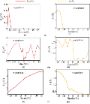
- Interdisciplinary Nanostructure Science and Technology, University of Kassel, Heinrich-Plett-Straße 40, 34132 Kassel, Germany 10.3762/bjnano.15.116 Abstract High mechanical strength, excellent thermal and electrical conductivity, and tunable properties make two-dimensional (2D) materials attractive for various


Lithium niobate on insulator: an emerging nanophotonic crystal for optimized light control
Beilstein J. Nanotechnol. 2024, 15, 1415–1426, doi:10.3762/bjnano.15.114
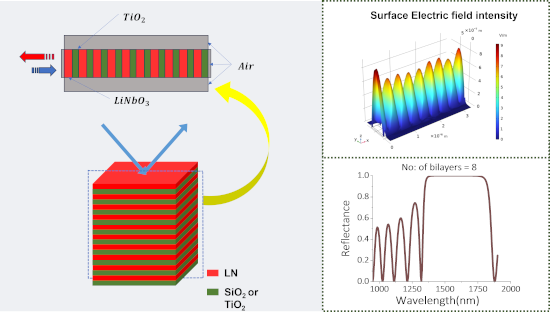
- Midhun Murali Amit Banerjee Tanmoy Basu Centre for Quantum Engineering, Research and Education (CQuERE), TCG-Centres for Research and Education in Science and Technology (TCG-CREST), Sector V, Salt Lake, Kolkata-700091, India Academy of Scientific and Innovative Research (AcSIR), Ghaziabad- 201002
- potential as a next-generation photovoltaic technology [41][42]. These cells offer a compelling alternative to traditional silicon solar cells because of the low manufacturing cost. Additionally, CQDs possess a unique property – their bandgap can be tuned by adjusting the size of the dots. This allows them
- layer to absorb four times more near-infrared light [43]. Flip-chip micro light-emitting diodes (micro-LEDs) are a revolutionary technology with the potential to create next-generation HDR displays due to their tiny size, exceptional brightness, wide color gamut, and energy efficiency [44][45][46


Nanotechnological approaches for efficient N2B delivery: from small-molecule drugs to biopharmaceuticals
Beilstein J. Nanotechnol. 2024, 15, 1400–1414, doi:10.3762/bjnano.15.113
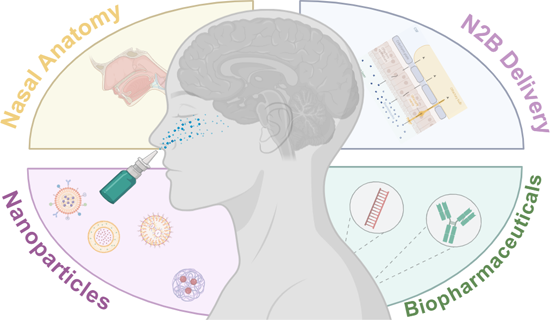
- Selin Akpinar Adscheid Akif E. Tureli Nazende Gunday-Tureli Marc Schneider MyBiotech GmbH; Industriestraße 1B, 66802 Überherrn, Germany Department of Pharmacy, Biopharmaceutics and Pharmaceutical Technology, PharmaScienceHub, Saarland University, Campus C4 1, Saarbrücken D-66123, Germany 10.3762


Various CVD-grown ZnO nanostructures for nanodevices and interdisciplinary applications
Beilstein J. Nanotechnol. 2024, 15, 1390–1399, doi:10.3762/bjnano.15.112
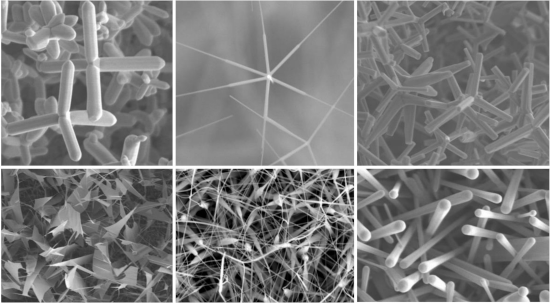
- The-Long Phan Le Viet Cuong Vu Dinh Lam Ngoc Toan Dang Faculty of Engineering Physics and Nanotechnology, VNU University of Engineering and Technology, 144 Xuan Thuy, Cau Giay, Hanoi, Vietnam Graduate University of Science and Technology, Vietnam Academy of Science and Technology, Hanoi, Vietnam
- comparison to other compounds [4][5][6]. Specifically, its large bandgap energy Eg ≈ 3.4 eV is comparable to GaN – a typical material for blue-light-emitting diode (LED) technology [7][8]. Also, its exciton binding energy is higher than the thermal energy at 300 K, and it has high-quality optical



Green synthesis of carbon dot structures from Rheum Ribes and Schottky diode fabrication
Beilstein J. Nanotechnol. 2024, 15, 1369–1375, doi:10.3762/bjnano.15.110
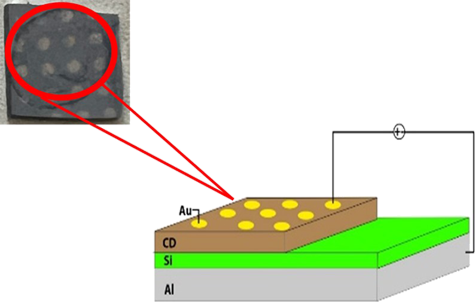
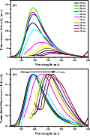
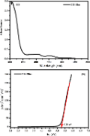
- , it exhibits a non-ideal diode behavior with a high ideality factor. This study, in which CDs obtained from a completely natural product were used as an interface, showed that it may be possible to obtain CDs-based electronic devices for advanced technology in the future. Schematic representation of




Out-of-plane polarization induces a picosecond photoresponse in rhombohedral stacked bilayer WSe2
Beilstein J. Nanotechnol. 2024, 15, 1362–1368, doi:10.3762/bjnano.15.109
- Guixian Liu Yufan Wang Zhoujuan Xu Zhouxiaosong Zeng Lanyu Huang Cuihuan Ge Xiao Wang Key Laboratory for Micro-Nano Physics and Technology of Hunan Province, College of Materials Science and Engineering, School of Physics and Electronics, Hunan University, Changsha, 410082, China 10.3762/bjnano
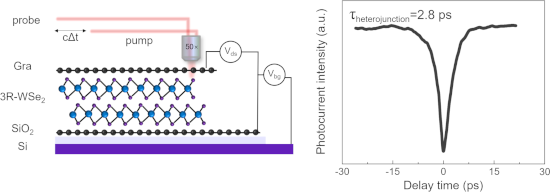
- the extraction of response time. Funding This work was supported by the National Natural Science Foundation of China (Nos. U23A20570, 92263107, 52302175, 52022029), the science and technology innovation Program of Hunan Province (Nos. 2024RC1034, 2023JJ40138), and the China Postdoctoral Science


Investigation of Hf/Ti bilayers for the development of transition-edge sensor microcalorimeters
Beilstein J. Nanotechnol. 2024, 15, 1353–1361, doi:10.3762/bjnano.15.108

- sensitivity of the microcalorimeter. Our Hf films demonstrate superconductivity at half of the thickness of Ir films [12], allowing for the reduction of the detector volume. Moreover, hafnium is inexpensive in comparison with iridium. Another point is that the technology of Hf deposition, developed in our
- compared to the full-size films. This is because at the edges of the structure, the film thickness may differ from that at the center. Smooth edges are also necessary for good contact with subsequent layers. For this reason, special attention is paid to the development of technology for creating structures


Hymenoptera and biomimetic surfaces: insights and innovations
Beilstein J. Nanotechnol. 2024, 15, 1333–1352, doi:10.3762/bjnano.15.107
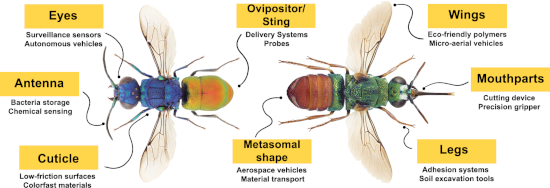
- materials and devices that replicate the efficiency and functionality of insect body structures, driving progress in medical technology, robotics, environmental monitoring, and beyond. Keywords: arthropods; bio-inspired surfaces; bioengineering; cuticle; nanoscale structures; Introduction The body
- to a reduction in electronic waste, as devices retain their visual appeal over a longer period. The techniques to create biomimetic materials with color producing mechanisms inspired by insects already exist [29][30] and applications of such technology have several possibilities. Hairs The body
- technology. Potentially, the corbicula, as other structures mentioned here, may inspire the creation of materials and innovations to carry viscous substances across large distances. Micro-grooming tools: The maintenance of clean and functional body surfaces is crucial for insects. The typical mode of


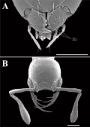

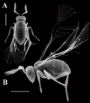
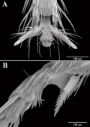
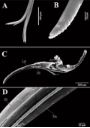

Nanoarchitectonics with cetrimonium bromide on metal nanoparticles for linker-free detection of toxic metal ions and catalytic degradation of 4-nitrophenol
Beilstein J. Nanotechnol. 2024, 15, 1312–1332, doi:10.3762/bjnano.15.106
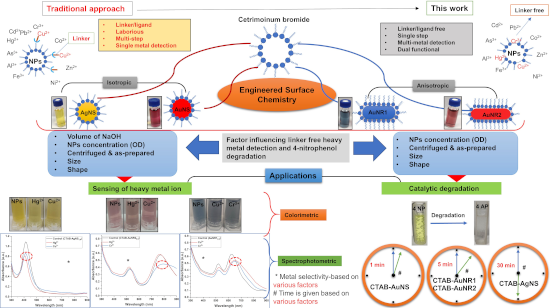
- chemicals, Finar and SRL chemicals, respectively. National Institute of Standard and Technology grade metal standards (1000 ppm) of arsenic (As3+), aluminum (Al3+), cadmium (Cd2+), zinc (Zn2+), mercury (Hg2+), nickel (Ni2+), copper (Cu2+), chromium (Cr3+), lead (Pb2+), iron (Fe3+), and cobalt (Co2+) were
- . Linker-free sensing of heavy metal ions National Institute of Standard and Technology grade metal standards (1000 ppm) of As3+, Al3+, Cd2+, Zn2+, Hg2+, Ni2+, Cu2+, Cr3+, Pb2+, Fe3+, and Co2+ were diluted to a concentration of 10 ppm. A uniform concentration of nanoparticles in terms of optical density




Interaction of graphene oxide with tannic acid: computational modeling and toxicity mitigation in C. elegans
Beilstein J. Nanotechnol. 2024, 15, 1297–1311, doi:10.3762/bjnano.15.105
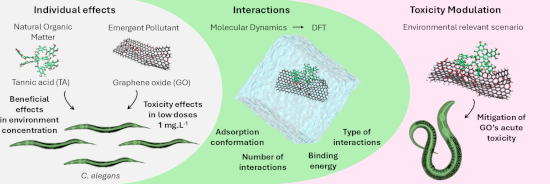
- ; toxicity mitigation; Introduction Graphene oxide (GO) has many potential applications in electronics, advanced materials, bio-medicine, energy, agriculture, and environmental technology [1][2][3]. It consists of a graphene sheet with surface oxygen functional groups such as epoxide, ketone, hydroxy


Mn-doped ZnO nanopowders prepared by sol–gel and microwave-assisted sol–gel methods and their photocatalytic properties
Beilstein J. Nanotechnol. 2024, 15, 1283–1296, doi:10.3762/bjnano.15.104
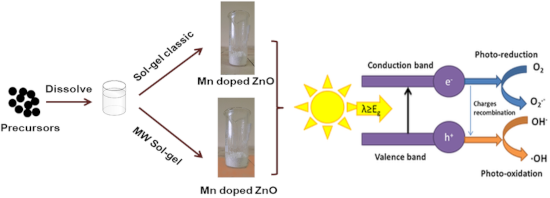
- -efficient than conventional heating methods [12][13][14]. This approach is particularly advantageous in technology applications, as it significantly reduces reaction times from days to mere hours or minutes and enables the production of nanocrystalline oxides in the form of powders and films on various


New design of operational MEMS bridges for measurements of properties of FEBID-based nanostructures
Beilstein J. Nanotechnol. 2024, 15, 1273–1282, doi:10.3762/bjnano.15.103
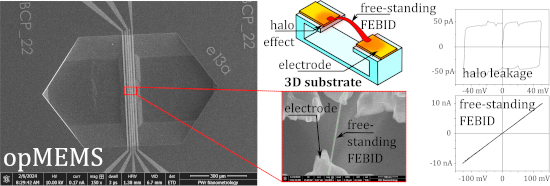
- Bartosz Pruchnik Krzysztof Kwoka Ewelina Gacka Dominik Badura Piotr Kunicki Andrzej Sierakowski Pawel Janus Tomasz Piasecki Teodor Gotszalk Department of Nanometrology, Wrocław University of Science and Technology, Janiszewskiego 11/17, 50-370, Wrocław, Poland Institute of Microelectronics and
- nanostructure. Keywords: FEBID; MEMS; MEMS bridge; nanowires; opMEMS; Introduction Nanoelectronics is the fastest developing branch of modern electronic technology. Reduced dimensions allow for lower power consumption of the circuit and higher operating speeds [1][2]. Even more advantages (e.g., developed
- materials [18][19][20]. The limitation of FEBID technology is proximity deposition, also known as the halo effect, where secondary electrons cause unwanted deposition in an area (the halo) significantly larger than the assumed beam spot [21]. If the deposited material is electrically conductive, it can


Functional morphology of cleaning devices in the damselfly Ischnura elegans (Odonata, Coenagrionidae)
Beilstein J. Nanotechnol. 2024, 15, 1260–1272, doi:10.3762/bjnano.15.102

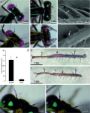
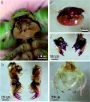
- slides, stained with 1% methylene blue with sodium borate, and observed and photographed using a KOPPACE microscope camera KP-2100 (KOPPACE, Kepuaisi Science Technology, Shenzhen, China) mounted on a light microscope Leica DMLB (Leica Microsystem GmbH, Wetzlar, Germany). Scanning electron microscopy
- longer than 120 s. The video in Supporting Information File 1 was recorded using a KOPPACE microscope camera KP-2100 (KOPPACE, Kepuaisi Science Technology, Shenzhen, China) mounted on a Leica MZ6 stereomicroscope (Leica Microsystem GmbH, Wetzlar, Germany). In the experiments with contaminated eyes and
- and ablated insects using a KOPPACE microscope camera KP-2100 (KOPPACE, Kepuaisi Science Technology, Shenzhen, China) mounted on a Leica MZ6 stereomicroscope (Leica Microsystem GmbH, Wetzlar, Germany). In some specimens, mouthparts have been dissected and photographed with the same camera and


The role of a tantalum interlayer in enhancing the properties of Fe3O4 thin films
Beilstein J. Nanotechnol. 2024, 15, 1253–1259, doi:10.3762/bjnano.15.101

- Hai Dang Ngo Vo Doan Thanh Truong Van Qui Le Hoai Phuong Pham Thi Kim Hang Pham Faculty of Applied Sciences, Ho Chi Minh University of Technology and Education, 720700 Ho Chi Minh City, Vietnam Department of Materials Science and Engineering, National Tsing Hua University, Hsinchu 300093, Taiwan
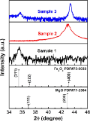
- . Magnetic parameters of samples 1, 2, and 3. Funding This work belongs to the project T2024-62 funded by Ho Chi Minh City University of Technology and Education, Ho Chi Minh City, Vietnam.


Enhanced catalytic reduction through in situ synthesized gold nanoparticles embedded in glucosamine/alginate nanocomposites
Beilstein J. Nanotechnol. 2024, 15, 1227–1237, doi:10.3762/bjnano.15.99
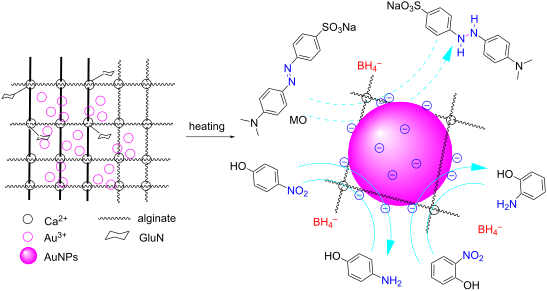
- Chi-Hien Dang Le-Kim-Thuy Nguyen Minh-Trong Tran Van-Dung Le Nguyen Minh Ty T. Ngoc Han Pham Hieu Vu-Quang Tran Thi Kim Chi Tran Thi Huong Giang Nguyen Thi Thanh Tu Thanh-Danh Nguyen Institute of Chemical Technology, Vietnam Academy of Science and Technology, 1A, TL29, Thanh Loc Ward, District 12
- , Ho Chi Minh City, Vietnam Graduate University of Science and Technology, Vietnam Academy of Science and Technology, 18 Hoang Quoc Viet, Cau Giay District, Hanoi, Vietnam NTT Hi-Tech Institute, Nguyen Tat Thanh University, Ho Chi Minh City 700000, Vietnam Institute of Materials Science, Vietnam
- Academy of Science and Technology, 18 Hoang Quoc 14 Viet, Cau Giay District, Hanoi 11000, Vietnam Faculty of Applied Technology, School of Technology, Van Lang University, Ho Chi Minh City, Vietnam 10.3762/bjnano.15.99 Abstract This study introduces a highly efficient and straightforward method for