Search results
Search for "biomolecules" in Full Text gives 226 result(s) in Beilstein Journal of Nanotechnology. Showing first 200.
Hierarchical coassembly of DNA–triptycene hybrid molecular building blocks and zinc protoporphyrin IX
Beilstein J. Nanotechnol. 2016, 7, 697–707, doi:10.3762/bjnano.7.62
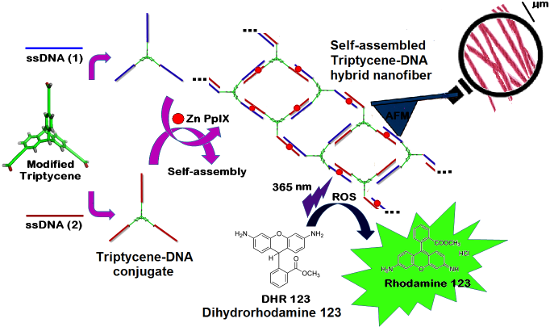
- covalent conjugation of triptycene derivatives with any biomolecules has not yet been reported. Using the functionalization of tryptycene with DNA, the construction of tailorable porous structures is envisioned here. The insertion of synthetic molecules into DNA could alter the assembly outcome as well as


Novel roles for well-known players: from tobacco mosaic virus pests to enzymatically active assemblies
Beilstein J. Nanotechnol. 2016, 7, 613–629, doi:10.3762/bjnano.7.54
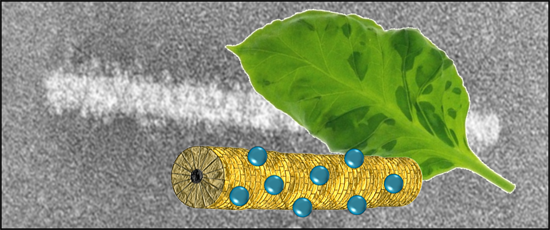
- scaffolds for the efficient and advantageous display of biomolecules, namely of active enzymes. Review From virus discovery to current research trends Around the turn of the 19th century, a new type of infectious agent, the 'virus', was discovered [9][10]. During the following decades it was proven that all


Molecular machines and devices
Beilstein J. Nanotechnol. 2016, 7, 310–311, doi:10.3762/bjnano.7.29

- experimental evidence is presented. The progress in theory and experiment on single-molecule electron transport can be judged from many contributions in this volume. On the other hand, some subjects are not as well-covered, including electron transport in biomolecules and one-dimensional conductors. This is
Functional fusion of living systems with synthetic electrode interfaces
Beilstein J. Nanotechnol. 2016, 7, 296–301, doi:10.3762/bjnano.7.27
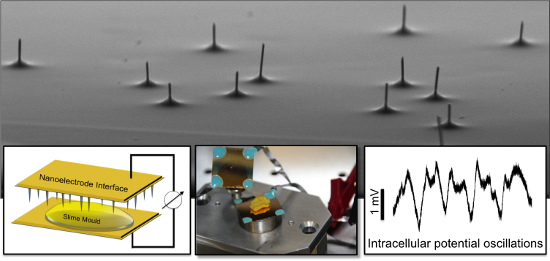
- developed into a principal ambition for various scientific disciplines. In particular, emerging fields such as bionics and nanomedicine integrate advanced nanomaterials with biomolecules, cells and organisms in order to develop novel strategies for applications, including energy production or real-time


Surface coating affects behavior of metallic nanoparticles in a biological environment
Beilstein J. Nanotechnol. 2016, 7, 246–262, doi:10.3762/bjnano.7.23
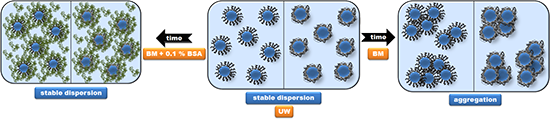
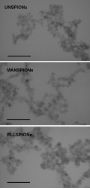
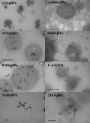
- all of the possible NP modifications and interactions. In such an environment, the dynamic adsorption of different biomolecules onto the surface of metallic NPs is a well-established fact, which irreversibly changes the nature of the original NPs [61][65]. In order to examine how differently coated




Characterisation of thin films of graphene–surfactant composites produced through a novel semi-automated method
Beilstein J. Nanotechnol. 2016, 7, 209–219, doi:10.3762/bjnano.7.19
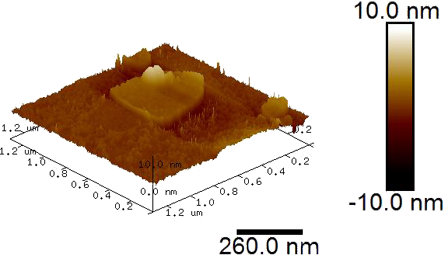
- coverage) were obtained by using a simple technique of electrostatic layer-by-layer (LbL) deposition, a well-established technique developed first for polyelectrolytes [10] and later adapted for deposition of other objects, such as nanoparticles and biomolecules (proteins, antibodies, enzymes, DNA) [9][11




Single-molecule mechanics of protein-labelled DNA handles
Beilstein J. Nanotechnol. 2016, 7, 138–148, doi:10.3762/bjnano.7.16
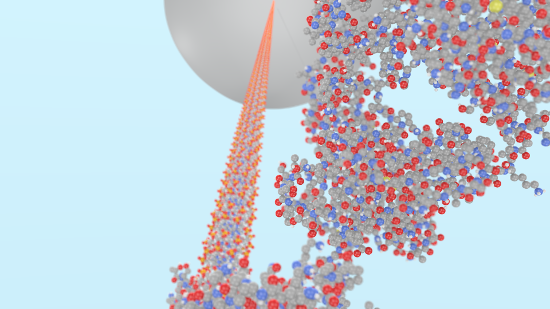
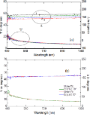
- .7.16 Abstract DNA handles are often used as spacers and linkers in single-molecule experiments to isolate and tether RNAs, proteins, enzymes and ribozymes, amongst other biomolecules, between surface-modified beads for nanomechanical investigations. Custom DNA handles with varying lengths and chemical
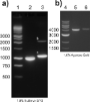
- , their further individual modification with protein receptors is less common and would allow for additional flexibility in grabbing biomolecules for mechanical measurements. In-depth information on reliable protocols for the synthesis of these DNA–protein hybrids and on their mechanical characteristics
- implemented (not shown) and test configurations in which a prospective biomolecular construct was directly grafted to the sphere surfaces. To simulate in situ tethering to complex biomolecules, we used PDHs to grasp single DNA molecules in situ (Figure 1d,e). For experimental configurations illustrated in



Green and energy-efficient methods for the production of metallic nanoparticles
Beilstein J. Nanotechnol. 2015, 6, 2354–2376, doi:10.3762/bjnano.6.243
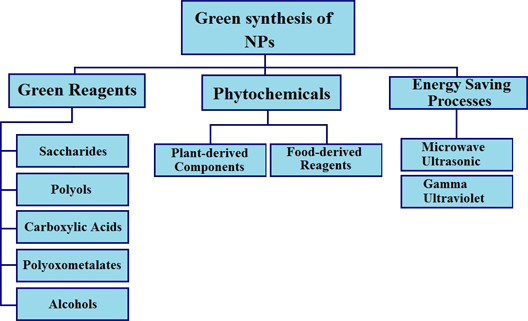
- place for 2 h and the C=O and C–O groups in the extract stabilized NPs. They also concluded that the water-soluble polyhydroxy biomolecules, such as flavonoids and sugars, are accountable for the reduction of metallic ions [106]. Swamy et al. reduced AgNO3 to Ag NPs using methanolic leaf extract of


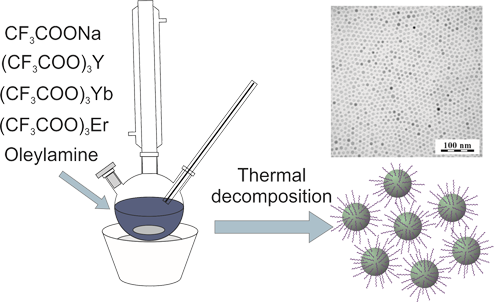
Silica-coated upconversion lanthanide nanoparticles: The effect of crystal design on morphology, structure and optical properties
Beilstein J. Nanotechnol. 2015, 6, 2290–2299, doi:10.3762/bjnano.6.235
- specific application. Thus, various ligands and functionalities have to be attached to the particle surface to provide efficient drug delivery, to ensure engulfment by the cells, or to control the release of biomolecules and their specific target. Finally, the surface modification must ensure that the
- particles to be considered as probes of target proteins, oligonucleotides and other biomolecules in cells and tissues. DLS experiments showed that the average hydrodynamic particle size in water was large (Dh = 163–265 nm), suggesting the formation of particle aggregates. DLS provides the z-average of the






Orthogonal chemical functionalization of patterned gold on silica surfaces
Beilstein J. Nanotechnol. 2015, 6, 2272–2277, doi:10.3762/bjnano.6.233
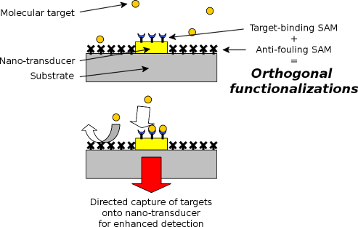
- hot spot areas. Orthogonal surface chemical functionalization appears to enable such directed anchoring of target biomolecules (Figure 1) [6][8][9]. Despite the aforementioned publications, there is still much to be investigated regarding the orthogonal functionalization of patterned metal on
- . Second, while biotinylated poly(ethylene glycol) [5][6][7][8] may be well suited to immobilize some biomolecules (avidin derivatives), it is worth considering other surface chemistries. For instance, carboxylic acid-based [10][11][12][13][14][15][16][17][18][19][20][21], amine-based [22][23][24][25][26
- ] or other [27][28] self-assembled monolayers may provide a higher diversity of potential biomolecules to immobilize. Shorter spacer chains (e.g., short alkyl chains) may also be useful to immobilize the target as close to the metal surface (i.e., the maximum intensity of the evanescent field) as


A simple and efficient quasi 3-dimensional viscoelastic model and software for simulation of tapping-mode atomic force microscopy
Beilstein J. Nanotechnol. 2015, 6, 2233–2241, doi:10.3762/bjnano.6.229
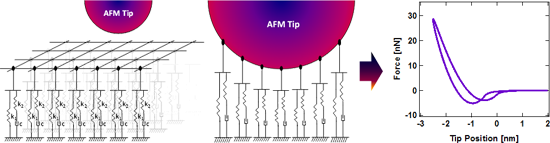
- interactions. A few examples of these processes include viscoelastic deformation, irreversible molecular structure changes (e.g., in biomolecules) and plastic deformation in crystals. These phenomena bring challenges into AFM characterization primarily in two ways. First, in delicate samples, such as
- biomolecules, it becomes necessary to control the maximum tip–sample interaction forces and stresses, such that undesirable irreversible changes do not occur in the sample. Second, the interpretation of the experiment requires the user to make assumptions and/or develop models that properly account for the



Au nanoparticle-based sensor for apomorphine detection in plasma
Beilstein J. Nanotechnol. 2015, 6, 2224–2232, doi:10.3762/bjnano.6.228
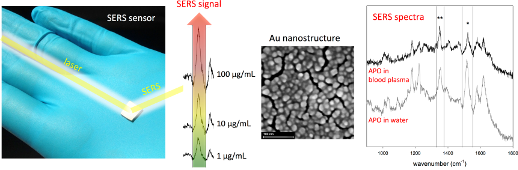
- colloids synthesized by laser ablation in liquids, suitably functionalized and tagged with Raman reporters, have effectively revealed specific biomolecules, even in chemically complex environments such as cells [9][10][11][12]. On the other hand, silver and gold colloids produced by chemical routes can be


Selective porous gates made from colloidal silica nanoparticles
Beilstein J. Nanotechnol. 2015, 6, 2105–2112, doi:10.3762/bjnano.6.215
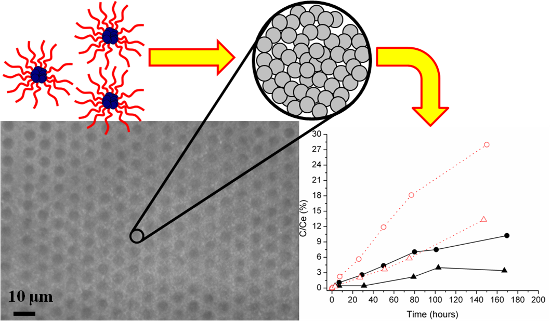
- the separation of chemical species, ions and biomolecules in solution is a field of increasing interest for researchers involved in microfiltration and separation science [1][2][3][4][5][6][7]. In this topic, it is important to remind that microfiltration is one of the oldest processes optimized since


Light-powered, artificial molecular pumps: a minimalistic approach
Beilstein J. Nanotechnol. 2015, 6, 2096–2104, doi:10.3762/bjnano.6.214
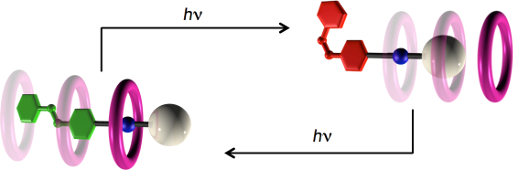
- ]. Indeed, owing to the progress in molecular biology, we know that living beings are endowed with biomolecules that can replicate genetic material, transport substances inside cells or across membranes, and can be switched on and off in response to external stimuli [3]. Other classes of proteins


Optimized design of a nanostructured SPCE-based multipurpose biosensing platform formed by ferrocene-tethered electrochemically-deposited cauliflower-shaped gold nanoparticles
Beilstein J. Nanotechnol. 2015, 6, 1840–1852, doi:10.3762/bjnano.6.187
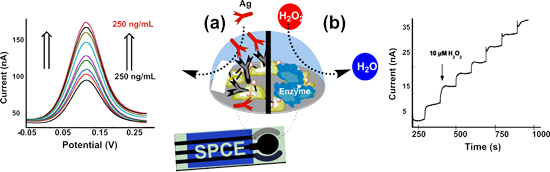
- recent works support the fact the electron-transfer rates can be enhanced by the conformational changes especially of long alkyl chains and biomolecules used to tether ferrocene to a gold surface [31][32][33][34]. The current variation stopped at high concentration because of the saturation of all the


Towards multifunctional inorganic materials: biopolymeric templates
Beilstein J. Nanotechnol. 2015, 6, 1698–1699, doi:10.3762/bjnano.6.172
- Forschungsgemeinschaft in Germany. Correspondingly, this Thematic Series addresses multifunctional, inorganic materials generated by templating with biomolecules. The reader of this series will gain a comprehensive overview about the general ideas and principles of biopolymeric templating by means of selected examples
Synthesis, characterization and in vitro biocompatibility study of Au/TMC/Fe3O4 nanocomposites as a promising, nontoxic system for biomedical applications
Beilstein J. Nanotechnol. 2015, 6, 1677–1689, doi:10.3762/bjnano.6.170
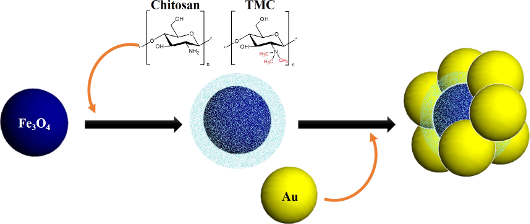
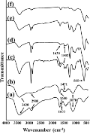
- biocompatibility), they can be utilized as catalysts, labels, and as a protective substrate, especially for immobilization of biomolecules in various fields of modern science [29][30]. Au nanoparticles are extensively used in the design and construction of fuel cells and many types of sensors (e.g




Fulleropeptide esters as potential self-assembled antioxidants
Beilstein J. Nanotechnol. 2015, 6, 1065–1071, doi:10.3762/bjnano.6.107
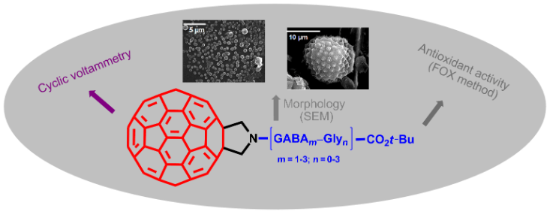
- contribution to the development of carriers for biomolecules [21]. Higashi and co-workers have reported the aggregation properties and a high superoxide scavenging activity of fullerene–poly(Glu)peptide nanoparticles as self-assembled structures [22]. Fullerene C60 and fulleropyrrolidine derivatives showed


A simple approach to the synthesis of Cu1.8S dendrites with thiamine hydrochloride as a sulfur source and structure-directing agent
Beilstein J. Nanotechnol. 2015, 6, 881–885, doi:10.3762/bjnano.6.90
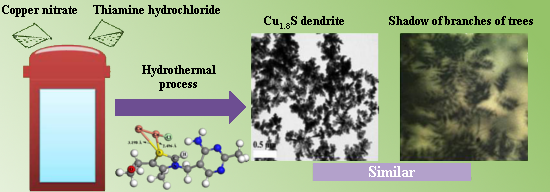
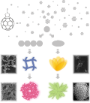
- -friendly preparation of metal sulfide nano/micro-materials is sought for. Biomolecules have been widely used as a sulfur sources and structure-directing agents in the synthesis of metal sulfides [11][12]. Kim et al. used 2-mercaptoethanol to synthesize high-aspect ratio and single-crystalline nanowires of
- investigated the morphology evolution of Cu1.8S as a function of the hydrothermal process time. Burford et al. reported that the functional groups in biomolecules, e.g., –NH2, –COOH, and –S–, are strongly inclined to interact with inorganic cations based on a mass spectrometry study [13]. This indicates that
- metal ions could interact with biomolecules to form stable complexes. In this experiment, copper nitrate and thiamine hydrochloride is dissolved in water to form a mixture in which Cu2+ ions coordinate with thiamine hydrochloride to form a complex. When the mixture was sealed and kept at 180 °C under


Protein corona – from molecular adsorption to physiological complexity
Beilstein J. Nanotechnol. 2015, 6, 857–873, doi:10.3762/bjnano.6.88
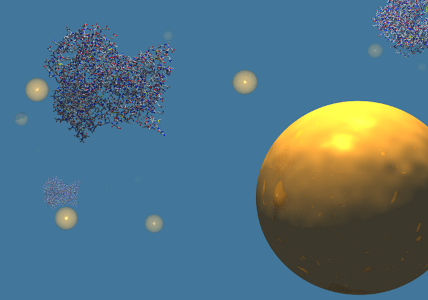
- Hospital of Mainz, Langenbeckstrasse 1, 55101 Mainz, Germany 10.3762/bjnano.6.88 Abstract In biological environments, nanoparticles are enshrouded by a layer of biomolecules, predominantly proteins, mediating its subsequent interactions with cells. Detecting this protein corona, understanding its
- to high electrolyte concentrations and sometimes even due to interaction with biomolecules. Not only do the subsequent agglomeration processes lead to a loss of accessible surface area, they also lead to changes in diffusion properties and, in case of larger agglomerates, give rise to sedimentation



Influence of gold, silver and gold–silver alloy nanoparticles on germ cell function and embryo development
Beilstein J. Nanotechnol. 2015, 6, 651–664, doi:10.3762/bjnano.6.66
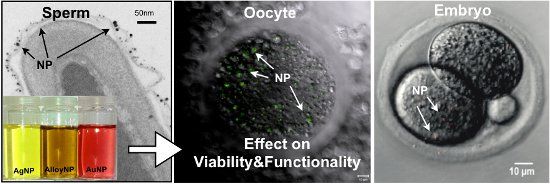
- medical and consumer products. Gold and silver nanoparticles play an important role in the current increase of nanoparticle usage. However, our understanding concerning possible side effects of this increased exposure to particles, which are frequently in the same size regime as medium sized biomolecules
- ) and oligonucleotide conjugated AuNP (diameter 7.3 nm, 94 biomolecules per particle, Zeta potential −32 mV) which were tested by using bovine sperm, as well as bovine serum albumin (BSA) coated gold (diameter 6–20 nm), silver (diameter 11 nm; AgNP) and various gold silver alloy nanoparticles (silver
- ]. The ex situ method is an alternative approach where the ablation site is physically separated from bioconjugation [80]. To this end laser ablation is carried out in a flow through reactor, while biomolecules are added at specified time delays. Innate to the in situ bioconjugation method is a distinct





Silica micro/nanospheres for theranostics: from bimodal MRI and fluorescent imaging probes to cancer therapy
Beilstein J. Nanotechnol. 2015, 6, 546–558, doi:10.3762/bjnano.6.57
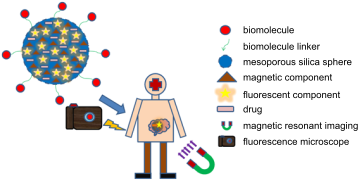
- materials [8], for controlled delivery [9], and in biotechnology for the controlled release of biomolecules such as small drugs [10], therapeutic proteins [11], antibiotics [12], and antibodies [13]. In MRI, the relative difference of the signal intensity between two adjoining tissues can be improved by


Hollow plasmonic antennas for broadband SERS spectroscopy
Beilstein J. Nanotechnol. 2015, 6, 492–498, doi:10.3762/bjnano.6.50
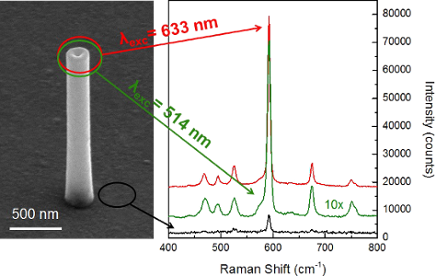
- be considered that some of the biomolecules of interest are present in very low concentrations. Therefore, monitoring such an environment requires techniques that can offer both flexibility and high sensitivity for all cases. In other words, the investigation of the biological functions of living
- ][18] and magnetic field enhancement [19]. In these various disciplines, the rise of a trend targeting high performance spectroscopy techniques for biomolecules and cells can be recognized. Raman spectroscopy has already been implemented for whole live cell imaging [20] as well as its biological


Biological responses to nanoscale particles
Beilstein J. Nanotechnol. 2015, 6, 380–382, doi:10.3762/bjnano.6.37
- . The key differences are (i) an increased relative surface area and (ii) quantum size effects. Since the growth, catalytic activity and the various interactions with molecules (including biomolecules) occur at the surface of nanoparticles, a given mass of material in nanoparticle form will be much more
- potential biomolecules and cells, thus creating a large parameter space to be examined. With these shortcomings in mind, we initiated a national Priority Program (Schwerpunktprogramm SPP1313) in Germany in 2007 at the Deutsche Forschungsgemeinschaft (DFG) entitled, “Biological Responses to Nanoscale
- conjugates of biomolecules, magnetism, radioactivity, Janus particles and core–shell particles were combined. In particular, the use of fluorescently labeled particles has become one of the preferred tools to track nanoparticles inside cells and tissue. When nanoparticles are exposed to biological fluids
Overview about the localization of nanoparticles in tissue and cellular context by different imaging techniques
Beilstein J. Nanotechnol. 2015, 6, 263–280, doi:10.3762/bjnano.6.25
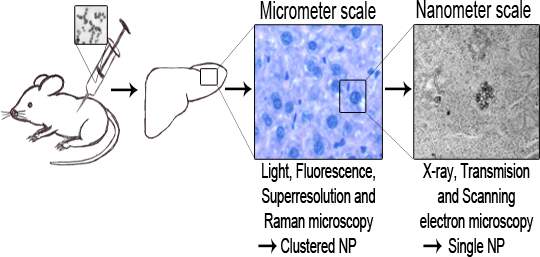
- bioapplications are typically composed of a semiconductor core (e.g., cadmium sulfide), an outer shell of a higher band semiconducting material (e.g., zinc sulfide) and a surface functionalization which may consist of various hydrophilic organic molecules including biomolecules or polymers [86]. QD with their
- [126]. However, one disadvantage is that only low signal intensities are emitted by biomolecules themselves [132]. Advanced Raman techniques, such as surface-enhanced Raman spectroscopy (SERS), coherent anti-Stokes Raman spectroscopy (CARS), and stimulated Raman spectroscopy (SRS) have been used in the