Search results
Search for "reactivity" in Full Text gives 283 result(s) in Beilstein Journal of Nanotechnology. Showing first 200.
Patterning of supported gold monolayers via chemical lift-off lithography
Beilstein J. Nanotechnol. 2017, 8, 2648–2661, doi:10.3762/bjnano.8.265
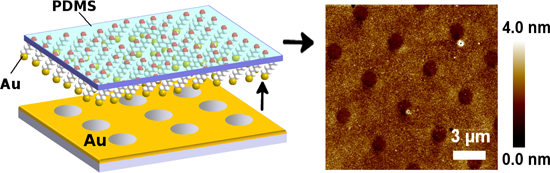
- patterned Au substrates prior to lift-off (e.g., selective wet etching), or by patterning alkanethiols on Au substrates to be reactive in selected regions but not others (controlled reactivity). In all cases, the regions containing Au–alkanethiolate layers have a sub-nanometer apparent height, which was


Comparing postdeposition reactions of electrons and radicals with Pt nanostructures created by focused electron beam induced deposition
Beilstein J. Nanotechnol. 2017, 8, 2410–2424, doi:10.3762/bjnano.8.240
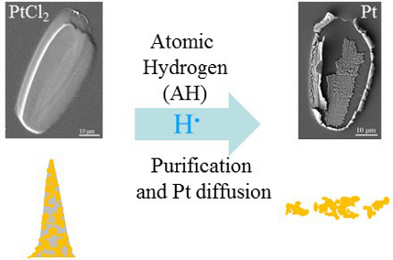
- highly exothermic, driven principally by the innate reactivity of AH, coupled with the comparatively low formation enthalpy (∆Hf) of PtCl2. In addition to purification, exposure of the PtCl2 deposits to AH also frequently resulted in significant structural modifications to the deposits. In some instances
- have limited diffusion within the deposit. Indeed, given the inherent reactivity of AO and the potential for AO recombination reactions (O + O → O2) we would expect AO to have a small penetration depth within the deposit. This is at least qualitatively consistent with our experimentally determined




Evaluating the toxicity of TiO2-based nanoparticles to Chinese hamster ovary cells and Escherichia coli: a complementary experimental and computational approach
Beilstein J. Nanotechnol. 2017, 8, 2171–2180, doi:10.3762/bjnano.8.216

- University, Umultowska 85, 61-614 Poznan, Poland 10.3762/bjnano.8.216 Abstract Titania-supported palladium, gold and bimetallic nanoparticles (second-generation nanoparticles) demonstrate promising photocatalytic properties. However, due to unusual reactivity, second-generation nanoparticles can be
- inhibiting activity [5][6]. Reactivity of TiO2 under visible light (λ > 400 nm) can be achieved in several ways [7], including: (a) metal doping [8], (b) non-metal doping [9][10], (c) self-doping (reductive treatments) [11][12], (d) surface modification by noble-metal nanoparticles of silver (Ag), gold (Au
- different cell lines demonstrating that smaller NPs (1.4 nm) were more cytotoxic than bigger NPs. Previous studies also reported that a larger surface area (as a potential source of a larger number of ions or other reactive species) can contribute significantly to the higher reactivity [51][52]. The nano


Electronic structure, transport, and collective effects in molecular layered systems
Beilstein J. Nanotechnol. 2017, 8, 2094–2105, doi:10.3762/bjnano.8.209
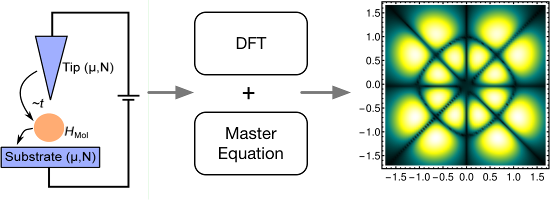
- assume β-stacking [25]. The selected Au surface is known to form metal–organic contacts with medium interactions [26]. On the other hand, pure Ni surfaces are known to have a very high reactivity that sometimes lead to decomposition of the deposited organic material [27][28]. The reactivity of the Ni


![[Graphic 29]](/bjnano/content/inline/2190-4286-8-209-i41.png?max-width=637&scale=1.18182) between the occupations nA and nB of the two checkerboard sublattices for a) asy...
between the occupations nA and nB of the two checkerboard sublattices for a) asy...

![[Graphic 30]](/bjnano/content/inline/2190-4286-8-209-i42.png?max-width=637&scale=1.18182) per site for a) asymmetric tunneling, Γtop/Γbottom = 0.5, and b) symmetric tunneli...
per site for a) asymmetric tunneling, Γtop/Γbottom = 0.5, and b) symmetric tunneli...
Synthesis and characterization of noble metal–titania core–shell nanostructures with tunable shell thickness
Beilstein J. Nanotechnol. 2017, 8, 2083–2093, doi:10.3762/bjnano.8.208
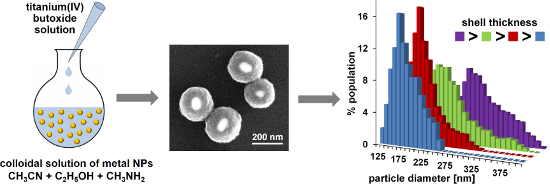
- core and the photoactivity of the shell, have great potential for these applications. However, the controllable synthesis of such nanostructures remains a challenge due to the high reactivity of titania precursors. Hence, a simple titania coating method that would allow better control over the shell


α-Silicene as oxidation-resistant ultra-thin coating material
Beilstein J. Nanotechnol. 2017, 8, 1808–1814, doi:10.3762/bjnano.8.182
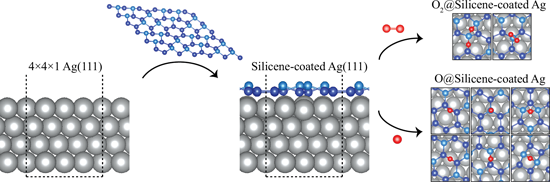
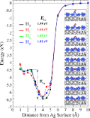
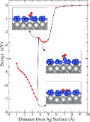
- silicene on metal substrates. One may claim that silicene retains its extreme reactivity to oxygen atoms even after forming localized silicon-oxide structures. As a result, silicene has great potential to capture unwanted atoms and to protect the metal surface. Conclusions In this study, we performed first


(Metallo)porphyrins for potential materials science applications
Beilstein J. Nanotechnol. 2017, 8, 1786–1800, doi:10.3762/bjnano.8.180
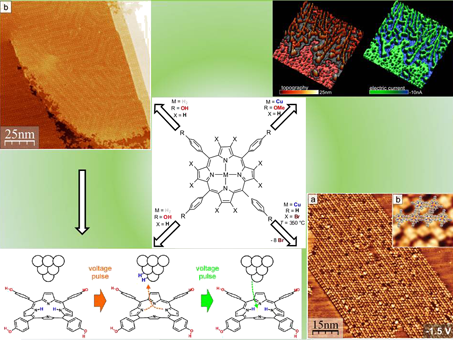
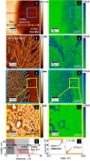
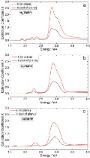
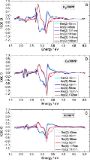
- be formed from porphyrin molecules with different numbers of bromine substitutions. The properties of the substrate surface have a strong influence in this kind of on-surface polymerization reaction. A high reactivity and also high energy barriers for diffusion can result in immediate C,C coupling






Effect of the fluorination technique on the surface-fluorination patterning of double-walled carbon nanotubes
Beilstein J. Nanotechnol. 2017, 8, 1688–1698, doi:10.3762/bjnano.8.169
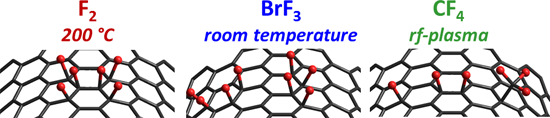
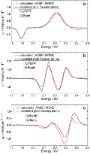
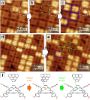
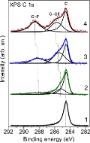
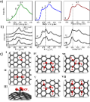
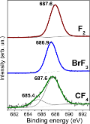
- DWCNTs with different fluorination patterns, which should in turn be distinct in electronic properties and reactivity. Similar results are expected for other closed-shell carbon structures such as single- and multi-walled CNTs, nanohorns and onion-like carbon. Experimental Materials DWCNTs were produced



Process-specific mechanisms of vertically oriented graphene growth in plasmas
Beilstein J. Nanotechnol. 2017, 8, 1658–1670, doi:10.3762/bjnano.8.166
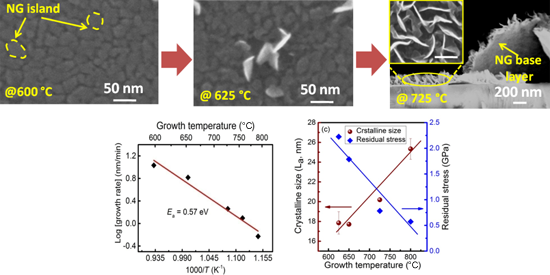
- high and the species may recombine. Under such conditions, radical species responsible for VGN growth may recombine and/or lose reactivity. Therefore, in low-density plasmas the carbon species can deposit into the spaces between the vertical graphene sheets. However, at shorter distances the density of


Spin-chemistry concepts for spintronics scientists
Beilstein J. Nanotechnol. 2017, 8, 1427–1445, doi:10.3762/bjnano.8.143
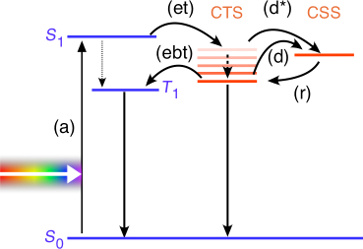
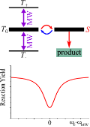
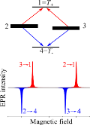
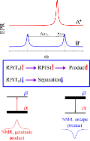
- , or to be more precise, SCRPs, allow for magnetic-field-dependent chemistry. The radical pair mechanism (RPM) is seen as the key mechanism for magnetic field effects on chemical reactivity. One should note that RPM is not the only mechanism, since, for example, the d-type triplet mechanism and triplet
- a different pathway. Because of this, the radical pair reactivity strongly depends on the rate of singlet–triplet interconversion. The strongest effects of such interconversion on the recombination yield are expected in the situation where the radical pair is born in a nonreactive state. Thus
- by the following quantity: or, when the reactivity is position-dependent, by the integral over spatial coordinates: To calculate the steady-state reaction yield, one should perform integration over time from 0 to ∞. The reaction yield, Y, is obtained by integration of R(t) from zero to infinity



Deposition of exchange-coupled dinickel complexes on gold substrates utilizing ambidentate mercapto-carboxylato ligands
Beilstein J. Nanotechnol. 2017, 8, 1375–1387, doi:10.3762/bjnano.8.139
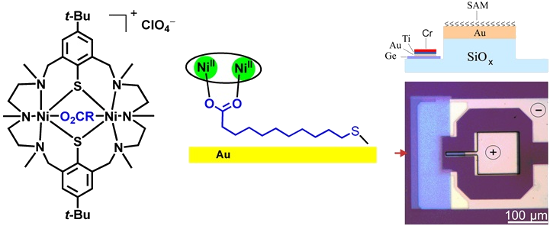
- ) and 8 (J = +20.8 cm−1; H = −2JS1S2). The reactivity of complexes 6–8 is reminiscent of that of pure thiolato ligands, which readily chemisorb on Au surfaces as verified by contact angle, atomic force microscopy (AFM) and spectroscopic ellipsometry measurements. The large [Ni2L] tail groups, however
- ). The crystal structure, reactivity features, and magnetic properties of compounds 6–8 are presented along with the results stemming from characterization of the surface assemblies by contact angle measurements, spectroscopic ellipsometry, AFM and transport measurements. To our knowledge, polynuclear
- the [Ni2L]2+ fragments. The reactivity of complexes 6–8 is reminiscent of that of pure thiolato ligands. All are readily chemisorbed on Au surfaces as ascertained by contact angle measurements, AFM, spectroscopic ellipsometry and preliminary transport measurements (for 2). The results may suggest that


Micro- and nano-surface structures based on vapor-deposited polymers
Beilstein J. Nanotechnol. 2017, 8, 1366–1374, doi:10.3762/bjnano.8.138
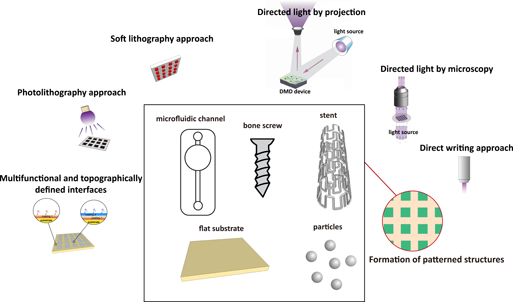
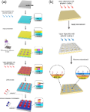
- flat substrates or 3D complex substrates. Next, the creation of multiple or gradient structures/patterns on the polymers provides an interfacial template with multifunctional reactivity and gradient information for multifunctional or directional activities. Then, the emerging discovery of the selective


Miniemulsion copolymerization of (meth)acrylates in the presence of functionalized multiwalled carbon nanotubes for reinforced coating applications
Beilstein J. Nanotechnol. 2017, 8, 1328–1337, doi:10.3762/bjnano.8.134
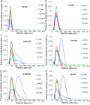
- . In all the samples, three main transition regions were observed, which are the result of the heterogeneous composition of the polymer formed in the batch polymerization of monomers with different reactivity ratios (rMMA = 2.02 ± 0.36, rBA = 0.26 ± 0.14) [42] that yield a MMA-rich polymer (Tg = 90 ºC
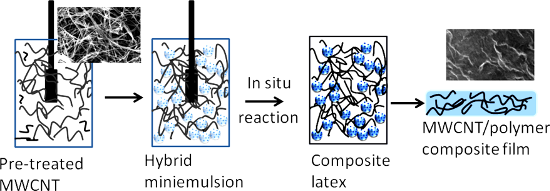
- between the OH groups of the copolymer and the PVP-stabilized MWCNTs and as well to the possible grafting of polymer chains onto MWCNTs. Because monomers with different reactivity ratios were polymerized in batch, a heterogeneous copolymer showing different Tg values was obtained. The in situ composites


Nanotopographical control of surfaces using chemical vapor deposition processes
Beilstein J. Nanotechnol. 2017, 8, 1250–1256, doi:10.3762/bjnano.8.126
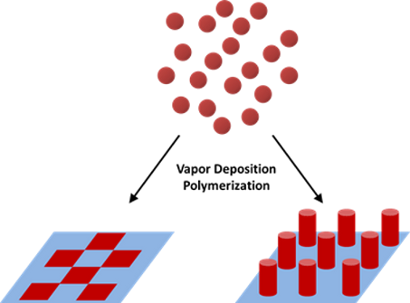
- of polymer growth was found on transition metals. For this reason, attractive interactions between the metal and the heteroatoms were suggested. The patterned deposition of a reactive PPX derivative could be realized for PPX–vinyl on titanium, and its reactivity in cross-metathesis reactions was
- reactivity program and from the Army Research Office (ARO) under Grant W911NF-11-1-0251.




A top-down approach for fabricating three-dimensional closed hollow nanostructures with permeable thin metal walls
Beilstein J. Nanotechnol. 2017, 8, 1231–1237, doi:10.3762/bjnano.8.124
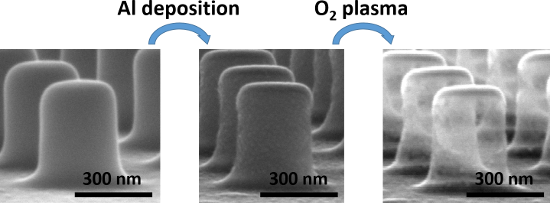
- reactivity with the environment [1]. For most applications, wall permeability is desirable in order to facilitate material interchange with the surroundings and/or increase the active surface of these nano-objects. Thus, permeable-wall nanocontainers can be used for a variety of appealing applications, such
- reactivity). However, these wet-chemistry based techniques have several drawbacks, for example, restrictions in the employed precursors due to compatibility issues and significant limitations for implementing configurations of nanostructures on flat supports according to a particular pattern or layout, which


Fully scalable one-pot method for the production of phosphonic graphene derivatives
Beilstein J. Nanotechnol. 2017, 8, 1094–1103, doi:10.3762/bjnano.8.111
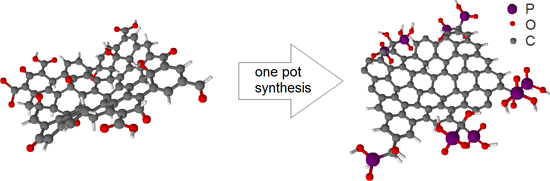
- energy of 0.014 eV. Keywords: functionalized graphene; graphene oxide; one-pot synthesis; phosphonic derivatives; reduced graphene oxide; Introduction Graphene oxide (GO) with its multifunctionality attracts interest in different fields of science. The chemical nature and reactivity of GO have been


Stable Au–C bonds to the substrate for fullerene-based nanostructures
Beilstein J. Nanotechnol. 2017, 8, 1073–1079, doi:10.3762/bjnano.8.109
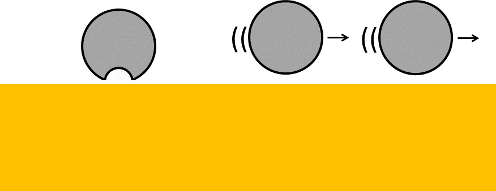
- assembled into one-dimensional islands or short chains along the steps. This can be attributed to the increased local reactivity of the step edges [29][30][31]. STM images taken after Ar+ bombardment (120 eV, 5 min) [32][33][34] of the system (Figure 1b) show single bright dots on the surface, which
- Figure 2d we observe the adsorption pattern of isolated molecules that were disjoined from the islands after sputtering. Importantly, these molecules bind to the elbow sites of the herringbone reconstruction of the substrate. This can be explained by the increased reactivity of the elbow sites, so-called
- features to be dimers of molecules damaged during the sputtering. The number of observed dimers was very limited. We turn to the features on the herringbone corners. Given the higher reactivity of these elbow sites, we consider the possibility of the bright spots being normal C60 molecules and for the


The integration of graphene into microelectronic devices
Beilstein J. Nanotechnol. 2017, 8, 1056–1064, doi:10.3762/bjnano.8.107
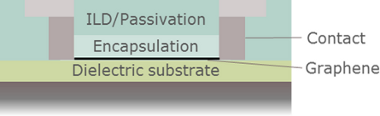
- -metal work function (WF) and increasing metal reactivity. A clear trend can be observed correlating the high measured Rc values with the most reactive metals (Ni, Ti). Reprinted with permission from [52], copyright 2015 AIP Publishing. Schematic of the edge-contact fabrication process. Reprinted with


Needs and challenges for assessing the environmental impacts of engineered nanomaterials (ENMs)
Beilstein J. Nanotechnol. 2017, 8, 989–1014, doi:10.3762/bjnano.8.101
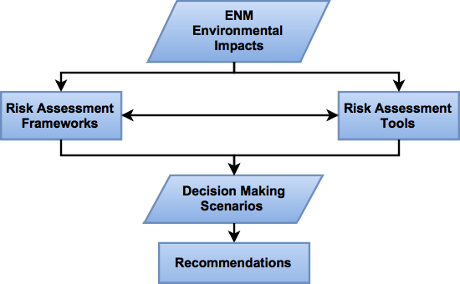
- developers [31]. The potential effect (W) is a score assigned on the basis of the ENMs’ reactivity (e.g., redox activity, catalytic activity, oxygen radical formation potential or induction potential for inflammation reactions) and stability (e.g., half-life of the nanomaterial in the human body, or under
- ENM properties such as agglomeration, reactivity/charge, critical functional groups, contaminant dissociation and size; evidence of toxicity; and other factors related to toxicity such as bioavailability and bioaccumulation). This outranking method has the advantage, when criteria metrics are not
- scale 1–100 based on literature review for the studied ENMs); agglomeration, reactivity/charge, critical functional groups and contaminant dissociation (qualitative scale of 1–5, where scores are assigned based on expert judgement with 1 representing the most favorable score as judged based on the

Near-field surface plasmon field enhancement induced by rippled surfaces
Beilstein J. Nanotechnol. 2017, 8, 956–967, doi:10.3762/bjnano.8.97
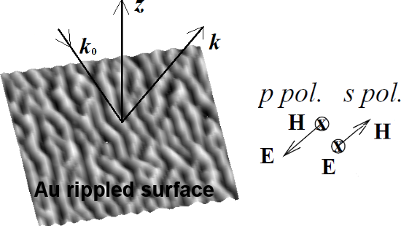
- and height much smaller than the wavelength of typical plasmon resonances. Different top-down or bottom-up fabrication techniques have been introduced to produce metal nanostructures with active plasmonic reactivity [14]. For example, ion beam sputtering (IBS) is a widely employed bottom-up technique


Investigation of growth dynamics of carbon nanotubes
Beilstein J. Nanotechnol. 2017, 8, 826–856, doi:10.3762/bjnano.8.85
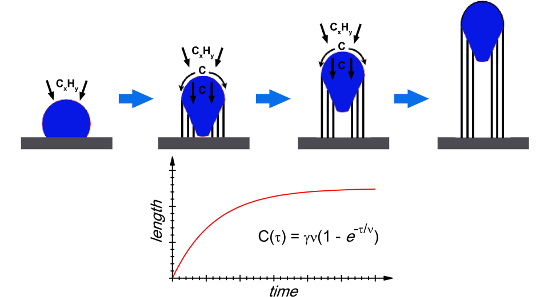
- floating-catalyst CVD process with a use of ferrocene as catalyst precursor and a small amount of ammonia. Over 90% of SWCNTs had near-armchair structure. It was suggested that NH3, which is a strong etchant, selectively etched off SWCNTs with small chiral angles due to their higher reactivity and lower


First examples of organosilica-based ionogels: synthesis and electrochemical behavior
Beilstein J. Nanotechnol. 2017, 8, 736–751, doi:10.3762/bjnano.8.77
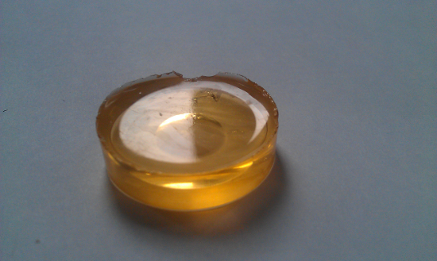
- reactivity but is less toxic. Moreover, the current IL, [BmimSO3H][PTS], has a significant advantage in terms of its thermal behavior because it does not crystallize. In contrast to the propane sultone analogue, which slowly crystallizes after 12 months [25], the longer alkyl chain of [BmimSO3H][PTS








Investigation of the photocatalytic efficiency of tantalum alkoxy carboxylate-derived Ta2O5 nanoparticles in rhodamine B removal
Beilstein J. Nanotechnol. 2017, 8, 604–613, doi:10.3762/bjnano.8.65
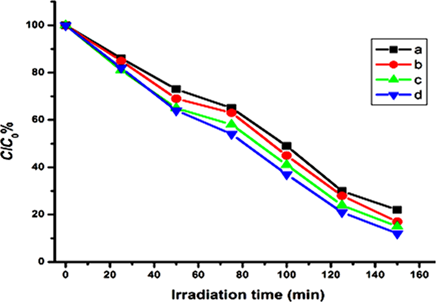
- or by –OR groups. Among others, carboxylates are diketonates are employed to control the reactivity and stability towards hydrolysis of tantalum alkoxides [12][13][14]. Usually, the rate of hydrolysis of metal alkoxides is controlled by increasing the steric hindrance of alkoxy groups, which slows


Diffusion and surface alloying of gradient nanostructured metals
Beilstein J. Nanotechnol. 2017, 8, 547–560, doi:10.3762/bjnano.8.59
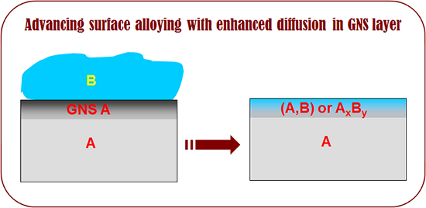
- studying the structure and surface morphology evolution of the GNS sample in the H2O2 solution, Wen et al. [95] revealed that the accelerated formation of nanoporous structure was mostly due to the higher chemical reactivity of the GNS Ti, which promoted the decomposition of H2O2 and the formation of




Nanostructured carbon materials decorated with organophosphorus moieties: synthesis and application
Beilstein J. Nanotechnol. 2017, 8, 485–493, doi:10.3762/bjnano.8.52
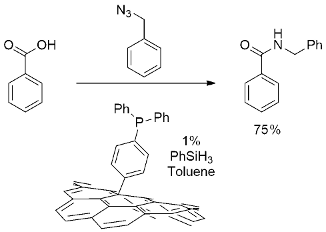
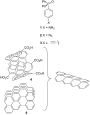
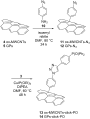
- solution at high temperature in microwave. The data obtained are reported in Table 1. From the data reported in Table 1 it is evident the higher reactivity of ox-MWCNTs 4 (entries 3, 5 and 7) respect to GPs 5 (entries 4, 6 and 8) as it was expected considering the different nature of the two substrates [34
- due to a poor content in the azido component (see data for compounds 11 and 12) but to the low reactivity found in the CuAAC step. To be noted is the good agreement for the loading values obtained with the elemental analysis (see earlier) and with the ICP AES analysis for compound 8 and 9 (Table 1