Search results
Search for "skin" in Full Text gives 191 result(s) in Beilstein Journal of Nanotechnology.
Polymer blend lithography for metal films: large-area patterning with over 1 billion holes/inch2
Beilstein J. Nanotechnol. 2015, 6, 1205–1211, doi:10.3762/bjnano.6.123
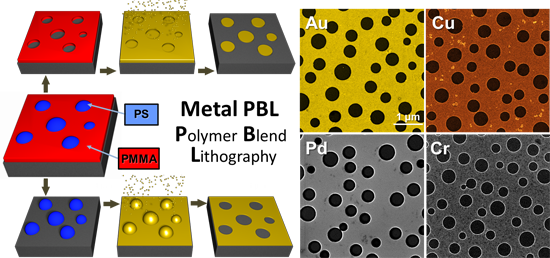
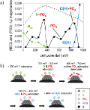
- lithography method has been used to study the surface plasmonics of random nano-hole arrays in metal films [26][27]. Since the skin depth, and therefore the transmission of thin films, of Cu, Au and Ag is relatively high, we selected aluminum, which shows a high reflectivity in the range of 220 to 650 nm


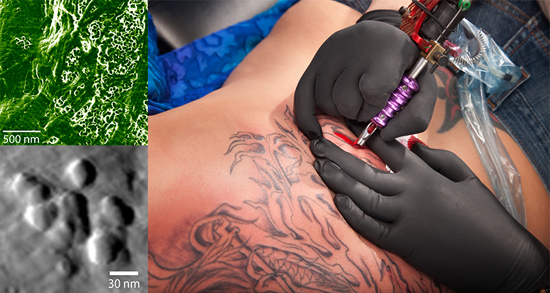
Tattoo ink nanoparticles in skin tissue and fibroblasts
Beilstein J. Nanotechnol. 2015, 6, 1183–1191, doi:10.3762/bjnano.6.120
- Colin A. Grant Peter C. Twigg Richard Baker Desmond J. Tobin Advanced Materials Engineering, Faculty of Engineering and Informatics, University of Bradford, Bradford, BD7 1DP, United Kingdom Centre for Skin Sciences, Faculty of Life Sciences, University of Bradford, Bradford, BD7 1DP, United
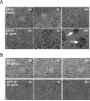
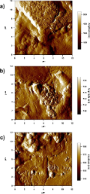
- products. This study examines tattoo ink particles in two fundamental skin components at the nanometre level. We use atomic force microscopy and light microscopy to examine cryosections of tattooed skin, exploring the collagen fibril networks in the dermis that contain ink nanoparticles. Further, we
- culture fibroblasts in diluted tattoo ink to explore both the immediate impact of ink pigment on cell viability and also to observe the interaction between particles and the cells. Keywords: atomic force microscopy (AFM); dermis; nanoparticles; skin; tattoo ink; Introduction The act of tattooing has


Fulleropeptide esters as potential self-assembled antioxidants
Beilstein J. Nanotechnol. 2015, 6, 1065–1071, doi:10.3762/bjnano.6.107
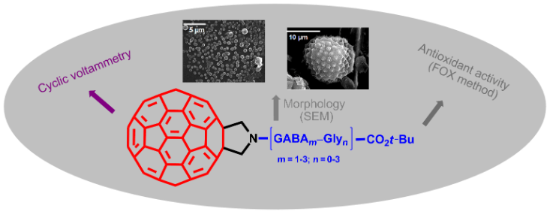
- affinities. Water-soluble fullerene–alanine adducts were tested as cytoprotective agents showing high effectiveness for removing the reactive oxygen species, such as superoxide anions and hydroxyl radicals [19][20]. The study of the penetration of fulleropeptide nanoparticles through skin represents a major


Influence of gold, silver and gold–silver alloy nanoparticles on germ cell function and embryo development
Beilstein J. Nanotechnol. 2015, 6, 651–664, doi:10.3762/bjnano.6.66
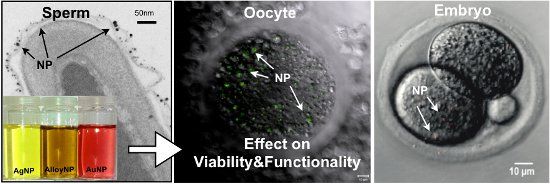
- antimicrobial properties [20][21]. This variety in applications generates several potential exposure routes for gold and silver nanoparticles, including injection and inhalation particularly for biomedical applications, but also ingestion and skin contact for medical and consumer products. The uptake behaviour
- amount of particles translocated across the air–blood barrier [22]. The magnitude of particle transfere is inversely correlated to particle size [23]. In contrast, particle uptake following dermal exposure has so far not been observed as nanoparticles do not penetrate beyond the most superficial skin




Novel ZnO:Ag nanocomposites induce significant oxidative stress in human fibroblast malignant melanoma (Ht144) cells
Beilstein J. Nanotechnol. 2015, 6, 570–582, doi:10.3762/bjnano.6.59
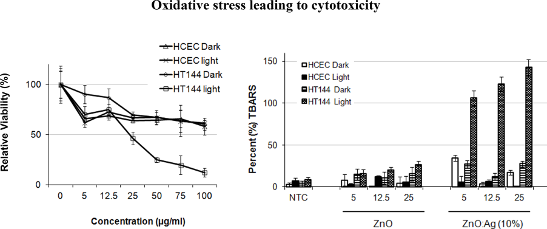
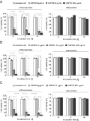
- different ZnO and ZnO:Ag nanocomposites. (a) RBS analysis; atomic composition graph is showing the relative amounts of Zn, O and silver, (b) diffused reflectance spectra, (c) band gap energies of the different nanocomposites. Effect of ZnO and ZnO:Ag nanocomposites on the viability of HT144 (skin cancer
- . Comparison of the effect of ZnO and ZnO:Ag nanocomposites on mitochondrial function (MTT reduction) in HT144 (skin cancer) and HCEC (normal) cells. Exponentially growing cultures were treated with different concentrations (5, 12.5, 25, 50, 75, 100 µg/mL) of the nanoparticles and in order to analyze the photo
- scavengers mannitol, NaN3 and DMSO on the photo-oxidative activity of ZnO and ZnO:Ag nanocomposites as measured by MTT assay in HT144 (skin cancer) cells. Viability (mean ± SD) was calculated relative to the NTC samples. (a) ZnO, (b) ZnO:Ag (10%), (c) ZnO:Ag (20%), and (d) ZnO:Ag (30%). *p < 0.01, **p




Silica micro/nanospheres for theranostics: from bimodal MRI and fluorescent imaging probes to cancer therapy
Beilstein J. Nanotechnol. 2015, 6, 546–558, doi:10.3762/bjnano.6.57
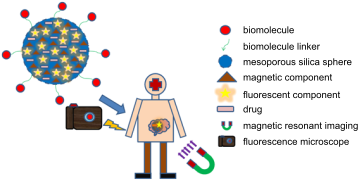
- was more prominent than that of LSMO@SiF@Si-w, which was attributed to the fact that the latter contains less fluorescein. To check the biocompatibility of these nanocomposites, in vitro studies were carried out on HeLa cells and primary skin fibroblasts. The studies suggested that the HeLa cells


Pulmonary surfactant augments cytotoxicity of silica nanoparticles: Studies on an in vitro air–blood barrier model
Beilstein J. Nanotechnol. 2015, 6, 517–528, doi:10.3762/bjnano.6.54
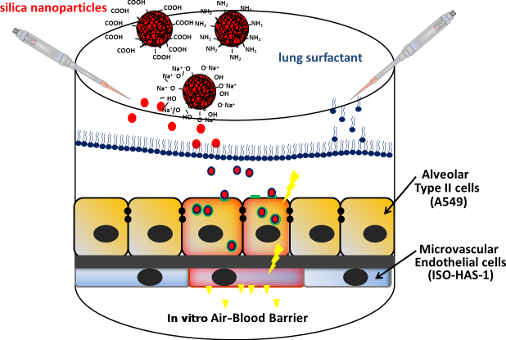
- protecting the body from external hazards. Examples of these barriers are the skin, the intestine or the alveolar region of the lung. Comparing these protective barriers among each other the air–blood barrier displays (with a thickness of about 2.2 µm) the thinnest barrier. This makes it an ideal portal of


Biological responses to nanoscale particles
Beilstein J. Nanotechnol. 2015, 6, 380–382, doi:10.3762/bjnano.6.37

- by which manufactured nanoparticles enter a biological environment, interact with its components and interfere with its functions. In this program, the bio–nano response beginning at an exposure entry port such as the lung, the GI tract or the skin has been studied as a sequence of interactions
Overview about the localization of nanoparticles in tissue and cellular context by different imaging techniques
Beilstein J. Nanotechnol. 2015, 6, 263–280, doi:10.3762/bjnano.6.25
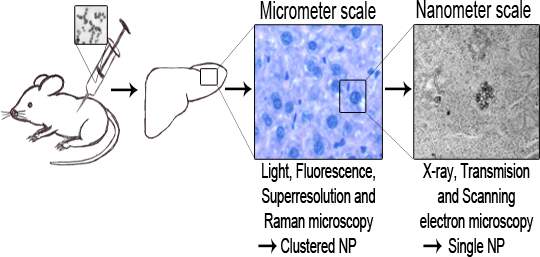
- possibilities [15][16]. However, other authors have failed to see an aggravation of disease. In some cases, they even reported an alleviation of skin lesions following exposure with SiO2-NP or zinc oxide NP (ZnO-NP) [17][18]. ZnO-NP and titanium dioxide NP (TiO2-NP) are major ingredients of sunscreens [19] and
- various cancers [45][46][47][48]. In several applications, they have proven to possess excellent tumor-targeting efficacy [49]. Likewise, titanium dioxide nanoparticles, essential components of sunscreens, were visualized as yellow-brown particles on superficial stratum corneum layers in HE-stained skin
- discrimination of NP against the background has recently been shown for zinc oxide NP [106] as well as indocarbocyanine (ICC)-labeled core–multishell nanoparticles [107] in the skin, indocarbocyanine-labeled dPGS in the liver [82] and for subcutaneously injected silica-based NP (Figure 4) [81]. Recent



The distribution and degradation of radiolabeled superparamagnetic iron oxide nanoparticles and quantum dots in mice
Beilstein J. Nanotechnol. 2015, 6, 111–123, doi:10.3762/bjnano.6.11
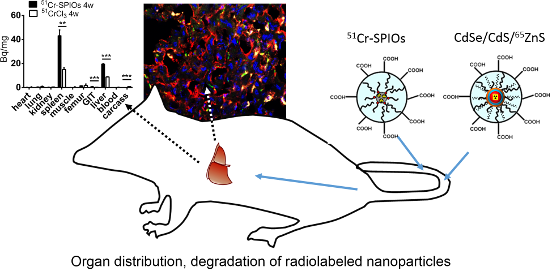
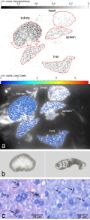
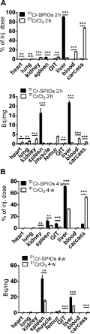
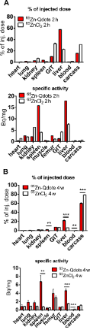
- in tissue with low exchanges rates (such as bones and skin). Organ distribution of 65Zn-labeled Qdots and a trace 65Zn dose 4 weeks after intravenous injection was found to be similar for most of the organs and tissue, with the exception of the liver and spleen. This indicates that radioactivity in





Materials and characterization techniques for high-temperature polymer electrolyte membrane fuel cells
Beilstein J. Nanotechnol. 2015, 6, 68–83, doi:10.3762/bjnano.6.8
- the interatomic Pt–Pt distance [43]. Other researchers have suggested that the alloy layer beneath the platinum skin increases the d-band vacancy of the platinum itself improving, therefore, the oxygen reduction reaction [20]. A great deal of research on this subject was carried out from 1970’s until
- “skin” on the electrode surface. This PTFE-rich layer affects not only the surface conductivity but also the wettability of the catalyst layer. The high PTFE content created a hydrophobic electrode surface, which slowed down the phosphoric acid uptake during the start-up period of the MEA. Mack et al




Aquatic versus terrestrial attachment: Water makes a difference
Beilstein J. Nanotechnol. 2014, 5, 2424–2439, doi:10.3762/bjnano.5.252
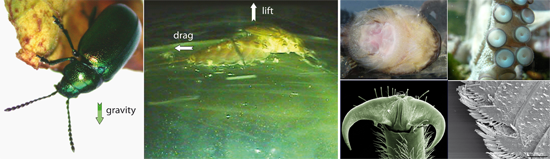
- , friction drag (or skin friction) and pressure drag (or form drag), which both depend on shape and fluid parameters but in quite different ways [4]. Friction drag is caused by friction of the water flowing over the surface of the animal body. It varies directly with the viscosity of the fluid [4] and the


Interaction of dermatologically relevant nanoparticles with skin cells and skin
Beilstein J. Nanotechnol. 2014, 5, 2363–2373, doi:10.3762/bjnano.5.245
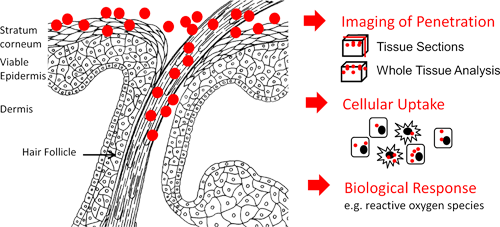
- sensitive imaging and detection methods are required. Here, we present our studies on nanoparticle interactions with skin, skin cells, and biological media. Silica, titanium dioxide and silver particles were chosen as representative examples for different types of skin exposure to nanomaterials, e.g
- ., unintended environmental exposure (silica) versus intended exposure through application of sunscreen (titanium dioxide) or antiseptics (silver). Because each particle type exhibits specific physicochemical properties, we were able to apply different combinations of methods to examine skin penetration and
- cellular uptake, including optical microscopy, electron microscopy, X-ray microscopy on cells and tissue sections, flow cytometry of isolated skin cells as well as Raman microscopy on whole tissue blocks. In order to assess the biological relevance of such findings, cell viability and free radical


Nanobioarchitectures based on chlorophyll photopigment, artificial lipid bilayers and carbon nanotubes
Beilstein J. Nanotechnol. 2014, 5, 2316–2325, doi:10.3762/bjnano.5.240
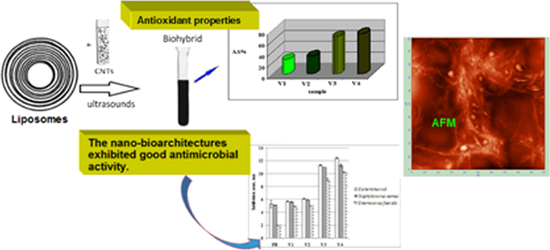
- , which has been exploited in the preparation of anti-aging cosmetics and sunscreen creams to protect skin against free radicals formed by the body or by UV sunlight [10]. The goal of this work is to achieve antioxidant and antibacterial bionanomaterials based on liposomes and carbon nanotubes, which


Coating with luminal gut-constituents alters adherence of nanoparticles to intestinal epithelial cells
Beilstein J. Nanotechnol. 2014, 5, 2308–2315, doi:10.3762/bjnano.5.239
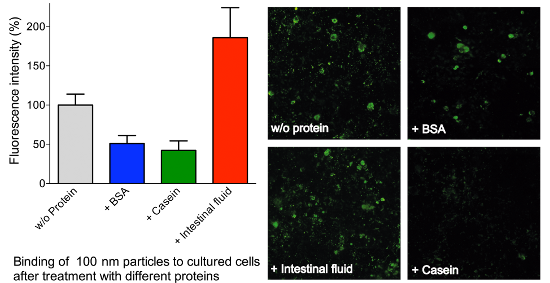
- .5.239 Abstract Background: Anthropogenic nanoparticles (NPs) have found their way into many goods of everyday life. Inhalation, ingestion and skin contact are potential routes for NPs to enter the body. In particular the digestive tract with its huge absorptive surface area provides a prime gateway for
- production, manufacturing and combustion processes. This inevitably raises the question what happens if these NPs get in touch with the human body, be it by inhalation, ingestion or skin contact. Consequences of anthropogenic particles in dusts and exhaust gases caused by industry and road traffic to humans



Anticancer efficacy of a supramolecular complex of a 2-diethylaminoethyl–dextran–MMA graft copolymer and paclitaxel used as an artificial enzyme
Beilstein J. Nanotechnol. 2014, 5, 2293–2307, doi:10.3762/bjnano.5.238
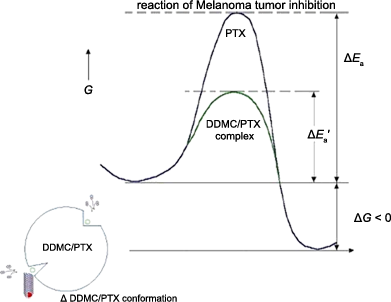
- efficacy and cell killing rate, as determined through a Michaelis–Menten-type equation, which may promote an allosteric supramolecular reaction to tubulin, in the same manner as an enzymatic reaction. The DDMC/PTX complex showed significantly higher anticancer activity compared to PTX alone in mouse skin


Effect of silver nanoparticles on human mesenchymal stem cell differentiation
Beilstein J. Nanotechnol. 2014, 5, 2058–2069, doi:10.3762/bjnano.5.214
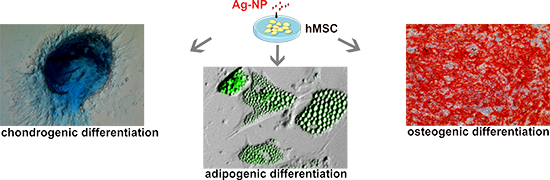
- nanomaterials have been used in numerous devices and products, such as silver sulfadiazine in the treatment of burns to reduce skin infections. Furthermore, silver has been used to coat a variety of different surfaces, such as catheters [4][5][6][7], or it has been incorporated into a hydrogel network for wound


Effects of surface functionalization on the adsorption of human serum albumin onto nanoparticles – a fluorescence correlation spectroscopy study
Beilstein J. Nanotechnol. 2014, 5, 2036–2047, doi:10.3762/bjnano.5.212
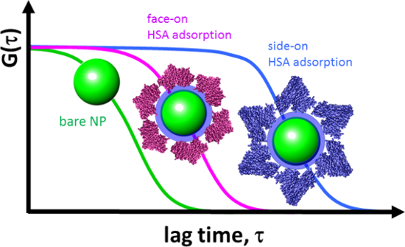
- biomatter are still not fully understood [3][4][5]. Specifically, further detailed mechanistic knowledge at the molecular level is required. Due to their small size of 1–100 nm, NPs may spontaneously enter the human body through the lung, gut or skin [6][7][8][9][10]. Upon incorporation, NPs come into



Carbon nano-onions (multi-layer fullerenes): chemistry and applications
Beilstein J. Nanotechnol. 2014, 5, 1980–1998, doi:10.3762/bjnano.5.207
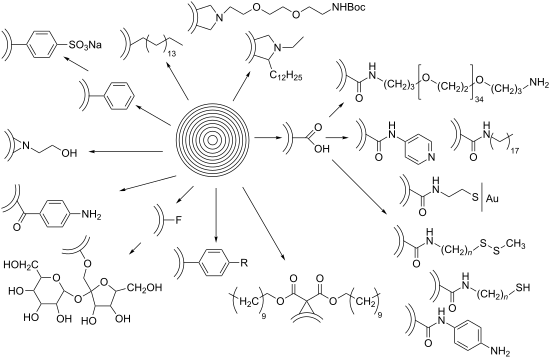
- large CNOs produced by an underwater carbon-arc discharge, as well as of multi-wall carbon nanotubes (MWCTNs) on human skin fibroblasts and found more adverse effects upon exposure to MWCNTs as compared to CNOs. However, CNOs were also found to cause negative effects on the studied cell cultures. The


PVP-coated, negatively charged silver nanoparticles: A multi-center study of their physicochemical characteristics, cell culture and in vivo experiments
Beilstein J. Nanotechnol. 2014, 5, 1944–1965, doi:10.3762/bjnano.5.205

- types (alveolar epithelial cells, macrophages, and dendritic cells), adverse effects were also only found at high silver concentrations. The silver ions that are released from silver nanoparticles may be harmful to skin with disrupted barrier (e.g., wounds) and induce oxidative stress in skin cells
- effects, such as cytotoxicity and/or (pro-)inflammatory responses are only induced by higher concentrations of silver nanoparticles. Interaction of silver nanoparticles with the human skin barrier and keratinocytes Silver is widely used in dermatology and health care as antibacterial and anti-inflammatory


A reproducible number-based sizing method for pigment-grade titanium dioxide
Beilstein J. Nanotechnol. 2014, 5, 1815–1822, doi:10.3762/bjnano.5.192
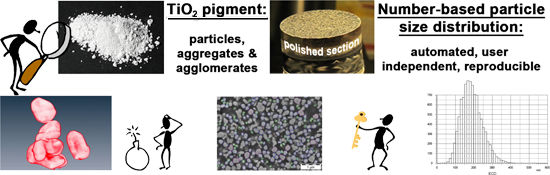
- . Preferred fields of application for rutile pigments are coatings, paints, plastics and building materials, whereas anatase pigments are mainly used in cosmetics, pharmaceuticals or food. One of the most important properties of titanium dioxide is its UV absorption, which protects human skin against sunburn
- and skin cancer. Optically transparent TiO2 is the most important ingredient of any commercially available sun cream. The most common way of achieving a transparent, highly UV-absorbent sun cream is to use intentionally manufactured nano-sized titanium dioxide. An urgent demand for reliable methods


Biocompatibility of cerium dioxide and silicon dioxide nanoparticles with endothelial cells
Beilstein J. Nanotechnol. 2014, 5, 1795–1807, doi:10.3762/bjnano.5.190
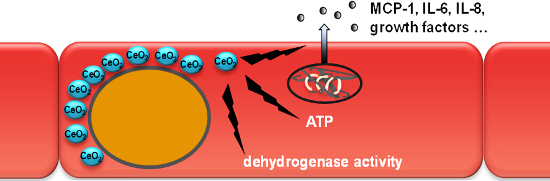
- increase in oxidative stress after CeO2 nanoparticles exposure was shown [25][26][27]. Under certain circumstances nanoparticles can pass specific biological barriers (e.g., skin via wounds or lesions) and ultimately enter the blood vessel system. In consequence, interactions between endothelial cells and


In vitro and in vivo interactions of selected nanoparticles with rodent serum proteins and their consequences in biokinetics
Beilstein J. Nanotechnol. 2014, 5, 1699–1711, doi:10.3762/bjnano.5.180
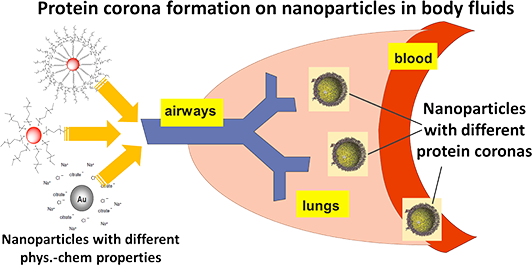
- biodistributed within and out of the body. The analysis of quantitative biokinetics can be performed after the NP administration by any route of intake, via the respiratory tract, the gastrointestinal tract, the blood circulation or the skin. Basically, the total amount of particles administered and retained in
- and skin. Estimating the skeletal AuNP fraction about 15% of the translocated AuNP were accumulated from blood to the bone marrow with its sensitive stem cell population. For more details see [10][13]. After the intravenous injection of AuNP suspensions a retention is expected in the organs of the
- skin, which is consistent with the findings after intratracheal instillation. For more details see [12]. Twenty-four hours after administration via all three routes significant amount AuNP still circulated in blood with the actual fractions depending on the particle size. Highest fractions were always


From sticky to slippery: Biological and biologically-inspired adhesion and friction
Beilstein J. Nanotechnol. 2014, 5, 1450–1451, doi:10.3762/bjnano.5.157
- of cells, insect feet, snake skin, plant traps, and bird wings are just a few striking examples of a tremendous diversity of biological surfaces and systems with remarkable contact behavior about many of which our knowledge is limited compared to medically relevant biotribosystems. Since the 90s a
- theoretical studies which range from insect adhesion, bacterial adhesion and skin friction to artificial biomimetic systems, e.g., snake-skin inspired polymer patterns or gecko tape. The Thematic Series does not attempt to give a comprehensive overview of the emerging field of biological contact mechanics

The protein corona protects against size- and dose-dependent toxicity of amorphous silica nanoparticles
Beilstein J. Nanotechnol. 2014, 5, 1380–1392, doi:10.3762/bjnano.5.151
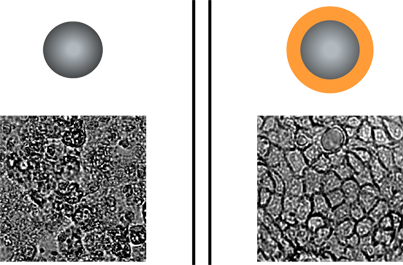
- , Langenbeckstr. 1, 55101 Mainz, Germany Department of Biochemistry and Molecular Cell Biology, University Medical Center Hamburg-Eppendorf, Germany 10.3762/bjnano.5.151 Abstract Besides the lung and skin, the gastrointestinal (GI) tract is one of the main targets for accidental exposure or biomedical