Search results
Search for "surfactants" in Full Text gives 191 result(s) in Beilstein Journal of Nanotechnology.
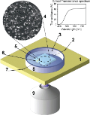
Kelvin probe force microscopy in liquid using electrochemical force microscopy
Beilstein J. Nanotechnol. 2015, 6, 201–214, doi:10.3762/bjnano.6.19
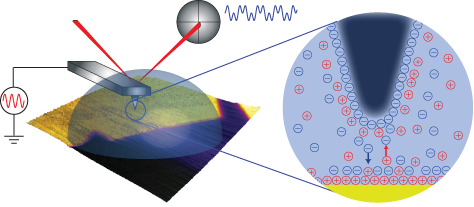
- be effectively described by Equation 2. The extension of KPFM to operation in ionically-active liquids provides an opportunity to study, e.g., multi-layered charge structures in non-polar electrified interfaces and electrochemical potentials of thin layers and surfactants. In isopropanol or milli-Q


![[Graphic 6]](/bjnano/content/inline/2190-4286-6-19-i11.png?max-width=637&scale=1.18182) response collected 200 nm above a grounded Au electrode in (a, b, c) air, (d, e, f) decane an...
response collected 200 nm above a grounded Au electrode in (a, b, c) air, (d, e, f) decane an...


![[Graphic 22]](/bjnano/content/inline/2190-4286-6-19-i27.png?max-width=637&scale=1.18182) spectra [bias-on] collected 500 nm above HOPG in aqueous solutions of increasing salt concent...
spectra [bias-on] collected 500 nm above HOPG in aqueous solutions of increasing salt concent...

![[Graphic 25]](/bjnano/content/inline/2190-4286-6-19-i30.png?max-width=637&scale=1.18182) spectra [bias-on] collected 500 nm above (a) HOPG and (b) Au in milli-Q water (vertical color...
spectra [bias-on] collected 500 nm above (a) HOPG and (b) Au in milli-Q water (vertical color...

![[Graphic 27]](/bjnano/content/inline/2190-4286-6-19-i32.png?max-width=637&scale=1.18182) spectra [bias-on] recorded 500 nm above a HOPG/Au boundary in milli-Q water. T...
spectra [bias-on] recorded 500 nm above a HOPG/Au boundary in milli-Q water. T...

Synthesis and characterization of fluorescence-labelled silica core-shell and noble metal-decorated ceria nanoparticles
Beilstein J. Nanotechnol. 2014, 5, 2413–2423, doi:10.3762/bjnano.5.251
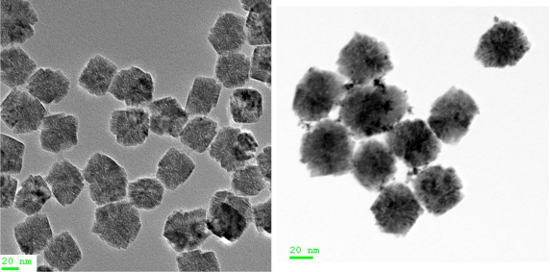
- stabilize the NP with surfactants like IGEPAL CO-520 but with no appreciable success. The only efficient approach up to now to controlled agglomeration of ceria NP is their synthesis from cerium(III) nitrate in ethanol/water mixtures in the presence of polyvinylpyrrolidone (PVP), at temperatures exceeding


Inorganic Janus particles for biomedical applications
Beilstein J. Nanotechnol. 2014, 5, 2346–2362, doi:10.3762/bjnano.5.244
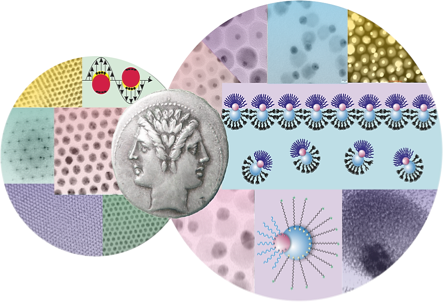
- potential applications as catalysts, in drug delivery, biomedical imaging, high-throughput immunoassays, for biological probing, and remote manipulation of devices. In addition, Janus particles may find use as surfactants, water-repellent coatings, or building blocks for supramolecular structures. We put






Liquid-phase exfoliated graphene: functionalization, characterization, and applications
Beilstein J. Nanotechnol. 2014, 5, 2328–2338, doi:10.3762/bjnano.5.242
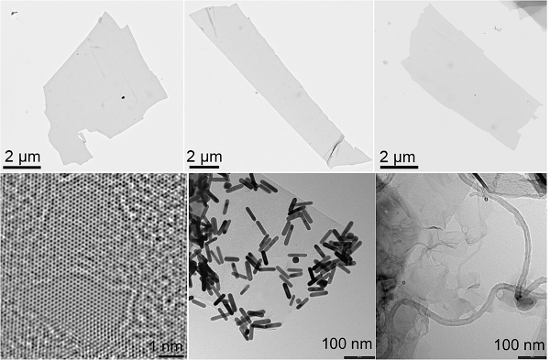
- with different physical and chemical properties. This flexibility allows the incorporation of additives such as surfactants [8], antioxidants [9], and polymers [10] during the ultrasonication process, while increasing the affinity for the solvent, the quality of the resulting graphene layers, or their
- atoms [26]. The exfoliation of graphite in water is also possible by adding surfactants as stabilizing agents. For example, graphite and sodium cholate were ultrasonicated in water for long periods up to 400 h [27]. This process easily produces stable dispersions of high-quality, free-standing graphene
- films. In order to obtain more information related to the interaction between graphene sheets and surfactants, graphene was stabilized in water dispersions using twelve different surfactants [28]. The authors found that ionic surfactants stabilize graphene sheets with a concentration that increases with




Influence of stabilising agents and pH on the size of SnO2 nanoparticles
Beilstein J. Nanotechnol. 2014, 5, 2192–2201, doi:10.3762/bjnano.5.228
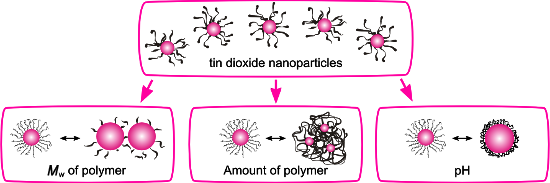
- polymer choice on the size of the resulting nanoparticles was investigated and a mechanism describing their interaction was proposed. It was found that stable colloids of SnO2 nanoparticles are formed in the presence of both PEI and Triton X-100 surfactants as stabilising agents. However, an additional
- controlled size and shape is carried out in the presence of stabilising substances. Commonly, two types of stabilisers are used, namely, polymers and surfactants [17]. The synthesis of nanoparticles in the presence of a polymer is one of the preferred ways to prevent their agglomeration. Polymers used as


Carbon nano-onions (multi-layer fullerenes): chemistry and applications
Beilstein J. Nanotechnol. 2014, 5, 1980–1998, doi:10.3762/bjnano.5.207
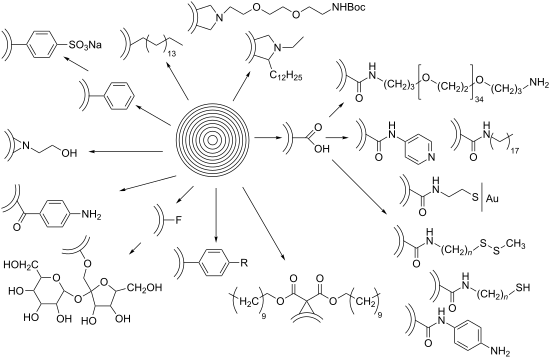
- functionalization of CNOs, especially with small molecules or surfactants, which is widely described for CNTs [23], has not been reported so far. Covalent functionalization Synthetic procedures for the covalent functionalization of CNOs are largely based on previously described strategies for the functionalization


Carbon-based smart nanomaterials in biomedicine and neuroengineering
Beilstein J. Nanotechnol. 2014, 5, 1849–1863, doi:10.3762/bjnano.5.196
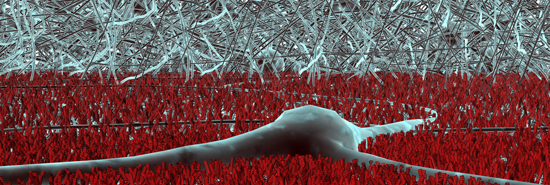
- consists of coating CNTs with surfactants, peptides, polymers, or nucleic acids, which preserve their aromatic structure, and (ii) the covalent approach [37][38][39], by means of applying several protocols, such as oxidation in strong acids, fluorination [40], and Bingel [41] and Billups [42] reactions


Controlling the dispersion of supported polyoxometalate heterogeneous catalysts: impact of hybridization and the role of hydrophilicity–hydrophobicity balance and supramolecularity
Beilstein J. Nanotechnol. 2014, 5, 1749–1759, doi:10.3762/bjnano.5.185
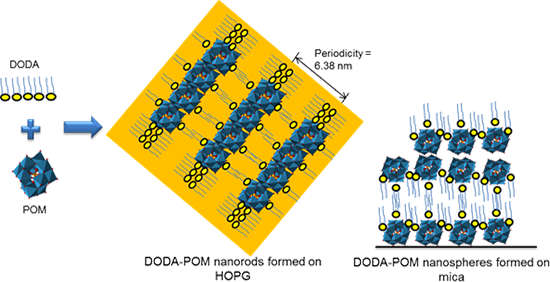
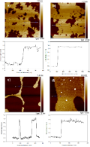
- Langmuir–Blodgett technique, exhibited a high dielectric constant, which makes them promising candidates for applications in future memory storage, and hybrid (organic–inorganic) electronic devices. Often cationic surfactants such as DODA were used as host organic matrix to synthesize organic–inorganic


Nanocrystalline ceria coatings on solid oxide fuel cell anodes: the role of organic surfactant pretreatments on coating microstructures and sulfur tolerance
Beilstein J. Nanotechnol. 2014, 5, 1712–1724, doi:10.3762/bjnano.5.181

- Chieh-Chun Wu Ling Tang Mark R. De Guire Department of Materials Science and Engineering, Case Western Reserve University, 10900 Euclid Avenue, Cleveland, Ohio, 44106-7204, USA 10.3762/bjnano.5.181 Abstract Treatments with organic surfactants, followed by the deposition of nanocrystalline ceria
- were treated with surfactants prior to immersion in an aqueous precursor solution [27]. By this approach, a nanocrystalline ceria film was formed without further heat treatment. The thickness of the film and its morphology and distribution within the microstructure of the porous SOFC anode depended
- treatments on these phenomena are discussed below. Dependence of coating characteristics on surfactant treatments Whatever effects the organic surfactants had on the cell performance could have only been exerted during the deposition of the ceria coatings. Before cell operation, during the high-temperature


Non-covalent and reversible functionalization of carbon nanotubes
Beilstein J. Nanotechnol. 2014, 5, 1675–1690, doi:10.3762/bjnano.5.178
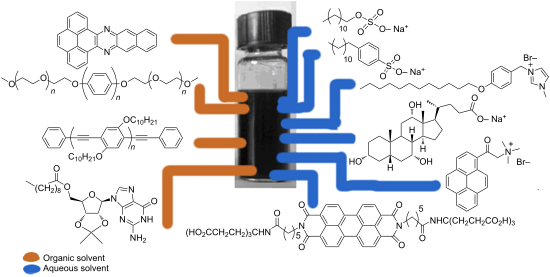
- favored by the presence of polymeric non-ionic surfactants containing a branched tail promoting a steric barrier that prevents aggregation and by unsaturated C–C bonds “securing” through π–π interactions the polymers to the Csp2 backbone of the nanotubes. Diblock (A–B) and triblock (A–B–A) copolymers
- surface and thus CNTs bundling. Non-covalent interactions for solubilizing CNTs in water In order to favor the dispersion of CNTs in water the widely and most used approach is the adsorption of surfactants onto the nanotube sidewalls. Their main advantages are their cheapness, their ready commercial
- suspensions. During the years stable aqueous CNTs dispersions were obtained with differently charged and non-ionic commercial surfactants such as sodium dodecylbenzen sulfonate (SDBS), cetyltrimethylammonium p-toluenesulfonate (CTAT), cetyltrimethylammonium bromide (CTAB) and sodium cholate (SC) enhanced by



Current state of laser synthesis of metal and alloy nanoparticles as ligand-free reference materials for nano-toxicological assays
Beilstein J. Nanotechnol. 2014, 5, 1523–1541, doi:10.3762/bjnano.5.165
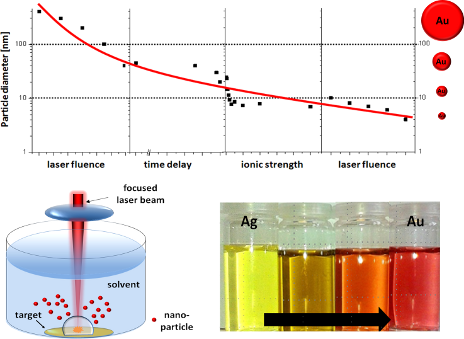
- particle properties, e.g., by inducing aggregation processes in the presence of biomolecules [20], and hence complicating bio-response studies. The removal of surfactants or residual ligands from colloidal nanoparticles is possible, e.g., by centrifugation [21], diafiltration [22] or tangential-flow
- surfactants or ligands. Above, the presence of any organic stabilizers has been completely excluded during the size control strategies. However, organic ligands are present in all biological systems anyway so the application of additives strictly limited to this environment might be an elegant route for size


Protein-coated pH-responsive gold nanoparticles: Microwave-assisted synthesis and surface charge-dependent anticancer activity
Beilstein J. Nanotechnol. 2014, 5, 1452–1462, doi:10.3762/bjnano.5.158
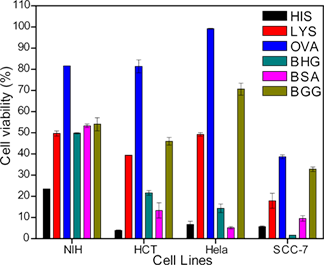
- been investigated in the synthesis of AuNPs [12][18]. However, the reducing and capping capabilities of different proteins using a single protocol for the synthesis of any nanoparticles has not been explored or reported. In our previous study, four kinds of surfactants were utilized to study their


Self-organization of mesoscopic silver wires by electrochemical deposition
Beilstein J. Nanotechnol. 2014, 5, 1285–1290, doi:10.3762/bjnano.5.142
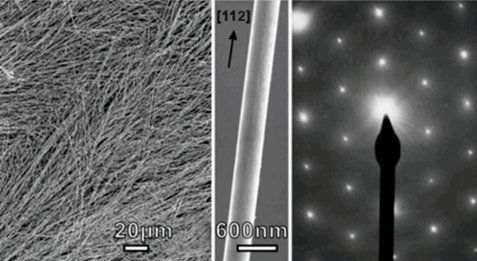
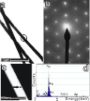
- fabricated from AgNO3 electrolyte via electrodeposition without the help of templates, additives, and surfactants. Although the wire growth speed is very fast due to growth under non-equilibrium conditions, the wire morphology is regular and uniform in diameter. Structural studies reveal that the wires are
- potentiostatic mode without the need to use any templates, surfactants or additives. At the same time, our method has the advantages of high deposition rate, low reaction temperature, and low cost which are traditionally associated with electrochemical deposition techniques [27]. Results and Discussion The
- the wire are rough. Conclusion We have reported a novel technique for fabricating single-crystalline silver wires by electrochemical deposition, without introducing templates, additives and surfactants. The simple experimental setup and the wide range of control parameters make this approach a




Template-directed synthesis and characterization of microstructured ceramic Ce/ZrO2@SiO2 composite tubes
Beilstein J. Nanotechnol. 2014, 5, 1152–1159, doi:10.3762/bjnano.5.126
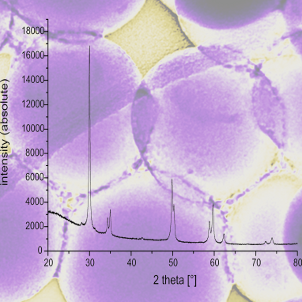
- -precipitation for the preparation of powders [13], impregnation [9], dip-coating [5], or hydrothermal synthesis [4], sol–gel synthesis routes have been widely employed for the preparation of CexZr1−xO2 solid solutions [14]. Pure aqueous sols or sols stabilized by the addition of organics, e.g., surfactants




Pyrite nanoparticles as a Fenton-like reagent for in situ remediation of organic pollutants
Beilstein J. Nanotechnol. 2014, 5, 855–864, doi:10.3762/bjnano.5.97
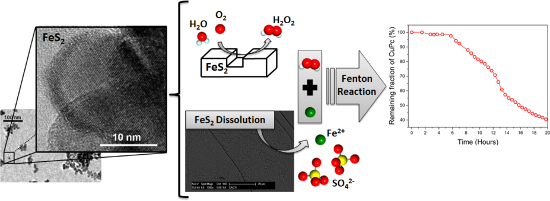
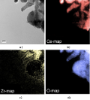
- concentrations of precursors were employed [23][24][25][26]. This factor can be a limitation when high crystallinity is required; in such cases, use of low reagent concentrations or surfactants is often required to keep the particles apart. However, for the purposes of our work, the formation of interphases with


Injection of ligand-free gold and silver nanoparticles into murine embryos does not impact pre-implantation development
Beilstein J. Nanotechnol. 2014, 5, 677–688, doi:10.3762/bjnano.5.80
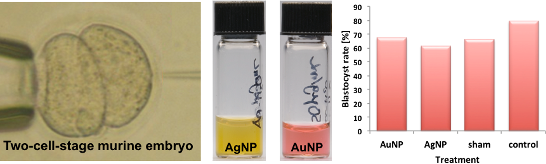
- nanoparticle production – in particular the use of surfactants or stabilizers which may adsorb to the nanoparticle surface – a comparison is difficult and resilient conclusions remain elusive. In this context, it has been recently reported that the ligand type and its anchoring on the nanoparticle surface
- surfactants or ligands. Surfactants might have a great impact on nanoparticle toxicity. For instance, only changing the strength of ligand affinity to the nanoparticle, without changing its size or charge, significantly affects the toxicity even for gold nanoparticles. This difference in soft and hard ligand




In vitro toxicity and bioimaging studies of gold nanorods formulations coated with biofunctional thiol-PEG molecules and Pluronic block copolymers
Beilstein J. Nanotechnol. 2014, 5, 546–553, doi:10.3762/bjnano.5.64
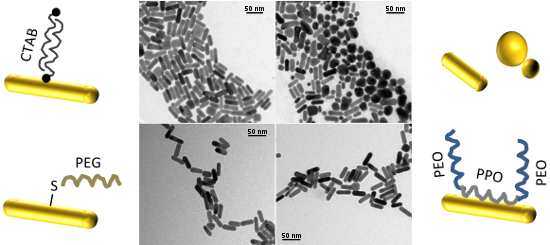
- aspect ratios of rod nanoparticles. This method typically involves the use of cetyltrimethylammonium bromide (CTAB) surfactants as directing agents to grow gold nanorods in the solution phase. The as-synthesized gold nanorods surfaces are terminated with CTAB molecules and this formulation gives rise to
- precipitates in the solution. CTAB molecules are known to serve as surfactants for passivating the particles surface and maintaining the colloidal stability of the particles. The disruption and removal of CTAB from the gold particle surface results in large attractive interparticle forces, so that the
- observe a significant increase in the cell viability to up to 70%. This demonstrates that the toxicity of the formulation was drastically reduced by removing CTAB surfactants from the particle suspension. However, further washing treatments to the AuNRs is infeasible because the particles will become


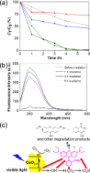
Mesoporous cerium oxide nanospheres for the visible-light driven photocatalytic degradation of dyes
Beilstein J. Nanotechnol. 2014, 5, 517–523, doi:10.3762/bjnano.5.60
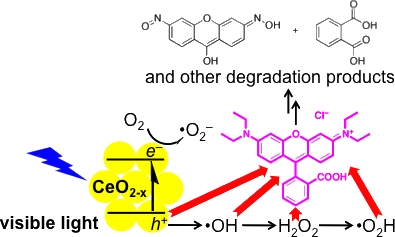
- secondary roles in the photocatalytic destruction of RhB. Conclusion In summary, we have presented a facile, solvothermal synthesis of new mesoporous cerium oxide nanospheres, with isopropanol and ethylene glycol as the solvents and reducing agents. No expensive surfactants and templates have been used in
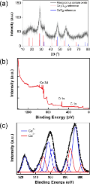
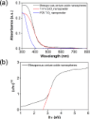
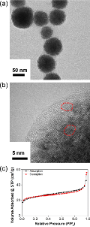

Controlled synthesis and tunable properties of ultrathin silica nanotubes through spontaneous polycondensation on polyamine fibrils
Beilstein J. Nanotechnol. 2013, 4, 793–804, doi:10.3762/bjnano.4.90
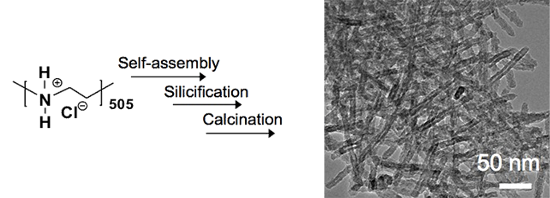
- aggregates from surfactants or functional small molecules have also been developed for templating the formation of silica nanotubes [10][11][12][13][14][15]. However, these conventional methods cannot, in principle, avoid a non-templated silica deposition and also need harsh sol–gel conditions, such as long


A facile synthesis of a carbon-encapsulated Fe3O4 nanocomposite and its performance as anode in lithium-ion batteries
Beilstein J. Nanotechnol. 2013, 4, 699–704, doi:10.3762/bjnano.4.79
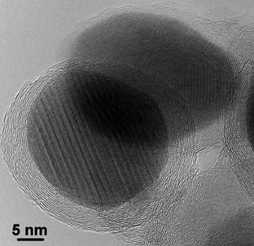
- or surfactants. The structure and morphology of the nanocomposite was investigated by X-ray diffraction, scanning electron microscopy, transmission electron microscopy, Brunauer–Emmett–Teller analysis and Raman spectroscopy. Fe3O4 nanoparticles are dispersed intimately in a carbon framework. The
- , plasma synthesis, electro-spray, and laser pyrolysis techniques. Much improved electrochemical performances have been achieved with the modified materials [13]. However, all aforementioned methods need multi-step processes that include removing solvents, surfactants, or templates. Especially, the removal
- carbon encapsulated Fe3O4 nanocomposite [Fe3O4–C] by employing Fe(CO)5 precursor without any templates, solvents, or surfactants. This raw material acts not only as the source of iron and oxygen, but also of carbon, which gives rise to typical nanostructures. Fe3O4 nanoparticles are dispersed intimately


Large-scale atomistic and quantum-mechanical simulations of a Nafion membrane: Morphology, proton solvation and charge transport
Beilstein J. Nanotechnol. 2013, 4, 567–587, doi:10.3762/bjnano.4.65
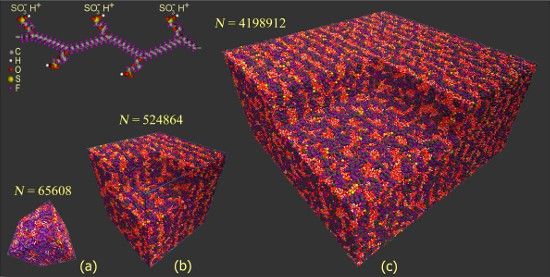
- for both triblock copolymer melts and amphiphile/water systems [70][71]. In particular, bicontinuous cubic phases (e.g., DD and DG) and transitions between them are often observed for mixtures of water with surfactants or lipids [71]. The observed specific structural organization of hydrated Nafion
- units is not too high, the monolayers are folded in such a way as to form a pattern of connected water channels. Such a behavior is typical for surfactants, lipids, polymeric foams, and assemblies of soap bubbles. In principle, the same percolating structures we observe for our model membrane. In this


Near-field effects and energy transfer in hybrid metal-oxide nanostructures
Beilstein J. Nanotechnol. 2013, 4, 306–317, doi:10.3762/bjnano.4.34
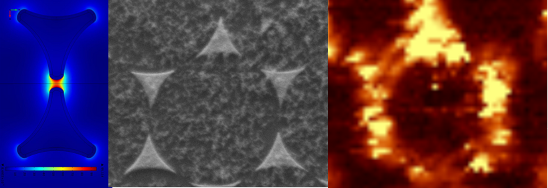
- using organic surfactants. Results of the ALD post-processing of TiO2:Eu nanoparticles are shown in Figure 7 and Figure 8. Figure 7 shows a STEM image of TiO2:Eu nanoparticles coated with 3 nm of Al2O3. In addition, a thin layer of TiO2 was added at the end of the process in order to test the
- with surfactants. In this part of the study, we used a nanosuspension based on a commercial fluorescent organic pigment (VTLUNP by LuminoChem), which exhibits excitation and emission spectra very similar to the ones of the TiO2:Eu. The luminescent center in this pigment is Eu. The emission spectrum for








Nanoscopic surfactant behavior of the porin MspA in aqueous media
Beilstein J. Nanotechnol. 2013, 4, 278–284, doi:10.3762/bjnano.4.30
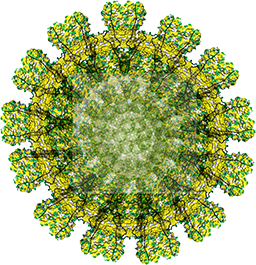
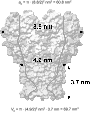
- in aqueous phase. Engelhardt et al. have established by using high-resolution TEM that MspA forms micelles and linear aggregates on surfaces showing a zipper-like pattern in the absence of surfactants, and that MspA is able to reconstitute in dimyristoyl phosphatidylcholine (DMPC) vesicles in the
- of surfactants forming spherical or ellipsoidal micelles. To our surprise, TEM characterization of MspA aggregates clearly indicated the formation of vesicles (Figure 4). However, vesicles are typically formed by surfactant bilayers featuring a packing parameter in the range of 0.5 to 1.0 [25]. This




Hydrogen-plasma-induced magnetocrystalline anisotropy ordering in self-assembled magnetic nanoparticle monolayers
Beilstein J. Nanotechnol. 2013, 4, 164–172, doi:10.3762/bjnano.4.16
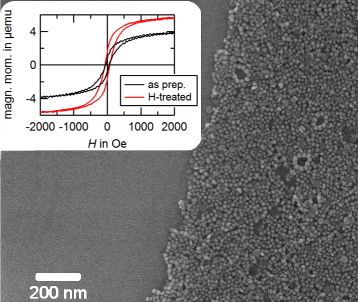
- mmol) dicobaltoctacarbonyl Co2(CO)8 was dissolved in 2 mL of 1,2-dichlorobenzene and rapidly injected into the refluxing bath. After a reaction time of 15 min, the mixture was cooled to room temperature. Due to the different surfactants present during the particle formation, particles in sample I are




Functionalization of vertically aligned carbon nanotubes
Beilstein J. Nanotechnol. 2013, 4, 129–152, doi:10.3762/bjnano.4.14
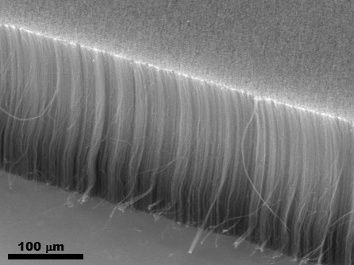
- salts diluted in alcoholic solutions; however, stable solutions by using surfactants [38] or applying a sol–gel process [39] can be also used. The main disadvantage of the chemical method is the difficulty of optimizing the catalyst solution. The template-based approach in which the catalysts are