Search results
Search for "infrared" in Full Text gives 568 result(s) in Beilstein Journal of Nanotechnology. Showing first 200.
A self-powered, flexible ultra-thin Si/ZnO nanowire photodetector as full-spectrum optical sensor and pyroelectric nanogenerator
Beilstein J. Nanotechnol. 2020, 11, 1623–1630, doi:10.3762/bjnano.11.145
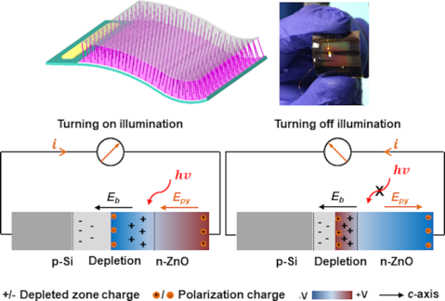
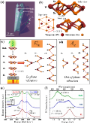
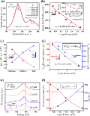
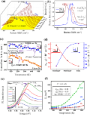
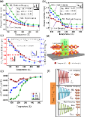
- systematically analyzed. The self-powered PDs exhibit high responsivity (1200 mA/W), high detectivity (1013 Jones) and fast response (τr = 18 μs, τf = 25 μs) under UV illumination. High and stable short-circuit output currents at each wavelength from ultraviolet (UV) to near-infrared (NIR) demonstrates that the
- light from ultraviolet to near-infrared have attracted widespread attention in recent years for a variety of applications in industry and technology, such as optical sensing/communication, environmental monitoring, biomedicine, and the “internet of things” [1][2][3][4]. Especially full-spectrum PDs
- -infrared (NIR) (1064 nm) under zero bias with fast response speed at each wavelength. The self-power PDs exhibit high responsivity (1200 mA/W), high detectivity (1013 Jones) and fast response speed (τr = 18 μs, τf = 25 μs) under UV illumination. The pyroelectric output current can drive a LED by harvesting


High-responsivity hybrid α-Ag2S/Si photodetector prepared by pulsed laser ablation in liquid
Beilstein J. Nanotechnol. 2020, 11, 1596–1607, doi:10.3762/bjnano.11.142
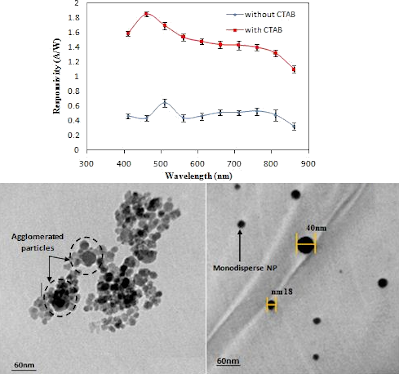
- ][6]. Silver sulfide nanoparticles (NPs) are extensively used in many applications, such as photoconductors, solar cells, infrared (IR) photodetectors, biosensors, photocatalysts, and probes [7][8][9]. A number of techniques have been used to synthesize nanostructured Ag2S, including facile
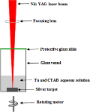
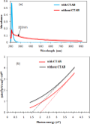
- . synthesized monodisperse Ag2S NPs by using a sonochemical method and fabricated photodetector devices by integrating Ag2S NPs on a graphene sheet [17]. Tretyakov et al. [18] reported the characterization of a Ag2SQD (quantum dots)/Si heterojunction photodetector used for short-wave infrared radiation




Optically and electrically driven nanoantennas
Beilstein J. Nanotechnol. 2020, 11, 1542–1545, doi:10.3762/bjnano.11.136

- , Germany 10.3762/bjnano.11.136 Keywords: active plasmonics; electrically driven nanoantenna; gap antenna; nanoantenna; nanofabrication; nanospectroscopy; nano-photonics; optical antenna; second harmonic generation; sensing; scanning tip; surface-enhanced infrared absorption (SEIRA); surface-enhanced Raman
- SERS signal under operation conditions. Moving further towards the (near-) infrared regime, different antennas are employed in a surface-enhanced infrared absorption (SEIRA) configuration [45]. Here the aim is to detect low concentrations of semiconductor nanocrystals through maximum local enhancement
Wafer-level integration of self-aligned high aspect ratio silicon 3D structures using the MACE method with Au, Pd, Pt, Cu, and Ir
Beilstein J. Nanotechnol. 2020, 11, 1439–1449, doi:10.3762/bjnano.11.128
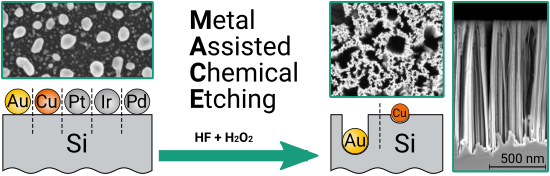
- with the Au nanoparticles. The reflectance of visible and near-infrared light (380–1050 nm) is shown on the left side of the graph. The right side summarises this range within a boxplot (see [28]). The wafer, etched without H2O2, shows a high reflectance of approximately 34%. The process with 50 mmol/L
- structure stability is required for reproducible results. In contrast, the open nanowires obtained with Pd showed a significant reduction of the reflectance in a wide spectral range. For violet light, the measured reflectance was below 2%. In the near-infrared spectral range, the reflectance raised up to 9


Structural and electronic properties of SnO2 doped with non-metal elements
Beilstein J. Nanotechnol. 2020, 11, 1321–1328, doi:10.3762/bjnano.11.116
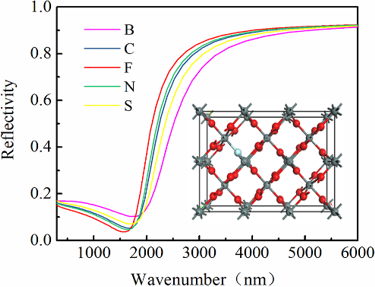
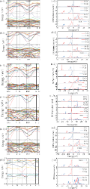
- reflectivity in the infrared region, and the reflectance of the crystals doped with N, C, S, and B decreased sequentially. Based on this theoretical calculations, F-doped SnO2 is found to be the best photoelectric material for preparing low-emissivity coatings. Keywords: density functional theory (DFT); doped
- -emissivity glass. The most important property of low-emissivity is the reflectivity in the infrared region. According to the reflectance spectrum of the material, a good adiabatic behavior of the material requires the plasma frequency to be close to the visible region. Plasma is a system in which the
- replacement doping. S-doping forms p-type semiconductors, and F-doping forms n-type semiconductors. The optical analysis results revealed that F-doped SnO2 possesses the highest reflectivity in the infrared region, and is most suitable as a low-emissivity coating material. Schematic diagram of the structure



Structure and electrochemical performance of electrospun-ordered porous carbon/graphene composite nanofibers
Beilstein J. Nanotechnol. 2020, 11, 1280–1290, doi:10.3762/bjnano.11.112
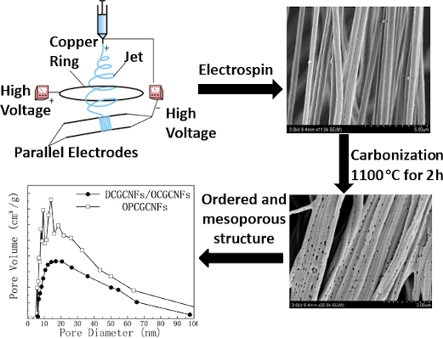
- ) analysis (Rigaku D/Max-rB, Japan), with diffraction angle values ranging from 5° to 60°, was performed to examine the crystalline structure of CCGNFs. A Fourier-transform infrared spectrometer (FTIR) (Frontier, Perkin-Elmer Company, USA) was used to investigate the structural changes of the CNFs before and


Ultrasensitive detection of cadmium ions using a microcantilever-based piezoresistive sensor for groundwater
Beilstein J. Nanotechnol. 2020, 11, 1242–1253, doi:10.3762/bjnano.11.108
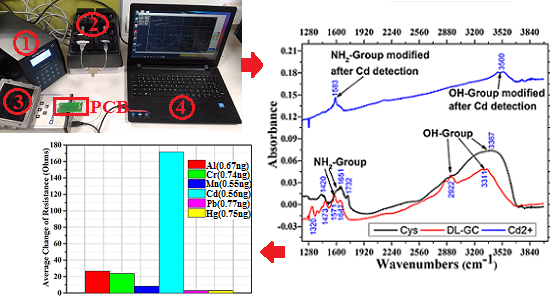
- 0.56 ng Cd(II) is 877.72 Ω. Characterization using Fourier-transform infrared spectroscopy (FTIR) FTIR is a mature technique for elemental analysis and the identification of functional groups. The FTIR results show –OH stretching in the range of 2900–3750 cm−1 and N–H bending (1350–1750 cm−1) [48][49





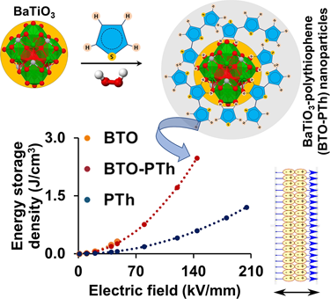
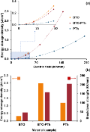
High permittivity, breakdown strength, and energy storage density of polythiophene-encapsulated BaTiO3 nanoparticles
Beilstein J. Nanotechnol. 2020, 11, 1190–1197, doi:10.3762/bjnano.11.103
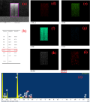
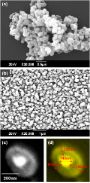
- mixture. All materials including BTO, BTO-PTh, and PTh are characterized using Fourier-transform infrared spectroscopy (Nicolet 520 FTIR spectrophotometer) and X-ray diffraction (STOE STADI P X-ray diffractometer). The morphology of BTO and BTO-PTh nanoparticles is studied using scanning electron




Photothermally active nanoparticles as a promising tool for eliminating bacteria and biofilms
Beilstein J. Nanotechnol. 2020, 11, 1134–1146, doi:10.3762/bjnano.11.98
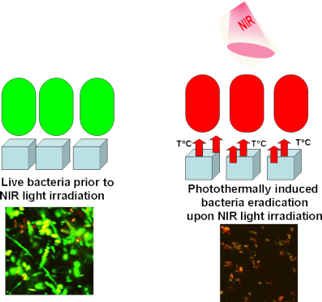
- being drawn to photothermally active nanoparticles that are capable of converting absorbed light into heat. These nanoparticles can efficiently eradicate bacteria and biofilms upon light activation (predominantly near the infrared to near-infrared spectral region) due a rapid and pronounced local
- have advantages over other NPs, such as controlled and sustained release, enhanced solubility and biocompatibility [30][31][32]. Within the wide variety of existing nanomaterials with antibacterial properties, photothermally active nanoparticles, with absorption in the visible–near-infrared (NIR
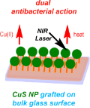
- excitation by near-infrared light at 808 nm causes localized heating (up to 81 °C) that is capable of destroying the bacteria nearby [61]. Gold nanostar monolayers with a tunable LSPR absorption were grafted onto glass slides and were found to efficiently eliminate an S. aureus biofilm upon NIR laser


Gram-scale synthesis of splat-shaped Ag–TiO2 nanocomposites for enhanced antimicrobial properties
Beilstein J. Nanotechnol. 2020, 11, 1119–1125, doi:10.3762/bjnano.11.96
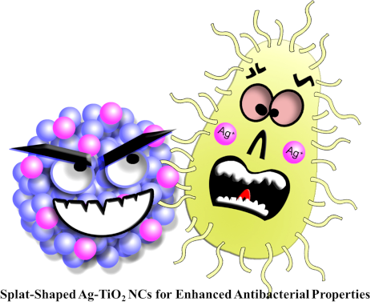
- Rigaku D/Max 2500 powder diffractometer with Cu Kα radiation (λ = 1.5406 Å). Scanning electron microscopy (SEM, JSM5610LV, JEOL, Japan) was used to observed the morphology of the Ag–TiO2 NPs. The sample components were examined by energy-dispersive X-ray spectroscopy. Fourier-transform infrared
- spectroscopy (FTIR, Nicolet IS50) was used to measure the infrared spectra. To detect the absorption profile of the prepared samples, the UV–vis spectroscopy technique was used. In vitro cytotoxicity The Cell Counting Kit-8 (CCK-8) was purchased from Beyotime Biotechnology (Shanghai, China). Human colon


Applications of superparamagnetic iron oxide nanoparticles in drug and therapeutic delivery, and biotechnological advancements
Beilstein J. Nanotechnol. 2020, 11, 1092–1109, doi:10.3762/bjnano.11.94
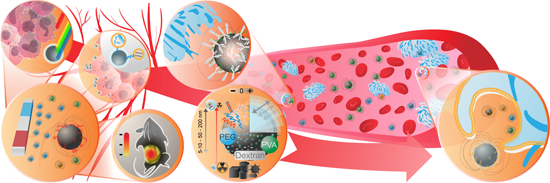
- ]. Recently, SPIONs were observed to be good candidates for photothermal and photodynamic therapy, using near-infrared (700–2000 nm) laser excitation of the nanomaterial. For these therapies, SPIONs are theoretically preferred in larger clusters, although studies have shown that they can yield up to 12 °C
- temperature increase even in the ultrasmall range (4–5 nm SPIONs at 785 nm laser wavelength, 800 mW power for 20 min) [136]. The study concluded that ultrasmall SPIONs can also produce heat by excitation with wavelengths smaller than near infrared and that the heating efficacy depends on the laser power. Some
- for MRI and fluorescence imaging with good cytocompatibility. Park et al. [161] synthesized SPIONs coated with folate containing 64Cu for positronic emission tomography and MRI. Cai et al. [162] obtained 12 nm SPIONs coated with a near-infrared fluorescent dye for dual in vivo imagistics (MRI and


A new photodetector structure based on graphene nanomeshes: an ab initio study
Beilstein J. Nanotechnol. 2020, 11, 1036–1044, doi:10.3762/bjnano.11.88
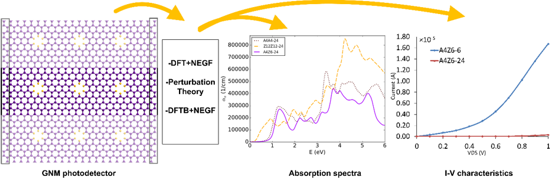
- GNMs have both metallic and semiconducting properties depending on the arrangements of perforations. Also, absorption spectrum analysis indicates attractive infrared peaks for GNMs with semiconducting characteristics, making them better photodetectors than graphene nanoribbon (GNR)-based alternatives
- . The results suggest that GNMs can be potentially used in mid-infrared detectors with specific detectivity values that are 100-fold that of graphene-based devices and 1000-fold that of GNR-based devices. Hence, the special properties of graphene combined with the quantum feathers of the perforation
- materials using optical analysis. Finally, by calculating the photocurrent of the detectors based on these materials, we discuss the benefits of using them as infrared detectors. Armchair graphene nanoribbons (AGNRs) are often classified into three families, namely 3m, 3m + 1, and 3m + 2 (m is a positive


Gas-sensing features of nanostructured tellurium thin films
Beilstein J. Nanotechnol. 2020, 11, 1010–1018, doi:10.3762/bjnano.11.85
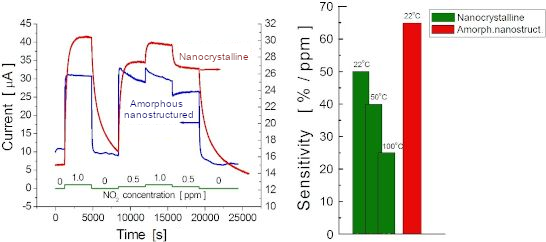
- films; Introduction Tellurium (Te) is a multifunctional chemical element used for the development of many devices, such as diodes with high (106) rectification ratios, thin-film field-effect transistors, optical recording media, infrared and UV detectors, strain-sensitive devices and others (see [1][2


Uniform Fe3O4/Gd2O3-DHCA nanocubes for dual-mode magnetic resonance imaging
Beilstein J. Nanotechnol. 2020, 11, 1000–1009, doi:10.3762/bjnano.11.84
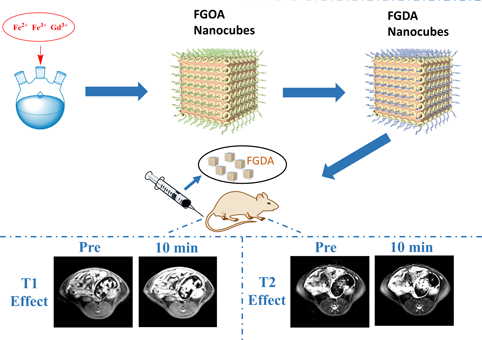
- (Figure 2i). Fourier-transform infrared spectroscopy (FTIR) was conducted to verify the nanocube surface modifiers before and after DHCA exchange. By comparing the FTIR spectra of FGOA and FGDA nanocubes (Figure 2i), it is possible to conclude that the two samples display distinct characteristic
- Kα (λ = 1.5406 Å)) was used to determine the crystalline structure of the nanocubes. The diffractometer was operated at 40 kV and 30 mA. Scanning was performed at 2θ values ranging from 20 to 80° at a rate of 0.05°·s−1. Fourier-transform infrared spectroscopy was performed on the samples over a



A 3D-polyphenylalanine network inside porous alumina: Synthesis and characterization of an inorganic–organic composite membrane
Beilstein J. Nanotechnol. 2020, 11, 938–951, doi:10.3762/bjnano.11.78
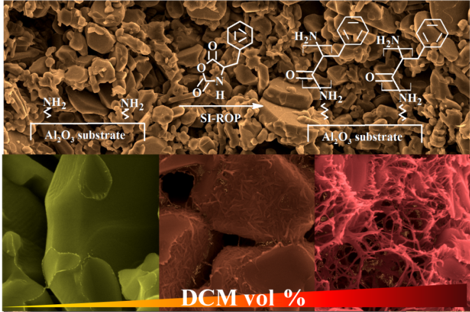
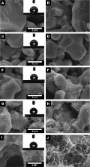
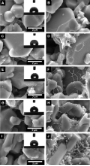
- electron microscopy (SEM), near-infrared spectroscopy (NIR) and contact angle measurements (CA) reveals a change in morphology of the grafted polymer films, which is due to the rearrangement of the secondary structure of the polypeptides. No significant loss of the surface-grafted polypeptides was
- hydrolyzed monomers or an alternative polymerization mechanism [40][41]. The characterization of these composite materials was performed by NIR-spectroscopy (NIR), water contact angle measurements (CA), scanning electron microscopy (SEM) and thermogravimetric (TG) measurements. Mid- and near-infrared
- rearrangement during the second dewetting process. At the outer surface the ability to rearrange is improved by convection initiated due to frequent mechanical agitation of the flask during the CHCl3/DCA treatment. NIR characterization of grafted polyphenylalanine Near-infrared spectroscopic analysis can




Key for crossing the BBB with nanoparticles: the rational design
Beilstein J. Nanotechnol. 2020, 11, 866–883, doi:10.3762/bjnano.11.72
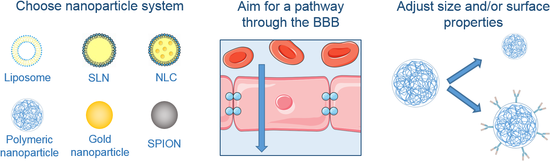
- , which allows them to strongly absorb light in the infrared region [177][178]. The advantage of AuNRs over AuNPs is that their aspect ratio (length divided by width) allows for the adjustment of the absorption wavelength in the near infrared (NIR) region (650–1350 nm), thus exploiting the so-called


Templating effect of single-layer graphene supported by an insulating substrate on the molecular orientation of lead phthalocyanine
Beilstein J. Nanotechnol. 2020, 11, 814–820, doi:10.3762/bjnano.11.66
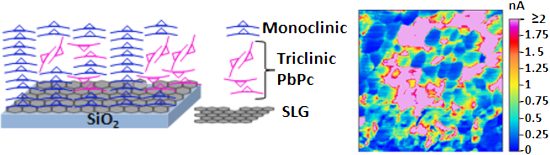
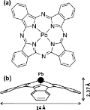
- –molecule interactions [1][2][3][4]. Nonplanar MPcs, such as lead phthalocyanine (PbPc), are particularly interesting in the field of photovoltaics due to their extraordinary near-infrared (NIR) absorption. The chemical structure of a PbPc molecule is given in Figure 1. The well-known polymorphs of


Light–matter interactions in two-dimensional layered WSe2 for gauging evolution of phonon dynamics
Beilstein J. Nanotechnol. 2020, 11, 782–797, doi:10.3762/bjnano.11.63
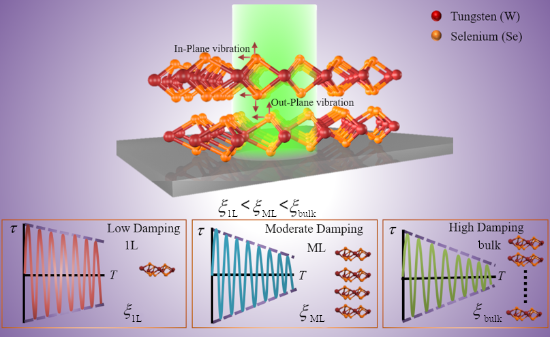
- the following in Equation 1 [7], among which A1g, E1g, are the Raman active optical modes, are the acoustic phonon modes, are the infrared active modes, and E2u, B1u, are the four optically inactive modes; however the mode is active for bilayer and thicker WSe2. In this study we focus on the
Hexagonal boron nitride: a review of the emerging material platform for single-photon sources and the spin–photon interface
Beilstein J. Nanotechnol. 2020, 11, 740–769, doi:10.3762/bjnano.11.61
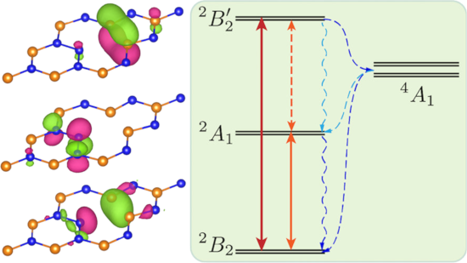
- ) with proven single-photon emission from the visible to infrared, a quantum spin–photon interface, and ancilla qubits, it is expected that other material platforms could emerge with similar characteristics in the near future. These two materials also naturally lead to monolithic integrated photonics as
- -BN as an SPE is still thwarted by the wavelength variability of the ZPL from one emitter to another, which spans a broad spectral range from the UV to the visible up to the near-infrared regions [101][102]. As an example of some of the results, Figure 2 taken from [103] summarizes the photo-physics




Preparation, characterization and photocatalytic performance of heterostructured CuO–ZnO-loaded composite nanofiber membranes
Beilstein J. Nanotechnol. 2020, 11, 631–650, doi:10.3762/bjnano.11.50
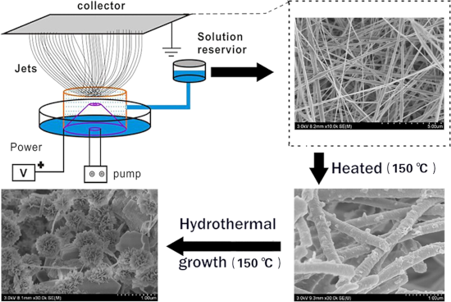
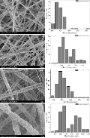
- -transform infrared spectroscopy (FTIR, Nicolet5700, Thermo Nicolet Company, Waltham, MA, USA), carrying out 32 scans within the wavenumber range of 400–4000 cm−1 with a resolution of 4 cm−1. X-ray diffraction (XRD) analyses were carried out using a Philips X’Pert-Pro MPD (PANalytical, Almelo & Eindhoven











Silver-decorated gel-shell nanobeads: physicochemical characterization and evaluation of antibacterial properties
Beilstein J. Nanotechnol. 2020, 11, 620–630, doi:10.3762/bjnano.11.49
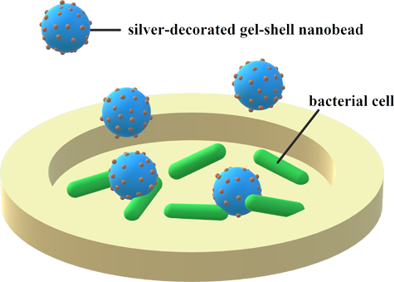
- calculated using the Smoluchowski equation. Spectroscopy Fourier-transform infrared data were collected with a Nicolet 6700 Continuum FTIR microscope (Thermo Electron Corporation). The chemical composition of the structure was examined using X-ray photoelectron spectroscopy (Kratos Analytical Axis Ultra DLD


Soybean-derived blue photoluminescent carbon dots
Beilstein J. Nanotechnol. 2020, 11, 606–619, doi:10.3762/bjnano.11.48
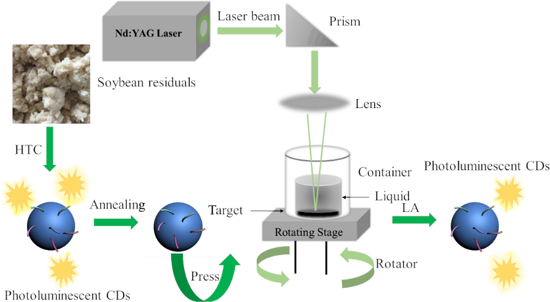
- –visible spectrophotometer (Thermal Scientific Evolution 201). The Fourier-transform infrared spectroscopy (FTIR) analysis of the prepared carbon nanoparticles was conducted on a Fourier transform infrared instrument (Nicolet iS50) in the wavenumber range of 400 to 4000 cm−1 at a resolution of 4 cm−1


Luminescent gold nanoclusters for bioimaging applications
Beilstein J. Nanotechnol. 2020, 11, 533–546, doi:10.3762/bjnano.11.42
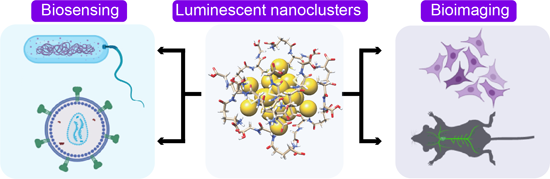
- of colors covering ultraviolet to near-infrared (NIR). Furthermore, SCQDs offer better sensitivity, stability against photobleaching, and a narrow spectral bandwidth compared to conventional organic dyes. However, due to their cytotoxicity, the tendency to undergo aggregation inside the cells, and
- U87MG tumors engrafted in the brain (Figure 7F). Again, [Au25(ZWMe2)18] was found to yield a three times stronger signal than [Au25(SG)18] at 1 h post-injection. Chen et al. have shown that zwitterionic LA-sulfobetaine-capped AuNCs can be used for in vivo shortwave infrared imaging using a mouse model


Multilayer capsules made of weak polyelectrolytes: a review on the preparation, functionalization and applications in drug delivery
Beilstein J. Nanotechnol. 2020, 11, 508–532, doi:10.3762/bjnano.11.41
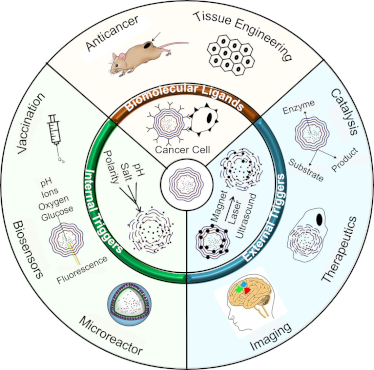



Interfacial charge transfer processes in 2D and 3D semiconducting hybrid perovskites: azobenzene as photoswitchable ligand
Beilstein J. Nanotechnol. 2020, 11, 466–479, doi:10.3762/bjnano.11.38
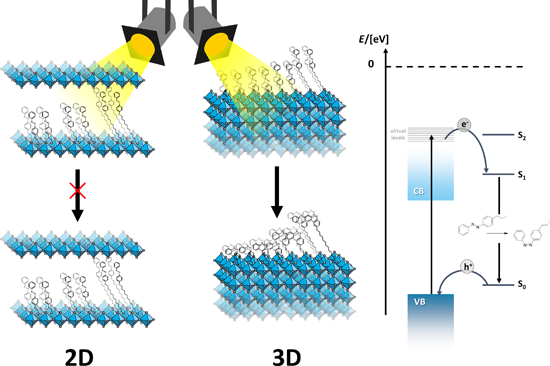
- presence of the azo compounds was verified using a combination of Fourier-transform infrared (FTIR) and UV–vis absorption spectroscopy. A characteristic vibration at 2991 cm−1, which can be associated to the N–H stretching vibrations of the ammonium headgroup (Figure 4E), vanishes completely for 3D-AzoC2