Search results
Search for "matrix" in Full Text gives 846 result(s) in Beilstein Journal of Nanotechnology. Showing first 200.
Theoretical investigations of oxygen vacancy effects in nickel-doped zirconia from ab initio XANES spectroscopy at the oxygen K-edge
Beilstein J. Nanotechnol. 2022, 13, 975–985, doi:10.3762/bjnano.13.85
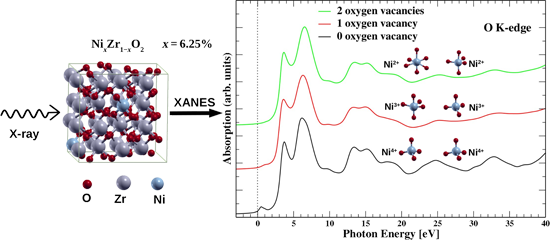
- varying concentrations. Specifically, our model system consist of a supercell composed of a zirconia (ZrO2) matrix containing two nickel dopants (2Ni), which substitute two Zr atoms at a finite separation. We found the 2Ni atoms to be most stable in a ferromagnetic configuration in the absence of oxygen
- hybridized with unoccupied Ni 3d states. The intensity of this pre-edge peak, however, reduces upon the introduction of a single vacancy in the 2Ni-doped zirconia matrix. The corresponding ground state remains ferromagnetic, while one of the nickel atoms adopts a trigonal bipyramidal geometry, and the other
- spectrum shows a further decrease in the intensity of the pre-edge peak, compared to the case of a single vacancy. Thus, the changes in the intensity of the pre-edge peak evidence a major structural change in the local environment around nickel atoms and, by extension, in the zirconia matrix. This change


Design of a biomimetic, small-scale artificial leaf surface for the study of environmental interactions
Beilstein J. Nanotechnol. 2022, 13, 944–957, doi:10.3762/bjnano.13.83
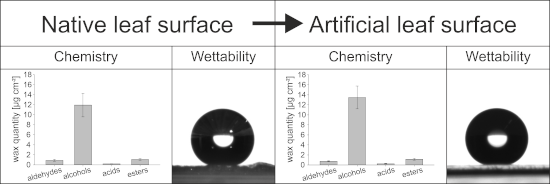
- [1]. The plant cuticle is a thin extracellular membrane superimposed on the epidermal cells of all higher, non-woody, aboveground plant surfaces. It is basically composed of an insoluble polymeric matrix, cutin, and soluble hydrophobic waxes. The plant cuticle is known to have a variety of vital
- differentiated into intracuticular waxes, which are incorporated into the cutin matrix, and epicuticular waxes, which are deposited on the polymer. Intra- and epicuticular waxes differ not only in their localization, but also in their chemical composition [12][13]. Epicuticular waxes form the outermost layer of
Bioselectivity of silk protein-based materials and their bio-inspired applications
Beilstein J. Nanotechnol. 2022, 13, 902–921, doi:10.3762/bjnano.13.81
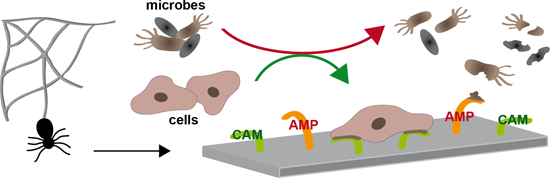
- , Universitätsstr. 30, 95440 Bayreuth, Germany 10.3762/bjnano.13.81 Abstract Adhesion to material surfaces is crucial for almost all organisms regarding subsequent biological responses. Mammalian cell attachment to a surrounding biological matrix is essential for maintaining their survival and function concerning
- achieve proper organization and communication, cells produce a large number of adhesion molecules that mediate cell contact phenomena based on receptor–ligand interactions [8]. The ability of mammalian cells to adhere to other cells, tissues, or the extracellular matrix (ECM) via specific molecular
- members of the IgSF are known to mediate cell–cell adhesion, while integrins typically bind to extracellular matrix proteins [12]. As a special case, immune cell integrins also bind to ligands both soluble and on other cells. Additional classification of the CAMs relates to their ligands and type of


Numerical modeling of a multi-frequency receiving system based on an array of dipole antennas for LSPE-SWIPE
Beilstein J. Nanotechnol. 2022, 13, 865–872, doi:10.3762/bjnano.13.77
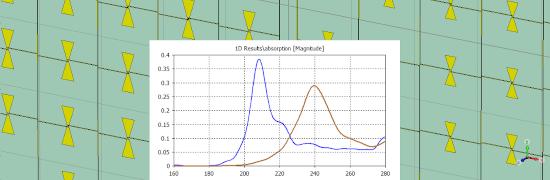
- the operating frequency range. For correct numerical modeling of the frequency response of the receiving system, it is necessary to know the distribution of the field of the incident wave on the matrix of receiving cells. The most consistent would be modeling a back-to-back horn irradiated by a plane
- electromagnetic wave with a receiving matrix installed in the opposite opening. However, this task requires a lot of computational resources. Therefore, the problem of irradiating the receiving matrix with an incoming radiation was divided into two parts. The first problem was to determine the mode composition of
- the radiation passing through the constriction of a back-to-back horn when a plane electromagnetic wave falls on it (Figure 1). The second problem was to calculate the power absorbed by the receiving matrix when this matrix is irradiated by the electromagnetic field of a round waveguide port with a


Gelatin nanoparticles with tunable mechanical properties: effect of crosslinking time and loading
Beilstein J. Nanotechnol. 2022, 13, 778–787, doi:10.3762/bjnano.13.68
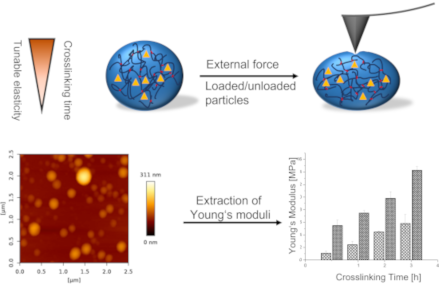
- determination of the Young’s modulus of single particles. The resulting mechanical properties could be correlated with the crosslinking time and extent. Additionally, loading of the macromolecule FITC-dextran 70 kDa into the particle matrix showed no statistically significant effect on particle sizes but
- primary amine functions, and, therefore, it cannot be crosslinked into the particle matrix by glutaraldehyde. FITC-dextran 70 kDa was loaded into nanoparticles by incorporation during precipitation and subsequent crosslinking of the nanoparticles. The fluorescence intensity was measured after enzymatic
- macromolecule to the matrix should, following our explanation, not show an effect on the elasticity of the particles as no “defects” in the network will be introduced. In line with this explanation, lysozyme-loaded GNPs exhibited a particle elasticity not significantly different from unloaded GNPs. Regarding


Recent advances in nanoarchitectures of monocrystalline coordination polymers through confined assembly
Beilstein J. Nanotechnol. 2022, 13, 763–777, doi:10.3762/bjnano.13.67
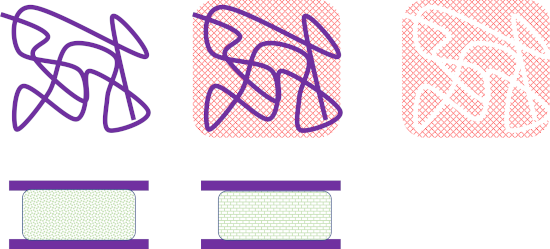
- connected branches suggests that the channel walls can be encapsulated by single crystals. This is a basis for the formation of composites with a single crystal matrix. When solid networks are immersed into a solution of coordination polymers, the connected space among the networks can be seen as connected




A nonenzymatic reduced graphene oxide-based nanosensor for parathion
Beilstein J. Nanotechnol. 2022, 13, 730–744, doi:10.3762/bjnano.13.65
- agricultural samples using enzyme-based nanosensors is challenging. The stability of bionanosensors also extensively depends on the viability of the corresponding biomolecule during the matrix immobilization course [9]. The main drawbacks of using bionanosensors for the selective detection of OP in actual
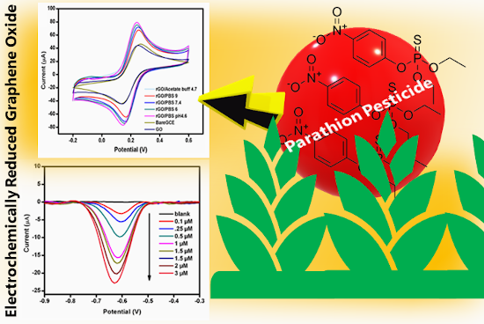
- samples. Thus, the primary goal of this report was to showcase the fabrication of a more effective, economical, electroactive surface in a simplified way to selectively detect PT residues in real samples. Thus, a robust sensing matrix can be used for designing a nonenzymatic POC device with a low
- matrix. Figure 6A depicts the CVs using a variation of deposited GO on bare GCE to prepare ERGO/GCE to measure the reduction and oxidation peak current for 10 μM PT in PBS, pH 7. Figure 6B shows that the highest reduction peak for 10 μM PT was obtained using 8 μL of GO to prepare modified ERGO/GCE. As


Modeling a multiple-chain emeraldine gas sensor for NH3 and NO2 detection
Beilstein J. Nanotechnol. 2022, 13, 721–729, doi:10.3762/bjnano.13.64
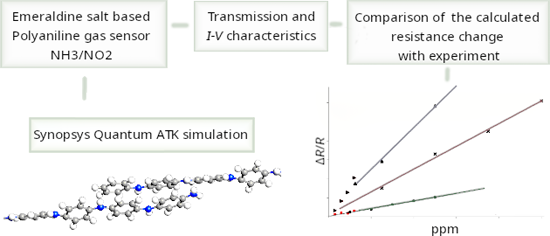
- supposed to be in a Cartesian system. The distance between electrodes lies along the z-axis and the direction from z to −∞ is defined as “left”. Likewise, the direction from z to +∞ is defined as “right”. Now, the left density matrix contribution is calculated using NEGF [16]: and the contribution of the
- right side is calculated accordingly. In the equation, f is the Fermi–Dirac function for the electron distribution in the left or right electrode and depends on the electron temperature TL; ρ(ε) stands for the spectral density matrix, defined by the broadening function Γ and the retarded Green’s
- function G. The spectral density matrix has the form [16]: for Green’s function and broadening function and In this equation, δ+ is an infinitesimal positive number, Σ is the self-energy of the left or right electrode, S stands for the overlap matrix and H is the Hamiltonian matrix. These are defined for


Nanoarchitectonics of the cathode to improve the reversibility of Li–O2 batteries
Beilstein J. Nanotechnol. 2022, 13, 689–698, doi:10.3762/bjnano.13.61
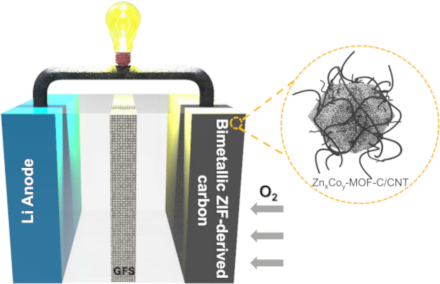
- of both ZIF-8- and ZIF-67-derived carbon materials. During the carbonization process, Zn forms a microporous domain with a large surface area while Co forms a mesoporous domain with a small surface area in the carbon matrix. Therefore, the surface area can be reduced with an increase in mesopore


Experimental and theoretical study of field-dependent spin splitting at ferromagnetic insulator–superconductor interfaces
Beilstein J. Nanotechnol. 2022, 13, 682–688, doi:10.3762/bjnano.13.60
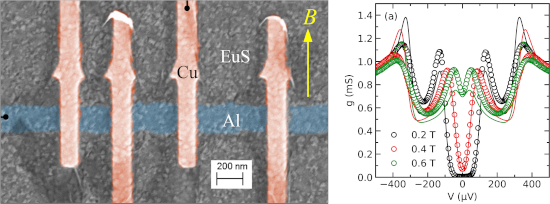
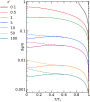
- the results. However, the theory is not restricted to this case. Thus, we replace the sum over the channel index n in the matrix current conservation with the number of channels, that is, However, in a phenomenological way we assume that, effectively, only a certain fraction r ∈ [0,1] of scattering



A superconducting adiabatic neuron in a quantum regime
Beilstein J. Nanotechnol. 2022, 13, 653–665, doi:10.3762/bjnano.13.57
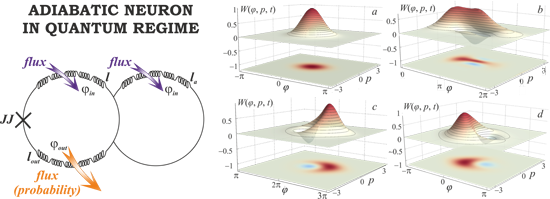
- time are determined by the system of N coupled equations where the time-dependent matrix elements appear. Their rate of change is given by . Note that if the adiabaticity condition, is satisfied for pairs of levels, then transitions between them become improbable. We consider the case where only the
- terms of the instantaneous eigenbasis ψn(φ,t), see Equation 6, using a density matrix: Under the Born–Markov approximation, dissipative dynamics is described by the generalized master equation for the density matrix [50]. Furthermore, by keeping only the secular terms and using the random phase
- restrictions. Appendix 2 We have analyzed the evolution process on the basis of the Cayley algorithm [53]. The evolution operator of the system on a discrete time grid with a step Δt is represented as: where is the unit matrix corresponding to the dimensionality of the Hamiltonian of the system (Equation 5


Sodium doping in brookite TiO2 enhances its photocatalytic activity
Beilstein J. Nanotechnol. 2022, 13, 599–609, doi:10.3762/bjnano.13.52
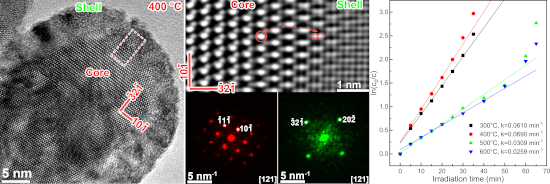
- , the brookite NaxTi1−xO2 transforms into Na2Ti6O13 by a twinning process with the orientation relationship of [1−2−3]Matrix//[1−23]Twins and (−2−10)Matrix//(1−1−1)Twins. The differences in the ionic radius and the electronegativity between Na and Ti destroy the local atomic arrangement of the brookite
- interplanar spacing values are 3.5092 and 3.4619 Å, respectively. Thus, the orientation relationship between the matrix and twins is // and // The twinning effect in the brookite structure may be the major driven force of the phase transformation from the brookite NaxTi1−xO2 to Na2Ti6O13. Such transformation
- the core and the shell. (c) The HRTEM image of a twinning boundary in a brookite crystallite calcinated at 800 °C, (d) the corresponding Fourier transformation diagram of the matrix (red) and the twins (green). Listed are the direct/indirect bandgaps determined from diffuse reflectance spectra, the


A new method for obtaining the magnetic shape anisotropy directly from electron tomography images
Beilstein J. Nanotechnol. 2022, 13, 590–598, doi:10.3762/bjnano.13.51
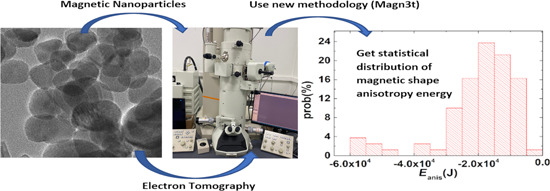
- [30]. The shape has been manipulated via the ratios c/a and c/b. The test volume was initially a 3D matrix filled with values of 0. Each time an ellipsoid was generated, its occupied volume was filled with a value of 1, and the parameters of the generated ellipsoid were added to a list (reference data
- ). The 3D matrix was saved in a mrc file in order to mimic a real tomogram. The mrc test volume was imported into Magn3t, and the obtained list of parameters was compared with the reference data. The simplest case with non-overlapping entities has been used as an initial test of the software. The results


Revealing local structural properties of an atomically thin MoSe2 surface using optical microscopy
Beilstein J. Nanotechnol. 2022, 13, 572–581, doi:10.3762/bjnano.13.49
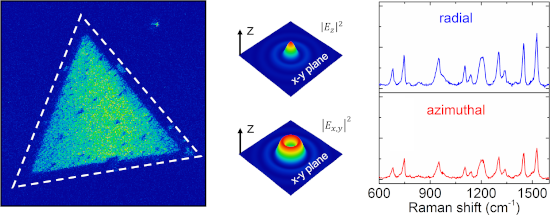
- shown in Figure 3c, it induces an increase of the electron density of states. According to Fermi’s golden rule, the electron transition probability rate wlk can be expressed as: where the g(Ek) and denote the density of states and the matrix element for the LUMO–HOMO transition, respectively. Therefore
- ]. Additionally, MoSe2 has a polar covalent bond (Mo–Se), which can induce interface dipole–dipole interactions with CuPc in a face-on orientation [24]. The dipole–dipole interaction will bring about a local symmetry-related perturbation, leading to an increase of the matrix element for the LUMO–HOMO transition


Effects of substrate stiffness on the viscoelasticity and migration of prostate cancer cells examined by atomic force microscopy
Beilstein J. Nanotechnol. 2022, 13, 560–569, doi:10.3762/bjnano.13.47
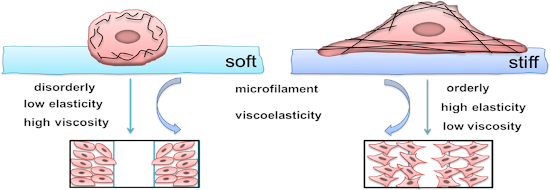
- Fujian Provincial Key Laboratory for Developmental Biology and Neurosciences, College of Life Sciences, Fujian Normal University, Fuzhou 350117, China 10.3762/bjnano.13.47 Abstract The stiffness of the extracellular matrix of tumour cells plays a key role in tumour cell metastasis. However, it is
- unclear how mechanical properties regulate the cellular response to the environmental matrix. In this study, atomic force microscopy (AFM) and laser confocal imaging were used to qualitatively evaluate the relationship between substrate stiffness and migration of prostate cancer (PCa) cells. Cells
- importance to the clinical management of PCa. There are many factors that mediate tumour metastasis. Of these, the extracellular matrix (ECM) is most closely associated with tumour metastasis. The ECM is made of extracellularly secreted macromolecules. It not only contains a large number of biochemical



Ciprofloxacin-loaded dissolving polymeric microneedles as a potential therapeutic for the treatment of S. aureus skin infections
Beilstein J. Nanotechnol. 2022, 13, 517–527, doi:10.3762/bjnano.13.43
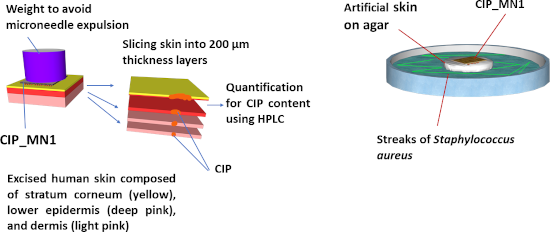
- incorporated into a polymer matrix of PVA and PVP with a weight ratio of (9:1), and CIP_MN2, composed of 10 mg ciprofloxacin incorporated into PVA polymer. CIP_MN1 and CIP_MN2 showed a mean microneedle height of 188 and 179 µm, respectively. Since Parafilm has been proven as a model to examine the perforation
- PVA as the matrix blend of the microneedles [35]. The CIP content in our study was 170 µg per array for CIP_MN1 and 182 µg per array for CIP_MN2. Microneedle penetration capabilities To assess the skin penetration capabilities of CIP_MN1 and CIP_MN2, we utilized Parafilm as a model to simulate human


Design and characterization of polymeric microneedles containing extracts of Brazilian green propolis
Beilstein J. Nanotechnol. 2022, 13, 503–516, doi:10.3762/bjnano.13.42
- epidermis and, after a period, the MN system is removed [6]. Dissolvable MNs are composed of a biodegradable matrix containing the bioactive agent. When they come in contact with aqueous fluids in the skin, these needles dissolve, releasing the drug and degrading. As they are dissolvable, they do not need
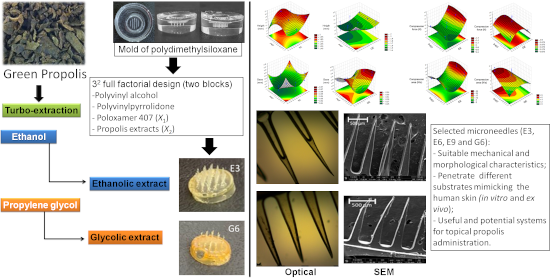
- the mold obtained was cleaned and evaluated for integrity for later use. Fabrication of microneedles Polymeric MNs were prepared using the mold casting technique. The polymeric matrix, composed of PVA, PVP, P407, and the different types of PRP extract, was prepared to compose the microneedle system
- . For the development of MNs, three different concentrations of P407 and PRP extract were used in a fixed matrix of PVA/PVP using a ratio of 1:1. P407 was used at 1%, 2%, and 3% (w/w) and PRP extract at 4%, 8%, and 12% (w/w) for the ethanolic extract and 2%, 4%, and 8% (w/w) for the glycolic extract


Ethosomal (−)-epigallocatechin-3-gallate as a novel approach to enhance antioxidant, anti-collagenase and anti-elastase effects
Beilstein J. Nanotechnol. 2022, 13, 491–502, doi:10.3762/bjnano.13.41
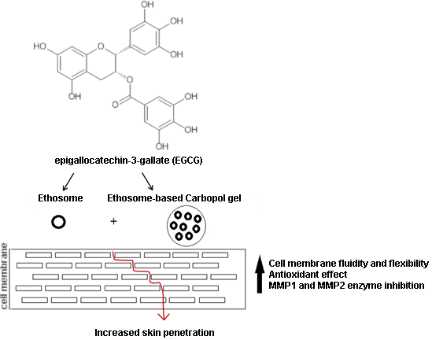
- consistency, color, odor, spreadability, pH, and viscosity values did not show any change [36]. In a study by Shukla et al., the best formulation, which was determined among the ETHs containing different components, was dispersed in a Carbopol 980 gel matrix prepared at 0.5–1.0% and 1.5 w/w ratios. The gel
- that green tea is a functional herb that can be used as an antiaging agent in natural health products, including food, health, and cosmetic products [40]. EGCG is one of the major compounds of green tea, which is effective in anti-wrinkle treatments by inhibiting matrix metalloproteinase (MMP) enzymes



Investigation of electron-induced cross-linking of self-assembled monolayers by scanning tunneling microscopy
Beilstein J. Nanotechnol. 2022, 13, 462–471, doi:10.3762/bjnano.13.39
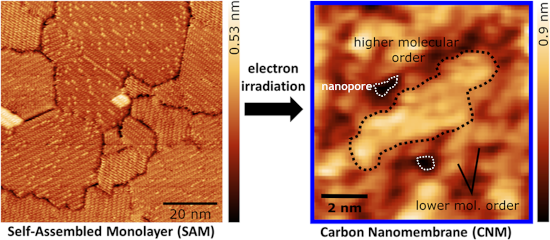
- incommensurability between the monolayer and the Au surface. The stripe direction (line C) and the pair stacking direction (line D) are two different symmetry directions. The height profiles of lines A–D in Figure 2b were shown in Supporting Information File 1, Figure S1. The unit cell is described in matrix
- black) with sizes smaller than 10 nm. These slightly affected domains seem to be “embedded” in a rather amorphous matrix, which appears darker compared to the ordered domains and cannot be molecularly resolved by STM. At a dose of 10 mC/cm2, we observed the occurrence of subnanometer-sized voids within
- . Dark spots appeared in the initial stage of cross-linking. The cross-linked regions speedily grow and form an amorphous carbon matrix with reduced structural order. The fully cross-linked monolayer is characterized by the formation of subnanometer-sized voids preferably in regions of lower structural


A non-enzymatic electrochemical hydrogen peroxide sensor based on copper oxide nanostructures
Beilstein J. Nanotechnol. 2022, 13, 424–436, doi:10.3762/bjnano.13.35
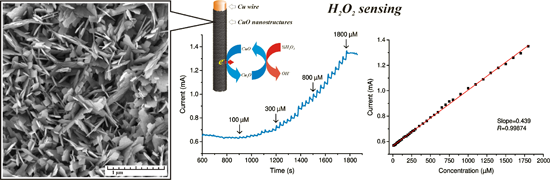
- (UHT) milk were investigated. H2O2 is present in milk samples either as a result of enzymatic activity or as an antibacterial agent [20][21][22]. For the experiment, we used 3.2% fat milk and Listerine antiseptic mouthwash from a local supermarket. To reduce the sample matrix effect, the samples were




A chemiresistive sensor array based on polyaniline nanocomposites and machine learning classification
Beilstein J. Nanotechnol. 2022, 13, 411–423, doi:10.3762/bjnano.13.34
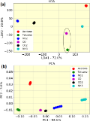
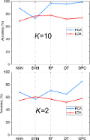
- , and GPC were used to achieve the highest classification rate. This paragraph and the following paragraph about PCA and LDA follow closely the corresponding content in [27]. PCA is a linear transformation that preserves as much data variance as possible. PCA chooses a matrix T that minimizes the mean
- squared distance between original data and those reconstructed from reduced data. It has been shown that where U and Λ are the eigenvector matrix and the diagonal eigenvalues matrix of the data covariance matrix, respectively. PCA has been extensively used for gas sensor applications [28][29][30]. LDA
- provides a linear projection of the data with (c – 1) dimensions, by considering the scatter of data within each class and across classes. Projection directions are those that maximize the inter-class separation of the projected data. The LDA transformation matrix is given by where SW and ΛW are




Effect of sample treatment on the elastic modulus of locust cuticle obtained by nanoindentation
Beilstein J. Nanotechnol. 2022, 13, 404–410, doi:10.3762/bjnano.13.33
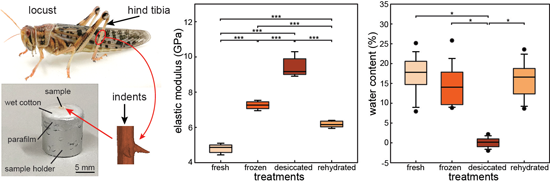
- changes in the interaction of water molecules with the chitin of the cuticle after rehydration. Insect cuticle is a biological composite with a protein matrix and embedded chitin fibers [17]. It is the only biological composite that has been modelled successfully using the modified Voigt estimate of the
- Em and Vm are elastic modulus and volume fraction of the matrix, respectively. Most of the water in the cuticle is associated with the protein matrix, where free water can be added to or taken from [1]. Thus, the elastic modulus of the matrix might not show a difference between the fresh and


Micro- and nanotechnology in biomedical engineering for cartilage tissue regeneration in osteoarthritis
Beilstein J. Nanotechnol. 2022, 13, 363–389, doi:10.3762/bjnano.13.31
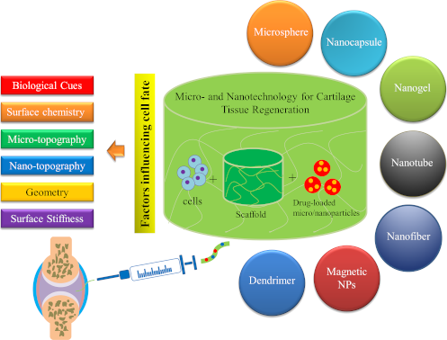
- involvement of micro-/nanotechnological possibilities in the process of scaffold design and fabrication [4]. Since a lot of cellular mechanisms are controlled by environmental stimuli (cell signaling molecules, extracellular matrix, and bioactive macromolecules) on the nanoscale, the recognition and
- understood before developing a mimicking construct. Articular cartilage, which is characterized by its extensive extracellular matrix (ECM), is a highly specialized connective tissue [5]. Hyaline cartilage is a semitransparent tissue located in the articular cartilage of all joints where it provides a low
- -friction, wear resistant surface for joint motion [6][7]. It is an avascular, aneural, alymphatic, and hypocellular tissue consisting of a single cell type (chondrocyte) dispersed in a dense matrix [6]. Chondrocytes, which constitute only about 5% of the wet weight of the articular cartilage, are


A broadband detector based on series YBCO grain boundary Josephson junctions
Beilstein J. Nanotechnol. 2022, 13, 325–333, doi:10.3762/bjnano.13.27
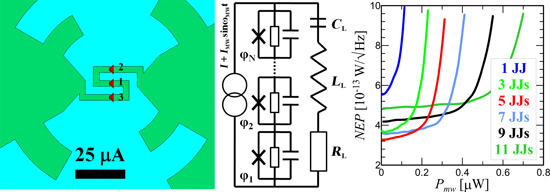
- calculated for the case that a plane wave was incident on the structure through the lens. In the second method, the full matrix of the antenna input impedance Z was calculated for all ports in the emission regime. The first calculation method is well applicable for low frequencies, while for high frequencies
- the duration of calculations increases significantly with a decrease in the step of the computation grid. The second method works well for a small number of ports; with an increase in the number of receiving elements, the computation time for the complete Z-matrix increases. Both methods give similar
- electrodynamics is taken into account through the amplitudes of the external signal Ai followed from the previous section. A complete model of the antenna interacting with the nonlinear resonance circuit (Josephson junction) through the Y-matrix is currently being developed. This model will allow one to



Interfacial nanoarchitectonics for ZIF-8 membranes with enhanced gas separation
Beilstein J. Nanotechnol. 2022, 13, 313–324, doi:10.3762/bjnano.13.26
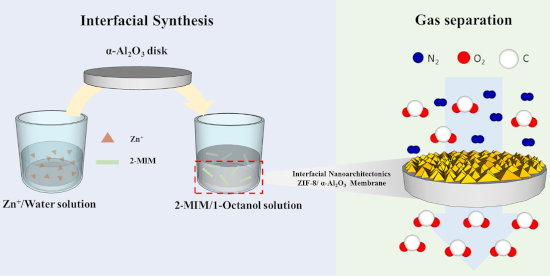
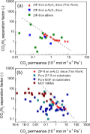
- membranes synthesized in this work (Figure 8b). The type of MOF has an influence on the gas separation performance, for instance, CAU-1 exhibits a higher CO2 adsorption capacity than ZIF-8 [45], which may lead to a higher gas permeance. Compared with MOF mixed-matrix membranes (MMMs), ZIF-8 membranes
- (turquois squares) [46][47][48][49][50][51][52][53][54][55][56][57][58][59], MOF membranes supported on substrates (blue squares) [50][60][61][62][63][64][65][66][67][68][69][70][71][72][73][74][75][76][77][78][79][80][81][82][83][84], and MOF mixed matrix membranes (brown squares) [85][86][87][88][89][90