


Search results
Search for "mechanical properties" in Full Text gives 374 result(s) in Beilstein Journal of Nanotechnology. Showing first 200.
Nanoscale characterization of the temporary adhesive of the sea urchin Paracentrotus lividus
Beilstein J. Nanotechnol. 2018, 9, 2277–2286, doi:10.3762/bjnano.9.212
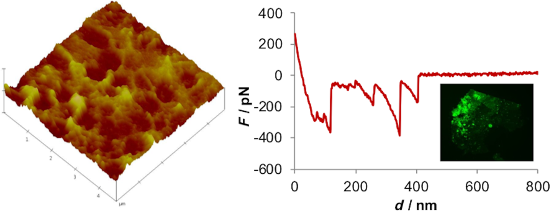
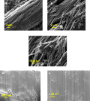
- functional amyloid, suggesting that among its proteinaceous constituents there are most likely proteins with amyloid quaternary structures or rich in β-sheets. These results extend our knowledge on sea urchin adhesive composition and mechanical properties essential for the engineering of biomimetic adhesives
- only been studied in P. lividus and was found to be composed of proteins and neutral sugars [18]. Although sea urchin tube feet and adhesive secretions have been extensively studied, its topography and mechanical properties at the nanoscale have never been investigated. Therefore, the aim of the


Electrospun one-dimensional nanostructures: a new horizon for gas sensing materials
Beilstein J. Nanotechnol. 2018, 9, 2128–2170, doi:10.3762/bjnano.9.202
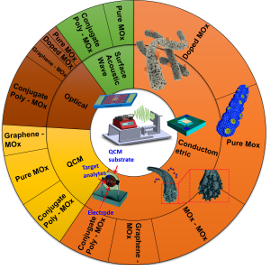
- applications in numerous areas, including healthcare, energy storage, biotechnology, environmental monitoring, and defence/security. Their enhanced specific surface area, superior mechanical properties, nanoporosity and improved surface characteristics (in particular, uniformity and stability) have made them
- composites, are fabricated in various assemblies (e.g., as mixed nanocomposites, double-layers, core–shell or hollow forms) using the electrospinning technique [37]. These electrospun nanofibers exhibit enhanced specific surface area, superior mechanical properties, nanoporosity and improved surface






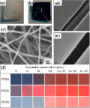
Fabrication of photothermally active poly(vinyl alcohol) films with gold nanostars for antibacterial applications
Beilstein J. Nanotechnol. 2018, 9, 2040–2048, doi:10.3762/bjnano.9.193
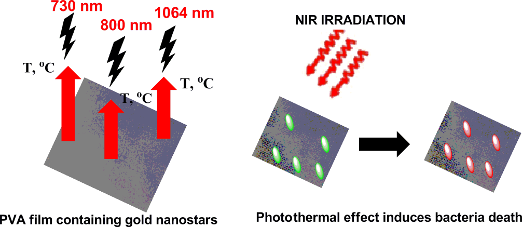
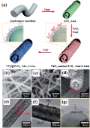
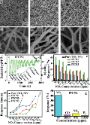
- resulting films displayed good mechanical properties and a pronounced photothermal effect under NIR irradiation. The local photothermal effect triggered by NIR irradiation of the PVA-GNS films is highly efficient at killing bacteria, therefore providing an opportunity to develop new types of protective
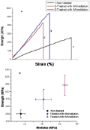
- immersion in water for four days at room temperature the films lose 12 ± 2% of their initial weight. As previously reported, non-crosslinked PVA films under the same conditions dissolve completely [20]. To investigate the mechanical properties, tensile studies were performed on two types of PVA-GNS films
- (GNSs coated with SH-PEG-OCH3 and SH-PEG-COOH) and on the PVA film without GNSs, as a comparison. The two different GNS coatings were selected to study the possible modification of the mechanical properties of the films induced by the presence of PEGylated GNSs, in particular when coated with PEG


Metal-free catalysis based on nitrogen-doped carbon nanomaterials: a photoelectron spectroscopy point of view
Beilstein J. Nanotechnol. 2018, 9, 2015–2031, doi:10.3762/bjnano.9.191
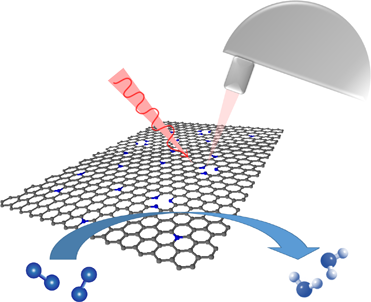
- characteristics in structure and properties, such as high aspect ratio, good mechanical properties and extraordinary electronic properties. The one atom thick two-dimensional planar structure of a graphene sheet makes it superior to CNTs for certain applications because it facilitates the electron transport [22
- ], a key feature of a working electrode. Therefore, graphene may be used in many fields where CNTs have been already used. The excellent mechanical properties, low reactivity and high stability [23] ensure a long-time use as a catalyst under working conditions. Another very important property of




Recent highlights in nanoscale and mesoscale friction
Beilstein J. Nanotechnol. 2018, 9, 1995–2014, doi:10.3762/bjnano.9.190
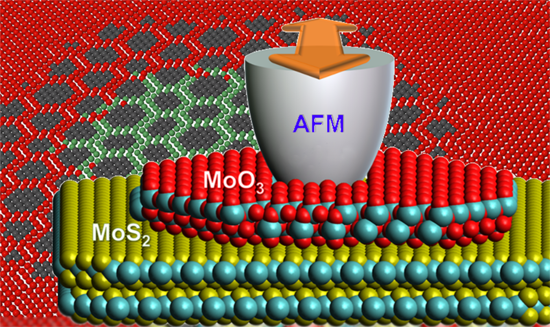
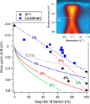
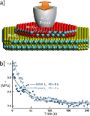
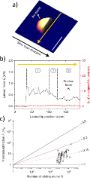
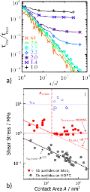
- have shown that electrical fields can be used to change frictional properties by orders of magnitude [179]. Molecular layers can be studied relatively to their frictional, adhesive and elastic properties and how can these mechanical properties be controlled by external means. In the future, we may be


Biomimetic and biodegradable cellulose acetate scaffolds loaded with dexamethasone for bone implants
Beilstein J. Nanotechnol. 2018, 9, 1986–1994, doi:10.3762/bjnano.9.189
- synthetic polymeric scaffolds exhibit controllable degradation, good mechanical properties and can be modified easily, they cannot be as bioactive as natural polymers. Moreover, due to their hydrophobicity they hinder significant cellular growth and subsequent tissue formation [14]. Therefore, cellulose
- acetate (CA) is used in this work. CA is derived from a natural polymer and is biocompatible, biodegradable, nonirritant and nontoxic. Moreover, it has excellent mechanical properties and there are potential applications, for instance as films, membranes, tissue engineering scaffolds and drug-delivery


Defect formation in multiwalled carbon nanotubes under low-energy He and Ne ion irradiation
Beilstein J. Nanotechnol. 2018, 9, 1951–1963, doi:10.3762/bjnano.9.186
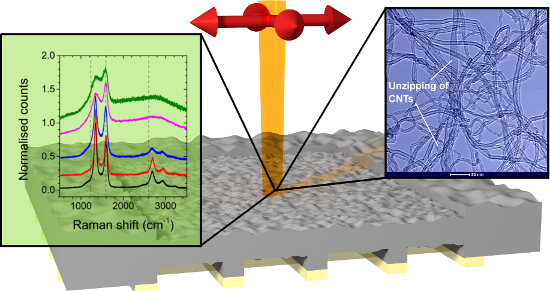
- improved mechanical properties which is similar to the one of collagen found in nature [7]. Vacancy formation and interconnections forming between CNTs have also been observed in molecular dynamics (MD) simulations during the irradiation of SWCNTs supported by silica [8]. MD simulations have been used to
- [11]. Besides modification of the mechanical properties, ion irradiation can also be used to change the shape of CNTs: suspended SWCNTs get straightened under ion irradiation [12]. Similarly, for a sheet of several layers of graphene suspended on a TEM grid, the initial roughness disappears under 30



Synthesis of hafnium nanoparticles and hafnium nanoparticle films by gas condensation and energetic deposition
Beilstein J. Nanotechnol. 2018, 9, 1868–1880, doi:10.3762/bjnano.9.179
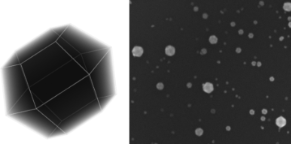
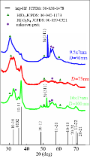
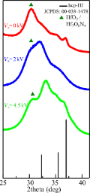
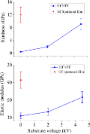
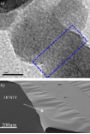
- mechanical properties can be formed, without any additional treatment. It is shown that these films can be patterned on the substrate in sub-micrometer dimensions using conventional lithography while their porosity can be well controlled. The fabrication and experimental characterization of hafnium
- morphologies and properties of the NTFs [40]. This method, named here energetic nanoparticle deposition, was first introduced by Haberland two decades ago [41]. Herein, we apply this method in order to produce porous Hf NTFs with good mechanical properties. By controlling the kinetic energy of the
- nanoparticles upon landing on the substrate, we tune the porosity and the mechanical properties of the porous NTFs. The mechanical properties of the NTFs were investigated by nanoidentation measurements. We demonstrate this method with Hf nanoparticles but it can be applied to any metallic nanoparticles. We






Preparation of micro/nanopatterned gelatins crosslinked with genipin for biocompatible dental implants
Beilstein J. Nanotechnol. 2018, 9, 1735–1754, doi:10.3762/bjnano.9.165
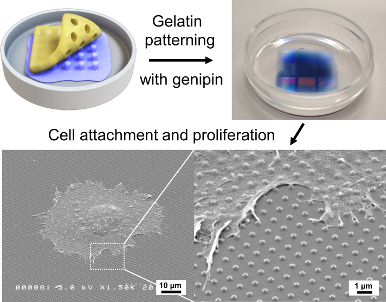
- that had too high a viscosity, making the molding process more difficult. A reaction temperature of 37 °C and a reaction time of 3 days have previously been described as being suitable conditions [51][52]. As required, the mechanical properties of crosslinked gelatins can be changed by altering the








Nanocomposites comprised of homogeneously dispersed magnetic iron-oxide nanoparticles and poly(methyl methacrylate)
Beilstein J. Nanotechnol. 2018, 9, 1613–1622, doi:10.3762/bjnano.9.153
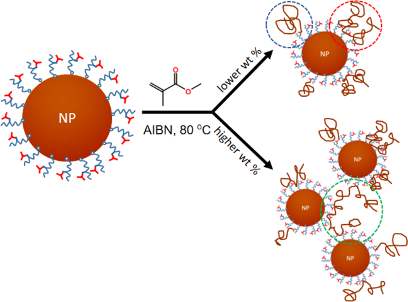
- mechanical properties, exceptional optical clarity as well as being biologically inert [15][16]. In order to preserve the unique properties of the nanoparticles they should be homogeneously dispersed within the polymer matrix. The surface of the magnetic nanoparticles is generally hydrophilic and thus not


Predicting the strain-mediated topological phase transition in 3D cubic ThTaN3
Beilstein J. Nanotechnol. 2018, 9, 1399–1404, doi:10.3762/bjnano.9.132
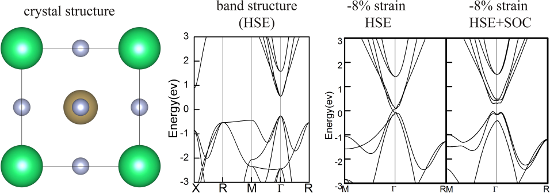
- limited and mainly focused on pressure-induced phase transition [3]. Therefore, a systematic study of the electron structure of ThTaN3 in a certain phase is highly desired. Topological insulators (TIs) have attracted much attention due to their distinct quantum mechanical properties, which makes them


Atomic-level characterization and cilostazol affinity of poly(lactic acid) nanoparticles conjugated with differentially charged hydrophilic molecules
Beilstein J. Nanotechnol. 2018, 9, 1328–1338, doi:10.3762/bjnano.9.126
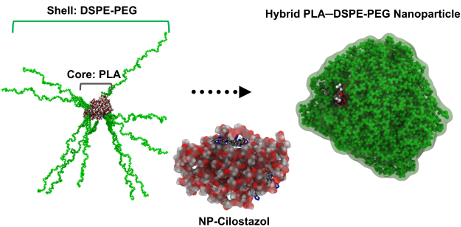
- many other nanosystems concerning their biodegradation, biocompatibility and highly modifiable physical and mechanical properties [1][4][5][6]. Polymeric materials also have demonstrated superior efficacy to deliver therapeutic agents at the site of the disease or damaged area and protecting drugs


Review on nanoparticles and nanostructured materials: history, sources, toxicity and regulations
Beilstein J. Nanotechnol. 2018, 9, 1050–1074, doi:10.3762/bjnano.9.98

- nanocomposite. Nacre is designed by alternating micrometer-sized and sub-micrometer CaCO3 aragonite platelets, which are separated by a thin layer of bio-macromolecular “glue”. Enhanced stiffness, impact resistance, strength, and toughness are some of the mechanical properties that enable using nacre’s unique
- nanostructures that can cause diseases in humans. Bone nanostructures The inimitable combination of natural bone with precise and carefully engineered interfaces and mechanical properties is due to their nanoscale to macroscopic architectural design and dimensions. The interaction of micro/nanoscale components


Fatigue crack growth characteristics of Fe and Ni under cyclic loading using a quasi-continuum method
Beilstein J. Nanotechnol. 2018, 9, 1000–1014, doi:10.3762/bjnano.9.93
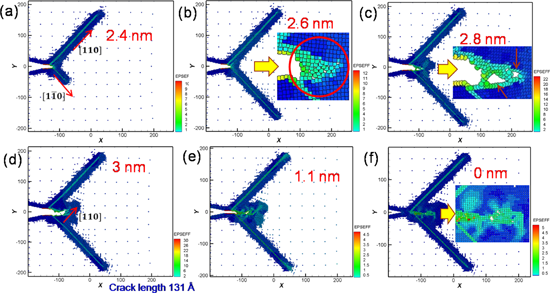
- , strong materials. Considerable attention has been focused on the investigation of the fatigue crack growth behavior in single crystals under cyclic loading using molecular dynamics (MD), which is an effective tool for analyzing the mechanical deformation and mechanical properties of materials at the







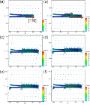


Electro-optical interfacial effects on a graphene/π-conjugated organic semiconductor hybrid system
Beilstein J. Nanotechnol. 2018, 9, 963–974, doi:10.3762/bjnano.9.90
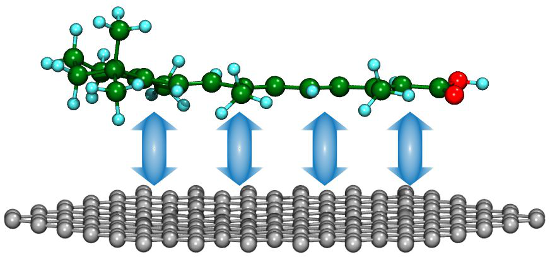
- peak force or tapping mode. Besides conventional topographic images, peak force mode yields several concomitant images which map mechanical properties of the sample, like adhesion, elastic modulus, dissipation and others [64]. The adhesion channel monitors tip–sample attractive forces along the imaging


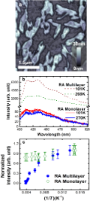


Scanning speed phenomenon in contact-resonance atomic force microscopy
Beilstein J. Nanotechnol. 2018, 9, 945–952, doi:10.3762/bjnano.9.87
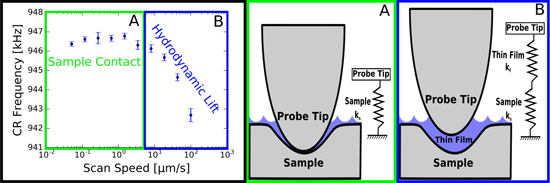
- –sample interaction, in permanent contact with the surface, alleviating the complicated effects introduced by liquid environments and nonlinear tip–sample interaction forces. CR methods can measure surface elastic [2], viscoelastic [3], electromechanical [4], and chemical properties [5]. For mechanical
- properties, the methods are well understood, producing highly accurate quantitative measurements at the nanoscale [6]. The effect of scan velocity, with regards to the dynamic behavior of the tip–sample interaction in AFM, has been largely ignored [7][8][9]. Enhancement of scan speeds in AFM is a rich and


Graphene composites with dental and biomedical applicability
Beilstein J. Nanotechnol. 2018, 9, 801–808, doi:10.3762/bjnano.9.73
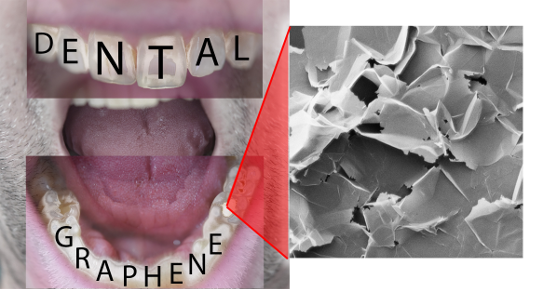
- resultant graphene-modified composites show that low concentrations of graphene (ca. 0.2 wt %) lead to enhanced performance improvement in physio-mechanical properties – the mean compressive strength increased by 27% and the mean compressive modulus increased by 22%. Herein we report a new, cheap and simple
- method to make large quantities of few-layer graphene which was then incorporated into a common dental polymer to fabricate graphene-composites which shows very promising mechanical properties. Keywords: biocompatibility; bioglass; graphene; mechanical properties; nanocomposite; Introduction Now that
- mechanical properties. One of the main problems facing dental-polymers is that of location. They are situated within the mouth which is an extremely demanding setting – exposure to moisture, high temperatures, and abrasion from toothbrushes plus a variety of foodstuffs all have to be dealt with. These


Tuning adhesion forces between functionalized gold colloidal nanoparticles and silicon AFM tips: role of ligands and capillary forces
Beilstein J. Nanotechnol. 2018, 9, 660–670, doi:10.3762/bjnano.9.61
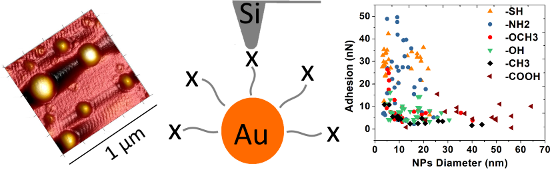
- excitation modes contribute strongly to the energy transfer to the substrate and thus to its physico-chemical and mechanical properties resulting in decrease of adhesion forces during a contact between two interfaces. On the contrary, longer molecules (n > 8) self-assemble in a well-packed system with higher


Single-step process to improve the mechanical properties of carbon nanotube yarn
Beilstein J. Nanotechnol. 2018, 9, 545–554, doi:10.3762/bjnano.9.52
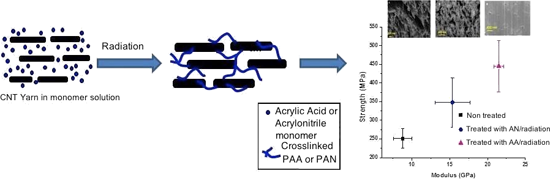
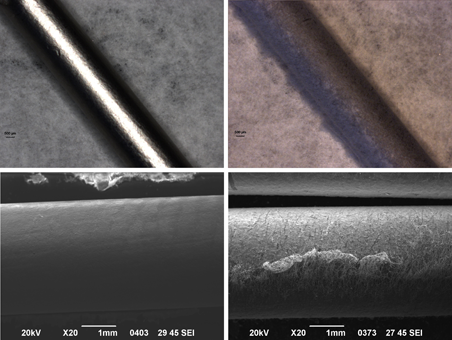
- single-step surface modification of CNTs to improve the mechanical properties of this material. To this end, CNT yarns were simultaneously functionalized and crosslinked using acrylic acid (AA) and acrylonitrile (AN) in an e-beam irradiation process. The chemical modification of CNT yarns was confirmed
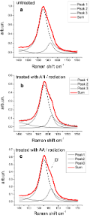
- by X-ray photoelectron spectroscopy (XPS), Raman spectroscopy and scanning electron microscopy (SEM). The best improvement in mechanical properties was achieved on a sample treated with an aqueous solution of AA and subsequent irradiation. CNT yarn treatment with AA enhanced the strength (444.5
- crosslinking by introducing junctions between polymer chains and transform a linear polymer into a three dimensional molecule. In general, these junctions may be responsible for the improvement of mechanical properties [29]. In this study, we investigated the morphology and mechanical properties of multiwalled




Ultralight super-hydrophobic carbon aerogels based on cellulose nanofibers/poly(vinyl alcohol)/graphene oxide (CNFs/PVA/GO) for highly effective oil–water separation
Beilstein J. Nanotechnol. 2018, 9, 508–519, doi:10.3762/bjnano.9.49
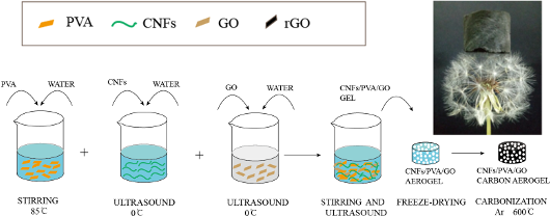
- on the planet because of its biodegradability, sustainability, nontoxic nature, and biocompatibility [5]. Cellulose nanofibers (CNFs) derived from cellulose have gained wide attention due to their outstanding mechanical properties [6][7] such as an elastic modulus of 140 GPa [8]. In an aqueous
- chosen as the second component in the CNF-based aerogel due to its excellent mechanical properties. Besides, the oxygen atoms on its surface can promote the formation of hydrogen bonds among the three aerogel components (CNFs, PVA, and GO). The CNF/PVA/GO aerogels show outstanding thermal and mechanical
- properties but also exhibit some drawbacks such as poor hydrophobic properties and low oil absorption capacity. Therefore, a carbonization treatment of the CNF/PVA/GO aerogels was required to improve their properties. In this work, we present a facile process for preparing carbon aerogels exhibiting super


Engineering of oriented carbon nanotubes in composite materials
Beilstein J. Nanotechnol. 2018, 9, 415–435, doi:10.3762/bjnano.9.41
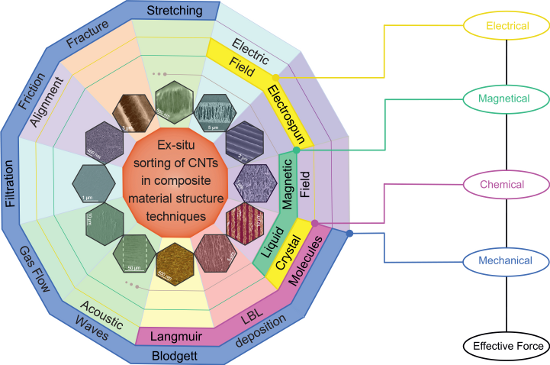
- fabricated with a smaller average diameter have significantly better mechanical properties. Gulotty et al. have reported that CNTs with a longer and larger diameter more efficiently improve the thermal conductivity of polymer composites [10]. Furthermore, it has been shown that for biological applications
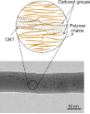
- due to their desirable physical properties [43]. In this regard, CNT/fibers have obtained a special spotlight because of their possibility to be arranged in a controlled way, the dependency of bulk electrical and mechanical properties of composites on the characteristics of the CNT, and the ensemble
- ]. For example, Park et al. described how better alignment and mechanical and actuating performance of CNT/PVDF ES nanofibers was achieved by changing the drum collector parameters [51]. Their results indicated that the mechanical properties were improved up to 300% in the arranged direction. A standard








Review: Electrostatically actuated nanobeam-based nanoelectromechanical switches – materials solutions and operational conditions
Beilstein J. Nanotechnol. 2018, 9, 271–300, doi:10.3762/bjnano.9.29
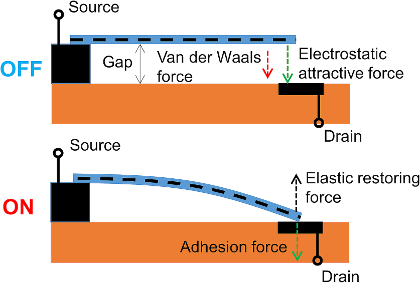
- mechanical strain [124][125], their electrical breakdown and mass loss caused by field evaporation [126]. Graphene: For fabricating NEM switches, monolayer [24][25][26][27] as well as few-layer [28][29][30][31] graphene materials are used. The mechanical properties are decisive for selecting the number of


Al2O3/TiO2 inverse opals from electrosprayed self-assembled templates
Beilstein J. Nanotechnol. 2018, 9, 216–223, doi:10.3762/bjnano.9.23
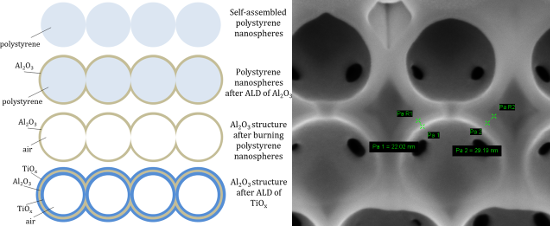
- deposition capacity and mechanical properties [41][42]. The main purpose of this article is to apply this technique to the fabrication of inverse opals using the 3D polystyrene nanoparticle template which enables the creation of large scale, large thickness, self-assembled structures with minimum fabrication


Liquid-crystalline nanoarchitectures for tissue engineering
Beilstein J. Nanotechnol. 2018, 9, 205–215, doi:10.3762/bjnano.9.22
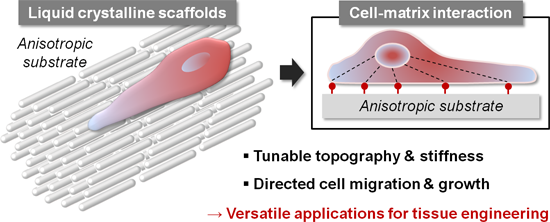
- structures [32]. Soft connective tissues Mesophase organizations of the ECM fibers can play important roles not only in the optimization of mechanical properties of the tissue itself, but also in the regulations of functions of embedded cells [65]. The assembly structure of oriented collagen fibers in


Humidity-dependent wound sealing in succulent leaves of Delosperma cooperi – An adaptation to seasonal drought stress
Beilstein J. Nanotechnol. 2018, 9, 175–186, doi:10.3762/bjnano.9.20
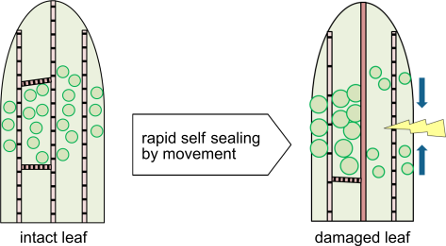
- significant differences of the single main effects such as “humidity conditions in the wound region” and “time after wounding” and their interaction effect. The centripetal arrangement of five tissue layers with various thicknesses and significantly different mechanical properties might play an additional
- ) restoration of the mechanical properties of the injured organ. Often self-repair is used as an umbrella term comprising both self-sealing and self-healing. Interestingly, these definitions hold true for the self-repair in plants, animals and technical materials, whereas in the latter, the sealing and the
- [1][2][3][4][5]. In classical materials research, self-healing efficiency is assessed based on the restoration of mechanical properties by a comparison of the change in the function of the intact and healed material [4]. In contrast, in this study, self-sealing efficiency is evaluated via the





