


Search results
Search for "methanol" in Full Text gives 296 result(s) in Beilstein Journal of Nanotechnology. Showing first 200.
First examples of organosilica-based ionogels: synthesis and electrochemical behavior
Beilstein J. Nanotechnol. 2017, 8, 736–751, doi:10.3762/bjnano.8.77
- was always 16.5 mmol (from TMOS or MTMS and BTMSPA combined; note that BTMSPA contributes two moles of silicon for every mole of silane). The amount of water was 82.5 mmol (1.485 mL) and the amount of acetone or methanol used as solvents was 200 mmol (10.8 mL or 6.4 mL, respectively). In a typical
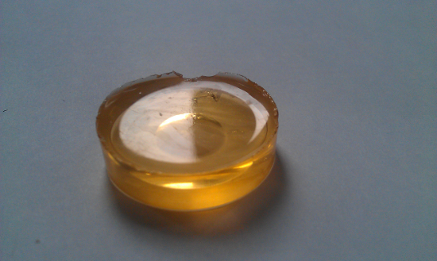
- h for further condensation. The resulting material was washed extensively by Soxhlet extraction with methanol and was stored in methanol until further use. When acetone was used as solvent, opaque monoliths were obtained whereas transparent monoliths were obtained when using methanol during
- synthesis. Sample nomenclature. Organosilicas made from TMOS and BTMSPA are denoted TBMxx and TBAxx, where xx (fraction of silicon provided by monosilane precursor, not from BTMSPA) = 20, 40, 50, 60. “A” denotes samples made in acetone and “M” denotes samples made in methanol. Samples made from MTMS and








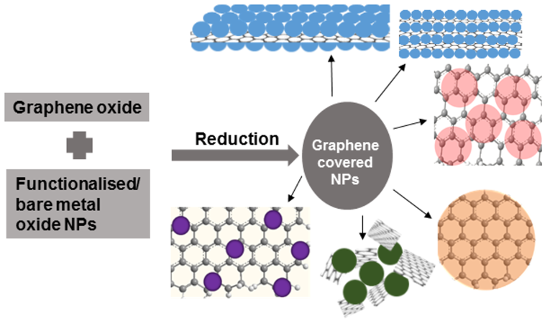
Synthesis of graphene–transition metal oxide hybrid nanoparticles and their application in various fields
Beilstein J. Nanotechnol. 2017, 8, 688–714, doi:10.3762/bjnano.8.74






Nanostructured carbon materials decorated with organophosphorus moieties: synthesis and application
Beilstein J. Nanotechnol. 2017, 8, 485–493, doi:10.3762/bjnano.8.52
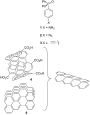
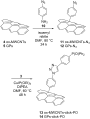
- was removed. The solid was washed by cycle of dispersion in fresh methanol and centrifugation (six times). The product was recovered and dried (12.5 mg). ICP-AES analysis: phosphorus 0.275%, 0.087 mmol/g. Synthesis of ox-MWCNTs-nitrene-PO (8) To a 50 mL flask were added CNTs (10 mg) and 20 mL of 1,2
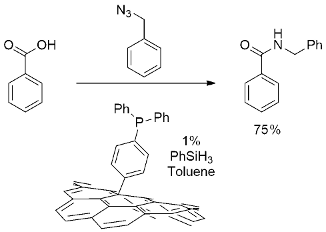
- cycle with isopropanol to remove the reaction solvent, three cycles with 1 M aqueous sodium hydroxide, three cycles with aqueous hydrogen chloride 0.1 M, three cycles with methanol and three cycles with isopropyl ether. The reduction was checked by XPS spectroscopy. General procedure for the Staudinger





Association of aescin with β- and γ-cyclodextrins studied by DFT calculations and spectroscopic methods
Beilstein J. Nanotechnol. 2017, 8, 348–357, doi:10.3762/bjnano.8.37
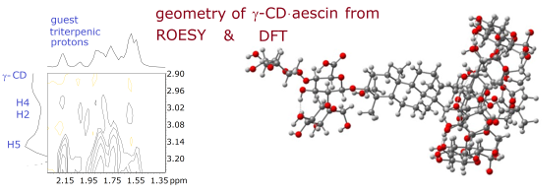
- -cyclodextrin·methanol·n·H2O (refcode NUNRIX [37]), in which the glucopyranose units already feature a high symmetry due to the presence of the methanol guest. The geometry of γ-CD after further optimisation is depicted in Figure 10. The initial geometry of aescin Ib was taken from its single-crystal diffraction data (refcode
- . Partial 2D ROESY spectrum of a water/methanol solution containing equimolar amounts of γ-CD and aescin. Carbon (and corresponding proton) numbering of aescin. Optimised structures of the theoretical 2β-CD·aescin complex β1 (a) and complex β2 (b). Optimised geometries for three different hypothetical


Functionalized TiO2 nanoparticles by single-step hydrothermal synthesis: the role of the silane coupling agents
Beilstein J. Nanotechnol. 2017, 8, 304–312, doi:10.3762/bjnano.8.33
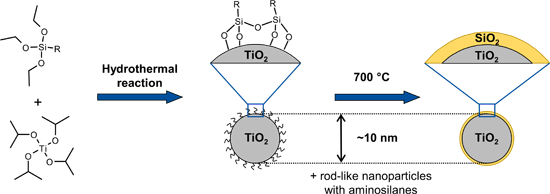
- materials. The resulting hydrophobic properties of the nanoparticles depend on organic chain length and surface coverage [17], and are comparable to results reported by Iijima and co-workers on TiO2 nanoparticles post-modified with decyltrimethoxysilane and APTMS in mixed solutions of toluene and methanol



Template-controlled piezoactivity of ZnO thin films grown via a bioinspired approach
Beilstein J. Nanotechnol. 2017, 8, 296–303, doi:10.3762/bjnano.8.32
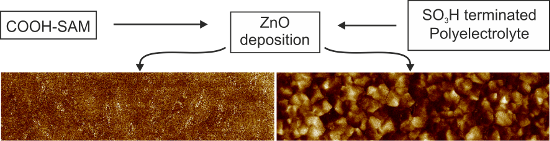
- indicates that the sulfonate functionality leads to a highly polar surface of the template, whereas the carboxylate is less negatively charged. However, it has to be taken into account that the deposition experiments take place in methanol. The solvent influences the effective surface charge of the
- substrate and particles in the solution and therefore, the interaction between both is affected. For example it was found that silica shows a decreasing surface potential if methanol is added to an aqueous electrolyte solution [41][42]. This can be explained by the lower ability of methanol to stabilize
- ions as can be seen from the pKa values reported by Rived et al. [43]. Therefore, it is probable that the surface charge of the used templates is lower in methanol than it could be expected from zeta potential measurements in water. Nevertheless, the polarity of the two templates is high enough to


Colorimetric gas detection by the varying thickness of a thin film of ultrasmall PTSA-coated TiO2 nanoparticles on a Si substrate
Beilstein J. Nanotechnol. 2017, 8, 229–236, doi:10.3762/bjnano.8.25
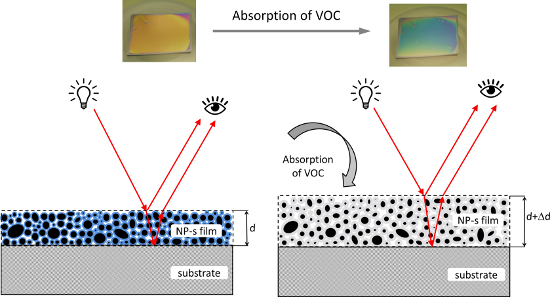
- under reflux conditions. The nanoparticles were washed twice with methanol using centrifugation at 12000g for 1 h. The synthesis was optimized to obtain ultrasmall nanoparticles (roughly 3 nm in diameter) to attain a high sample surface area. Our modified synthesis protocol had a NP yield more than 50


Surface-enhanced Raman scattering of self-assembled thiol monolayers and supported lipid membranes on thin anodic porous alumina
Beilstein J. Nanotechnol. 2017, 8, 74–81, doi:10.3762/bjnano.8.8
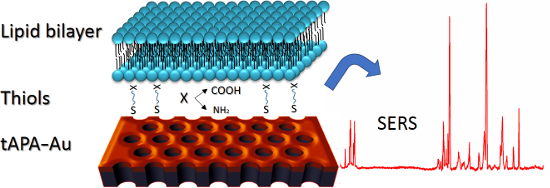
- , to let the sulfur of the –SH group bind covalently to the Au surface (chemisorption). The substrates were then gently washed with their aqueous solutions and dried under nitrogen flow. All the lipids were dissolved in chloroform/methanol 2:1 vol/vol, dried under a gentle nitrogen flux in a test tube



From iron coordination compounds to metal oxide nanoparticles
Beilstein J. Nanotechnol. 2016, 7, 2074–2087, doi:10.3762/bjnano.7.198
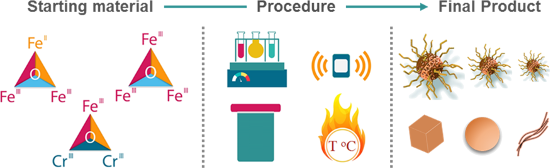
- (vs), 1450 (vs), 1589 (vs), 1688 (s), 2545 (vw), 2636 (vw), 3413 (s). Iron furoate [Fe3O(C4H3OCOO)6(CH3OH)3]NO3∙2CH3OH (FeF) was obtained as reddish single crystals following the procedure described by Melnic et. al. [35] from a mixture of Cu2(C4H3OCOO)4∙4H2O, Fe(NO3)3∙9H2O and methanol. The structure
- )3∙9H2O (0.5 g) in 5 mL methanol. The process took place at 60 °C for 5 h, with heating and cooling rates of 0.1 °C/min. Dark brown reddish single crystals were observed directly in the autoclave at the end of the process. The structure of the compound was confirmed by FTIR, EDX and single crystal


A dioxaborine cyanine dye as a photoluminescence probe for sensing carbon nanotubes
Beilstein J. Nanotechnol. 2016, 7, 1991–1999, doi:10.3762/bjnano.7.190
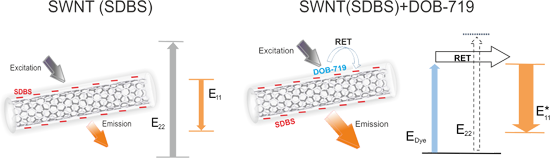
- product was dissolved in 80% aqueous ethanol and then the solution of sodium acetate (0.2 g) in ethanol was added. The precipitate was filtered out and purified via chromatography on a silica column (7:3 v/v acetone/methanol as an eluent) to yield 300 mg (20%) of product as a green powder. 1H NMR (300 MHz


Organoclay hybrid materials as precursors of porous ZnO/silica-clay heterostructures for photocatalytic applications
Beilstein J. Nanotechnol. 2016, 7, 1971–1982, doi:10.3762/bjnano.7.188
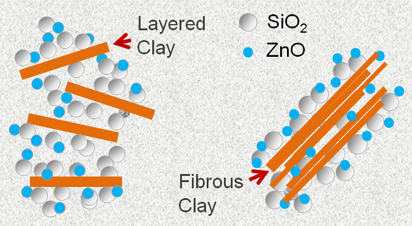
- in the preparation of the CTA-clay derivatives. Ultra-pure deionized water (18.2 MΩ·cm) was produced in an Elga Maxima Ultra-Pure Water system). Methanol and 2-propanol (Fluka, p.a.) were used as solvents or reactants. Zinc(II) acetate dihydrate (CH3COO)2Zn·2H2O and KOH were purchased from Merck





Chitosan-based nanoparticles for improved anticancer efficacy and bioavailability of mifepristone
Beilstein J. Nanotechnol. 2016, 7, 1861–1870, doi:10.3762/bjnano.7.178
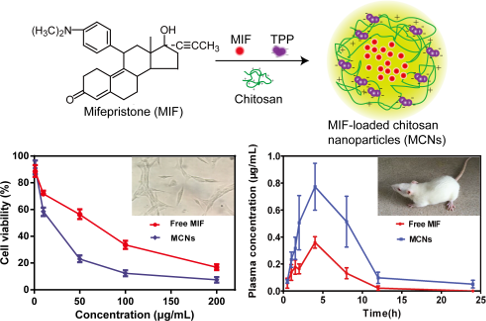
- 100 μL of methanol–water solution (50:50 v/v) followed by vortex-mixing for 3 min and then centrifuged at 15,000 rpm for 10 min. Afterwards, a 4 μL aliquot of the supernatant was injected into the chromatographic systems for analysis. Quantification The MIF concentration in plasma was determined using
- LC-MS/MS analysis according to the method reported earlier by Chen et al. [37] with slight modifications. Liquid chromatography was performed on an ACQUITY UPLC system using a BEH C18 column (50 mm × 2.1 mm, 1.7 μm, Waters Corporation, USA). The mobile phase solution was composed of methanol (A) and


Nanostructured TiO2-based gas sensors with enhanced sensitivity to reducing gases
Beilstein J. Nanotechnol. 2016, 7, 1718–1726, doi:10.3762/bjnano.7.164
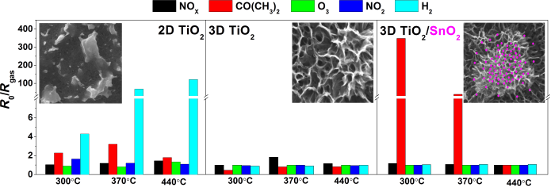
- as H2 [7], NO2 [8], NOx [9], CO [10], NH3 [11], H2S [12], and VOCs (i.e., methanol, ethanol, propanol [13], and acetone [14]). The influence of effective surface area on the gas sensing properties of TiO2 thin films is also frequently observed and investigated [15]. TiO2 is a wide-band gap


Sb2S3 grown by ultrasonic spray pyrolysis and its application in a hybrid solar cell
Beilstein J. Nanotechnol. 2016, 7, 1662–1673, doi:10.3762/bjnano.7.158
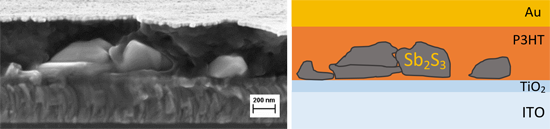
- films whereas films prepared from non-aqueous solvents have been reported as polycrystalline [22][24]. So far, we have shown that for growing Sb2S3 by pneumatic CSP the use of SbCl3 and thiourea (tu) precursors with an SbCl3/tu molar ratio of 1:3 dissolved in methanol and sprayed on substrate at a
- glove box with controlled humidity (less than 14 ppm). The solution contained SbCl3 (with Sb3+ concentration of 15 mmol/L) and SC(NH2)2 precursors at a molar ratio of 1:x (x = 2, 3, 6, 9) in methanol as the solvent. SbCl3 was purchased from Sigma-Aldrich (≥99.0%, p.a.) and SC(NH2)2 from Merck (≥99.0
- ) form the Sb(tu)2Cl3 complex compound in methanol and undergo thermal decomposition slightly above 200 °C according to a TG-DTA study [69]. This is characteristic for different metal chloride–thiourea complexes such as In(tu)3Cl3 [25][70], Sn(tu)2Cl2 [28] and CuCl–tu complexes with different




Influence of hydrothermal synthesis parameters on the properties of hydroxyapatite nanoparticles
Beilstein J. Nanotechnol. 2016, 7, 1586–1601, doi:10.3762/bjnano.7.153
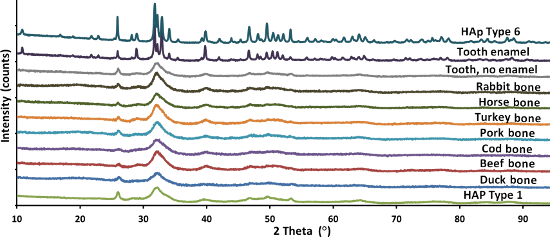
- electron microscopy (TEM) (JEM2000EX; JEOL, Tokyo, Japan). The TEM, high-resolution TEM, and selected area electron diffraction tests were conducted at 200 kV. The samples for the TEM observations were prepared by dropping the methanol particle dispersion, created by an ultrasonic technique, on a carbon


Development of adsorptive membranes by confinement of activated biochar into electrospun nanofibers
Beilstein J. Nanotechnol. 2016, 7, 1556–1563, doi:10.3762/bjnano.7.149
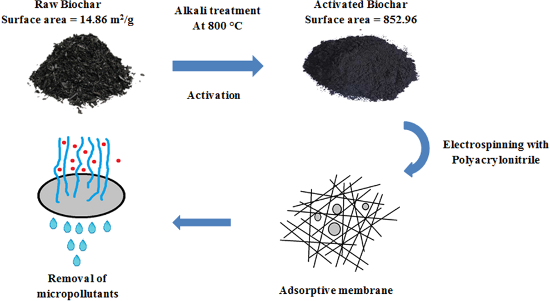
- electrospinning continued for 12 h and the deposited mats were soaked in methanol for 60 min to remove residual solvents. The soaked mats were washed with distilled water several times and dried for 10 h at 50 ± 1 °C. To determine the amount of residual solvent, samples for thermogravimetric analysis were not
- subjected to methanol and heat treatment. Characterization of fabricated NFMs The surface morphology of the fabricated membranes was examined using a JSM-840A (JEOL, Japan) scanning electron microscope (SEM) at an acceleration voltage of 10 kV. For this analysis, small amounts of the samples were coated
- . Also the entrapment of biochar particles among fibers was perfect since after washing several times with methanol, no leaching was observed visually. The distribution of the fiber diameter was analyzed using Image-J software with Diameter-J module and the average diameters are listed in Table 1




Dealloying of gold–copper alloy nanowires: From hillocks to ring-shaped nanopores
Beilstein J. Nanotechnol. 2016, 7, 1361–1367, doi:10.3762/bjnano.7.127
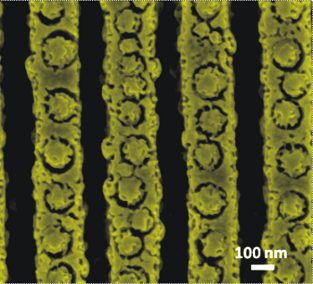
- electrolytic solution, dipped in distilled water and then rinsed with methanol. Characterization The SEM images were recorded using a JEOL JSM 7600 F microscope operating at 5 kV. The AFM images were recorded using a NanoWizard 3 from JPK instruments. TEM imaging was performed on a Hitachi H9000-NAR microscope




Ammonia gas sensors based on In2O3/PANI hetero-nanofibers operating at room temperature
Beilstein J. Nanotechnol. 2016, 7, 1312–1321, doi:10.3762/bjnano.7.122
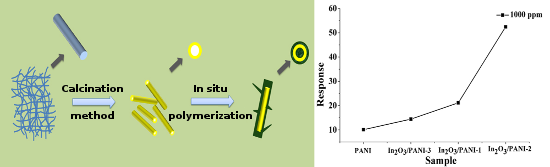
- selectivity of In2O3/PANI-2 nanofibers sensor. Figure 8 shows the dynamic response of In2O3/PANI-2 nanofibers sensor to methanol, ethanol, acetone and ammonia at a concentration of 1000 ppm. It is obvious that the In2O3/PANI-2 nanofibers sensor was almost insensitive to methanol, ethanol and acetone vapors
- to NH3 vapor at room temperature, and this sensor was further investigated for its selectivity by interfering with methanol, ethanol and acetone vapors. The results indicated that the In2O3/PANI-2 nanofiber sensor had excellent selectivity, good repeatability and reversibility. The enhancement of gas
- methanol, ethanol, acetone and ammonia. Sensing repeatability and reversibility of In2O3/PANI-2 nanofibers sensor to 1000 ppm NH3 vapor. Schematic of p–n junction of In2O3/PANI nanofibers and its potential energy barrier change when exposed to NH3.


Preparation of alginate–chitosan–cyclodextrin micro- and nanoparticles loaded with anti-tuberculosis compounds
Beilstein J. Nanotechnol. 2016, 7, 1208–1218, doi:10.3762/bjnano.7.112
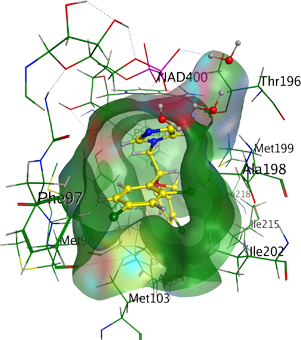
- -(2,4-dichlorophenyl)-2-[(2,6-dichlorophenyl)methoxy]ethyl]-1H-imidazole mononitrate, Figure 1, compound 2) is a white to light yellow powder soluble in methanol, dimethyl sulfoxide, slightly soluble in ethanol and hardly soluble in water. ISN has antifungal activity and is used to treat dermatophytosis



The influence of phthalocyanine aggregation in complexes with CdSe/ZnS quantum dots on the photophysical properties of the complexes
Beilstein J. Nanotechnol. 2016, 7, 1018–1027, doi:10.3762/bjnano.7.94
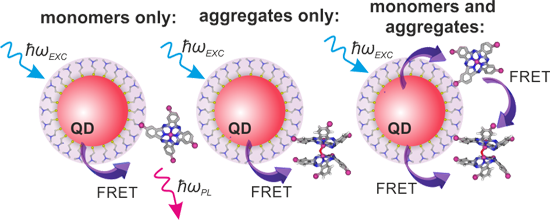
- aqueous solution PcSz is a mixture of phthalocyanine molecules with a different number of negative charges. Paper chromatography was used in order to obtain phthalocyanine mixtures enriched in either tetrasulfopthalocyanine (PcS4) or disulfopthalocyanine (PcS2) [43]. Toluene, methanol, trioctylphosphine



Dielectrophoresis of gold nanoparticles conjugated to DNA origami structures
Beilstein J. Nanotechnol. 2016, 7, 948–956, doi:10.3762/bjnano.7.87
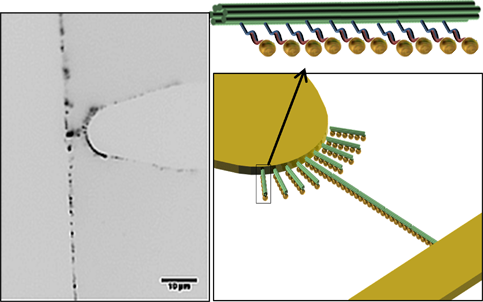
- 30 min and the supernatant carefully removed. The remaining pellet was resuspended in a mixture of 100 µL of 2.5 mM BSPP and 100 µL of methanol. The solution was once more spun down to dissolve the pellet in 2.5 mM BSPP. The gold nanoparticles were further modified with oligonucleotides that included


Large-scale fabrication of achiral plasmonic metamaterials with giant chiroptical response
Beilstein J. Nanotechnol. 2016, 7, 914–925, doi:10.3762/bjnano.7.83
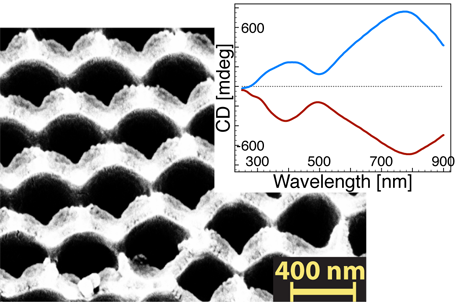
- -etching system. Al foils (99.98%, Advent Research Materials Ltd. AL103310) were used as substrates after cleaning in an ultrasonic bath with a sequence of acetone, deionized water and methanol for 1 min each. In total three types of molds were prepared with different interpore distances: 300, 430 and 600



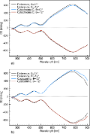
![[Graphic 2]](/bjnano/content/inline/2190-4286-7-83-i2.png?max-width=637&scale=1.18182) , of incident light with respect to the ECM structures.
, of incident light with respect to the ECM structures.



Reconstitution of the membrane protein OmpF into biomimetic block copolymer–phospholipid hybrid membranes
Beilstein J. Nanotechnol. 2016, 7, 881–892, doi:10.3762/bjnano.7.80
- . After 3 h, the desired volume of purified ethylene oxide at −110 °C is distilled to the reaction mixture and polymerization of the second block is carried out at room temperature over night. Active chains are deactivated by adding a degassed 1:1 mixture of acetic acid and methanol via a syringe. After



Efficient electron-induced removal of oxalate ions and formation of copper nanoparticles from copper(II) oxalate precursor layers
Beilstein J. Nanotechnol. 2016, 7, 852–861, doi:10.3762/bjnano.7.77
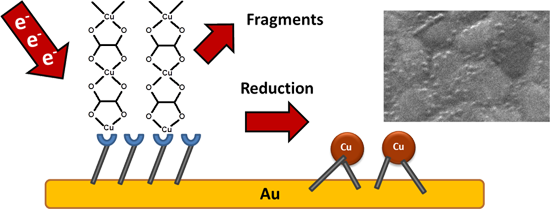
- chemisorbed species, two possibilities arise. The first is a dissociative adsorption of CO2 on the copper nanoparticles that are formed under electron exposure. This process is important for the chemical understanding of the industrial methanol synthesis with Cu–ZnO–Al2O3 catalysts [48] and has been observed


Assembling semiconducting molecules by covalent attachment to a lamellar crystalline polymer substrate
Beilstein J. Nanotechnol. 2016, 7, 784–798, doi:10.3762/bjnano.7.70
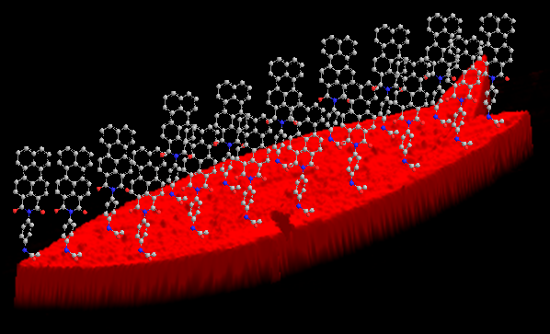
- process [7][11], we refrained from adding surfactants as we wanted to avoid to have surfactant molecules included in the monolayers transferred onto a solid substrate. Accordingly, we spread CPE45 nanocrystals from a 1:1 methanol–water dispersion onto a water surface at pH 11. After Langmuir–Schäfer
- equal parts with methanol and filtered through a 220 nm pore size Teflon membrane filter in order to remove precipitated nanocrystal aggregates. A micropipette was used to apply the dispersion to the surface of an aqueous solution of potassium hydroxide at pH 11, contained in a Teflon beaker (h = 24 mm
- dispersion was diluted with methanol in a ratio of 1:1 or 1:3. These diluted dispersions were spread on a Langmuir trough. The inset of the trough was milled from a solid block of Teflon. It was filled with an aqueous solution of potassium hydroxide at pH 12. On basis of the DLVO theory, we estimated that





