


Search results
Search for "nanomaterials" in Full Text gives 614 result(s) in Beilstein Journal of Nanotechnology. Showing first 200.
Biomimetic chitosan with biocomposite nanomaterials for bone tissue repair and regeneration
Beilstein J. Nanotechnol. 2022, 13, 1051–1067, doi:10.3762/bjnano.13.92
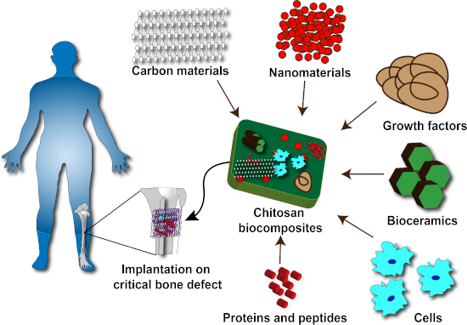
- . The rough surface of the materials at the nanoscale helps cellular peptide adhesion for better stem cell growth and differentiation [12][13]. Nanomaterials have several advantages such as high surface area, increased mechanical strength, and induction of several important genes for bone tissue repair
- and regeneration [14]. Nanomaterials such as silver [15], gold [16][17], titanium oxide [18], zinc oxide [19][20], carbon nanotubes [21][22], graphene [23] and biosilica have been studied in terms of their osteogenic potential in stem cell differentiation. Chitosan materials are often combined with
- these nanomaterials to fabricate a scaffold that can potentially mimic the natural structure and function of the bones. The addition of nanomaterials to chitosan provides several advantages including the retaining of biological activities of nanomaterials and prevention of particle aggregation [24][25
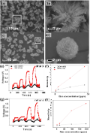
Electrocatalytic oxygen reduction activity of AgCoCu oxides on reduced graphene oxide in alkaline media
Beilstein J. Nanotechnol. 2022, 13, 1020–1029, doi:10.3762/bjnano.13.89
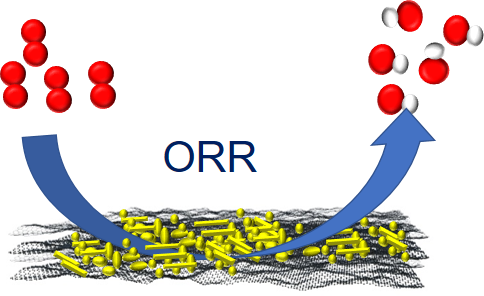
- Iyyappan Madakannu Indrajit Patil Bhalchandra Kakade Kasibhatta Kumara Ramanatha Datta Functional Nanomaterials Laboratory, Department of Chemistry, Faculty of Engineering and Technology, SRM Institute of Science and Technology, Kattankulathur – 603203, Tamil Nadu, India Department of Chemistry


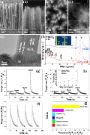
A nonenzymatic reduced graphene oxide-based nanosensor for parathion
Beilstein J. Nanotechnol. 2022, 13, 730–744, doi:10.3762/bjnano.13.65
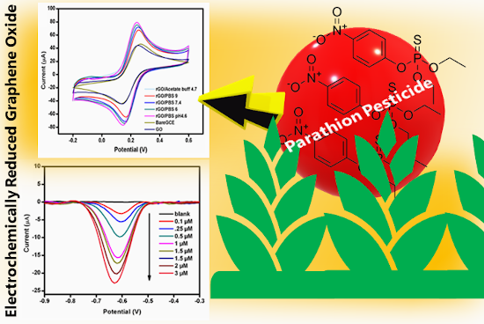
- , selective, sensitive, and point-of-care (POC) analytical tools for monitoring environmental pollutants [2][11]. They can also detect residual OPs based on their electrocatalytic activity and affinity toward nanomaterials, such as nanoparticles, carbon nanomaterials, and metal oxides [11]. In a few reports
- , hybrid carbon nanomaterials such as ferrocene-thiophene modified by carbon nanotubes, zinc(II) phthalocyanine-boron dipyrromethene attached single-walled carbon nanotubes were used for the direct detection of pesticides [12][13][14][15]. So far, only limited electrochemical nanosensors modified by
- nanomaterials have been reported to detect PT [16][17]. However, their sensitivity and detection limit for quantifying trace amounts of PT in environmental samples are improved. The inherent electrochemical behavior of nitroaromatic OPs (e.g., paraoxon, parathion, and fenitrothion) exhibit well-defined redox


Antibacterial activity of a berberine nanoformulation
Beilstein J. Nanotechnol. 2022, 13, 641–652, doi:10.3762/bjnano.13.56
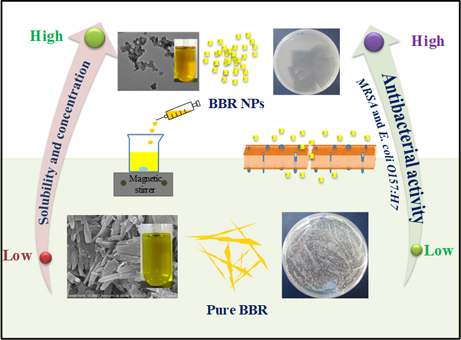
- : (1) Almost all drug-carrying nanomaterials have high cost, (2) the drug concentration of the encapsulated form is usually low, and (3) the toxicity risk of nanomaterials must be strictly controlled [32][33][34]. Most nanoformulations have relatively low drug loading (typically a few weight percent



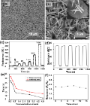
Detection and imaging of Hg(II) in vivo using glutathione-functionalized gold nanoparticles
Beilstein J. Nanotechnol. 2022, 13, 549–559, doi:10.3762/bjnano.13.46
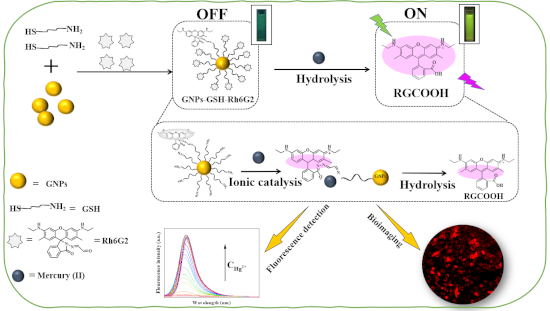
- may be due to the introduction of gold nanostructures. Previous studies showed that GNPs-GSH-Rh6G2 permeate well into cells [48][57][58]. Cytotoxicity studies of nanomaterials are important to determine the effects of different components of the nanostructure [59][60]. The cytotoxicity of GSH-Rh6G2


Zinc oxide nanostructures for fluorescence and Raman signal enhancement: a review
Beilstein J. Nanotechnol. 2022, 13, 472–490, doi:10.3762/bjnano.13.40
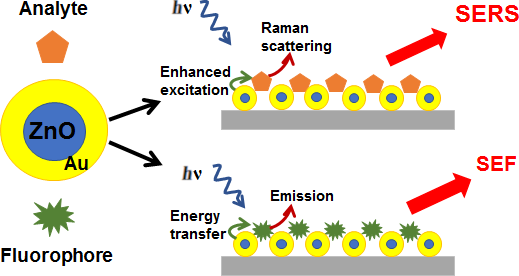
- noble metal nanoparticles and the molecular fluorescence enhancement in the presence of ZnO alone and in combination with metal nanoparticles are also reviewed. Keywords: fluorescence; surface-enhanced Raman spectroscopy; ZnO–metal nanomaterials; ZnO nanostructures; Introduction Over the last decades
- , ZnO-based nanomaterials have been extensively used in the industry and investigated in various application fields such as optoelectronics, biomedicine, agriculture, food, and cosmetics [1][2][3]. The wide range of applications is due to the many promising features of ZnO nanoparticles (NPs), such as
- their wide bandgap energy (3.3–3.7 eV), strong luminescence [4][5], antibacterial properties, and UV-protection properties. Additionally, ZnO nanomaterials can be designed into various morphologies, such as nanoparticles, nanoneedles, nanorods, nanocages, nanocombs, and nanoflowers [5][6][7][8]. Hybrid




Micro- and nanotechnology in biomedical engineering for cartilage tissue regeneration in osteoarthritis
Beilstein J. Nanotechnol. 2022, 13, 363–389, doi:10.3762/bjnano.13.31
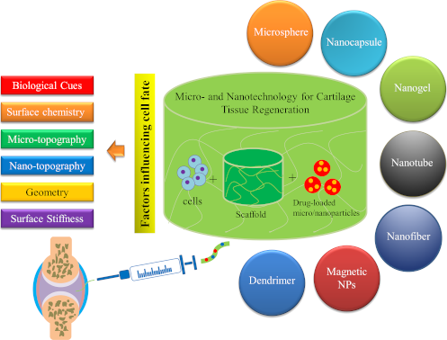
- . Nanomaterials are defined by the National Nanotechnology Initiative as manufactured or natural materials that have at least one dimension between 1 and 100 nm [33][34][35][36][37][38][39][40][41][42][43][44][45][46]. Nanomaterials are classified as metals, polymers, or ceramics according to their structure and
- the controlled and sustained release of KGN [71]. 3.1.2.2 Nanofibers. Nanofibers are a versatile class of nanomaterials characterized by two nanoscale dimensions and a third larger dimension (below 1000 nm) [33][101]. Their biomimetic properties and simplicity of fabrication make nanofibers potential


Alcohol-perturbed self-assembly of the tobacco mosaic virus coat protein
Beilstein J. Nanotechnol. 2022, 13, 355–362, doi:10.3762/bjnano.13.30
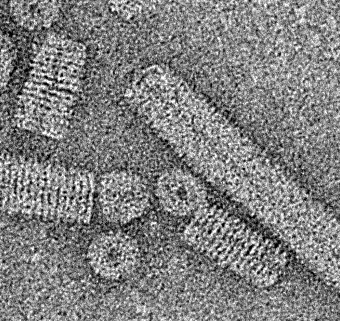
- ; Introduction Bottom-up fabrication of nanomaterials with precise control over the spatial arrangement of components is of great interest in nanotechnology [1][2]. A promising approach to this issue is the use of templates based on self-assembling biological materials, such as nucleic acids and proteins [3][4
- particles at intermediate sizes. While TMV-cp is a promising template for nanomaterials, controlling the multiple assembly states can be challenging, especially when adding additional components with different stability requirements. Apart from adjusting pH and ionic strength, mutating the coat protein has
- , Supporting Information File 1). Stacked disks at high isopropyl alcohol concentrations were longer than at high methanol concentrations and showed large clusters in TEM. Conclusion The use of dipolar cosolvents to perturb the assembly of TMV-cp has potential applications for nanomaterials. Low concentrations


Coordination-assembled myricetin nanoarchitectonics for sustainably scavenging free radicals
Beilstein J. Nanotechnol. 2022, 13, 284–291, doi:10.3762/bjnano.13.23
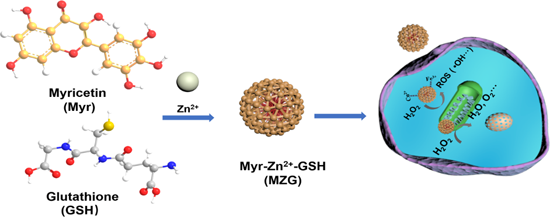
- used for effectively scavenging multiple ROS. Metal-based nanomaterials, such as CeO2 and Fe3O4, have been widely applied for antioxidant therapy [10]. In addition, bioactive small-molecule compounds, such as bilirubin and curcumin, and antioxidant peptides such as glutathione (GSH) and casein
- phosphopeptides, exhibited huge therapeutic potential in antioxidant treatments [11][12][13]. Nevertheless, a plenty of disadvantages restrict biomedical applications, namely low biocompatibility of the metal-based nanomaterials, low bioavailability of hydrophobic small-molecule compounds, and easy degradation of


Photothermal ablation of murine melanomas by Fe3O4 nanoparticle clusters
Beilstein J. Nanotechnol. 2022, 13, 255–264, doi:10.3762/bjnano.13.20
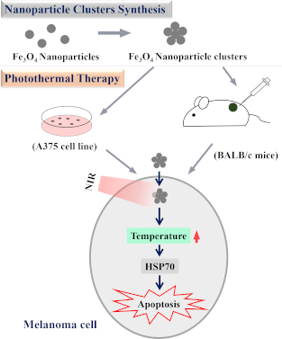
- afterwards due to adverse effects or development of various resistance mechanisms, making the advent of novel strategies imperative for early diagnosis and efficient treatment [2]. Photothermal therapy (PTT) is a recently developed regimen that requires administration of nanomaterials with unique optical


Surfactant-free syntheses and pair distribution function analysis of osmium nanoparticles
Beilstein J. Nanotechnol. 2022, 13, 230–235, doi:10.3762/bjnano.13.17
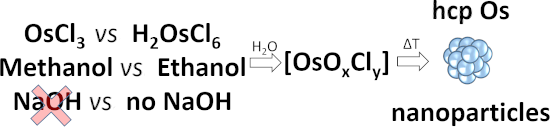
- effect of the precursor (OsCl3 or H2OsCl6), precursor concentration (up to 100 mM), solvent (methanol or ethanol), presence or absence of a base (NaOH), and addition of water (0 to 100 vol %) on the resulting nanomaterials is discussed. It is found that no base is required to obtain Os nanoparticles as
- other precious metals [4][5], see Figure S1 in Supporting Information File 1, partly due to Os scarcity and because a highly toxic OsO4 compound can be easily formed. However, Os and Os-based complexes and nanomaterials have been reported [6][7][8][9] and studied for their catalytic, optical, and
- suitable platform to inspire future studies on the formation mechanism of Os-based nanomaterials in which their properties are further explored. TEM micrographs of Os NPs obtained using water (66 vol %) and methanol (33 vol %), no base, and 100 mM of (a) OsCl3 and (b) H2OsCl6 as precursors after a one-week


Engineered titania nanomaterials in advanced clinical applications
Beilstein J. Nanotechnol. 2022, 13, 201–218, doi:10.3762/bjnano.13.15
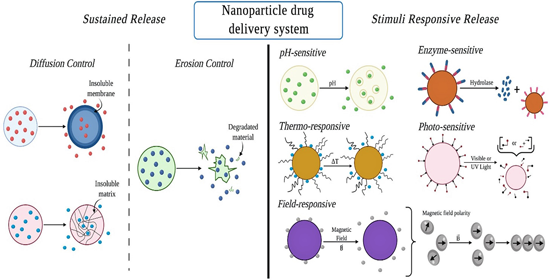
- Engineering and Sciences, Campus Queretaro, Av. Epigmenio Gonzalez, No. 500 Fracc. San Pablo, CP 76130 Querétaro, Mexico 10.3762/bjnano.13.15 Abstract Significant advancement in the field of nanotechnology has raised the possibility of applying potent engineered biocompatible nanomaterials within biological
- , corrosion resistance, and low toxicity, titania nanomaterials have revolutionized therapeutic approaches. Additionally, titania provides an exceptional choice for developing innovative medical devices and the integration of functional moieties that can modulate the biological responses. Thus, the current
- review aims to present a comprehensive and up-to-date overview of TiO2-based nanotherapeutics and the corresponding future challenges. Keywords: clinical application; nanostructures; physicochemical; theranostics; titanium dioxide (TiO2); Introduction Nanomaterials can be described as any organic


A comprehensive review on electrospun nanohybrid membranes for wastewater treatment
Beilstein J. Nanotechnol. 2022, 13, 137–159, doi:10.3762/bjnano.13.10





Tin dioxide nanomaterial-based photocatalysts for nitrogen oxide oxidation: a review
Beilstein J. Nanotechnol. 2022, 13, 96–113, doi:10.3762/bjnano.13.7
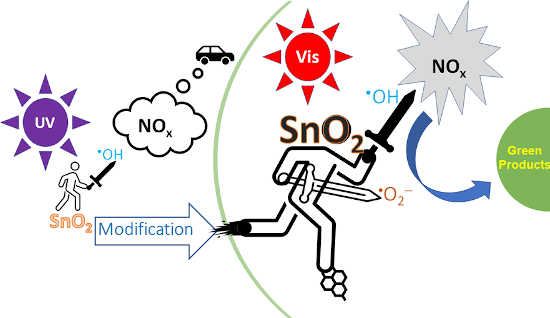
- Thanh District, Ho Chi Minh City, 700000, Viet Nam 10.3762/bjnano.13.7 Abstract Semiconducting SnO2 photocatalyst nanomaterials are extensively used in energy and environmental research because of their outstanding physical and chemical properties. In recent years, nitrogen oxide (NOx) pollutants have
- review. Keywords: green products; nanomaterials; NO oxidation; photocatalysis; SnO2; Review Introduction A World Health Organization (WHO) report indicated that 4.2 million deaths every year occur due to exposure to ambient (outdoor) air pollution [1]. This number is much higher than the deaths from
- Many attempts have been made to enhance the photocatalytic activity and take better advantage of SnO2 for the NOx abatement, including the combination with other metal oxides [70], organic semiconductors [71], or metallic nanomaterials [72] to form a heterojunction/composite photocatalyst, and self


Theranostic potential of self-luminescent branched polyethyleneimine-coated superparamagnetic iron oxide nanoparticles
Beilstein J. Nanotechnol. 2022, 13, 82–95, doi:10.3762/bjnano.13.6
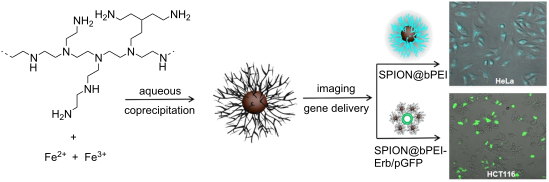
- theranostic nanomaterials, PAMAM and PEI were frequently coupled with superparamagnetic iron oxide nanoparticles (SPIONs) for drug/gene delivery combined with magnetic resonance imaging [31][32]. Usually, these systems were conjugated with other fluorescent tags for optical detection of nanoparticles in cells





Sputtering onto liquids: a critical review
Beilstein J. Nanotechnol. 2022, 13, 10–53, doi:10.3762/bjnano.13.2

- means that these primary particles were not stabilized well enough [79][83]. Despite the fact that the colloidal synthesis of NPs has been actively studied for decades because of the growing interest in nanomaterials, the majority of synthetic protocols were found and optimized by empirical procedures






Identifying diverse metal oxide nanomaterials with lethal effects on embryonic zebrafish using machine learning
Beilstein J. Nanotechnol. 2021, 12, 1297–1325, doi:10.3762/bjnano.12.97
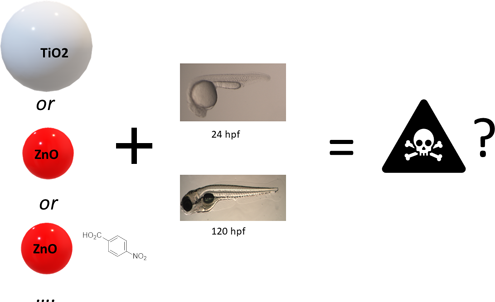
- , embryonic zebrafish (Danio Rerio) are recognised as a key human safety relevant in vivo test system. Hence, machine learning models were developed for identifying metal oxide nanomaterials causing lethality to embryonic zebrafish up to 24 hours post-fertilisation, or excess lethality in the period of 24–120
- hours post-fertilisation, at concentrations of 250 ppm or less. Models were developed using data from the Nanomaterial Biological-Interactions Knowledgebase for a dataset of 44 diverse, coated and uncoated metal or, in one case, metalloid oxide nanomaterials. Different modelling approaches were
- ; Introduction A variety of nanomaterial (NM)-enabled products have already been marketed [1][2] and there is considerable interest in the development of novel engineered nanomaterials (ENMs) for a variety of applications. Nanomedicine, including ENM-based therapeutic agents, nanocarriers (i.e., targeted drug


Enhancement of the piezoelectric coefficient in PVDF-TrFe/CoFe2O4 nanocomposites through DC magnetic poling
Beilstein J. Nanotechnol. 2021, 12, 1262–1270, doi:10.3762/bjnano.12.93
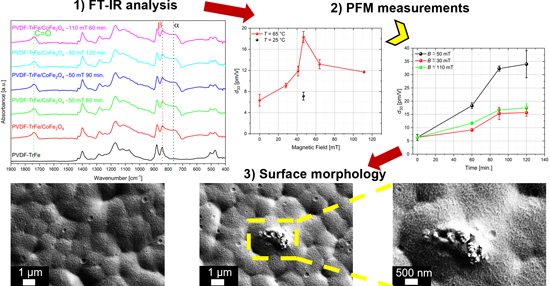
- Rome, 00184 Rome, Italy Department of Chemical Engineering Materials and Environment, Sapienza University of Rome, 00184 Rome, Italy 10.3762/bjnano.12.93 Abstract In the last years flexible, low-cost, wearable, and innovative piezoelectric nanomaterials have attracted considerable interest regarding


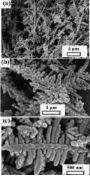
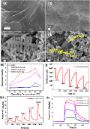
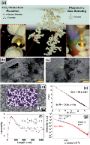
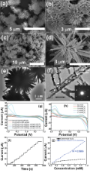
Morphology-driven gas sensing by fabricated fractals: A review
Beilstein J. Nanotechnol. 2021, 12, 1187–1208, doi:10.3762/bjnano.12.88
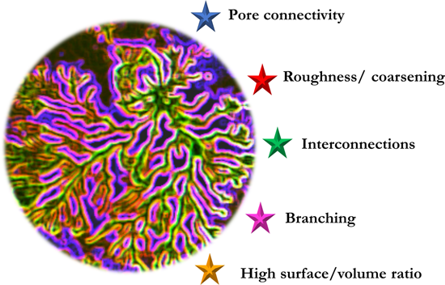
- Vishal Kamathe Rupali Nagar Nanomaterials for Energy Applications Lab, Applied Science Department, Symbiosis Institute of Technology, Symbiosis International (Deemed University), Lavale, Pune-412115, Maharashtra, India 10.3762/bjnano.12.88 Abstract Fractals are intriguing structures that repeat




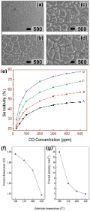
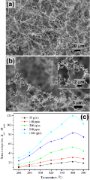


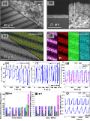

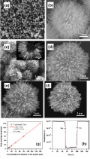



Self-assembly of amino acids toward functional biomaterials
Beilstein J. Nanotechnol. 2021, 12, 1140–1150, doi:10.3762/bjnano.12.85
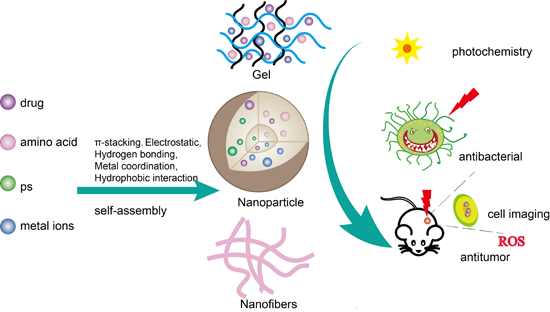
- candidates for various applications such as drug delivery, imaging, diagnosis, and photochemistry. The morphology and structure of self-assembled nanomaterials can be flexibly adjusted by transforming the type, proportion, and concentration of the building blocks. This newer area of research is therefore
- these nanostructures. Therefore, as a new strategy, amino acid self-assembly needs further research to explore the biomimetic and biomedical applications of micro- and nanomaterials. Schematic diagram of amino acid regulatory self-assembly (amino acid–drugs, amino acid–photosensitizers, amino acid–metal

Criteria ruling particle agglomeration
Beilstein J. Nanotechnol. 2021, 12, 1093–1100, doi:10.3762/bjnano.12.81
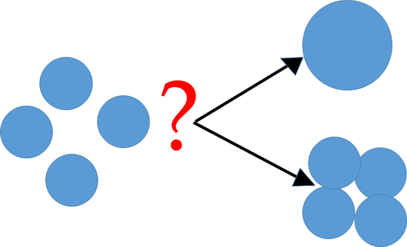
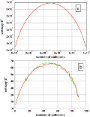
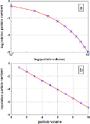
- Dieter Vollath NanoConsulting, Primelweg 3, 76297 Stutensee, Germany 10.3762/bjnano.12.81 Abstract Most of the technically important properties of nanomaterials, such as superparamagnetism or luminescence, depend on the particle size. During synthesis and handling of nanoparticles, agglomeration
- ; Introduction Many properties of technical importance of nanomaterials depend on the particle size. Typical examples are superparamagnetism, luminescence, or energetic applications. In many cases, the particles show in an “as produced” state the requested size distributions. However, during handling or storage




Assessment of the optical and electrical properties of light-emitting diodes containing carbon-based nanostructures and plasmonic nanoparticles: a review
Beilstein J. Nanotechnol. 2021, 12, 1078–1092, doi:10.3762/bjnano.12.80
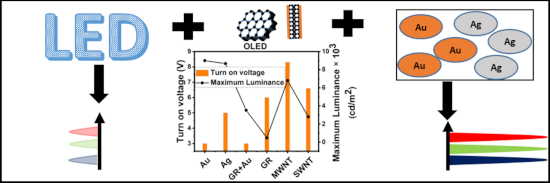
- ); plasmonic nanoparticles; quantum dots; Review Introduction Nanomaterials have engendered the miniaturization of devices, bringing about advances in a variety of fields, such as biomedicine, environmental technologies, optoelectronics, and photocatalysis [1][2]. In particular, light-emitting diodes (LED
- % since the last decade. These disadvantages can be surmounted by the addition of a current-spreading layer composed of carbon-based nanomaterials, such as GR and CNT [36]. Carbon-based nanostructures play a dual role at the anode. Light-emitting diodes are self-heating, current-sensitive, and luminously
- -roll techniques and chemical vapor deposition, both industrially viable techniques, are capable of producing 30 inch wafers of graphene, thereby demonstrating the viable upscaling of its production [41]. Other carbon-based nanomaterials such as SWNT have also been employed as current-spreading layers


Revealing the formation mechanism and band gap tuning of Sb2S3 nanoparticles
Beilstein J. Nanotechnol. 2021, 12, 1021–1033, doi:10.3762/bjnano.12.76
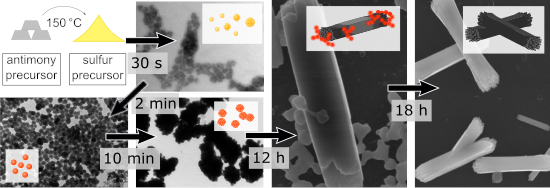
- -black, crystalline form, known as the mineral stibnite [7][8]. Sb2S3 nanomaterials with a diverse morphology and a broad distribution of band gap values were synthesized by solvothermal [9], hydrothermal [10], and sonochemical [11] approaches, as well as by chemical bath [12] and chemical vapor
- deposition [13] methods. Up to now, the syntheses of Sb2S3 nanomaterials lack sufficient control of the growth conditions. The result are nanoparticles of which the size, shape, and crystallinity can only be tuned to a limited extent. However, for several applications, such as electronic circuits [14], it is
- values) and depended on the reaction time and crystallinity of the sample. While the particles after 2 min reaction time had a band gap value of 2.18 eV, this value decreased to 2.01 eV after 12 h. Different band gap values have already been reported for amorphous Sb2S3 nanomaterials. For example


Progress and innovation of nanostructured sulfur cathodes and metal-free anodes for room-temperature Na–S batteries
Beilstein J. Nanotechnol. 2021, 12, 995–1020, doi:10.3762/bjnano.12.75
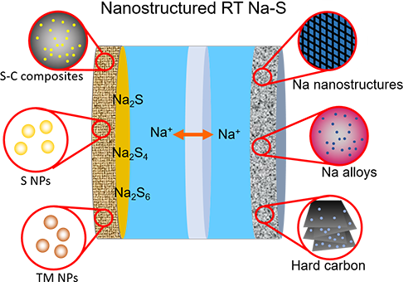
- design a cathode material that improves the conductivity of the system [4][11]. Common approaches are based on the incorporation of conductive carbon nanomaterials [23]. The volume expansion of sulfur during the discharge process is caused by the formation of the discharge product Na2S. This expansion is
- antimonene, silicene, and phosphorene [73][83][84]. These sheets are usually integrated with graphene and other conducting carbon nanomaterials to afford mechanical support, flexibility, and electrical conductivity, which results in high capacity values (500–2000 mAh·g−1) over at least 100 cycles [73][75][76
- components that may include a large variety of nanoparticles and nanomaterials, often related to the use of graphene and other nanoscale carbon materials as components of the electrode materials. A few patents are also from Broadbit Batteries OY. In this case, applications related to electrical vehicles were




The role of deep eutectic solvents and carrageenan in synthesizing biocompatible anisotropic metal nanoparticles
Beilstein J. Nanotechnol. 2021, 12, 924–938, doi:10.3762/bjnano.12.69
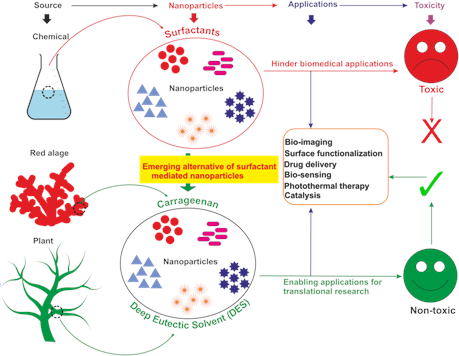
- variations and flexibility of tuning the size and shape of the metal nanoparticles at the nanoscale made them promising candidates for biomedical applications such as therapeutics, diagnostics, and drug delivery. However, safety and risk assessment of the nanomaterials for clinical purposes are yet to be
- nanomaterials, but there were issues regarding reproducibility and yield. Enzymatic degradation was one of the factors responsible for limiting the efficacy. Hence, it is necessary to develop a safer and nontoxic route towards synthesizing biocompatible nanomaterials while retaining morphology, high yield, and
- utilizing safe nanomaterials for advanced biomedical and clinical applications. Keywords: anisotropic nanoparticles; carrageenan; cytotoxicity; eutectic solvents; surfactants; Review Introduction Plasmonic metals such as gold and silver, upon achieving nanoscale dimensions, exhibit unusual physicochemical





