Search results
Search for "plasmon resonance" in Full Text gives 226 result(s) in Beilstein Journal of Nanotechnology. Showing first 200.
Synthesis, characterization and in vitro effects of 7 nm alloyed silver–gold nanoparticles
Beilstein J. Nanotechnol. 2015, 6, 1212–1220, doi:10.3762/bjnano.6.124
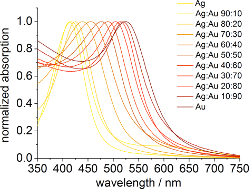
- resonance peak shows one maximum due to the distribution of the metals throughout the whole particle. Core–shell nanoparticles or individual silver or gold nanoparticles show two distinct plasmon resonance peaks [21][36][37]. As it is depicted in Figure 3, the absorption spectra show only one narrow peak
- plasmon resonance spectra against the molar fraction of Au or Ag. For a given particle size and surface functionalization, a linear relationship would indicate a macroscopically homogeneous distribution of the metals in the nanoparticles [21]. In Figure 4, the absorption maxima of the ≈10 nm nanoparticles
- values were close to the theoretical compositions (Table 2). To confirm the alloying of the two metals, UV–vis spectra were recorded for all samples. From the spectra it is possible to gain information about the inner structure of the nanoparticles. In case of alloyed Ag/Au nanoparticles, the plasmon


Improved optical limiting performance of laser-ablation-generated metal nanoparticles due to silica-microsphere-induced local field enhancement
Beilstein J. Nanotechnol. 2015, 6, 1199–1204, doi:10.3762/bjnano.6.122
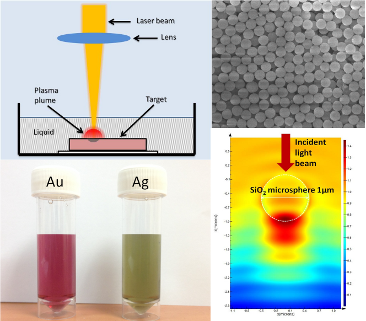
- nanoparticles exhibit localized surface plasmon resonance (LSPR), which is another possible way for local field enhancement to influence the light absorption and scattering [25]. Conclusion In this paper, we have studied that LAL is a promising technique to generate nanoparticles for various target materials


Superluminescence from an optically pumped molecular tunneling junction by injection of plasmon induced hot electrons
Beilstein J. Nanotechnol. 2015, 6, 1100–1106, doi:10.3762/bjnano.6.111
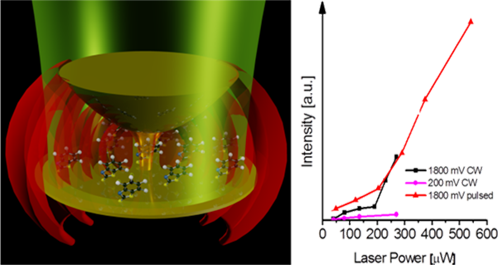
- power, PIL < 25%, a high-gain regime for 25% < PIL < 75% and almost saturates for PIL > 75%. The intensity in the low-gain regime consists mainly of the luminescence from the plasmon resonance of the Au/Au-junction and the spectrum has a full width at half maximum of about 90 nm with very weak
- scattered to the far field. While the gap modes plasmon resonance is very broad, exhibiting a quality factor of only Q ≈ 15, the resonantly stored energy in the optical near field in the gap is extremely well localized, in a volume having an upper limit of approximately 4 × 4 × 1 nm3 (see Figure S8


Patterning technique for gold nanoparticles on substrates using a focused electron beam
Beilstein J. Nanotechnol. 2015, 6, 1010–1015, doi:10.3762/bjnano.6.104
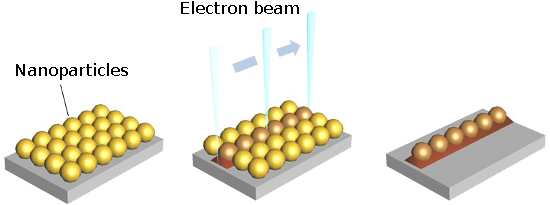
- plasmon resonance (LSPR) are attracting attention for future optical transmission, sensor, and data processing devices. The development of these LSPR-based structures would lead to a reduction in the size of optical circuits and devices [1][2]. Light energy can be propagated through nanometer-sized wires




Protein corona – from molecular adsorption to physiological complexity
Beilstein J. Nanotechnol. 2015, 6, 857–873, doi:10.3762/bjnano.6.88

- adsorption such as isothermal titration calorimetry (ITC) [82][83], and surface plasmon resonance (SPR) [22][84]. Moreover, techniques based on the size of proteins and protein–NP complexes have been utilized such as size-exclusion chromatography (SEC) [85][86][87][88][89][90] or one- and two-dimensional



Combination of surface- and interference-enhanced Raman scattering by CuS nanocrystals on nanopatterned Au structures
Beilstein J. Nanotechnol. 2015, 6, 749–754, doi:10.3762/bjnano.6.77
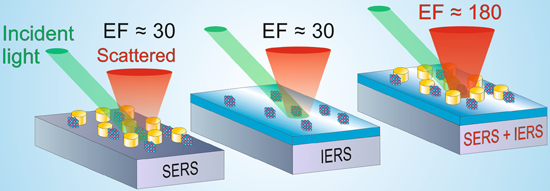
- surface plasmon resonance energy enabling resonance SERS in absorbates deposited on the arrays [13][14][15][16][17]. Moreover, CuS NCs are resistant against intense laser excitation even under resonant conditions. This is important for micro-Raman experiments with the NCs on nanostructured Au arrays under


Electromagnetic enhancement of ordered silver nanorod arrays evaluated by discrete dipole approximation
Beilstein J. Nanotechnol. 2015, 6, 686–696, doi:10.3762/bjnano.6.69
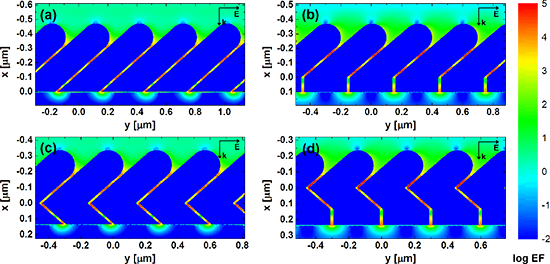
- under the s-polarized and the p-polarized excitations are also depicted in Figure 2, in which the propagation direction of the light is perpendicular to the long axis of the nanorod. A major plasmon resonance peak centred at 360 nm is found under the excitation of s-polarization, along with a broad
- shows a similar trend against AR as EFavg does. Effect of the excitation wavelength Since the SERS effect is a near-field phenomenon and related to the localized surface plasmon resonance (LSPR) of the nanostructures, it is expected to exhibit a behavior that depends on the excitation wavelength. Here
- the vertical AgNR arrays. It has been revealed that different modes of surface plasmon resonance can only be excited by certain angles of incidence, leading to different near-field enhancements [23][33]. Effect of incident polarization Figure 9a shows the polarization dependence of EFavg from S42 AgNR


Influence of gold, silver and gold–silver alloy nanoparticles on germ cell function and embryo development
Beilstein J. Nanotechnol. 2015, 6, 651–664, doi:10.3762/bjnano.6.66
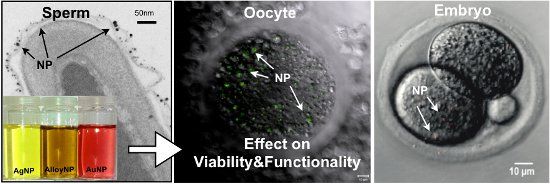
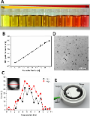
- nanotoxicology on reproductive cells provides an ideal tool. Schematic representation of experiments conducted within the collaboration project REPROTOX. (A) Exemplary AuAg colloids with different molar fractions. (B) Correlation of gold molar fraction with the maximum surface plasmon resonance extinction peak





Synergic combination of the sol–gel method with dip coating for plasmonic devices
Beilstein J. Nanotechnol. 2015, 6, 500–507, doi:10.3762/bjnano.6.52
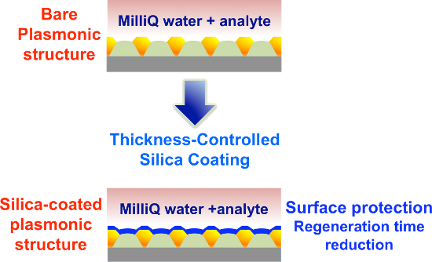
- an extended time and inducing a suitable reduction of the regeneration time of the chip. Keywords: biosensors; nanodevices; plasmonics; sol–gel; thin films; Introduction Plasmonic nanostructures have gained increasing attention for their surface plasmon resonance (SPR)-related properties, which can


Hollow plasmonic antennas for broadband SERS spectroscopy
Beilstein J. Nanotechnol. 2015, 6, 492–498, doi:10.3762/bjnano.6.50
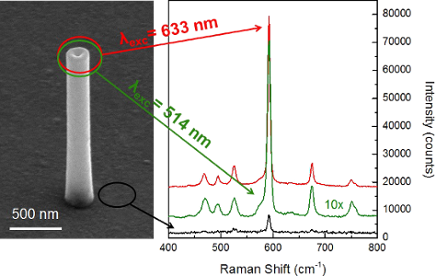
- based on surface enhanced Raman scattering (SERS) enhancement [1][2][3], fluorescence [4][5], the surface plasmon resonance effect [6][7], mapping and imaging [8][9][10], to nanotechnology, with several works related to nanolithography [11][12], nanofocusing [13][14], nanolasers [15][16], waveguides [17


Raman spectroscopy as a tool to investigate the structure and electronic properties of carbon-atom wires
Beilstein J. Nanotechnol. 2015, 6, 480–491, doi:10.3762/bjnano.6.49
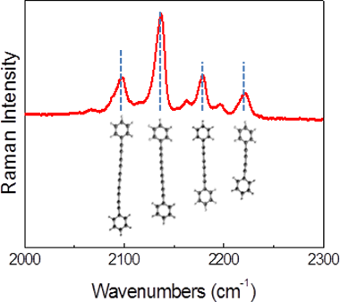
- from NIR (1064 nm) to blue (458 nm) wavelengths, illustrating that this is not a resonance-activated effect [39]. When interacting with metal nanoparticles in solution, H-terminated polyynes promote colloid aggregation, which causes the plasmon resonance to broaden and shift from the visible to the NIR


Palladium nanoparticles anchored to anatase TiO2 for enhanced surface plasmon resonance-stimulated, visible-light-driven photocatalytic activity
Beilstein J. Nanotechnol. 2015, 6, 428–437, doi:10.3762/bjnano.6.43
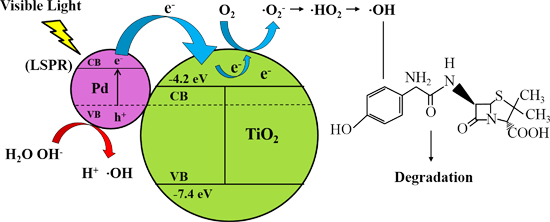
- with controlled Pd NPs size ranging between 17 and 29 nm onto the surface of TiO2. Thus, it gives the characteristic for Pd NPs to absorb light in the visible region obtained through localized surface plasmon resonance (LSPRs). Apparently, the photocatalytic activity of the prepared photocatalysts was
- most promising strategy to defeat the limitations of TiO2. This is due to the characteristics of noble metals, which can drastically enhance the absorption of visible light through localized surface plasmon resonance effects (LSPRs) [23][24]. The LSPR absorption in noble metal NPs arise from the
- efficiency was achieved by depositing Pd NPs on the surface of TiO2. This immense progress was attributed to the localized surface plasmon resonance that enables Pd NPs to absorb light in the visible region. This is attributed to an optical excitation that produces a coherent oscillation of free electrons in


Influence of size, shape and core–shell interface on surface plasmon resonance in Ag and Ag@MgO nanoparticle films deposited on Si/SiOx
Beilstein J. Nanotechnol. 2015, 6, 404–413, doi:10.3762/bjnano.6.40
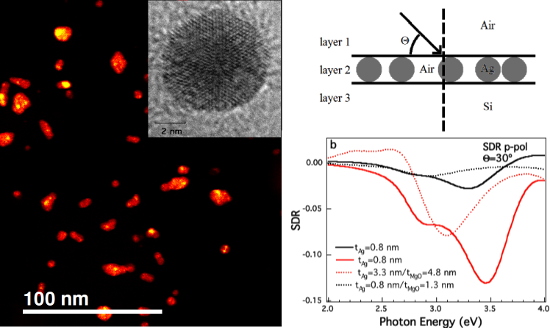
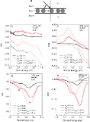
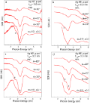
- atmosphere gave rise to formation of a MgO shell matrix surrounding the Ag NPs. The behaviour of the surface plasmon resonance (SPR) excitation in surface differential reflectivity (SDR) spectra with p-polarised light was investigated for bare Ag and Ag@MgO NPs. It was shown that the presence of MgO around
- ; surface differential reflectivity; surface plasmon resonance; Introduction Nanoparticles (NPs) deposited on surfaces constitute a vast and important research field in material science having many applications in magnetic recording [1][2], catalysis [3], and photovoltaics [4][5][6][7][8][9]. For instance
- , it was found that Au NPs [5] and Ag NPs [6] deposited on thin film- and wafer-based Si solar cells can enhance their photon absorption due to the occurrence of surface plasmon resonance (SPR), which serves to scatter the incident radiation in the UV–vis region and to increase the light trapping



Green preparation and spectroscopic characterization of plasmonic silver nanoparticles using fruits as reducing agents
Beilstein J. Nanotechnol. 2015, 6, 293–299, doi:10.3762/bjnano.6.27
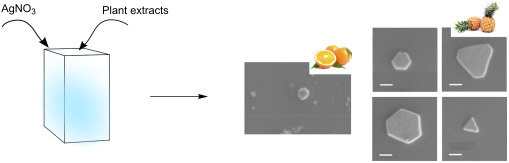
- relatively simple way by using extracts of oranges and pineapples as reducing agents. Size and shape of the particles depend mainly on the kind of fruit used in the chemical preparation process. The UV–vis absorption spectrum displays the surface plasmon resonance and also features in the UV, which can be


Mechanical properties of MDCK II cells exposed to gold nanorods
Beilstein J. Nanotechnol. 2015, 6, 223–231, doi:10.3762/bjnano.6.21
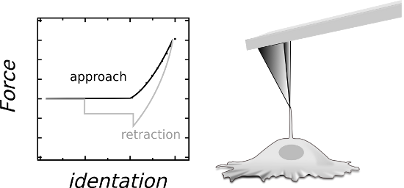
- monolayer after incubation with CTAB-coated gold nanorods at different concentrations. Particles as well as aggregates are easily discernible due to their plasmon resonance. The particles arrange predominantly around the nucleus but are usually not found inside the nucleus. Recently, we carried out optical


Tunable light filtering by a Bragg mirror/heavily doped semiconducting nanocrystal composite
Beilstein J. Nanotechnol. 2015, 6, 193–200, doi:10.3762/bjnano.6.18
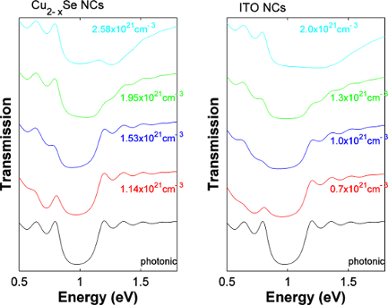
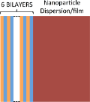
- : active optical component; electronic band gap nanostructure; localized surface plasmon resonance; photonic crystal; Introduction Optical filters are fundamental components employed in almost all optical setups and devices. For example, they play a very important role in microfluidic devices, which are
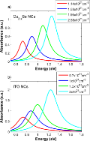
- of doped semiconductor nanostructures is the option to chemically and electrochemically modify their plasmon resonance frequencies by changing the material’s carrier density. For copper chalcogenide NCs, chemical manipulation has been demonstrated in response to oxidizing and reducing treatments [27
- absorption was triggered through the addition of chemical agents, inducing oxidation and reduction. This in turn leads to a variation of the carrier density and a blue shift (for oxidation) or red shift (for reduction) of the plasmon resonance over a wide range of frequencies. Such observation underlines


The fate of a designed protein corona on nanoparticles in vitro and in vivo
Beilstein J. Nanotechnol. 2015, 6, 36–46, doi:10.3762/bjnano.6.5
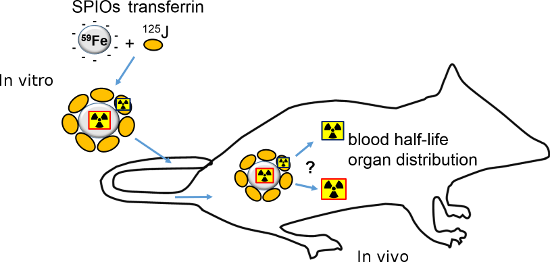
- experimental setups. Various techniques such as ITC (isothermal titration calorimetry), SPR (surface plasmon resonance), DCS (differential centrifugal sedimentation), QCM (quartz crystal microbalance), and FCS (fluorescence correlation spectroscopy) have been used to monitor the affinities of proteins for


Exploring plasmonic coupling in hole-cap arrays
Beilstein J. Nanotechnol. 2015, 6, 1–10, doi:10.3762/bjnano.6.1
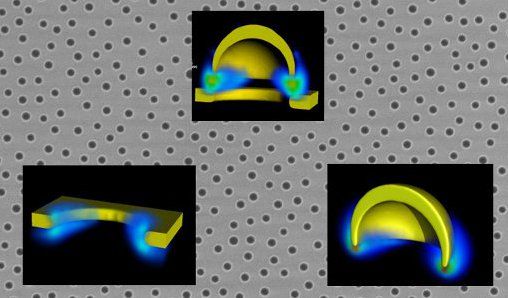
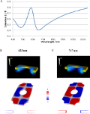
- compared to separated arrays of holes or caps. Optical spectroscopy and FDTD simulations reveal strong coupling between the gold caps and both Bloch Wave-surface plasmon polariton (BW-SPP) modes and localized surface plasmon resonance (LSPR)-type resonances in hole arrays when they are in close proximity
- . The interesting and complex coupling between caps and hole arrays reveals the details of the field distribution for these simple to fabricate structures. Keywords: caps; colloidal lithography; hybridization; localized surface plasmon resonance; near field; SRO hole arrays; Introduction The





SERS and DFT study of copper surfaces coated with corrosion inhibitor
Beilstein J. Nanotechnol. 2014, 5, 2489–2497, doi:10.3762/bjnano.5.258
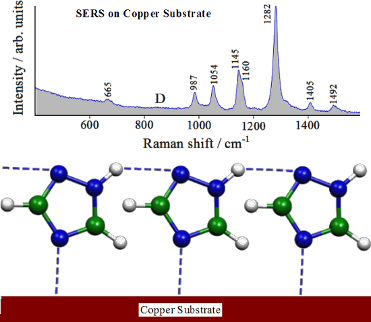
- substrate must exhibit a surface roughness at the nanometer level. In these nanoscale structures, the excitation of electrons from the metal surface by laser irradiation can be confined, resulting in plasmon resonance [16]. The existence of this resonance is a necessary condition to observe a SERS signal by


Mammalian cell growth on gold nanoparticle-decorated substrates is influenced by the nanoparticle coating
Beilstein J. Nanotechnol. 2014, 5, 2479–2488, doi:10.3762/bjnano.5.257
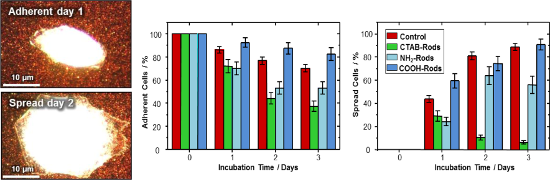
- ; gold; nanoparticles; Introduction Over the last decade, the biomedical applications for gold nanoparticles have become increasingly diverse due to their small size and plasmonic nature [1]. The plasmon resonance wavelength of the nanoparticle, which exhibits strong light scattering and absorption, can


Proinflammatory and cytotoxic response to nanoparticles in precision-cut lung slices
Beilstein J. Nanotechnol. 2014, 5, 2440–2449, doi:10.3762/bjnano.5.253
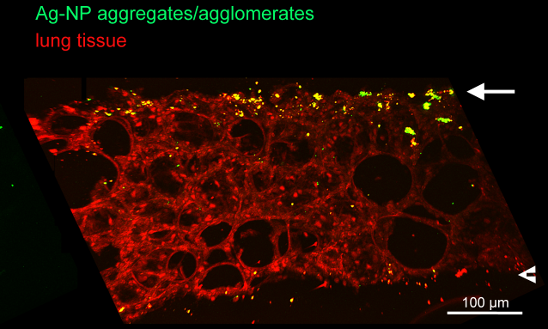
- muscle of living mice [44]. This technique allowed us to record images of Ag-NPs and lung tissue without additional labelling, since Ag-NPs exhibit strong two-photon-induced photoluminescence and enhanced THG signals through surface plasmon resonance [45][46]. As shown by multiphoton microscopy, the Ag


Low-cost plasmonic solar cells prepared by chemical spray pyrolysis
Beilstein J. Nanotechnol. 2014, 5, 2398–2402, doi:10.3762/bjnano.5.249
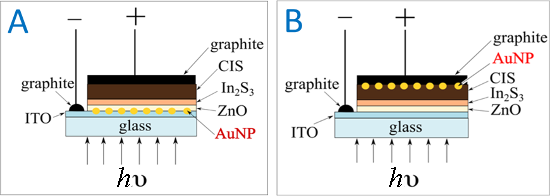
- % increase (from 4.6 to 7.5 mA/cm2) of the short-circuit current density was observed when 2.5 mL of the precursor solution was deposited onto the rear side of the solar cell. Keywords: Au nanoparticles; chemical spray pyrolysis; extremely thin absorber; plasmon resonance; solar cell; Introduction The cost
- -NP agglomerates of up to 200 nm can also be found, thus a size distribution of the of Au-NP agglomerates is also present. An increase in the particle size is likely to cause a red shift of the corresponding plasmon resonance, whereas a wide size distribution of Au-NPs and agglomerates is likely to
- Au precursor solution (curve C), at least three separate bands emerge centered at around 650, 710 and 850 nm. Thus, the increase in the EQE in the red/infrared region (Figure 3) is likely due to the gain in optical absorptance induced by the surface plasmon resonance effect. For this effect to occur


Inorganic Janus particles for biomedical applications
Beilstein J. Nanotechnol. 2014, 5, 2346–2362, doi:10.3762/bjnano.5.244

- conjugation to Ag nanoparticles when combined to form Ag@Fe3O4 dumbbell-like hetero-nanoparticles [47]. Moreover, plasmonic photocatalysts combine two prominent features: a Schottky junction enhancing charge separation and surface plasmon resonance, which is responsible for strong absorption of visible light
- the domain sizes of Au@MnO heterodimer nanoparticles in comparison to spherical Au nanoparticles. The shift of the absorption maximum amounts to 30 to 60 nm depending on the ratio of the domain sizes of Au and MnO. Mie’s theory describes the direct dependence of the surface plasmon resonance from the
- interaction at the nano-interface as shown for the exceptionally large T2-relaxation times of Co@Fe2O3 as compared to commonly available iron based MRI agents [59]. The most common metal nanoparticles for optical imaging with a long history are gold nanoparticles owing to their strong surface plasmon






Localized surface plasmon resonances in nanostructures to enhance nonlinear vibrational spectroscopies: towards an astonishing molecular sensitivity
Beilstein J. Nanotechnol. 2014, 5, 2275–2292, doi:10.3762/bjnano.5.237
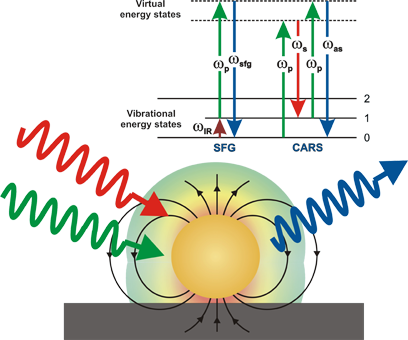
- (CARS); nonlinear optical spectroscopies; sum-frequency generation (SFG); surfaces plasmon resonance; vibrational spectroscopies; Review 1. Introduction – linear vibrational spectroscopies A widespread approach in molecular analysis relies on the vibrational fingerprint of matter to obtain an intrinsic
- of up to 1012 [7]. This is possible thanks to the strong electromagnetic (EM) field amplification achieved with surface plasmon resonances, especially when the field is confined in nanometric metallic structures under the form of a localized surface plasmon resonance (LSPR) [8][9][10][11][12][13][14
- IR or spontaneous Raman spectroscopies. To push forward the performance of both techniques, the coupling of the molecular coherence and power-law intensity dependence with the near-field enhancement from surface plasmon resonance has been initiated, and some demonstrations of an extreme sensitivity




Hybrid spin-crossover nanostructures
Beilstein J. Nanotechnol. 2014, 5, 2230–2239, doi:10.3762/bjnano.5.232
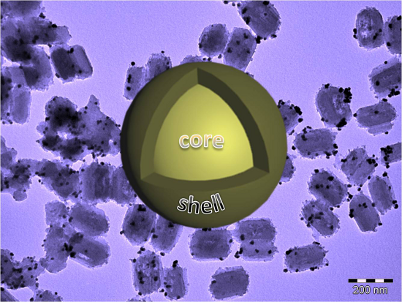
- . Furthermore, the spin-state switching behavior was also observed due to plasmonic heating. Such devices that display synergy between plasmon resonance and molecular spin states may be of great interest for implementing detection or self-regulation strategies on-chip for the photothermal effect or, with an
- diagram for an analog device but employing NR as the emitting material [30]. Adapted with permission from [28] and [30], copyright 2008 and 2013 Elsevier. a) SEM image of a gold nanorod array with 200 nm pitch. b) Extinction spectra of three nanorod arrays with different aspect ratios. c) Plasmon
- resonance shift associated with the spin crossover of a 60 nm thin film deposited onto the nano-dot array displayed in a) as a function of temperature. Adapted with permission from [34], copyright 2013 The Royal Society of Chemistry. a) Schematic view of the molecular memory proposed by Zhang et al. At low