Search results
Search for "reactivity" in Full Text gives 283 result(s) in Beilstein Journal of Nanotechnology. Showing first 200.
The longstanding challenge of the nanocrystallization of 1,3,5-trinitroperhydro-1,3,5-triazine (RDX)
Beilstein J. Nanotechnol. 2017, 8, 452–466, doi:10.3762/bjnano.8.49
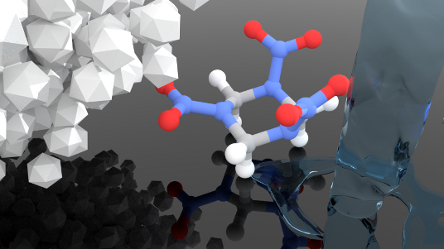
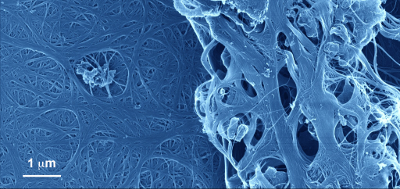
- impact and friction was reduced by two times, therefore questioning the reactivity. Nevertheless, further efforts were made to replace the bacterial cellulose with an energetic matrix. Crystallization in solution allows the formation of large crystals by growth, thus allowing more parametric studies
- preexpansion pressure needed to guarantee a fine spraying. Besides the innovative applications of energetic nanomaterials, such as the synthesis of ultrafine nanodiamonds [116][117] and reactivity enhancement [10], the versatility of SFE allows the crystallization at a sub-micrometer or nanometer scales of a
- previously saw for milling. Yet this delicate step is required since the reactivity of high energetic materials is fully exploited in the dried state. Freeze drying and supercritical drying seem to kinetically and partially prevent crystal growth from occurring. Only a complete growth inhibition will lead to


Methods for preparing polymer-decorated single exchange-biased magnetic nanoparticles for application in flexible polymer-based films
Beilstein J. Nanotechnol. 2017, 8, 408–417, doi:10.3762/bjnano.8.43
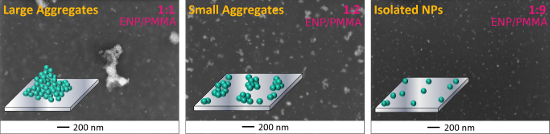
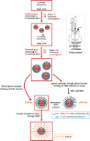
- : PMMA and PS, which have very similar properties (e.g., specific temperatures, mechanical properties, density) but rather different side chains; PMMA has an aliphatic ester group while PS has a more rigid aromatic ring. However, despite their structural and reactivity differences, we followed the same


Tailoring bifunctional hybrid organic–inorganic nanoadsorbents by the choice of functional layer composition probed by adsorption of Cu2+ ions
Beilstein J. Nanotechnol. 2017, 8, 334–347, doi:10.3762/bjnano.8.36
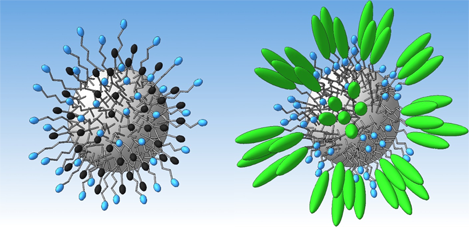
- its availability and chemical reactivity. In monofunctional layers it is often involved in direct hydrogen bonding to the Si–OH groups on the surface, which decreases its chemical availability and can cause hydrolytic elimination of the siloxane fragment bearing this group [33][34][35]. The mechanisms
- potentially strong van der Waals bonding such as fluorinated groups. We also aimed to test the availability and reactivity of the amino function via Cu2+-cation adsorption as a probe, using electron paramagnetic resonance (EPR) and electron spectroscopy of diffuse reflectance (ESDR) spectroscopy. This
- are available for H+ sorption. The intrinsic structure and reactivity of the aminopropyl groups were investigated using Cu2+ adsorption. In the view that EPR spectra of the copper(II) complexes provide direct insight into the coordination of these cations, they were thus revealing the spatial


Nanocrystalline ZrO2 and Pt-doped ZrO2 catalysts for low-temperature CO oxidation
Beilstein J. Nanotechnol. 2017, 8, 264–271, doi:10.3762/bjnano.8.29
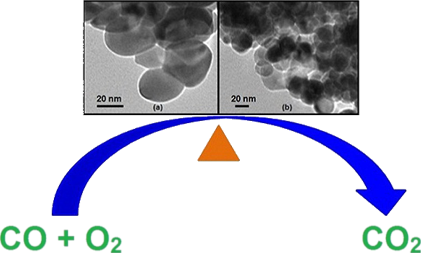
- CO oxidation by different researchers [13][14][15][16]. The addition of precious metals such as Pd, Pt and Rh increased the reactivity of the support by increasing its oxygen mobility and number of oxygen vacancies (the source of oxygen in CO oxidation) [10][11][12]. In recent years, ZrO2 has been


Sensitive detection of hydrocarbon gases using electrochemically Pd-modified ZnO chemiresistors
Beilstein J. Nanotechnol. 2017, 8, 82–90, doi:10.3762/bjnano.8.9
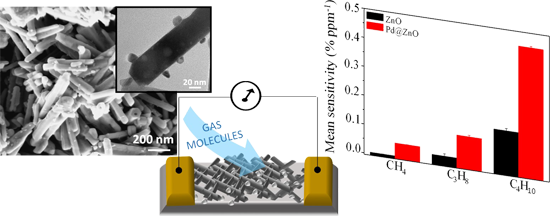
- . The presence of Pd NPs on ZnO NRs strongly affects gas adsorption and reactivity and, hence, the gas sensing as discussed in the following section. Gas-sensing performance Figure 4A shows the time responses of the electrical resistance of chemiresistors based on pristine and Pd-modified ZnO NRs to


Fundamental properties of high-quality carbon nanofoam: from low to high density
Beilstein J. Nanotechnol. 2016, 7, 2065–2073, doi:10.3762/bjnano.7.197
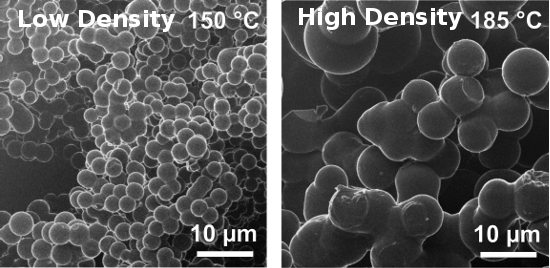
- micropearls may lead to high surface reactivity and consequently to the aggregation of the spheres. In fact, such effects have been observed in the growth of carbon structures when the residence time in the autoclave was extended [65]. The advanced growth of the micropearls seems to be accompanied with a


Cubic chemically ordered FeRh and FeCo nanomagnets prepared by mass-selected low-energy cluster-beam deposition: a comparative study
Beilstein J. Nanotechnol. 2016, 7, 1850–1860, doi:10.3762/bjnano.7.177
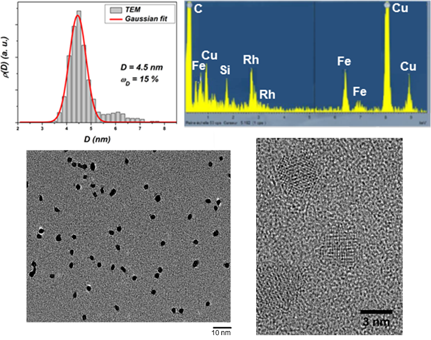
- that for FeCo nanoalloys in carbon environment especially for sizes smaller than 4 nm in diameter, the drawback of carbide formation is in competition with the benefit of tetragonal distortion expected for improving their magnetic properties. In this case, we have shown that the chemical reactivity of


Functionalized platinum nanoparticles with surface charge trigged by pH: synthesis, characterization and stability studies
Beilstein J. Nanotechnol. 2016, 7, 1822–1828, doi:10.3762/bjnano.7.175
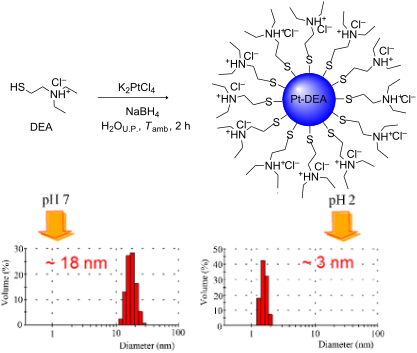
- functionalizing layer around MNPs is of primary relevance; in fact, not only solubility but also optical properties and reactivity are strongly dependent on the external layer surrounding the MNPs [13]. The functionalization of MNPs determines their interaction with the external environment and affects their


3D printing of mineral–polymer bone substitutes based on sodium alginate and calcium phosphate
Beilstein J. Nanotechnol. 2016, 7, 1794–1799, doi:10.3762/bjnano.7.172
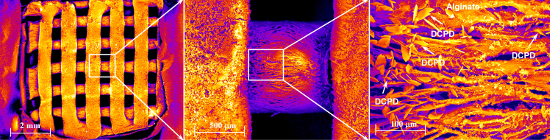
- the carboxylate group of alginate. This physical bonding translates to mixtures that are rich in electronic pairs leading to a higher reactivity and mineralization potential that can be transformed into composite materials [13]. According to X-ray diffraction data, synthesis in the presence of


Influence of hydrothermal synthesis parameters on the properties of hydroxyapatite nanoparticles
Beilstein J. Nanotechnol. 2016, 7, 1586–1601, doi:10.3762/bjnano.7.153
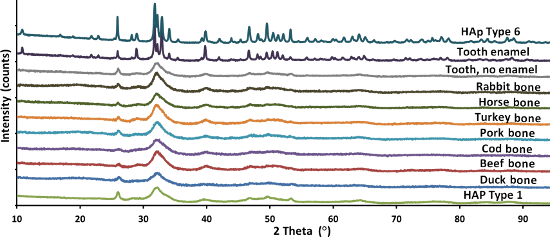
- occurrence of the aforementioned elements affects the activity of bone-cell-related enzymes. The introduction of Mg2+ and CO32− ions causes a decrease in the size of crystals and an increase in solubility. The high reactivity of bone apatite is a result of low crystallinity. The reactivity is reflected in


Filled and empty states of Zn-TPP films deposited on Fe(001)-p(1×1)O
Beilstein J. Nanotechnol. 2016, 7, 1527–1531, doi:10.3762/bjnano.7.146
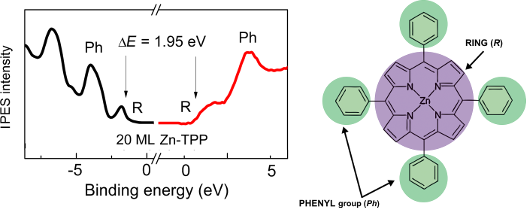
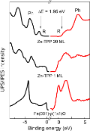
- porphyrin reactivity [1]. In particular, the metal atom is placed in the middle of the main cavity of the porphyrin, which has a planar structure, allowing the metal atom to interact from both sides of the molecule. The molecule–substrate interaction can be interpreted in terms of a bond between a special

False positives and false negatives measure less than 0.001% in labeling ssDNA with osmium tetroxide 2,2’-bipyridine
Beilstein J. Nanotechnol. 2016, 7, 1434–1446, doi:10.3762/bjnano.7.135
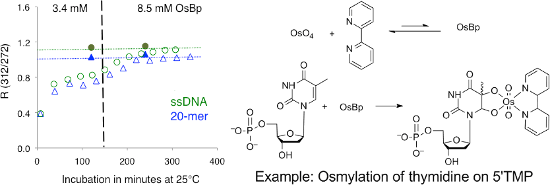
- unosmylated T must measure substantially lower than 1/10,000 due to the 27-fold higher reactivity of T compared to C. However, osmylated C undergoes degradation that amounts to about 1–2% for the duration of the labeling protocol. This degradation may be further characterized, possibly suppressed, and the
- it was found that one of the contrast agents, a 1:1 mixture of osmium tetroxide and 2,2’-bipyridine, exhibited extraordinary properties, and was considered to be the “perfect” label (Scheme 1). These attributes are (i) room temperature reactivity at mM concentration, (ii) no loss of label upon
- standing, (iii) superior selectivity for T over C by a factor of 27, (iv) undetectable degradation of the DNA strand under the labeling conditions, and (v) undetectable reactivity towards the purines (false positives). Most importantly OsBp reactivity towards T or C was found to be independent of


A composite structure based on reduced graphene oxide and metal oxide nanomaterials for chemical sensors
Beilstein J. Nanotechnol. 2016, 7, 1421–1427, doi:10.3762/bjnano.7.133
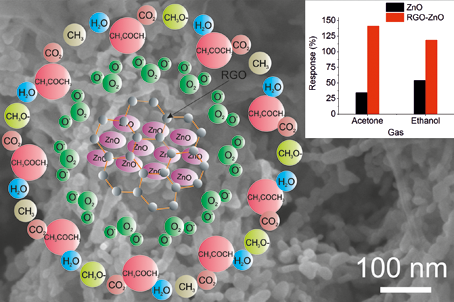
- RGO–ZnO response to the same concentration of ethanol is about 2.2 times higher compared to ZnO. The improvement of the sensing properties in the presence of RGO may be reasonably ascribed to the enhancement of the overall surface of the hybrid material, which would benefit the reactivity of both


Tunable longitudinal modes in extended silver nanoparticle assemblies
Beilstein J. Nanotechnol. 2016, 7, 1219–1228, doi:10.3762/bjnano.7.113
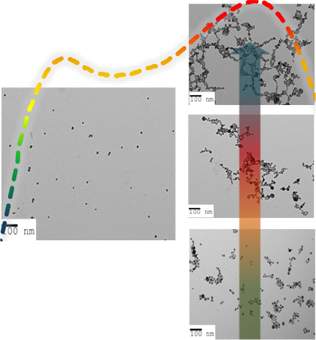
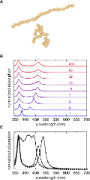
- produce highly anisotropic UV–visible spectra reminiscent of high aspect ratio 1D nanoparticles such as rods. While such structures have been observed for gold nanoparticles, the greater reactivity of silver has made its controlled assembly more difficult. This degree of anisotropy reported here, with


Photocurrent generation in carbon nanotube/cubic-phase HfO2 nanoparticle hybrid nanocomposites
Beilstein J. Nanotechnol. 2016, 7, 1075–1085, doi:10.3762/bjnano.7.101
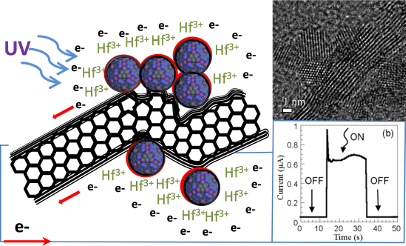
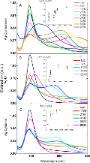
- of symmetry. This implies a local change of the electronic structure [36] along with an increase in π mismatch. This in turn accentuates the reactivity of these MWCNTs and converts these defects into receptors for functional groups on the surface of the nanoparticles. Buckling and kinking of the
- MWCNT arises due to rearrangement of C atoms around the curved area giving rise to vacancies and dangling bonds. These defective areas are well known for their high reactivity to foreign atoms [37]. In Figure 1d, nanoparticles are attached to the side walls of the MWCNT. It has to be emphasized here
- the MWCNT which is a result of the sonication treatment and will be discussed in a forthcoming paper. This provokes a breakdown in the graphitic structure, which once again affects the electronic structure and increases the reactivity of the MWCNT to foreign atoms. Optical properties The distinctive


Modelling of ‘sub-atomic’ contrast resulting from back-bonding on Si(111)-7×7
Beilstein J. Nanotechnol. 2016, 7, 937–945, doi:10.3762/bjnano.7.85
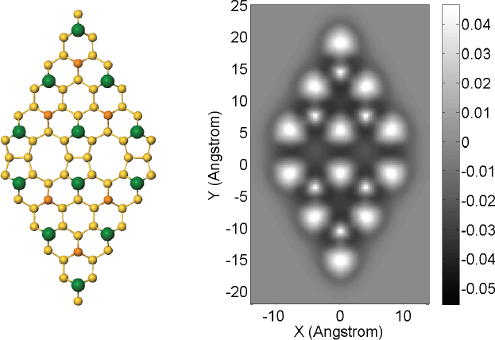
- common vacuum contaminant, our tip termination could also easily be a number of other common contaminants (for example H, OH or O), which would also suppress the chemical reactivity of the tip apex. Therefore our modelling, using CO parameters, is only intended to represent a ‘generic’ passivated tip. In
- modification of the chemical reactivity of the tip due to mechanical deformation. Interestingly, somewhat similar features are reproduced in simulation using the flexible tip, with an inversion of contrast directly over the adatoms. This results from the deflection of the tip, and is the origin of the contrast
- in the chemical reactivity of the tip. This evolution in contrast is not reproduced in the simulations using a very stiff tip (right column), where the atoms of the Si(111)-7×7 surface remain spherical throughout. This highlights the essential requirement for considering the flexibility of the tip


Microscopic characterization of Fe nanoparticles formed on SrTiO3(001) and SrTiO3(110) surfaces
Beilstein J. Nanotechnol. 2016, 7, 817–824, doi:10.3762/bjnano.7.73
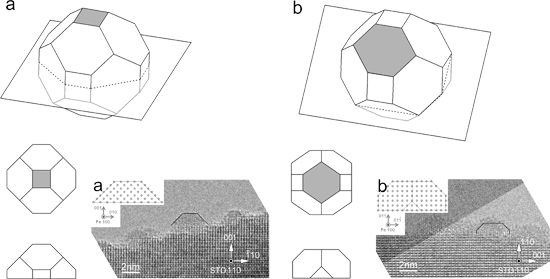
- with local depletion of O−, which was caused during sample preparation by ion-beam bombardment and UHV annealing. These surface charges, which induce an electric field variation at the interface, could affect the local interfacial reactivity [64][65] and hence the position of each deposited atom. It is


Antibacterial activity of silver nanoparticles obtained by pulsed laser ablation in pure water and in chloride solution
Beilstein J. Nanotechnol. 2016, 7, 465–473, doi:10.3762/bjnano.7.40
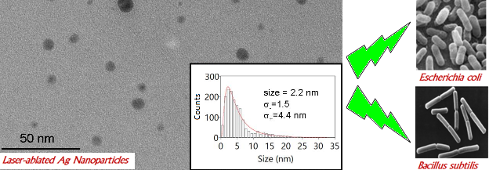
- modified AgNPs were the most effective, showing minimum inhibitory concentration (MIC) values in a restricted range of 1.0–3.7 µg/mL. An explanation is proposed for this result based on the increased surface reactivity of the metal surface due to the presence of positively charged active sites. Keywords
- comparison with colloids ablated in pure water. This explanation is based on the increased surface reactivity of the metal surface due to the presence of positively charged active sites. The higher antimicrobial activity shown by the ps-ablated colloids with respect to the ns-ablated colloids could, instead


Rigid multipodal platforms for metal surfaces
Beilstein J. Nanotechnol. 2016, 7, 374–405, doi:10.3762/bjnano.7.34

- , two, or three gold atoms, respectively [68]. Furthermore, the high reactivity of the thiol group not only guarantees a robust functionalization of gold electrodes. It can also lead to complication during the self-assembly process. The intermolecular linking of bifunctional dithiols due to disulfide










Hemolysin coregulated protein 1 as a molecular gluing unit for the assembly of nanoparticle hybrid structures
Beilstein J. Nanotechnol. 2016, 7, 351–363, doi:10.3762/bjnano.7.32
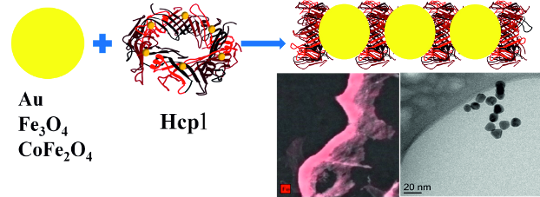
- connection via gold–thiol binding. The Au NP network shows similar reactivity to the colloidal Au NPs as a catalyst in the reduction reaction of 4-nitrophenol to 4-aminophenol. To explore the broad application of our concept, Hcp1_cys3 is also applied to assemble Fe3O4 and CoFe2O4 NPs. The reaction is
- network as a catalyst in the reduction reaction of 4-nitrophenol. The reduction of 4-nitrophenol to 4-aminophenol is a standard reaction to evaluate the catalytic reactivity of NPs [34]. The evaluation is based on the time-dependent absorbance decrease of the 4-nitrophenol cation at 400 nm. The absorbance
- change at 400 nm (ln I/I0 at 400 nm, where I0 is the absorbance at t = 0 s) was linearly fitted to obtain the reactivity constant, k. In Figure 7 the UV–vis spectra of the 4-nitrophenol solution during the catalytic reaction and the absorbance change at 400 nm are shown. The Au network shows a smaller k




Case studies on the formation of chalcogenide self-assembled monolayers on surfaces and dissociative processes
Beilstein J. Nanotechnol. 2016, 7, 263–277, doi:10.3762/bjnano.7.24
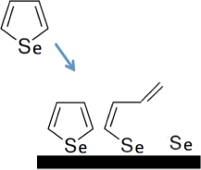
- . We discuss some recent studies based on X-ray photoelectron spectroscopy that shed light on these aspects for a series of such organic molecules. Keywords: copper; nickel; palladium; reactivity; selenol; selenophene; self-assembly; thiol; thiophene; Introduction In recent years research related to
- interaction with the substrate is strong and can lead to dissociative processes. This is, for instance, the case of copper and transition metals (Ni and Pd), which are characterized by a greater reactivity than gold. Thus, in the case of thiophene, dehydrogenation and desulfurization is well known to occur on
- . We emphasize this variability, which we attribute to differences in the surface characteristics that can lead to differences in reactivity and changes in the relative intensity of components related to dissociation channels. This can also explain the difference between the characteristics of the


Surface coating affects behavior of metallic nanoparticles in a biological environment
Beilstein J. Nanotechnol. 2016, 7, 246–262, doi:10.3762/bjnano.7.23
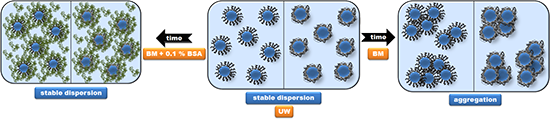
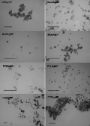
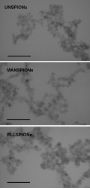
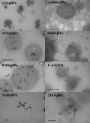
- good agreement with recently published data for stabilization of different metallic NPs in protein-containing media [3][54][61][62][63][64]. The mechanisms of PC adsorption and the way how the PC is arranged at the NP surface are crucial for gaining an understanding of the biological reactivity of NPs




Synthesis and applications of carbon nanomaterials for energy generation and storage
Beilstein J. Nanotechnol. 2016, 7, 149–196, doi:10.3762/bjnano.7.17















Single pyrimidine discrimination during voltage-driven translocation of osmylated oligodeoxynucleotides via the α-hemolysin nanopore
Beilstein J. Nanotechnol. 2016, 7, 91–101, doi:10.3762/bjnano.7.11
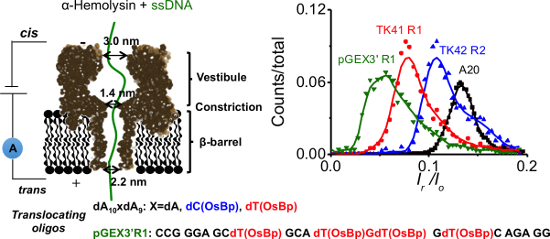
- reaction. The reactivity is not impeded by long sequences of pyrimidines, as evidenced by the rate for complete osmylation of dT15 that is, within experimental error, comparable to the rate of monomer osmylation, i.e., dTTP to dTTP(OsBp) [46]. It turns out that the same protocol, in the absence of any
- (HPLC) with ion exchange chromatography (see Experimental section). The oligo was chosen so that cross-linking of two strands to form a 64 nt long conjugate could be easily detected by this HPLC method. The presence of the tail is not expected to have a major effect on the reactivity of the alleged OsBp
- saturated 2,2’-bipyridine (sat. bipy)). Saturated 2,2’-bipyridine in water is approximately 30 mM as indicated in the literature. Experiments and kinetic determinations with the new OsBp stock solution (unpublished results) revealed that the reactivity is 4-fold higher compared to the OsBp 1:1 preparation



Surface-site reactivity in small-molecule adsorption: A theoretical study of thiol binding on multi-coordinated gold clusters
Beilstein J. Nanotechnol. 2016, 7, 53–61, doi:10.3762/bjnano.7.6
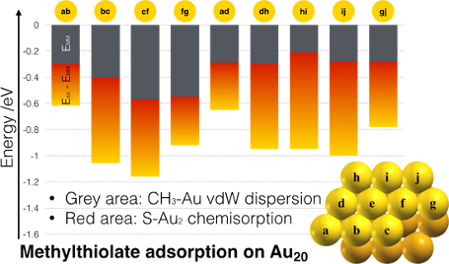
- in aminoacid or peptide behavior upon adsorption on non-ideal surfaces, i.e., substrates with adatoms, high-Miller-index facets or surface curvature have been examined individually [41][42][43][44][45], but no rigorous studies of the dependence of surface binding on site reactivity or coordination
- convolution of site reactivity and van der Waals attraction was found to determine the preference of methylthiolate to one or another binding site. As a result, adsorption was strongest at the kink sites (cf and fg), at edge sites where strong methyl-Au dispersive interactions could be established with the