Search results
Search for "surface plasmon resonance" in Full Text gives 189 result(s) in Beilstein Journal of Nanotechnology.
Self-organization of mesoscopic silver wires by electrochemical deposition
Beilstein J. Nanotechnol. 2014, 5, 1285–1290, doi:10.3762/bjnano.5.142
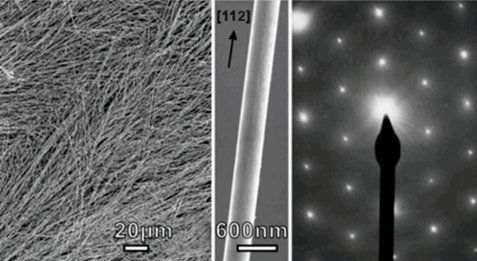
- with incident electromagnetic waves at specific frequencies and induce a collective resonant absorption on the surface known as surface plasmon resonance [21]. Because of this feature, noble metals can serve as plasmon waveguides [22][23]. Especially, single-crystalline metallic materials are preferred




Purification of ethanol for highly sensitive self-assembly experiments
Beilstein J. Nanotechnol. 2014, 5, 1254–1260, doi:10.3762/bjnano.5.139
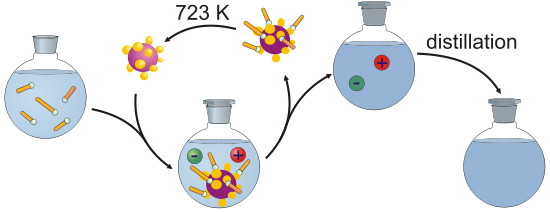
- long exposure times, it has been found that for kinetic studies even very minor contaminations can significantly affect the measurements [29]. Of the different time-resolved methods to determine monolayer formation, surface-plasmon resonance (SPR) [30][31] and a resistivity sensor developed by Bohn et

Nanostructure sensitization of transition metal oxides for visible-light photocatalysis
Beilstein J. Nanotechnol. 2014, 5, 696–710, doi:10.3762/bjnano.5.82
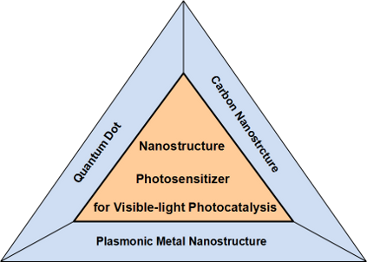
- and facilitates the vectorial electron transfer. Plasmonic metal nanostructures as the photosensitizer Surface plasmon resonance (SPR) is the resonant photon-induced collective oscillation of valence electrons, which happens only if the frequency of photons matches the natural frequency of surface




Injection of ligand-free gold and silver nanoparticles into murine embryos does not impact pre-implantation development
Beilstein J. Nanotechnol. 2014, 5, 677–688, doi:10.3762/bjnano.5.80
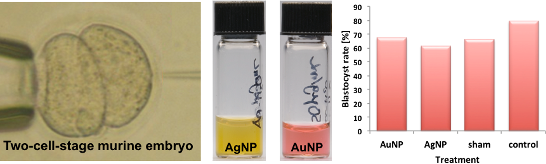
- biocompatibility and differentiation of bio-response related to the particles. Results Characterization of gold and silver nanoparticles Due to surface plasmon resonance (SPR), the fabricated gold nanoparticles exhibited a distinct absorption peak around 525 nm wavelength, while a peak at 400 nm was observed for
- Axioplan 200 and a confocal imaging system LSM510 (Carl Zeiss MicroImaging GmbH, Jena, Germany) [55]. Briefly, a helium neon green laser of 543 nm was used to excite the surface plasmon resonance of the gold nanoparticles and a 633 nm helium neon green laser for visualization of the two blastomers in




Effects of the preparation method on the structure and the visible-light photocatalytic activity of Ag2CrO4
Beilstein J. Nanotechnol. 2014, 5, 658–666, doi:10.3762/bjnano.5.77
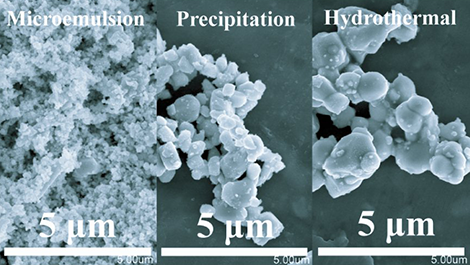
- nanoparticles [32]. These results indicate that Ag2CrO4 was partially reduced to metallic Ag and formed an Ag–Ag2CrO4 composite. However, the majority of Ag2CrO4 was still preserved, and the formed Ag particles may further promote the photocatalytic activity in terms of surface plasmon resonance [75][76] and


Enhanced photocatalytic activity of Ag–ZnO hybrid plasmonic nanostructures prepared by a facile wet chemical method
Beilstein J. Nanotechnol. 2014, 5, 639–650, doi:10.3762/bjnano.5.75
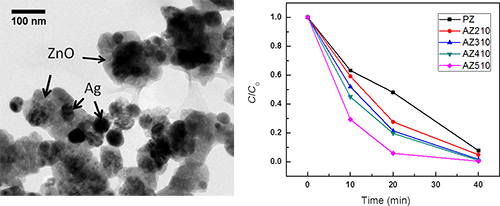
- of their recombination rate [19]. Secondly, noble metal nanoparticles on ZnO exhibit localized surface plasmon resonance (LSPR) absorption of light which can have significant impact on semiconductor photocatalysis. The LSPR wavelength of noble metal nanoparticles can be tuned from near UV to the


Hole-mask colloidal nanolithography combined with tilted-angle-rotation evaporation: A versatile method for fabrication of low-cost and large-area complex plasmonic nanostructures and metamaterials
Beilstein J. Nanotechnol. 2014, 5, 577–586, doi:10.3762/bjnano.5.68
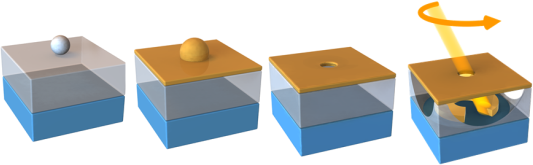
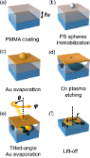
- Beilstein TV. Keywords: hole-mask colloidal nanolithography; localized surface plasmon resonance sensing; low-cost large-area plasmonic nanostructures; multilayer fabrication; surface-enhanced infrared absorption spectroscopy (SERS); Introduction Optics with metallic nanostructures has generated keen


In vitro toxicity and bioimaging studies of gold nanorods formulations coated with biofunctional thiol-PEG molecules and Pluronic block copolymers
Beilstein J. Nanotechnol. 2014, 5, 546–553, doi:10.3762/bjnano.5.64
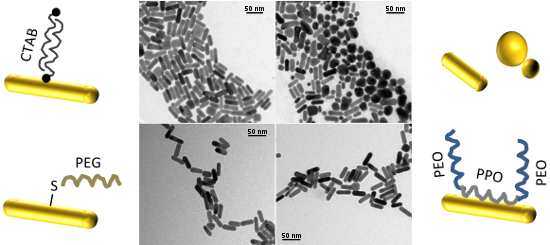
- important characteristics of AuNRs is that as light interacts with them, localized surface plasmon resonance (LSPR) is excited and locally oscillates around the particle [1]. LSPRs are electromagnetic modes associated with the collective oscillations of the free electrons confined to the nanoscale size


One pot synthesis of silver nanoparticles using a cyclodextrin containing polymer as reductant and stabilizer
Beilstein J. Nanotechnol. 2014, 5, 380–385, doi:10.3762/bjnano.5.44
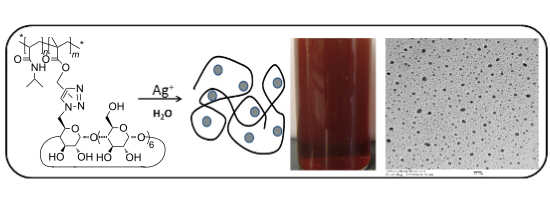
- nanoparticles; surface plasmon resonance; Introduction Recently the interest in noble metal nano scaled particles increased significantly. Due to their unique physicochemical and microbacterial properties silver nanoparticles (AgNP) are one of the most studied in the field of nanotechnology and have a broad
- result of surface plasmon resonance of noble metal nanoparticles [22]. UV–vis absorption spectroscopy is an established method to characterize the formation of silver nanoparticles and their shape [23]. Figure 2 shows the UV–vis absorption spectra of the metallopolymer solution 2a. The spectra exhibit
- absorption in the range of λmax = 450 nm, the typical surface plasmon resonance band of silver nanoparticles. Furthermore the surface plasmon resonance band in this region strongly suggests the formation of spherical particles [24]. With progress of the particle formation the intensity of the plasmon


Plasmonics-based detection of H2 and CO: discrimination between reducing gases facilitated by material control
Beilstein J. Nanotechnol. 2012, 3, 712–721, doi:10.3762/bjnano.3.81
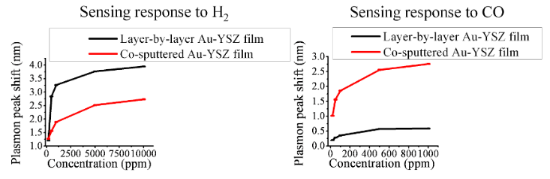
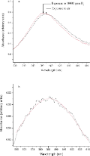
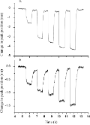
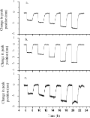
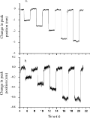
- fabricated through layer-by-layer physical vapor deposition (PVD). The change in the peak position of the localized surface plasmon resonance (LSPR) was monitored as a function of time and gas concentration. The responses of the films were preferential towards H2, as observed from the results of exposing the
- sensors for turbine engines, solid-oxide fuel cells, and other high-temperature applications. Keywords: hydrogen detection; nanocomposites gold nanoparticles; optical sensor; plasmonics; physical vapor deposition; surface plasmon resonance; Introduction Sensors based on surface plasmon resonance have
- observing the change in the position of the localized surface plasmon resonance (LSPR) peak. This work employs a layer-by-layer approach, meaning that the Au was first deposited and annealed to form nanoparticles and was then followed by the deposition and annealing of the YSZ capping layer. The metal-oxide





FTIR nanobiosensors for Escherichia coli detection
Beilstein J. Nanotechnol. 2012, 3, 485–492, doi:10.3762/bjnano.3.55
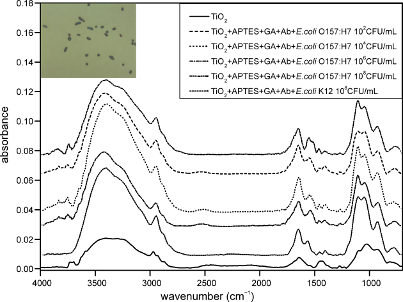
- , different optical biosensors were created for rapid detection of pathogenic bacteria, using fluorescence or surface plasmon resonance (SPR) because of their sensitivity [22][23]. For fluorescence analysis, antibodies (Ab) are conjugated with fluorescent compounds and used in combination with classical


Macromolecular shape and interactions in layer-by-layer assemblies within cylindrical nanopores
Beilstein J. Nanotechnol. 2012, 3, 475–484, doi:10.3762/bjnano.3.54
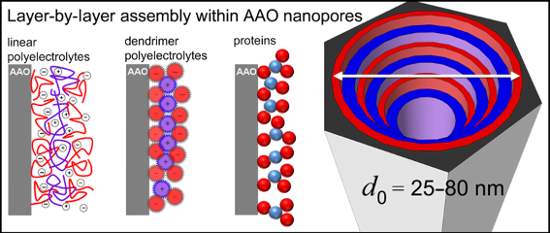
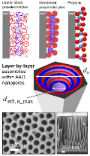
- ][17][18]. LbL structures on flat surfaces can be well characterized with subnanometer sensitivity by using a number of surface analysis techniques, such as surface plasmon resonance, atomic force microscopy or ellipsometry [19][20]. For LbL structures formed inside porous systems, such as within films
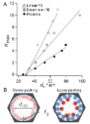
- macromolecular species on flat surfaces with that in nanopores. LbL deposition on flat surfaces was measured by surface plasmon resonance (SPR) by using gold substrates with a negatively charged self-assembled monolayer of mercaptohexadecanoic acid. The formation of protein multilayers was achieved by using
- glass test tube, inside the chamber. The container was covered with its glass cover and sealed, left in the oven at 130 °C for 5 min to warm, followed by 3 h under continuous vacuum. Surface plasmon resonance (SPR) SPR measurements were performed on a setup operating at 632.8 nm in the Kretschmann




Mapping mechanical properties of organic thin films by force-modulation microscopy in aqueous media
Beilstein J. Nanotechnol. 2012, 3, 464–474, doi:10.3762/bjnano.3.53
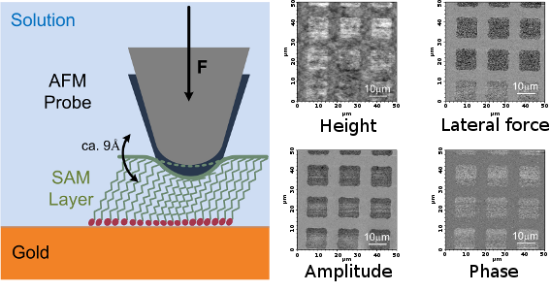
- , including surface plasmon resonance (SPR) [58], quartz-crystal microbalance (QCM) [59][60][61] and ellipsometry [62]. These methods, however, do not resolve differences in the grafting density and packing of the molecules with high spatial resolution (micrometer or less). Here we show that FMM in solution



Sensing surface PEGylation with microcantilevers
Beilstein J. Nanotechnol. 2010, 1, 3–13, doi:10.3762/bjnano.1.2
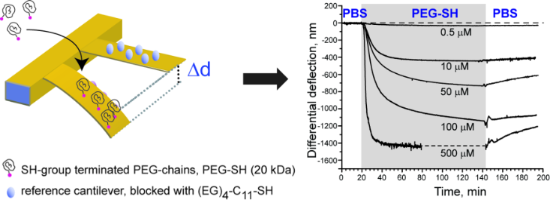
- (QCM-D) [11] and surface plasmon resonance (SPR) [12] also allow for the characterization of adsorption-induced and structural changes in interfacial polymer layers. The high sensitivity of microcantilever sensors has proven to be a powerful platform for detecting molecular interactions in a label-free