Search results
Search for "therapy" in Full Text gives 253 result(s) in Beilstein Journal of Nanotechnology. Showing first 200.
Synthesis and functionalization of NaGdF4:Yb,Er@NaGdF4 core–shell nanoparticles for possible application as multimodal contrast agents
Beilstein J. Nanotechnol. 2017, 8, 1815–1824, doi:10.3762/bjnano.8.183
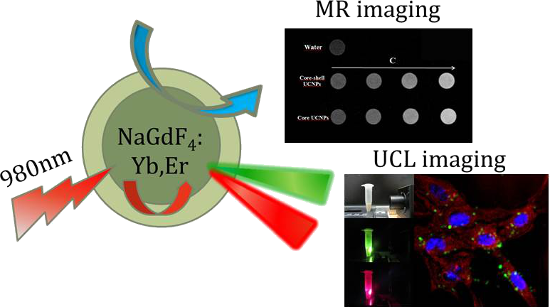
- stability, high resistance to photobleaching, and long emission lifetime [2][3]. As a unique class of luminescent phosphors, UCNPs show great promise in a broad range of applications ranging from bioimaging, biosensors, drug delivery, to photodynamic therapy [4][5][6][7][8]. Through combination with
- biologically active molecules, UCNPs could be multifunctional in both therapy and diagnostics (theranostics) [9]. However, biomedical applications require ultrasmall multifunctional nanoparticles to be hydrophilic, biocompatible and have intense upconversion emission and efficient paramagnetic properties


Methionine-mediated synthesis of magnetic nanoparticles and functionalization with gold quantum dots for theranostic applications
Beilstein J. Nanotechnol. 2017, 8, 1734–1741, doi:10.3762/bjnano.8.174
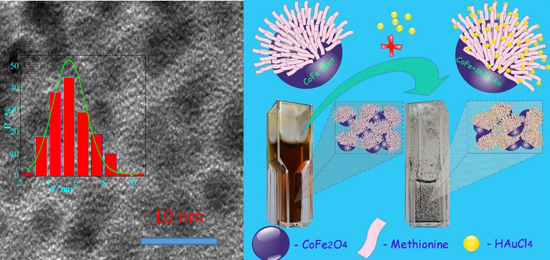
- Biocompatible superparamagnetic iron oxide nanoparticles (NPs) through smart chemical functionalization of their surface with fluorescent species, therapeutic proteins, antibiotics, and aptamers offer remarkable potential for diagnosis and therapy of disease sites at their initial stage of growth. Such NPs can
- nanomedicine, biocompatible iron oxide-based NPs have attracted particular interest due to their size-dependent magnetic, optical and chemical properties that allow for the design of NPs for multimodal imaging and photothermal therapy of cancer cells [1]. Dual-imaging probes, capable to perform simultaneously


Near-infrared-responsive, superparamagnetic Au@Co nanochains
Beilstein J. Nanotechnol. 2017, 8, 1680–1687, doi:10.3762/bjnano.8.168
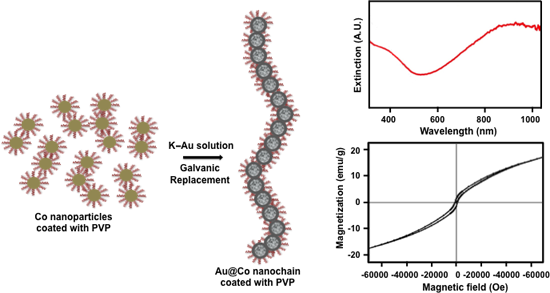
- various applications, such as energy conversion in solar cells [10][11], biosensing [12], photothermal therapy [13], and biomedical imaging [14]. Surface modification with an inorganic coating, such as silica, can lend biocompatibility to the nanoparticles [15][16][17][18]. A gold shell on magnetic
- -thermal cancer therapy [10][11][12][13]. Results and Discussion Morphology and composition of the Au@Co nanochains The synthesis of the Au@Co nanochains proceeded using wet-chemical methods via a galvanic replacement reaction [27]. Cobalt nanoparticles were used as templates for the nanochain synthesis
- -thermal cancer therapy. In addition, these nanochains are superparamagnetic at room temperature, which offers the capacity for manipulation under an external magnetic field. Because of their dual magneto-optical properties, our Au@Co nanochains can be used for both delivery and treatment, making them a


A nanocomplex of C60 fullerene with cisplatin: design, characterization and toxicity
Beilstein J. Nanotechnol. 2017, 8, 1494–1501, doi:10.3762/bjnano.8.149
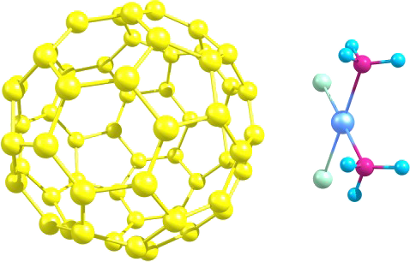
- ][18], including combination chemotherapy [19] and photodynamic therapy [20][21][22]. They are also applied for the targeted delivery of drugs into tumor cells [23][24][25]. However, there are several conflicting reports in the literature regarding the genotoxicity of C60 fullerene [26]. Thus, a strong



Calcium fluoride based multifunctional nanoparticles for multimodal imaging
Beilstein J. Nanotechnol. 2017, 8, 1484–1493, doi:10.3762/bjnano.8.148
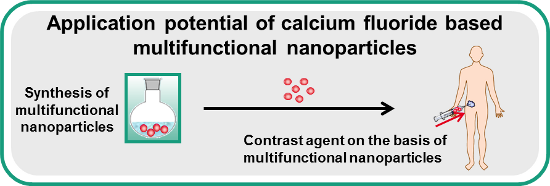
- nanoparticles; magnetic resonance imaging (MRI); multifunctional nanoparticles; multimodal imaging; photoluminescence; Introduction In recent years, medical imaging has become an important approach in the fields of diagnostics, therapy and regenerative medicine. Besides the classical technology of X-ray


Development of polycationic amphiphilic cyclodextrin nanoparticles for anticancer drug delivery
Beilstein J. Nanotechnol. 2017, 8, 1457–1468, doi:10.3762/bjnano.8.145
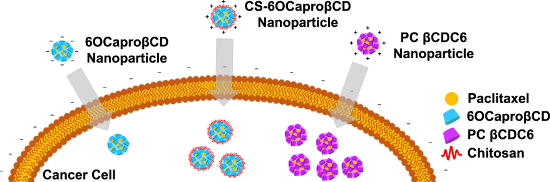
- therapy can be provided with lower drug dose. Zeta potential measurements indicate that 6OCaproβCD has a negative surface charge unlike the other formulations. In this study, PC βCDC6 has a strong positive surface charge owing to polycationic amino groups. This amphiphilic CD derivative was previously
- as well as other lipophilic anticancer drugs for cancer therapy. In addition, by formulating with anionic and cationic amphiphilic CDs, it will be possible to enhance anticancer activity of drugs, overcoming the problem of surfactant-induced toxicity. Finally, it can be said that polycationic


Cationic PEGylated polycaprolactone nanoparticles carrying post-operation docetaxel for glioma treatment
Beilstein J. Nanotechnol. 2017, 8, 1446–1456, doi:10.3762/bjnano.8.144
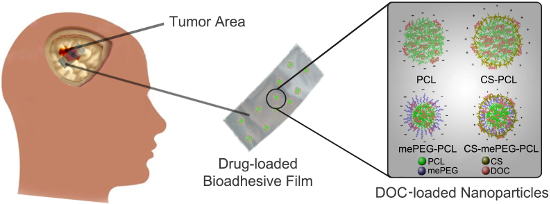
- –shell PCL nanoparticles to tumor targeting with docetaxel on a glioma model is very rare. Recently, active-targeted docetaxel-loaded PEG/PCL nanoparticles were prepared successfully for glioblastoma therapy by Gao et al. Cellular uptake and tumor spheroid uptake studies on U87 human glioma cells show
- [42], which contribute to the potential of this biopolymer for drug delivery and formulation. Although systemic application is frequently preferred for nanomedicines, local administration is a major opportunity when on-site therapy is possible and intended for. In fact, local or implantable
- nanoparticles were studied for glioma therapy by Qian et al. where a PLGA nanoparticle surface was modified with CS and cellular uptake of nanoparticles was determined. They showed that cellular uptake is related to chitosan concentration and particle size. According to their results, chitosan modification




Carbon nanomaterials sensitize prostate cancer cells to docetaxel and mitomycin C via induction of apoptosis and inhibition of proliferation
Beilstein J. Nanotechnol. 2017, 8, 1307–1317, doi:10.3762/bjnano.8.132
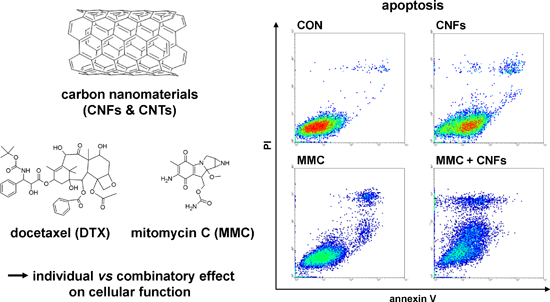
- cancer statistics, prostate cancer (PCa) is the second most often diagnosed cancer in males worldwide and it ranks in fifth place among cancer-related deaths [1]. Localized PCa is usually treated by surgical removal of the prostate (radical prostatectomy) or by radiation therapy. Both treatment options
- develop progressive disease following definite treatment and thus will require additional therapy [2][3]. Based on the efficacy and proven survival benefit of palliative chemotherapy in advanced PCa a curative treatment of localized PCa through pre-operative (neoadjuvant) chemotherapy has been discussed
- neoadjuvant systemic chemotherapy with docetaxel (DTX) in combination with hormonal therapy prior to radical prostatectomy in patients with high-risk PCa [5][6][7]. The advantages of a neoadjuvant chemotherapy lie in the down-staging of the malignancy leading to better tumor resectability and improved overall


Nano-engineered skin mesenchymal stem cells: potential vehicles for tumour-targeted quantum-dot delivery
Beilstein J. Nanotechnol. 2017, 8, 1218–1230, doi:10.3762/bjnano.8.123
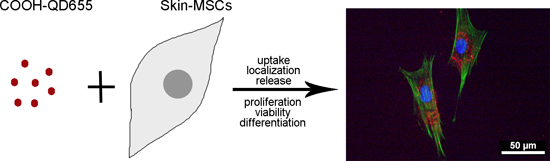
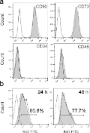
- nanoparticles in imaging and targeted therapy of tumours. Due to their tumour-homing ability, nano-engineered mesenchymal stem cells (MSCs) could be utilized as vectors to deliver diagnostic and therapeutic nanoparticles into a tumour. In the present study, uptake and functional effects of carboxyl-coated
- death worldwide [1]. Nanoparticles (NPs) could be linked to various drugs, thereby making them suitable for tumour imaging and targeted therapy [2]. However, the fact that NPs are quickly recognised by immune cells and cleared from the blood stream by reticuloendothelial system limits their utility as
- NPs and act synergistically [13][14]. QDs were also chosen for their applicability as resonant energy donors in photodynamic therapy. For example, the second-generation photosensitizer chlorin e6 has the absorption band at 654 nm and carboxyl QD655 would be excellent energy donors in such complexes





Needs and challenges for assessing the environmental impacts of engineered nanomaterials (ENMs)
Beilstein J. Nanotechnol. 2017, 8, 989–1014, doi:10.3762/bjnano.8.101

- over 1000 nano-enabled consumer products [1], representing an estimated global and US markets of $1 trillion and $800 billion, respectively [2]. Applications of ENMS include, for example, nanomedicine (e.g., drug delivery, early diagnosis and therapy for chronic diseases) [3] and environmental

Selective detection of Mg2+ ions via enhanced fluorescence emission using Au–DNA nanocomposites
Beilstein J. Nanotechnol. 2017, 8, 762–771, doi:10.3762/bjnano.8.79
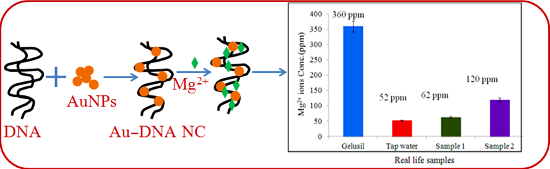
- nanostructure. Keywords: Au–DNA nanocomposites; enhanced fluorescence emission; metal-ion detection; Mg2+ ion detection; Introduction The interactions between Au nanoparticles (AuNPs) and DNA are essential to classify and expand upon, given the potential applications for NP–DNA complexes such as gene therapy
- agents [5]. Currently, most of the research activities on Au–DNA nanocomposites (NCs) are in the field of therapeutics, medicine, and gene therapy. For example, in 2014, Li and co-workers reported the detection of the heavy metals Hg2+ and Cu2+ using a DNA–Ag nanocomposite system [6]. They demonstrated




Dispersion of single-wall carbon nanotubes with supramolecular Congo red – properties of the complexes and mechanism of the interaction
Beilstein J. Nanotechnol. 2017, 8, 636–648, doi:10.3762/bjnano.8.68
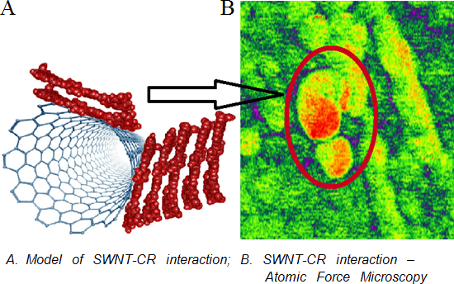
- therapy. The aim of our studies is to explain whether CR-functionalized SWNTs could be used as drug delivery systems. Molecular dynamics study of SWNT–CR interactions has already been published [39]. These authors studied several combinations of parameters in order to assess how the SWNT diameter and CR


Comparison of four methods for the biofunctionalization of gold nanorods by the introduction of sulfhydryl groups to antibodies
Beilstein J. Nanotechnol. 2017, 8, 372–380, doi:10.3762/bjnano.8.39
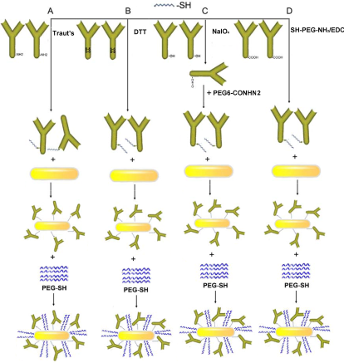
- biomedicine, including biosensing [1][2][3], photothermal therapy [4][5][6], molecular imaging [7][8], and controlled drug delivery [5][9] because of their distinct optical properties, i.e., high refractive index sensitivity and a tunable longitudinal plasmon band by varying the aspect ratio [10][11]. However


Nanoscale isoindigo-carriers: self-assembly and tunable properties
Beilstein J. Nanotechnol. 2017, 8, 313–324, doi:10.3762/bjnano.8.34
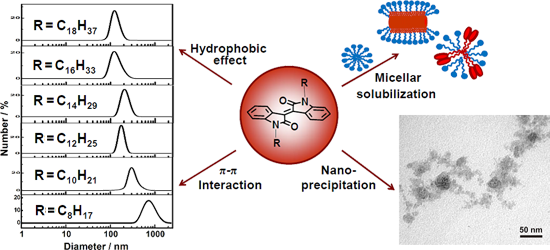
- electrical properties [1][2][3][4][5]. This makes possible to develop new technologies for biodiagnostics, biomedical applications, including photothermal therapy [6][7][8], study of biomembranes [9] and dynamically probing cells [10][11]. (ii) These heterocyclic compounds found applications in various




Photocatalysis applications of some hybrid polymeric composites incorporating TiO2 nanoparticles and their combinations with SiO2/Fe2O3
Beilstein J. Nanotechnol. 2017, 8, 272–286, doi:10.3762/bjnano.8.30
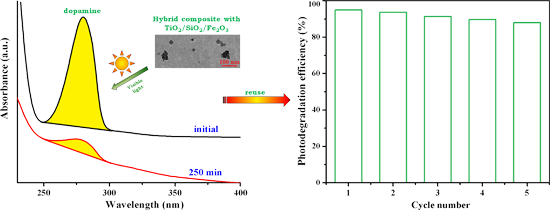
- , Li-ion batteries, sensors, photodynamic cancer therapy or in biomaterials [1][2][3][4][5][6][7]. Since 1972, when Fujishima and Honda published their seminal work [8], much work has been focused on investigating the photocatalytic properties of TiO2 [9]. Titanium dioxide catalysts proved to be better


Chitosan-based nanoparticles for improved anticancer efficacy and bioavailability of mifepristone
Beilstein J. Nanotechnol. 2016, 7, 1861–1870, doi:10.3762/bjnano.7.178
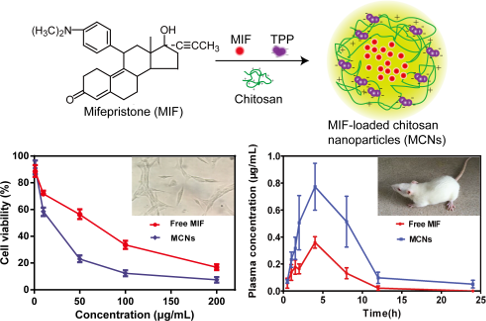
- biodegradability [9]. It possesses various bioactivities such as anti-inflammatory, antibacterial, antifungal, muco-adhesive, and antitumor effects [10][11]. Therefore, chitosan has been widely used as a biomaterial or adjuvant in disease therapy [12], tissue engineering, and drug delivery [13]. Owning to the
- increased its efficacy by sustained release to reduce drug crystallization [33]. These results suggested that MCNs might be a good drug delivery system for delivery of MIF for cancer therapy. Pharmacokinetic study In our previous study, we found MIF showed distinct pharmacokinetic differences between
- increase the anticancer activity of MIF in several cancer cell lines and improved the oral absorption of MIF in male rats. All these results suggest that the MCNs may be further developed as a potential delivery system for MIF for cancer therapy. Experimental Materials Chitosan (deacetylation degree of 90


Influence of hydrothermal synthesis parameters on the properties of hydroxyapatite nanoparticles
Beilstein J. Nanotechnol. 2016, 7, 1586–1601, doi:10.3762/bjnano.7.153
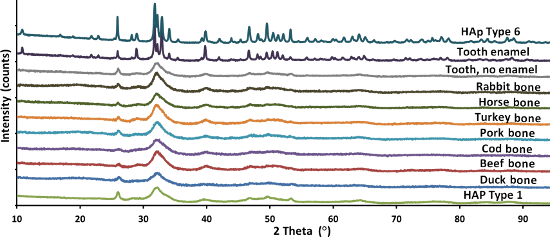
- in caries therapy [5]. Various studies demonstrate that owing to its high surface energy, nanoscale HAp can enhance its mechanical features, enabling a quicker implant surface turnover [6]. Hydroxyapatite materials are used as substitute bones, antiwrinkle creams, and sun creams. They are used in the
- capacity to deliver a payload to cells and tissues makes nano-HAp a strong candidate to enhance the current effectiveness of disease diagnosis, which was already proved by applying nanoparticles to bioimaging and therapy [3][12]. HAp-based compounds and substances can also play a significant role in waste


Antitumor magnetic hyperthermia induced by RGD-functionalized Fe3O4 nanoparticles, in an experimental model of colorectal liver metastases
Beilstein J. Nanotechnol. 2016, 7, 1532–1542, doi:10.3762/bjnano.7.147
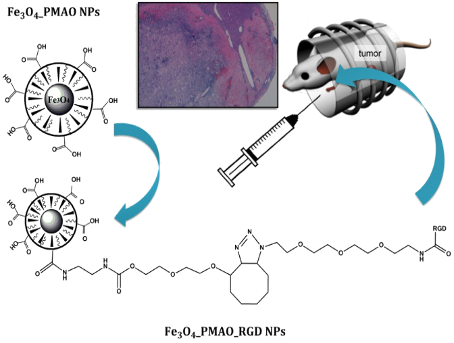
- , energy applied, or duration of the exposure could not be correlated with percentage of tumor necrosis. Further experiments would be needed to clarify the mechanism through which necrosis is achieved in order to improve the therapy. However, we find our results quite promising as the first steps to


Photothermal effect of gold nanostar patterns inkjet-printed on coated paper substrates with different permeability
Beilstein J. Nanotechnol. 2016, 7, 1480–1485, doi:10.3762/bjnano.7.140
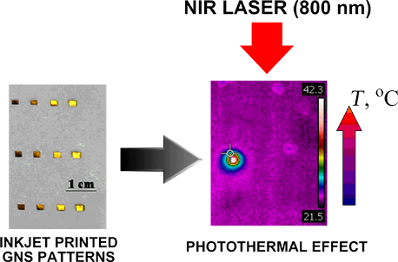
- number of printed layers, and, critically, on the permeability of the coated paper substrates. These results will promote the development of GNS-based printed platforms for local photothermal therapy. Keywords: gold nanostars; inkjet printing; localized surface plasmon resonance (LSPR); photothermal


Microwave synthesis of high-quality and uniform 4 nm ZnFe2O4 nanocrystals for application in energy storage and nanomagnetics
Beilstein J. Nanotechnol. 2016, 7, 1350–1360, doi:10.3762/bjnano.7.126
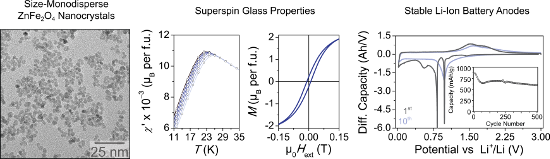
- nanoparticles provide an attractive platform for future magnetic data storage and theranostics (that is, imaging and therapy in biomedicine). The challenges and prospects in using Fe-based nanoparticles for such applications have been described in excellent papers elsewhere and will therefore not be discussed


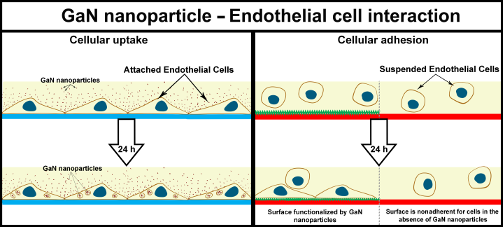
Viability and proliferation of endothelial cells upon exposure to GaN nanoparticles
Beilstein J. Nanotechnol. 2016, 7, 1330–1337, doi:10.3762/bjnano.7.124
- Academy of Sciences of Moldova under Grants 16.00353.50.08A and 15.817.02.29A and the German Research Foundation (Deutsche Forschungsgemeinschaft, DFG) via the Cluster of Excellence, “From regenerative biology to reconstructive therapy” (REBIRTH). We would like to thank Erin C. Boyle for the critical



Multiwalled carbon nanotube hybrids as MRI contrast agents
Beilstein J. Nanotechnol. 2016, 7, 1086–1103, doi:10.3762/bjnano.7.102
- , myriads of applications. Medicine is one such field in which nanomaterials can help in therapy and diagnosis. Yet the unusual features of nanomaterials have raised natural concerns, especially regarding potential medical applications because of their exogenous origin and unknown physiology. Nevertheless
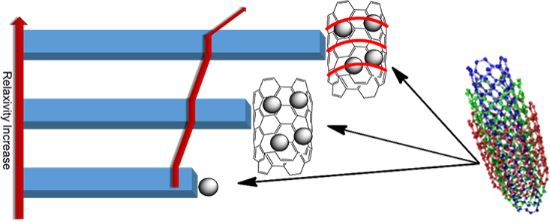
- carbon nanotubes (CNT) drug and genetic material delivery, immunotherapy or photothermal cancer therapy [1][2]. The 'quantum leap' [3] of bionanomaterials has also affected magnetic resonance imaging (MRI). This technique, which has already matured into a basic diagnostic tool in medicine, has an edge
- for the superparamagnetic properties of nanotube hybrids could be performed with a solid magnet which would attract the material when spread in a powdered form [32][34][38]. This visual effect encourages the exploitation of magnetic properties in synthesis and in therapy. Although they have not yet

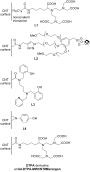


The influence of phthalocyanine aggregation in complexes with CdSe/ZnS quantum dots on the photophysical properties of the complexes
Beilstein J. Nanotechnol. 2016, 7, 1018–1027, doi:10.3762/bjnano.7.94
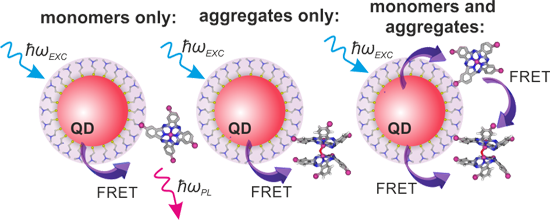
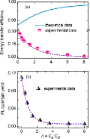
- confirmed by steady-state absorption and photoluminescent spectroscopy. A corresponding physical model was developed that describes well the experimental data. The results can be used at designing of QD/molecule systems with the desired spatial arrangement for photodynamic therapy. Keywords: aggregation
- tetrapyrrole molecules were of great interest due to their diverse application in many fields ranging from latest third generation solar cells [1][2][3] to photodynamic therapy (PDT) [4][5][6][7][8][9][10]. Currently, practically all PDT drugs are based on tetrapyrrole molecules. In the PDT process



Improved biocompatibility and efficient labeling of neural stem cells with poly(L-lysine)-coated maghemite nanoparticles
Beilstein J. Nanotechnol. 2016, 7, 926–936, doi:10.3762/bjnano.7.84
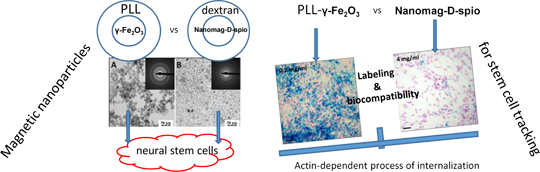
- labeling makes poly(L-lysine)-coated maghemite nanoparticles appropriate candidates for future neural stem cell in vivo tracking studies. Keywords: dextran; maghemite; nanoparticles; neural stem cells; poly(L-lysine); Introduction Stem cell-based therapy is a developing area of regenerative medicine with




The role of morphology and coupling of gold nanoparticles in optical breakdown during picosecond pulse exposures
Beilstein J. Nanotechnol. 2016, 7, 869–880, doi:10.3762/bjnano.7.79
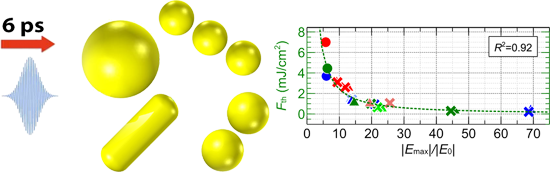
- ; Introduction Over the last decade the interaction of pulsed lasers with gold nanoparticles has been studied in many emerging fields, such as sensing and medical diagnostics and therapy [1][2]. This interest is sparked by the ability to overcome diffraction-limited optics and to control electromagnetic field