


Search results
Search for "biodegradable materials" in Full Text gives 5 result(s) in Beilstein Journal of Nanotechnology.
Nanotechnology-based approaches for the removal of microplastics from wastewater: a comprehensive review
Beilstein J. Nanotechnol. 2025, 16, 1607–1632, doi:10.3762/bjnano.16.114
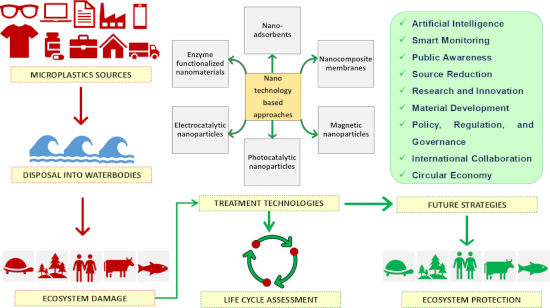
- system complexity. Preventive approaches, such as glutenin-genipin cross-linked coatings, effectively reduce plastic shedding under harsh conditions using biodegradable materials; however, they address only source control and lack proven scalability. Imine-functionalized mesoporous magnetic silica


Transient electronics for sustainability: Emerging technologies and future directions
Beilstein J. Nanotechnol. 2025, 16, 1545–1556, doi:10.3762/bjnano.16.109

- operational period, addressing growing concerns over sustainability and long-term biocompatibility. Built from biodegradable materials that undergo hydrolysis or enzymatic degradation, these systems are particularly well suited for temporary implantable applications, such as neural monitors, wireless
- lifetime control through strategies such as protective encapsulation. This Perspective outlines critical opportunities and technical directions to guide the development of next-generation transient electronic systems. Keywords: biodegradable/bioresorbable electronics; biodegradable materials
- protective PI layer is extremely thin, it can be selectively removed by reactive ion etching, ultimately leaving only the biodegradable materials on the target surface. To simplify multistep fabrication processes, wafer-scale transfer methods have also been developed [74]. These involve fabricating


Nanomaterials for biomedical applications
Beilstein J. Nanotechnol. 2025, 16, 1499–1503, doi:10.3762/bjnano.16.105
- [9]. Along with liposomes, polymeric nanoparticles have turned out to be an equally dynamic platform. Typically, these particles are composed of biodegradable materials, such as poly(lactic-co-glycolic acid) (PLGA) or chitosan. One of the main advantages of polymers is that they can be designed to
Microneedle-based ocular drug delivery systems – recent advances and challenges
Beilstein J. Nanotechnol. 2022, 13, 1167–1184, doi:10.3762/bjnano.13.98
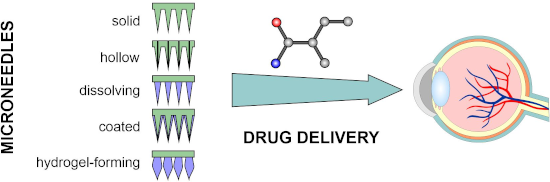
- ], polyvinyl alcohol (PVA) [123], and polymethacrylates [118][124][125]. Among the biodegradable materials, carbohydrates, including maltose [126], trehalose [127], and sucrose [128], are frequently mentioned. Moreover, biodegradable polymers such as poly(lactic acid) (PLA) [129], poly(glycolic acid) (PGA
- physiological fluids upon administration and the active ingredient diffuses to the deeper regions. (iii) Dissolving MNs that contain the active ingredient dispersed in the MN matrix. The matrix is prepared with the use of soluble or biodegradable materials, and, upon insertion, the matrix-forming agent


Doxorubicin-loaded human serum albumin nanoparticles overcome transporter-mediated drug resistance in drug-adapted cancer cells
Beilstein J. Nanotechnol. 2019, 10, 1707–1715, doi:10.3762/bjnano.10.166
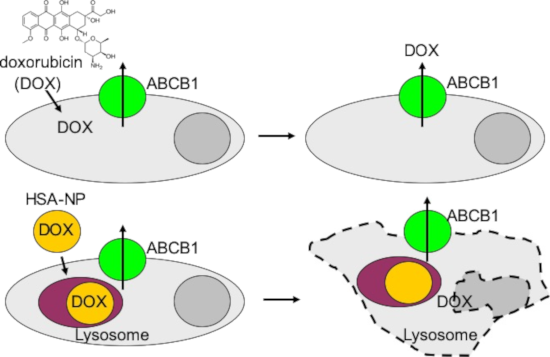
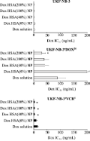
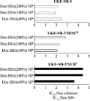
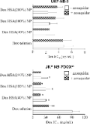
- bind to doxorubicin via its amino group. Notably, the results differ from a recent similar study in which nanoparticles prepared from poly(lactic-co-glycolic acid) (PLGA) or polylactic acid (PLA), two other biodegradable materials approved by the FDA and EMA for human use [27][28], did not bypass ABCB1


Other Beilstein-Institut Open Science Activities



