


Search results
Search for "calcium" in Full Text gives 132 result(s) in Beilstein Journal of Nanotechnology.
Ultrasonic irradiation in the synthesis of nanohydroxyapatite: a chemically friendly technique for improving hemocompatibility and antibiofilm applications
Beilstein J. Nanotechnol. 2026, 17, 991–1015, doi:10.3762/bjnano.17.68
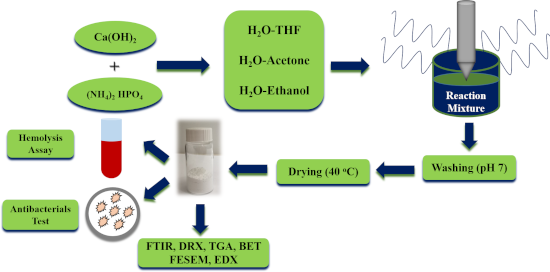
- form of nanoneedles, that are closely bound together with type-I collagen fibrils [7], as shown in Figure 1. Hydroxyapatite crystals are an important source of calcium and phosphorus, which give bone its density, mechanical strength, and bioactivity [8]. Methods for obtaining nanohydroxyapatite (nHA
- replacement of its constituent chemical species (calcium, phosphate, and hydroxide ions) [38][39]. This substitution process produces changes in its properties, including crystallinity, morphology, and lattice parameters [40][41]. The nHA obtained using the three aforementioned mixtures as solvents exhibited
- . According to the literature, replacing phosphate ions is difficult because they are strongly bound to calcium cations within the hydroxyapatite structure. Replacing phosphates with other anions, such as carbonate, significantly alters the properties of this bioceramic, resulting in decreased hardness and




Development of Protium heptaphyllum essential oil-loaded nanocapsules: experimental design and biological activity
Beilstein J. Nanotechnol. 2026, 17, 974–990, doi:10.3762/bjnano.17.67
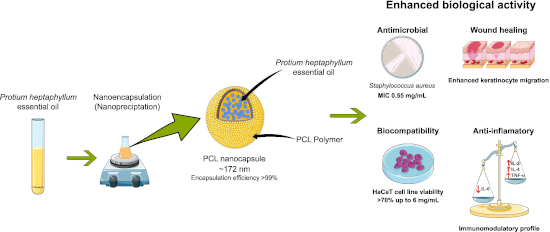
- attributed to the essential oil (EO). Studies have demonstrated that p-cymene modulates opioid pathways and calcium channels, mechanisms associated with inflammatory and neuropathic pain [21], and inhibits the growth of Aspergillus flavus at concentrations as low as 80 mg/L [22]. Other major monoterpenes




Materials challenges in solid-state sensors for continuous monitoring of ions in water
Beilstein J. Nanotechnol. 2026, 17, 935–973, doi:10.3762/bjnano.17.66
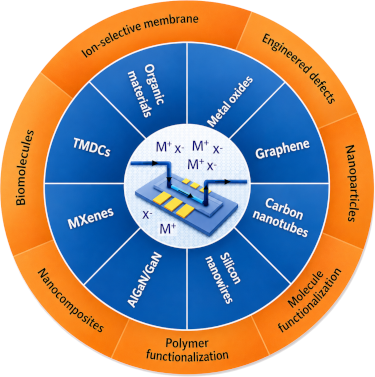
- cations Real-time, continuous monitoring of the major cations, sodium, potassium, magnesium, and calcium, is important because these ions control both salinity and hardness, which in turn affect health-related guidelines, aesthetics, and treatment performance. Regarding drinking water, the EU Drinking
- Water Directive and the WHO set a recommended value of 200 mg/L for sodium (primarily for taste and for individuals with hypertension, heart disease, or kidney problems). While there are no EU-wide limits for calcium and magnesium, they are managed via hardness and taste thresholds; WHO and related
- reviews report calcium taste thresholds of roughly 100–300 mg/L (as CaCO3) and note that hardnesses above 200–500 mg/L as CaCO3 are generally considered poor or unacceptable from an operational and consumer perspective (Table 1). Continuous cation monitoring in drinking water systems therefore benefits


Light-driven ammonia electrooxidation via carbon nitride–ruthenium molecular interfaces
Beilstein J. Nanotechnol. 2026, 17, 854–862, doi:10.3762/bjnano.17.61
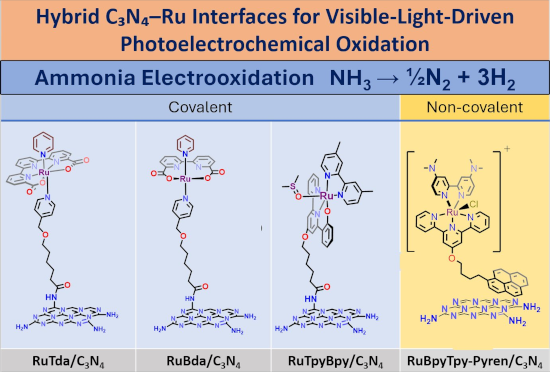
- absorbed excitation drives the oxidation of water (a thermodynamically demanding four-electron, four-proton process) at an inorganic cluster containing four manganese ions and one calcium ion (Mn4CaO5). The electrons extracted from water are passed along the electron transport chain to Photosystem I, where


Cellulose as a photocatalyst support material: extraction, structural features, and environmental applications
Beilstein J. Nanotechnol. 2026, 17, 635–652, doi:10.3762/bjnano.17.44
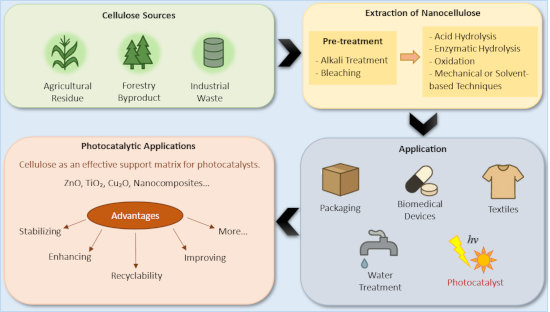
- biocompatibility, while its microbial origin ensures a high degree of purity that makes it especially suitable for biomedical use [73]. Calcium phosphate cements (CPCs) are valuable materials in bone-related applications due to their intrinsic bioactivity and their ability to form hydroxyapatite, the mineral that


Nanocarrier-integrated multilayer films produced by 3D printing for improved skin adhesion and curcumin photostability
Beilstein J. Nanotechnol. 2026, 17, 440–453, doi:10.3762/bjnano.17.30
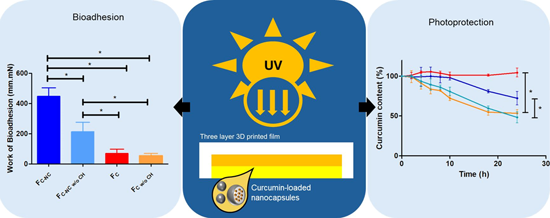
- -CMC) and sodium alginate were produced separately. Na-CMC was dispersed in either C-NC or C until complete gelation was achieved. The sodium alginate hydrogel was produced using the same procedure, but with the addition of calcium carbonate to induce gelation. The hydrogels were then combined and


From shield to spear: Charge-reversible nanocarriers in overcoming cancer therapy barriers
Beilstein J. Nanotechnol. 2026, 17, 159–175, doi:10.3762/bjnano.17.10
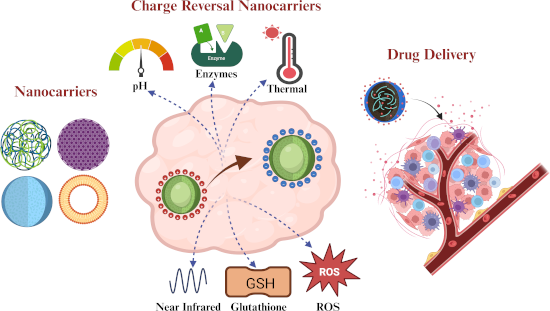
- novel technique for precise and effective gene or drug delivery. When exposed to ultrasonic treatment, the dynamic coordinating leakages, such as carboxyl–calcium interaction, on which these nanocarriers rely, may be reversibly broken and re-established. For example, a study by Li et al. designed
- calcium-ion-crosslinked sodium-alginate-coated mesoporous silica nanoparticles (MSNs) for ultrasound-triggered drug delivery. High- or low-intensity focused ultrasound (HIFU/LIFU) induced reversible disruption of carboxyl–calcium bonds, enabling precise, on-demand release [58]. This confirms that
- ultrasound-responsive CRNs employing calcium-ion-crosslinked sodium-alginate coatings on mesoporous silica nanoparticles offer reversible, on-demand, and biocompatible drug release options. Such systems harness ultrasound-induced cavitation to disrupt and reform ionic bonds, showing considerable promise for


Functional surface engineering for cultural heritage protection: the role of superhydrophobic and superoleophobic coatings – a comprehensive review
Beilstein J. Nanotechnol. 2026, 17, 63–96, doi:10.3762/bjnano.17.6




The cement of the tube-dwelling polychaete Sabellaria alveolata: a complex composite adhesive material
Beilstein J. Nanotechnol. 2025, 16, 1998–2014, doi:10.3762/bjnano.16.138
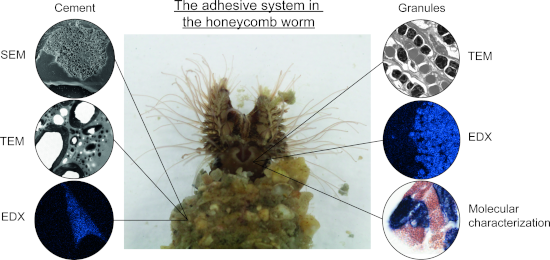
- backscattered electron detector, the secretory granules could be easily distinguished. The heterogeneous granules exhibited high concentrations of phosphorus (7.3% ± 1.2%), sodium (2.6% ± 0.5%), magnesium (2.4% ± 1.0%), and calcium (0.9% ± 0.3%) (Figure 5A, Supporting Information File 1, Table S1). In contrast
- , the homogeneous granules (Figure 5B) presented much smaller quantities of these elements: 1.7% ± 0.4% for phosphorus, 1.1% ± 0.1% for sodium, 0.6% ± 0.2% for magnesium, and no detectable amounts of calcium (Figure 5B, Table S2). Figure 5C shows two spectra taken at the level of the heterogeneous and
- analysis on six cement spots from natural tubes embedded in epoxy resin (Figure 5D). Our measurements revealed that, in addition to carbon and oxygen, the cement primarily consisted of calcium (15.5% ± 4.5%) and phosphorus (3.7% ± 1.1%). Additionally, we detected smaller amounts of sulfur (0.6% ± 0.1



Self-assembly and adhesive properties of Pollicipes pollicipes barnacle cement protein cp19k: influence of pH and ionic strength
Beilstein J. Nanotechnol. 2025, 16, 1863–1872, doi:10.3762/bjnano.16.129
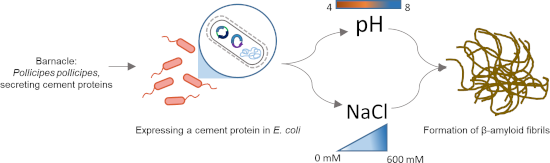
- ][22]. Studies on barnacle cement proteins have predominantly focused on acorn barnacles with calcareous (calcium carbonate) bases (e.g., Balanus albicostatus) to date. The goose barnacle Pollicipes pollicipes is a sessile crustacean with body parts encased in calcified plates and a cuticle-covered


Exploring the potential of polymers: advancements in oral nanocarrier technology
Beilstein J. Nanotechnol. 2025, 16, 1751–1793, doi:10.3762/bjnano.16.122


Prospects of nanotechnology and natural products for cancer and immunotherapy
Beilstein J. Nanotechnol. 2025, 16, 1644–1667, doi:10.3762/bjnano.16.116
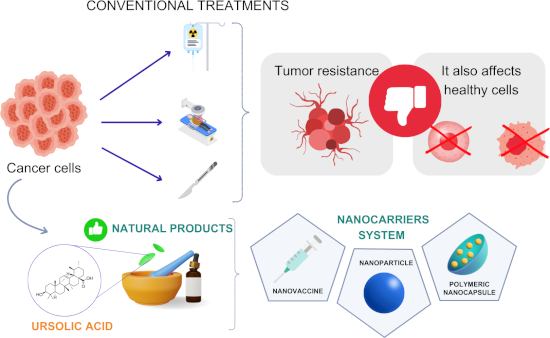
- , the patent CN367902299 (2022) describes photo-thermally responsive PC-loaded polymeric nanoparticles designed to prevent and/or treat lung adenocarcinoma by inhibiting TMEM16A. TMEM16A is a calcium-activated chloride ion channel that appears to be a suitable biomarker and target for lung cancer
- -molecule drugs, including methotrexate (MTX) and doxorubicin (DOX), and divalent cations like calcium (Ca2+). Alginate is a cross-linked polymeric network derived from algae and shows potential for cancer treatment due to its improved bioavailability, sustained release, and environmentally benign


Piezoelectricity of hexagonal boron nitrides improves bone tissue generation as tested on osteoblasts
Beilstein J. Nanotechnol. 2025, 16, 1068–1081, doi:10.3762/bjnano.16.78
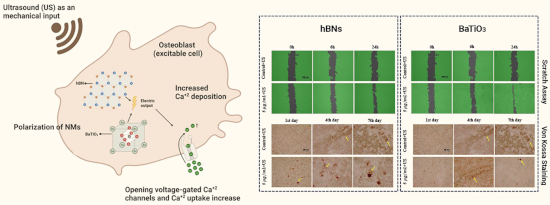
- with ultrasound (US) exposure. The results showed that the NMs are not cytotoxic at the concentrations tested and the migration ability and calcium deposit formation of the cells treated with the NMs and upon US exposure were significantly increased. These results demonstrate that the hBNs have the
- nucleation of calcium and phosphate ions, imparting stiffness and resistance to bone. Additionally, collagen and noncollagenous matrix proteins contribute to bone formation by offering a scaffold for hydroxyapatite deposition [2][3]. Bone tissue consists of four main cell types: bone lining cells
- , while proteoglycans help form the organic matrix [8]. During matrix mineralization, calcium and phosphate ions generate hydroxyapatite crystals within the matrix region. Once bone formation is complete, some osteoblasts become embedded within the matrix, transforming into osteocytes, which leads to


Soft materials nanoarchitectonics: liquid crystals, polymers, gels, biomaterials, and others
Beilstein J. Nanotechnol. 2025, 16, 1025–1067, doi:10.3762/bjnano.16.77
- (Figure 6) [241]. The presence of two salts and two surfactants ensures the stability of the lyotropic liquid crystal mesophase even at elevated salt concentrations. The calcium and iron salts act as eutectic solvents, facilitating the assembly of surfactants into the lyotropic liquid crystal phase






Tendency in tip polarity changes in non-contact atomic force microscopy imaging on a fluorite surface
Beilstein J. Nanotechnol. 2025, 16, 944–950, doi:10.3762/bjnano.16.72
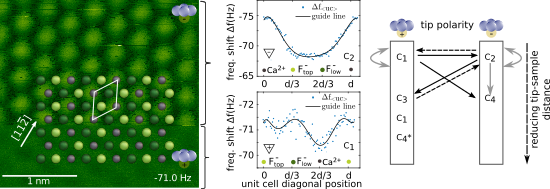
- . Keywords: atomic resolution imaging; calcium fluoride surface; interaction force; non-contact atomic force microscopy (NC-AFM); tip change; Introduction Non-contact atomic force microscopy (NC-AFM) [1] is a surface science tool that has been used to atomically resolve surfaces of semiconductor and


Changes of structural, magnetic and spectroscopic properties of microencapsulated iron sucrose nanoparticles in saline
Beilstein J. Nanotechnol. 2025, 16, 762–784, doi:10.3762/bjnano.16.59
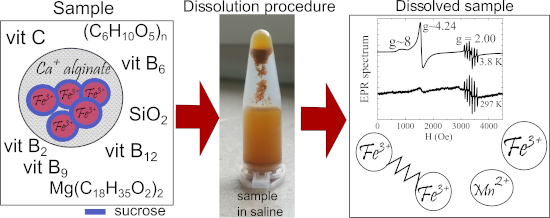
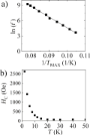
- changes upon dissolution in saline were tested. For the undissolved sample, calcium alginate microcapsules with irregular shapes were registered via scanning electron microscopy, inside which core–shell nanoparticles were identified by transmission electron microscopy micrographs. Magnetic studies (DC and
- completely dissolved sample. Keywords: calcium alginate; dissolution; iron oxyhydroxide nanoparticles; magnetic properties; saline; spectroscopy; Introduction Hematinic are substances such as iron, vitamin B12, and folic acid that are essential in the production of blood [1]. Iron deficiency drugs, which
- microcapsules. The resolution of the SEM technique is insufficient to recognize iron sucrose nanoparticles. Therefore, it is impossible to determine whether calcium alginate uniformly covers all iron sucrose nanoparticles or if some nanoparticles are on the microcapsule surface. Furthermore, it remains unclear





Synthesis of a multicomponent cellulose-based adsorbent for tetracycline removal from aquaculture water
Beilstein J. Nanotechnol. 2025, 16, 728–739, doi:10.3762/bjnano.16.56
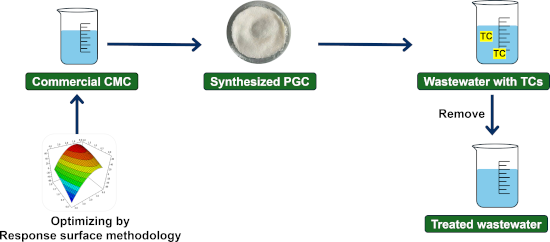
- –124,000, Thermo Scientific Chemicals, USA), GA (50%) (Zhanyun, China), calcium chloride anhydrous (Xilong, China), and zinc sulfate heptahydrate (Xilong, China). All reagents were of analytical grade, and deionized water was used for all experiments. Experimental optimization MODDE 5.0 software was
- their mechanical strength and hydrophobicity. Recent studies have revealed that inorganic salt mixtures, such as zinc chloride and calcium chloride, effectively dissolve cellulose, facilitating the fabrication of cellulose membranes for gas separation and organic pollutant removal [38][39]. Specifically


Colloidal few layered graphene–tannic acid preserves the biocompatibility of periodontal ligament cells
Beilstein J. Nanotechnol. 2025, 16, 664–677, doi:10.3762/bjnano.16.51
- microhardness without compromising biocompatibility [7]. In another work, the formulation of an injectable calcium phosphate cement–chitosan–graphene oxide (GO) composite was found to be effective. This composite fostered the proliferation of human dental pulp stem cells [8]. Despite these promising findings
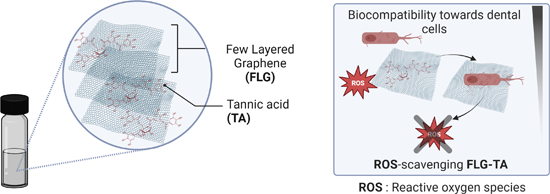
- applications and dentistry. In future work, we will incorporate the FLG–TA composite into various dental biomaterials, such as sealer resins and calcium silicate cements, to improve their mechanical and physicochemical properties. Experimental Reagents and materials Tannic acid (MW = 1701.20 g·mol−1) and




Polyurethane/silk fibroin-based electrospun membranes for wound healing and skin substitute applications
Beilstein J. Nanotechnol. 2025, 16, 591–612, doi:10.3762/bjnano.16.46
- the injury and helped increase the production of VEGF, which aids in vasculogenesis. At the same time, the heat produced by NIR-II light activated specific ion channels of the nerve cells. These channels were permeable to calcium, and the influx of this ion triggered the release of important growth



Nanomaterials in targeting amyloid-β oligomers: current advances and future directions for Alzheimer's disease diagnosis and therapy
Beilstein J. Nanotechnol. 2025, 16, 561–580, doi:10.3762/bjnano.16.44
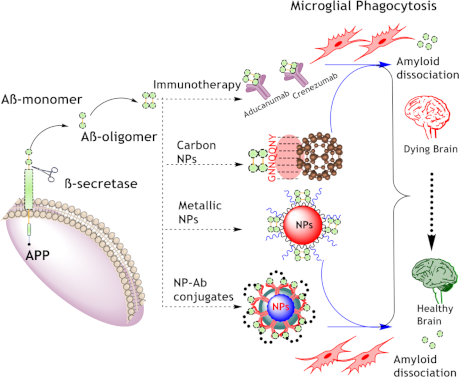
- internalized, AβOs activate N-methyl-ᴅ-aspartate-type glutamate receptors (NMDARs) located on neuronal membranes. This activation triggers endoplasmic reticulum (ER) stress through the stimulation of phospholipase C, leading to an influx of calcium ions (Ca2+) into the cytosol [15]. Elevated Ca2+ levels result
- complex, together with the co-activation of the mGluR5 receptor, leads to the activation of intracellular Fyn kinase. This activation causes dysregulation of calcium ion homeostasis, hyperphosphorylation of tau protein, and disruption of synaptic functions. Together, these processes, as depicted in Figure


Zeolite materials with Ni and Co: synthesis and catalytic potential in the selective hydrogenation of citral
Beilstein J. Nanotechnol. 2025, 16, 520–529, doi:10.3762/bjnano.16.40
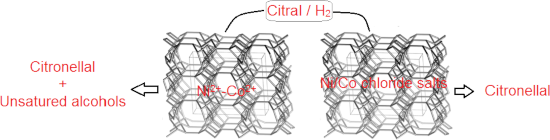
- 96-900-0630), or CaCl2O4 (calcium hypochlorite, card 96-220-7380). The low nickel and cobalt contents in the CoNiZImp material (Table 1) may limit the detectability of diffraction peaks associated to cobalt and nickel chloride salts on the zeolite support. The contents of cobalt and nickel and other
- calcium cations leaving the zeolite, as proven by XRD. In line with expectations for a natural zeolite, the studied materials exhibited hybrid type-I/IV adsorption isotherms (see Figure S2 in Supporting Information File 1), indicating the presence of both microporous and mesoporous structures. The


Biomimetics and bioinspired surfaces: from nature to theory and applications
Beilstein J. Nanotechnol. 2025, 16, 418–421, doi:10.3762/bjnano.16.32

- scaling on steel surfaces. Using silicone nanofilaments, they achieved 75.5% reduction of calcium carbonate deposition on treated steel samples. While many articles concentrated on using natural designs to inspire technological innovation (biology-push), others took an application-driven (technology-pull

Development of a mucoadhesive drug delivery system and its interaction with gastric cells
Beilstein J. Nanotechnol. 2025, 16, 371–384, doi:10.3762/bjnano.16.28

- , A2033), poloxamer 407 (16758), calcium chloride, and mucin from porcine stomach (M1778) were purchased from Sigma-Aldrich, USA. Sunflower oil and sorbitan monooleate (Span 80) were from TCI Chemicals, USA. For in vitro studies, high-glucose DMEM and Pen-Step solution were purchased from Sartorius


Synthesis and the impact of hydroxyapatite nanoparticles on the viability and activity of rhizobacteria
Beilstein J. Nanotechnol. 2025, 16, 216–228, doi:10.3762/bjnano.16.17
- . Furthermore, they require only small quantities for utilization [8]. Several types of nanoparticles have been employed as carriers for rhizobacteria inoculants, including silica nanoparticles [9], clay nanoparticles [8], carbon nanoparticles [10], zinc oxide nanoparticles [11], and calcium carbonate
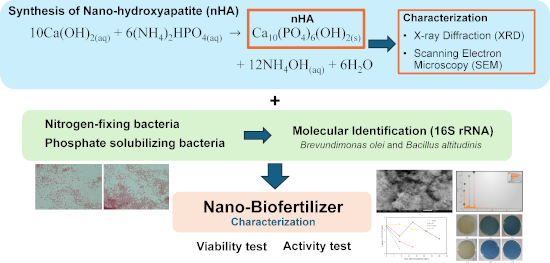
- applications. The nHA carrier is hydroxyapatite (Ca10(PO4)6(OH)2) in powder form, comprising the elements calcium, phosphorous, oxygen, and hydrogen. These elements provide nutrients that support the viability of rhizobacteria. Water within the carrier also plays a crucial role in maintaining the viability of
- % similarity to Bacillus altitudinis strain NPB34b. Experimental Nanohydroxyapatite synthesis The synthesis of nHA in this study builds upon previous protocols. Specifically, a mixture containing 2.7925 g of calcium oxide and 3.9663 g of diammonium phosphate (with a Ca/P ratio of 1.67) was dissolved in 100 mL


Nanocarriers and macrophage interaction: from a potential hurdle to an alternative therapeutic strategy
Beilstein J. Nanotechnol. 2025, 16, 97–118, doi:10.3762/bjnano.16.10
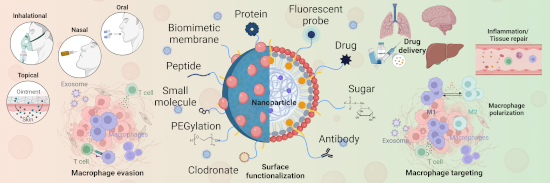
- inflammation resolution and tissue repair. In IBD, sustaining the M2 phenotype is particularly challenging because of the pro-ferroptotic microenvironment, which undermines macrophage survival. Zhao et al. addressed this issue by developing calcium carbonate (CaCO3)-mineralized liposomes (CLF) loaded with the





