


Search results
Search for "capillary" in Full Text gives 260 result(s) in Beilstein Journal of Nanotechnology. Showing first 200.
Two-step laser synthesis of Ag@TiO2 nanomaterials for the photocatalytic degradation of rhodamine B
Beilstein J. Nanotechnol. 2026, 17, 622–634, doi:10.3762/bjnano.17.43
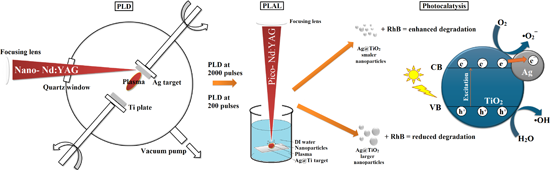
- electrophoretic mobility Hydrodynamic size distribution and zeta potential of the nanoparticles were measured using a Zetasizer Ultra (Malvern Panalytical, Malvern, Worcestershire, UK). Disposable plastic cuvettes were employed for size distribution analysis, while capillary cells were used for zeta potential and


Advancing nanolithography: a comprehensive review of materials for local anodic oxidation with AFM
Beilstein J. Nanotechnol. 2026, 17, 275–291, doi:10.3762/bjnano.17.19
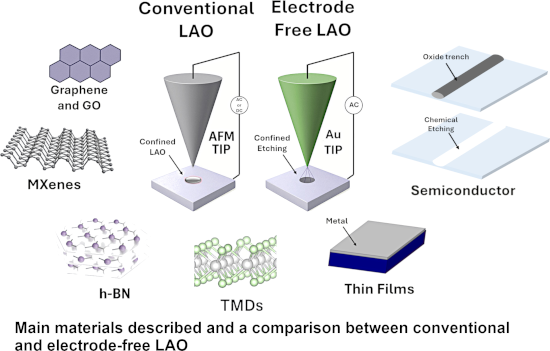
- preparation steps, LAO enables direct chemical modification, with precise control of the tip–sample separation during the writing process. This is typically achieved in contact mode, where the tip apex is in direct contact with the substrate, ensuring capillary condensation and the formation of a stable water


Functional surface engineering for cultural heritage protection: the role of superhydrophobic and superoleophobic coatings – a comprehensive review
Beilstein J. Nanotechnol. 2026, 17, 63–96, doi:10.3762/bjnano.17.6



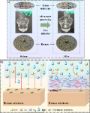
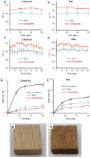
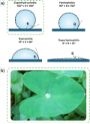


Quantitative estimation of nanoparticle/substrate adhesion by atomic force microscopy
Beilstein J. Nanotechnol. 2026, 17, 1–14, doi:10.3762/bjnano.17.1

- as humidity and temperature, may also have contributed, particularly through enhanced capillary forces between tip and sample during AFM characterization. In general, as the NPs size increases, the lateral force required to push NPs is expected to increase. This expectation is attributed to the
- the following equation: where Fstatic is the maximum static lateral force, Fcap represents the capillary force, and Fn is the normal force applied by the cantilever. μ is the coefficient of friction and ls the separation distance given by the distance between the first tip/NP contact and the position


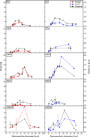

Internal 3D temperature mapping in biological systems using ratiometric light-sheet imaging and lipid-coated upconversion nanothermometers
Beilstein J. Nanotechnol. 2025, 16, 2306–2316, doi:10.3762/bjnano.16.159
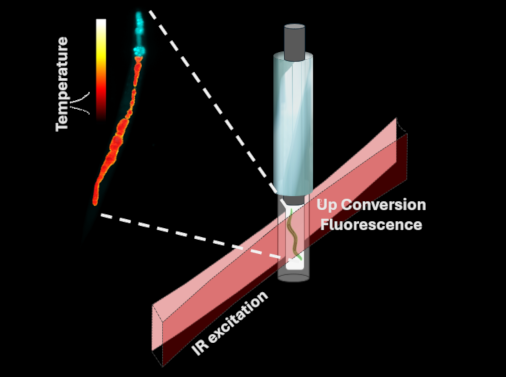
- 30 min before imaging. The FEP tubes were inserted into a capillary tube for structural support to mount the samples. Using a metal plunger, the samples were drawn into the exposed end of the FEP tube, as illustrated in Figure 3. Light sheet microscopy The LSFM setup is described in [40]. Here, the
- generated the light sheet in the sample’s xy-plane, with a capillary glass mounted on an xyz-motorized stage (Thorlabs, 3-axis NanoMax) for depth imaging. Images were captured using a CMOS camera (Hamamatsu, ORCA-Flash4.0) with a 10×/0.3 NA water immersion objective (Nikon, PlanFluor) and tube lens
- chamber was used to house the capillary tube. The chamber featured a temperature-controlled water recirculation system consisting of a peristaltic pump (KF Technology, NE-9000), a solution heater (Warner Instruments, Hamden), and a temperature controller (Warner Instruments, TC-324C). This setup enabled


Optical bio/chemical sensors for vitamin B12 analysis in food and pharmaceuticals: state of the art, challenges, and future outlooks
Beilstein J. Nanotechnol. 2025, 16, 2207–2244, doi:10.3762/bjnano.16.153
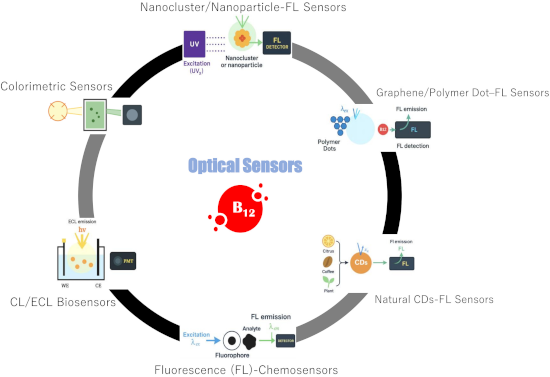
- different food and pharma formulations include high-performance liquid chromatography (HPLC) [14], HPLC coupled with inductively coupled plasma-mass spectrometry (ICP-MS) [15], and a diode array detector [16], atomic absorption spectroscopy [17], surface-enhanced Raman spectroscopy [18][19], capillary


Ultrathin water layers on mannosylated gold nanoparticles
Beilstein J. Nanotechnol. 2025, 16, 2183–2198, doi:10.3762/bjnano.16.151
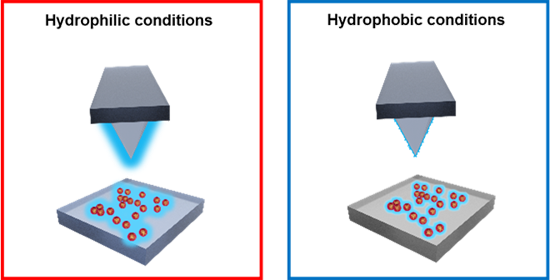
- there is a risk of over-interpreting height information. Indeed, experiments with soft matter in ambient humidity usually create a thin film of water covering the tip and the sample. A capillary water neck is formed in hydrophilic systems when the AFM tip comes close to the sample surface [22]. In
- , we observed a very small number of NPs and higher agglomeration than on APDMES (Figure 6E,F,K,L). Like on APDMES, PEG AuNPs are less uniformly distributed than dimanno-AuNPs. The differences are likely due to the delicate balance between capillary flow and surface interactions. The flow is likely the
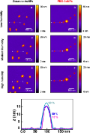
- -contact regime (our amplitude curves in Supporting Information File 1, Figure S3 compare well with those reported by Garcia and San Paulo [35]). Capillary forces are present, but it is likely that the tip does not enter the water layer. We imaged randomly selected NPs under the three humidity conditions



Molecular and mechanical insights into gecko seta adhesion: multiscale simulations combining molecular dynamics and the finite element method
Beilstein J. Nanotechnol. 2025, 16, 2055–2076, doi:10.3762/bjnano.16.141
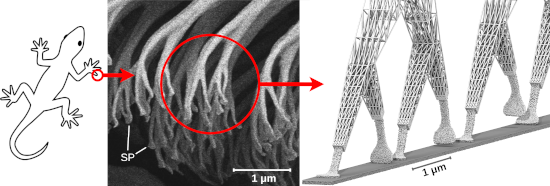
- parametrization of our coarse-grained potential against united-atom simulations of gecko keratin on nonpolar surfaces [10]. Hydrophilic substrates, roughness, and humidity, which introduce additional mechanisms such as keratin softening and capillary forces, have been addressed in our previous spatula-scale







Stereodiscrimination of guests in chiral organosilica aerogels studied by ESR spectroscopy
Beilstein J. Nanotechnol. 2025, 16, 2034–2054, doi:10.3762/bjnano.16.140
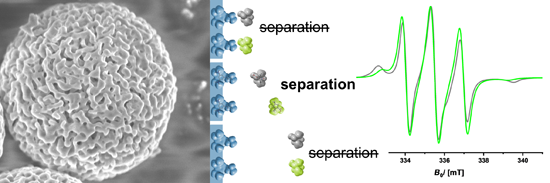
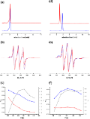
- , environmental remediation, and construction. The key transport processes in porous materials include diffusion, advection, capillary action, and sometimes reactions that might occur within the pores, highly complex phenomena one tries to understand as detailed as possible [15][16][17]. Laemmerhofer gave an




Laser ablation in liquids for shape-tailored synthesis of nanomaterials: status and challenges
Beilstein J. Nanotechnol. 2025, 16, 1963–1997, doi:10.3762/bjnano.16.137





Exploring the potential of polymers: advancements in oral nanocarrier technology
Beilstein J. Nanotechnol. 2025, 16, 1751–1793, doi:10.3762/bjnano.16.122
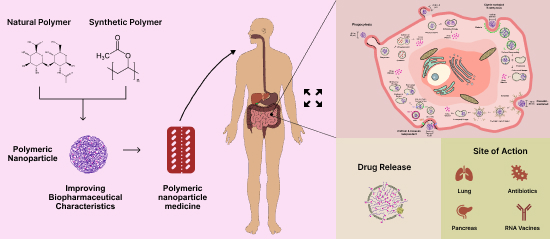
- by the liver. These factors can alter the structural integrity of drugs [4]. Orally administered drugs (mostly absorbed in the lumen of the GIT must pass through the mucus layer, located between the epithelial tissue and the lumen, to reach the epithelium, mucosa, and blood or lymphatic capillary


Multifunctional anionic nanoemulsion with linseed oil and lecithin: a preliminary approach for dry eye disease
Beilstein J. Nanotechnol. 2025, 16, 1711–1733, doi:10.3762/bjnano.16.120
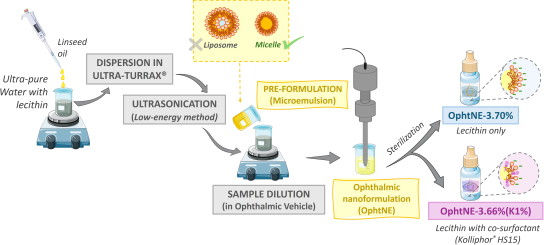
- Technologies, USA). The column used was a SP®-2560 capillary GC column (100 m × 0.25 mm × 0.20 µm) (Supelco). The injector temperature was maintained at 230 °C, with helium (He) serving as the carrier gas at a flow rate of 1 mL·min−1. The oven temperature was programmed to increase from 150 to 300 °C at a rate




Transient electronics for sustainability: Emerging technologies and future directions
Beilstein J. Nanotechnol. 2025, 16, 1545–1556, doi:10.3762/bjnano.16.109

- . Funct. Mater., 24, 4427–4434 (2014), with permission from John Wiley and Sons. © 2014 WILEY-VCH Verlag GmbH & Co. KGaA, Weinheim. This content is not subject to CC BY 4.0. (f) PBTPA films, formed via capillary molding and UV curing, exhibit high flexibility and tunable wettability based on monomer


Laser processing in liquids: insights into nanocolloid generation and thin film integration for energy, photonic, and sensing applications
Beilstein J. Nanotechnol. 2025, 16, 1428–1498, doi:10.3762/bjnano.16.104
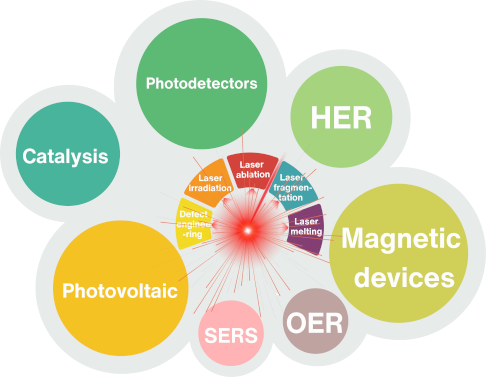
- volume of precursor solution, characterized by low surface tension, is released from a capillary tube either by dripping with negligible initial velocity or by injection with an initial velocity. The droplet is then directed toward the substrate, where the ultrasonic vibration aids in controlling the






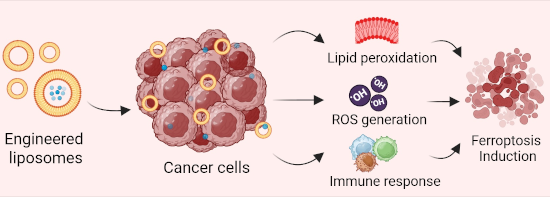
Ferroptosis induction by engineered liposomes for enhanced tumor therapy
Beilstein J. Nanotechnol. 2025, 16, 1325–1349, doi:10.3762/bjnano.16.97
- . Other characterization techniques include nuclear magnetic resonance (NMR) spectroscopy to study membrane fluidity and phase transitions, fluorescence spectroscopy for investigating drug–liposome interactions, and capillary electrophoresis to analyze liposome–drug interactions and drug release [110][121
- systems. The EE of liposomes, which determines the amount of drug loaded into the vesicles, can be evaluated by various analytical methods. High-performance liquid chromatography (HPLC) and capillary electrophoresis (CE) are widely used methods to quantify the encapsulated drug [110][125]. HPLC separates
- the liposomes from the free drugs and enables the determination of the EE [110]. CE offers advantages, such as low sample and buffer consumption, short analysis times, and the possibility of investigating interactions between drugs and liposomes directly in the separation capillary [125]. The


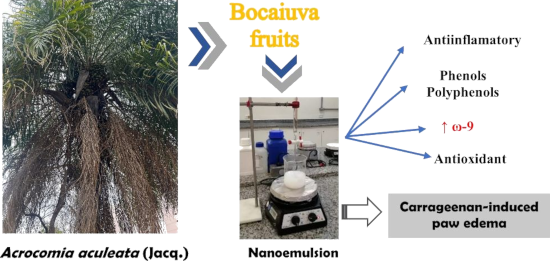
Acrocomia aculeata oil-loaded nanoemulsion: development, anti-inflammatory properties, and cytotoxicity evaluation
Beilstein J. Nanotechnol. 2025, 16, 1277–1288, doi:10.3762/bjnano.16.93
- min. Once cooled, the solution was extracted with 5 mL of n-hexane and centrifuged. 20 μL of supernatant (hexane phase) were injected directly into the GC-MS system (Mega 2 series gas chromatograph coupled to a SHIMADZU GC-MS-QP500 mass spectrometer (GC-MS) (Japan)) [60]. A 30 m × 0.32 mm capillary


Towards a quantitative theory for transmission X-ray microscopy
Beilstein J. Nanotechnol. 2025, 16, 1113–1128, doi:10.3762/bjnano.16.82
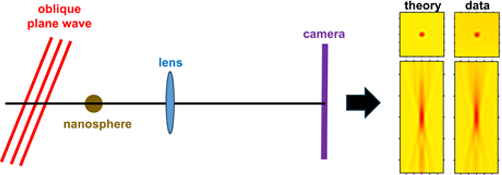
- the sample plane by a truncated ellipsoidal glass capillary that acts as an ellipsoidal mirror [4][25] positioned at ≈9.7 m from the monochromator exit slit. A central stop is present in front of this ellipsoidal mirror to prevent zero-order light from passing directly through the objective. This
- monochromator beamline is demagnified and re-focused by the capillary condenser (which is an ellipsoidal mirror) onto the sample plane and then imaged by a zone-plate objective onto the camera plane. Distances between the different planes for operation at 510 eV are indicated in red. A central stop (black bar



Multifunctional properties of bio-poly(butylene succinate) reinforced with multiwalled carbon nanotubes
Beilstein J. Nanotechnol. 2025, 16, 1014–1024, doi:10.3762/bjnano.16.76
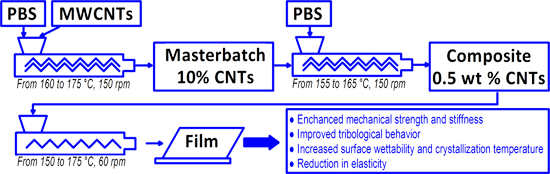
- important to note that the MFR of the PBS/CNT_10 masterbatch could not be determined under the given conditions, as its melt exhibited minimal flow through the plastometer capillary. Therefore, the MFR of the masterbatch was measured at 230 °C and a load of 21.6 kg, yielding approximately 0.04 g/10 min
- was performed based on a minimum of 20 micrographs for each, taken from multiple samples and various locations within each sample. A capillary plastometer (Dynisco LMI 4003, Franklin, TN, USA) was used to determine the melt mass-flow rate (MFR) of both original PBS and PBS/CNTs nanocomposites. The MFR



A formulation containing Cymbopogon flexuosus essential oil: improvement of biochemical parameters and oxidative stress in diabetic rats
Beilstein J. Nanotechnol. 2025, 16, 617–636, doi:10.3762/bjnano.16.48
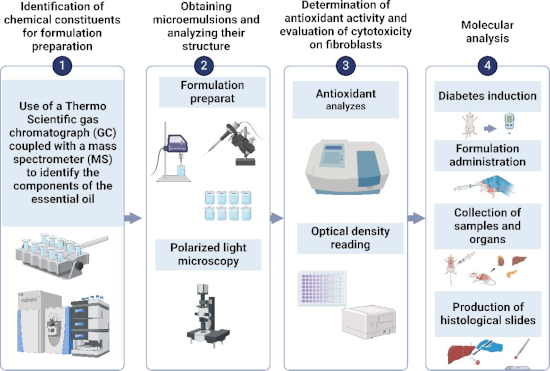
- liver tissue, characterized by cellular vacuolization (A), an indication of cellular stress and sublethal damage, without significant progression to extensive necrosis. In addition, cellular edema was observed (B), with a slight increase in intracellular volume and the presence of prominent capillary




Polyurethane/silk fibroin-based electrospun membranes for wound healing and skin substitute applications
Beilstein J. Nanotechnol. 2025, 16, 591–612, doi:10.3762/bjnano.16.46
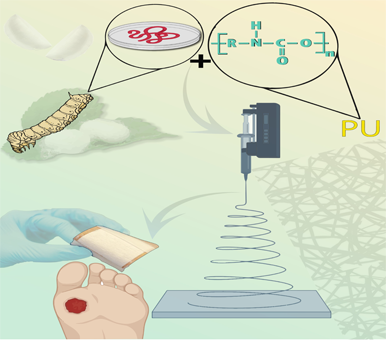
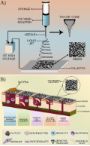
- through a capillary, and a high voltage is applied to charge the solution’s particles, which produces an attractive force [54]. When the solution’s surface tension is overcome at a critical voltage, a jet shoots out of the capillary’s tip toward a grounded collector (Figure 2A) [55]. The morphology of



Zeolite materials with Ni and Co: synthesis and catalytic potential in the selective hydrogenation of citral
Beilstein J. Nanotechnol. 2025, 16, 520–529, doi:10.3762/bjnano.16.40
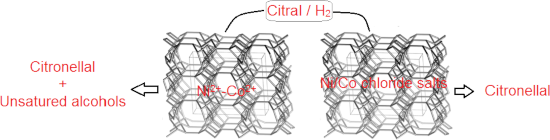
- isotherms showed a hysteresis loop, which is associated with capillary condensation within the materials’ pores and is expected to be more pronounced in HEU than in Mor. This can be attributed to the smaller channel diameter of HEU (maximum opening of 0.31 × 0.75 nm2) compared to Mor (maximum opening of


Performance optimization of a microwave-coupled plasma-based ultralow-energy ECR ion source for silicon nanostructuring
Beilstein J. Nanotechnol. 2025, 16, 484–494, doi:10.3762/bjnano.16.37

- , Germany). The schematic representation in Figure 1 elucidates the process of extracting an ultralow-energy ion beam. A magnetron is connected to the ceramic Al2O3 plasma cup via a waveguide. The gas inlet system facilitates the filling of the plasma cup with gas through a capillary tube. The intense
- (waveguide) is chosen in such a way that it can produce maximum beam current. To generate plasma in the plasma cup, a gas is inserted into it through a capillary tube attached to the gas cylinder (reservoir). A pressure of 10−4 mbar is maintained for sustaining plasma by adjusting a needle valve attached to


Engineered PEG–PCL nanoparticles enable sensitive and selective detection of sodium dodecyl sulfate: a qualitative and quantitative analysis
Beilstein J. Nanotechnol. 2025, 16, 385–396, doi:10.3762/bjnano.16.29
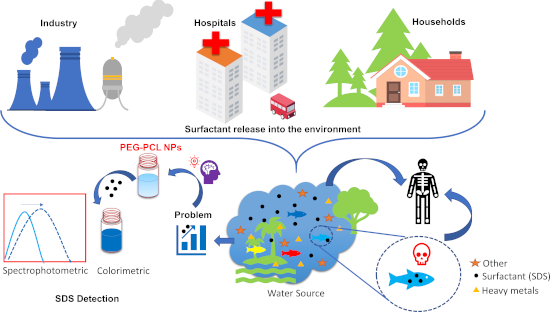
- applications within permissible limits. To assess the safe dose of SDS in other products, various high throughput tools are available, including spectrophotometrics, potentiometrics, high-performance liquid chromatography (HPLC), capillary electrophoresis, and fluorescence-based methods [15][16][17][18][19


Development of a mucoadhesive drug delivery system and its interaction with gastric cells
Beilstein J. Nanotechnol. 2025, 16, 371–384, doi:10.3762/bjnano.16.28

- polystyrene cuvettes were used during size distribution analysis, and the distributions were obtained at an angle of 90° with respect to the incident beam. The zeta potential measurements were performed in disposable plain folded capillary zeta potential cuvettes with the same instrument. Encapsulation


Enhancing mechanical properties of chitosan/PVA electrospun nanofibers: a comprehensive review
Beilstein J. Nanotechnol. 2025, 16, 286–307, doi:10.3762/bjnano.16.22

- . Thus, in a strong electric field, the tip of a polymer solution or melt extruded from a capillary changes from a spherical to a conical shape, the so-called Taylor cone [14]. The parameters involved in the electrospinning process can be divided into three categories, namely, electrospinning, solution
- ]. Electrospinning involves applying a high voltage to a polymer solution delivered through a nozzle or capillary [71]. The electrostatic charge builds up at the tip of the droplet, and when the repulsive force of the charges overcomes the droplet’s surface tension, a cone-like jet, known as the Taylor cone, forms





