


Search results
Search for "cytotoxic activity" in Full Text gives 18 result(s) in Beilstein Journal of Nanotechnology.
Development and in vitro evaluation of liposomes and immunoliposomes containing 5-fluorouracil and R-phycoerythrin as a potential phototheranostic system for colorectal cancer
Beilstein J. Nanotechnol. 2026, 17, 97–121, doi:10.3762/bjnano.17.7
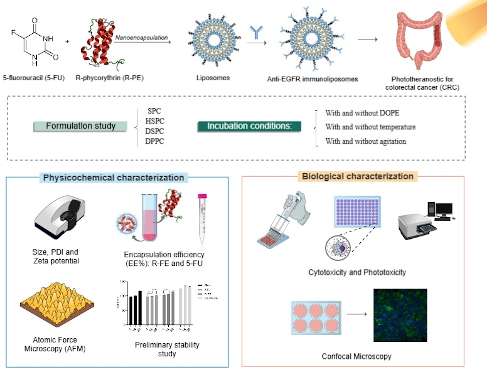
- tumor cells, enhancing the internalization of the system and promoting greater cytotoxic activity compared to conventional therapies [10]. By combining selective cytotoxicity with the potential to label cancer tissue using an imaging probe, EGFR-targeted immunoliposomes represent an integrated approach
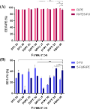

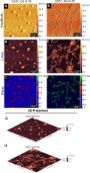
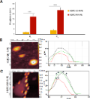


Rapid synthesis of highly monodisperse AgSbS2 nanocrystals: unveiling multifaceted activities in cancer therapy, antibacterial strategies, and antioxidant defense
Beilstein J. Nanotechnol. 2025, 16, 2105–2115, doi:10.3762/bjnano.16.145
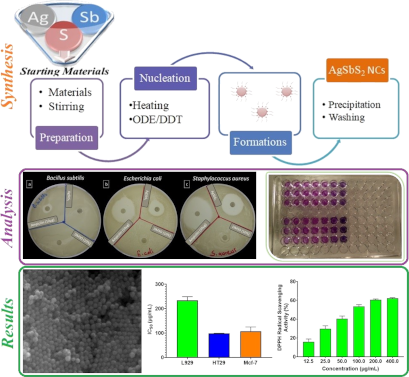
- ; antibacterial activity; antioxidant activity; cytotoxic activity; Introduction Nanoscience serves as a unique platform to reveal new properties of substances through collaborative efforts with other fields (e.g., molecular chemistry, pharmaceutical science, applied health sciences, and engineering). In recent


Phytol-loaded soybean oil nanoemulsion as a promising alternative against Leishmania amazonensis
Beilstein J. Nanotechnol. 2025, 16, 1826–1836, doi:10.3762/bjnano.16.126

- toxicity to host cells – especially intracellular amastigote forms [44]. Previous studies have shown that fibroblasts can act as alternative host cells and have been used to evaluate cytotoxic activity against Leishmania spp. in contexts involving epithelial cells and fibroblasts [45]. In addition, reviews


Acrocomia aculeata oil-loaded nanoemulsion: development, anti-inflammatory properties, and cytotoxicity evaluation
Beilstein J. Nanotechnol. 2025, 16, 1277–1288, doi:10.3762/bjnano.16.93
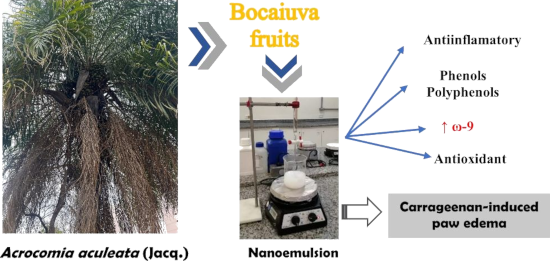
- , the non-hemolytic and cytotoxic activity of the nanoformulation was determined to assess its safety. The nanoemulsion loaded with Acrocomia aculeata fruit pulp oil was shown to have parameters suitable for its characterization, impressive anti-inflammatory activity, and a safe profile. Keywords
- temperature control during both formulation and storage to ensure the long-term stability of the nanoemulsion [49]. Hemolytic and cytotoxic activity of Acrocomia aculeata oil-based nanoemulsion The hemolytic and cytotoxic activities of the nanoemulsion were assessed to evaluate its potential therapeutic use
- the absorbance of the solvent, and AC is the absorbance of the positive control [61][62]. Cytotoxic activity The cytotoxic activity of AANE was evaluated in murine macrophages of the J774 strain (ATCC USA) according to the technique described by Nakayama and colleagues [64]. Staurosporine (5 μg/mL


Better together: biomimetic nanomedicines for high performance tumor therapy
Beilstein J. Nanotechnol. 2025, 16, 1246–1276, doi:10.3762/bjnano.16.92
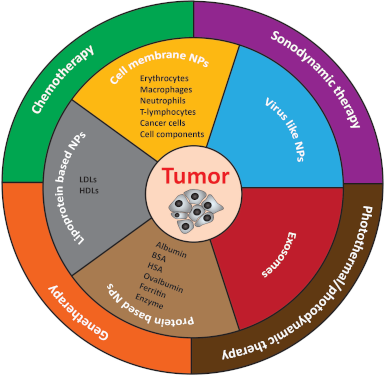
- [41]. Wayteck et al. have prepared liposomes that can hitchhike on cells to the tumor site and get separated to perform their cytotoxic activity [42]. 1.1.5 Cancer cells. Cancer cells establish their own mechanism to escape immune response [43]. They are tightly bound by surface proteins to hinder the


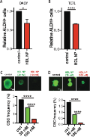




Radiosensitizing properties of dual-functionalized carbon nanostructures loaded with temozolomide
Beilstein J. Nanotechnol. 2025, 16, 229–251, doi:10.3762/bjnano.16.18
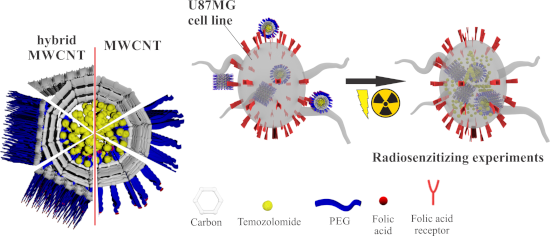
- enable transport and delivery to brain tumors. Inorganic nanostructures as TMZ carriers have shown several advantages compared to organic ones with respect to physicochemical stability and potency/cytotoxic activity, overcoming their main disadvantages, that is, hydrophobicity/fluidity and toxicity by
- chemical modifications and/or coupling with hydrophilic polymers. TMZ was successfully incorporated in magnetic NPs [36], mesoporous silica NPs [37], and NPs made of silver [38], zinc oxide [39], and gold [40], all of them showing high accumulation in tumor cells and cytotoxic activity in vitro and in vivo
- sample (pointing to structural imperfections), while the peak at 43° remained unchanged. No shifts of the peaks were observed in the X-ray patterns of both CNs pointing to non-significant changes in the structure of the CNs. Cytotoxic activity of temozolomide-loaded carbon nanostructures A number of




Berberine-loaded polylactic acid nanofiber scaffold as a drug delivery system: The relationship between chemical characteristics, drug-release behavior, and antibacterial efficiency
Beilstein J. Nanotechnol. 2024, 15, 71–82, doi:10.3762/bjnano.15.7
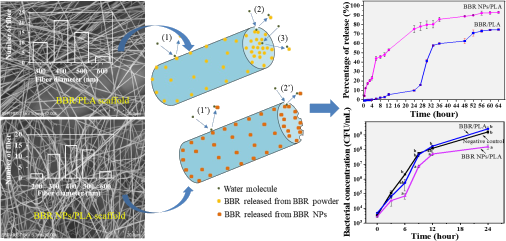
- cytotoxic activity against MA-104 cells. Therefore, it is proposed that the BBR NPs/PLA nanofiber scaffold can be a potential candidate for broad biomedical applications, such as wound dressing, drug delivery, and tissue engineering. Conclusion PLA nanofiber scaffolds loaded with BBR powder and BBR NPs were
- inhibition concentration for MRSA. The release of BBR from PLA nanofiber scaffolds was best fit with Ritger–Peppas models, suggesting that BBR release was mainly controlled by a diffusion mechanism. Additionally, the BBR NPs/PLA nanofiber scaffold did not exhibit cytotoxic activity against MA-104 monolayer


Curcumin-loaded albumin submicron particles with potential as a cancer therapy: an in vitro study
Beilstein J. Nanotechnol. 2023, 14, 1127–1140, doi:10.3762/bjnano.14.93
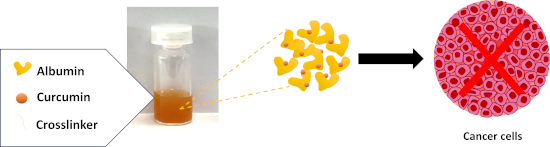
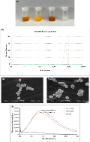
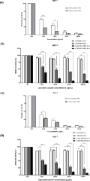
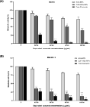
- very strong cytotoxic activity on MMNK-1 cells. Free CUR, however, showed higher cytotoxicity than CUR-HSA-MPs in MMNK-1 cells. In fact, CUR has a cytotoxic effect on normal cells, but tumor cells are more sensitive to it [47]. As demonstrated recently, CUR preferably induces apoptosis in highly
- -7 cells (C, D) compared to the untreated control after 24 and 48 h using the MTT assay. Results are expressed as mean values (n = 3) ± SEM. *p < 0.01, ***p < 0.005, ****p < 0.001. Cytotoxic activity of free curcumin, HSA-MPs, and CUR-HSA-MPs in HDFB (A) and MMNK-1 (B) after 24 h compared to




In search of cytotoxic selectivity on cancer cells with biogenically synthesized Ag/AgCl nanoparticles
Beilstein J. Nanotechnol. 2022, 13, 1505–1519, doi:10.3762/bjnano.13.124
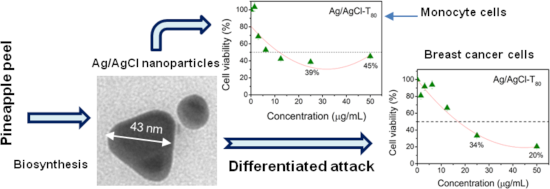
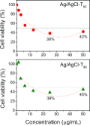
- conducted by monitoring biosynthesis temperature, considering that this variable has an important influence on the formation of nanoparticles. To verify the biological behavior of the obtained Ag/AgCl nanoparticles, their cytotoxic activity in the MCF-7 breast cancer cell line was investigated. The novelty
- the obtaining of metallic Ag nanoparticles combined with AgCl, where AgNPs were formed by reducing compounds of the extract. Thus, the formation of AgCl was due to the availability of chlorine salts in pineapple peels. The third novelty shown in this work is that the cytotoxic activity of Ag/AgCl
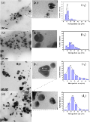
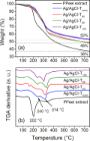
- the same time, the nanodispersion behavior was related to the cytotoxic activity on cancer cells. The best results were obtained with the combination of nanoparticles mainly with AgCl. In other studies, the formation of Ag and AgCl signals has also been detected by XRD when using plant extracts [26





Design and selection of peptides to block the SARS-CoV-2 receptor binding domain by molecular docking
Beilstein J. Nanotechnol. 2022, 13, 699–711, doi:10.3762/bjnano.13.62
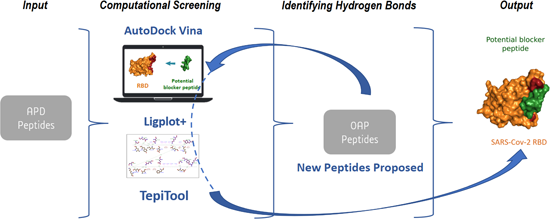
- [12]. Specifically, during a viral infection, viral antigens are presented by MHC I to be recognized by T cells, which, in turn, promote cytosine release and the cytotoxic activity of CD8+ T cells [12][52][53]. Due to the efficiency of this system, many biological therapeutics (proteins, peptides



Nanoparticles based on the zwitterionic pillar[5]arene and Ag+: synthesis, self-assembly and cytotoxicity in the human lung cancer cell line A549
Beilstein J. Nanotechnol. 2020, 11, 421–431, doi:10.3762/bjnano.11.33
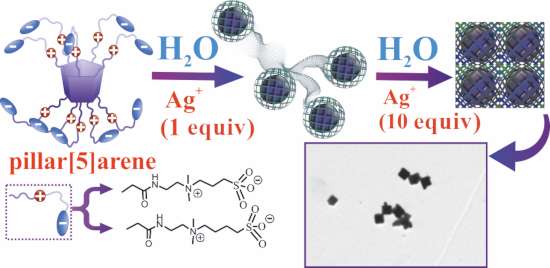
- did not show statistically significant cytotoxic activity against A549 cells over the range of studied concentrations (3–160 μM) (Figure 5a). Characterization of changes in the viability of A549 cells under the action of the pillar[5]arenes was performed by the MTT test [47]. Since in the case of
- significant cytotoxic activity against A549 cells in the range of concentrations studied (3–160 μM). 3/Ag+ nanoparticles had lower cytotoxicity than Ag+ ions. Therefore, it was concluded that macrocycle 3 has the ability to reduce the toxicity of Ag+. The survival rate of A549 model cells was 76% for a




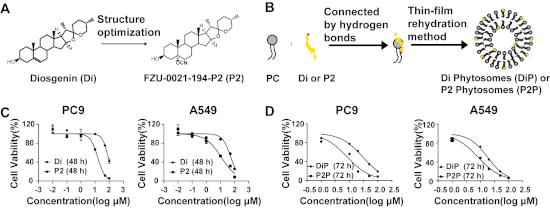
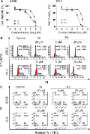
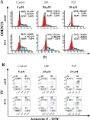
Synthesis and potent cytotoxic activity of a novel diosgenin derivative and its phytosomes against lung cancer cells
Beilstein J. Nanotechnol. 2019, 10, 1933–1942, doi:10.3762/bjnano.10.189



Microfluidic manufacturing of different niosomes nanoparticles for curcumin encapsulation: Physical characteristics, encapsulation efficacy, and drug release
Beilstein J. Nanotechnol. 2019, 10, 1826–1832, doi:10.3762/bjnano.10.177
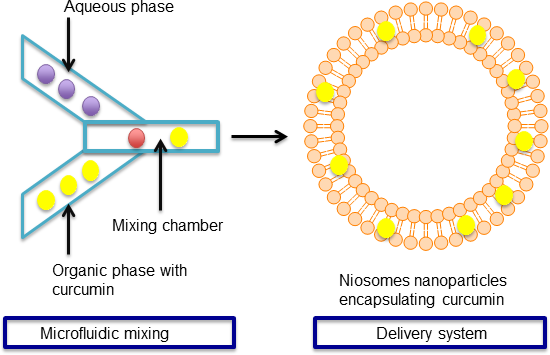
- surfactants prepared by the solvent evaporation method, Xu et al. were able to achieve around 92% loading efficiency of curcumin and measured enhanced cytotoxic activity against ovarian cancer cells compared with freely dispersed curcumin [9]. Microfluidic mixing is a recently developed method for the


Cytotoxicity of doxorubicin-conjugated poly[N-(2-hydroxypropyl)methacrylamide]-modified γ-Fe2O3 nanoparticles towards human tumor cells
Beilstein J. Nanotechnol. 2018, 9, 2533–2545, doi:10.3762/bjnano.9.236
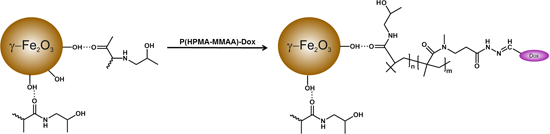
- , various cancer cell lines (Jurkat, K562, HL-60/wt, HL-60/vinc, and B16F10/wt) were treated with the nanoparticles and their cytotoxic activity was compared to that of free Dox (Figure 6). γ-Fe2O3@P(HPMA-MMAA) nanoparticles used in different amounts (2–260 μg depending on cell line) were non-toxic for all
- nanoparticles always corresponded to the amount of free Dox applied to the cells reaching IC50 level. After incubation with the cells, the Dox-free particles proved to be non-toxic. In contrast, P(HPMA-MMAA)-Dox coating on the nanoparticles enhanced the cytotoxic activity by 15–20% compared to free Dox, both
- development is at its early stage, transfer to clinical environments is problematic, and improvement of the efficacy–toxicity balance is required [15]. In this report, we took advantage of the versatility of PHPMA as a base for iron-oxide coating. The objective is to investigate the in vitro cytotoxic


Antibacterial activity of silver nanoparticles obtained by pulsed laser ablation in pure water and in chloride solution
Beilstein J. Nanotechnol. 2016, 7, 465–473, doi:10.3762/bjnano.7.40
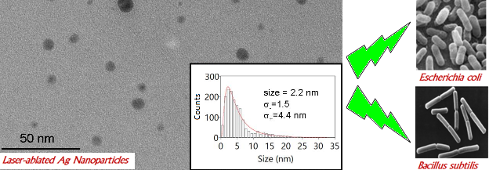
- ]. These multiple, synergic mechanisms of cytotoxic activity reduce the likelihood that the microorganisms develop resistance against the silver compounds [21]. Consequently, AgNPs are very attractive as antimicrobials, due to the worldwide crisis of bacterial resistance to conventional, narrow-target


Novel ZnO:Ag nanocomposites induce significant oxidative stress in human fibroblast malignant melanoma (Ht144) cells
Beilstein J. Nanotechnol. 2015, 6, 570–582, doi:10.3762/bjnano.6.59
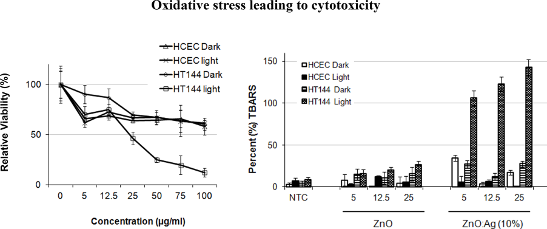
- nanocomposites were screened for cytotoxicity against two human cell lines, HT144 (malignant melanoma) and HCEC (normal cells). ZnO:Ag nanocomposites showed a clear photo-oxidation-mediated cytotoxic activity against the cancer cells, nanocomposites having a higher content of Ag (10 to 30%) being more toxic




Influence of surface-modified maghemite nanoparticles on in vitro survival of human stem cells
Beilstein J. Nanotechnol. 2014, 5, 1732–1737, doi:10.3762/bjnano.5.183
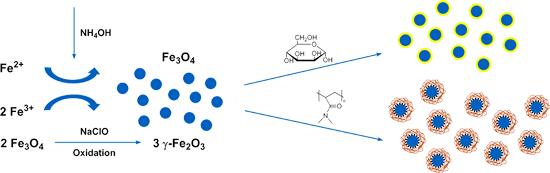
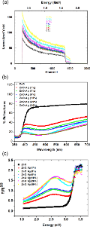
- control and all of them revealed cytotoxic activity. At the same time, the data confirmed the tendency of decreasing particle cytotoxicity if coated with PDMAAm or D-mannose. The strongest cytotoxic effect was observed at the highest concentration of the colloid (100 µL/mL of medium). The PDMAAm-coated γ
- -Fe2O3. The beneficial effect of coating (diminishing particle cytotoxic activity for the cells) was thus demonstrated. By using confocal microscopy, D-mannose- and PDMAAm-coated γ-Fe2O3 nanoparticles were detected in vacuoles inside the cytoplasm of the cells (Figure 3a,c). PDMAAm-coated particles were
- particles were found to have a reduced cytotoxic activity compared to non-coated nanoparticles, which was demonstrated by the methyl thiazolyl tetrazolium (MTT) assay. However, all γ-Fe2O3 particles tested at different concentrations reduced the viability of human cells in vitro. It should be noted that


PEGylated versus non-PEGylated magnetic nanoparticles as camptothecin delivery system
Beilstein J. Nanotechnol. 2014, 5, 1312–1319, doi:10.3762/bjnano.5.144
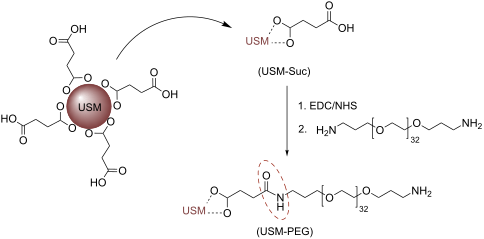
- ; cancer therapy; iron oxide superparamagnetic nanoparticles; polyethylene glycol; Introduction Camptothecin (CPT) is a quinoline based alkaloid, which exhibits a potent cytotoxic activity against a broad spectrum of tumours [1][2][3]. While most antineoplastic agents inhibit cancer cell proliferation by
- retain the biological activity of CPT and exhibit remarkable cytotoxic activity towards H460 lung cancer cell line cultures. Remarkably, it was found that iron oxide superparamagnetic nanoparticles synthesized by co-precipitation method can be loaded with CPT. By the proposed nanoparticle surface
- modification procedure with PEG the amount of CPT that can be loaded was greatly enhanced (in effect doubled) with respect to bare USM nanoparticles. No significant difference in the cytotoxic activity was observed among the CPT loaded on either the PEGylated or bare USM magnetic nanoparticles. Nevertheless, a





