


Search results
Search for "drug delivery systems" in Full Text gives 142 result(s) in Beilstein Journal of Nanotechnology.
Development of Protium heptaphyllum essential oil-loaded nanocapsules: experimental design and biological activity
Beilstein J. Nanotechnol. 2026, 17, 974–990, doi:10.3762/bjnano.17.67
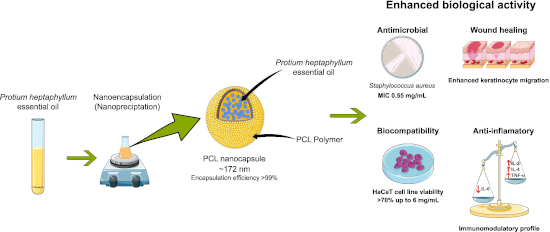
- nanoencapsulation not only stabilizes breu branco essential oil but also enhances its antimicrobial, regenerative, and immunomodulatory effects, while fostering the sustainable valorization of Amazonian biodiversity. Keywords: biocompatibility; cytokine modulation; drug delivery systems; nanoprecipitation; wound




Nanocarrier strategies to overcome P-glycoprotein-mediated drug resistance in cancer therapy
Beilstein J. Nanotechnol. 2026, 17, 882–921, doi:10.3762/bjnano.17.64
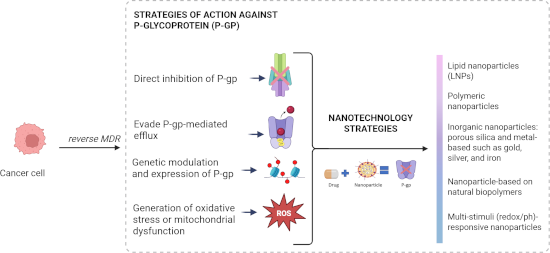
- constructed and applied across the selected databases. The following combinations were used: (“P-glycoprotein” OR “ABCB1” OR “P-gp”) AND (“multidrug resistance” OR “MDR”) AND (“nanoparticles” OR “nanocarriers” OR “drug delivery systems”) AND (“cancer” OR “tumor”) and (“P-gp inhibitors” OR “efflux transporters
- from cancer cells, resulting in diminished intracellular drug concentrations and impaired treatment effectiveness [26]. Nanotechnology-based drug delivery systems have emerged as a promising strategy to overcome this barrier. These nanosystems can encapsulate anticancer agents, protect them from
- increasing the concentration of cytotoxic drugs in resistant tumor cells. 3.1.2 Strategies to evade P-gp-mediated efflux. Advanced nanoparticle drug delivery systems exploit alternative cellular entry pathways, such as vesicular transport, organelle targeting, or specific features of the tumor


Cellulose as a photocatalyst support material: extraction, structural features, and environmental applications
Beilstein J. Nanotechnol. 2026, 17, 635–652, doi:10.3762/bjnano.17.44
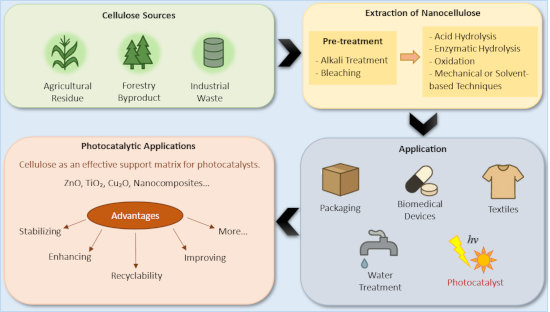
- chemical and mechanical strength, and relatively high heat resistance. These features make CA an essential material for diverse biomedical applications, including drug delivery systems, wound care products, and scaffolds for tissue engineering [70][71][72], reinforcing its position as a reliable and


Nanoinformatics: spanning scales, systems and solutions
Beilstein J. Nanotechnol. 2026, 17, 423–427, doi:10.3762/bjnano.17.28

- delivery assays from ChEMBL and 260 nanoparticle cytotoxicity assays from journal articles on which linear discriminant analysis and artificial neural network algorithms were applied. The resulting models were effective as an initial rapid pre-screening of putative nanoparticle-based drug delivery systems

Biomimetic nanoparticles in cancer photodynamic therapy: a review of targeted delivery systems and therapeutic outcomes
Beilstein J. Nanotechnol. 2026, 17, 396–422, doi:10.3762/bjnano.17.27
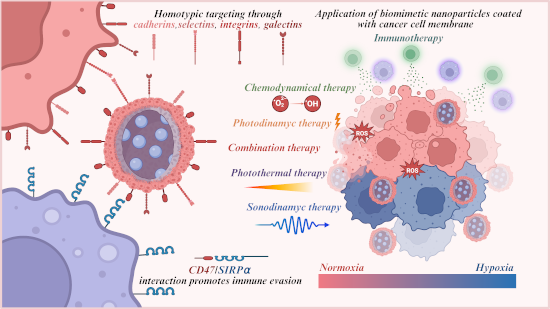
- overcome all biological barriers remains an active area of research essential for clinical translation. BNP functionalization The development of biomimetic drug delivery systems has advanced rapidly, with multifunctional platforms emerging as a key focus [68][69]. By leveraging the natural properties of


Durable antimicrobial activity of fabrics functionalized with zeolite ion-exchanged nanomaterials against Staphylococcus aureus and Escherichia coli
Beilstein J. Nanotechnol. 2026, 17, 262–274, doi:10.3762/bjnano.17.18
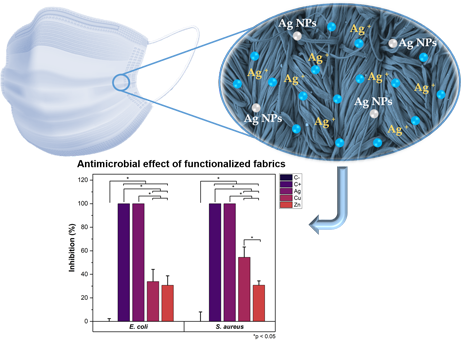
- are currently explored for various biomedical applications, including disease prevention, diagnosis, and the improvement of antiviral drug delivery systems [5][6]. In some cases, the antimicrobial properties of NPs lead to creation of new “nano-antimicrobial” materials [7]. The mechanism by which




Micro- and nanoscale effects in biological and bioinspired materials and surfaces
Beilstein J. Nanotechnol. 2026, 17, 214–217, doi:10.3762/bjnano.17.14
- medicine, Perini et al. [25] reviewed the importance of biomimetic nanocarriers for drug delivery systems with improved biocompatibility and target specificity, whereas Mohammed et al. [26] focused on biomimetic potential for nanomedicines in tumor therapy. Besides nanotechnological solutions inspired by
Safe and sustainable by design with ML/AI: A transformative approach to advancing nanotechnology
Beilstein J. Nanotechnol. 2026, 17, 176–185, doi:10.3762/bjnano.17.11
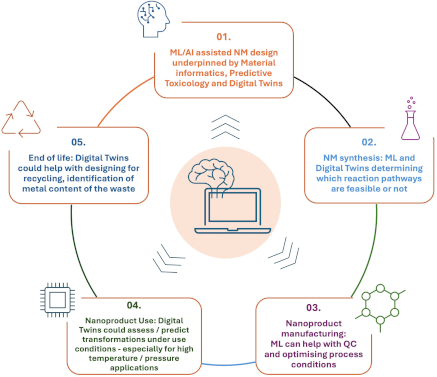
- efficiency. From advanced drug delivery systems to clean energy solutions, the applications of nanotechnology are diverse and transformative. However, these innovations are accompanied by complex challenges regarding safety and sustainability for both the nanoscale materials themselves and for the products
- , offering unprecedented opportunities to design and develop nanomaterials with unique, tailored properties. These advances have significantly impacted diverse industrial sectors, including healthcare, energy, environmental remediation, and defence. For instance, nanoparticle-based drug delivery systems have
- and risks associated with specific ENMs [56]. One illustrative application involves modelling nanoparticle–protein interactions, a critical factor in drug delivery systems, where digital twins can accurately predict protein adsorption patterns on nanoparticle surfaces through read-across and


From shield to spear: Charge-reversible nanocarriers in overcoming cancer therapy barriers
Beilstein J. Nanotechnol. 2026, 17, 159–175, doi:10.3762/bjnano.17.10
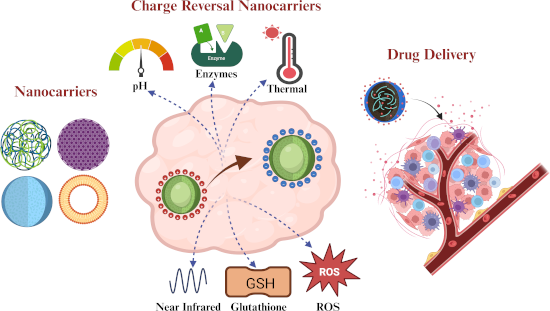
- , drug resistance, and poor tumour selectivity. In response to these limitations, nanotechnology-based drug delivery systems have gained prominence for enhancing solubility, improving molecular stability, enabling controlled drug release, and prolonging systemic circulation, offering superior therapeutic
- pressing need for innovative solutions. An example would be smart nanocarrier drug delivery systems that enhance targeting precision and mitigate adverse effects [9][10]. Nanotechnology-based drug delivery systems have revolutionised cancer treatment by improving drug solubility, stability, and
- advancements in nanocarrier-based cancer therapy, recent research has increasingly emphasised refining their physicochemical traits, especially surface charge, to boost therapeutic outcomes. A notable development in this context is the emergence of charge-reversible nanoscale drug delivery systems (CR-NDDSs


Development and in vitro evaluation of liposomes and immunoliposomes containing 5-fluorouracil and R-phycoerythrin as a potential phototheranostic system for colorectal cancer
Beilstein J. Nanotechnol. 2026, 17, 97–121, doi:10.3762/bjnano.17.7
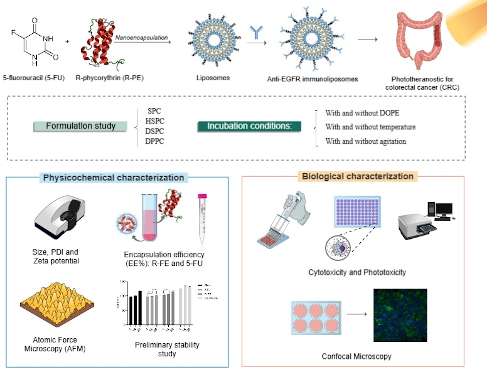
- that approximately half of metastatic CRC cases are resistant to 5-FU treatments, contributing to decrease the survival rate of patients [5]. In this context, nanotechnology has emerged as a promising therapeutic strategy for cancer treatment. Nanostructured drug delivery systems enable preferential



Ultrathin water layers on mannosylated gold nanoparticles
Beilstein J. Nanotechnol. 2025, 16, 2183–2198, doi:10.3762/bjnano.16.151
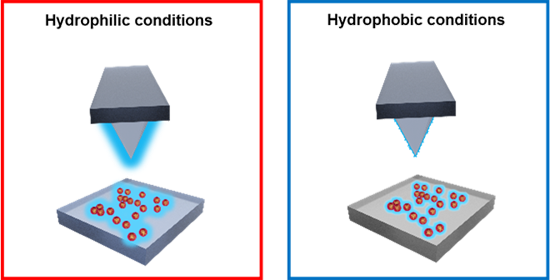
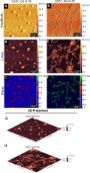
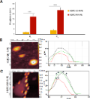
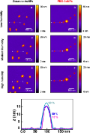
- sensing, imaging, or drug delivery systems. The success of these platforms stems from their dispersion in water, stability, and biocompatibility in fully hydrated states, as well as in biological fluids. Our investigation shows a novel approach to these particles by testing the hydration properties under



Toward clinical translation of carbon nanomaterials in anticancer drug delivery: the need for standardisation
Beilstein J. Nanotechnol. 2025, 16, 2092–2104, doi:10.3762/bjnano.16.144
- translational hurdles, extend broadly across therapeutic contexts. Regardless of indication, many of the key challenges in standardising CNM-based drug delivery systems remain largely the same. Using carbon nanocarrier to address the global burden of cancer Cancer, a group of diseases characterised by
- a lack of standardised methods for measuring these properties, which can make it difficult to compare results across studies and to ensure the safety and efficacy of CNM-based drug delivery systems. Efforts are underway to address these issues and to establish standardised methods for the synthesis
- improve the reproducibility and comparability of results across studies and to facilitate the regulatory approval of carbon nanomaterial-based drug delivery systems. Model therapeutics in nanocarrier development Chemotherapy drugs are designed to kill rapidly dividing cancer cells by disrupting their cell



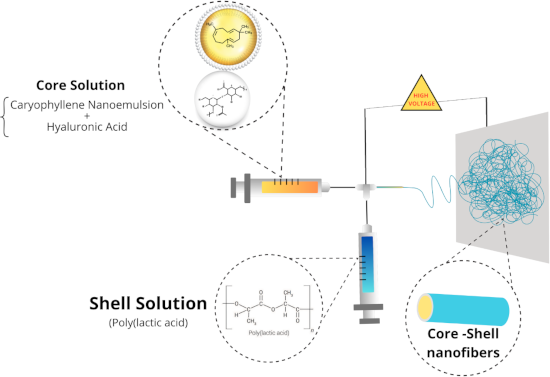
Beyond the shell: exploring polymer–lipid interfaces in core–shell nanofibers to carry hyaluronic acid and β-caryophyllene
Beilstein J. Nanotechnol. 2025, 16, 2015–2033, doi:10.3762/bjnano.16.139
- thermoplastic known for its biodegradability, biocompatibility, and bioabsorbability [20][21]. Highly attractive due to its versatile physical, chemical, and biological properties, PLA is a suitable option for manufacturing tissue engineering scaffolds, implantable devices, and drug delivery systems, holding




PEGylated lipids in lipid nanoparticle delivery dynamics and therapeutic innovation
Beilstein J. Nanotechnol. 2025, 16, 1914–1930, doi:10.3762/bjnano.16.133
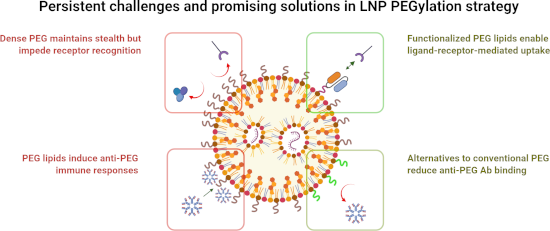
- strategies in LNP-based drug delivery systems, approaches are being explored. These include integrating functional groups into PEG lipids for ligand conjugation and improved cell-specific targeting, as well as developing PEG alternatives to mitigate anti-PEG antibody associated immunogenicity [7][8]. This


Phytol-loaded soybean oil nanoemulsion as a promising alternative against Leishmania amazonensis
Beilstein J. Nanotechnol. 2025, 16, 1826–1836, doi:10.3762/bjnano.16.126

- pharmaceutical application by reducing bioavailability [18]. To overcome these limitations, the incorporation of phytol into nanostructured delivery systems, has been proposed to improve its solubility, stability, and intracellular delivery efficiency [19]. Nanotechnology-based drug delivery systems that


Exploring the potential of polymers: advancements in oral nanocarrier technology
Beilstein J. Nanotechnol. 2025, 16, 1751–1793, doi:10.3762/bjnano.16.122
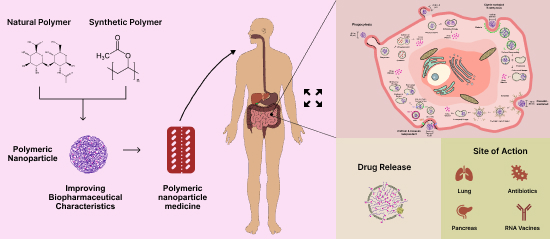
- , Brazil 10.3762/bjnano.16.122 Abstract Polymers play a pivotal role in various drug delivery systems due to their versatility, with polymeric nanoparticles showing significant potential to overcome physiological barriers associated with oral administration. This review examines the current advancements
- used polymers. Although polymerization-based techniques allow for precise tailoring of nanoparticle architecture, they present significant limitations that restrict their broader application, particularly in oral drug delivery systems, where biocompatibility and safety are critical. These methods
- macromolecules composed of repeating monomers linked by covalent bonds [90]. These materials are highly attractive as vehicles for oral drug delivery systems due to their strong mucosal adhesion properties and their ability to enhance paracellular transport of drug molecules. Additionally, they are easy to


Advances of aptamers in esophageal cancer diagnosis, treatment and drug delivery
Beilstein J. Nanotechnol. 2025, 16, 1734–1750, doi:10.3762/bjnano.16.121
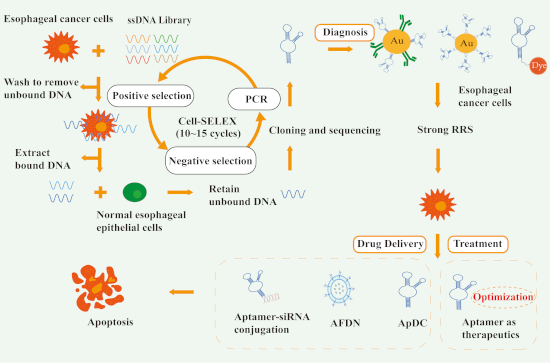
- , coupling drugs, covalent binding with siRNA, and chemical modification [34][35] to promote their role in cancer drug delivery. Conventional drug delivery systems, including metal nanoparticles, nanohydrogels, liposomes, and polymeric micelles [36][37][38], have gained widespread adoption due to their
- of therapeutic efficacy. Recent breakthroughs in aptamer-based targeted therapeutics have marked significant advancements, revitalizing prospects for novel therapeutic aptamer developments. In addition, aptamer-based drug delivery systems can not only accurately identify lesions, but also improve
- [106] and stimuli-responsive drug delivery systems [107], represent significant advances toward enhanced therapeutic efficacy and precision medicine. However, most nanomedicines still require intravenous injection [108], and there is no precedent for AFDNs in EC clinical trials; however, this advanced


Multifunctional anionic nanoemulsion with linseed oil and lecithin: a preliminary approach for dry eye disease
Beilstein J. Nanotechnol. 2025, 16, 1711–1733, doi:10.3762/bjnano.16.120
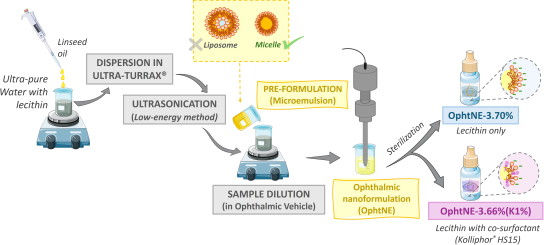
- for therapeutic effectiveness. In contrast to traditional drug delivery systems (DDS), a functional ophthalmic nanoemulsion was specifically designed to alleviate symptoms of DED by leveraging its antioxidant and osmoprotective properties. The study evaluated the optimal concentration of lecithin
- begins to form on the droplet interface. While cationic and anionic nanoemulsions are commonly explored in drug delivery systems due to their distinct electrostatic properties, the present formulation was not designed as a drug delivery vehicle. Instead, it functions as a bioactive nanoemulsion intended



Prospects of nanotechnology and natural products for cancer and immunotherapy
Beilstein J. Nanotechnol. 2025, 16, 1644–1667, doi:10.3762/bjnano.16.116
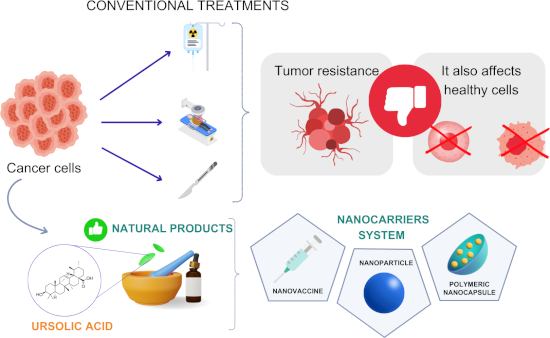
- hydrophilic or lipophilic pharmaceutical drugs, as well as surface modification, making PNCs advantageous for controlled drug delivery systems [132]. PNCs hold potential applications for cancer treatment and immunotherapy. They can provide sustained drug release while decreasing cytotoxicity and modifying


Venom-loaded cationic-functionalized poly(lactic acid) nanoparticles for serum production against Tityus serrulatus scorpion
Beilstein J. Nanotechnol. 2025, 16, 1633–1643, doi:10.3762/bjnano.16.115
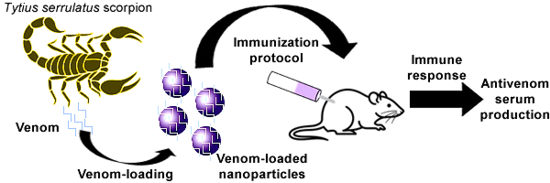
- vitro, creates a challenge for drug delivery systems aiming to effectively target affected tissues or cells [14][15]. Nanocarriers have been widely studied for enabling prolonged circulation and sustained drug release over time, depending on their structural properties [16][17]. Therefore, protein


Nanomaterials for biomedical applications
Beilstein J. Nanotechnol. 2025, 16, 1499–1503, doi:10.3762/bjnano.16.105
- and biocompatibility [14]. In general, smart drug delivery systems developed from nanomaterials are changing the concept of delivering therapies. With lower drug dosing, it helps patients quickly recover with fewer side effects, which is necessary for chronic or life-threatening diseases. Due to all
Enhancing the therapeutical potential of metalloantibiotics using nano-based delivery systems
Beilstein J. Nanotechnol. 2025, 16, 1350–1366, doi:10.3762/bjnano.16.98
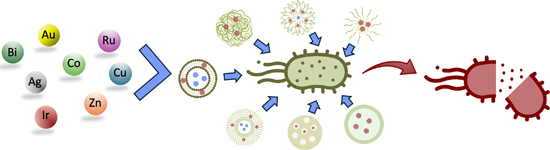
- application of metalloantibiotics is limited by their potential toxicity, instability, and lack of target specificity. Encapsulating metalloantibiotics in drug delivery systems, such as liposomes, nanoparticles, and polymeric carriers, could mitigate these challenges, enhancing their therapeutic index and
- .; Liu, G. Nanoscale 2025, 17, 5605–5628. doi:10.1039/D4NR04774E ]. This review explores the potential of encapsulated metalloantibiotics as a new frontier in antimicrobial therapy. We address the mechanisms by which drug delivery systems can stabilize and direct metalloantibiotics to their biological
- mechanisms of nanotechnology-based drug delivery systems, followed by their integration with metal-based complexes. Finally, it discusses the challenges and future perspectives of this emerging field, emphasizing its potential to revolutionize the fight against bacterial infections and antimicrobial


Ferroptosis induction by engineered liposomes for enhanced tumor therapy
Beilstein J. Nanotechnol. 2025, 16, 1325–1349, doi:10.3762/bjnano.16.97
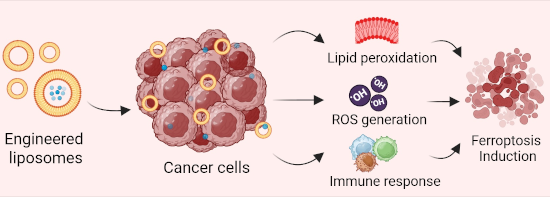
- [109]. The synthesis and characterization of liposomes are crucial steps to ensure their efficacy and safety as drug delivery systems [110]. 3.1 Design and engineering of liposomes Numerous liposome preparation methods affect their properties, including size, layer structure, and encapsulation
- high EE and stability [117]. These new technologies in liposome synthesis offer improved methods for producing liposomes with customized properties, which increased their potential as drug delivery systems for various therapeutic applications [114][117][118][119]. The optimal method of liposome
- ][120]. 3.2 Characterization of liposomes Characterization of liposomes is important to ensure their quality and performance as drug delivery systems. Several techniques are commonly used to analyze the properties of liposomes, including size, lamellarity, surface charge, and EE [110][121]. Dynamic


Better together: biomimetic nanomedicines for high performance tumor therapy
Beilstein J. Nanotechnol. 2025, 16, 1246–1276, doi:10.3762/bjnano.16.92
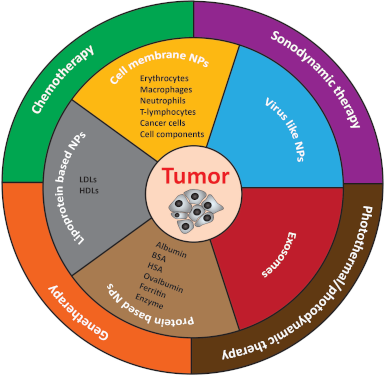
- feasible biomimetic nanoplatforms, other cell membrane-coated drug delivery systems also provide promising therapeutic strategies [130][131][132]. Nanomaterials camouflaged with cancer cell membrane (CCM) have been used for a number of theranostic applications [133][134]. Rao et al. showed that CCM-coated
- surrounding environment, including immunosuppression in T cells via PD-1/PD-L1 axis, recruitment of stem cells via CXCR4/CXCL2 chemokine axis, maturation of immune cells via membrane interactions, and various other physical/chemical interactions, uncover the emergence of cell membrane-based drug delivery
- delivery systems interact with different body structures as well as physiologic environments. Thus, the structures of drug carriers must be constructed in a way that allows them to elude immune recognition and overcome barriers via effective bio-interfacing. Within the scope of biomimetic nanomedicine for






Hydrogels and nanogels: effectiveness in dermal applications
Beilstein J. Nanotechnol. 2025, 16, 1216–1233, doi:10.3762/bjnano.16.90
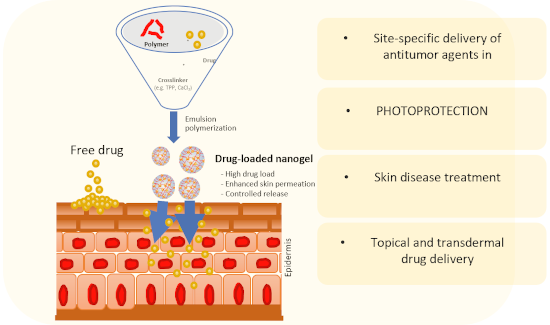
- - Vila Carli, Guarapuava – PR, Brazil Helmholtz-Zentrum für Infektionsforschung, Inhoffenstrasse 7, 38124 Braunschweig, Germany 10.3762/bjnano.16.90 Abstract Drug delivery systems (DDSs) are an important tool for obtaining medicines with improved physicochemical properties, especially for drugs with
- -1950s and 1960s [1][2][3][4]. From the beginning, hydrogels composed of cross-linked acrylic acid were designed to release drugs into the body [5]. 2-Hydroxyethyl methacrylate was one of the first compounds used to build hydrogels as drug delivery systems (DDSs) [6]. Over the past century, hydrogels
- the extracellular matrix make them attractive drug delivery systems. Dermal applications include psoriasis treatment, antimicrobial activity, wound healing, and skin tumor remission. Understanding topical and transdermal drug delivery mechanisms is crucial. Hydrogels and nanogels, proven strategies to





