


Search results
Search for "ferroptosis" in Full Text gives 7 result(s) in Beilstein Journal of Nanotechnology.
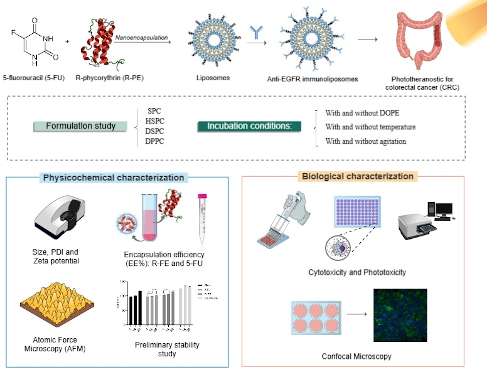
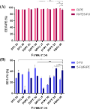
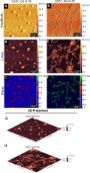
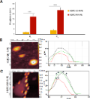
Development and in vitro evaluation of liposomes and immunoliposomes containing 5-fluorouracil and R-phycoerythrin as a potential phototheranostic system for colorectal cancer
Beilstein J. Nanotechnol. 2026, 17, 97–121, doi:10.3762/bjnano.17.7



Ferroptosis induction by engineered liposomes for enhanced tumor therapy
Beilstein J. Nanotechnol. 2025, 16, 1325–1349, doi:10.3762/bjnano.16.97
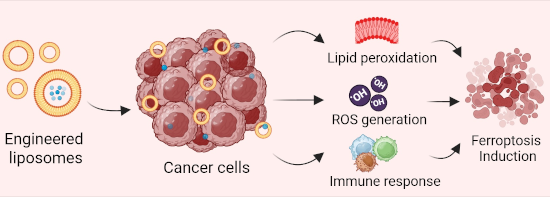
- Ferroptosis has shown potential therapeutic effects in tumor therapy as an iron-dependent programmed cell death. The induction of ferroptosis is based on lipid peroxidation, the accumulation of iron and reactive oxygen species, and the depletion of glutathione. Nowadays, various nanoparticles are reported for
- ferroptosis-based therapy. Among them, engineered liposomes have received more attention due to their biocompatibility, low immunogenicity, and flexibility in chemical and structural modifications. The present review focuses on the mechanisms of ferroptosis and its induction by engineered liposomes to improve
- tumor therapy. It also highlights the fascinating outcome of liposome-mediated ferroptosis in overcoming the obstacles to cancer therapy, along with the limitations and possible future directions. Keywords: cancer; ferroptosis; liposome; nanomedicine; stimuli-responsive; Review 1 Introduction Cancer


Better together: biomimetic nanomedicines for high performance tumor therapy
Beilstein J. Nanotechnol. 2025, 16, 1246–1276, doi:10.3762/bjnano.16.92
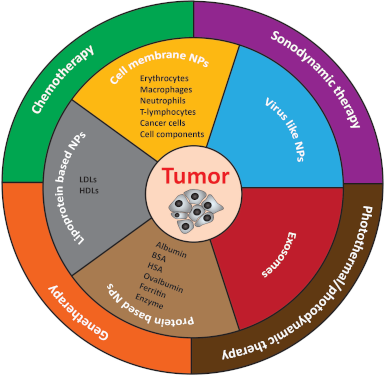
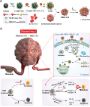
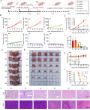
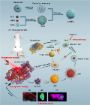
- cholesterol uptake, and induce ferroptosis of the cancer cells [67]. HDL presents many features that make it ideal for drug delivery applications including biocompatibility and biodegradability, long circulation, hydrophobic core, and small size. The main lipoprotein of HDL is alpha apolipoprotein (apo A-I






Nanocarriers and macrophage interaction: from a potential hurdle to an alternative therapeutic strategy
Beilstein J. Nanotechnol. 2025, 16, 97–118, doi:10.3762/bjnano.16.10
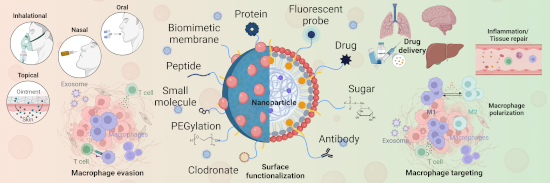
- ferroptosis inhibitor Fer-1. These liposomes promoted M2 polarization via the CaSR/AKT/β-catenin pathway while protecting macrophages from ferroptosis. In murine models of IBD, CLF reduced oxidative stress, inhibited ferroptosis, and restored intestinal homeostasis by increasing the M2/M1 macrophage ratio [66


Liver-targeting iron oxide nanoparticles and their complexes with plant extracts for biocompatibility
Beilstein J. Nanotechnol. 2024, 15, 1593–1602, doi:10.3762/bjnano.15.125
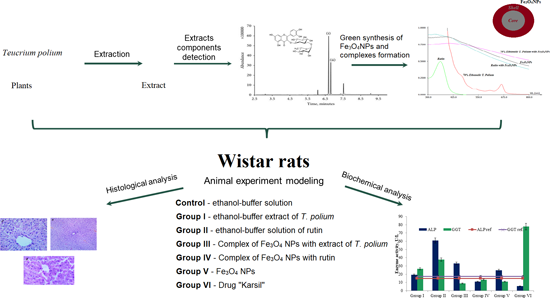
- , lysosomes, the Golgi apparatus, and the endoplasmic reticulum [44][45]. Wu and colleagues found that Fe3O4 NPs up to 5 nm in size can penetrate cells and initiate the Fenton reaction, resulting in the formation of genotoxic •OH radicals [20]. Moreover, iron overload in cells can lead to ferroptosis [46][47


Recent progress in cancer cell membrane-based nanoparticles for biomedical applications
Beilstein J. Nanotechnol. 2023, 14, 262–279, doi:10.3762/bjnano.14.24
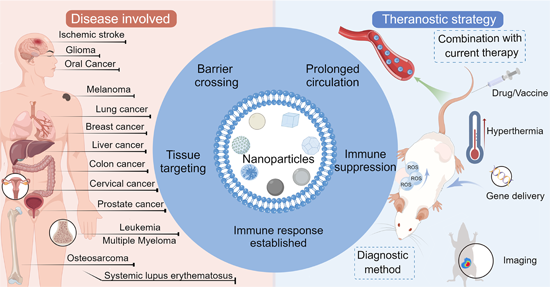
- ]. GSH is the main antioxidant component in cells and can scavenge excess ROS in cancer cells. ROS-related therapeutic effects are promoted by depleting GSH and catalyzing excess of H2O2 in the TME [103]. Programmed cell death (e.g., necroptosis, pyroptosis, ferroptosis, and cuprotosis) regulates the
- development of cells and plays an important regulatory role in the progression of cancer [104][105]. Iron-dependent ferroptosis is a new type of programmed cell death that is different from other modes of action and molecular mechanisms. It is characterized by mitochondrial lipid peroxidation and reduced
- levels of GSH peroxidases [106]. Based on the conditions in the TME, ferrous/ferric ions can catalyze H2O2 to produce hydroxyl radicals (•OH) through the Fenton reaction [39][107]. Nanoscale agents with ferroptosis function coated by cancer cell membranes can avoid surveillance of the body and travel to


Applications of superparamagnetic iron oxide nanoparticles in drug and therapeutic delivery, and biotechnological advancements
Beilstein J. Nanotechnol. 2020, 11, 1092–1109, doi:10.3762/bjnano.11.94
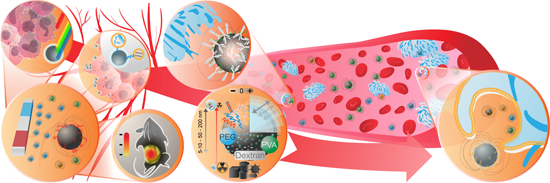
- been extensively examined regarding biocompatibility, targeted or intended cytotoxicity (ferroptosis), local hyperthermia treatments, photothermal or photodynamic therapy, and MRI. Also, there are increasingly more studies reporting on combinations with in vivo fluorescence imaging, sensing and
- brain tumors. By Fenton reaction of the iron ions in the cytoplasm, they induced apoptosis due to iron overload. This process, named ferroptosis, was shown to reduce brain tumors in mice [135] and the number breast cancer cells [155], and also to eliminate the ability of cancer cells to develop


Other Beilstein-Institut Open Science Activities



