Search results
Search for "fluorescence imaging" in Full Text gives 45 result(s) in Beilstein Journal of Nanotechnology.
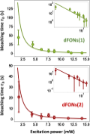
Molecular engineering of individual dye-based nanoparticle photostability for ultrabright two-photon fluorescence
Beilstein J. Nanotechnol. 2026, 17, 688–696, doi:10.3762/bjnano.17.48
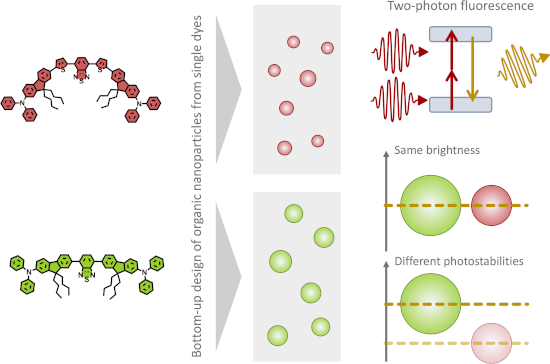
- bioactuators for drug delivery [6][7][8][9], and most recently as actuators for optogenetics in mice [10]. However, dFONs are most widely used as biomarkers for fluorescence imaging. Their stealth properties can be engineered as needed [11][12][13][14], making them versatile for use in cells, tissues [15] and


Biomimetic nanoparticles in cancer photodynamic therapy: a review of targeted delivery systems and therapeutic outcomes
Beilstein J. Nanotechnol. 2026, 17, 396–422, doi:10.3762/bjnano.17.27
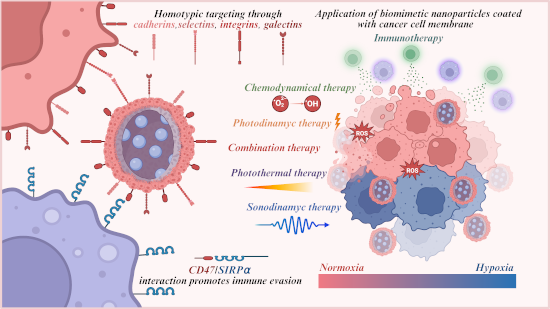
- theranostic applications [39] by facilitating tumor visualization through various imaging techniques [40], including fluorescence imaging [41], computed tomography [42], and magnetic resonance imaging (MRI) [43]. The development of nanobiotechnology in PDT opens new horizons for creating more effective and


Visualizing nanostructures in supramolecular hydrogels: a correlative study using confocal and cryogenic scanning electron microscopy
Beilstein J. Nanotechnol. 2025, 16, 2274–2284, doi:10.3762/bjnano.16.156
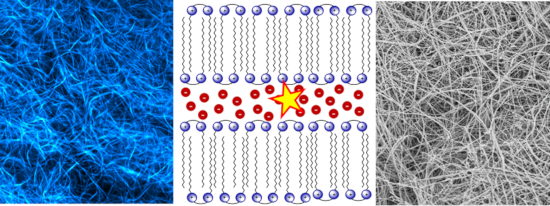
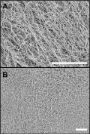
- modification being required for fluorescence imaging [17]. Similar studies of swollen hydrogels using cryo-SEM, environmental SEM (ESEM), confocal, and light microscopy have revealed that cryo-SEM may introduce morphological artefacts that are not observed in hydrated-state imaging. The presence of these



Beyond the shell: exploring polymer–lipid interfaces in core–shell nanofibers to carry hyaluronic acid and β-caryophyllene
Beilstein J. Nanotechnol. 2025, 16, 2015–2033, doi:10.3762/bjnano.16.139
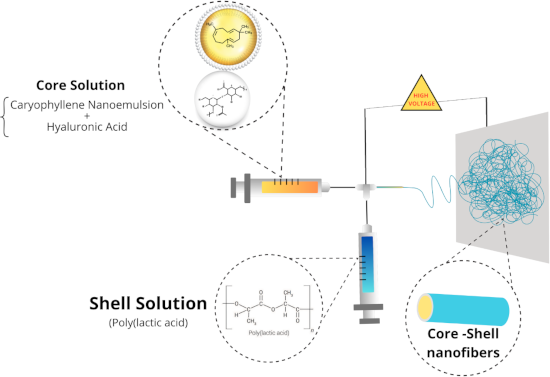
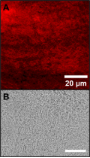
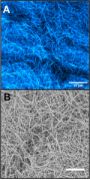
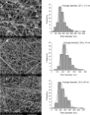
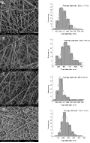
- distribution of the core within nanofibers produced via coaxial electrospinning. A disk scanning unit confocal microscope (Olympus, Japan) was utilized for this analysis. Fluorescein was added to the core solution (1% HA + 2% NE) to enable fluorescence imaging during microscopic observation. Thermogravimetric




Advances of aptamers in esophageal cancer diagnosis, treatment and drug delivery
Beilstein J. Nanotechnol. 2025, 16, 1734–1750, doi:10.3762/bjnano.16.121
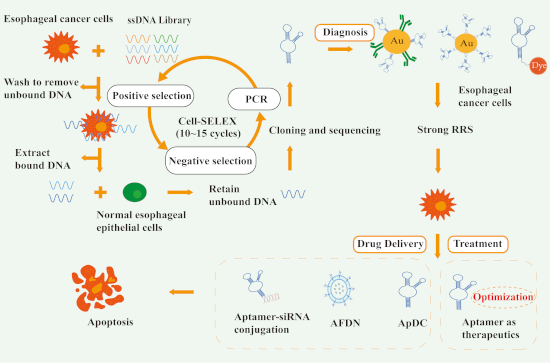
- obtain nucleic acid aptamer S3-2-3 with binding specificity to ESCC cells. After labeled with Cy5 dye, it can yield highly specific fluorescence imaging for ESCC tissues, providing accurate display tools for clinical diagnosis. The remarkably short 18-nucleotide length of aptamer S3-2-3 enables its


Better together: biomimetic nanomedicines for high performance tumor therapy
Beilstein J. Nanotechnol. 2025, 16, 1246–1276, doi:10.3762/bjnano.16.92
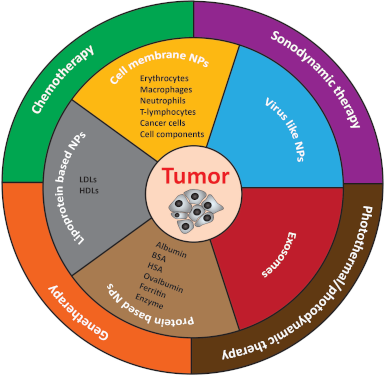
- nm) fluorescence and PTT, consisting of tumor cell-derived exosomes (EXO) and TT3-oCB nanoparticles. The TT3-oCB NP-EXOs showed promising and stable photothermal conversion capacity under 808 nm irradiation to be used as biomimetic NPs for NIR-II fluorescence imaging-guided PTT of tumors. The TT3-oCB






Synthetic-polymer-assisted antisense oligonucleotide delivery: targeted approaches for precision disease treatment
Beilstein J. Nanotechnol. 2025, 16, 435–463, doi:10.3762/bjnano.16.34


Recent advances in photothermal nanomaterials for ophthalmic applications
Beilstein J. Nanotechnol. 2025, 16, 195–215, doi:10.3762/bjnano.16.16
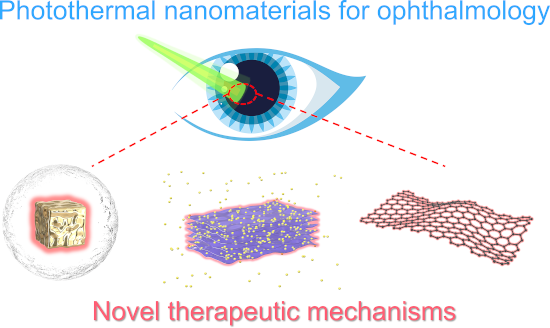
- ), fluorescence imaging (FI), scanning laser ophthalmoscopy (SLO), and fundus photography have significantly changed the diagnosis and monitoring of ocular diseases [174][175][176]. OCT is the most prevalent ophthalmic imaging technique, providing high-resolution and high-sensitivity imaging; however, the test
- penetration depth is only a few millimeters, which does not provide clear imaging of deeper ocular structures [177][178]. Fluorescence imaging is hindered by contrast agent photobleaching and phototoxicity, resulting in low image quality and biological side effects [179][180]. Photoacoustic imaging has deep


Realizing active targeting in cancer nanomedicine with ultrasmall nanoparticles
Beilstein J. Nanotechnol. 2024, 15, 1208–1226, doi:10.3762/bjnano.15.98
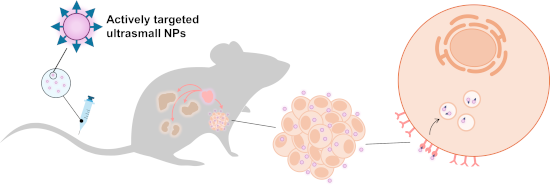
- -infrared (NIR) dye MPA. Tumor-bearing mice were employed to assess the tumor specificity of AuNC-MPA, AuNC-MPA-cRGD, and AuNC-MPA-cRGD-AS1411 using in vivo NIR fluorescence imaging. Both targeted AuNCs accumulated in the tumor, while the control AuNC-MPA showed negligible accumulation. However, the


Unveiling the potential of alginate-based nanomaterials in sensing technology and smart delivery applications
Beilstein J. Nanotechnol. 2024, 15, 1077–1104, doi:10.3762/bjnano.15.88


Fluorescent bioinspired albumin/polydopamine nanoparticles and their interactions with Escherichia coli cells
Beilstein J. Nanotechnol. 2023, 14, 1208–1224, doi:10.3762/bjnano.14.100
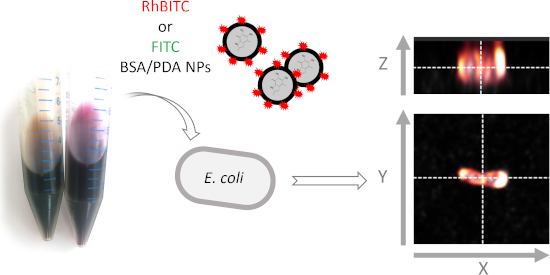
- ) of poly(lactic-co-glycolic acid) (PLGA) [7], polycaprolactone [8], and chitosan [9]. Furthermore, fluorescent ONPs are a promising way to facilitate the localization of NPs in cells through fluorescence imaging. They can also be used for fluorescent labelling of cells, especially for live cell
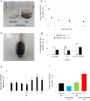
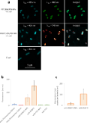
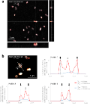
- high-resolution fluorescence imaging (high-resolution confocal microscopy). Also, the capacity of the pristine and fluorescent NPs to inhibit the growth of bacterial cells was evaluated through minimal inhibitory concentration (MIC) tests. The MIC value was also determined for Staphylococcus aureus (S



Recent progress in cancer cell membrane-based nanoparticles for biomedical applications
Beilstein J. Nanotechnol. 2023, 14, 262–279, doi:10.3762/bjnano.14.24
- -encapsulated PLGA nanospheres loaded with doxorubicin (Dox-HepM-PLGA) yielded smaller tumor volumes than the bare nanoparticles and the PBS control group. (a) Fluorescence imaging eleven days after intravenous injection of biomimetic nanoformulations. (b) Tumor volume. (c) Tumor weight. (d) Relative tumor
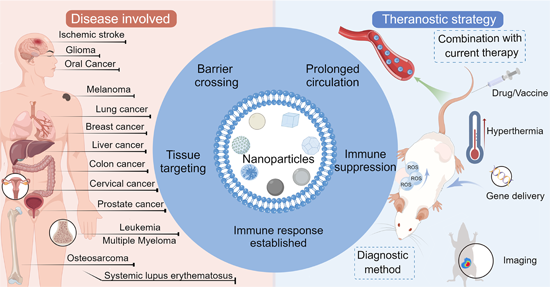
- fluorescent dye Cy5.5 (Cy5.5@HMnO2-AM) in mice. (A) In vivo fluorescence imaging. (B) Statistical analysis of the fluorescence intensity of tumors in different treatment groups. (C) Mouse image. (D) Ex vivo fluorescence imaging of major organs. (E) T1-weighted MR image of the biomimetic nanoparticles. (F) T1


Structural, optical, and bioimaging characterization of carbon quantum dots solvothermally synthesized from o-phenylenediamine
Beilstein J. Nanotechnol. 2023, 14, 165–174, doi:10.3762/bjnano.14.17
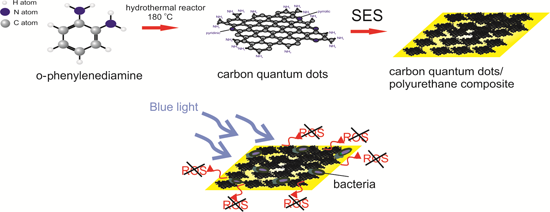
- test internalization of CQDs, Hela cells were treated for 48 h with a concentration of 200 µg/mL CQDs. As shown in Figure 6b, fluorescence imaging demonstrated that CQDs penetrated Hela cells well (compared to Hela cells treated with vehicle control, shown in Figure 6a) and were mainly in the cytoplasm


Biomimetic chitosan with biocomposite nanomaterials for bone tissue repair and regeneration
Beilstein J. Nanotechnol. 2022, 13, 1051–1067, doi:10.3762/bjnano.13.92
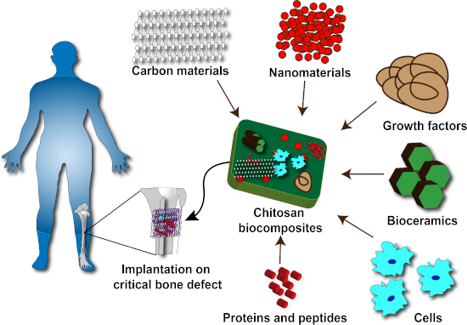
- were identified by fluorescence imaging. Cells adhered on nanofibers show a better cell phenotype, and this was corroborated by morphological characterisation via SEM [72] (Figure 6). Misra and colleagues developed chitosan–graphene nanocomposite scaffolds that modify cell–scaffold interactions
Detection and imaging of Hg(II) in vivo using glutathione-functionalized gold nanoparticles
Beilstein J. Nanotechnol. 2022, 13, 549–559, doi:10.3762/bjnano.13.46
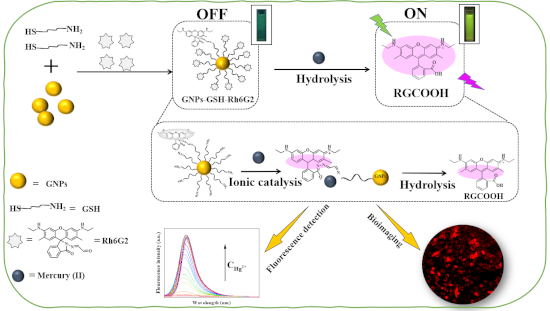
- GNPs-GSH-Rh6G2 containing different amounts of Hg2+. Real-time fluorescence imaging of HeLa cells treated with (a–c) GSH-Rh6G2 and (d–f) GNPs-GSH-Rh6G2 together with 100 µL with Hg2+ after different incubation times (0, 1.5 and 2.5 h). The scale bars are 100 µm. From left to right, the images represent
- fluorescence, bright-field, and merged-channel fluorescence imaging. (g) Evaluation of cytotoxicity on HeLa cells of GSH-Rh6G2 and GNPs-GSH-Rh6G2 at different concentrations (0.01, 0.02, 0.03, 0.04, and 0.05 µmol) after incubation for 24 h. Fluorescence intensity of RGCOOH released from GNPs-GSH-Rh6G2 in the


Theranostic potential of self-luminescent branched polyethyleneimine-coated superparamagnetic iron oxide nanoparticles
Beilstein J. Nanotechnol. 2022, 13, 82–95, doi:10.3762/bjnano.13.6
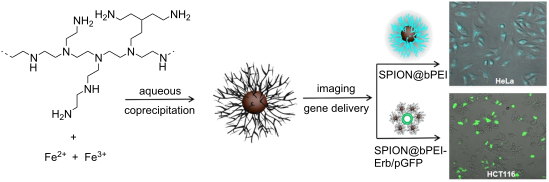
- in many in vitro studies including, for example, flow cytometry or fluorescence imaging, since the luminescence of the polymer was not detected [18][33][34]. Unfortunately, the luminescence of the fluorophores (dye or quantum dots) that are active in the visible range is usually significantly reduced
- mean. The statistical analysis was conducted using ANOVA and two-sample unequal variances were used to calculate the p-values between groups. All cell viability percentages were presented as percentages of the control viability. Fluorescence imaging To investigate the in vitro optical imaging potential




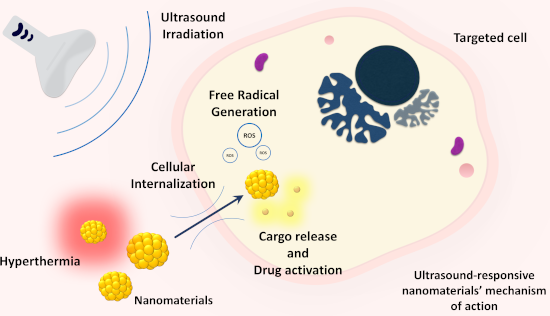
Comprehensive review on ultrasound-responsive theranostic nanomaterials: mechanisms, structures and medical applications
Beilstein J. Nanotechnol. 2021, 12, 808–862, doi:10.3762/bjnano.12.64


Fusion of purple membranes triggered by immobilization on carbon nanomembranes
Beilstein J. Nanotechnol. 2021, 12, 93–101, doi:10.3762/bjnano.12.8
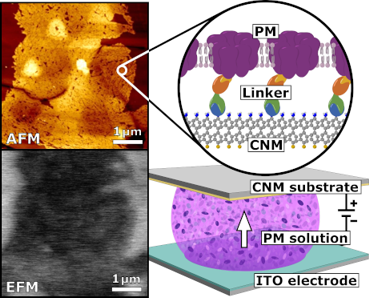
- the final linker is shown in Figure 2a. The functionalization was tested with the His-tagged fluorescent protein mTurqoise. Confirmation of successful functionalization was provided by fluorescence imaging as seen in Figure 2b. The images show that the complex bonds formed with His-labeled proteins


Thermophoretic tweezers for single nanoparticle manipulation
Beilstein J. Nanotechnol. 2020, 11, 1126–1133, doi:10.3762/bjnano.11.97
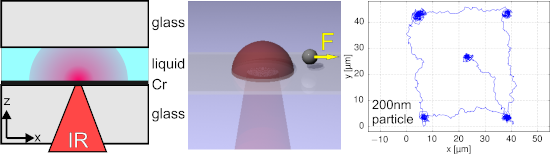
- implemented using a custom-built fluorescence microscope. By using an LED-optimized filter cube (Dapi/FITC/Cy3/Cy5 Quad LED HC Filter Set, AHF analysentechnik AG), Köhler illumination is utilized for fluorescence imaging using an LED as its light source. Light is collected from the sample plane by a 63


Applications of superparamagnetic iron oxide nanoparticles in drug and therapeutic delivery, and biotechnological advancements
Beilstein J. Nanotechnol. 2020, 11, 1092–1109, doi:10.3762/bjnano.11.94
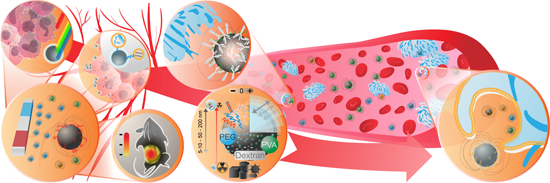
- been extensively examined regarding biocompatibility, targeted or intended cytotoxicity (ferroptosis), local hyperthermia treatments, photothermal or photodynamic therapy, and MRI. Also, there are increasingly more studies reporting on combinations with in vivo fluorescence imaging, sensing and
- for MRI and fluorescence imaging with good cytocompatibility. Park et al. [161] synthesized SPIONs coated with folate containing 64Cu for positronic emission tomography and MRI. Cai et al. [162] obtained 12 nm SPIONs coated with a near-infrared fluorescent dye for dual in vivo imagistics (MRI and
- graphitic-phase carbon nitride and coated with polyethylene glycol for MRI and fluorescence imaging and for photodynamic therapy. This type of nanoplatform seems to be a good one-for-all solution, as it could be controlled to be non-toxic or highly toxic from the outside. In vitro and in vivo analyses


Key for crossing the BBB with nanoparticles: the rational design
Beilstein J. Nanotechnol. 2020, 11, 866–883, doi:10.3762/bjnano.11.72
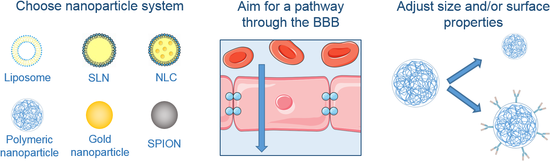
- fluorescence imaging [68]. Nanoparticles could be observed in the glioma bed and infiltrating margin, showing that nanoparticles functionalized with angiopep-2 could exhibit dual-targeting abilities. Firstly, angiopep-2 allowed the nanoparticles to cross the BBB through RMT by recognition of LRP1 on the BBB


Examination of the relationship between viscoelastic properties and the invasion of ovarian cancer cells by atomic force microscopy
Beilstein J. Nanotechnol. 2020, 11, 568–582, doi:10.3762/bjnano.11.45
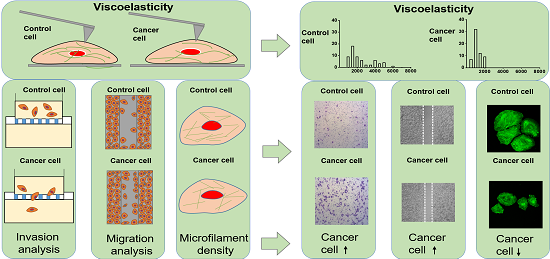
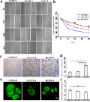
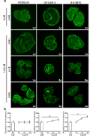
- understanding the molecular mechanism regulating the relationship between the viscoelastic and tumorigenic properties in ovarian cancer cells, the microfilament density of F-actin cytoskeleton was examined by fluorescence imaging of these cells after treatment with 0.25 μM Ech for 0, 3 and 6 h (Figure 7). The
- stained with ActinGreen (KeyGEN BioTECH). A laser scanning confocal microscope (SP8, Leica) was used to image the cytoskeletal organization by F-actin. The fluorescence imaging was captured at 488 nm excitation wavelength. Moreover, the images were processed with the software Image J. Statistical analysis


Luminescent gold nanoclusters for bioimaging applications
Beilstein J. Nanotechnol. 2020, 11, 533–546, doi:10.3762/bjnano.11.42
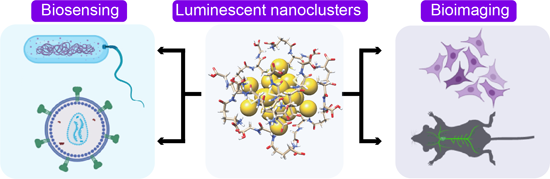
- [Au25(ZWMe2)18] NCs. Intravenous injection of [Au25(ZWMe2)18] and in vivo fluorescence imaging after 1 h showed a strong signal in the bladder indicating a high and fast renal clearance. Further, a strong fluorescence in the NIR region (that of NCs) was observed in urine generated during the first hour
- in the liver. The tumor uptake studies were performed for [Au25(SG)18] and [Au25(ZWMe2)18] intravenously injected in mice bearing a subcutaneous U87MG tumor by tracking the NCs using fluorescence imaging. No signal was detected after 5 or 24 h for [Au25(SG)18]. However, strong fluorescence was
- permission from [53], copyright 2019 Wiley‐VCH Verlag GmbH & Co. KGaA, Weinheim. In vivo bioimaging using luminescent AuNCs. A) NIR fluorescence imaging of BALB/c mouse treated with the Au-BSA NCs. The blue line shows the autofluorescence and Au-BSA NCs signal in red in the fluorescence spectra. B) In vivo


Rational design of block copolymer self-assemblies in photodynamic therapy
Beilstein J. Nanotechnol. 2020, 11, 180–212, doi:10.3762/bjnano.11.15
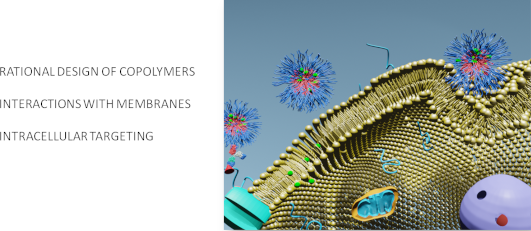
- is an example of “all in one“ nanomedicine used for chemotherapy combining loading with doxorubicin, PDT and PTT. This is possible thanks to the activation of the photosensitizer and multimodal imaging using the fluorescence of the photosensitizer (near-infrared fluorescence imaging, NIRFI) and the






Evaluation of click chemistry microarrays for immunosensing of alpha-fetoprotein (AFP)
Beilstein J. Nanotechnol. 2019, 10, 2505–2515, doi:10.3762/bjnano.10.241
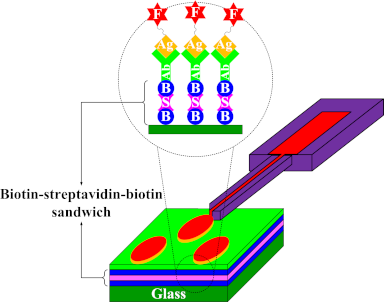
- system onboard software (NanoScope 8.10, Bruker, Germany). The XPS analysis was performed using a K-Alpha+ XPS spectrometer (ThermoFisher Scientific, East Grinstead, UK) using the Thermo Avantage software as previously described [47]. Sample analysis was performed as reported in [25]. Fluorescence
- imaging The fluorescently labeled surface patterns were imaged using a Nikon Eclipse 80i upright fluorescence microscope (Nikon, Japan) equipped with an Intensilight illumination (Nikon, Japan), a CoolSNAP HQ2 camera (Photometrics, USA) and a Texas Red set (Y-2E/C, Nikon). Statistical analysis The data