Search results
Search for "fluorophore" in Full Text gives 55 result(s) in Beilstein Journal of Nanotechnology.
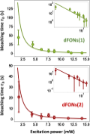
Molecular engineering of individual dye-based nanoparticle photostability for ultrabright two-photon fluorescence
Beilstein J. Nanotechnol. 2026, 17, 688–696, doi:10.3762/bjnano.17.48
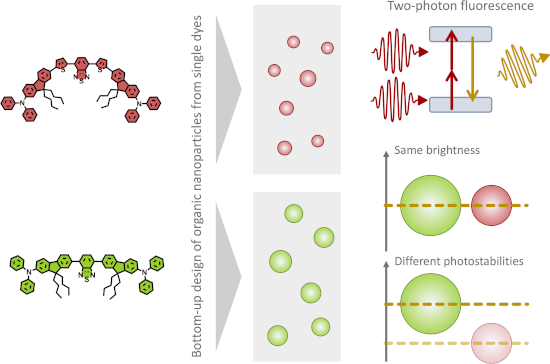
- . Such insights are essential for optimizing fluorophore-based nanoparticles in nonlinear microscopy and other bioimaging applications where brightness and stability must be carefully balanced. Experimental Nanoparticle preparation The synthesis and characterization of the dyes are described in details


Influence of surface characteristics on the in vitro stability and cell uptake of nanoliposomes for brain delivery
Beilstein J. Nanotechnol. 2026, 17, 139–158, doi:10.3762/bjnano.17.9
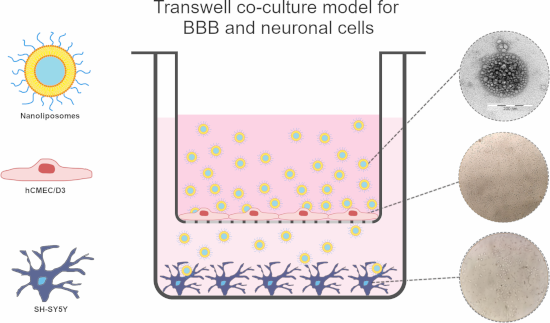
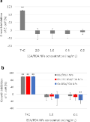
- fluorophore dye, NL dispersions were centrifuged (Rotofix 32 - Hettich Zentrifugen, Germany) at 4,500 rpm, 25 °C, 15 min, four cycles in Vivaspin 20 ultrafiltration cuvettes, 100,000 MWCO units (Sartorius, Germany) with subsequent supernatant removal. Furthermore, the removal of unencapsulated dye was




Internal 3D temperature mapping in biological systems using ratiometric light-sheet imaging and lipid-coated upconversion nanothermometers
Beilstein J. Nanotechnol. 2025, 16, 2306–2316, doi:10.3762/bjnano.16.159
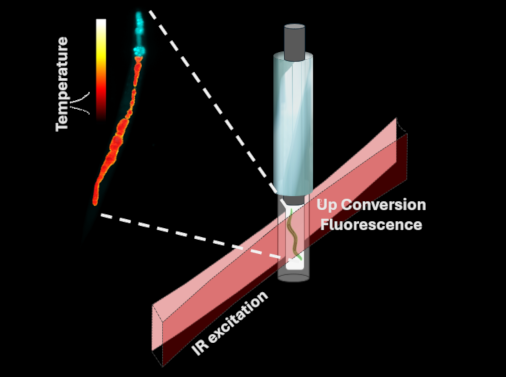
- and non-biological applications. LNTs rely on the emission properties of a fluorophore and its thermal dependence to measure temperature changes, which can be measured as variations in the emission intensity [10][11][12][13] and lifetime [8][14][15][16], spectral shift [17], as well as intensity


Visualizing nanostructures in supramolecular hydrogels: a correlative study using confocal and cryogenic scanning electron microscopy
Beilstein J. Nanotechnol. 2025, 16, 2274–2284, doi:10.3762/bjnano.16.156
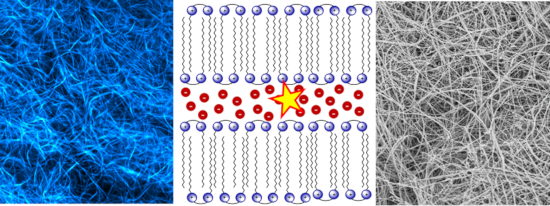
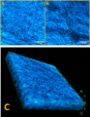
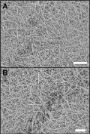
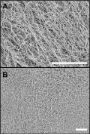
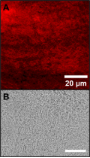
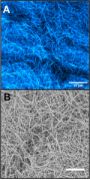
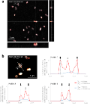
- visualization of the native fibrous network. These results demonstrate the complementary nature of CLSM and cryo-SEM and highlight the value of cryo-SEM as a very useful tool for imaging soft nanomaterials with low fluorescence or limited optical contrast. Keywords: anion binding; colloid; fluorophore
- -limited, preventing direct visualization of nanoscale features [6][8]. Confocal fluorescence microscopy addresses some of these limitations by allowing hydrogels to be imaged in situ, fully hydrated, and often in real time when a fluorophore is incorporated into the colloidal network [2][9]. Through
- diketopyrrolopyrrole bis(carboxylic acid) (DPP-BC) (Figure 1), are probed using confocal fluorescence microscopy and cryo-SEM. ZnPc is a water-soluble fluorophore with a conjugated and mainly flat macrocyclic structure, characterized by strong absorption in the red region of the visible spectrum, and has been



Optical bio/chemical sensors for vitamin B12 analysis in food and pharmaceuticals: state of the art, challenges, and future outlooks
Beilstein J. Nanotechnol. 2025, 16, 2207–2244, doi:10.3762/bjnano.16.153
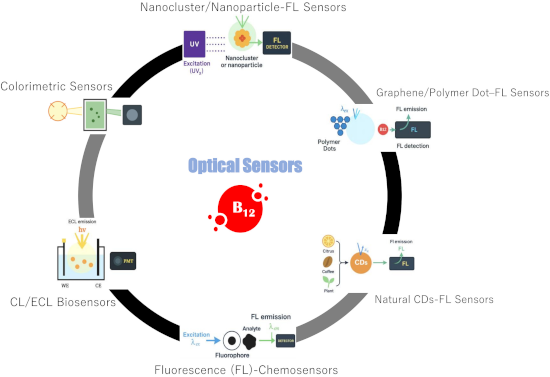
- fluorophore scaffold, and the sensing signal is primarily colorimetric, with some examples also producing dual colorimetric/fluorescent outputs. The absence of Co2+ in the body can increase the PA risk, as the central Co2+ in the corrin ring of VB12 plays a pivotal role in iron metabolism to synthesize
- the Schiff-base acted as the recognition moiety, the ligand framework functioned as the indicator, and the response was monitored through a straightforward colorimetric change from colorless to yellow [85]. Another dual chemosensor composed of a fluorophore (quinoline) and a hydrophilic functional


A calix[4]arene-based supramolecular nanoassembly targeting cancer cells and triggering the release of nitric oxide with green light
Beilstein J. Nanotechnol. 2025, 16, 1003–1013, doi:10.3762/bjnano.16.75
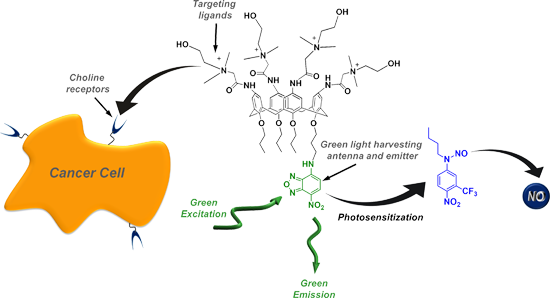
- macrocycle scaffold and the 4-amino-7-nitrobenzofurazan (ABF) fluorophore at the lower rim (Scheme 1). The role of these two components in both cases is twofold. The cationic choline groups have been introduced as specific targeting ligands for cancer cells overexpressing the choline transporters [53][54
- ] and to make the final compound amphiphilic, encouraging its aggregation in water medium. The ABF fluorophore is extensively used as fluorogenic labelling unit in biology [55][56][57][58][59]. Besides its role as fluorescent component for cell tracking, it has been selected as green-light-harvesting
- is also in line with the typical emission of the ABF fluorophore, with a maximum of ca. 550 nm [62][63][64]. Despite this spectral similarity, the fluorescence quantum yield of 1 was lower than that reported for the isolated ABF [55][56][57][58][59][62][63][64] chromophore, being Φf = 0.02. Besides


Nanomaterials in targeting amyloid-β oligomers: current advances and future directions for Alzheimer's disease diagnosis and therapy
Beilstein J. Nanotechnol. 2025, 16, 561–580, doi:10.3762/bjnano.16.44
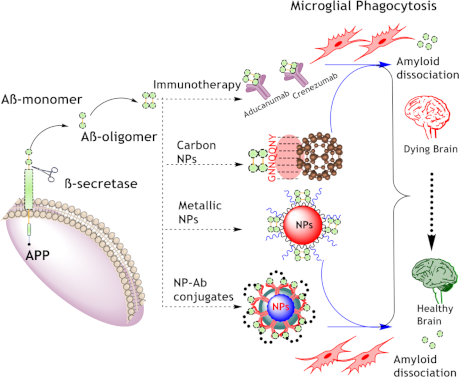
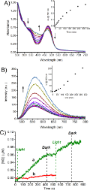
- detection methods, Liu et al. developed a fluorescence-based system using a FAM-labeled DNA aptamer fluorophore along with a nanoquencher attached to self-assembled polydopamine nanospheres. This nanosystem showed selective recognition of AβOs through a “fluorescence-signal on” mechanism, where the FAM-DNA


Therapeutic effect of F127-folate@PLGA/CHL/IR780 nanoparticles on folate receptor-expressing cancer cells
Beilstein J. Nanotechnol. 2024, 15, 954–964, doi:10.3762/bjnano.15.78
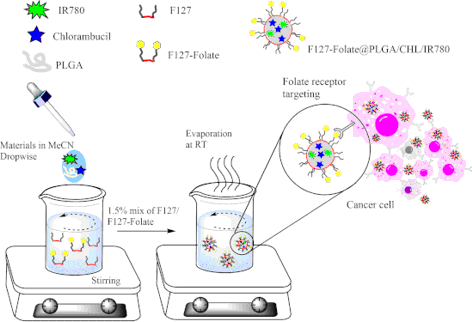
- ]. Therefore, it is essential to prevent CHL hydrolysis by incorporating it into nanoparticles, boosting its stability. IR780 iodide is a lipophilic heptamethine NIR fluorophore that absorbs light with a peak at 780 nm. It turns NIR (750–1000 nm) laser energy into heat after being exposed to it. It was
- discovered to have exceptional inherent tumor-targeting characteristics without any modification, and it is a fluorophore enabling near-infrared imaging. However, IR780 iodide has low water stability and photostability [23] and shows acute toxicity at high doses [24], which limits its clinical application



Nanocarrier systems loaded with IR780, iron oxide nanoparticles and chlorambucil for cancer theragnostics
Beilstein J. Nanotechnol. 2024, 15, 180–189, doi:10.3762/bjnano.15.17
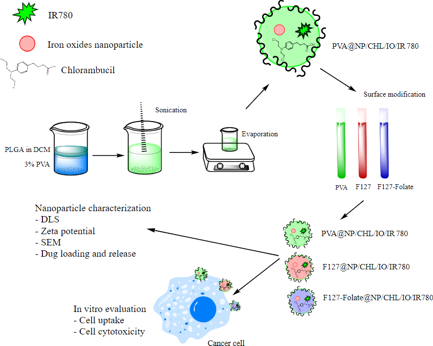
- nanocarrier that can be loaded with the chemotherapeutic medication chlorambucil and magnetic resonance imaging agents (e.g., iron oxide nanoparticles and near-infrared fluorophore IR780) for theragnostics. Poly(lactic-co-glycolic acid) was combined with the aforementioned ingredients to generate poly(vinyl


Fluorescent bioinspired albumin/polydopamine nanoparticles and their interactions with Escherichia coli cells
Beilstein J. Nanotechnol. 2023, 14, 1208–1224, doi:10.3762/bjnano.14.100
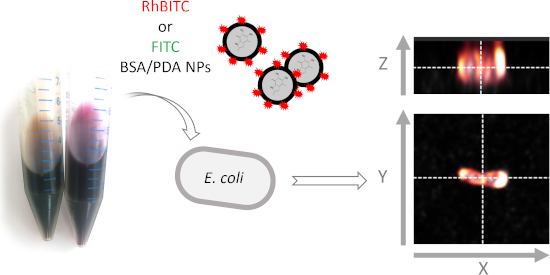
- ). This probably results from a change in polarity in the close environment of the bound fluorophore. In addition, the absorption intensity of FITC-BSA/PDA and RhBITC-BSA/PDA NPs above 600 nm is a typical feature of melanin materials. The high background (decreasing from 400 to 800 nm and similar to the



Metal-organic framework-based nanomaterials as opto-electrochemical sensors for the detection of antibiotics and hormones: A review
Beilstein J. Nanotechnol. 2023, 14, 631–673, doi:10.3762/bjnano.14.52
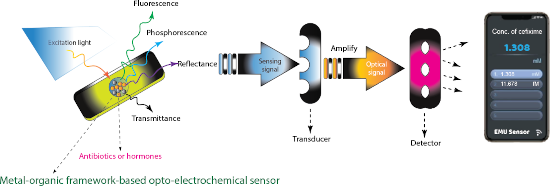
- equation (Equation 1), results from the interaction and subsequent collision between analyte and fluorophore. The luminescence intensities prior to and following the addition of the quencher (analyte), respectively, are represented by F0 and F. The molar concentration of the analyte is [C], and Kd is the
- the Stern–Volmer graphs diverge downward, two fluorophore populations are present, but only one of them is accessible to the analyte. Equation 1 is modified in these circumstances to produce Equation 5, where F is the total fluorescence and Fx and Fy are the accessible fluorophore and non-accessible
- fluorophore fluorescence, respectively. If one fluorophore is accessible to the analyte (x) and the other is hidden (y), in this case, Equation 6 will give the luminescence. The fluorophore–analyte complex forms a non-fluorescent ground state, which causes static quenching. The type of quenching mechanism is


Recent advances in green carbon dots (2015–2022): synthesis, metal ion sensing, and biological applications
Beilstein J. Nanotechnol. 2022, 13, 1068–1107, doi:10.3762/bjnano.13.93
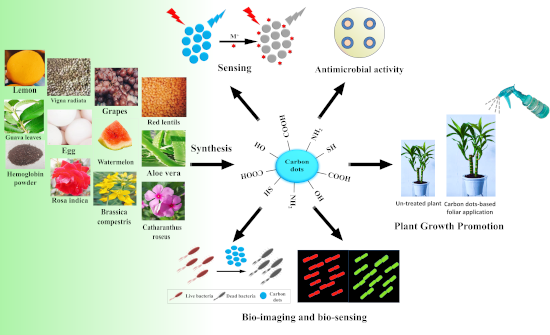
- . These nanodots served as fluorophore in the inner filter effect (IFE) sensing platform to detect tetracycline in pharmaceutical doses [76]. Highly water-soluble and blue emitting CDs were synthesized from hemoglobin by Chakraborty et al., which can be used to detect H2O2 [117]. Food materials Different




Zinc oxide nanostructures for fluorescence and Raman signal enhancement: a review
Beilstein J. Nanotechnol. 2022, 13, 472–490, doi:10.3762/bjnano.13.40
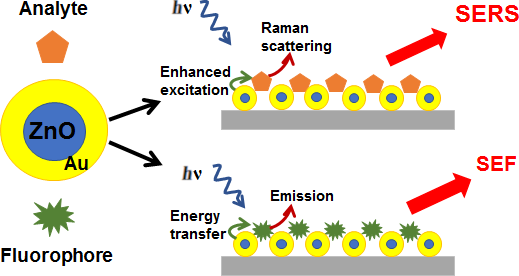
- fluorescence intensities and lifetimes, leading to either quenching or enhancement of their fluorescence signal [107]. The SEF technique is also called metal-enhanced fluorescence (MEF) when the fluorophore interacts with metal nanostructures. MEF originates from the coupling between the dipole moment of the
- fluorophore and the surface plasmon field of the metallic nanostructure. This interaction leads to the enhancement of fluorophore emission, being an adequate method to improve the sensitivity of fluorescence detection of molecules. Based on the above, MEF is also referred to as plasmon-enhanced fluorescence




Theranostic potential of self-luminescent branched polyethyleneimine-coated superparamagnetic iron oxide nanoparticles
Beilstein J. Nanotechnol. 2022, 13, 82–95, doi:10.3762/bjnano.13.6
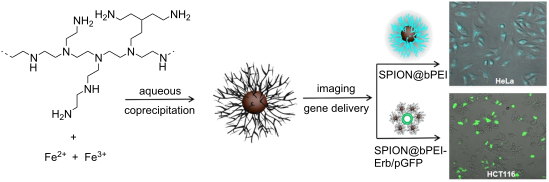
- luminescent polymer. Therefore, it is usually tagged with an organic fluorophore to be optically tracked. Recently, we developed branched PEI (bPEI) superparamagnetic iron oxide nanoparticles (SPION@bPEI) with blue luminescence 1200 times stronger than that of bPEI without a traditional fluorophore, due to
- abilities in a single composition. Recently, we did report an exceptionally strong blue luminesce of branched PEI- (25 kDa) coated SPION nanoparticles [35]. Such strong luminescence in the visible range is very interesting considering that the fluorophore, which is branched PEI (bPEI), is directly attached




The role of convolutional neural networks in scanning probe microscopy: a review
Beilstein J. Nanotechnol. 2021, 12, 878–901, doi:10.3762/bjnano.12.66
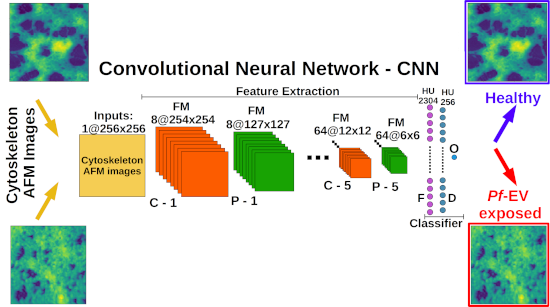
- microscope, the fluorophore chemistry, and the photon exposure tolerance of the sample. In order to mitigate effects of the latter, Weigert et al. developed an image restoration deep learning network that enhances the range of observable biological phenomena by recognizing images acquired with 60-fold fewer





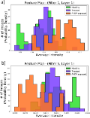


Identification of physicochemical properties that modulate nanoparticle aggregation in blood
Beilstein J. Nanotechnol. 2020, 11, 550–567, doi:10.3762/bjnano.11.44
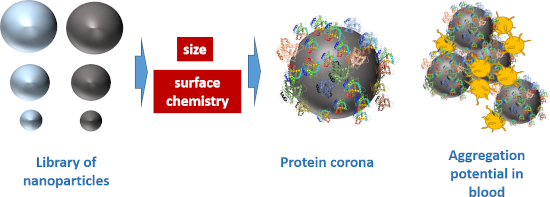
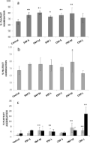
- platelet activation. The NPs were suspended in PRP at the same concentration used for LTA. 2.5 µL of the fluorophore-conjugated antibody (CD62P) (1.5 µg/mL) (Becton Dickinson, Oxford, UK), which binds P-selectin, and 87.5 µL of PBS were added to 10 µL of the suspension and incubated for 10 min. The




Brome mosaic virus-like particles as siRNA nanocarriers for biomedical purposes
Beilstein J. Nanotechnol. 2020, 11, 372–382, doi:10.3762/bjnano.11.28
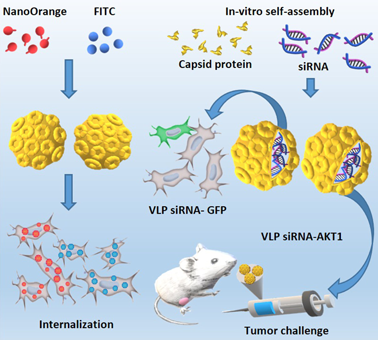
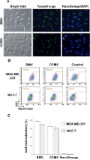
- virus (CCMV) are novel potential nanocarriers for different therapies in nanomedicine. In this work, BMV and CCMV were loaded with a fluorophore and assayed on breast tumor cells. The viruses BMV and CCMV were internalized into breast tumor cells. Both viruses, BMV and CCMV, did not show cytotoxic
- fluorescence of this fluorophore, the internalization into tumor cells using this labeling technique appears to be better when compared with some previous reports [31][32][33]. The NanoOrange-loaded BMV and CCMV capsids were then incubated in MCF-7 cell cultures for 4 h to evaluate their internalization into
- possible detachment of NanoOrange from the capsids, FITC fluorophore was covalently conjugated to the capsid surface and analyzed by confocal microscopy (Figure 2 and Figure S1, Supporting Information File 1). The confocal images showed FITC fluorescence inside the cells without colocalization of the


Poly(1-vinylimidazole) polyplexes as novel therapeutic gene carriers for lung cancer therapy
Beilstein J. Nanotechnol. 2020, 11, 354–369, doi:10.3762/bjnano.11.26
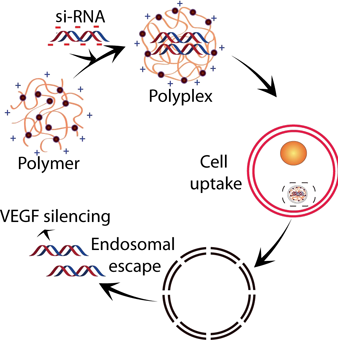
- incubated for 48 h. The cell viability was then assessed using the MTS reagent as described above. Internalization studies: Internalization of the polyplex in A549 cells was studied with Cy3 fluorophore-tagged siRNA. A549 cells at a seeding density of 105 cells/well were cultured on a cover slip in a 6-well
- the endosomes and the red fluorescence of the fluorophore-tagged siRNA are perfectly merged indicating that the free siRNA is unable to escape from the endosome. This is expected as it has been established earlier that double-stranded oligonucleotides tend to accumulate in the endosomal compartment


Rational design of block copolymer self-assemblies in photodynamic therapy
Beilstein J. Nanotechnol. 2020, 11, 180–212, doi:10.3762/bjnano.11.15
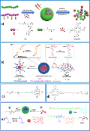
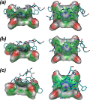
- proposed to overcome the drug resistance of cancer cells. Indeed, it induced membrane permeability of the endo-lysosome and particle disassembly after white-light irradiation thus triggering the release of doxorubicin in the cytosol [96]. In the study by Zheng et al. [100] the AIE fluorophore is used as






Advanced hybrid nanomaterials
Beilstein J. Nanotechnol. 2019, 10, 2563–2567, doi:10.3762/bjnano.10.247

- as insulating gates in organic field-effect transistors (OFETs). Optical properties are the focus in “Ceria/polymer nanocontainers for high-performance encapsulation of fluorophores” [30]. Here, an organic/inorganic system is based on a liquid core containing a fluorophore (terrylene diimide) within
- a polymer shell armored with an inorganic layer (cerium oxide nanoparticles). CeO2 nanoparticles act as oxygen scavengers, protecting the organic fluorophore from molecular oxygen. A different approach to luminescent composite films is reported in “Towards rare-earth-free white light-emitting diode
pH-Controlled fluorescence switching in water-dispersed polymer brushes grafted to modified boron nitride nanotubes for cellular imaging
Beilstein J. Nanotechnol. 2019, 10, 2428–2439, doi:10.3762/bjnano.10.233
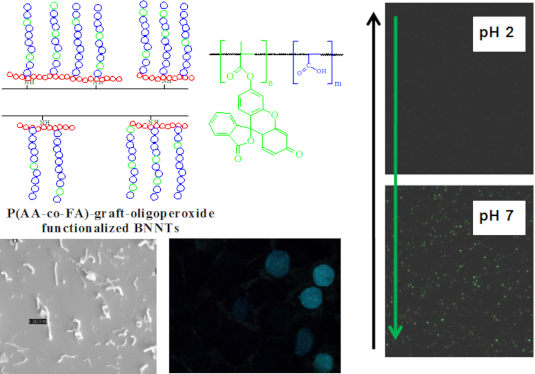
- fluorescent probes for a number of bio-responsive applications, ranging from drug delivery to genomics [29][30][31]. Similar to other nanotubes, the pristine BNNTs were not fluorescent, and a fluorophore (e.g., organic molecule or quantum dot) is added via surface modification to make them fluorescent [29][30


Gold-coated plant virus as computed tomography imaging contrast agent
Beilstein J. Nanotechnol. 2019, 10, 1983–1993, doi:10.3762/bjnano.10.195
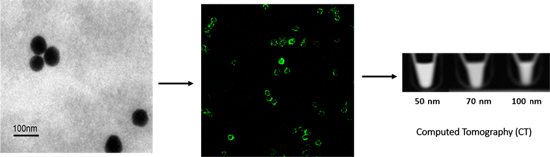
- as molecular imaging tools [8]. In general, NPs carry high contrast agent payloads in comparison to smaller moieties [9]. Semiconductor quantum dots (QDs) are nanosized crystals, a photostable fluorophore with a broad excitation spectrum but narrow emission at wavelengths dependent on the size and




Ceria/polymer nanocontainers for high-performance encapsulation of fluorophores
Beilstein J. Nanotechnol. 2019, 10, 522–530, doi:10.3762/bjnano.10.53
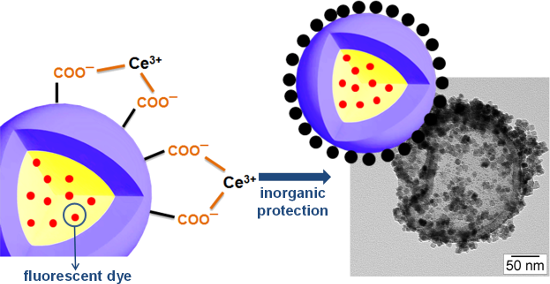
- an inorganic layer and a liquid core containing a fluorophore. The polymeric capsules are synthesized by free radical miniemulsion polymerization and contain covalently bound carboxylate surface functionalities that allow for the binding of metal ions through electrostatic interaction. A cerium(IV
- an increase in the fluorescence of the model organic fluorophore terrylene diimide by avoiding the ground-state molecular oxygen to react with electronically excited states of the fluorescent hydrocarbon molecule. Keywords: cerium oxide; crystallization; miniemulsion; nanocapsule; photoluminescence
- unwanted chemical reactions [13]. Molecular oxygen is a well-known quencher of fluorescence. Consequently, the shell properties of the nanocontainers are often customized to protect the fluorophore encapsulated into a liquid core. Higher lying singlet states of a fluorophore are relatively short living and


Enhanced antineoplastic/therapeutic efficacy using 5-fluorouracil-loaded calcium phosphate nanoparticles
Beilstein J. Nanotechnol. 2018, 9, 2499–2515, doi:10.3762/bjnano.9.233


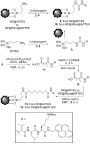
Enzymatically promoted release of organic molecules linked to magnetic nanoparticles
Beilstein J. Nanotechnol. 2018, 9, 986–999, doi:10.3762/bjnano.9.92
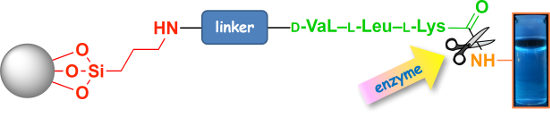
- fluorophore from the tripeptide. In order to check the affinity of our peptide, and to select the correct amount of enzyme to be used, we carried out some experiments with model compound 7, using trypsin and plasmin as proteases. Trypsin, like plasmin, has a preference for lysine (or arginine) as the scissile