Search results
Search for "immunotherapy" in Full Text gives 27 result(s) in Beilstein Journal of Nanotechnology.
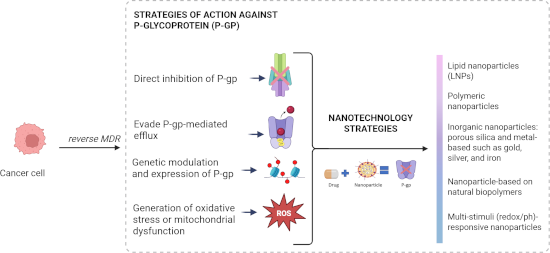
Nanocarrier strategies to overcome P-glycoprotein-mediated drug resistance in cancer therapy
Beilstein J. Nanotechnol. 2026, 17, 882–921, doi:10.3762/bjnano.17.64


Biomimetic nanoparticles in cancer photodynamic therapy: a review of targeted delivery systems and therapeutic outcomes
Beilstein J. Nanotechnol. 2026, 17, 396–422, doi:10.3762/bjnano.17.27
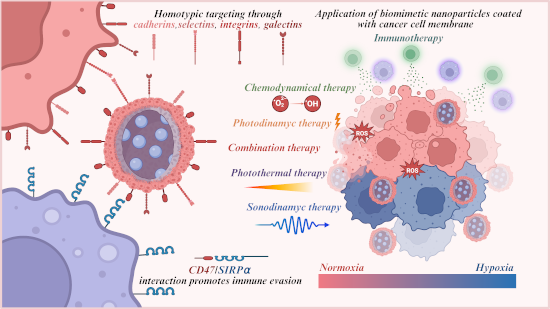
- . Additionally, it explores multifunctional and theranostic nanoplatforms, their applications in various cancers, and advances toward clinical use. By integrating targeted delivery, tumor microenvironment modulation, and immunotherapy, BNP-facilitated PDT holds great potential for advancing precise cancer
- ]), leveraging the EPR effect, long circulation times, and potential ligand-mediated targeting to improve tumor PS levels, thereby enhancing PDT efficacy and enabling combination strategies (e.g., with anti-PD-1 immunotherapy [141]). The need for additional functionalization for specific targeting and potential
- , neutrophils, dendritic cells (DCs), T cells, and natural killer (NK) cells) onto nanoparticle cores or utilize derived extracellular vesicles [53]. Immune cell membrane-based BNPs represent a breakthrough platform that seamlessly integrates PDT with immunotherapy. The membranes retain source cell-specific


From shield to spear: Charge-reversible nanocarriers in overcoming cancer therapy barriers
Beilstein J. Nanotechnol. 2026, 17, 159–175, doi:10.3762/bjnano.17.10
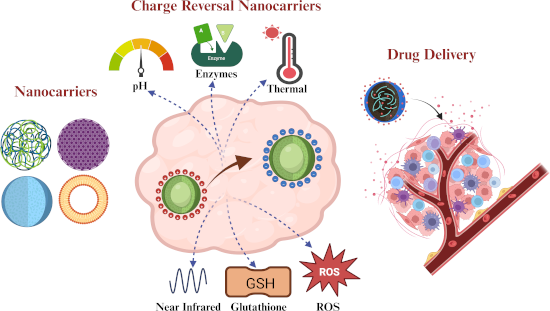
- therapies (e.g., immunotherapy) underscore the transformative potential of charge-reversible nanocarriers in revolutionising cancer treatment and improving patient outcomes. Keywords: cancer; charge reversible nanocarriers; nanocarriers; targeted therapy; tumour microenvironment; Review 1 Introduction
- therapy, targeted therapy, and immunotherapy modalities that enable more precise and personalized cancer management [7]. In parallel, complementary strategies such as photodynamic therapy and hyperthermia further enhance treatment effectiveness, collectively reflecting the ongoing evolution of cancer
- trigger apoptosis. Moreover, Hf4+ activates the cGAS–STING immune pathway, enhancing antitumour immunity and achieving synergistic radio-immunotherapy against cancer [62]. 2.7 Magnetic-responsive nanocarriers Magnetic-responsive CRNs utilise magnetic fields to enhance drug delivery and therapeutic


PEGylated lipids in lipid nanoparticle delivery dynamics and therapeutic innovation
Beilstein J. Nanotechnol. 2025, 16, 1914–1930, doi:10.3762/bjnano.16.133
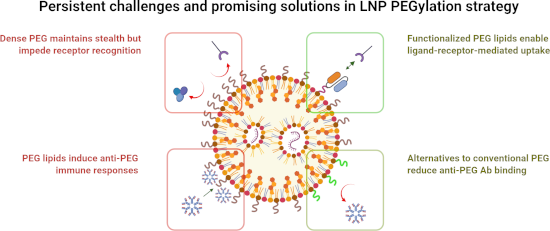
- , the immunogenicity of PEGylated LNPs is not without benefit. In vaccine and cancer immunotherapy developments, the innate immune activation triggered by PEG lipids may serve as an adjuvant to promote stronger humoral and cellular responses [73][74]. For instance, PEGylated LNPs were able to induce


Advances of aptamers in esophageal cancer diagnosis, treatment and drug delivery
Beilstein J. Nanotechnol. 2025, 16, 1734–1750, doi:10.3762/bjnano.16.121
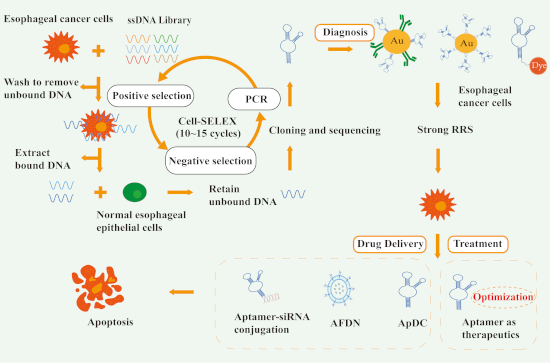
- . Furthermore, immunotherapy has emerged as a prominent therapeutic modality in esophageal cancer management, demonstrating considerable clinical promise in recent years. Several clinical trials [17][18] have emphasized the advantages of immune checkpoint inhibitors over conventional chemotherapy. Meanwhile
- , due to primary resistance and acquired resistance, most EC patients cannot benefit from immunotherapy [20][21]. Among the many targeted drugs, only trastuzumab, papolizumab, and remolizumab have been approved by the FDA for the treatment of EC [22]. In addition, small-molecule chemotherapeutic agents
- drugs have not shown meaningful results for advanced EC. Combination chemotherapy has been the reference first-line treatment for advanced EC for a long time, but the effect is not satisfactory. Targeted therapy and immunotherapy have less toxicity to normal cells and greatly improve the complete


Prospects of nanotechnology and natural products for cancer and immunotherapy
Beilstein J. Nanotechnol. 2025, 16, 1644–1667, doi:10.3762/bjnano.16.116
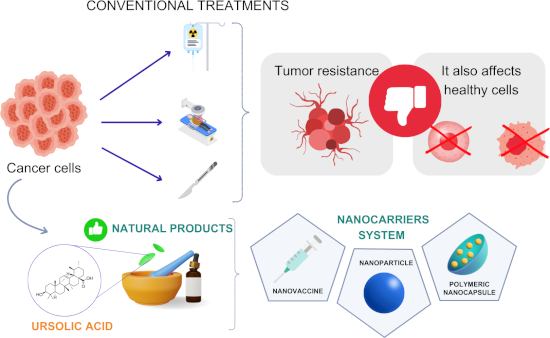
- agents. Consequently, the combination of natural products with nanotechnology holds significant therapeutic potential. Keywords: cancer; immunotherapy; nanotechnology; natural products; patent; review; Introduction Cancer is a disease characterized by the uncontrolled proliferation of abnormal cells
- T-lymphocyte associated protein 4), which inhibit T-cell activation, allowing cancer cells to escape immune-mediated destruction [8]. Immunotherapy shows promise as a cancer treatment approach, encompassing strategies such as monoclonal antibodies, immune checkpoint inhibitors, antitumor vaccines
- , nanotechnology opens up unprecedented opportunities in cancer immunotherapy by facilitating the co-delivery of chemotherapeutic agents, immunomodulators, and gene editing tools [22]. These multifunctional platforms can modulate the tumor microenvironment, enhance antigen presentation, reverse local


Venom-loaded cationic-functionalized poly(lactic acid) nanoparticles for serum production against Tityus serrulatus scorpion
Beilstein J. Nanotechnol. 2025, 16, 1633–1643, doi:10.3762/bjnano.16.115
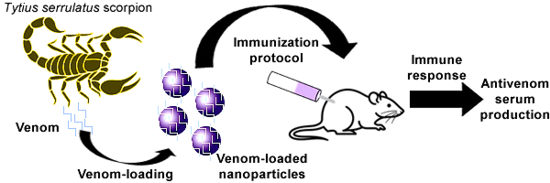
- as a biotechnological approach to immunotherapy against scorpion envenomation. Keywords: cationic nanoparticles; immunoadjuvant; polyethylenimine; poly(lactic acid); Tityus serrulatus; Introduction Accidents caused by scorpion envenoming are recognized as an important public health problem in
- considered the main responsible for the envenoming syndrome as well as the most studied [10]. With regard to treatment, in severe scorpion envenoming cases, immunotherapy is the most common approach to protect populations from lethal effects [1][10][11]. Aluminum-based adjuvants have been extensively used to


Ferroptosis induction by engineered liposomes for enhanced tumor therapy
Beilstein J. Nanotechnol. 2025, 16, 1325–1349, doi:10.3762/bjnano.16.97
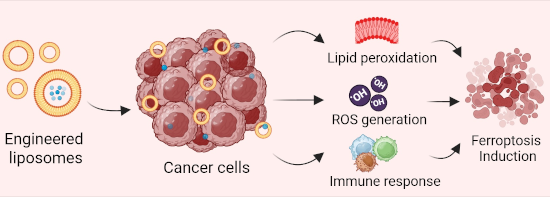
- diseases such as non-alcoholic fatty liver disease, cardiovascular diseases like atherosclerosis, neurological disorders, and chronic wound healing [11][12][13]. Ferroptosis is a unique approach for the simultaneous treatment of cancer cells with chemotherapy, radiotherapy, and immunotherapy to increase
- ferroptosis or enhance the effectiveness of ferroptosis inducers locally. Moreover, increasing evidence indicates that ferroptosis contributes, at least in part, to the tumor-suppressive effects of several traditional cancer treatments, such as radiotherapy, chemotherapy, targeted therapy, and immunotherapy
- trigger controlled drug release, improving selectivity and minimizing off-target effects. Moreover, combining ferroptosis with other therapeutic modalities, such as chemotherapy or immunotherapy, may amplify its antitumor effects. The following section explores these advanced strategies to further


Better together: biomimetic nanomedicines for high performance tumor therapy
Beilstein J. Nanotechnol. 2025, 16, 1246–1276, doi:10.3762/bjnano.16.92
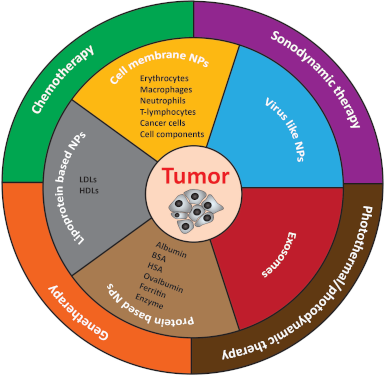
- presents the role of biomimetic nanoparticles in developing targeted cancer therapies by selectively eliminating the tumor cells, sparing healthy tissues, and possibly stimulating the immune system. The review explores biomimetic nanodrug delivery systems as antitumor immunotherapy, including antigen
- recruiting other immune cells and also prevent the immune response from overreacting [38]. Therefore, T cells are the most extensively studied immune cells in cancer immunotherapy [39]. Kang et al. have developed T lymphocyte membrane-coated nanoparticles that can target cancer by T cell-associated proteins
- . BSA has some immunogenic effects and is therefore used in immunotherapy and analytic bioassay applications [78][81][82][83]. 1.3.3 Human serum albumin. Human serum albumin (HSA) has biomedical applications as HAS-templated NPs exhibit immune escape, enhanced stability, and high drug loading [84][85






Nanomaterials in targeting amyloid-β oligomers: current advances and future directions for Alzheimer's disease diagnosis and therapy
Beilstein J. Nanotechnol. 2025, 16, 561–580, doi:10.3762/bjnano.16.44
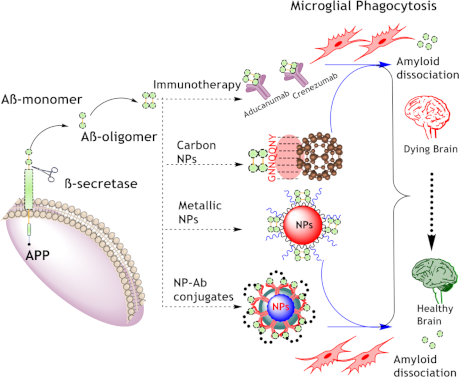
- research into traditional therapeutic approaches, such as small molecules/compounds, immunotherapy, peptidomimetics, and chaperon proteins, as outlined in Table 1, continues to be a critical part of the effort to tackle AD. These conventional strategies, which target different aspects of AβO formation and


Synthetic-polymer-assisted antisense oligonucleotide delivery: targeted approaches for precision disease treatment
Beilstein J. Nanotechnol. 2025, 16, 435–463, doi:10.3762/bjnano.16.34

- . employed PLG (Mw ≈ 56 kDa) as a synthetic polymer to conjugate with an amino-terminated CpG oligonucleotide (5′-EEGGGACGATCGTCEEEEG-3′-NH2) for targeted cancer immunotherapy, and demonstrated its effectiveness in a mouse model of melanoma [102]. These results showed that PG-CpG significantly enhanced the


Radiosensitizing properties of dual-functionalized carbon nanostructures loaded with temozolomide
Beilstein J. Nanotechnol. 2025, 16, 229–251, doi:10.3762/bjnano.16.18
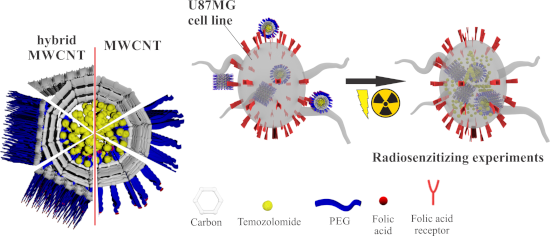
- applied. The standard of care includes surgical resection followed by combined chemo- and radiotherapy (RT), together with non-conventional adjuvant treatment with inhibitors targeting one or a family of biomarkers included in signalization or activation of oncogenic pathways, immunotherapy, gene therapy




Nanocarriers and macrophage interaction: from a potential hurdle to an alternative therapeutic strategy
Beilstein J. Nanotechnol. 2025, 16, 97–118, doi:10.3762/bjnano.16.10
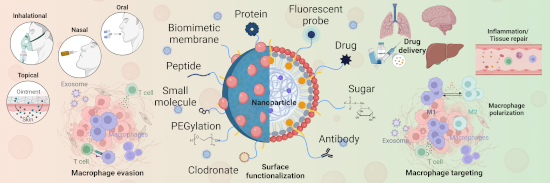
- ]. Strategies for manipulating macrophage activation and function are diverse, ranging from depleting macrophages in diseased tissues, such as in cancer immunotherapy [9][10][11], to employing non-surgical treatments like extracorporeal shock wave therapy in various rheumatic diseases to promote resolution and
- immunity and enhancing cancer immunotherapy outcomes. Additionally, natural compounds such as berberine and quercetin can modulate macrophage polarization by inhibiting M1 pathways or promoting M2 activity, highlighting the therapeutic potential of targeting macrophage states in inflammatory and


Instance maps as an organising concept for complex experimental workflows as demonstrated for (nano)material safety research
Beilstein J. Nanotechnol. 2025, 16, 57–77, doi:10.3762/bjnano.16.7

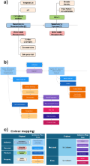
- nanomaterials with potential use as adjuvants in immunotherapy and of allergens as active pharmaceutical ingredients (APIs), we used the InstanceMaps tool to summarise and highlight different workflows for investigating immunotoxicity and pharmacologic efficacy endpoints. Regarding materials, the studies
- immunomodulation. Here, it should be emphasised that during immunotherapy against type-2 immune diseases, such as allergies, a shift towards regulatory T cell activation is envisioned. Finally, as depicted in section D, Hasenkopf et al. [48] tested the proteins’ individual binding efficiencies on differently


Biomimetic nanocarriers: integrating natural functions for advanced therapeutic applications
Beilstein J. Nanotechnol. 2024, 15, 1619–1626, doi:10.3762/bjnano.15.127

- drug delivery, immunotherapy, targeted delivery, biomimetic-derived NPs, and stimuli-responsive drug release (1). Coated NPs for improving biological activity through biomimetic biomembranes (2): Most used materials for creating nanoparticles (A), binders used for delivery and binding to target cells


Recent updates in applications of nanomedicine for the treatment of hepatic fibrosis
Beilstein J. Nanotechnol. 2024, 15, 1105–1116, doi:10.3762/bjnano.15.89
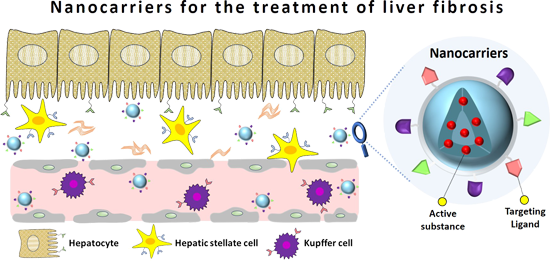
- agents in a single nanocarrier has been a primary goal particularly for nanomedicine-based cancer immunotherapy, allowing for both suppression of tumor growth and inhibition of metastatic spread. Recent research trends on active targeting strategies for hepatic fibrosis still focus on exploiting HSCs as


Unveiling the potential of alginate-based nanomaterials in sensing technology and smart delivery applications
Beilstein J. Nanotechnol. 2024, 15, 1077–1104, doi:10.3762/bjnano.15.88


Vinorelbine-loaded multifunctional magnetic nanoparticles as anticancer drug delivery systems: synthesis, characterization, and in vitro release study
Beilstein J. Nanotechnol. 2024, 15, 256–269, doi:10.3762/bjnano.15.24
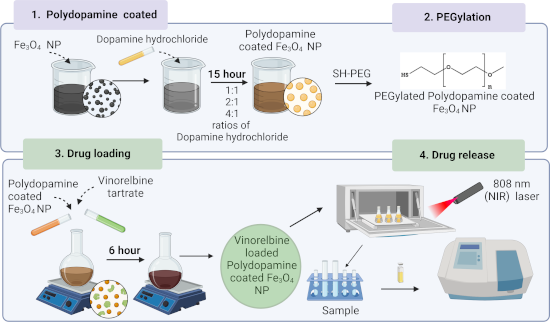
- uncontrolled proliferation of aberrant cells, which can spread to diverse body regions, encompassing over a hundred distinct forms [1][2]. Current cancer treatments lack a complete approach, as they mostly rely on radiotherapy, chemotherapy, immunotherapy, and surgery in clinical environments [3]. While these


Recent progress in cancer cell membrane-based nanoparticles for biomedical applications
Beilstein J. Nanotechnol. 2023, 14, 262–279, doi:10.3762/bjnano.14.24
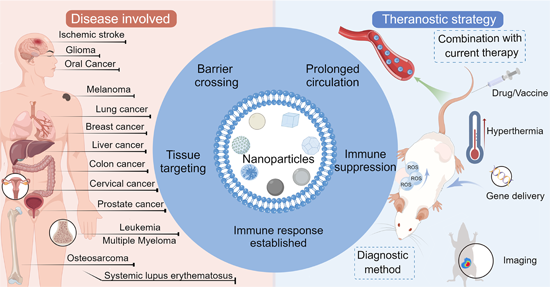
- therapy with biomimetic technology has been shown to effectively improve the biocompatibility and bioavailability of drugs. 4.5 Immunotherapy Traditional tumor treatment methods (e.g., surgical intervention, radiotherapy, and chemotherapy) have a certain effect in clinical antitumor treatment and can
- prolong the survival time of patients. However, they are insufficient in dealing with metastasis and recurrence. The emergence of cancer immunotherapy has changed the traditional tumor treatment model and brought hope to tumor patients, especially those with advanced malignant tumors. Cancer immunotherapy
- immunotherapy can trigger antitumor-specific immune responses and establish long-term immune memory [118]. Cancer cell membranes have become a unique method for the preparation of biomimetic nanovaccines due to the numerous tumor-specific antigens carried on their surfaces [118]. A type of microneedle


Nanotechnology – a robust tool for fighting the challenges of drug resistance in non-small cell lung cancer
Beilstein J. Nanotechnol. 2023, 14, 240–261, doi:10.3762/bjnano.14.23
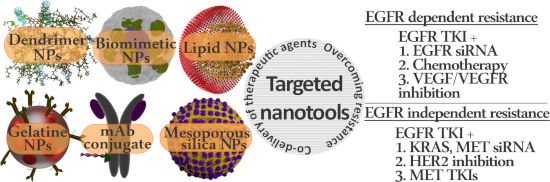
- complexity of resistance and continuous cancer mutations. Co-delivery of TK inhibitors with anticancer drugs, immunotherapy, or gene-specific therapeutics to disrupt key resistance pathways, reactivate p53-mediated apoptosis, or inhibit cellular drug efflux are only a few examples of strategies used to fight


Photothermal ablation of murine melanomas by Fe3O4 nanoparticle clusters
Beilstein J. Nanotechnol. 2022, 13, 255–264, doi:10.3762/bjnano.13.20
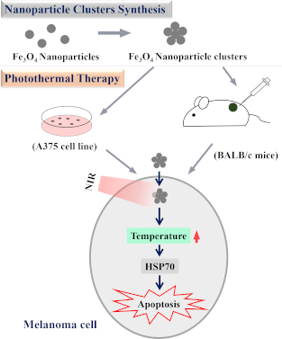
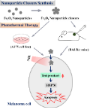
- past decades at an accelerating rate [1]. Depending on the features of melanomas, therapeutic options include surgical resection, chemotherapy, immunotherapy, photodynamic therapy and several others. Although these treatments could initially meet therapeutic needs, their efficacies commonly drop


Comprehensive review on ultrasound-responsive theranostic nanomaterials: mechanisms, structures and medical applications
Beilstein J. Nanotechnol. 2021, 12, 808–862, doi:10.3762/bjnano.12.64
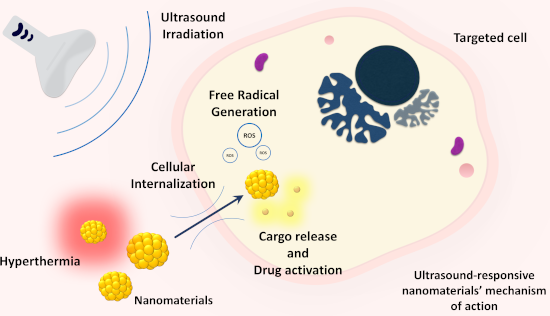
- irradiation increases the efficacy of drug delivery or imaging contrast in cardiovascular diseases [189], cancer [190][191][192][193], infectious diseases [194][195][196][197], brain disorders [198][199], vaccines, and immunotherapy [200]. Escoffre et al. designed liposomal DOX-loaded MBs (DOX-liposomal-MBs


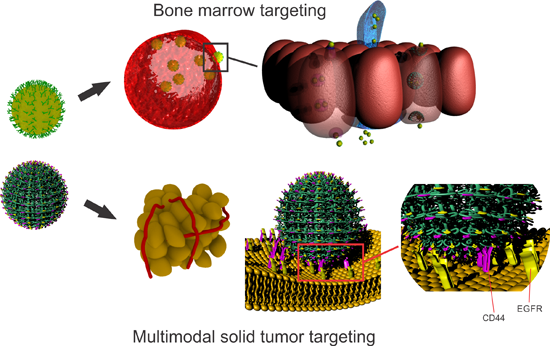
The impact of molecular tumor profiling on the design strategies for targeting myeloid leukemia and EGFR/CD44-positive solid tumors
Beilstein J. Nanotechnol. 2021, 12, 375–401, doi:10.3762/bjnano.12.31


Doxorubicin-loaded gold nanorods: a multifunctional chemo-photothermal nanoplatform for cancer management
Beilstein J. Nanotechnol. 2021, 12, 295–303, doi:10.3762/bjnano.12.24
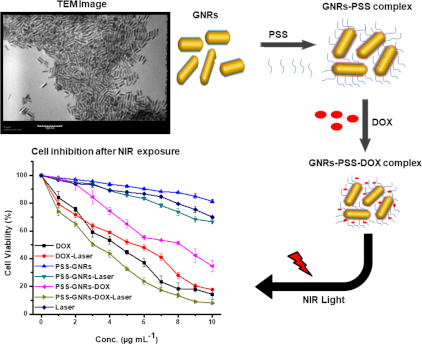
- of death worldwide from which 9.6 million people died in 2018 [1]. Hepatocellular carcinoma (HCC) is one of the major types of liver cancer with high incidence of mortality [2]. Currently, there are a number of treatment modalities, including chemotherapy, immunotherapy, targeted therapy, irradiation


Multiwalled carbon nanotube hybrids as MRI contrast agents
Beilstein J. Nanotechnol. 2016, 7, 1086–1103, doi:10.3762/bjnano.7.102
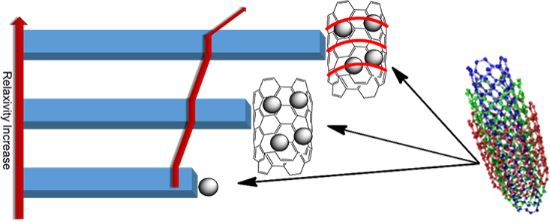
- carbon nanotubes (CNT) drug and genetic material delivery, immunotherapy or photothermal cancer therapy [1][2]. The 'quantum leap' [3] of bionanomaterials has also affected magnetic resonance imaging (MRI). This technique, which has already matured into a basic diagnostic tool in medicine, has an edge