Search results
Search for "intermolecular interactions" in Full Text gives 96 result(s) in Beilstein Journal of Nanotechnology.
Nanoglasses: a trail towards uncharted regions of vitreous materials and their properties?
Beilstein J. Nanotechnol. 2026, 17, 1047–1062, doi:10.3762/bjnano.17.72

- first glance, this question occurs as a contradiction in terms since “amorphous” means “shapeless”, which could be understood, in the realm of materials, as synonymous to “without structure”. However, due to the discrete nature of matter and the directional nature of interatomic (or intermolecular
- ) interactions leading intrinsically to anisotropy, “structure” is omnipresent in any condensed state. For nanoglasses, it is the length scale of heterogeneity between the grains and the glass–glass interfaces that presents the characteristic feature. Adopting a view from the description of crystals, we could re


Supramolecular one-dimensional conducting nanofibers from a C3-symmetric tetrathiafulvalene derivative
Beilstein J. Nanotechnol. 2026, 17, 872–881, doi:10.3762/bjnano.17.63
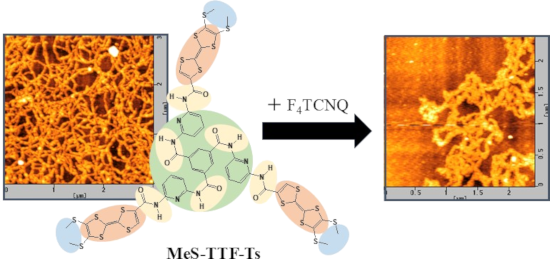
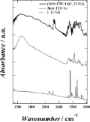
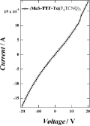
- molecular architecture contains three TTF units radially arranged around a rigid C3-symmetric core, enabling the formation of highly ordered one-dimensional assemblies through cooperative π–π stacking and directional intermolecular interactions. Solution casting of MeS-TTF-Ts produced nanorod and nanofiber
- considerable attention in the fields of materials science and nanotechnology because of their diverse functionalities, including luminescence, sensing, charge transport, and drug delivery [3][4][5][6]. Supramolecular gels are formed through bottom-up self-assembly driven by weak intermolecular interactions
- nanoscale conductive structures requires precise control of intermolecular interactions and rational molecular design capable of directing the spontaneous formation of one-dimensional stacked assemblies [25][26][27][28]. In particular, for molecules incorporating redox-active units, it has been reported


Impacts of annealing on structural and photophysical properties of zinc phthalocyanine adsorbed on graphene
Beilstein J. Nanotechnol. 2026, 17, 576–585, doi:10.3762/bjnano.17.39
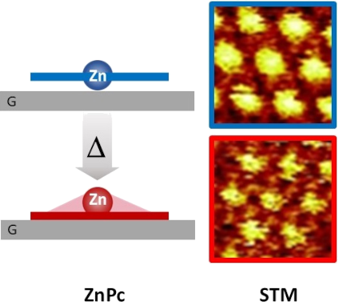
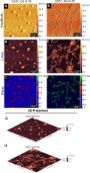
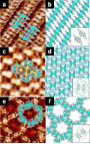
- experienced by ZnPc self-assembled monolayer on graphene or HOPG. Single ZnPc molecules are guest-isolated within the nanocavities of a self-assembled 2D host matrix, preventing intermolecular interactions and allowing for individual characterization. This phase change, induced by annealing, is discussed in


Nanocarrier-integrated multilayer films produced by 3D printing for improved skin adhesion and curcumin photostability
Beilstein J. Nanotechnol. 2026, 17, 440–453, doi:10.3762/bjnano.17.30
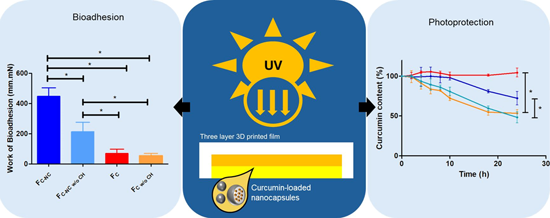
- solubilisation of curcumin in these formulations. Ethanol acts as a co-solvent and can significantly influence hydrogel rheology. Specifically, the reduction in the dielectric constant of the medium promotes intermolecular interactions between polymer chains, leading to a more compact and cohesive polymer
- physical mixture. In the FC film, the absence of sharp endothermic transitions suggests molecular dispersion of curcumin within the polymeric matrix and the formation of intermolecular interactions, such as hydrogen bonding and hydrophobic associations, which likely contribute to reinforcement of the


Structure-dependent thermochromism of PAZO thin films: theory and experiment
Beilstein J. Nanotechnol. 2026, 17, 186–199, doi:10.3762/bjnano.17.12
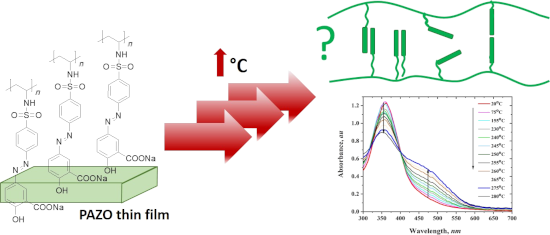
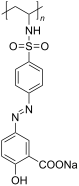
- calculations further support these findings, indicating that temperature-dependent intermolecular interactions and conformational changes play a significant role in shaping the optical behavior of the films. These results provide new insights into the structure–property relationships underlying thermochromism
- and properties. Polymer molecules can assemble through various intermolecular interactions, forming different aggregate structures that can drastically change the properties of solid-state materials. The wide variety of polymer chain types and architectures based on very diverse chemistries further


Development and in vitro evaluation of liposomes and immunoliposomes containing 5-fluorouracil and R-phycoerythrin as a potential phototheranostic system for colorectal cancer
Beilstein J. Nanotechnol. 2026, 17, 97–121, doi:10.3762/bjnano.17.7
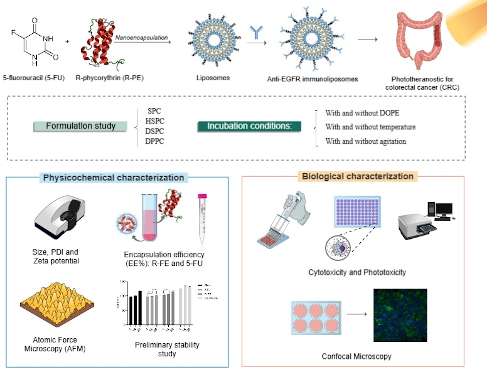
- , changes in relative intensity and slight shifts in the amide and carbonyl bands were noted, suggesting intermolecular interactions between R-PE, 5-FU, and the lipid matrix. These spectral shifts are indicative of hydrogen bonding and rearrangement of the molecular microenvironment, phenomena commonly



Stereodiscrimination of guests in chiral organosilica aerogels studied by ESR spectroscopy
Beilstein J. Nanotechnol. 2025, 16, 2034–2054, doi:10.3762/bjnano.16.140
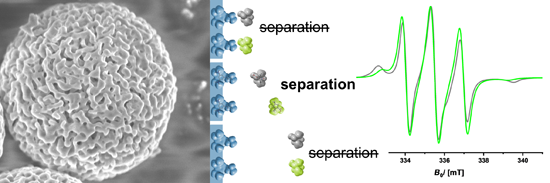
- material. In essence, one sees here the interplay of all processes contributing to transport. Gathering information about the phenomena at short(er) distances and short(er) timescales and about the correlation between the mobility of guest species and intermolecular interactions with functionalized
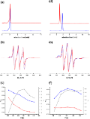
- probes with free rotation are characterized by a spectrum with three narrow lines [36][37]. Anisotropic broadening of the spectrum is indicative for retardation of rotation due to additional intermolecular interactions. The hyperfine coupling of the electron spin with the nuclear spin of 15N provides




Multifunctional anionic nanoemulsion with linseed oil and lecithin: a preliminary approach for dry eye disease
Beilstein J. Nanotechnol. 2025, 16, 1711–1733, doi:10.3762/bjnano.16.120
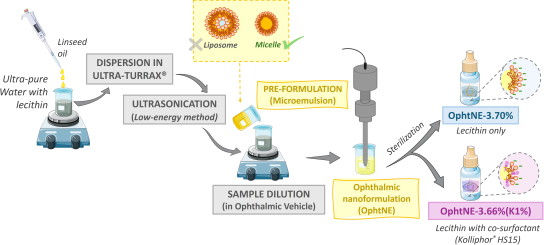
- molecular structure [71][72]. This results in weaker intermolecular interactions, reducing the oil’s viscosity [73]. A lower viscosity in LO can facilitate the formation and stability of micelles by allowing surfactant molecules to move more freely, promoting their rapid formation and maintaining stability
- analysis. As the temperature rises, the double bonds in these unsaturated fatty acids undergo relaxation and changes from cis to trans configuration, distorting the molecular structure. This leads to weaker intermolecular interactions, which is reflected in a reduction in oil viscosity (as shown in Table 2




Prospects of nanotechnology and natural products for cancer and immunotherapy
Beilstein J. Nanotechnol. 2025, 16, 1644–1667, doi:10.3762/bjnano.16.116
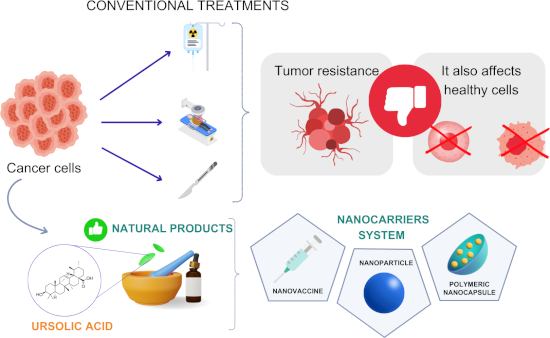
- spontaneously from the organization of active or natural compounds, without the presence of a carrier material or excipients. Their stability is due to the presence of intermolecular interactions, such as electrostatic forces, hydrogen bonding, π–π stacking, and hydrophobic interactions [104][105]. Among the


Functional bio-packaging enhanced with nanocellulose from rice straw and cinnamon essential oil Pickering emulsion for fruit preservation
Beilstein J. Nanotechnol. 2025, 16, 1234–1245, doi:10.3762/bjnano.16.91
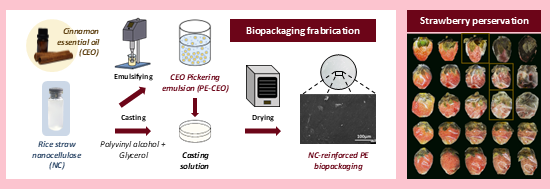
- in diameter and ≈1 μm in length. Pure BP films (Figure 3b) exhibited a relatively smooth surface with visible small pores, indicative of weak intermolecular interactions. The incorporation of NC into the PVA matrix significantly reduced surface roughness and void formation, suggesting enhanced




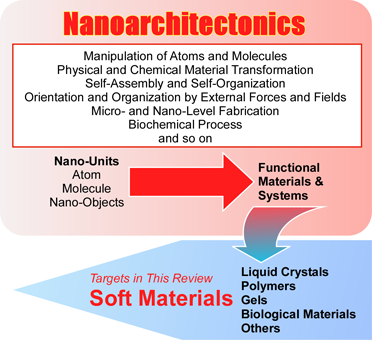
Soft materials nanoarchitectonics: liquid crystals, polymers, gels, biomaterials, and others
Beilstein J. Nanotechnol. 2025, 16, 1025–1067, doi:10.3762/bjnano.16.77
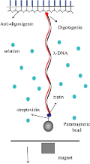
- heterocoronene discotic liquid phase molecules can also serve as an excellent case study for intermolecular interactions in bulky molecular systems. Based on molecular nanoarchitectonics, this will facilitate the establishment of design rules for optimal performance in device applications. Extended π-conjugated


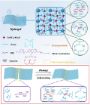




Supramolecular hydration structure of graphene-based hydrogels: density functional theory, green chemistry and interface application
Beilstein J. Nanotechnol. 2025, 16, 806–822, doi:10.3762/bjnano.16.61
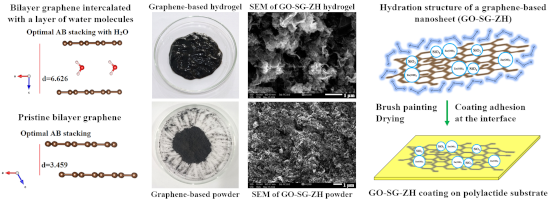
- plays an important role in the stability and functionality of nanoscale structures. Van der Waals forces are supramolecular intermolecular interactions that govern the agglomeration of nanomaterials. Carbon nanostructures with π-conjugated systems (fullerene, carbon nanotube, and graphene) have π–π


Polyurethane/silk fibroin-based electrospun membranes for wound healing and skin substitute applications
Beilstein J. Nanotechnol. 2025, 16, 591–612, doi:10.3762/bjnano.16.46
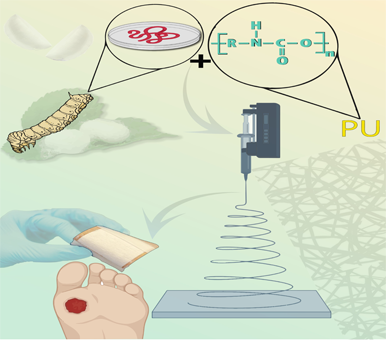
- the body [67]. Yildiz et al. used polycaprolactone (PCL)/SF to develop nanofibers as an improved skin substitute for treating chronic wounds or burns. The addition of SF increased tensile strength and Young’s modulus through intermolecular interactions. Results showed that the PCL/SF nanofibers had



Recent advances in photothermal nanomaterials for ophthalmic applications
Beilstein J. Nanotechnol. 2025, 16, 195–215, doi:10.3762/bjnano.16.16
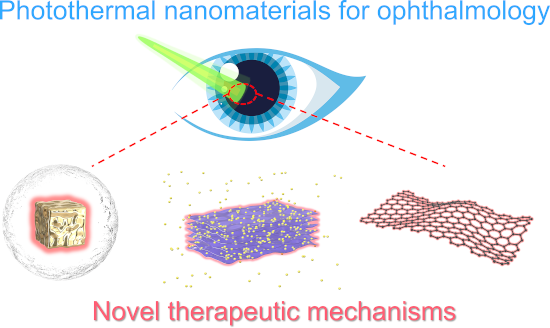
- molecule dyes can be modulated by intramolecular rotation or intermolecular interactions [63]. By using nanocarrier encapsulation and self-assembly strategies, the water solubility and stability of organic small molecule dyes can be improved, and photobleaching can be reduced [64]. Materials that undergo


Realizing active targeting in cancer nanomedicine with ultrasmall nanoparticles
Beilstein J. Nanotechnol. 2024, 15, 1208–1226, doi:10.3762/bjnano.15.98
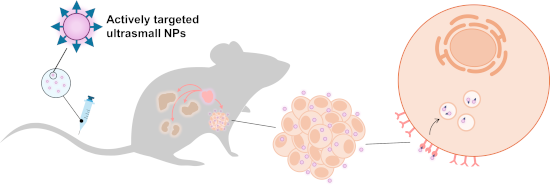
- underlying surface coat and undesired intermolecular interactions on the ligand shell. In this regard, computer simulations emerge as a powerful tool for optimizing the size and composition of usNPs designed for receptor targeting. For example, Häkkinen and colleagues designed a series of 1.7 nm AuNCs
- because of conformational changes or intermolecular interactions within the capping layer. Another intriguing aspect is understanding how the apparent binding affinity varies with the number of attached ligands. On one hand, attaching multiple ligands on a single usNP may enhance binding affinity through


Functional fibrillar interfaces: Biological hair as inspiration across scales
Beilstein J. Nanotechnol. 2024, 15, 664–677, doi:10.3762/bjnano.15.55
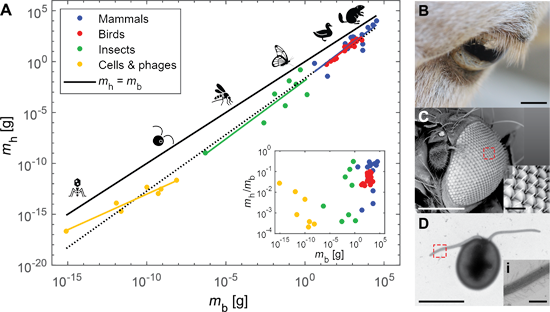
- present [57], or intermolecular interactions, when no adhesive fluid is present [58]. In addition to adhesive forces that enable inverted climbing, the hairs can also generate friction forces whenever the animals climb on vertical surfaces [59]. For geckos, these adhesive hairs are referred to as setae


New application of bimetallic Ag/Pt nanoplates in a colorimetric biosensor for specific detection of E. coli in water
Beilstein J. Nanotechnol. 2024, 15, 95–103, doi:10.3762/bjnano.15.9
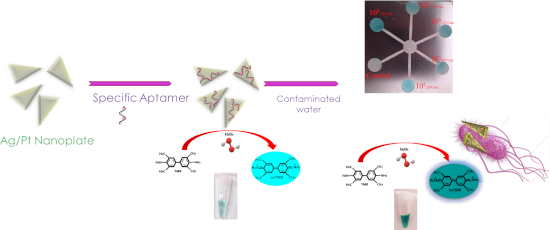
- . Furthermore, the electrostatic and intermolecular interactions of aptamer–TMB increased the substrate affinity of NPLs. As a result, the catalytic efficacy of Ag/Pt NPL was improved, resulting in a deeper blue signal (Figure 2a, Figure 2b) [32][33]. The zeta potentials of Ag/Pt NPLs, aptamer-NPLs, aptamer


Influence of conductive carbon and MnCo2O4 on morphological and electrical properties of hydrogels for electrochemical energy conversion
Beilstein J. Nanotechnol. 2024, 15, 57–70, doi:10.3762/bjnano.15.6
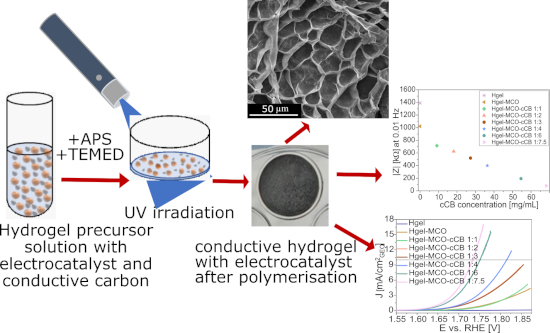
- ][2][3]. The methods of synthesising hydrogels are divided into two basic groups, including physical and chemical cross-linking. Physical cross-linking methods, which are mainly related to the synthesis of natural hydrogels, include changes in intermolecular interactions (e.g., hydrophobic


Exploring internal structures and properties of terpolymer fibers via real-space characterizations
Beilstein J. Nanotechnol. 2023, 14, 1004–1017, doi:10.3762/bjnano.14.83
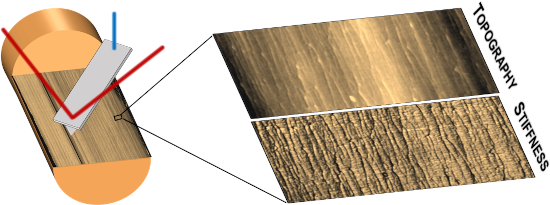
- nanoscale fibrils we observe. Despite the randomly sequenced terpolymer chemistry, nanoscale fibrils still clearly form in Technora®. The branched network likely results from local variations in the strength of intermolecular interactions. For example, misalignment between adjacent molecules (e.g., due to
- molecular “bends” within DPE molecules) or weak intermolecular interactions (e.g., due to distributions in monomers capable of intermolecular hydrogen bonding) may make it energetically favorable for sets of molecules to branch apart at different junctures rather than to remain together within a fibril






Two-dimensional molecular networks at the solid/liquid interface and the role of alkyl chains in their building blocks
Beilstein J. Nanotechnol. 2023, 14, 872–892, doi:10.3762/bjnano.14.72
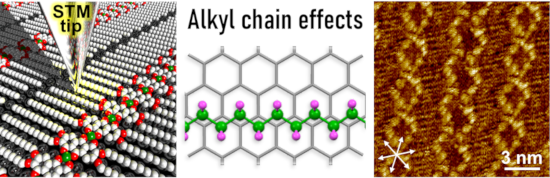
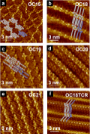
- the molecular arrangement and orientation. Among the non-covalent interactions, dispersion interactions that derive from alkyl chain units are believed to be weak. However, alkyl chains play an important role in the adsorption onto substrates, as well as in the in-plane intermolecular interactions. In
- synthesis of molecular building blocks have enabled the construction of well-organized nanoarchitectures with various dimensions [8][9][10][11]. These characteristic structural formations are governed by self-assembly processes via non-covalent intermolecular interactions, such as hydrogen bonding, metal
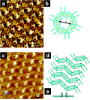
- extensively studied for revealing the supramolecular interactions in the formation of self-assembled monolayers [29][30][31][32][33][34]. Several intermolecular interactions take place at the solid/liquid interface that should be taken into account for the controlled molecular organization in two dimensions









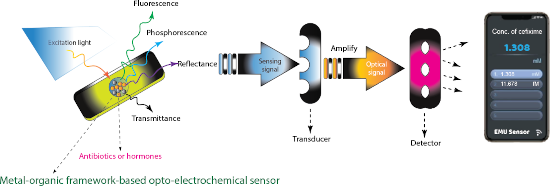
Metal-organic framework-based nanomaterials as opto-electrochemical sensors for the detection of antibiotics and hormones: A review
Beilstein J. Nanotechnol. 2023, 14, 631–673, doi:10.3762/bjnano.14.52


Biocatalytic synthesis and ordered self-assembly of silica nanoparticles via a silica-binding peptide
Beilstein J. Nanotechnol. 2023, 14, 280–290, doi:10.3762/bjnano.14.25
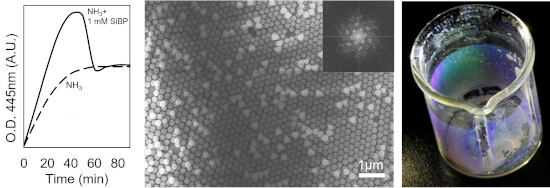
- challenge is the difficulty in manipulating nanoparticles due to size-related constraints. The self-assembly of nanoparticles is mainly governed through intermolecular interactions [9]. The high nanoparticle/volume fractions required for large-scale applications may result in electrostatic repulsion or
- molecular crowding-like effects, preventing efficient assembly of the particles. Therefore, tailoring intermolecular interactions between nanoparticles by modifying the particle surfaces or through external influences such as temperature, pH value, templates, and magnetic or flow fields, is important to




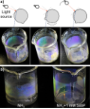
Single-step extraction of small-diameter single-walled carbon nanotubes in the presence of riboflavin
Beilstein J. Nanotechnol. 2022, 13, 1564–1571, doi:10.3762/bjnano.13.130
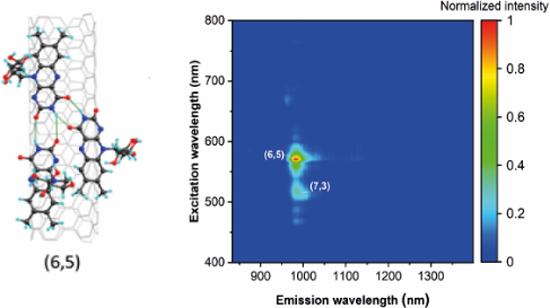
- flavin adenine dinucleotide [16]. The presence of π-conjugated isoalloxazine in riboflavin drives binding to SWCNTs, and the hydrophilic ribityl chain allows for the solubilization of SWCNTs in aqueous media. The planar isoalloxazine structure, accompanied by intermolecular interactions with nanotubes
- intermolecular interactions negligible. The geometry of the structures was optimized until residual forces became less than 0.04 eV/Å. Grimme interatomic interaction was taken into account to describe the van der Waals-type of bonding [36]. The real-space mesh cutoff was set to 175 Ry, while calculations were


Design of surface nanostructures for chirality sensing based on quartz crystal microbalance
Beilstein J. Nanotechnol. 2022, 13, 1201–1219, doi:10.3762/bjnano.13.100
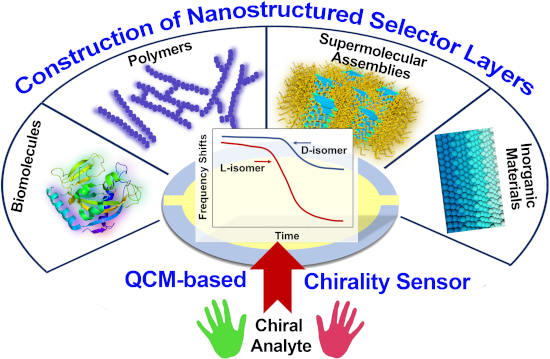
- enantiomer. As the intermolecular interactions with the analyte also play a role in chiral recognition, the group also studied the influence of pH values. The highest recognition efficiency was shown at pH 10 since basic conditions may promote the formation of stronger hydrogen bonding between the carboxyl


Optimizing PMMA solutions to suppress contamination in the transfer of CVD graphene for batch production
Beilstein J. Nanotechnol. 2022, 13, 796–806, doi:10.3762/bjnano.13.70
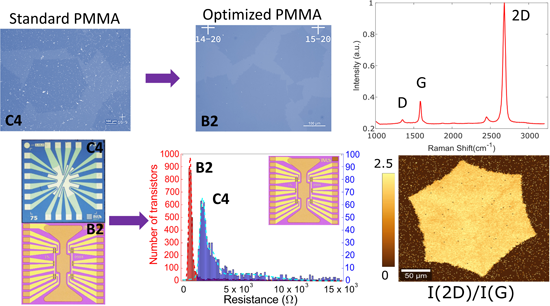
- inert atmosphere or vacuum) were proposed [20], enabling depolymerization by breaking the molecular backbone bonds of PMMA [19][22][23]. Similarly, UV radiation can break the ester groups of PMMA, thus weakening the intermolecular interactions with graphene [24]. PMMA with higher AMW is harder to