


Search results
Search for "intracellular trafficking" in Full Text gives 14 result(s) in Beilstein Journal of Nanotechnology.
Nanocarrier strategies to overcome P-glycoprotein-mediated drug resistance in cancer therapy
Beilstein J. Nanotechnol. 2026, 17, 882–921, doi:10.3762/bjnano.17.64
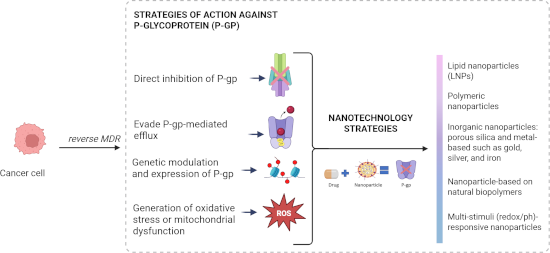
- inhibition of P-gp ATPase activity using small-molecule modulators such as quercetin, ᴅ-α-tocopheryl polyethylene glycol succinate, and tariquidar, (ii) circumvention of membrane efflux through receptor-mediated endocytosis, intracellular trafficking control, or tumor-responsive drug release, and (iii


Nanoparticle delivery systems for HIV pre-exposure prophylaxis (PrEP): advances and challenges
Beilstein J. Nanotechnol. 2026, 17, 839–853, doi:10.3762/bjnano.17.60
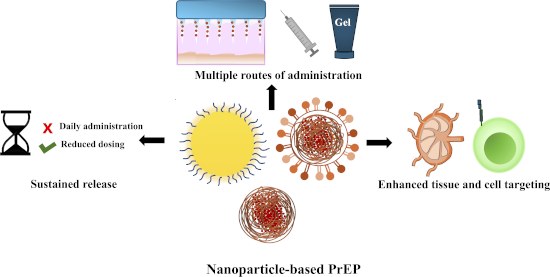
- nanoparticles surface provided some control over the intracellular trafficking pathways, achieving preferential enrichment of the nanoparticles in either endolysosomal compartments or VCCs [101]. Combined, these studies highlight the importance of lipid composition and ligand decoration on the nanoparticle


Towards targeted drugs and next generation of nanomedicines
Beilstein J. Nanotechnol. 2026, 17, 598–601, doi:10.3762/bjnano.17.41

- , Germany 10.3762/bjnano.17.41 Keywords: cellular uptake; drug delivery; intracellular trafficking; nanomedicine; nanoparticles; tumor microenvironment; Nanomedicine is dedicated to the application of nanotechnology in the medical field. Nanosized materials are intended for delivering drugs to their
Influence of surface characteristics on the in vitro stability and cell uptake of nanoliposomes for brain delivery
Beilstein J. Nanotechnol. 2026, 17, 139–158, doi:10.3762/bjnano.17.9
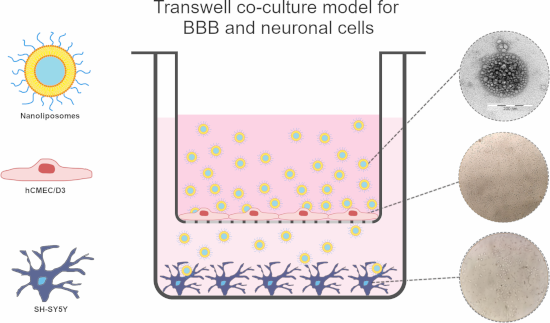
- the internalization pathway and intracellular trafficking [17]. In contrast, this study focuses on the evolution of physicochemical and surface properties of NLs in biorelevant media depending on the different amount of PEG onto NLs surface, thus correlating these findings with the cell
- cell recognition, cell membrane adhesion and interactions, the internalization mechanisms, as well as the intracellular trafficking of nanosystems since it gives them new biological identity [39]. The impact of PC on particle–cell interactions varies based on particle properties and cellular components


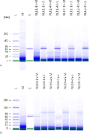
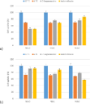


Mechanistic insights into endosomal escape by sodium oleate-modified liposomes
Beilstein J. Nanotechnol. 2024, 15, 1667–1685, doi:10.3762/bjnano.15.131
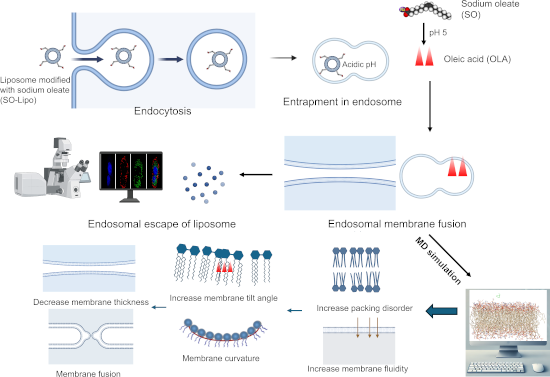
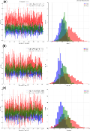
- endosomal escape has emerged as a crucial step in the intracellular trafficking process, essential for achieving successful cytosolic delivery and realizing the full therapeutic potential of liposomal systems [4]. To address the formidable challenge of endosomal entrapment, several strategies have been
- approaches in unraveling the complex mechanisms of intracellular trafficking. Further in vivo validation is necessary to confirm the efficacy of SO in various therapeutic nanotherapies, potentially broadening its application in nanomedicine. This work provides a robust framework for the rational design of




Antibody-conjugated nanoparticles for target-specific drug delivery of chemotherapeutics
Beilstein J. Nanotechnol. 2023, 14, 912–926, doi:10.3762/bjnano.14.75
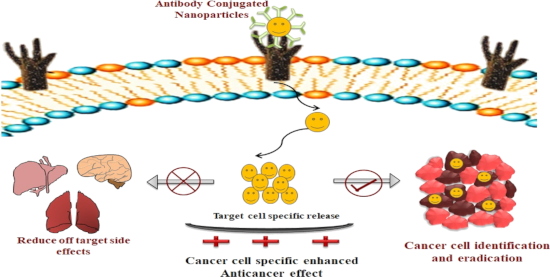
- smaller when proteins were bound to NPs [81]. Xiao et al. functionalized Tf onto the surface of PEGylated polystyrene NPs to evaluate the effect of the protein corona on blood–brain barrier transcytosis, endocytosis, and intracellular trafficking. They demonstrated that Tf-NPs completely lost their



The steep road to nonviral nanomedicines: Frequent challenges and culprits in designing nanoparticles for gene therapy
Beilstein J. Nanotechnol. 2023, 14, 351–361, doi:10.3762/bjnano.14.30
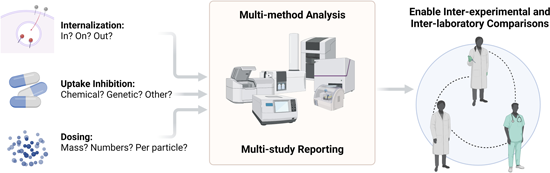
- intracellular trafficking [23]. In the absence of imaging flow cytometry, a two-pronged approach (high-resolution imaging plus a separate high-throughput analysis) is recommended to ensure the highest confidence in the result. Our literature assessment also revealed an increasing preference among the community

Nanotechnology – a robust tool for fighting the challenges of drug resistance in non-small cell lung cancer
Beilstein J. Nanotechnol. 2023, 14, 240–261, doi:10.3762/bjnano.14.23
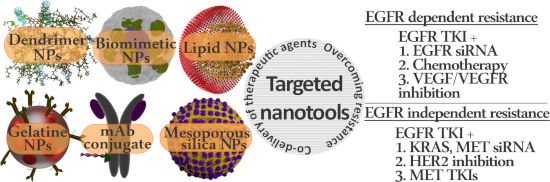
- , defective intracellular trafficking of the HER2 antibody–drug conjugates, masking of the HER2 epitope, high rate of recycling, and the effect of upregulated drug efflux pumps, may be resolved by novel nanomedicines designed to interact with the tumor cells in a variety of ways with the goal of overcoming
- , they play an important role in cancer development [139][140]. However, efficacy or functional delivery cannot be predicted by solely considering the biodistribution. Endothelial transcytosis and improved tropism to tumor tissue/cells, internalization rate, intracellular trafficking, and endosomal


Targeting strategies for improving the efficacy of nanomedicine in oncology
Beilstein J. Nanotechnol. 2019, 10, 168–181, doi:10.3762/bjnano.10.16
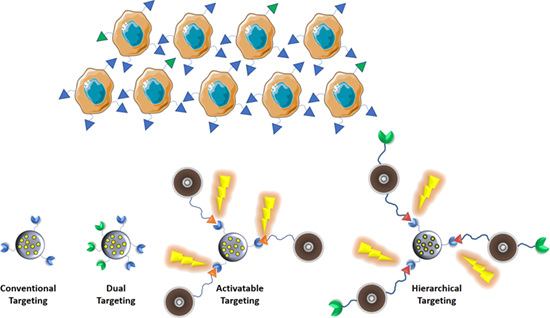
- targeting cellular–intracellular trafficking Besides tissue accumulation, the preferential internalization in tumoral cells is the main goal to improve the efficacy of a drug. Endosomal scape and nanocarrier vectorization to one specific organelle may be essential for improving the therapeutic effect at low
- concentrations, as has been described above. The combination of subcellular targeting agents that allow for endosomal scape and regulate the intracellular trafficking and a targeting agent directed to cell membrane receptors is a promising strategy for increasing the efficacy of treatments. The presence of both


Involvement of two uptake mechanisms of gold and iron oxide nanoparticles in a co-exposure scenario using mouse macrophages
Beilstein J. Nanotechnol. 2017, 8, 2396–2409, doi:10.3762/bjnano.8.239
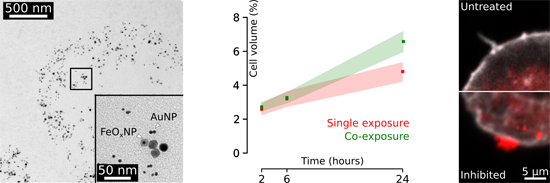
- diagnostic and therapeutic applications [4]. There is convincing evidence that the physico-chemical properties of NPs, such as size, shape, material, and surface functionalization, strongly influence uptake and intracellular trafficking of NPs [5][6][7]. The uptake of NPs occurs via endocytotic pathways



Imaging the intracellular degradation of biodegradable polymer nanoparticles
Beilstein J. Nanotechnol. 2014, 5, 1905–1917, doi:10.3762/bjnano.5.201
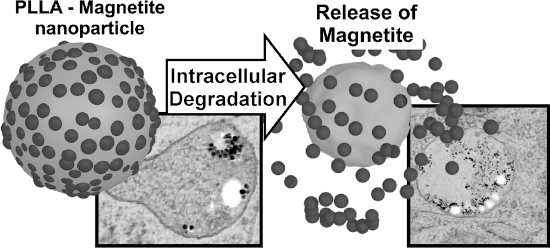
- data from these images. Understanding the dynamics of degradation and the intracellular trafficking might provide information as to whether these vehicles are suitable for intracellular drug delivery. Furthermore, detailed information about the cellular processes as seen from morphological examinations


The surface properties of nanoparticles determine the agglomeration state and the size of the particles under physiological conditions
Beilstein J. Nanotechnol. 2014, 5, 1774–1786, doi:10.3762/bjnano.5.188
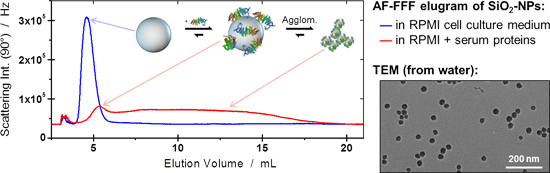
- furthermore induce agglomeration. This affects particle characteristics especially with respect to particle size and size distribution, which can influence the biodistribution, circulation time, intracellular trafficking, clearance or uptake mechanism [17]. Within this paper, we present the size


Different endocytotic uptake mechanisms for nanoparticles in epithelial cells and macrophages
Beilstein J. Nanotechnol. 2014, 5, 1625–1636, doi:10.3762/bjnano.5.174
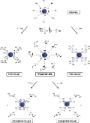
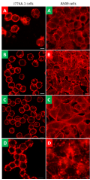
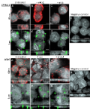
- high amounts of cholesterol [27]. The protein which gives shape and structure in caveolin-mediated endocytosis is caveolin-1, a dimeric protein which binds cholesterol onto the cellular surface for uptake and intracellular trafficking (lipid homeostasis) [28]. Also located at the site of lipid rafts is



In vitro interaction of colloidal nanoparticles with mammalian cells: What have we learned thus far?
Beilstein J. Nanotechnol. 2014, 5, 1477–1490, doi:10.3762/bjnano.5.161
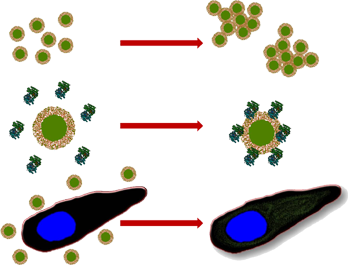
- . [41], cf. Figure 3), all of them have in common that the NPs are surrounded by membrane. Pinching-off of the membrane-surrounded NPs from the cell plasma membrane leaves the NPs incorporated into intracellular vesicles. These vesicles undergo a cascade of intracellular trafficking steps passing the





