


Search results
Search for "morphological changes" in Full Text gives 93 result(s) in Beilstein Journal of Nanotechnology.
Enhanced erosion resistance and radiation stability of WC–WO3 nanocomposite films under 100 keV Kr+ ion irradiation
Beilstein J. Nanotechnol. 2026, 17, 922–934, doi:10.3762/bjnano.17.65
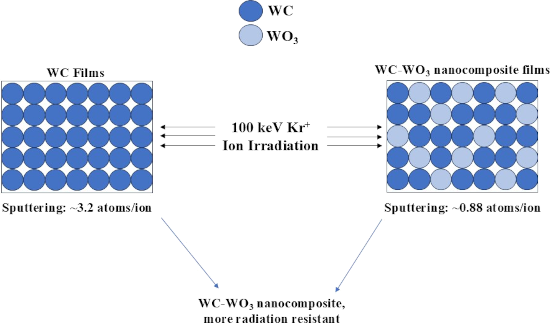
- experimental sputtering trends. Furthermore, preferential sputtering of lower-Z elements (C and O) was observed in both material systems. Glancing incidence X-ray diffraction analysis revealed post-irradiation grain growth in WC–WO3 films, while scanning electron microscopy results show morphological changes
- less than in pure WC samples. Therefore, it is of interest to see the structural and morphological changes in the nanocomposite samples under low-energy ion irradiation; this is discussed in the following section. Structural and surface modifications in nanocomposite films upon Kr+ ion irradiation The
- samples underwent SEM measurements to see morphological changes under ion irradiation. The SEM images of the pristine S1 films and films irradiated at ion fluences of 1 × 10¹⁶ and 3 × 10¹⁶ ions/cm2 are shown in Figure 11. The SEM images clearly demonstrate significant morphological surface changes in the



Polycatecholamine nanocoatings on stainless steel: the effect on attachment of human fibroblasts and platelets
Beilstein J. Nanotechnol. 2026, 17, 365–380, doi:10.3762/bjnano.17.25
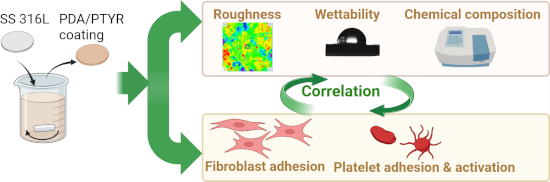
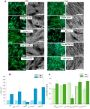
- d to evaluate the coating detachment or any morphological changes. Primary amine content evaluation Evaluation of primary amine (–NH2) content in the coatings was performed using methyl orange assay (adapted from [53]) to link the platelets response to the materials with the chemical composition of




Reduced graphene oxide paper electrode for lithium-ion cells – towards optimized thermal reduction
Beilstein J. Nanotechnol. 2026, 17, 24–37, doi:10.3762/bjnano.17.3
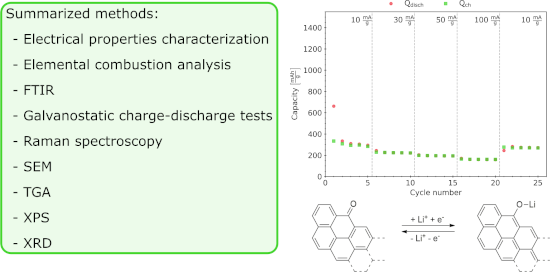
- thickness of the sheet compared to T400 and T600, as the created air pockets collapsed. The morphological changes observed herein, likely resulting from the gaseous products of reduction and the intensity of their release, were similar to those reported by Kwon and colleagues [44]. Since the thicknesses of



Beyond the shell: exploring polymer–lipid interfaces in core–shell nanofibers to carry hyaluronic acid and β-caryophyllene
Beilstein J. Nanotechnol. 2025, 16, 2015–2033, doi:10.3762/bjnano.16.139
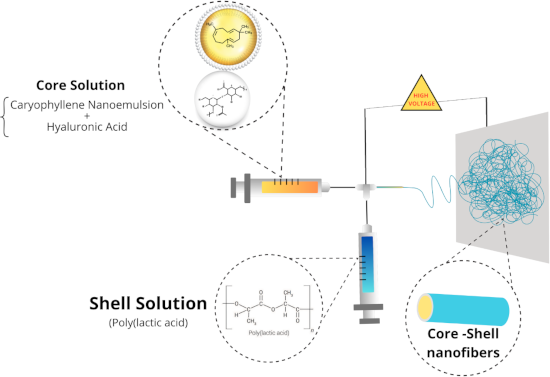
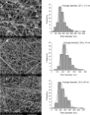
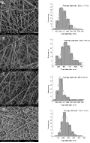
- ], its concentration in the core significantly affects the overall viscosity of the solution, potentially causing instability in the Taylor cone and leading to bead formation and other morphological defects in the fibers [49]. Micrographs revealed the morphological changes resulting from different HA




Laser ablation in liquids for shape-tailored synthesis of nanomaterials: status and challenges
Beilstein J. Nanotechnol. 2025, 16, 1963–1997, doi:10.3762/bjnano.16.137




Dendrimer-modified carbon nanotubes for the removal and recovery of heavy metal ions from water
Beilstein J. Nanotechnol. 2025, 16, 1522–1532, doi:10.3762/bjnano.16.107

- with increasing dendrimer functionalization. SEM images are helpful to identify the morphological changes after the functionalization of CNTs. The comparative observation of SEM images of CNTs, CNTs-G1, CNTs-G3, and CNTs-G5 clearly reveals tube shape structure for all the materials confirming no


Laser processing in liquids: insights into nanocolloid generation and thin film integration for energy, photonic, and sensing applications
Beilstein J. Nanotechnol. 2025, 16, 1428–1498, doi:10.3762/bjnano.16.104
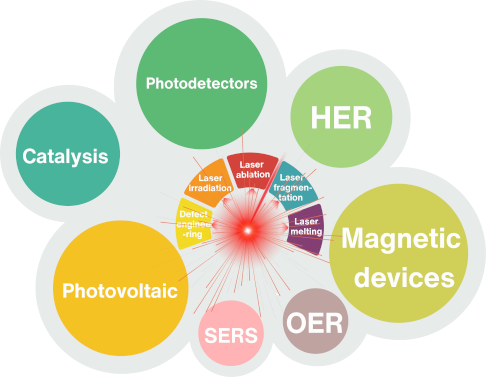
- pulse excitation (532 nm). The morphological changes induced by thermal and photochemical effects were found to influence the optical properties of these particles. Another commonly reported semiconductor material by LFL is zinc oxide (ZnO) [33][34]. The optical properties, particularly the UV emission
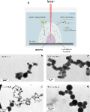
- surrounding solvent, owing to the efficient light absorption capability of the NPs and their limited thermal transfer to the solvent. [35][63][72][73][74]. LIL also leads to phase transitions and morphological changes (Figure 7a–d) depending on the laser fluence and irradiation time [42]. Schematic






Synthesis and antibacterial properties of nanosilver-modified cellulose triacetate membranes for seawater desalination
Beilstein J. Nanotechnol. 2025, 16, 1380–1391, doi:10.3762/bjnano.16.100
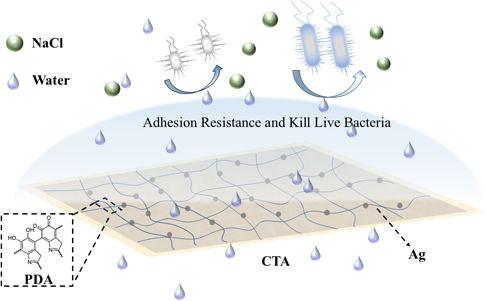
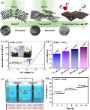
- the CTA membrane, thereby corroborating the conclusions drawn from the SEM images. To investigate the morphological changes of Ag@PCTA during the desalination process, SEM was used to examine the surface morphology of the coating and to identify any signs of degradation or loss. The surface images
- , highlighting the detailed arrangement of PDA and Ag nanoparticles on the membrane surface. Morphological changes in (g) surface (g) and (h) cross section of Ag@PCTA after desalination, with an enlarged view of the cross-sectional layer in the upper right corner. Water flux and salt rejection rate (NaCl) for


Ferroptosis induction by engineered liposomes for enhanced tumor therapy
Beilstein J. Nanotechnol. 2025, 16, 1325–1349, doi:10.3762/bjnano.16.97


Chitosan nanocomposite containing rotenoids: an alternative bioinsecticidal approach for the management of Aedes aegypti
Beilstein J. Nanotechnol. 2025, 16, 1197–1208, doi:10.3762/bjnano.16.88
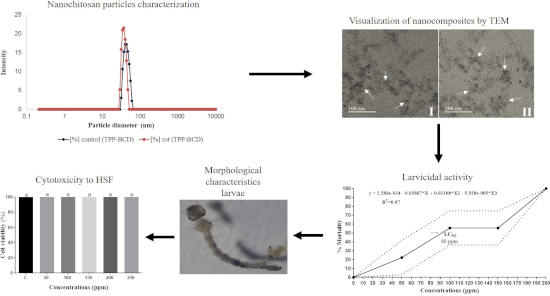
- isolated and characterized from C. fairchildiana seeds [14]. These compounds exhibited larvicidal activity against third-instar Ae. aegypti larvae, causing morphological changes and metabolic alterations as a result of increased production of ROS in the insect midgut [14]. It is already well-documented in

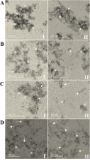


Shape, membrane morphology, and morphodynamic response of metabolically active human mitochondria revealed by scanning ion conductance microscopy
Beilstein J. Nanotechnol. 2025, 16, 951–967, doi:10.3762/bjnano.16.73
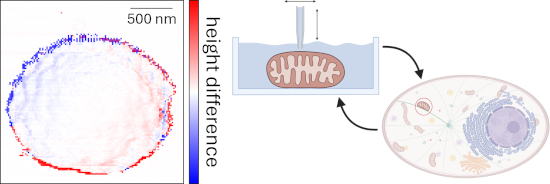
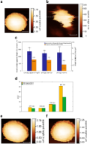
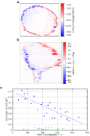
- . Fundamentally, the TEV quantifies morphological changes along the pipette’s scanning trajectory. Whenever the apparent heights (z-values) at a given point (x, y) differ between the associated forward and backward scans, this discrepancy contributes to the TEV. For compact objects, such differences primarily



Synthesis of a multicomponent cellulose-based adsorbent for tetracycline removal from aquaculture water
Beilstein J. Nanotechnol. 2025, 16, 728–739, doi:10.3762/bjnano.16.56
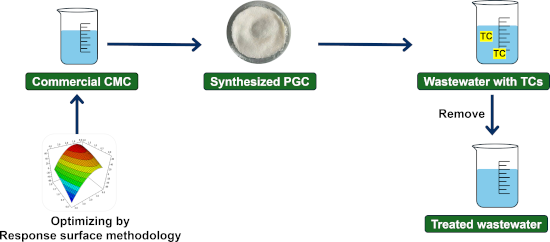
- significant morphological changes compared to pristine CMC (Figure 2a–c). Specifically, the PGC surface exhibits numerous, uniformly distributed spherical nanoparticles (≈200 nm in diameter), attributed to ZnO nanoparticles. The initial tubular structure of CMC is converted into a film-like structure owing to


Efficiency of single-pulse laser fragmentation of organic nutraceutical dispersions in a circular jet flow-through reactor
Beilstein J. Nanotechnol. 2025, 16, 711–727, doi:10.3762/bjnano.16.55
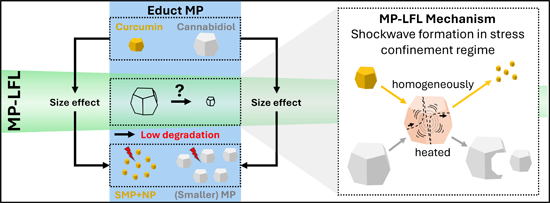
- reduction in particle diameters. Moreover, pronounced morphological changes caused by thermal effects (i.e., LML) like spheroidization of the MPs cannot be observed. This points towards the occurrence of laser fragmentation already after one laser processing step under near single-pulse conditions. However


A formulation containing Cymbopogon flexuosus essential oil: improvement of biochemical parameters and oxidative stress in diabetic rats
Beilstein J. Nanotechnol. 2025, 16, 617–636, doi:10.3762/bjnano.16.48
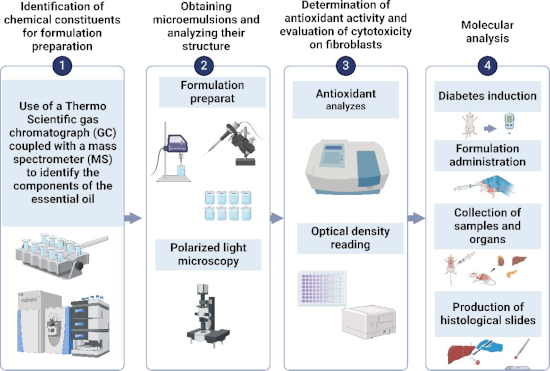
- the applied treatment. Despite the considerable degree of damage, this group showed signs of attempted tissue restoration and was classified as the second most severe group in terms of the lesions observed. Important morphological changes were identified in the liver tissue. Cell vacuolization (A) was




Focused ion and electron beams for synthesis and characterization of nanomaterials
Beilstein J. Nanotechnol. 2025, 16, 613–616, doi:10.3762/bjnano.16.47

- the substrate. Metallic structures can be fabricated directly or through post-purification methods, such as water-assisted treatment, which has been effective for Au and Pt deposits [10]. Interestingly, morphological changes in the underlying SiO2 layer were observed during the process, resembling

Tailoring of physical properties of RF-sputtered ZnTe films: role of substrate temperature
Beilstein J. Nanotechnol. 2025, 16, 333–348, doi:10.3762/bjnano.16.25
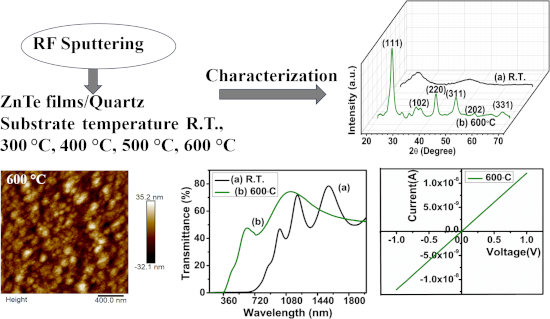
- accountable for morphological changes on the surface of ZnTe films grown on quartz substrate at different substrate temperatures. Values of b equal to 1, 2, 3, and 4 represent four surface growth mechanisms, that is, viscous flow, evaporation–condensation, volume diffusion, and surface diffusion, respectively




Liver-targeting iron oxide nanoparticles and their complexes with plant extracts for biocompatibility
Beilstein J. Nanotechnol. 2024, 15, 1593–1602, doi:10.3762/bjnano.15.125
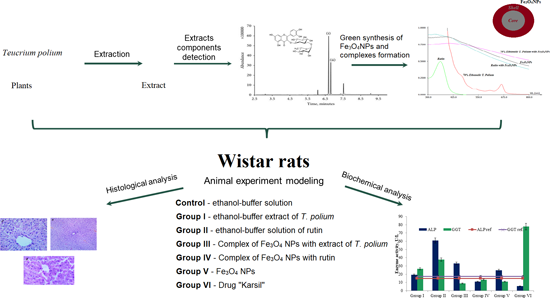
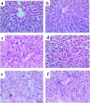
- . Histological analysis of morphological changes in liver tissue In the histological examination of the toxic effects of the agents in all groups, a characteristic architecture typical of the liver was observed, with preserved lobular structure and radial arrangement of hepatocytes, as well as normal blood
- activity, membrane leakage, and morphological changes. Toxic NPs can adversely affect cell viability, proliferation rate, and metabolic activity; also, they can reduce the therapeutic efficiency of the treatment [55]. The toxicity of NPs on biological entities fundamentally depends on the characteristics


Polymer lipid hybrid nanoparticles for phytochemical delivery: challenges, progress, and future prospects
Beilstein J. Nanotechnol. 2024, 15, 1473–1497, doi:10.3762/bjnano.15.118


Direct electron beam writing of silver using a β-diketonate precursor: first insights
Beilstein J. Nanotechnol. 2024, 15, 1117–1124, doi:10.3762/bjnano.15.90

- varying compositions of the deposit and internal inhomogeneities such as the formation of a layered structure consisting of a pure silver layer at the interface to the substrate covered by a deposit layer with low silver content. Imaging after the deposition process revealed morphological changes such as


Atomistic insights into the morphological dynamics of gold and platinum nanoparticles: MD simulations in vacuum and aqueous media
Beilstein J. Nanotechnol. 2024, 15, 995–1009, doi:10.3762/bjnano.15.81
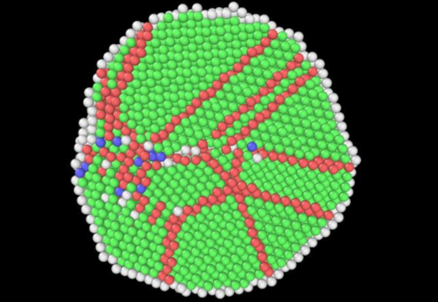
- their energy interactions. The morphological changes in the NPs are measured using both atomic parameters, such as the coordination number and the Berry parameter, and cluster parameters, such as the X-ray powder diffraction pattern and the asphericity parameter. Furthermore, we extract qualitative
- rapid cooling. Both Au and Pt bulk materials share the same FCC unit cell structure. The primary goal was to discern the morphological changes occurring in the NPs. An additional aim was to quantify the influence of temperature, chemical composition, and NP size on these transformations. The NPs were


The effect of age on the attachment ability of stick insects (Phasmatodea)
Beilstein J. Nanotechnol. 2024, 15, 867–883, doi:10.3762/bjnano.15.72

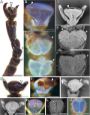
- tests, all p < 0.360) and from week 2 to weeks 4–6 (Tukey’s tests, all p < 0.044) were significant. The traction forces of the remaining combinations did not differ significantly from each other (Tukey’s tests, all p > 0.06). Morphological changes Macroscopic changes of attachment devices All tarsi of S
- /Dunn’s post-hoc test with Holm correction. Boxes cover the interquartile range (IQR) from 25th to 75th percentile, the black line indicates the median. Whiskers extend to 1.5·IQR. Morphological changes of tarsi during ageing. (A–D) Full tarsi, ventral views. (A) Young adult female with fully inflated


Cholesterol nanoarchaeosomes for alendronate targeted delivery as an anti-endothelial dysfunction agent
Beilstein J. Nanotechnol. 2024, 15, 517–534, doi:10.3762/bjnano.15.46
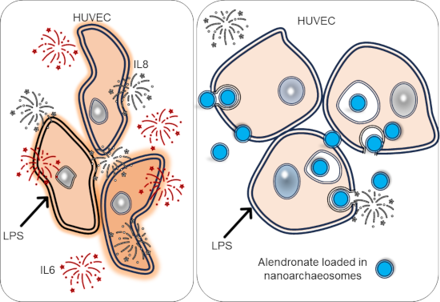
- embryogenesis [53]. EndMT is observed under inflammatory conditions similar to the environment generated during sepsis or pathological processes such as renal, cardiac and pulmonary fibrosis, and cancer [54][55][56][57]. In the mild inflation model, LPS induced in HUVECs morphological changes compatible with
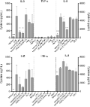
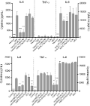
- ratio (Figure 12). Dexamethasone partly reduced the morphological changes induced on HUVECs but did not affect the IL-6/IL-8 production. In the pronounced inflammation model, the morphological changes experienced by HUVECs were not reversed by any treatment (data not shown). Discussion The in vitro anti
- of this research suggest that the endocytosis of one specific formulation, nanoARC-Chol(ALN), by irritated HUVECs in the mild inflammation model, was beneficial. The same as dexamethasone, nanoARC-Chol(ALN) was partly capable of reducing the morphological changes caused by LPS, potentially caused by





Heat-induced morphological changes in silver nanowires deposited on a patterned silicon substrate
Beilstein J. Nanotechnol. 2024, 15, 435–446, doi:10.3762/bjnano.15.39
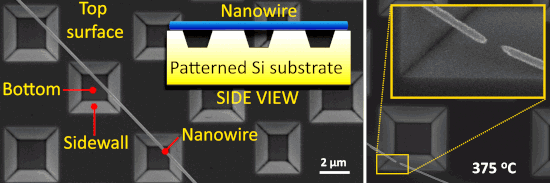
- process, fragmentation in either adhered or suspended parts can dominate. Experiments were supported by finite element method and molecular dynamics simulations. Keywords: diffusion; finite element method; heat treatment; molecular dynamics simulations; morphological changes; scanning electron microscopy
- . However, during prolonged heat treatment (lasting minutes or more), surface atom diffusion can lead to morphological changes in NWs even at temperatures several hundred degrees below the melting point of the material [26][27]. Sintering of Ag and Au NWs at intersections can occur at temperatures as low as
- pentagonal structure is preserved even for small fragments of NWs that were split as a result of heat treatment as shown in Figure 7 (note that the fragments are kept in place due to contact with the thin carbon membrane of the TEM grid). These findings suggests that heat-induced morphological changes in Ag


Graphene removal by water-assisted focused electron-beam-induced etching – unveiling the dose and dwell time impact on the etch profile and topographical changes in SiO2 substrates
Beilstein J. Nanotechnol. 2024, 15, 190–198, doi:10.3762/bjnano.15.18
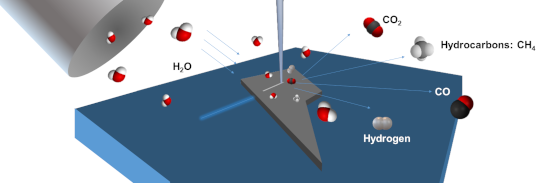
- nanopatterning, we have found significant morphological changes induced in the SiO2 substrate even at low electron dose values (<8 nC/μm2). We demonstrate that graphene etching and topographical changes in SiO2 substrates can be controlled via electron beam parameters such as dwell time and dose. Keywords
- from graphene etching, the morphological changes in the SiO2 surface are visible in AFM and CPEM results for lines that were extended beyond the flake area (see Figure 1D). The experiments confirm that water-assisted FEBIE is a fast and direct technique to selectively remove graphene. The process must
- substrate with the same dwell time values (1, 10, and 100 μs) and the highest dose D5. The profiles extracted from the AFM data are shown in Figure 4 and confirm the morphological changes introduced into the SiO2 substrate. In this case, the middle protrusion is not observed. Discussion In general, the


Curcumin-loaded nanostructured systems for treatment of leishmaniasis: a review
Beilstein J. Nanotechnol. 2024, 15, 37–50, doi:10.3762/bjnano.15.4
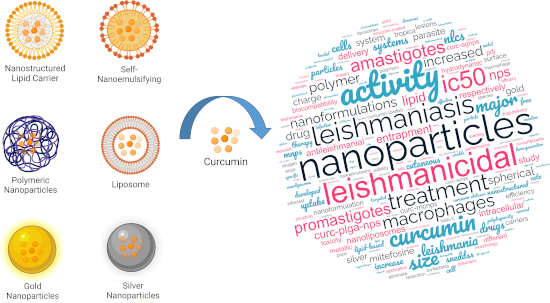
- when treated by both nanoandi and nanocopa. Moreover, there was a decrease in lesion size and parasite load from the liver and spleen of mice treated with NE. In ultrastructural analysis performed by scanning electron microscopy, it was possible to observe morphological changes, oval aspect, and





