


Search results
Search for "phase separation" in Full Text gives 76 result(s) in Beilstein Journal of Nanotechnology.
Tailoring Ag–Pt nanoalloys through solid-state dewetting: structural and optical insights
Beilstein J. Nanotechnol. 2026, 17, 748–759, doi:10.3762/bjnano.17.52

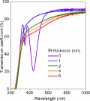
- metallic layers is their thickness: the thinner the layer, the lower the temperature at which it transforms into isolated islands. It can be stated that the significant influence of surface energy in thin-film structures, phase separation boundaries (layer–substrate, layer–liquid phase), grain boundaries




Recent progress in enhancing built-in electric fields of perovskite solar cells via junction engineering
Beilstein J. Nanotechnol. 2026, 17, 602–621, doi:10.3762/bjnano.17.42
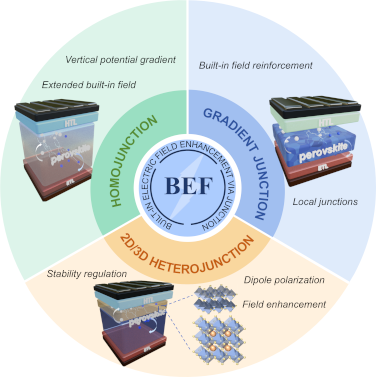
- and surface modification, they enhance the BEF, reduce interfacial defects, and prevent degradation. For example, Ag-doped NiOx/NiOx p/p+ homojunctions have been shown to reduce defect clusters and prevent halide ion migration, improving stability. However, challenges like phase separation and ion
- effectively blocks Pb diffusion to the HTL, preventing band mismatch and BEF attenuation. The gradient heterojunction maintains continuous band bending, reducing degradation and phase separation, thereby improving device stability. Given that compositional doping can generate band gradients but often fails to



Visualizing nanostructures in supramolecular hydrogels: a correlative study using confocal and cryogenic scanning electron microscopy
Beilstein J. Nanotechnol. 2025, 16, 2274–2284, doi:10.3762/bjnano.16.156
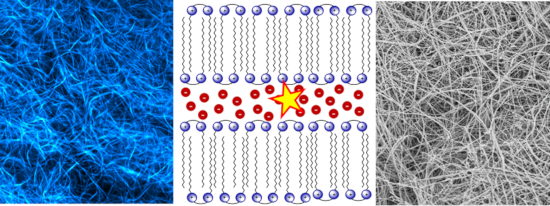
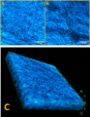
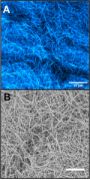
- result in phase separation whereby the water freezes, first expelling the ethanol into concentrated domains, which alters microscale material morphology. Such a phenomenon has been exploited for the fractional freezing of water–ethanol mixtures and in liposomal formulations containing water and DMSO [36



Quality by design optimization of microemulsions for topical delivery of Passiflora setacea seed oil
Beilstein J. Nanotechnol. 2025, 16, 2116–2131, doi:10.3762/bjnano.16.146
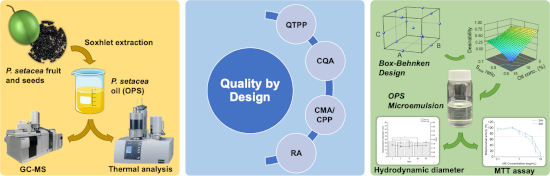
- issue in emulsified systems is microbial contamination, which can result in physical and chemical instability, such as pH shifts, turbidity, degradation of active components (e.g., fatty acids), and phase separation [35]. To address these challenges and improve topical suitability, additional excipients
- methanolic potassium hydroxide. The base-catalyzed transesterification reaction was carried out at 60 °C for 15 min. After cooling, the reaction was quenched with 20 µL of acetic acid. To extract the FAMEs, 1 mL of n-hexane and water were added, followed by vigorous agitation. Once phase separation occurred
- visual appearance (e.g. signs of haze, creaming, or phase separation), hydrodynamic diameter distribution, and pH. The pH was measured using a pre-calibrated PG 2000 pH meter (Gehaka, São Paulo, Brazil). Due to its high viscosity, MEgel samples were diluted with purified water (1:40 w/w) prior to


Targeting the vector of arboviruses Aedes aegypti with nanoemulsions based on essential oils: a review with focus on larvicidal and repellent properties
Beilstein J. Nanotechnol. 2025, 16, 1894–1913, doi:10.3762/bjnano.16.132
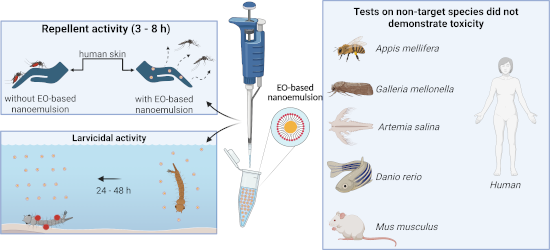
- ultrasonication (40 kHz). This formulation demonstrated physicochemical stability, with good optical transparency and absence of phase separation. Characterization by TEM revealed spherical droplets with sizes between 20 and 40 nm. In the larvicidal bioassay, fourth-instar larvae of Ae. aegypti were exposed to


Phytol-loaded soybean oil nanoemulsion as a promising alternative against Leishmania amazonensis
Beilstein J. Nanotechnol. 2025, 16, 1826–1836, doi:10.3762/bjnano.16.126

- incorporation of poloxamer 407 increased the viscosity of the external aqueous phase, thereby reducing Brownian motion and droplet collision frequency – mechanisms that are often associated with delayed creaming and phase separation [42][43]. Taken together, these compositional strategies demonstrate the


Multifunctional anionic nanoemulsion with linseed oil and lecithin: a preliminary approach for dry eye disease
Beilstein J. Nanotechnol. 2025, 16, 1711–1733, doi:10.3762/bjnano.16.120
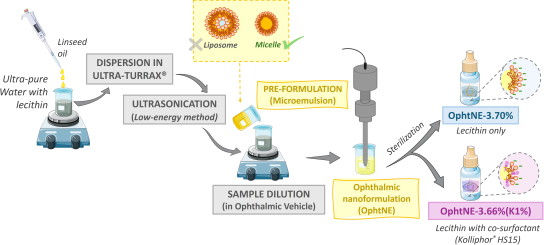
- 60 days, the formulation remained physically quite stable without phase separation. Both nanoformulations contained 2.6% (w/v) linseed oil, providing a bioactive concentration compatible with ocular administration volumes (~50 µL). At a final concentration of 1.30 mg·mL−1, OphtNE-3.66%(K1%) showed
- , water, and surfactant/co-surfactant are ideal for the formation of nanometer-sized droplets, minimizing the risk of coalescence or phase separation. A viable strategy to streamline the extensive series of formulations and to locate the optimized region in the ternary diagram involves diluting an



Transient electronics for sustainability: Emerging technologies and future directions
Beilstein J. Nanotechnol. 2025, 16, 1545–1556, doi:10.3762/bjnano.16.109

- but also of electrical and mechanical performance. For instance, Mg-3Zn, which suffers from phase separation in bulk form, can be synthesized as a uniform alloy in thin films, offering improved corrosion resistance [61]. Moreover, bioresorbable amorphous metal (metallic glass) films have demonstrated


Acrocomia aculeata oil-loaded nanoemulsion: development, anti-inflammatory properties, and cytotoxicity evaluation
Beilstein J. Nanotechnol. 2025, 16, 1277–1288, doi:10.3762/bjnano.16.93
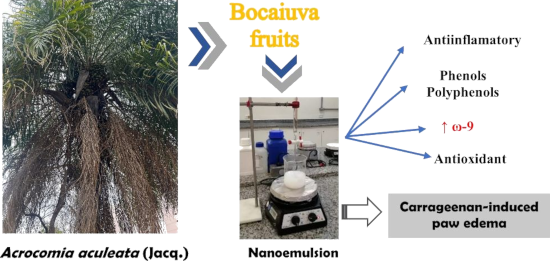
- under mechanical agitation [48]. Nevertheless, while these conditions favor the formation of smaller nanodroplets, temperatures above 60 °C may compromise emulsion stability, potentially triggering phase separation or degradation of labile components. This highlights the necessity for stringent


Functional bio-packaging enhanced with nanocellulose from rice straw and cinnamon essential oil Pickering emulsion for fruit preservation
Beilstein J. Nanotechnol. 2025, 16, 1234–1245, doi:10.3762/bjnano.16.91
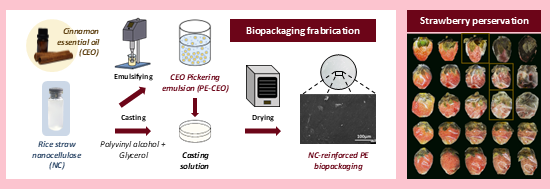
- mobility [43]. When CEO content exceeds 8%, WVP slightly increases to 5.27 × 10⁻¹² g·m−1·s−1·Pa−1, likely due to structural heterogeneity and phase separation within the polymer matrix [45]. These findings suggest that an optimal PE-CEO concentration exists to balance water resistance and mechanical



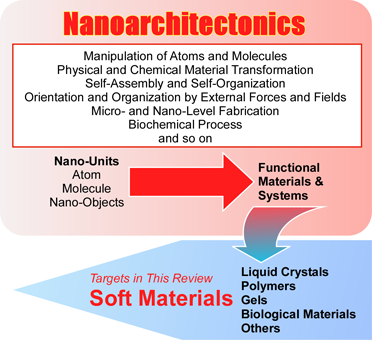
Soft materials nanoarchitectonics: liquid crystals, polymers, gels, biomaterials, and others
Beilstein J. Nanotechnol. 2025, 16, 1025–1067, doi:10.3762/bjnano.16.77






Synthesis and magnetic transitions of rare-earth-free Fe–Mn–Ni–Si-based compositionally complex alloys at bulk and nanoscale
Beilstein J. Nanotechnol. 2025, 16, 823–836, doi:10.3762/bjnano.16.62
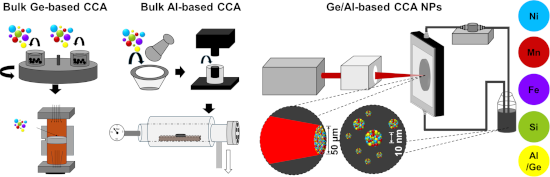
- immiscibility under equilibrium conditions, which leads to elemental segregation and phase separation [35]. Additionally, standard near-equilibrium heating methods are not suitable for synthesizing CCA NPs because of inherent thermodynamic limitations [36]. While high-temperature synthesis techniques have been


Synthetic-polymer-assisted antisense oligonucleotide delivery: targeted approaches for precision disease treatment
Beilstein J. Nanotechnol. 2025, 16, 435–463, doi:10.3762/bjnano.16.34

- PLL-based system to enhance ribozyme-catalysed RNA recombination and oligonucleotide assembly within peptide–RNA condensates [27]. This work demonstrated that low-molecular-weight PLL (Mw = 1–5 kDa) facilitated charge-mediated phase separation, significantly shifting the reaction equilibrium from RNA


Enhancing mechanical properties of chitosan/PVA electrospun nanofibers: a comprehensive review
Beilstein J. Nanotechnol. 2025, 16, 286–307, doi:10.3762/bjnano.16.22

- , phase separation, self-assembly, and electrospinning. Electrospinning is considered the most versatile and widely used technique for nanofiber fabrication, offering greater control over fiber structures, higher productivity, simplicity, lower cost, and potential for industrial use [69][70
- steps but minimizes the risk of incomplete dissolution or phase separation due to different solubility requirements of each polymer [84]. Nevertheless, the instabilities can still occur when blending the two solutions if the solvents are incompatible. Sequential electrospinning Sequential
- central axis, which separates two different solutions into two separate chambers within the nozzle [96]. The two different solutions should possess similar electrical conductivity for the materials to eject as a single jet without any phase separation. This technique can be regarded as a variant of


Preferential enrichment and extraction of laser-synthesized nanoparticles in organic phases
Beilstein J. Nanotechnol. 2025, 16, 254–263, doi:10.3762/bjnano.16.20
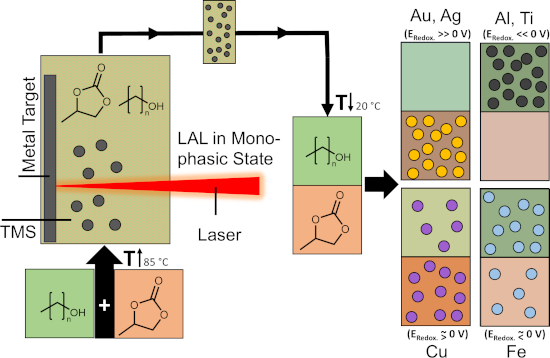
- two solvents in both phases could be related to two possibilities. First, the mixing of the solvents affects the phase separation, which was previously associated with a decrease in colloidal stability if the phase separation was too fast. The mixing of the solvents can lead to a faster or slower
- phase separation which, in turn, can lead to different physical effects on the particles (such as, e.g., agglomeration). Second, it is possible that the nanoparticles inherently prefer a solvent polarity that lies between the polarity of the alcohol and propylene carbonate phases. Rather than a
- competitive phase separation process, the now mixed solvents would equilibrate to a medium polar solvent mixture preferred by the nanoparticles. However, as the Cu NP fractions are roughly the same for 1-heptanol, 1-octanol, and 1-decanol, this might not be restricted to polarity only (in case the Cu fraction




A review of metal-organic frameworks and polymers in mixed matrix membranes for CO2 capture
Beilstein J. Nanotechnol. 2025, 16, 155–186, doi:10.3762/bjnano.16.14
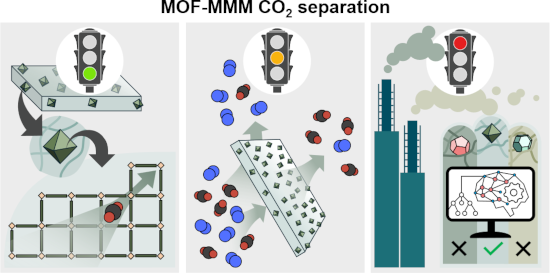
- precursor slurry undergoes phase separation under altered solvent, composition, or temperature conditions to form a porous support phase and a dense MMM phase [80][87][92][94]. Finally, fabrication of thin selective MMM layers on top of porous substrates can be accomplished via spin coating [95]. Defects




Investigation of Hf/Ti bilayers for the development of transition-edge sensor microcalorimeters
Beilstein J. Nanotechnol. 2024, 15, 1353–1361, doi:10.3762/bjnano.15.108

- regions the critical temperature is different. Furthermore, such a protracted transition can be explained by the effect of phase separation in a film of large size, that is, it becomes superconducting in parts. The film sample C1, unlike samples A1–A4 and B1, shows thermal hysteresis, which is expressed


Electrospun nanofibers: building blocks for the repair of bone tissue
Beilstein J. Nanotechnol. 2024, 15, 941–953, doi:10.3762/bjnano.15.77
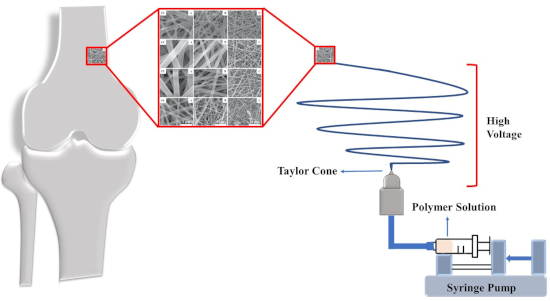
- the literature including inter-surface polymerization, phase separation, drawing, self-assembly, melt blowing, template melt extrusion, forcespinning, and electrospinning [36][37][38][39][40]. Only electrospinning will be further explained in detail in order to remain within the scope. Electrospinning
- produced using various production techniques such as self-coupling and phase separation, and especially electrospinning. Electrospinning is a simple, scalable and versatile fabrication method for the production of various nanofiber formulations from a large number of different polymers. Polymer fiber


Development and characterization of potential larvicidal nanoemulsions against Aedes aegypti
Beilstein J. Nanotechnol. 2024, 15, 104–114, doi:10.3762/bjnano.15.10
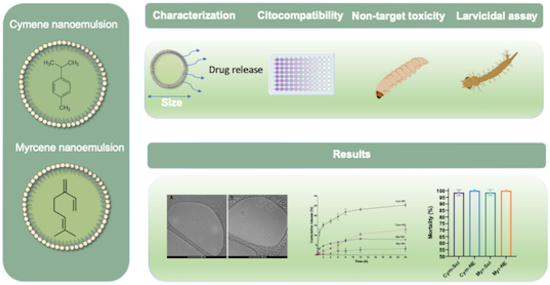
- containing cymene with HLB values of 10–13 showed a yellowish layer on the surface, which may be an indication of phase separation (Figure S1, Supporting Information File 1). Formulations with HLB values of 16 and 16.7 showed a milky appearance and slight creaming, which may be indicative of Ostwald
- , and 21 days after preparation. Signs of instability such as creaming, sedimentation, and phase separation were recorded, as well as physical aspects such as color, transparency, and fluidity. Dynamic light scattering analysis The average hydrodynamic diameter and polydispersity index (PdI) of the NEs


Berberine-loaded polylactic acid nanofiber scaffold as a drug delivery system: The relationship between chemical characteristics, drug-release behavior, and antibacterial efficiency
Beilstein J. Nanotechnol. 2024, 15, 71–82, doi:10.3762/bjnano.15.7
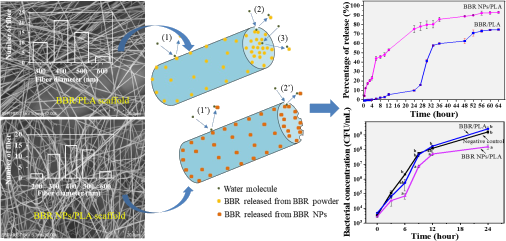
- supports the conclusion that the BBR concentration on the surface of BBR NPs/PLA nanofibers was higher than that on the surface of BBR/PLA nanofibers, which is in agreement with the above FTIR analysis. The poor miscibility between the hydrophilic drug and the hydrophobic polymer might cause phase
- separation during the electrospinning process [17][38][39], leading to the formation of a BBR-rich phase on the surface of nanofibers. The crystallinity of the PLA pellet and electrospun nanofiber scaffolds were examined by X-ray diffraction (XRD) analysis (Figure 3B). The XRD pattern of the PLA pellet shows


Polymer nanoparticles from low-energy nanoemulsions for biomedical applications
Beilstein J. Nanotechnol. 2023, 14, 339–350, doi:10.3762/bjnano.14.29
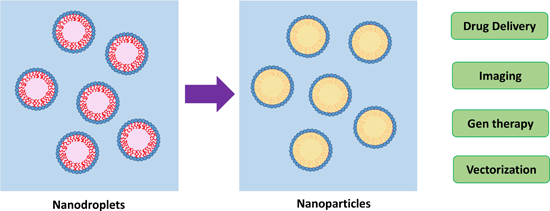
- liquid phase. They are out-of-equilibrium nanocolloids in which phase separation is expected from thermodynamics, but is delayed by the presence of surfactants adsorbed on the droplets surface. Accordingly, nanoemulsion formation depends on the way the sample is prepared, for example, on the order of


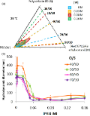


Formation of nanoflowers: Au and Ni silicide cores surrounded by SiOx branches
Beilstein J. Nanotechnol. 2023, 14, 133–140, doi:10.3762/bjnano.14.14
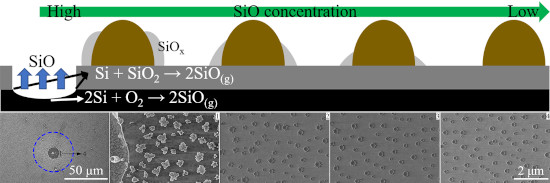
- between the positions of pure Au and Ni since only one main reflex should be observed when the two elements are completely mixed [20][23][25]. The annealing temperatures are above the miscibility gap [23][50]. Thus, the partial mixing comes from the phase separation of Au and Ni during cooling [25
- interdiffusion of Au, Ni, and Si. Au/Si phase separation occurs during cooling [3][55], and Ni silicide may remain stable down to room temperature [41][42][43][44][45][46], finally forming particles with two contrasts. Besides, Ni may also diffuse into the Si substrate, leading to the formation of the Ni


Micro- and nanotechnology in biomedical engineering for cartilage tissue regeneration in osteoarthritis
Beilstein J. Nanotechnol. 2022, 13, 363–389, doi:10.3762/bjnano.13.31
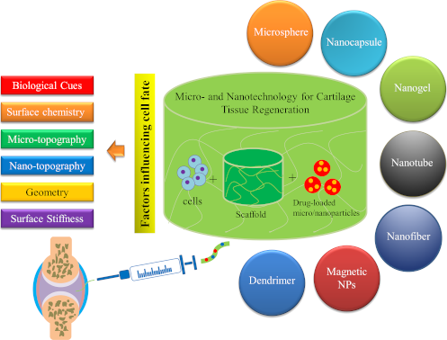
- different characteristics and kinds of behavior of compounds on submicrometer and nanometer scales and resulted in the development of new methods such as electrospinning, self-assembly, phase separation, nano-imprinting, and photolithography for the generation of new biomaterials with improved properties
- nature. They are constructed as NPs, nanofibers, nanocrystals, nanotubes, and nanofilms by high-tech methods of photolithography, electrospinning, nanoimprinting, and phase separation. Due to the hierarchical structure of articular cartilage ECM, there is considerable enthusiasm regarding the use of
- , electrospinning, weaving, phase separation, and template synthesis [102]. Electrospinning is widely used given its simplicity, cost effectiveness, unlimited substrate use, appreciable surface to volume ratio, tunable porosity, and ability to generate nanofibers over a wide range of sizes and shapes [102


A comprehensive review on electrospun nanohybrid membranes for wastewater treatment
Beilstein J. Nanotechnol. 2022, 13, 137–159, doi:10.3762/bjnano.13.10
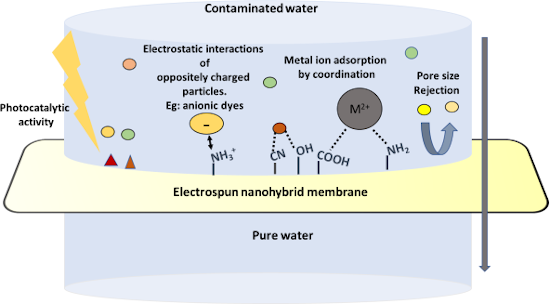
- using lowly volatile CHCl3 while smooth, nonporous fibers were obtained when using highly volatile THF. The pore formation during electrospinning happens with phase separation, which can occur in two ways, namely thermally induced or vapor-induced, depending on temperature and humidity [38]. Hence, the
- [19]. Track etching also produces membranes of weak mechanical strength, and the technique is applicable onlyl for a limited number polymers. The track-etched membranes have low porosity and the technique is more expensive than electrospinning [1]. Phase separation is also a versatile membrane
- fabrication technique. Yet, it has been reported that the interconnected open pore structures and tailorable membrane thickness of electrospun membranes result in superior porosity and permeability compared to nonsolvent-induced phase separation (NIP) and thermally induced phase separation (TIP) membranes [49




Oxidation of Au/Ag films by oxygen plasma: phase separation and generation of nanoporosity
Beilstein J. Nanotechnol. 2020, 11, 1608–1614, doi:10.3762/bjnano.11.143
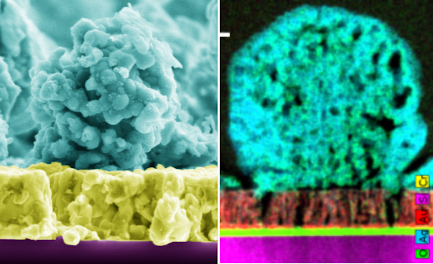
- Department of Mechanical and Industrial Engineering, Texas A & M University-Kingsville, TX 78363, USA 10.3762/bjnano.11.143 Abstract The oxidation of Au/Ag alloy thin films using radio-frequency oxygen plasma was studied in this work. It was demonstrated that there is a phase separation occurring between
- gold/silver oxide nanostructures [20]. Starting from Au/Ag alloy nanospheres, they showed that gold/silver oxide core/shell nanospheres with a hollow interior could be obtained after oxidation using atomic oxygen. In this study we further explored the oxidation and phase separation events observed by
- Lewis et al. [20]. However, instead of using nanostructures as before, we used Au/Ag alloy thin films deposited by co-sputtering as the model system to study the oxidation process triggered by radio-frequency oxygen plasma (Figure 1). The oxidation and phase separation processes resulted in the





