Search results
Search for "physicochemical" in Full Text gives 327 result(s) in Beilstein Journal of Nanotechnology. Showing first 200.
Ultrasonic irradiation in the synthesis of nanohydroxyapatite: a chemically friendly technique for improving hemocompatibility and antibiofilm applications
Beilstein J. Nanotechnol. 2026, 17, 991–1015, doi:10.3762/bjnano.17.68
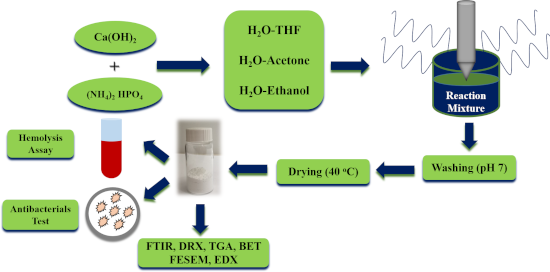
- of carbonated hydroxyapatite, which has a structure very similar to that of biological apatite, using high-frequency ultrasound [19]. Due to the complexity of the physicochemical processes that occur in the medium during sonochemical synthesis, the resulting particles can exhibit great variability in
- primary chemical nature of the reacting species. Instead, the solvent media (water/ethanol, water/THF, and water/acetone) act as physicochemical modulators of the overall reaction kinetics and cavitation behavior, which directly explains the observed discrepancies in both yield and nanostructure




Development of Protium heptaphyllum essential oil-loaded nanocapsules: experimental design and biological activity
Beilstein J. Nanotechnol. 2026, 17, 974–990, doi:10.3762/bjnano.17.67
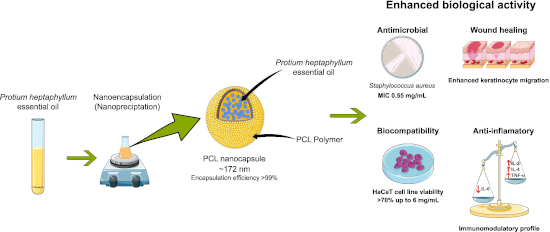
- essential oil (EO) a promising candidate for therapeutic and cosmetic formulations. However, its practical use in industry is limited by physicochemical issues such as high volatility, poor solubility, and susceptibility to oxidative degradation [8]. Overcoming these limitations requires innovative
- tea tree have been widely studied, demonstrating improved physicochemical stability, enhanced antimicrobial activity, and controlled release profiles [2][9][10]. This approach protects the active constituents from degradation and enhances bioavailability [11][12]. Polymeric nanocapsules are especially
- behavior when incorporated into nanostructured delivery systems. Therefore, this study aims to develop and optimize polymeric nanocapsules containing P. heptaphyllum essential oil using a Box–Behnken experimental design, focusing on key physicochemical parameters such as particle size, PDI, and zeta




Nanocarrier strategies to overcome P-glycoprotein-mediated drug resistance in cancer therapy
Beilstein J. Nanotechnol. 2026, 17, 882–921, doi:10.3762/bjnano.17.64
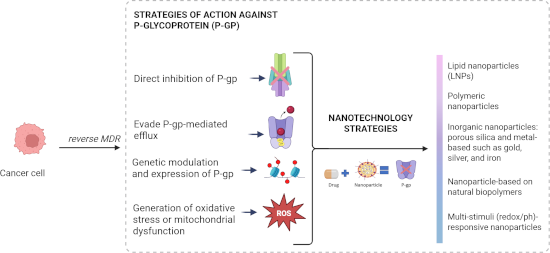
- contingent upon various criteria, including the physicochemical characteristics of the medication, the intended delivery route, and the specified release profile. Both techniques have substantial benefits in improving therapeutic effectiveness and reducing side effects, with their optimization being an


Nanoparticle delivery systems for HIV pre-exposure prophylaxis (PrEP): advances and challenges
Beilstein J. Nanotechnol. 2026, 17, 839–853, doi:10.3762/bjnano.17.60
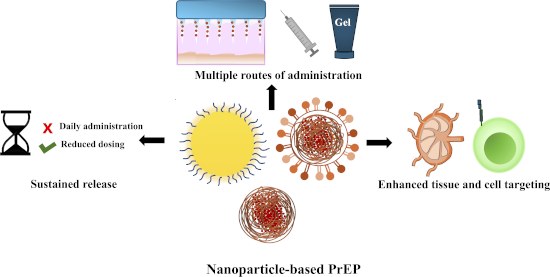
- , mechanical properties, and surface composition that need to be considered in the design of the nanoparticles. The choice of core material plays a pivotal role in defining the physicochemical properties, release behavior, biocompatibility, and clinical feasibility of nanoparticle formulations. Various
- . Inorganic nanoparticles Inorganic nanoparticles, particularly those made of metals (e.g., gold, silver) and mesoporous silicon have gained attention as antivirals as well as HIV drug delivery platforms due to their unique physicochemical properties that differ from biodegradable polymers or lipid-based


Restorative potential of laser-synthesized silver nanoparticles with Salvia officinalis for periodontal disease treatment: an in vitro study
Beilstein J. Nanotechnol. 2026, 17, 781–795, doi:10.3762/bjnano.17.55
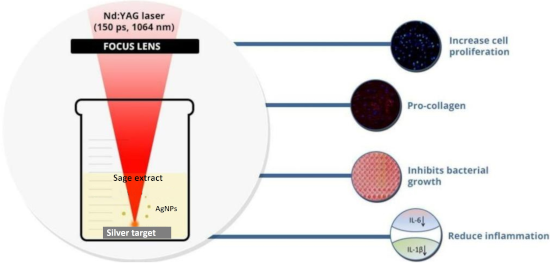
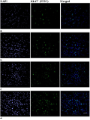
- synthesis mitigates their cytotoxicity. This result is probably the effect of sage on the physicochemical properties of the AgNPs, as well as the effect of sage constituents on the cell viability (Figure 2a). However, a higher concentration of SageAgNPs6mJ also significantly reduced the percentage of viable



Interface-engineered Caco-2 cell culture on a collagen-coated liquid–liquid interface in a microfluidic device
Beilstein J. Nanotechnol. 2026, 17, 760–768, doi:10.3762/bjnano.17.53
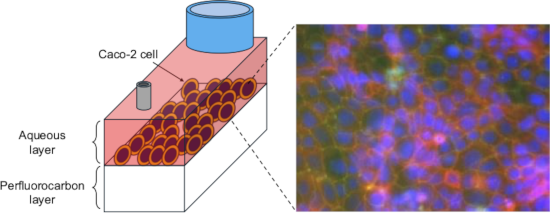
- substrates, which limit the physicochemical flexibility of the cellular microenvironment. Here, we introduce a microfluidic platform in which a collagen-coated liquid–liquid interface formed between perfluorocarbon (FC-43) and culture medium serves as a substrate for epithelial cell adhesion. By culturing


Oxidative atmosphere-driven formation of single-phase spinel CuRh2O4 nanofibers for alkaline water oxidation
Beilstein J. Nanotechnol. 2026, 17, 737–743, doi:10.3762/bjnano.17.50
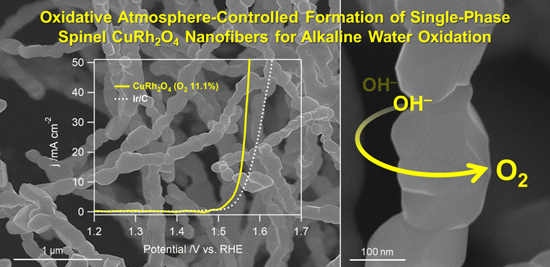
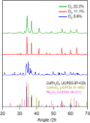
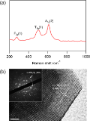
- 10 μL·min−1 with an applied voltage of 17 kV. Finally, the electrospun metal precursor/PVP nanofibers were calcined at 850 °C for 1 h with a heating rate of 10 °C·min−1 under a continuous mixed gas flow of O2 and He with controlled O2 concentrations (5.6%, 11.1%, and 22.2%). Physicochemical




Environmental applications of silver nanoparticles: state-of-the-art review and emerging trends
Beilstein J. Nanotechnol. 2026, 17, 697–736, doi:10.3762/bjnano.17.49
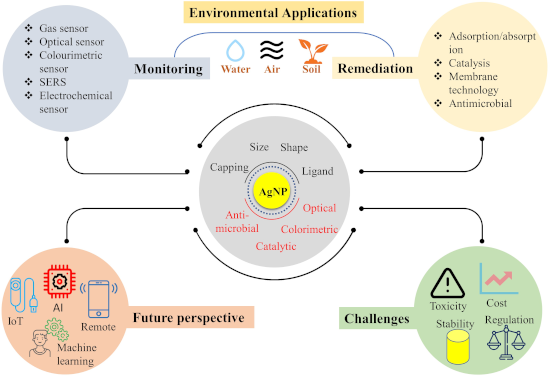
- Preparation and characterisation of AgNPs The environmental application of AgNPs is primarily determined by their functional properties, which are highly dependent on their synthesis and surface functionalization. In addition, the physicochemical properties of differently synthesised AgNPs are characterised
- their functional properties for catalytic/photocatalytic applications (Figure 2). Indeed, differently capped nanoparticles were prepared using suitable preparation methods. 2.1 Preparation methods The environmental applications of AgNPs are primarily governed by physicochemical parameters obtained
- characterisation using standard techniques is necessary to understand the physicochemical properties of AgNP [48]. 2.2 Characterisation techniques AgNPs are characterised to understand their physical and chemical properties, which are mainly governed by size, shape, and surface complexity. This understanding was


Protein-based custom-designed molecular nanotraps for biomedical applications
Beilstein J. Nanotechnol. 2026, 17, 683–687, doi:10.3762/bjnano.17.47

- of bioMIPs be made? The answer is deeply linked to the intended final application. Natural polymers, such as polysaccharides, proteins, oligonucleic acids, and terpenes, offer a large variety of physicochemical properties deriving from their chemical structures [8]. Overall, proteins stand out for
- shortfalls have been identified already in the context of folded protein systems. First, protein-based materials, depending on the biological source, are characterized by a wide variety in the physicochemical properties, given by the aminoacid compositions, secondary structure propensity, and the presence of

Towards targeted drugs and next generation of nanomedicines
Beilstein J. Nanotechnol. 2026, 17, 598–601, doi:10.3762/bjnano.17.41
- future development. Bioavailability is an important factor for pharmaceutical agents. Here nanoparticles have the great advantage that their physicochemical properties can be largely tailored. A hydrophobic drug can be made more water soluble by linking it to a hydrophilic nanoparticle. However, as with
Advances in nanotechnology applied to natural products
Beilstein J. Nanotechnol. 2026, 17, 555–558, doi:10.3762/bjnano.17.36
- , hybrid, and inorganic platforms, reflecting the interdisciplinarity of the field, from nanosystem synthesis and physicochemical characterization to biomedical, pharmaceutical, cosmetic, and environmental applications. Among the nanostructures, lipid-based carriers, including nanoemulsions, microemulsions
- formulations in anti-inflammatory, antiparasitic, and vector-control contexts. By protecting sensitive constituents from physicochemical degradation and promoting delivery to sites of action, nanoemulsions can enhance the functional performance of natural bioactives [4]. Their organization into nanodroplets
- physicochemical stability, increase apparent bioavailability, and modulate biological responses. In systemic delivery, microemulsions have been reported to enhance the absorption and therapeutic performance of natural compounds, with associated reductions in metabolic alterations and oxidative stress in
Electrochemical determination of ciprofloxacin using a MIL-101/reduced graphene oxide-modified electrode
Beilstein J. Nanotechnol. 2026, 17, 541–554, doi:10.3762/bjnano.17.35
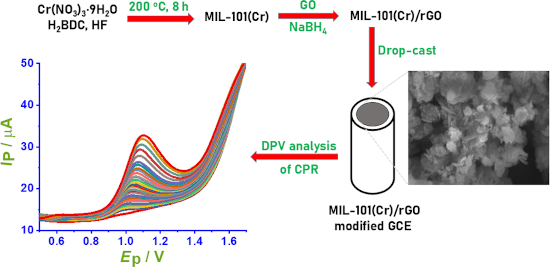
- ciprofloxacin (CPR) was developed using a glassy carbon electrode modified with MIL-101/reduced graphene oxide (MIL-101/rGO). MIL-101/rGO was synthesized via a facile ultrasonic-assisted method and characterized by various physicochemical techniques. The synergistic combination of MIL-101 with rGO significantly


Upcycling agroindustrial waste into graphene oxide supports for gold nanoparticles: toward sustainable nanomaterials
Beilstein J. Nanotechnol. 2026, 17, 489–504, doi:10.3762/bjnano.17.32
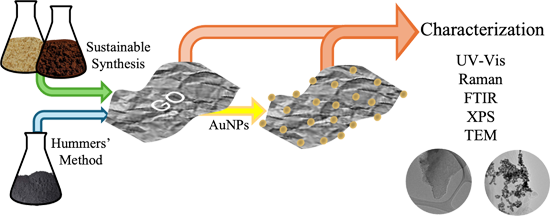
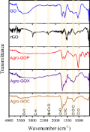
- ; hybrid nanocomposites; plasmonic nanomaterials; surface functionalization; Introduction Graphene oxide (GO), due to its unique physicochemical properties, is widely explored regarding a range of applications, including sensors, water purification, and energy storage and conversion [1][2][3][4][5]. GO is
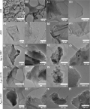
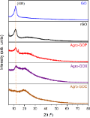
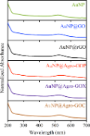
- performance in targeted applications. In addition to the physicochemical characterization, the AuNPs@Agro-GO composites exhibit considerable potential for environmentally oriented technological applications. AuNPs supported on graphene oxide have demonstrated high catalytic efficiency in the reduction of



Nanocarrier-integrated multilayer films produced by 3D printing for improved skin adhesion and curcumin photostability
Beilstein J. Nanotechnol. 2026, 17, 440–453, doi:10.3762/bjnano.17.30
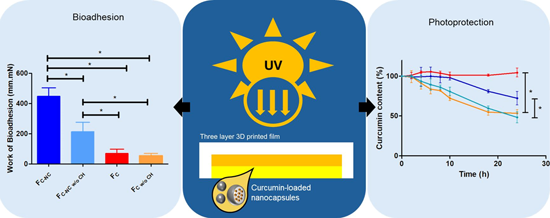
- enable the development of formulations with reduced particle sizes (typically between 100 and 500 nm) and tailored physicochemical properties [19][20]. In the pharmaceutical context, nanoparticles, including polymeric nanoparticles, have been extensively investigated as drug carriers. The use of
- 2 provides a summary of results from physicochemical characterization. Printing ink During the 3D printing process, the rheological behaviour of a printing ink is directly related to printability and the ability to form stable, structured layers, in order to avoid collapse after addition of
- effective photostabilization. Discussion Based on the observed physicochemical properties (Table 2), the formulations developed in the present study exhibited a low polydispersity index and a z-average particle size below 240 nm, indicating a narrow nanometric size distribution. All tested formulations


Nanoinformatics: spanning scales, systems and solutions
Beilstein J. Nanotechnol. 2026, 17, 423–427, doi:10.3762/bjnano.17.28
- nanomaterials physicochemical properties, structural features, and biomolecule interactions using both physics-based and machine-learning (ML) approaches; (ii) prediction of nanomaterials toxicity including development of novel toxicity-related descriptors; (iii) solution-focussed approaches applying advanced
- properties of nanomaterials reported in experimental papers, the ability to predict or impute physicochemical properties as inputs for quantitative structure/activity/property relationship (QSAR/QSPR) models is critical. Moncho et al. surveyed the nanomaterials QSAR literature to determine the variety of
- major topic in the field is to identify the drivers of nanomaterials toxicity, through understanding which physicochemical properties or atomistic properties are most strongly correlated with – and thus predictive of – toxicity, often measured in vitro as cytotoxicity. To address this question, Roy and

Biomimetic nanoparticles in cancer photodynamic therapy: a review of targeted delivery systems and therapeutic outcomes
Beilstein J. Nanotechnol. 2026, 17, 396–422, doi:10.3762/bjnano.17.27
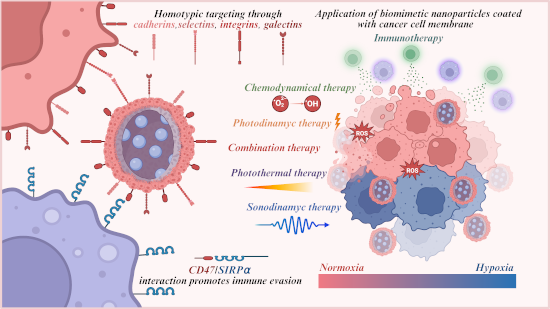
- proteins confer distinct physicochemical properties that influence cellular interactions and tissue organization. Given the crucial role of integrins in tumor progression, there is significant interest in their use not only as markers of malignant potential but also as targets for precision therapies. One
- available for conjugation, and the physicochemical characteristics of the carrier. For instance, encapsulation techniques must ensure that PS molecules remain stably entrapped within the nanoparticle core to prevent premature leakage during blood circulation while enabling efficient release or activation


Polycatecholamine nanocoatings on stainless steel: the effect on attachment of human fibroblasts and platelets
Beilstein J. Nanotechnol. 2026, 17, 365–380, doi:10.3762/bjnano.17.25
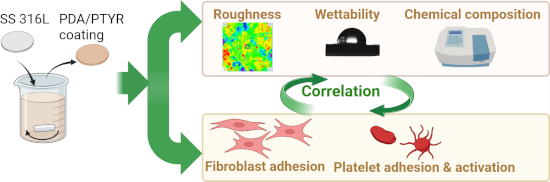
- layers on stainless steel 316L via a novel in situ oxidation process and evaluated their physicochemical properties and cellular interactions at the nano/microscale. Surface characterization revealed that the polymeric coatings formed a homogenous layer with distinct topographical features and thickness
- Fenton-type reaction for PTYR synthesis and previously optimized conditions for PDA deposition [12][27]. We compared the physicochemical properties of these coatings and evaluated their effects on L929 fibroblasts, human dermal fibroblasts, and human platelets. By directly comparing PDA with the much
- characterized by the lowest CA (11.89°) and highest Rku (6.14 µm) among all samples. SEM images shown in Figure 8a indicate that there was no cellular preference to adhere to any specific morphologic spots. Table 3 presents correlations between cell number and cell total surface and different physicochemical




Beam shaping techniques for pulsed laser ablation in liquids: Unlocking tunable control of nanoparticle synthesis in liquids
Beilstein J. Nanotechnol. 2026, 17, 309–342, doi:10.3762/bjnano.17.22
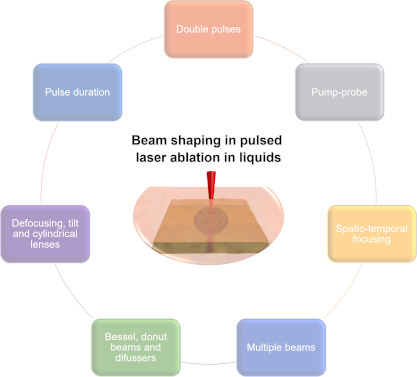
- ablation area is irradiated, which increases NP production. The higher colloidal concentration enhances aggregation, often resulting in larger mean particle sizes [143]. Furthermore, the precision of the focusing can play a crucial role in the physicochemical properties of the colloids. Ryabchikov et al







Durable antimicrobial activity of fabrics functionalized with zeolite ion-exchanged nanomaterials against Staphylococcus aureus and Escherichia coli
Beilstein J. Nanotechnol. 2026, 17, 262–274, doi:10.3762/bjnano.17.18
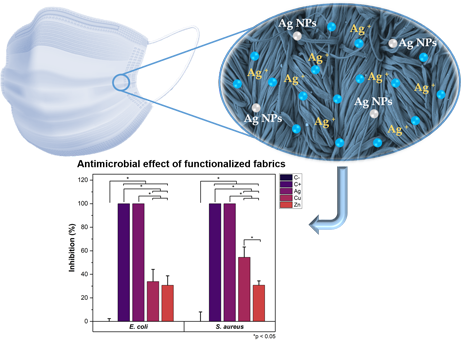
- atom % are evaluated regarding their antimicrobial activity against Staphylococcus aureus (Gram-positive) and Escherichia coli (Gram-negative), as well as regarding their physicochemical and mechanical properties. Scanning electron microscopy confirms the uniform distribution and successful
- leaves of some plants are water- or dust-repellent, and these repellent properties can be transferred to textiles by modifying the components involved in these mechanisms [24]. Among the physicochemical methods used for fabric functionalization with nanomaterials are coatings, electrospinning, assembling
- impregnated textile samples were studied against S. aureus and E. coli, and their physicochemical and mechanical properties are discussed. The obtained results suggest that the synthesized materials can be applied as an effective alternative to inhibit and reduce the spread of different types of viruses and




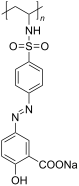
Structure-dependent thermochromism of PAZO thin films: theory and experiment
Beilstein J. Nanotechnol. 2026, 17, 186–199, doi:10.3762/bjnano.17.12
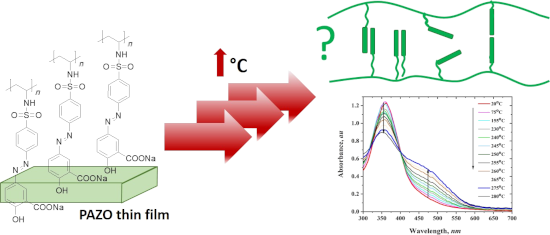
- physicochemical, optoelectronic, and even biophysical properties creates myriad opportunities for their application, especially as polymer thin films [1][2]. These films are widely used in modern life as they can be easily tailored to have specific properties like high conductivity, optical transparency, or


Safe and sustainable by design with ML/AI: A transformative approach to advancing nanotechnology
Beilstein J. Nanotechnol. 2026, 17, 176–185, doi:10.3762/bjnano.17.11
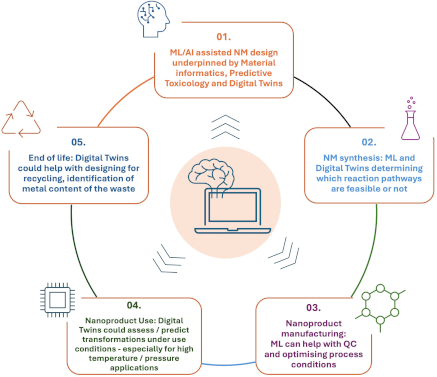
- , health, and safety (EHS) risks. The unique physicochemical properties of ENMs, including their high surface-to-volume ratio and reactivity, often result in unpredictable interactions with, and transformations by, biological and ecological systems [9][10]. Traditional risk assessment approaches, while
- complementary benefits within SSbD. First, predictive modelling tools, such as quantitative structure–activity relationship (QSAR) models, can forecast toxicological and physicochemical properties of emerging substances, reducing the reliance on time-consuming and costly experimental assays [24][25]. The
- effectiveness of ML/AI models for nanomaterials is often hindered by inconsistent and non-harmonized physicochemical data. Thus, improving data quality through standardization, metadata annotation, and curated databases is crucial to enhance the reliability and regulatory acceptance of predictions. Second, AI


From shield to spear: Charge-reversible nanocarriers in overcoming cancer therapy barriers
Beilstein J. Nanotechnol. 2026, 17, 159–175, doi:10.3762/bjnano.17.10
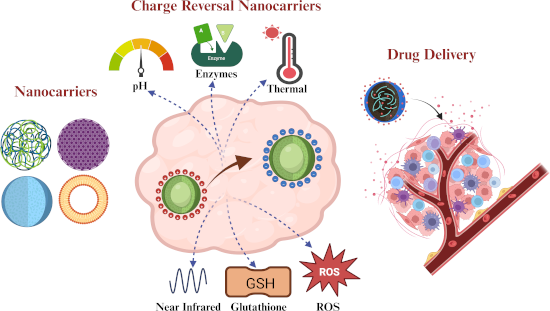
- advancements in nanocarrier-based cancer therapy, recent research has increasingly emphasised refining their physicochemical traits, especially surface charge, to boost therapeutic outcomes. A notable development in this context is the emergence of charge-reversible nanoscale drug delivery systems (CR-NDDSs
- physicochemical parameters, the surface charge is essential for determining nanocarrier interactions with biological membranes, cellular uptake, and biodistribution [17]. With a positive charge, the nanocarrier tends to be absorbed by high plasma proteins and cleared faster from the bloodstream. In contrast
- groups and the need for precise control over physicochemical characteristics further increase manufacturing costs and delay clinical development. Maintaining stability during storage is another critical concern, as environmental factors such as temperature fluctuations and light exposure may induce


Influence of surface characteristics on the in vitro stability and cell uptake of nanoliposomes for brain delivery
Beilstein J. Nanotechnol. 2026, 17, 139–158, doi:10.3762/bjnano.17.9
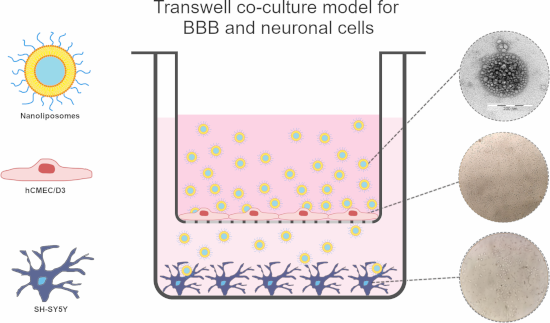
- the physicochemical characteristics and effectiveness of nanoliposomal (NLs) formulations. However, there has been minimal focus on elucidating nano–bio interactions and understanding the behavior of these formulations at organ and cellular levels. Specifically, it is widely recognized that when
- evolution of physicochemical characteristics and surface properties of NLs in biorelevant media. Additionally, in order to point out the influence of specific characteristics on the brain targeting potential of these formulations, we investigated interactions between NLs and blood–brain barrier (BBB, hCMEC
- therapeutic outcomes [3][5]. Namely, current research on NLs predominantly focuses on their physicochemical characteristics and efficiency, but minimal attention has been given to understanding the nano–bio interactions at organ and cellular levels. When exposed to biological fluids, nanodelivery systems like




Development and in vitro evaluation of liposomes and immunoliposomes containing 5-fluorouracil and R-phycoerythrin as a potential phototheranostic system for colorectal cancer
Beilstein J. Nanotechnol. 2026, 17, 97–121, doi:10.3762/bjnano.17.7
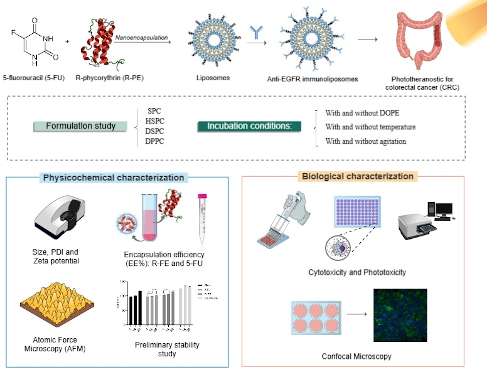
- lyophilized samples to Fourier-transform infrared (FTIR) spectroscopy in an FTIR spectrophotometer (IRTracer-100, Shimazdzu, Japan), with a horizontal attenuated total reflectance accessory. The scan was performed in the range of 500 to 4000 cm−1 [27]. 2.5 Stability study After physicochemical
- liposome formulations that showed the best performance are described in Table 3. Therefore, the increase in 5-FU encapsulation in liposomes upon adding R-PE was confirmed. 3.2 Development and characterization of immunoliposomes Table 4 presents the physicochemical characterization of immunoliposome
- were recorded. The shift in zeta potential to less negative values after incubation indicates partial neutralization of surface charges by the serum components, a typical phenomenon in physiological environments. This change, however, did not significantly compromise the physicochemical stability of

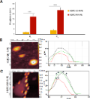


Quantitative estimation of nanoparticle/substrate adhesion by atomic force microscopy
Beilstein J. Nanotechnol. 2026, 17, 1–14, doi:10.3762/bjnano.17.1

- [5] and physicochemical properties [6]. Among these properties, particle adhesion (which is determined by the interaction between the NP and the substrate) and the interface formed between NPs and substrate [7][8] play a decisive role. Particularly when the contact area between NPs and the substrate