Search results
Search for "phytochemicals" in Full Text gives 12 result(s) in Beilstein Journal of Nanotechnology.
Restorative potential of laser-synthesized silver nanoparticles with Salvia officinalis for periodontal disease treatment: an in vitro study
Beilstein J. Nanotechnol. 2026, 17, 781–795, doi:10.3762/bjnano.17.55
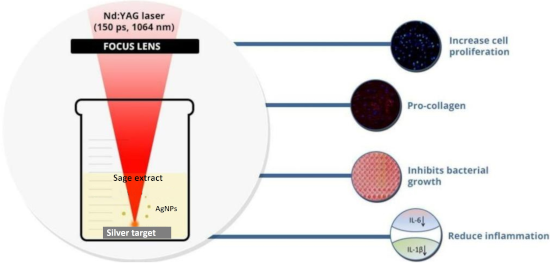
- cells, outlining the concentration limit. Previous studies also showed that the toxicity of AgNPs strongly depends on the size, concentration, and surface modification, and that the synthesis with phytochemicals could reduce their toxicity and improve biocompatibility [43][44]. SageAgNPs6mJ exhibited
- , contaminant-free strategy that integrates nanotechnology with plant-derived phytochemicals to achieve positive therapeutic effects relevant for periodontal therapy. Future work should be focused on in vivo validation, mechanistic insights, and the development of clinically translatable formulations for




On the road to sustainability – application of metallic nanoparticles obtained by green synthesis in dentistry: a scoping review
Beilstein J. Nanotechnol. 2025, 16, 1851–1862, doi:10.3762/bjnano.16.128
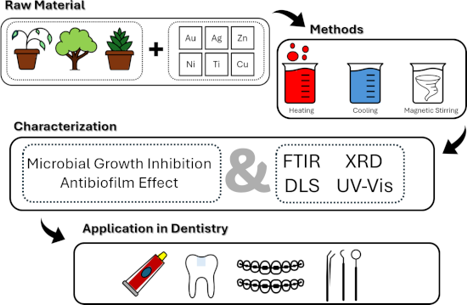
- , Fabaceae and Lamiaceae, stood out as recurrent sources of phytochemicals used in the green synthesis of metallic nanoparticles [9][43]. Nanoparticles derived from these families have been incorporated into dental applications such as restorative materials and endodontic medicaments. In cariology, plant
- phytochemicals not only facilitate the formation of stable colloidal nanostructures but also contribute synergistically to their bioactivity, enhancing their interaction with microbial membranes and disrupting biofilm formation [10][24]. In this study, silver (66%) was the main metal used in nanoparticle
- structural, optical, and chemical properties. FTIR enables the identification of functional groups involved in the reduction and stabilization of nanoparticles, typically derived from phytochemicals in plant extracts used as reducing agents [52][56]. UV–vis spectroscopy is widely employed to monitor


Prospects of nanotechnology and natural products for cancer and immunotherapy
Beilstein J. Nanotechnol. 2025, 16, 1644–1667, doi:10.3762/bjnano.16.116
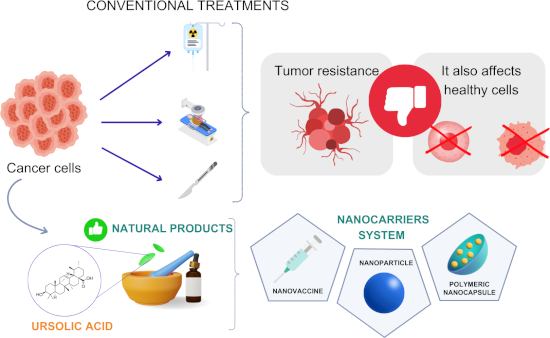
- drug release, toxicity due to the use of organic solvents, the tendency to aggregate in aqueous media, and difficulties in sterilizing the formulation [184]. Furthermore, the technology has advantages when associated with natural products, as phytochemicals show antioxidant and anti-inflammatory


Chitosan nanocomposite containing rotenoids: an alternative bioinsecticidal approach for the management of Aedes aegypti
Beilstein J. Nanotechnol. 2025, 16, 1197–1208, doi:10.3762/bjnano.16.88
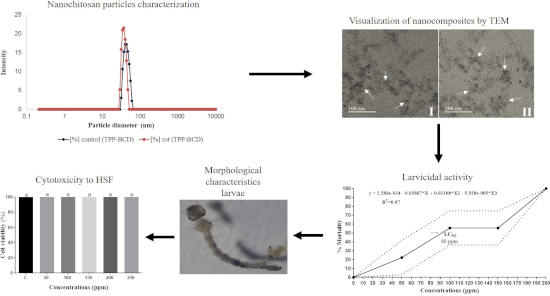
- for vector control. Keywords: dengue; nanoparticle; pest management; phytochemicals; Introduction Climate change has significantly impacted public health, intensifying the proliferation of disease vectors such as those transmitted by the mosquito Aedes aegypti. Environmental conditions exacerbated
- filaments to aid in the excretion of unabsorbed insecticides, unlike susceptible strains that released little or no PM [32]. Additionally, amorphous feces were reported in larvae fed with Derris urucu extracts (rich in rotenoids), suggesting a potential link between exposure to rotenoid-type phytochemicals
- environmentally sustainable solutions by reducing the reliance on synthetic chemical pesticides. By integrating renewable resources such as phytochemicals and chitosan, this work reinforces the potential for the development of green technologies, offering an innovative and promising approach to the management of



Polymer lipid hybrid nanoparticles for phytochemical delivery: challenges, progress, and future prospects
Beilstein J. Nanotechnol. 2024, 15, 1473–1497, doi:10.3762/bjnano.15.118
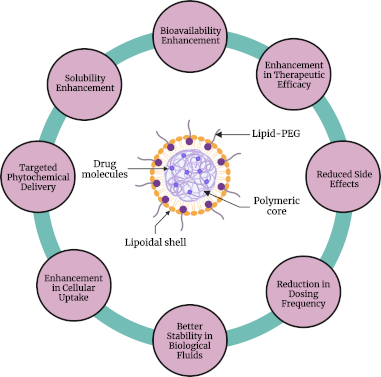
- Institute of Pharmaceutical Sciences and Research, Pimpri Pune-411018, Maharashtra, India Centre for Research Impact & Outcome, Chitkara College of Pharmacy, Chitkara University, Rajpura 140401, Punjab, India 10.3762/bjnano.15.118 Abstract Phytochemicals, naturally occurring compounds in plants, possess a
- hybrid nanoparticles (PLHNPs) have emerged as a novel delivery system that combines the advantages of both polymeric and lipid-based nanoparticles to overcome these challenges. This review explores the potential of PLHNPs to enhance the delivery and efficacy of phytochemicals for biomedical applications
- . We discuss the obstacles in the conventional delivery of phytochemicals, the fundamental architecture of PLHNPs, and the types of PLHNPs, highlighting their ability to improve encapsulation efficiency, stability, and controlled release of the encapsulated phytochemicals. In addition, the surface


Polymer nanoparticles from low-energy nanoemulsions for biomedical applications
Beilstein J. Nanotechnol. 2023, 14, 339–350, doi:10.3762/bjnano.14.29
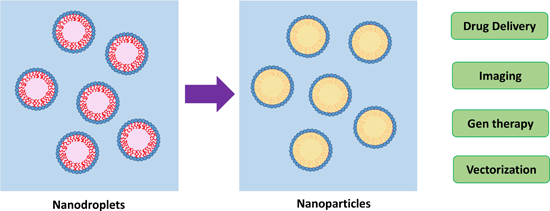
- nanoparticles functionalized with the antibody 8D3. Afamin facilitates the transport of vitamin E to the central nervous system. When the nanoparticles were loaded with a drug, apolipoproteins involved in the transport through the BBB were also identified. Phytochemicals with antioxidant activity have been




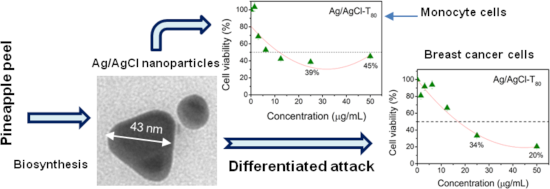
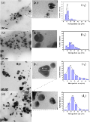
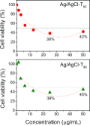
In search of cytotoxic selectivity on cancer cells with biogenically synthesized Ag/AgCl nanoparticles
Beilstein J. Nanotechnol. 2022, 13, 1505–1519, doi:10.3762/bjnano.13.124
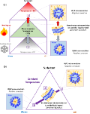
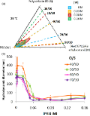
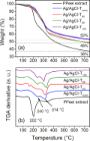
- consistent with Reddy et al. [41], who reported that phytochemicals capped on nanoparticles support thermal stability upon temperature changes. The second situation is the thermal barrier that Ag/AgCl nanoparticles themselves, based on their intrinsic characteristics, provide to the system. This last





Antibacterial activity of a berberine nanoformulation
Beilstein J. Nanotechnol. 2022, 13, 641–652, doi:10.3762/bjnano.13.56
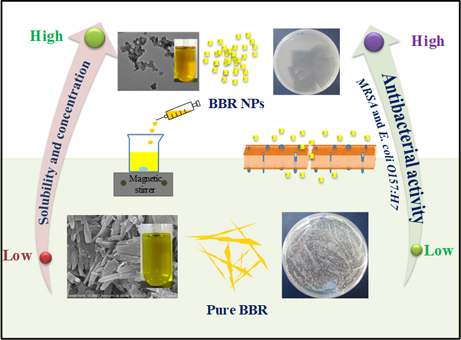
- Phytochemicals are organic substances produced by plants with pharmacological and biological activity. Phytochemical-based medicines have become popular in the pharmaceutical market because of their diversity, availability, low cost, and little or no undesirable side effects [1]. Berberine (BBR) has been widely
- studies have shown evidence that BBR and its derivatives can also fight severe acute respiratory syndrome coronavirus 2 (SARS-CoV-2), which is a current concern worldwide [21][22][23]. The water solubility of phytochemicals plays an important role in the effectiveness of disease treatment. A poor water
- solubility of a drug leads to low drug absorption. Thus, a sufficient drug concentration in plasma is not achieved, and a high therapeutic effect is not reached. As a result, high dose requirements and more adverse side effects limit the development of phytochemicals in the pharmaceutical industry. BBR



A review on the green and sustainable synthesis of silver nanoparticles and one-dimensional silver nanostructures
Beilstein J. Nanotechnol. 2021, 12, 102–136, doi:10.3762/bjnano.12.9
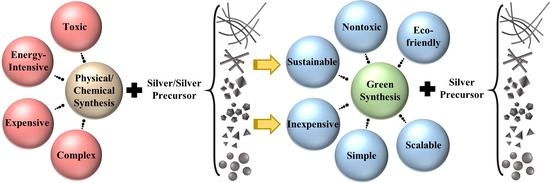
- [140][315]. Later, several studies reported the synthesis of AgNPs using Brassica Juncea [316][317][318][319], in which they reported the presence of AgNPs in plant biomass. It is shown that the major compounds for the synthesis of AgNPs are phytochemicals that naturally exist in plants including
- flavones, terpenoids, catechins, and polyphenols [183][315][320], which may also include carboxylic acids, ketones, and aldehydes functional groups. Many studies have reported synthesis of AgNPs by in-plant phytochemicals in the water-soluble form [321]. This is advantageous because the water-solubility of
- the phytochemical compounds simplifies the process. Various parts of plants such as roots, fruits, seeds, needles, and aerial parts may be used for extraction of phytochemicals [321]. These extracts contain a substantial amount of polyphenols which are strong antioxidants [140][186] with significant


Antimicrobial metal-based nanoparticles: a review on their synthesis, types and antimicrobial action
Beilstein J. Nanotechnol. 2020, 11, 1450–1469, doi:10.3762/bjnano.11.129
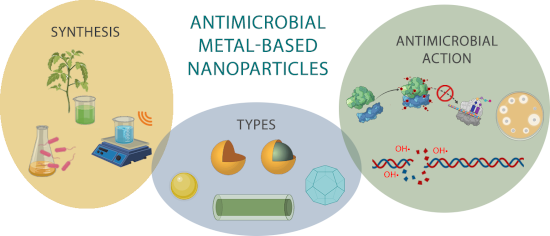
- subsequently transformed into FeO NPs, occurs through an intracellular synthesis pathway since the bacteria or fungi carry the ions to the intracellular space [85]. The use of plants presents some advantages over other production sources since phytochemicals can act as protecting and stabilizing agents


Mechanistic insights into plasmonic photocatalysts in utilizing visible light
Beilstein J. Nanotechnol. 2018, 9, 628–648, doi:10.3762/bjnano.9.59
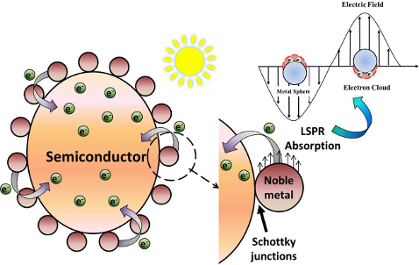
- capsids and DNA origami as biological scaffolds to increase fluorescence intensity by tuning the distance between capsid and Au NPs [155]. In recent years, the phytochemicals present in plant-based and waste materials have been used as reducing and stabilizing agents to prepare plasmonic metals (Au and Ag





Green and energy-efficient methods for the production of metallic nanoparticles
Beilstein J. Nanotechnol. 2015, 6, 2354–2376, doi:10.3762/bjnano.6.243
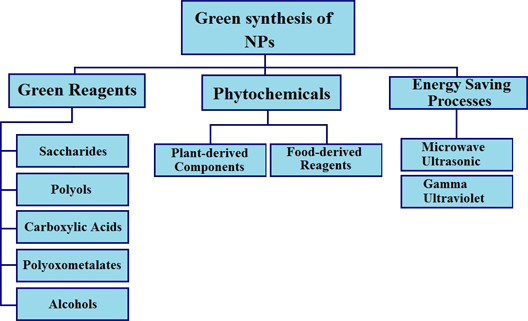
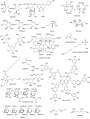
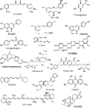
- GO. The bimetallic NPs were smaller than 10 nm [105]. Different green reagents that researchers tested for synthesis of NPs are listed in Table 2. The molecular structures of different green reagents are shown in Figure 3. Phytochemicals Phytochemicals are compounds that occur in plants and exhibit
- phytochemicals, such as terpenoids and flavonoids can be used in the reduction of metal precursors to NPs [67][156]. This synthesis method has the advantages of other biological methods including low cost and being environmentally friendly [157]. However, they should be thoroughly studied for specific
- of 15–45 nm [79]. Awwad and Salem worked on several phytochemicals with reducing capability to produce Ag NPs from AgNO3 at room temperature. They used aqueous extract of mulberry leaves in the reduction process of AgNO3 for 60 min. The produced NPs were spherical and ranged from 20 to 40 nm [58]. In