Search results
Search for "polymerization" in Full Text gives 224 result(s) in Beilstein Journal of Nanotechnology. Showing first 200.
Development of Protium heptaphyllum essential oil-loaded nanocapsules: experimental design and biological activity
Beilstein J. Nanotechnol. 2026, 17, 974–990, doi:10.3762/bjnano.17.67
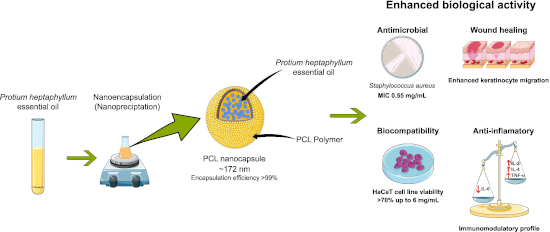
- advantageous, providing increased stability as well as ensuring controlled release and improved interactions with biological matrices [13][14]. They can be engineered using various techniques, such as emulsification–solvent evaporation, interfacial polymerization, solvent displacement, and microfluidics, each
- et al. [15], successfully demonstrated oil-loaded nanocapsules using interfacial polymerization, supporting the importance of evaluating critical parameters like particle size, polydispersity index (PDI), and zeta potential. Building on this evidence, the present study aimed to develop and




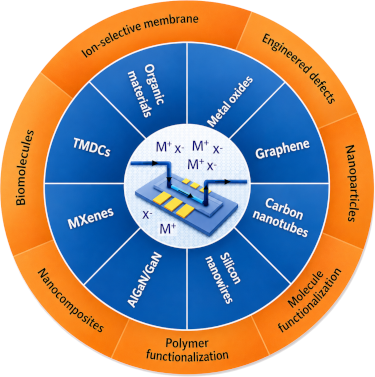
Materials challenges in solid-state sensors for continuous monitoring of ions in water
Beilstein J. Nanotechnol. 2026, 17, 935–973, doi:10.3762/bjnano.17.66



Glycerol photoelectrochemical oxidation reaction at carbon nitrides/BiVO4 materials
Beilstein J. Nanotechnol. 2026, 17, 806–817, doi:10.3762/bjnano.17.57
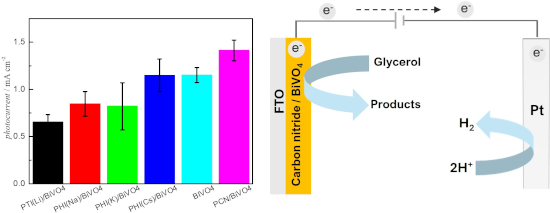
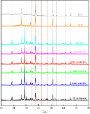
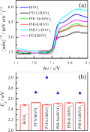
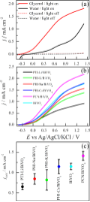
- Synthesis of carbon nitrides The PCN synthesis followed the procedure described by Silva et al. [31]. Briefly, the synthesis was carried out in a hydrothermal reactor for the polymerization of melamine in 25 mL of distilled water at 80 °C for 4 h. At the end of the process, the solvent was evaporated, and




Protein-based custom-designed molecular nanotraps for biomedical applications
Beilstein J. Nanotechnol. 2026, 17, 683–687, doi:10.3762/bjnano.17.47

- proteins were initially functionalized to make them cross-linkable via radical polymerization by introducing side-chain double bonds [14][17]. Next, SilMA or GelMA were dissolved at high dilutions (from 0.01 to 3 mg·mL−1) and allowed to spontaneously assemble into entangled disordered nanometric

Cellulose as a photocatalyst support material: extraction, structural features, and environmental applications
Beilstein J. Nanotechnol. 2026, 17, 635–652, doi:10.3762/bjnano.17.44
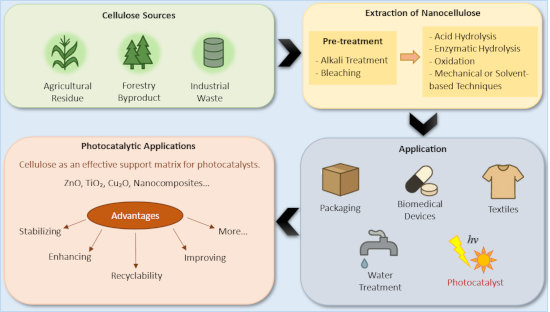
- the cellulose fibers and bind covalently to the crystalline cellulose structure [20]. Its polymerization degree ranges from 10,000 to 20,000 units, depending on the source material. Every glucose monomer in cellulose contains three hydroxy groups that determine its crystalline structure and physical
- , and these fibers interlock through hydrogen bonding to impart both mechanical strength and flexibility to the paper matrix, enabling the production of a wide range of paper products with tailored properties [64]. The fiber morphology and the degree of polymerization of cellulose strongly influence the


Polycatecholamine nanocoatings on stainless steel: the effect on attachment of human fibroblasts and platelets
Beilstein J. Nanotechnol. 2026, 17, 365–380, doi:10.3762/bjnano.17.25
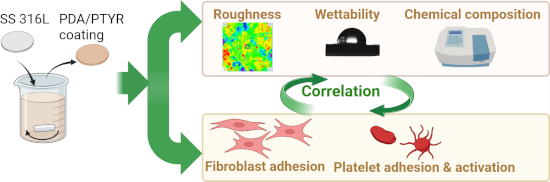
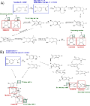
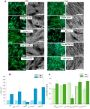
- coatings obtained by self-polymerization at mildly basic pH, or by oxidative routes, improve cell adhesion and proliferation [18], reduce bacterial adhesion by more than 90% [16][19], and markedly enhance hemocompatibility [20]. Long-term stability has been demonstrated through in vivo persistence over
- aggregates stabilized by charge transfer, hydrogen bonding and π–π stacking interactions [12][27][28]. Mechanistic studies indicate that the first step of ʟ-tyrosine polymerization involves hydroxylation of the aromatic ring at the C3 position [12][28][29], after which the pathway resembles dopamine
- oxidation. The resulting polymers contain mixtures of catechol and quinone moieties, as well as primary and secondary amine groups, whose relative proportions depend on the polymerization conditions [12][27][28][29]. The differences in monomer structure and oxidation route (e.g., Fenton-type vs autoxidation




Structure-dependent thermochromism of PAZO thin films: theory and experiment
Beilstein J. Nanotechnol. 2026, 17, 186–199, doi:10.3762/bjnano.17.12
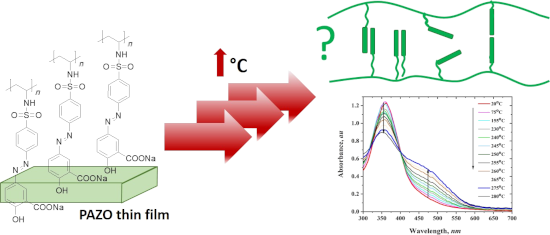
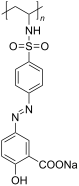
- can vary depending on the polymerization process and the specific PAZO sample, with some having an average weight of 50000 g/mol. Efficient and accurate DFT techniques [27] are able to predict the structure and properties of single- and multi-component systems. High-level DFT calculations with hybrid


Functional surface engineering for cultural heritage protection: the role of superhydrophobic and superoleophobic coatings – a comprehensive review
Beilstein J. Nanotechnol. 2026, 17, 63–96, doi:10.3762/bjnano.17.6
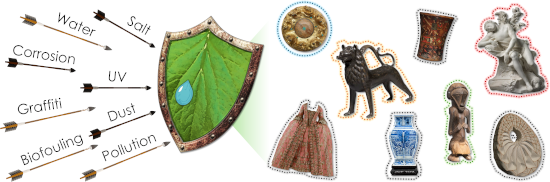
- presented a multifunctional thermal insulation coating incorporating modified vacuum ceramic microbeads (VCMs) to enhance energy efficiency and protection of concrete structures. The VCMs were modified through the polymerization of catechol and hexamethylene diamine, forming a thin poly(catecholamine) (PCA
- formulation allows for the creation of thick, durable coatings (up to 80 µm) without sacrificing polymerization efficiency, as confirmed by Raman spectroscopy. Because of its UV-curing capability, the coating forms a hardened, protective layer within just 1–2 min. By incorporating vinylated alkyd oligomers




Chiral plasmonic nanostructures fabricated with circularly polarized light
Beilstein J. Nanotechnol. 2025, 16, 2245–2264, doi:10.3762/bjnano.16.154
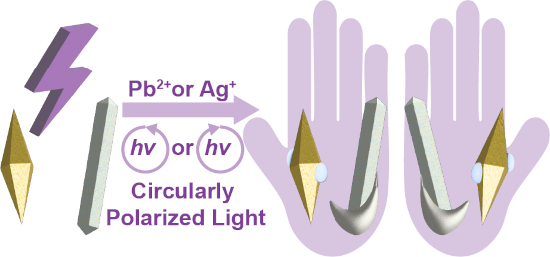
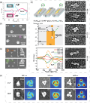
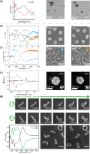
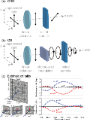
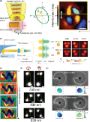
- solutions by sonicating the substrates in an aqueous solution of surfactant. 2.4 Plasmon-mediated polymer motions and polymerization using CPL The enhanced EM field under CPL of achiral PNSs can result in a spatially dissymmetric distribution of light absorption by chromophores. As depicted in Figure 5a
- tetraphenylporphyrin absorbs light and reacts with the monomer divinylbenzene at its excited state, leading to polymerization. The photopolymerization yield is proportional to the EM field, demonstrating a spiral profile after CPL illumination. The authors aimed to use plasmon-mediated polymer motion, as demonstrated





Mechanical property measurements enabled by short-term Fourier-transform of atomic force microscopy thermal deflection analysis
Beilstein J. Nanotechnol. 2025, 16, 1952–1962, doi:10.3762/bjnano.16.136
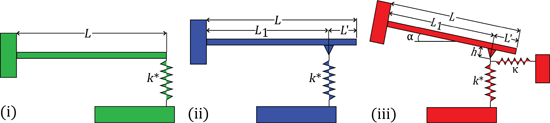
- their polymerization/deposition. The topography of the surface was measured before acquiring a force-versus-distance measurement to ensure that these measurements were acquired on clean and flat regions of the substrate. To observe how the resonant frequency of the AFM cantilever changes as the attached




Exploring the potential of polymers: advancements in oral nanocarrier technology
Beilstein J. Nanotechnol. 2025, 16, 1751–1793, doi:10.3762/bjnano.16.122
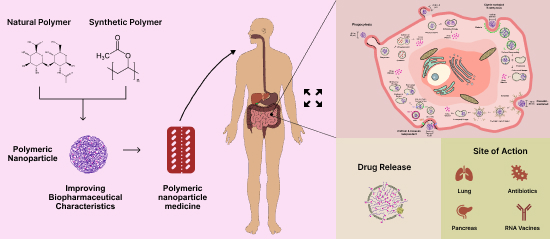
- reference in formulation development, the design of PNs expands the delivery possibilities for drugs in all four BCS classes by overcoming limitations related to poor solubility or permeability [34]. Among the various techniques used for preparing NPs, the polymerization of monomers or dispersion of
- preformed polymers are the most commonly used techniques. Methods based on the polymerization of monomers include emulsion polymerization, miniemulsion, microemulsion, and interfacial polymerization, which differ in initiation mechanisms and stabilization strategies. Emulsion polymerization, for instance
- , can occur in organic or aqueous continuous phases, with the latter offering a reduction of toxic solvent residues. Miniemulsion and microemulsion methods provide better control over particle size and distribution, although microemulsion polymerization often requires higher concentrations of


Prospects of nanotechnology and natural products for cancer and immunotherapy
Beilstein J. Nanotechnol. 2025, 16, 1644–1667, doi:10.3762/bjnano.16.116
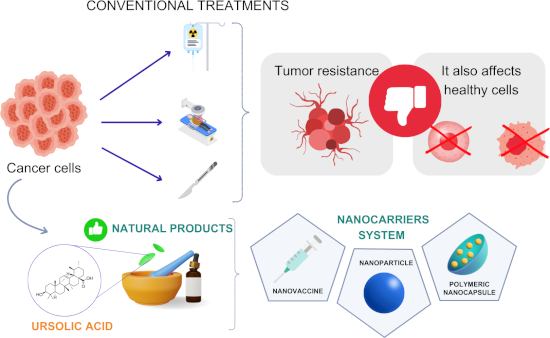
- nanoparticles can be synthesized using methods such as direct polymerization of monomers, nanoprecipitation, solvent evaporation emulsification, dispersion of preformed polymers, or salting-out [27]. For cancer and immunotherapy, polymeric nanoparticles offer advantages such as biocompatibility, stimulation of
- methods for developing PNCs involve appropriate materials and various production techniques, including emulsion polymerization, layer-by-layer self-assembly, interface polymerization, nanoprecipitation, spray-drying, and supercritical fluids [179][180]. This technology offers the ability to encapsulate


Dendrimer-modified carbon nanotubes for the removal and recovery of heavy metal ions from water
Beilstein J. Nanotechnol. 2025, 16, 1522–1532, doi:10.3762/bjnano.16.107

- morphological change during the dendrimer growth process. Moreover, there were no carbon particulates associated with residual carbon polymerization indicating uniform dendrimer growth over the surface of CNTs. However, changes in terms of degree of aggregation were observed (Figure 2). The aggregation among
- the successful successive growth of branched polymeric dendrimers across the respective samples. Moreover, the presence of N– element clearly indicates the involvement of EDA in subsequent polymerization reactions. A trace metal adsorption study was conducted using the dendrimerized CNTs as described


The role of biochar in combating microplastic pollution: a bibliometric analysis in environmental contexts
Beilstein J. Nanotechnol. 2025, 16, 1401–1416, doi:10.3762/bjnano.16.102
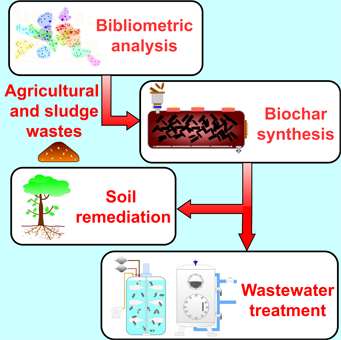
- structure, facilitates enhanced physical and chemical adsorption, as well as electrostatic interactions, thereby improving the removal of small MP particles [34]. Additionally, PS adsorption mechanisms suggest that MP self-polymerization and the strengthened metal–O bonding in nano-iron-modified biochar



Parylene-coated platinum nanowire electrodes for biomolecular sensing applications
Beilstein J. Nanotechnol. 2025, 16, 1392–1400, doi:10.3762/bjnano.16.101
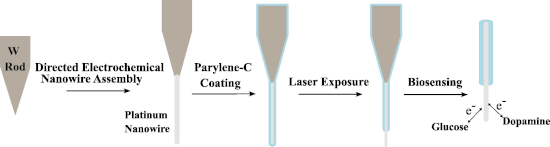
- Figure 6, two BriskHeat heating tapes were used for the sublimation part (170 °C) and the valve (295 °C). A Thermcraft tube furnace was used for the pyrolysis part (690 °C), and the polymerization (deposition) chamber was an Edwards FL20K foreline trap. A BVV cold trap was used to catch uncoated parylene


Synthesis and antibacterial properties of nanosilver-modified cellulose triacetate membranes for seawater desalination
Beilstein J. Nanotechnol. 2025, 16, 1380–1391, doi:10.3762/bjnano.16.100
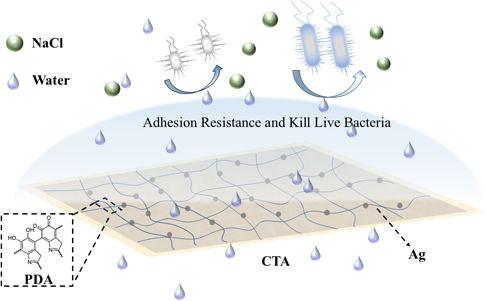
- membranes exhibited outstanding antibacterial performance against Escherichia coli and Staphylococcus aureus [22]. Mayyahi introduced TiO2 nanoparticles into the polyamide layer of traditional TFC membranes by interfacial polymerization with m-phenylenediamine to create a thin film nanocomposite (TFN
- sample. The low concentration of PDA and Ag may result in characteristic peaks being masked by noise; thus no significant differences are observed in the FTIR curves of the three materials. To confirm the successful polymerization of dopamine into PDA, the dark brown layer adhering to the PCTA membrane
- solution immediately triggered the polymerization of dopamine monomers, accompanied by a color change from light brown to deep brown or black after 24 h, as illustrated in Supporting Information File 1, Figure S2. In this process, the protons generated from the oxidation process are consumed, shifting the


Hydrogels and nanogels: effectiveness in dermal applications
Beilstein J. Nanotechnol. 2025, 16, 1216–1233, doi:10.3762/bjnano.16.90
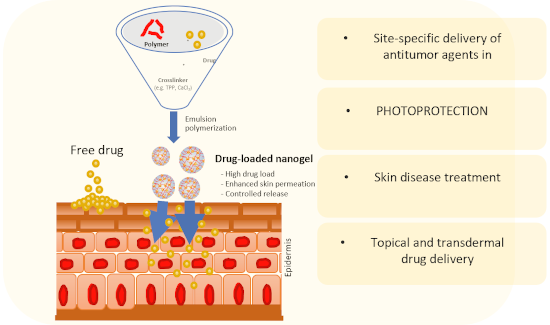
- stimuli such as heating/cooling [45][46]. Polymer chemical cross-linking can be performed by the formation of a network structure from monomers by polymerization or post-cross-linking of linear polymers with a cross-linking agent. Examples of chemical cross-linking methods are covalent bonding between
- polymer chains accomplished by irradiation, condensation reaction, radical polymerization, or chemical reactions [14][43][47]. Cross-linking agents or cross-linkers are symmetrical bifunctional compounds that contain two or more reactive ends capable of chemically attaching to specific functional groups
- nucleic acids and proteins [48][132]. Different techniques have been tested for the preparation of chitosan hydrogels, including ionotropic gelation [76], emulsion polymerization [108], and copolymerization [57][133]. Chitosan can be cross-linked with several organic and inorganic compounds due to its


Efficiency of single-pulse laser fragmentation of organic nutraceutical dispersions in a circular jet flow-through reactor
Beilstein J. Nanotechnol. 2025, 16, 711–727, doi:10.3762/bjnano.16.55
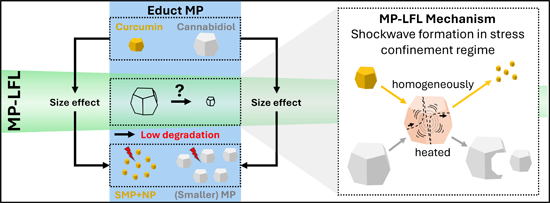
- diketone moiety, initiating the formation of vanillin and ferulic acid [57][58]. This is in line with the formation of lower molecular weight products indicated in Figures S7–S9, Supporting Information File 1. Furthermore, polymerization of these phenolic compounds is reported [58], which is verified by


Nanomaterials in targeting amyloid-β oligomers: current advances and future directions for Alzheimer's disease diagnosis and therapy
Beilstein J. Nanotechnol. 2025, 16, 561–580, doi:10.3762/bjnano.16.44
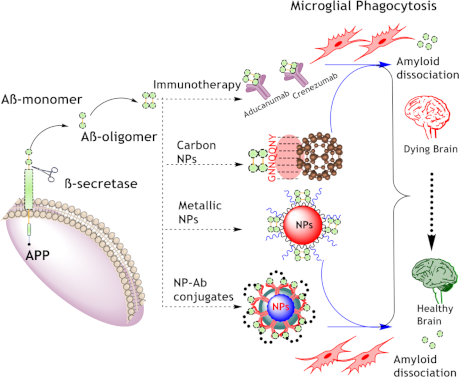
- process, as illustrated in Figure 1. The first two pathways fall under the “on-pathway” model, which includes nucleated polymerization and nucleated conformational conversion. These models suggest that oligomers are transient species that form as intermediates during the transition from monomers to mature


Synthetic-polymer-assisted antisense oligonucleotide delivery: targeted approaches for precision disease treatment
Beilstein J. Nanotechnol. 2025, 16, 435–463, doi:10.3762/bjnano.16.34

- )) targeting solid tumours [66]. Triblock copolymers comprising poly(2-ethyl-2-oxazoline) (PEtOx), poly(2-n-propyl-2-oxazoline) (PnPrOx), and PLL (Mw = 6.9 kDa, degree of polymerization (DP) = 42) segments allowed for the formation of compartmentalised micelles bearing a hydrophilic PEtOx shell, a


Engineered PEG–PCL nanoparticles enable sensitive and selective detection of sodium dodecyl sulfate: a qualitative and quantitative analysis
Beilstein J. Nanotechnol. 2025, 16, 385–396, doi:10.3762/bjnano.16.29
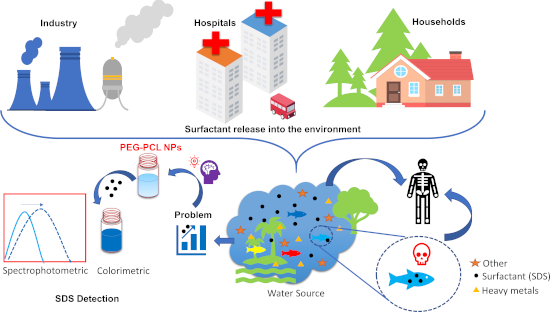
- , labor-intensive, and require specialized technical expertise. This study developed a novel colorimetric method for the selective and sensitive detection of SDS, utilizing polyethylene glycol-polycaprolactone nanoparticles (PEG–PCL NPs) synthesized via a ring-opening polymerization approach. The
- vigorously stirred in a silicon oil bath at 130 °C. Subsequently, a syringe introduced 2 mL of ε-caprolactone and 1 mL of stannous octoate (as a reaction catalyst) into the molten mPEG. The polymerization reaction was conducted under vacuum with continuous stirring at 130 °C for 24 h. After the
- polymerization, the resulting complexes were cooled down to room temperature, dissolved in DCM, and precipitated using an excess of cold diethyl ether. The precipitates were isolated by filtration using filter paper and dried under vacuum. The collected PEG–PCL NPs were then subjected to further characterization


Enhancing mechanical properties of chitosan/PVA electrospun nanofibers: a comprehensive review
Beilstein J. Nanotechnol. 2025, 16, 286–307, doi:10.3762/bjnano.16.22

- blending of functional agents in the polymer solution, wet chemical methods, surface graft polymerization, and plasma treatment [160]. Low-temperature plasma offers advantages over other techniques in terms of lower energy consumption, faster processing, and minimal solvent use [161]. By appropriately
- number of adsorption sites on the surface, improve mechanical properties, enhance hydrophilicity and wettability, and stabilize nanofibers in aqueous solutions [156]. Numerous techniques have been developed to modify the surface properties of electrospun nanofibers, including surface graft polymerization


Synthesis and the impact of hydroxyapatite nanoparticles on the viability and activity of rhizobacteria
Beilstein J. Nanotechnol. 2025, 16, 216–228, doi:10.3762/bjnano.16.17
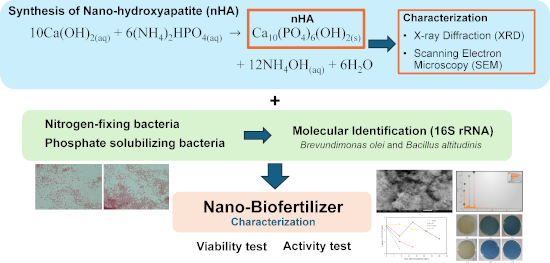
- cycles consisting of denaturation at 94 °C for 45 s, annealing at 52 °C for 1 min, and elongation at 72 °C for 1 min. After the final cycle, polymerization continued at 72 °C for 5 min. The PCR products were then analyzed by electrophoresis on a 1% agarose gel. Visualization was performed under UV light


A review of metal-organic frameworks and polymers in mixed matrix membranes for CO2 capture
Beilstein J. Nanotechnol. 2025, 16, 155–186, doi:10.3762/bjnano.16.14
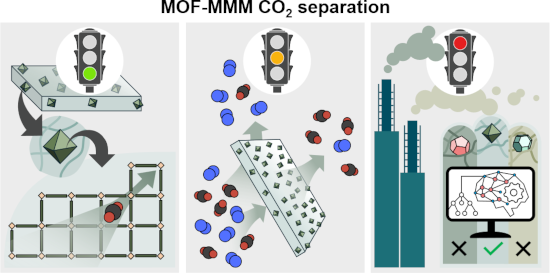
- linkers are rigid and contain at least two functional groups, which allow for their polymerization with the metal ions to form stable and well-defined 3D structures. A plethora of different linkers (e.g., 2,5-dioxido-1,4-benzenedicarboxylic acid (H2DOBDC), 1,3,5-benzenetricarboxylic acid (H3BTC), and 1,4




TiO2 immobilized on 2D mordenite: effect of hydrolysis conditions on structural, textural, and optical characteristics of the nanocomposites
Beilstein J. Nanotechnol. 2025, 16, 128–140, doi:10.3762/bjnano.16.12
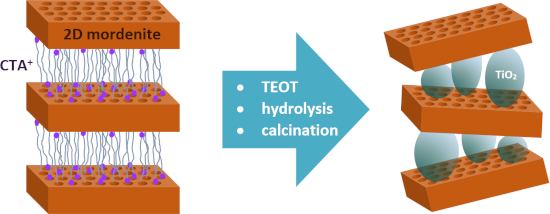
- derivatives compared to Si(OR)4 leads to a high propensity for oligomerization and polymerization of metal alkoxides after the first stages of hydrolysis. In the case of tetraethoxysilane, the overall reaction can be written as [29]: The situation in the case of titanium alkoxides is more ambiguous. In a