


Search results
Search for "structural properties" in Full Text gives 181 result(s) in Beilstein Journal of Nanotechnology.
Cellulose as a photocatalyst support material: extraction, structural features, and environmental applications
Beilstein J. Nanotechnol. 2026, 17, 635–652, doi:10.3762/bjnano.17.44
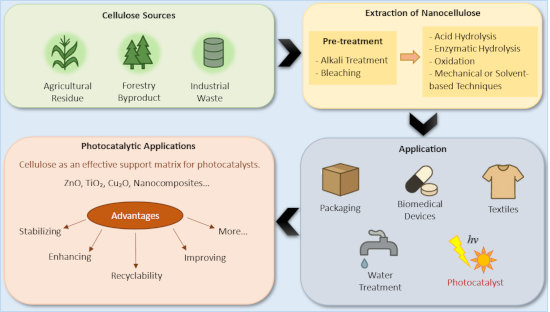
- cellulose’s structural properties and photocatalytic functionality offers a green and efficient solution to pressing environmental challenges. Overall, this review underscores the importance of cellulose not only as a raw material but also as an active component in next-generation, eco-friendly photocatalytic
- groups that contribute to the unique reactivity and structural properties of the polymer. These hydroxy groups enable extensive hydrogen bonding between polymer strands; together with van der Waals forces, they drive the cellulose molecules to align and stack in parallel, ultimately giving rise to the


Two-step laser synthesis of Ag@TiO2 nanomaterials for the photocatalytic degradation of rhodamine B
Beilstein J. Nanotechnol. 2026, 17, 622–634, doi:10.3762/bjnano.17.43
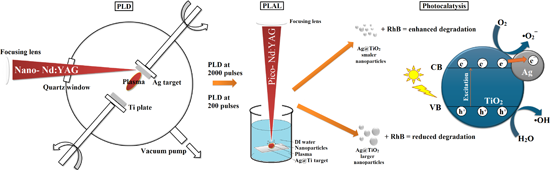
- via the two steps pulsed laser deposition (PLD) and PLAL. First, using different numbers of laser pulses (200 and 2000 pulses), different amounts of Ag were ablated and deposited on pure Ti targets. Second, in order to investigate how the pulse number influences structural properties and


Synthesis of Cu–Mo/TiO2 and Co–Mo/TiO2 photocatalysts for the efficient degradation of organic pollutants in water
Beilstein J. Nanotechnol. 2026, 17, 559–570, doi:10.3762/bjnano.17.37
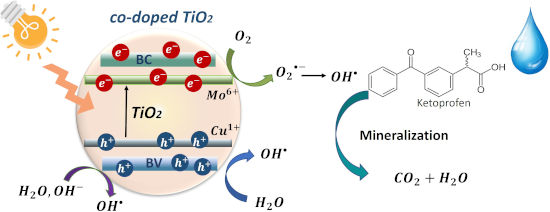
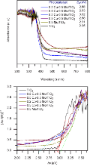
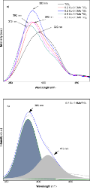
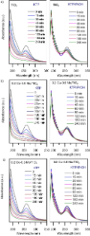
- oxidation potential and better surface properties [27]. It is expected that the structural properties of the co-doped materials will promote the photocatalytic oxidation reaction. A decrease in the intensity of the diffraction peaks and the appearance of wider peaks were observed with increasing Cu and Co



Defects and defect-mediated engineering of two-dimensional materials: challenges and open questions
Beilstein J. Nanotechnol. 2026, 17, 454–488, doi:10.3762/bjnano.17.31





Nanoinformatics: spanning scales, systems and solutions
Beilstein J. Nanotechnol. 2026, 17, 423–427, doi:10.3762/bjnano.17.28

- Boost) and used to establish statistically significant relationships between the structural properties of the TiO2 nanomaterials and the cause of cytotoxicity. The experiment-independent periodic table descriptors utilised here were found to produce better predictions than quantum chemical descriptors

Durable antimicrobial activity of fabrics functionalized with zeolite ion-exchanged nanomaterials against Staphylococcus aureus and Escherichia coli
Beilstein J. Nanotechnol. 2026, 17, 262–274, doi:10.3762/bjnano.17.18
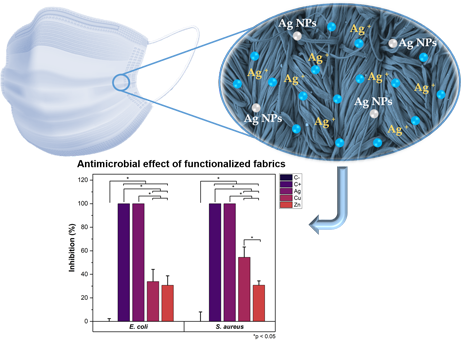
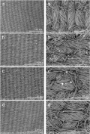
- physicochemical characterization of these materials, including metal content, morphology, and structural properties was reported in [4]. Materials characterization The morphology of the fabrics with and without NPs was analyzed by SEM. Images were acquired in a Hitachi SU3500 microscope operating at an




Reduced graphene oxide paper electrode for lithium-ion cells – towards optimized thermal reduction
Beilstein J. Nanotechnol. 2026, 17, 24–37, doi:10.3762/bjnano.17.3
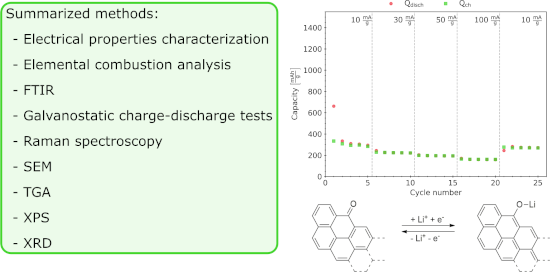
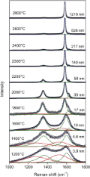
- samples per material, that is, M300, T400, T600, and T800. Raman spectroscopy The structural properties of the rGO paper sheets were studied with Raman spectroscopy (InVia Renishaw spectrometer). The spectra were collected with three accumulations, a 10 s exposure time, and 1% laser power (laser
- stability of the cell’s performance was improved with increasing reduction temperature. Changes in structural properties revealed by Raman spectroscopy influenced the electrochemical properties of these materials, probably due to the decreased charge transfer resistance and balanced electronic and ionic



Improving magnetic properties of Mn- and Zn-doped core–shell iron oxide nanoparticles by tuning their size
Beilstein J. Nanotechnol. 2025, 16, 2285–2295, doi:10.3762/bjnano.16.157

- their structural properties and confirms the successful formation of both core and core–shell structures (Figure 4). The Fe–O stretching vibrations in spinel ferrites typically appear within the range of 500–650 cm−1, with tetrahedral Fe–O bonds generally observed around 550–600 cm−1. However, in the



Self-assembly and adhesive properties of Pollicipes pollicipes barnacle cement protein cp19k: influence of pH and ionic strength
Beilstein J. Nanotechnol. 2025, 16, 1863–1872, doi:10.3762/bjnano.16.129
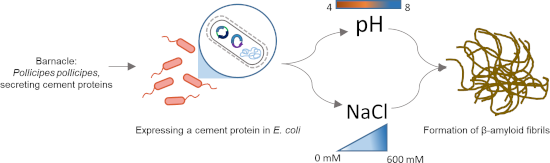
- (basic pH with high salt concentration) or proposed gland-like (acidic pH with low salt concentration) conditions [28][29][30][31], however, with much still unknown about their structural properties or mechanical function under varied environmental conditions. Among P. pollicipes cement proteins, cp19k


Venom-loaded cationic-functionalized poly(lactic acid) nanoparticles for serum production against Tityus serrulatus scorpion
Beilstein J. Nanotechnol. 2025, 16, 1633–1643, doi:10.3762/bjnano.16.115
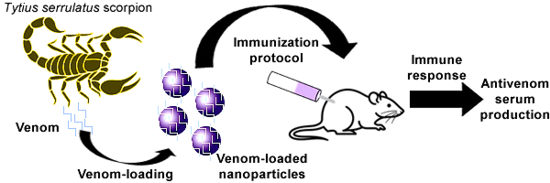
- vitro, creates a challenge for drug delivery systems aiming to effectively target affected tissues or cells [14][15]. Nanocarriers have been widely studied for enabling prolonged circulation and sustained drug release over time, depending on their structural properties [16][17]. Therefore, protein


Laser processing in liquids: insights into nanocolloid generation and thin film integration for energy, photonic, and sensing applications
Beilstein J. Nanotechnol. 2025, 16, 1428–1498, doi:10.3762/bjnano.16.104






Ferroptosis induction by engineered liposomes for enhanced tumor therapy
Beilstein J. Nanotechnol. 2025, 16, 1325–1349, doi:10.3762/bjnano.16.97
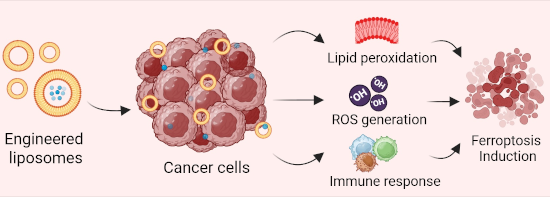
- hydrophobic substances and offer additional advantages such as biocompatibility, biodegradability, low toxicity, lack of immunogenicity, and flexibility for chemical and structural modifications [142][143]. Recent developments in liposomes focus on modifying their chemical and structural properties to target


Enhancing the photoelectrochemical performance of BiOI-derived BiVO4 films by controlled-intensity current electrodeposition
Beilstein J. Nanotechnol. 2025, 16, 1289–1301, doi:10.3762/bjnano.16.94
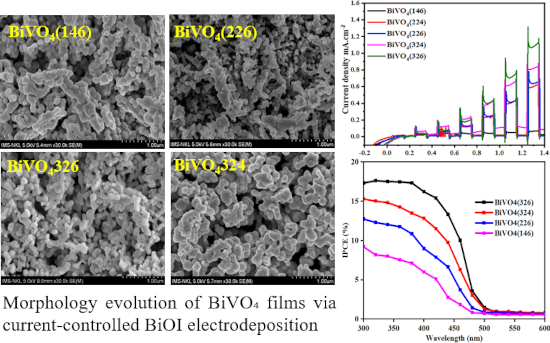
- optimized photoanodes. The IPCE measurements (Figure 6b) over the wavelength range of 300–500 nm showed that BiVO4(326) exhibited a peak IPCE value of 18.1%, which was significantly higher than the 8.9% of BiVO4(146). This increase is consistent with the improved optical absorption and structural properties



Electronic and optical properties of chloropicrin adsorbed ZnS nanotubes: first principle analysis
Beilstein J. Nanotechnol. 2025, 16, 1184–1196, doi:10.3762/bjnano.16.87
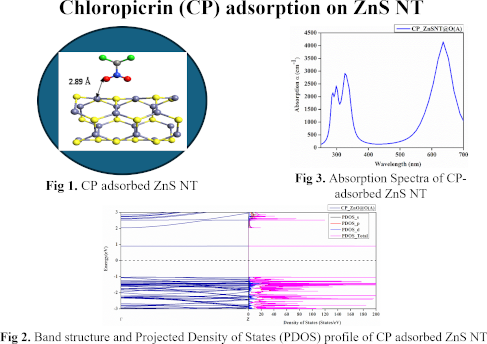
- slight strain in the lattice. A vacuum slab of 20 Å thickness was introduced along the radial direction to minimize spurious interactions between adjacent NT images in the simulation. This ensures that the periodic boundary conditions do not artificially influence the electronic and structural properties


Influence of ion beam current on the structural, optical, and mechanical properties of TiO2 coatings: ion beam-assisted vs conventional electron beam evaporation
Beilstein J. Nanotechnol. 2025, 16, 1097–1112, doi:10.3762/bjnano.16.81
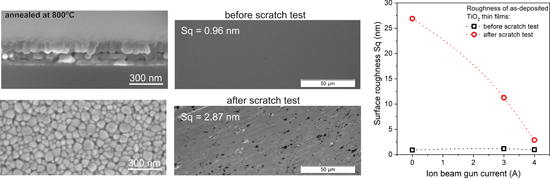
- Fisher Scientific Raman Microscope), and SEM imaging (FEI Nova NanoSEM 230) were carried out to evaluate the structural properties and morphology of the prepared coatings. The optical characteristics of the prepared films were investigated with the use of an Ocean Optics QE65000 spectrophotometer in the




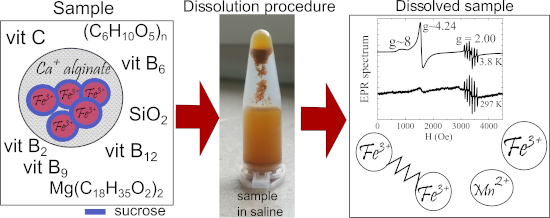
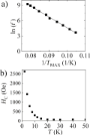
Changes of structural, magnetic and spectroscopic properties of microencapsulated iron sucrose nanoparticles in saline
Beilstein J. Nanotechnol. 2025, 16, 762–784, doi:10.3762/bjnano.16.59





Synthesis of a multicomponent cellulose-based adsorbent for tetracycline removal from aquaculture water
Beilstein J. Nanotechnol. 2025, 16, 728–739, doi:10.3762/bjnano.16.56
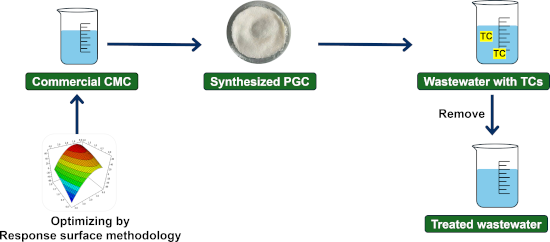
- -based multicomponent adsorbent material (PGC) synthesized from sodium carboxymethyl cellulose and investigated factors influencing its TC adsorption capacity. The synthesis process was optimized using parameters derived from the response surface methodology. The surface and structural properties of PGC
- concentration of 60 mg·L–1 at pH 6–7, reaching equilibrium after 12 h. The surface characteristics and structural properties of PGC were determined using various material characterization techniques, including FTIR, SEM, EDX, and BET. Verification experiments under optimal conditions confirmed that the


Nanostructured materials characterized by scanning photoelectron spectromicroscopy
Beilstein J. Nanotechnol. 2025, 16, 700–710, doi:10.3762/bjnano.16.54
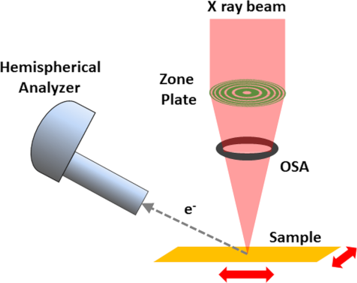
- decades, many characterization tools used to investigate chemical, electronic, or structural properties of materials have been developed or upgraded to match the requirements imposed by nanotechnology. Imaging capabilities covering from meso- to atomic scales, spatially resolved spectroscopies with
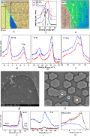


High-temperature epitaxial growth of tantalum nitride thin films on MgO: structural evolution and potential for SQUID applications
Beilstein J. Nanotechnol. 2025, 16, 690–699, doi:10.3762/bjnano.16.53
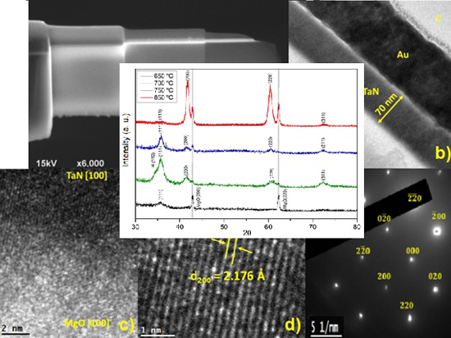
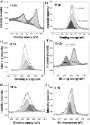
- measurements focused on the core levels of Ta 4f, N 1s, C 1s, and O 1s, with the peak areas calculated after linear background subtraction. This analysis provided insights into the stoichiometry and impurity levels in the films, which are crucial for optimizing their superconducting and structural properties


Polyurethane/silk fibroin-based electrospun membranes for wound healing and skin substitute applications
Beilstein J. Nanotechnol. 2025, 16, 591–612, doi:10.3762/bjnano.16.46
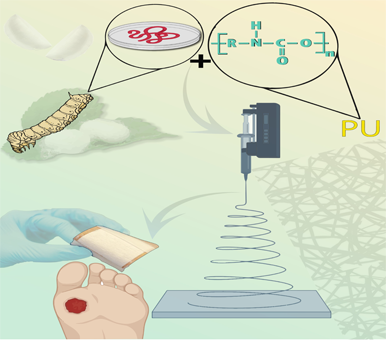
- silk fibroin (SF) and highlights their benefits as a skin substitute. This review also highlights the electrospinning technique used to prepare nanofibers for these biomedical applications. Silk, well-known for its excellent biocompatibility, biodegradability, structural properties, and low immunogenic



Nanomaterials in targeting amyloid-β oligomers: current advances and future directions for Alzheimer's disease diagnosis and therapy
Beilstein J. Nanotechnol. 2025, 16, 561–580, doi:10.3762/bjnano.16.44
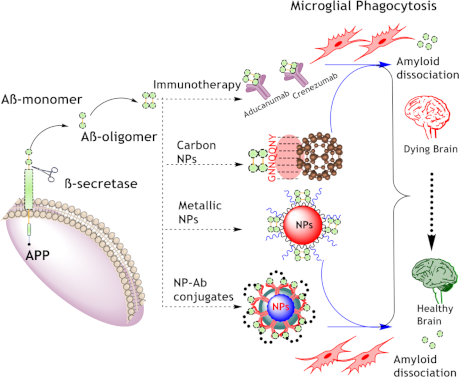
- aggregation of amyloid-β (Aβ) peptides, primarily Aβ40 and Aβ42. These oligomers typically consist of a limited number of Aβ monomers, often ranging from trimers to tetramers, but they can form larger aggregates under certain conditions. Their small size and unique structural properties contribute to several
- Aβ42. Such findings highlight the versatility of CNMs in addressing different aspects of amyloid aggregation [74]. In summary, CNMs present a multifaceted approach to the detection and inhibition of AβOs. Their unique structural properties and interactions with amyloid peptides hold significant


N2+-implantation-induced tailoring of structural, morphological, optical, and electrical characteristics of sputtered molybdenum thin films
Beilstein J. Nanotechnol. 2025, 16, 495–509, doi:10.3762/bjnano.16.38
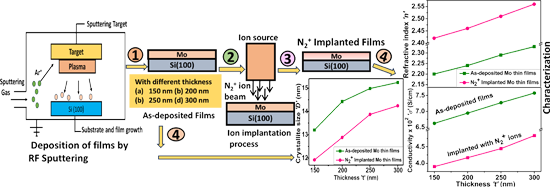
- thicknesses were implanted with 1 × 10¹⁷ N2+·cm−2 at 30 keV using a current density of 4 µA·cm−2. The structural properties of the deposited Mo thin films were investigated using a GXRD Bruker AXS GmbH D8 Advance X-ray diffractometer in grazing incidence geometry, employing Cu Kα radiation with a wavelength


Impact of adsorbate–substrate interaction on nanostructured thin films growth during low-pressure condensation
Beilstein J. Nanotechnol. 2025, 16, 473–483, doi:10.3762/bjnano.16.36

- , subsequent growth kinetics, and final structural properties of thin films. These interactions are influenced by factors such as surface energetics, lattice matching, van der Waals forces, and chemical bonding configurations [20][21]. Strong interactions can lead to ordered nucleation and the formation of


Graphene oxide–chloroquine conjugate induces DNA damage in A549 lung cancer cells through autophagy modulation
Beilstein J. Nanotechnol. 2025, 16, 316–332, doi:10.3762/bjnano.16.24
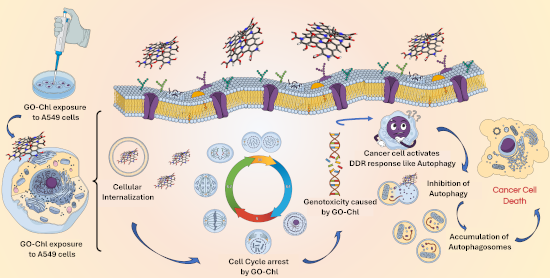
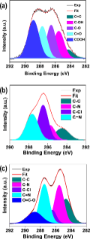
- , Raman spectroscopy was utilized to evaluate the formation of GO (after the oxidation of graphite powder) and the GO–Chl nanoconjugate. The structural properties of graphite and GO nanosheets were investigated through the comprehensive analysis of the characteristic graphitic domain band (G band) and



Enhancing mechanical properties of chitosan/PVA electrospun nanofibers: a comprehensive review
Beilstein J. Nanotechnol. 2025, 16, 286–307, doi:10.3762/bjnano.16.22

- chains in the fibers are not properly aligned, resulting in non-uniform mechanical and structural properties [23]. The incomplete crystallization of the fibers caused by the short and weak stretch process gives the fibers poor mechanical properties [24]. Last, there is the fibers’ random orientation





