


Search results
Search for "surface charge" in Full Text gives 250 result(s) in Beilstein Journal of Nanotechnology. Showing first 200.
Development of Protium heptaphyllum essential oil-loaded nanocapsules: experimental design and biological activity
Beilstein J. Nanotechnol. 2026, 17, 974–990, doi:10.3762/bjnano.17.67
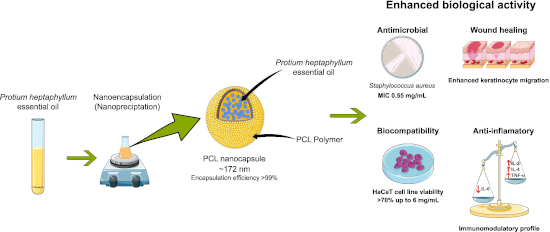
- modulating surface charge through steric and electrostatic stabilization mechanisms. Significant interaction terms (PCL * EO and EO * Tween 80) further suggest that surface organization depends on the balance between polymer matrix composition and surfactant coverage [38]. In contrast, the PDI model
- , which was considered the main optimization criterion. PDI and zeta potential were evaluated as secondary indicators of colloidal homogeneity and physicochemical stability, ensuring that the optimized formulation maintained low size dispersion and adequate surface charge for suspension stability. Data




Materials challenges in solid-state sensors for continuous monitoring of ions in water
Beilstein J. Nanotechnol. 2026, 17, 935–973, doi:10.3762/bjnano.17.66
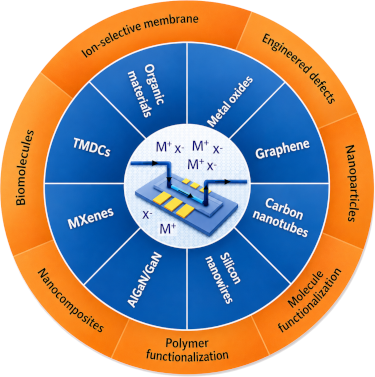
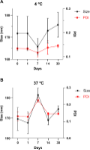
- changes in surface charge can shift its Fermi level significantly, making it highly responsive to external stimuli. Molecules or ions with electric dipoles can therefore easily shift the Fermi level electrostatically. However, its predominantly basal-plane surface, limited density of electrochemically



Nanocarrier strategies to overcome P-glycoprotein-mediated drug resistance in cancer therapy
Beilstein J. Nanotechnol. 2026, 17, 882–921, doi:10.3762/bjnano.17.64
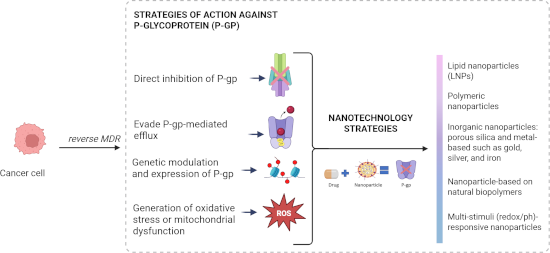
- liposomes, first discovered in the 1960s, which were commonly used to deliver anticancer agents, antibiotics, and vaccines. The size, surface charge, and composition of liposomes influence their biological behavior, biodistribution, and shelf life [45]. Another important class are nanostructured lipid


Nanoparticle delivery systems for HIV pre-exposure prophylaxis (PrEP): advances and challenges
Beilstein J. Nanotechnol. 2026, 17, 839–853, doi:10.3762/bjnano.17.60
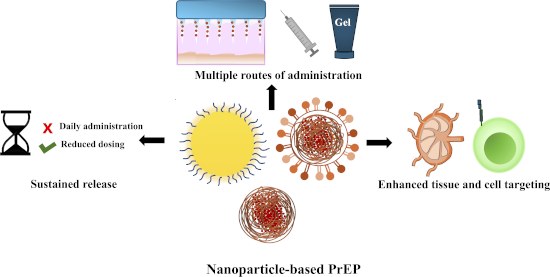
- systems, LBNPs in general allow for a higher flexibility in tuning surface charge and membrane composition to facilitate interactions with immune cells [56]. Both factors enhance the overall ability of targeted delivery. One example of surface functionalized LBNPs for targeted delivery are DRV-loaded SLNs


Substrate-dependent pore formation in molybdenum disulfide monolayers under ion irradiation
Beilstein J. Nanotechnol. 2026, 17, 769–780, doi:10.3762/bjnano.17.54
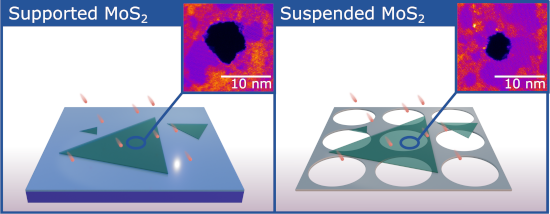
- before it can be converted into local lattice heating. This lowers the energy retained near the ion impact and therefore reduces the probability of pore formation. For HCIs, the initial interaction is governed by near-surface charge exchange within a nanometer-scale zone spanning multiple atoms [54][55


Environmental applications of silver nanoparticles: state-of-the-art review and emerging trends
Beilstein J. Nanotechnol. 2026, 17, 697–736, doi:10.3762/bjnano.17.49
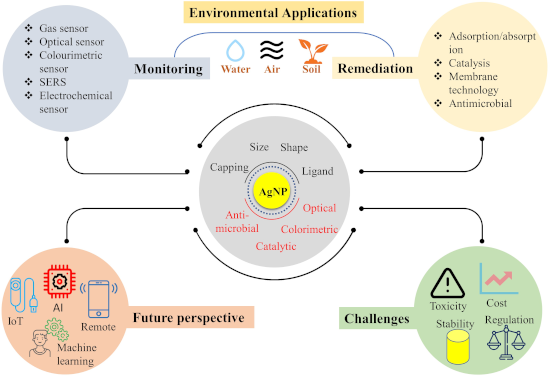
- surface charge in a colloidal solution [49]. DLS measures the size distribution and stability of AgNPs in solution, providing valuable information on their tendency to aggregate or agglomerate [51]. DLS measurements are suitable for isotropic particles and help elucidate the surface properties of AgNPs
- through their interactions with the surrounding medium. Zeta potential measurements are used to assess the surface charge and stability of silver nanoparticles; higher absolute values (>±30 mV) indicate better colloidal stability and resistance to aggregation [52]. This surface charge also validated the
- critical factor influencing the behaviour and toxicity of AgNPs in ecological systems [64]. Surface charge affects the electrostatic interactions between nanoparticles and other charged species in the environment, influencing their aggregation behaviour and mobility. The surface chemistry of silver


Two-step laser synthesis of Ag@TiO2 nanomaterials for the photocatalytic degradation of rhodamine B
Beilstein J. Nanotechnol. 2026, 17, 622–634, doi:10.3762/bjnano.17.43
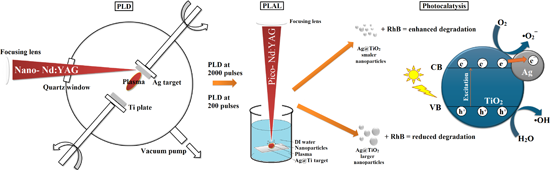
- diameters of particle agglomerates in suspension. The zeta potentials were −13.82 and −14.09 mV, and the electrophoretic mobilities were −1.083 and −1.104 µm·cm·V−1·s−1, respectively. The zeta potential reveals that the nanoparticles possess a negative surface charge, and the magnitude suggests they are in


Synthesis of Cu–Mo/TiO2 and Co–Mo/TiO2 photocatalysts for the efficient degradation of organic pollutants in water
Beilstein J. Nanotechnol. 2026, 17, 559–570, doi:10.3762/bjnano.17.37
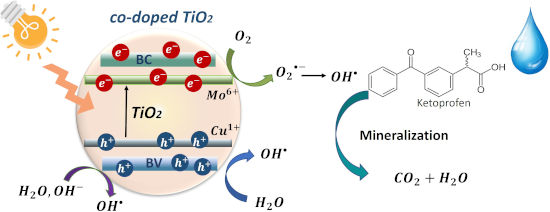
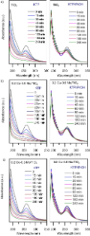
- analysis previously described revealed a lower surface area for this material. However, the different surface charge properties obtained by the surface copper content, and confirmed by the evaluation of PZC could enhance the adsorption ability, improving the subsequent oxidation reaction. Table 2 shows the
- reaction of ketoprofen, indicating that the composition, the light absorption improvement, the generation of surface oxygen vacancy and defects by the dopants, and the surface charge properties in this material enhance the photocatalytic oxidation of ketoprofen. Degradation of ketoprofen was complete after



Nanoinformatics: spanning scales, systems and solutions
Beilstein J. Nanotechnol. 2026, 17, 423–427, doi:10.3762/bjnano.17.28

- Roy constructed a quantitative structure–property relationship (QSPR) model with 132 metal oxide (MeOx) nanomaterials to understand the possible mechanisms of cell membrane damage and the role of zeta potential (a proxy for surface charge) in particular. The results showed that zeta potential, along

From shield to spear: Charge-reversible nanocarriers in overcoming cancer therapy barriers
Beilstein J. Nanotechnol. 2026, 17, 159–175, doi:10.3762/bjnano.17.10
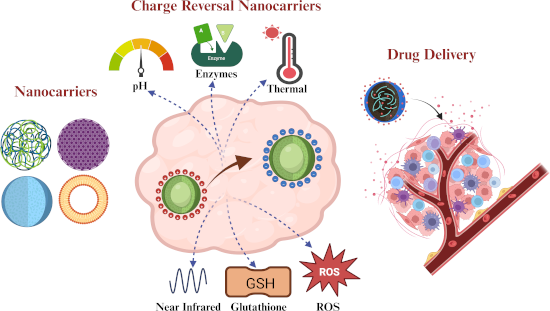
- outcomes over traditional approaches. Among these innovations, charge-reversible nanocarriers have attracted considerable attention due to their ability to overcome physiological and pathological barriers in the tumour microenvironment (TME) by altering their surface charge in response to specific stimuli
- the crucial role of surface charge in cellular uptake and intracellular transport, highlighting recent advances that demonstrate improved targeting, reduced systemic toxicity, enhanced cellular internalisation, and the potential for integrated approaches, including combination therapies and
- advancements in nanocarrier-based cancer therapy, recent research has increasingly emphasised refining their physicochemical traits, especially surface charge, to boost therapeutic outcomes. A notable development in this context is the emergence of charge-reversible nanoscale drug delivery systems (CR-NDDSs


Influence of surface characteristics on the in vitro stability and cell uptake of nanoliposomes for brain delivery
Beilstein J. Nanotechnol. 2026, 17, 139–158, doi:10.3762/bjnano.17.9
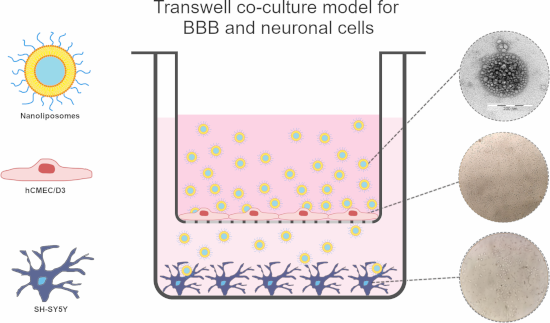
- (i.e. surface charge), the size range of long time circulating NPs may strongly affect their stability, in vivo circulation time, as well as BBB retention, and the possibility of entering into specific interactions with the BBB structures, thus their transport and uptake by brain cells [19]. In this
- equilibrium between endocytosis and exocytosis [47]. Additionally, the literature data suggests that PEG-coated particles with a surface charge between −20 and −40 mV are not capable to cross the BBB probably due to the insufficient dense coating of PEG ([45]). This is in accordance with our results since we
- can conclude that hydrophilicity as well as surface charge can significantly affect the nanosystem delivery to the BBB, and thus brain tissues. When it comes to the cellular uptake of the NLs by the SH-SY5Y cell line, there is a different trend of quantitative internalization among the formulations


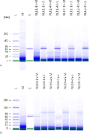
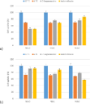


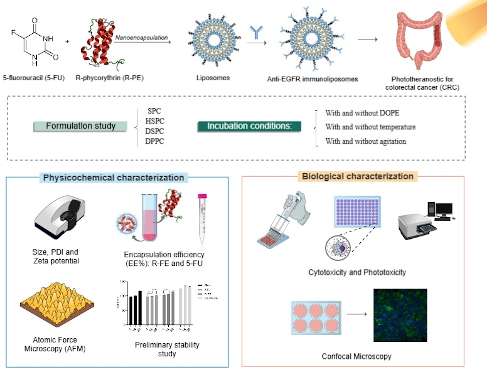
Development and in vitro evaluation of liposomes and immunoliposomes containing 5-fluorouracil and R-phycoerythrin as a potential phototheranostic system for colorectal cancer
Beilstein J. Nanotechnol. 2026, 17, 97–121, doi:10.3762/bjnano.17.7
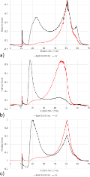
- 50. This increase in negative surface charge may be attributed to changes in the distribution of surrounding counterions, possibly caused by the adsorption or ionization of functional groups at the liposomal surface [47]. Additionally, the exposure of the phosphate moiety to the aqueous environment
- may further contribute to the observed surface charge differences [48]. Among the zeta potential values described in Table 1, only some formulations encapsulated with 5-FU were in the neutrality range, which is −10 to +10 mV. However, some authors consider values greater than −30 to +30 mV to be ideal
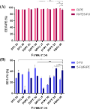
- surface, aggregation, or changes in surface charge [28]. In this study, liposomes and immunoliposomes containing or not 5-FU and R-PE were incubated in 10% bovine serum for up to 48 h, and the parameters of size, polydispersity index, and zeta potential were monitored. In general, conventional liposomes



Ultrathin water layers on mannosylated gold nanoparticles
Beilstein J. Nanotechnol. 2025, 16, 2183–2198, doi:10.3762/bjnano.16.151
- and stability in solution, in terms of hydrodynamic diameter and NP surface charge, respectively. Spectroscopy techniques were used to analyze the chemical composition of the organic ligands locally. We used FTIR for the molecular fingerprint infrared region to find the characteristic peaks of the
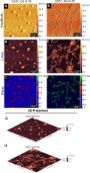
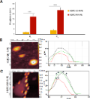
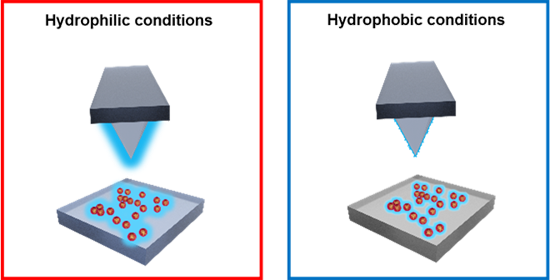
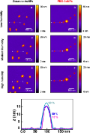
- measurements [24]. They form stable and well-defined organic layers on oxides, for example, on oxidized silicon wafers or glass, where surface charge and hydrophilicity are controlled by selecting the appropriate end groups. We combined all the methods mentioned to carry out AFM at variable RH levels in our
- -AuNPs. In both cases, the NP surface charge in water at pH ~7 was approx. −20 mV. The isoelectric point of carboxylate PEG-capped particles is ~2.5; hence, around pH 7, they should exhibit a negative ZP. This is also compatible with a low carboxylate content, as citrate-capped AuNPs (with a higher



Rapid synthesis of highly monodisperse AgSbS2 nanocrystals: unveiling multifaceted activities in cancer therapy, antibacterial strategies, and antioxidant defense
Beilstein J. Nanotechnol. 2025, 16, 2105–2115, doi:10.3762/bjnano.16.145
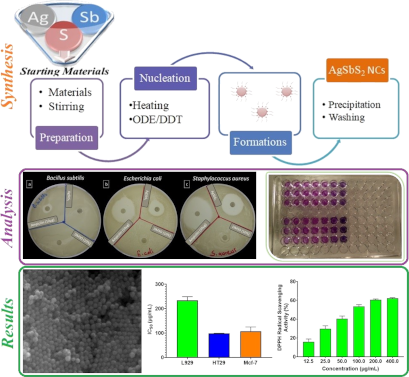
- in this study, it is generally accepted that the surface charge of NCs plays a critical role in their colloidal stability, dispersion behavior, and biological interactions [22][32]. In cubic cuboargyrite phase, there are 14 polyhedra with antimony and silver at the center (Figure 1c). Herein, a
- direct ROS measurement and apoptosis marker assays (e.g., Annexin V/PI staining, caspase-3 activation) will be crucial for validating and further elucidating these mechanistic pathways. The surface charge and zeta potential of AgSbS2 NCs, which strongly influence their colloidal stability and cellular


Toward clinical translation of carbon nanomaterials in anticancer drug delivery: the need for standardisation
Beilstein J. Nanotechnol. 2025, 16, 2092–2104, doi:10.3762/bjnano.16.144
- physicochemical attributes, such as surface charge, further modulate the overall biological profile of CNMs, underscoring the complex interplay between nanoscale properties and biological behaviour [39]. Moreover, post-synthesis surface modifications can substantially diversify the physicochemical properties of a
- atomic force microscopy. Surface charge plays a significant role in determining how CNMs interact with biological membranes and intracellular environments. It influences processes such as cellular uptake, cytotoxicity, and inflammatory signalling. For example, BSA-derived negatively charged CDs exhibited
- enhanced cellular uptake, whereas positively charged CDs elicited stronger cytokine responses [41]. Zeta potential measurements are routinely used to quantify surface charge, which can be tuned through appropriate surface functionalisation strategies. Stability is another essential aspect of NM evaluation



Laser ablation in liquids for shape-tailored synthesis of nanomaterials: status and challenges
Beilstein J. Nanotechnol. 2025, 16, 1963–1997, doi:10.3762/bjnano.16.137





PEGylated lipids in lipid nanoparticle delivery dynamics and therapeutic innovation
Beilstein J. Nanotechnol. 2025, 16, 1914–1930, doi:10.3762/bjnano.16.133
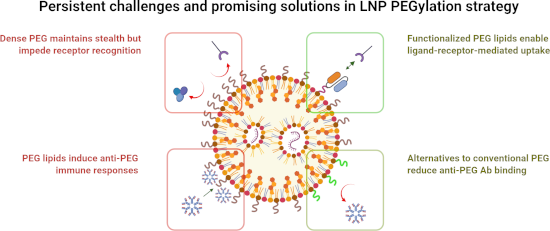
- properties of LNPs including particle size, surface charge, and encapsulation efficiency. Subsequent sections explore the roles of PEG lipids in modulating protein corona formation and cellular uptake. The latter parts highlight the potential of functionalized PEG lipids for targeted delivery and the
- -based LNPs formulated with varying DMPE-PEG2k content from 1 to 5 mol %, changes were observed in nanoparticle diameter, polydispersity index (PDI), surface charge, and payload encapsulation efficiency (EE%). Increasing the PEG lipid content led to a reduction in the hydrodynamic diameter of LNPs, with
- particle size decreasing from 173.9 nm at 1 mol % to 109.1 nm at 5 mol %. Meanwhile, the PDI increased modestly from 0.060 to 0.146 with the increase of PEG density from 1 to 5 mol %, indicating a slight broadening in size distribution and less LNP homogeneity at higher PEG levels. The surface charge on


Exploring the potential of polymers: advancements in oral nanocarrier technology
Beilstein J. Nanotechnol. 2025, 16, 1751–1793, doi:10.3762/bjnano.16.122
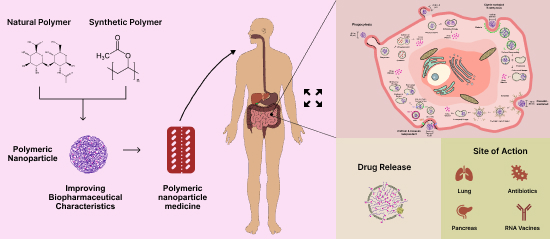
- therapeutic payload and intestinal permeability [17]. PNs represent a viable strategy for overcoming GIT barriers in oral drug delivery. The polymeric composition allows for diverse and sophisticated designs, with primary advantages including the ability to control size, shape, and surface charge. Furthermore
- overall release kinetics [24][32][33]. From a pharmacokinetic perspective, the size, surface charge, and morphology of PNs can modulate their transit through the GIT, and such properties can be tuned during nanoparticle preparation. The choice of manufacturing method considers not only these parameters
- or evaporation, which ultimately defines the nomenclature of each. The selection of suitable polymers is governed by their solubility profiles, interactions with solvents and drugs, and surface charge, which requires careful consideration to meet the therapeutic demands of oral delivery systems [41


Multifunctional anionic nanoemulsion with linseed oil and lecithin: a preliminary approach for dry eye disease
Beilstein J. Nanotechnol. 2025, 16, 1711–1733, doi:10.3762/bjnano.16.120
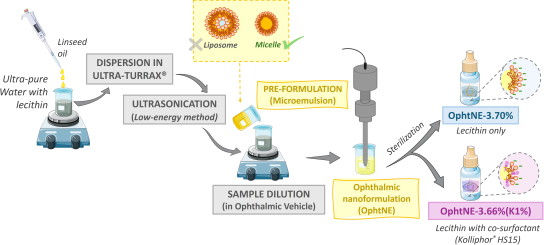
- droplet uniformity with a monodisperse profile [93]; (3) maximizing lecithin’s performance in forming LO droplets through monolayer micelles [81]; (4) avoiding excess surfactant molecules to maintain biocompatibility [94][95]; and (5) maintaining a negative surface charge density greater than −30 mV for



Prospects of nanotechnology and natural products for cancer and immunotherapy
Beilstein J. Nanotechnol. 2025, 16, 1644–1667, doi:10.3762/bjnano.16.116


Venom-loaded cationic-functionalized poly(lactic acid) nanoparticles for serum production against Tityus serrulatus scorpion
Beilstein J. Nanotechnol. 2025, 16, 1633–1643, doi:10.3762/bjnano.16.115
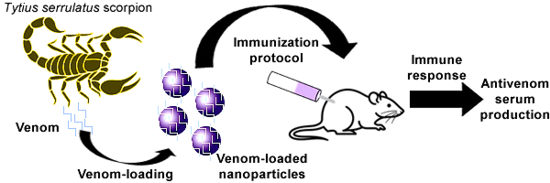
- nanoparticles was functionalized with PEI, a hydrophilic polymer that provides a positive surface charge. This modification enhances high macromolecule loading or improves the cell interaction and cellular uptake [22][33][34]. The cationic character induces biomolecules with negative charges, such as proteins
- functionalized cationic PLA nanoparticles adsorbed with negatively charged proteins was successfully developed by low-energy solvent diffusion method, producing effective and stable spherical cationic nanoparticles. The positive surface charge enabled a high protein incorporation into particles. The prolonged


Nanotechnology-based approaches for the removal of microplastics from wastewater: a comprehensive review
Beilstein J. Nanotechnol. 2025, 16, 1607–1632, doi:10.3762/bjnano.16.114
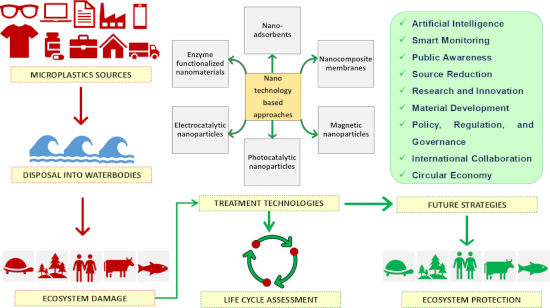
- results in a large specific surface area, which in turn offers the potential to control membrane pore size and enhance the removal efficiency of nanoparticles and MPs. Membranes developed using MOF-based nanomaterials offer scalable control over surface charge and pore size, enabling high separation
- six degrees of freedom due to their negative photogravitaxis. Their self-propelling capability, combined with tunable surface charge (zeta potential), enables rapid attraction and capture of nanoplastics onto their surfaces and between layered structures. The magnetic nature of the microrobots allows


Laser processing in liquids: insights into nanocolloid generation and thin film integration for energy, photonic, and sensing applications
Beilstein J. Nanotechnol. 2025, 16, 1428–1498, doi:10.3762/bjnano.16.104
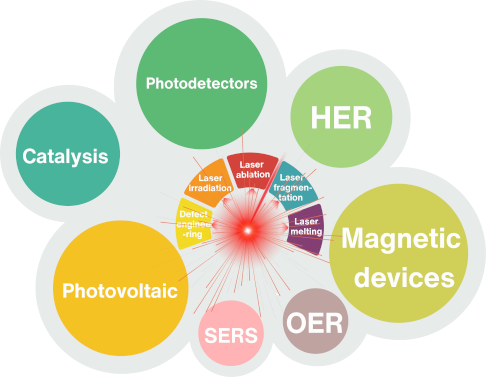
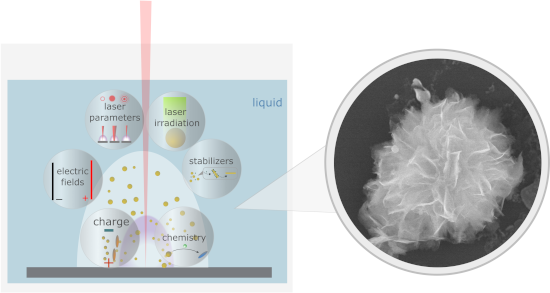
- careful control of several factors, such as particle surface charge, the electrical and fluid properties of the suspension, electrode material selection, and the current–voltage parameters. Additionally, it is a cost-effective, environmentally friendly method due to its low energy requirements and minimal
- megahertz range). The NPs were further analyzed regarding phase, composition, electrical surface charge, and charge modulation mechanisms. EPD of a Au colloidal solution prepared by laser ablation in different solvents has been reported [131]. Figure 14a–d presents the structural and morphological






The role of biochar in combating microplastic pollution: a bibliometric analysis in environmental contexts
Beilstein J. Nanotechnol. 2025, 16, 1401–1416, doi:10.3762/bjnano.16.102
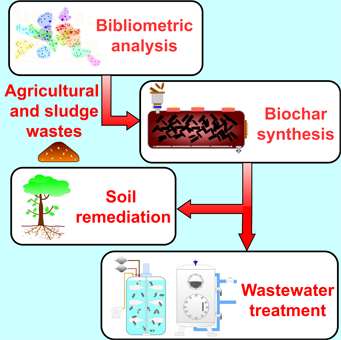
- and surface area, compared to other materials [37]. Biochar produced from carbon-, oxygen- and nitrogen-rich straw at low pyrolysis temperatures retains a large number of functional groups, which enhance charge transfer potential and adsorption stability through increased surface charge density



Enhancing the therapeutical potential of metalloantibiotics using nano-based delivery systems
Beilstein J. Nanotechnol. 2025, 16, 1350–1366, doi:10.3762/bjnano.16.98
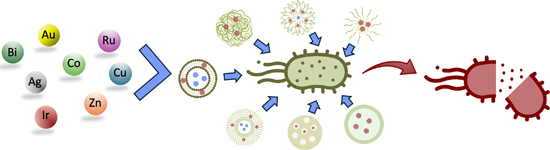
- , significantly expanding their applications [58]. The structure of liposomes can vary, with unilamellar and multilamellar vesicles being the two main forms, offering flexibility in the types of drugs they can deliver. In addition, size, surface charge, and lipid composition of these nanoparticles can be tailored





