


Search results
Search for "targeted therapy" in Full Text gives 22 result(s) in Beilstein Journal of Nanotechnology.
Nanocarrier strategies to overcome P-glycoprotein-mediated drug resistance in cancer therapy
Beilstein J. Nanotechnol. 2026, 17, 882–921, doi:10.3762/bjnano.17.64
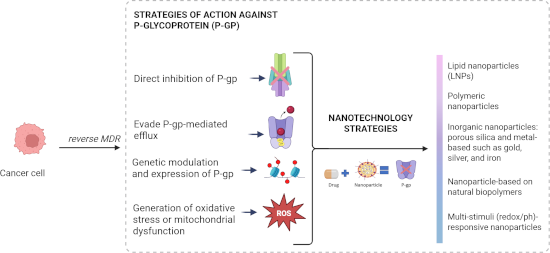
- . Keywords: cancer chemotherapy; efflux transporters; multidrug resistance (MDR); nanoparticles; siRNA nanocarriers; tumor-targeted therapy; Review 1 Introduction 1.1 Cancer and current challenges in chemotherapy Cancer remains one of the leading causes of mortality worldwide, with millions of new cases


Biomimetic nanoparticles in cancer photodynamic therapy: a review of targeted delivery systems and therapeutic outcomes
Beilstein J. Nanotechnol. 2026, 17, 396–422, doi:10.3762/bjnano.17.27
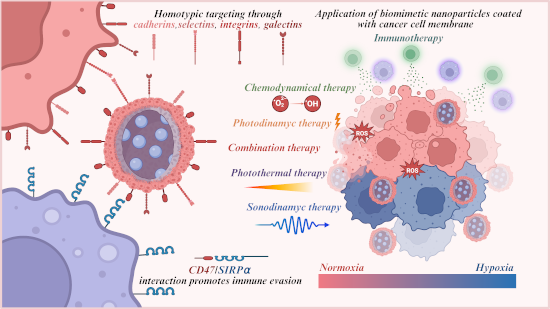
- , thereby enhancing biocompatibility and reducing neutrophil-mediated immune clearance. For instance, BNPs loaded with DOX and coated with glioblastoma cell membranes were employed as a targeted therapy for malignant tumors. The presence of surface adhesion molecules, including N-cadherin, galectin-3, and


From shield to spear: Charge-reversible nanocarriers in overcoming cancer therapy barriers
Beilstein J. Nanotechnol. 2026, 17, 159–175, doi:10.3762/bjnano.17.10
- therapies (e.g., immunotherapy) underscore the transformative potential of charge-reversible nanocarriers in revolutionising cancer treatment and improving patient outcomes. Keywords: cancer; charge reversible nanocarriers; nanocarriers; targeted therapy; tumour microenvironment; Review 1 Introduction
- therapy, targeted therapy, and immunotherapy modalities that enable more precise and personalized cancer management [7]. In parallel, complementary strategies such as photodynamic therapy and hyperthermia further enhance treatment effectiveness, collectively reflecting the ongoing evolution of cancer
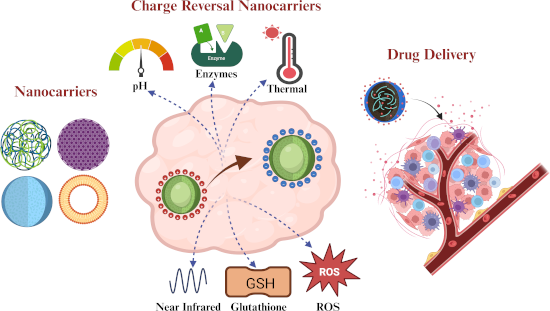
- to CC BY 4.0. Schematic representation of charge-reversible nanocarrier system for tumour therapy. a) In general mechanism of CRNs activated by various stimuli for targeted therapy, b) charge reversal of nanocarriers exhibiting responsiveness to the acidic environment in biofilms. The images of EMPTY


Exploring the potential of polymers: advancements in oral nanocarrier technology
Beilstein J. Nanotechnol. 2025, 16, 1751–1793, doi:10.3762/bjnano.16.122
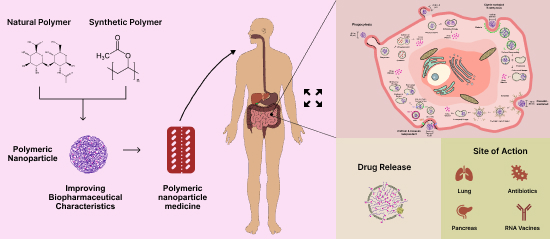
- CME, enabling targeted therapy [81]. The dimeric protein caveolin-1 is the primary agent in CvME, playing key roles in cell signaling, lipid regulation, and vesicular transport. It also defines the characteristic flask-like shape of vesicles and is located on the cytosolic side of the membrane


Advances of aptamers in esophageal cancer diagnosis, treatment and drug delivery
Beilstein J. Nanotechnol. 2025, 16, 1734–1750, doi:10.3762/bjnano.16.121
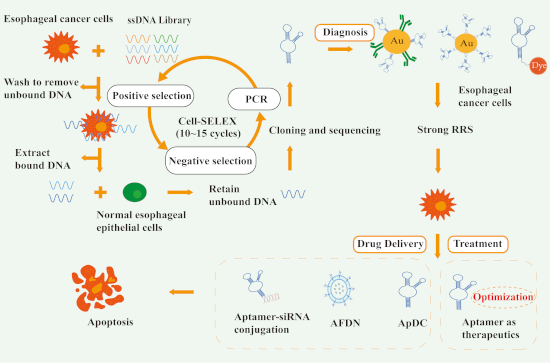
- overexpressed on cell surfaces; it can be directly used as a wide-range tumor therapeutic [120]. Zheng et al. [121] developed a novel aptamer conjugate drug that utilizes AS1411 aptamer targeting nucleolin to achieve targeted therapy against EC cells by binding AS1411 to the apolipoprotein portion of human
- drugs have not shown meaningful results for advanced EC. Combination chemotherapy has been the reference first-line treatment for advanced EC for a long time, but the effect is not satisfactory. Targeted therapy and immunotherapy have less toxicity to normal cells and greatly improve the complete
- directly coupled to a chemotherapeutic drug (intercalation). (c) Aptamers and chemotherapeutic drug co-encapsulated in nanoparticles. (d) PEGylated aptamers improve drug stability. Aptamers for esophageal cancer detection. Aptamers in the targeted therapy of esophageal cancer. Aptamer drug delivery systems


Ferroptosis induction by engineered liposomes for enhanced tumor therapy
Beilstein J. Nanotechnol. 2025, 16, 1325–1349, doi:10.3762/bjnano.16.97
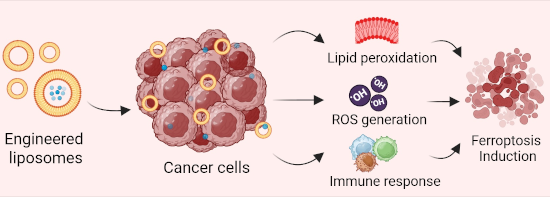
- ferroptosis or enhance the effectiveness of ferroptosis inducers locally. Moreover, increasing evidence indicates that ferroptosis contributes, at least in part, to the tumor-suppressive effects of several traditional cancer treatments, such as radiotherapy, chemotherapy, targeted therapy, and immunotherapy
- , respectively. The in vitro results showed that alkyl-Glu can potentially increase the uptake of liposomes by cancer cells. In vivo studies showed that the anti-tumor effect of AGCL on hepatocellular carcinoma (HCC) was more substantial than that of Cel [145]. In another targeted therapy, folate-labeled


Better together: biomimetic nanomedicines for high performance tumor therapy
Beilstein J. Nanotechnol. 2025, 16, 1246–1276, doi:10.3762/bjnano.16.92
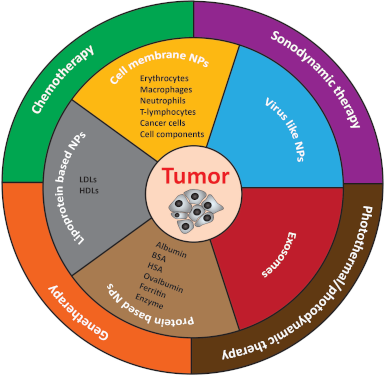
- nanostructures were investigated and successfully used for different tumor targeting and treatment applications [120][121][122][123]. In this respect, drug nanocrystals coated with RBC membrane and modified with a tumor-targeting peptide was successfully used for targeted therapy of glioma [124]. The peptide
- -modified nanosystem showed increased drug accumulation and enhanced therapeutic activity both in subcutaneous and orthotopic tumor models [125][126]. Another study regarding targeted therapy and improved drug delivery to the brain used the dual modification of RBC-coated lipid nanoparticles with T7 peptide
- , a ligand of transferrin receptor, and NGR peptide, a ligand of CD13 [127]. Dual modification with the peptides yielded the ability to overcome the BBB and target the glioma. In another study, RBC-covered graphene oxide quantum dots (GTDC@M) were investigated regarding the targeted therapy of






Nanomaterials in targeting amyloid-β oligomers: current advances and future directions for Alzheimer's disease diagnosis and therapy
Beilstein J. Nanotechnol. 2025, 16, 561–580, doi:10.3762/bjnano.16.44
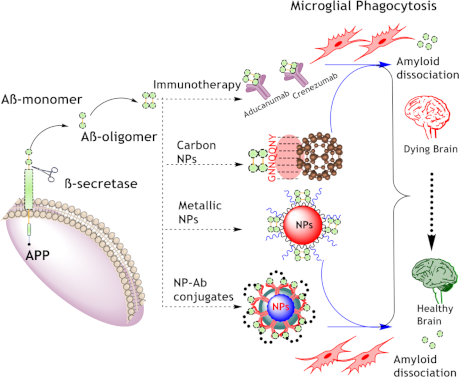
- ) enhance imaging sensitivity because of their distinct electrical or photoluminescent properties. For treatment, NPs can serve as drug carriers, improving delivery across the BBB and reducing side effects. Their large surface area allows for controlled drug release and targeted therapy, enhancing treatment


Realizing active targeting in cancer nanomedicine with ultrasmall nanoparticles
Beilstein J. Nanotechnol. 2024, 15, 1208–1226, doi:10.3762/bjnano.15.98
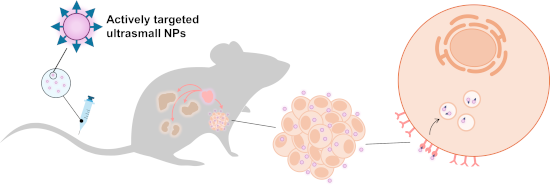
- signaling axis plays a crucial role in cancer development by facilitating the proliferation and invasion of tumor cells and recruiting immunosuppressive cells, thus representing a significant opportunity for targeted therapy [160]. Results from a mouse model of TNBC showed improved tumor uptake of 64Cu


Vinorelbine-loaded multifunctional magnetic nanoparticles as anticancer drug delivery systems: synthesis, characterization, and in vitro release study
Beilstein J. Nanotechnol. 2024, 15, 256–269, doi:10.3762/bjnano.15.24
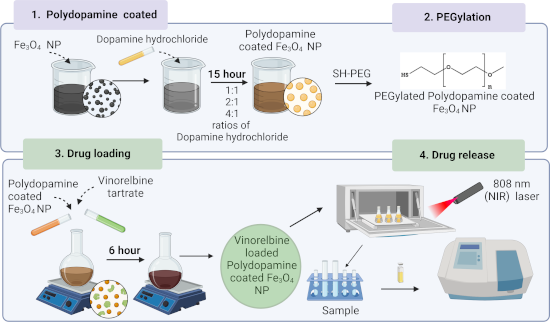
- aqueous solution, showing promising prospects for use in magnetically targeted therapy. Determination of photothermal stability and efficiency To evaluate the photothermal performance of the nanostructures, the NPs were irradiated with an 808 nm laser at a power density of 1 W/cm2 for 5 min. A slight


Antibody-conjugated nanoparticles for target-specific drug delivery of chemotherapeutics
Beilstein J. Nanotechnol. 2023, 14, 912–926, doi:10.3762/bjnano.14.75
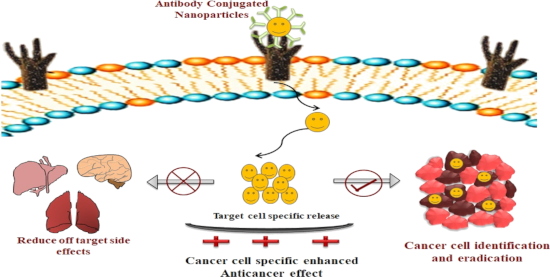
- higher binding affinity and specificity, mAbs have received a lot of attention for the detection of selective cancer biomarkers and also for the treatment of various types of cancer. Antibody-conjugated nanoparticles (ACNPs) are an effective targeted therapy for the efficient delivery of



Recent progress in cancer cell membrane-based nanoparticles for biomedical applications
Beilstein J. Nanotechnol. 2023, 14, 262–279, doi:10.3762/bjnano.14.24
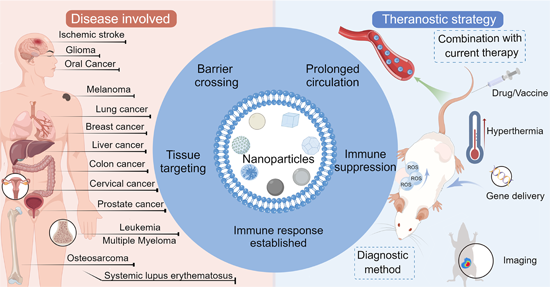
- clinical translation prospects, and the associated challenges are discussed. Keywords: cancer cell biomimetics; nanoparticles; precision medicine; targeted therapy; theranostic nanomedicine; Review 1 Introduction Biomimetic nanotechnology, an emerging interdisciplinary field, involves different
- effectively improve antitumor efficacy [102]. The coating with cancer cell membranes can confer a more targeted therapy and longer circulation time. Through the enrichment of NPs on tumor tissues mediated by cancer cell membrane proteins, ROS will be induced to exert targeted antitumor effects. Furthermore


Nanotechnology – a robust tool for fighting the challenges of drug resistance in non-small cell lung cancer
Beilstein J. Nanotechnol. 2023, 14, 240–261, doi:10.3762/bjnano.14.23
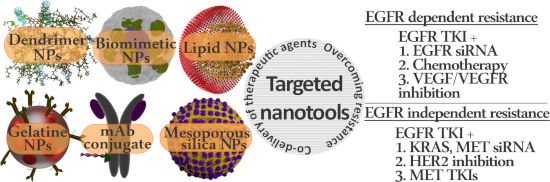
- treatments because of their ability to target specific molecular abnormalities associated with NSCLC cells [8][9][10][11][12][13]. Unlike traditional chemotherapy, which interferes with cell division and kills rapidly dividing cells, molecularly targeted therapy is directed towards somatic genome mutations
- ][62]. Further, substantial evidence for the efficacy of EGFR TKIs combined with HER2-targeted therapy in patients with developed EGFR TKI resistance due to HER2 amplification can be found in the literature [63][64][65]. Patients with HER2 gene mutations showing resistance to EGFR TKIs may be sensitive


Biocompatibility and cytotoxicity in vitro of surface-functionalized drug-loaded spinel ferrite nanoparticles
Beilstein J. Nanotechnol. 2021, 12, 1339–1364, doi:10.3762/bjnano.12.99
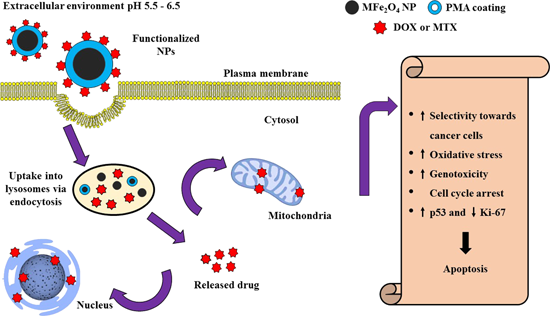
- ]. Conventional treatment strategies for cancer, including surgery, radiotherapy, and chemotherapy, lack the ability to selectively target neoplastic tissue, which results in systemic toxicity [3]. For these reasons, the focus of the field was transferred to nanomedicine which enables targeted therapy and reduces





Recent progress in actuation technologies of micro/nanorobots
Beilstein J. Nanotechnol. 2021, 12, 756–765, doi:10.3762/bjnano.12.59
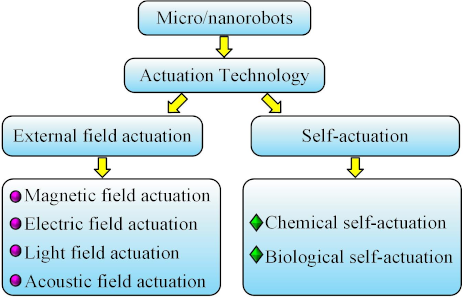
- biomedical fields, such as medical diagnosis, nanoscale surgery, and targeted therapy. In this article, recent progress on micro/nanorobots is reviewed regarding actuation technologies. First, the different actuation mechanisms are divided into two types, external field actuation and self-actuation. Then, a
- targeted therapy. This research result indicated that the use of magnetotactic bacteria is an effective method to treat cancer, and its application urgently needs more scholars to explore. Xing et al. [48] used marine-derived magnetotactic bacteria (AMB-1) as a template to build an intelligent micro


The impact of molecular tumor profiling on the design strategies for targeting myeloid leukemia and EGFR/CD44-positive solid tumors
Beilstein J. Nanotechnol. 2021, 12, 375–401, doi:10.3762/bjnano.12.31
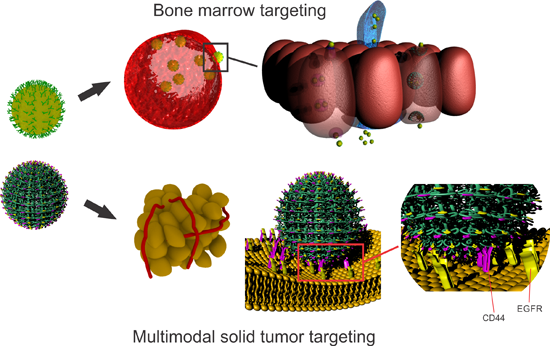
- condition, and genetic profile. The current treatment options include traditional chemotherapy, haematopoietic stem cell transplantation (HSCT), and targeted therapy (small molecule inhibitors and monoclonal antibodies). Traditional chemotherapeutic regimens are limited by two primary concerns: overall
- cancers [65]. It is a compelling marker of many malignances significantly associated with cancer progression, metastasis, and drug resistance. Also, EGFR is a promising molecule for targeted therapy. Different drugs against EGFR have been introduced in the clinical practice [66]. However, the efficacy of
- development and survival have fostered the parallel development of multifunctional bioactive nanomedicines capable of attacking multiple targets, which hold potential to overcome current deficiencies of targeted therapy. Targeting strategies with innovative ligands for nanoparticle surface engineering


Doxorubicin-loaded gold nanorods: a multifunctional chemo-photothermal nanoplatform for cancer management
Beilstein J. Nanotechnol. 2021, 12, 295–303, doi:10.3762/bjnano.12.24
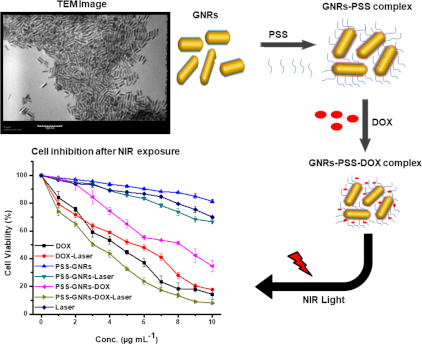
- of death worldwide from which 9.6 million people died in 2018 [1]. Hepatocellular carcinoma (HCC) is one of the major types of liver cancer with high incidence of mortality [2]. Currently, there are a number of treatment modalities, including chemotherapy, immunotherapy, targeted therapy, irradiation


Understanding nanoparticle flow with a new in vitro experimental and computational approach using hydrogel channels
Beilstein J. Nanotechnol. 2020, 11, 296–309, doi:10.3762/bjnano.11.22
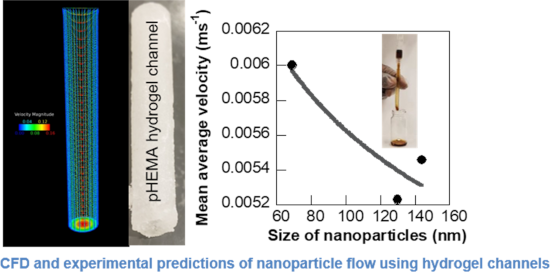
- studying the flow of NPs. Iron oxide NPs are extensively investigated in targeted therapy and drug delivery applications owing to their tunable size, surface functionalities, and magnetic properties. In this study, we synthesized four different polyvinylpyrrolidone (PVP)/polyethyleneimine (PEI)-coated iron


Engineered superparamagnetic iron oxide nanoparticles (SPIONs) for dual-modality imaging of intracranial glioblastoma via EGFRvIII targeting
Beilstein J. Nanotechnol. 2019, 10, 1860–1872, doi:10.3762/bjnano.10.181
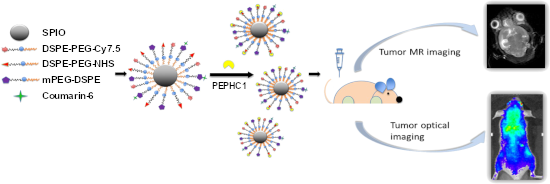
- in vivo targeted therapy of glioblastoma. Conclusion In summary, a novel dual-modal molecular imaging capability has been created through conjugating PEPHC1 to PEGylated SPIONs, aiming to improve the sensitivity of MR imaging and the spatial resolution of optical imaging. Both the in vitro and in




Cytotoxicity of doxorubicin-conjugated poly[N-(2-hydroxypropyl)methacrylamide]-modified γ-Fe2O3 nanoparticles towards human tumor cells
Beilstein J. Nanotechnol. 2018, 9, 2533–2545, doi:10.3762/bjnano.9.236
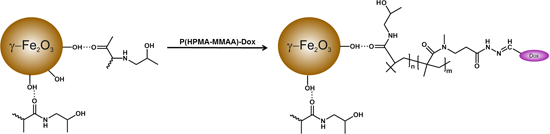
- ][9]. These include the presence of specific conjugated antibodies on the surface to bind selectively to related receptors and inhibit tumor growth and/or release loaded drugs for targeted therapy. This will result in increased drug concentration and accumulation at the pathological site, improved


Nano-engineered skin mesenchymal stem cells: potential vehicles for tumour-targeted quantum-dot delivery
Beilstein J. Nanotechnol. 2017, 8, 1218–1230, doi:10.3762/bjnano.8.123
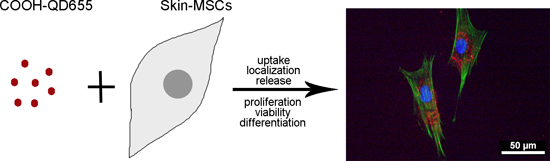
- nanoparticles in imaging and targeted therapy of tumours. Due to their tumour-homing ability, nano-engineered mesenchymal stem cells (MSCs) could be utilized as vectors to deliver diagnostic and therapeutic nanoparticles into a tumour. In the present study, uptake and functional effects of carboxyl-coated
- death worldwide [1]. Nanoparticles (NPs) could be linked to various drugs, thereby making them suitable for tumour imaging and targeted therapy [2]. However, the fact that NPs are quickly recognised by immune cells and cleared from the blood stream by reticuloendothelial system limits their utility as





Tight junction between endothelial cells: the interaction between nanoparticles and blood vessels
Beilstein J. Nanotechnol. 2016, 7, 675–684, doi:10.3762/bjnano.7.60
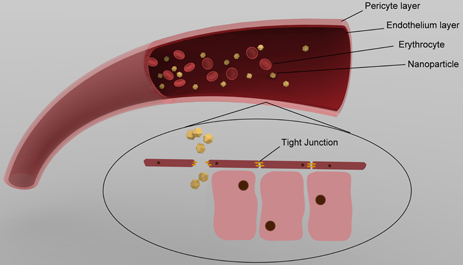
- ]. Several modified NPs were also used in vascular-targeted therapy, which showed their way into endothelial cells and escape from the endosome in vitro [39]. Likewise, while iron oxide NPs are very helpful with their capability for imaging, their toxicity towards vascular endothelial cells cannot be ignored




