Search results
Search for "tumor therapy" in Full Text gives 21 result(s) in Beilstein Journal of Nanotechnology.
Biomimetic nanoparticles in cancer photodynamic therapy: a review of targeted delivery systems and therapeutic outcomes
Beilstein J. Nanotechnol. 2026, 17, 396–422, doi:10.3762/bjnano.17.27
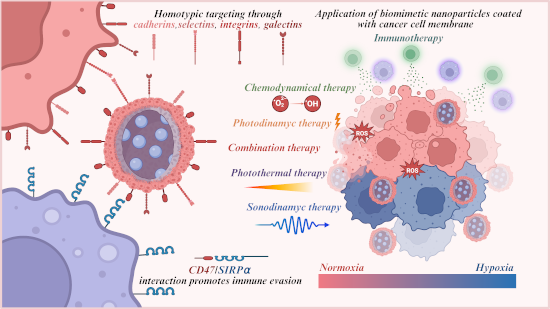
- to cancer cells; this resulted in a threefold increase in the accumulation of PLGA nanoparticles within the tumor [106]. A notable study aimed to evaluate the translational potential of biomimetic delivery systems for precise tumor therapy. Gold@carbon nanoparticles were coated with proteins derived
- co-delivery of chlorin e6 and DOX to enhance synergistic targeted tumor therapy. This system exhibited high targeting efficiency toward HepG2 cells via folic acid receptor-mediated endocytosis, followed by effective tumor eradication through singlet oxygen generation. Modification with erythrocyte


Micro- and nanoscale effects in biological and bioinspired materials and surfaces
Beilstein J. Nanotechnol. 2026, 17, 214–217, doi:10.3762/bjnano.17.14

- medicine, Perini et al. [25] reviewed the importance of biomimetic nanocarriers for drug delivery systems with improved biocompatibility and target specificity, whereas Mohammed et al. [26] focused on biomimetic potential for nanomedicines in tumor therapy. Besides nanotechnological solutions inspired by
Rapid synthesis of highly monodisperse AgSbS2 nanocrystals: unveiling multifaceted activities in cancer therapy, antibacterial strategies, and antioxidant defense
Beilstein J. Nanotechnol. 2025, 16, 2105–2115, doi:10.3762/bjnano.16.145
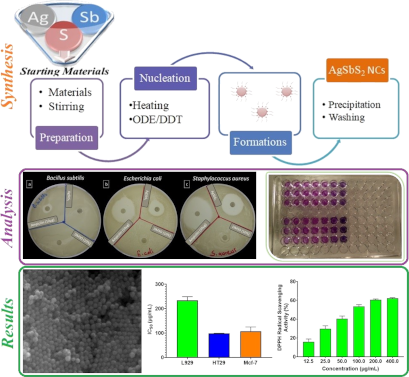
- from antibacterial activity to tumor therapy activity [5][6][7]. The escalating global concern regarding antimicrobial resistance presents a considerable threat to public health. Researchers are persistently exploring alternative strategies to address this pressing issue and the critical demand for


Piezoelectricity of layered double hydroxides: perspectives regarding piezocatalysis and nanogenerators
Beilstein J. Nanotechnol. 2025, 16, 1812–1817, doi:10.3762/bjnano.16.124

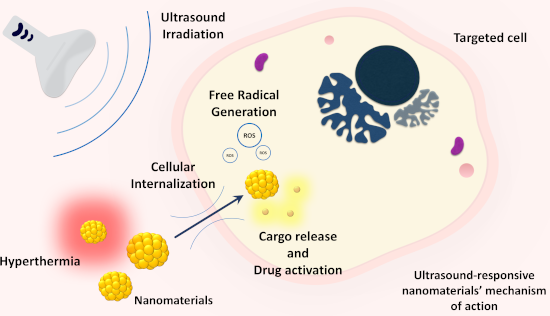
- biocompatibility might exhibit a piezoelectric effect under ultrasound irradiation and generate superoxide anion radicals [5]. The results confirmed the potential of the selected LDH for application in novel piezocatalytic tumor therapy as an effective sonosensitizer. The obtained data indicated that the

Prospects of nanotechnology and natural products for cancer and immunotherapy
Beilstein J. Nanotechnol. 2025, 16, 1644–1667, doi:10.3762/bjnano.16.116
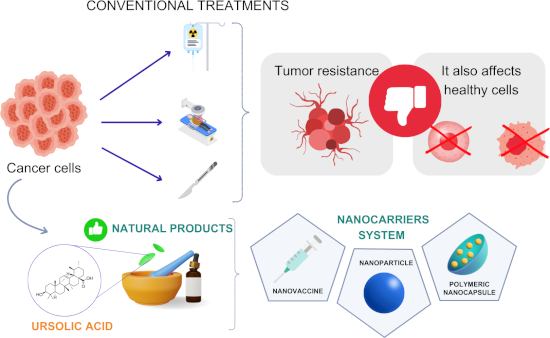
- targeting and tumor inhibition. Following this perspective, patents CN111202719, CN114470229, and CN115252560 represent advances in tumor therapy, since they combine cell cycle blockade and inhibition of metabolic pathways, which are considered complex cellular mechanisms. Nevertheless, patent CN109846857


Ferroptosis induction by engineered liposomes for enhanced tumor therapy
Beilstein J. Nanotechnol. 2025, 16, 1325–1349, doi:10.3762/bjnano.16.97
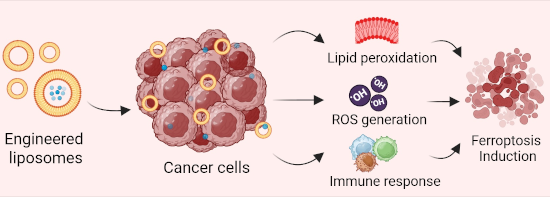
- Ferroptosis has shown potential therapeutic effects in tumor therapy as an iron-dependent programmed cell death. The induction of ferroptosis is based on lipid peroxidation, the accumulation of iron and reactive oxygen species, and the depletion of glutathione. Nowadays, various nanoparticles are reported for
- tumor therapy. It also highlights the fascinating outcome of liposome-mediated ferroptosis in overcoming the obstacles to cancer therapy, along with the limitations and possible future directions. Keywords: cancer; ferroptosis; liposome; nanomedicine; stimuli-responsive; Review 1 Introduction Cancer
- , lipid peroxidation facilitation, and drug release kinetics. In the following section, we explore how these engineered liposomes contribute to ferroptosis induction and tumor therapy. 3.3 Applications and advancements in liposomal drug delivery systems Liposomes are highly promising nanocarriers for drug


Better together: biomimetic nanomedicines for high performance tumor therapy
Beilstein J. Nanotechnol. 2025, 16, 1246–1276, doi:10.3762/bjnano.16.92
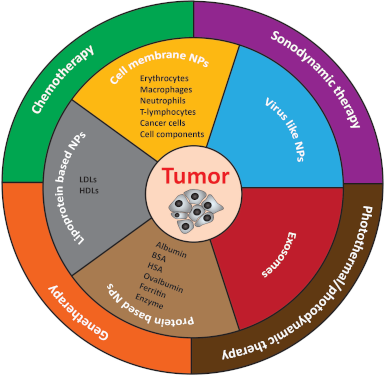
- utility, biomimetic nanoparticles hold great promise for advancing the field of cancer treatment. Keywords: biomimetic nanoparticles; homotypic binding; nanomaterials; targeted drug delivery; tumor therapy; Introduction Cancer is a complex disease, which involves numerous cells and their crosstalk with






Recent advances in photothermal nanomaterials for ophthalmic applications
Beilstein J. Nanotechnol. 2025, 16, 195–215, doi:10.3762/bjnano.16.16
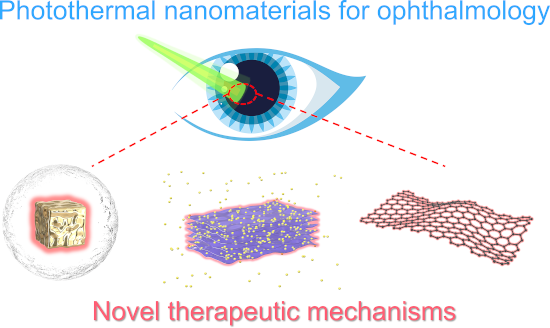
- , and can be easily removed post-laser treatment. The spatially selective single-cell killing capability of iron oxide PLA bubble films has great potential for ocular tumor therapy. However, clinical treatment of tumors requires the application of films on surfaces with “odd” tissues. Using a


Realizing active targeting in cancer nanomedicine with ultrasmall nanoparticles
Beilstein J. Nanotechnol. 2024, 15, 1208–1226, doi:10.3762/bjnano.15.98
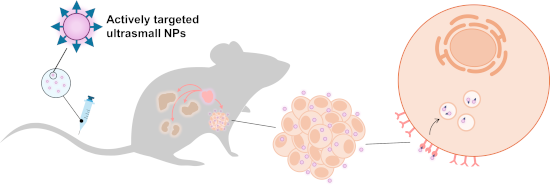
- contrast ratio of tumor to normal tissue was higher for AuNC-MPA-cRGD-AS1411, reaching a value of 7.2 compared to 5.4 for AuNC-MPA-cRGD. This finding indicates that the dual-targeted particles had superior tumor-targeting ability. Furthermore, enhanced tumor therapy was demonstrated in a mouse tumor model


Vinorelbine-loaded multifunctional magnetic nanoparticles as anticancer drug delivery systems: synthesis, characterization, and in vitro release study
Beilstein J. Nanotechnol. 2024, 15, 256–269, doi:10.3762/bjnano.15.24
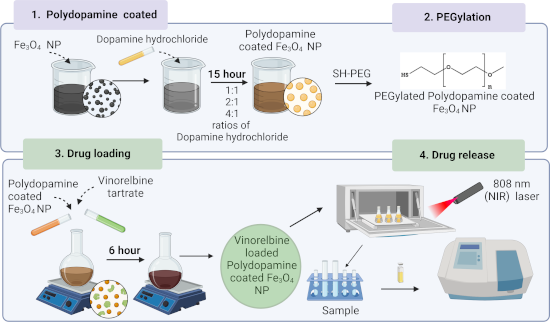
- passive targeting and offer multimodal tumor therapy. In recent years, the use of nanotechnology-based cancer drugs has emerged as a promising alternative treatment approach. Utilizing various nanostructures as specific vehicles for drug delivery enhances efficacy and pharmacokinetic properties of


Recent progress in cancer cell membrane-based nanoparticles for biomedical applications
Beilstein J. Nanotechnol. 2023, 14, 262–279, doi:10.3762/bjnano.14.24
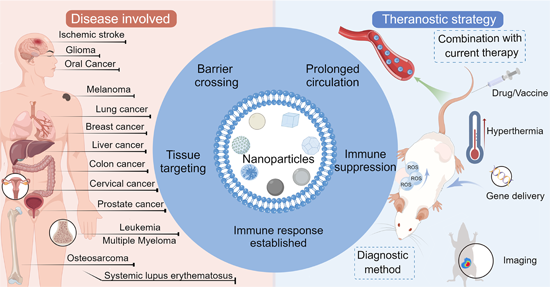
- in clinical cancer treatment. Its bioavailability and antitumor activity in the antitumor process have also been shown to be enhanced by encapsulation with liver cancer cell membranes [75]. Radiotherapy also plays an important role in tumor therapy. Nevertheless, it has been hindered by the


Nanotechnology – a robust tool for fighting the challenges of drug resistance in non-small cell lung cancer
Beilstein J. Nanotechnol. 2023, 14, 240–261, doi:10.3762/bjnano.14.23
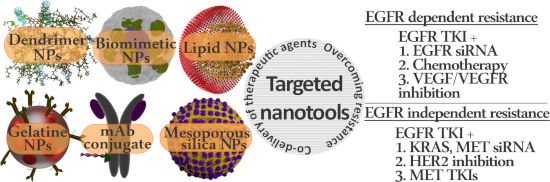
- from EGFR TKIs. Because of the interplay of mechanisms, combining EGFR TKIs and VEGF inhibitors seems to be a rational approach to combat tumor resistance and increase the efficacy of anti-tumor therapy [41][42][43][44][45]. Several trials that compared the efficacy and safety of EGFR TKIs from the


Self-assembly of amino acids toward functional biomaterials
Beilstein J. Nanotechnol. 2021, 12, 1140–1150, doi:10.3762/bjnano.12.85
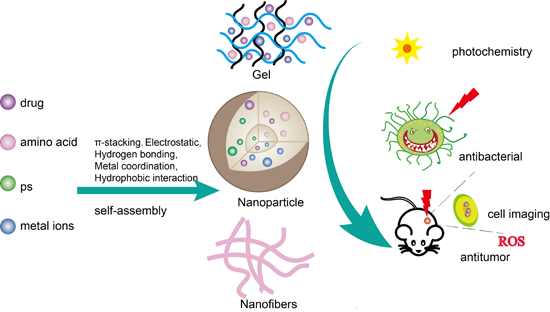
- , facilitating tumor therapy. Selective tumor accumulation was still observed up to 12 h in mice injected with fluorescently labeled (FL-labeled) B-Cur NPs or S-Cur NPs, while mice injected with FL-labeled curcumin showed no significant tumor accumulation after 4 h. In addition, antitumor activity experiments

Comprehensive review on ultrasound-responsive theranostic nanomaterials: mechanisms, structures and medical applications
Beilstein J. Nanotechnol. 2021, 12, 808–862, doi:10.3762/bjnano.12.64


Gold-coated plant virus as computed tomography imaging contrast agent
Beilstein J. Nanotechnol. 2019, 10, 1983–1993, doi:10.3762/bjnano.10.195
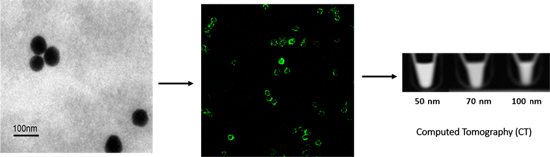
- with a mean circulation half-life of 14.6 h. Von Maltzahan et al. developed PEGylated gold nanorods (13 × 47 nm) as CT contrast agents and for photothermal tumor therapy. The study resulted in tumor elimination and mice survival over 50 days [23]. Further, van Schooneveld et al. reported micelle-based




Kelvin probe force microscopy work function characterization of transition metal oxide crystals under ongoing reduction and oxidation
Beilstein J. Nanotechnol. 2019, 10, 1596–1607, doi:10.3762/bjnano.10.155
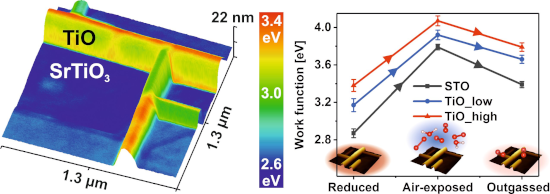
- nanostructures exhibit a strong absorbance of light over a broad spectrum, which is of potential use in novel tumor therapy [19]. In addition, in the previous year, a profound interest was focused on the superconductivity of various TiO structures [20][21]. According to those, rock-salt TiO is a type-II


Effect of electrospinning process variables on the size of polymer fibers and bead-on-string structures established with a 23 factorial design
Beilstein J. Nanotechnol. 2018, 9, 2466–2478, doi:10.3762/bjnano.9.231
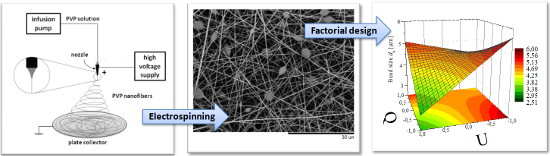
- technologies, as well as in new fields of scientific and industrial interest. They are considered to be potentially useful in areas such as nanoelectronics, medicine (e.g., wound healing, tumor therapy, inhalation therapy), filtration processes, textile manufacture, nanocatalysis production, etc. [5][6


Single-crystalline FeCo nanoparticle-filled carbon nanotubes: synthesis, structural characterization and magnetic properties
Beilstein J. Nanotechnol. 2018, 9, 1024–1034, doi:10.3762/bjnano.9.95
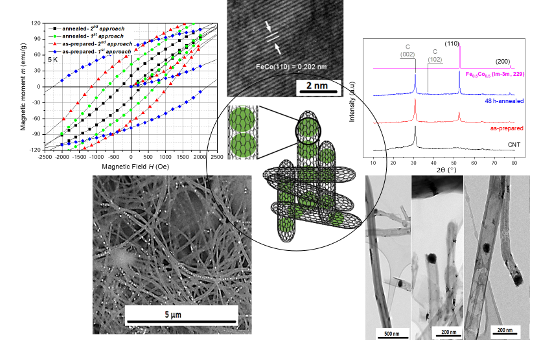
- magnetic storage [6][7], fuel cells [8], electromagnetic wave absorption [9], sensors for magnetic force microscopy [10] and human tumor therapy [11][12][13]. Fe–Co binary alloys are of particular interest due to their high saturation magnetization, large permeability and high magnetophoretic mobility [14


Tight junction between endothelial cells: the interaction between nanoparticles and blood vessels
Beilstein J. Nanotechnol. 2016, 7, 675–684, doi:10.3762/bjnano.7.60
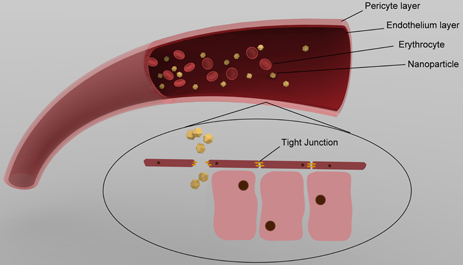
- defeat some of the drawbacks in traditional cancer chemotherapy (such as multidrug resistance (MDR) in tumors [6]). They can be modified to enhance the specificity of tumor therapy. Admittedly, no scientist could ignore its prominent latent prospect, but meanwhile numerous researches show their concerns

An adapted Coffey model for studying susceptibility losses in interacting magnetic nanoparticles
Beilstein J. Nanotechnol. 2015, 6, 2173–2182, doi:10.3762/bjnano.6.223
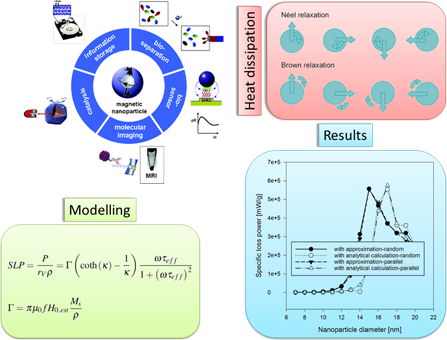
- Calabria, Italy 10.3762/bjnano.6.223 Abstract Background: Nanoparticles can be used in biomedical applications, such as contrast agents for magnetic resonance imaging, in tumor therapy or against cardiovascular diseases. Single-domain nanoparticles dissipate heat through susceptibility losses in two modes
- frequencies and amplitudes of external magnetic fields for biomedical applications, especially for tumor therapy by magnetic hyperthermia. Keywords: hyperthermia; magnetic nanoparticles; relaxation process; specific loss power; susceptibility losses; Introduction Magnetic nanoparticles are important for


Synthesis, characterization and in vitro effects of 7 nm alloyed silver–gold nanoparticles
Beilstein J. Nanotechnol. 2015, 6, 1212–1220, doi:10.3762/bjnano.6.124
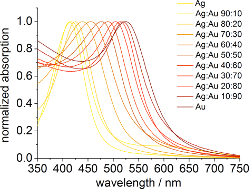
- nanoparticles are almost biologically inert (unless they are very small) [13] and therefore widely used in tumor therapy, for drug delivery, or in imaging applications [3][14][15]. In principle, alloyed nanoparticles of silver and gold can combine and utilize the physicochemical properties of both metals, for