Search results
Search for passenger subjective letter native Bering Strait Alaska 20th century in Full Text gives 405 result(s) in Beilstein Journal of Nanotechnology. Showing first 200.
The role of biochar in combating microplastic pollution: a bibliometric analysis in environmental contexts
Beilstein J. Nanotechnol. 2025, 16, 1401–1416, doi:10.3762/bjnano.16.102
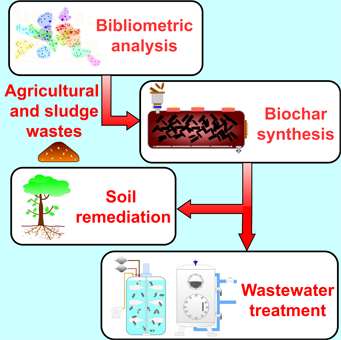
- “Social Sciences Citation Index” (SSCI), “Social Science Information” (SCI), and “Arts and Humanities Citation Index” (AHCI) ensures objectivity and scientific rigor, minimizing subjective biases and providing a broad perspective on research directions. Thus, this study aims to (i) identify key research
- frequently referenced topics, providing macroscopic visualization rather than in-depth insights into specific research domains. Additionally, despite the support of specialized bibliometric software, the potential for subjective biases remains a concern, necessitating a critical and contextualized



Enhancing the therapeutical potential of metalloantibiotics using nano-based delivery systems
Beilstein J. Nanotechnol. 2025, 16, 1350–1366, doi:10.3762/bjnano.16.98
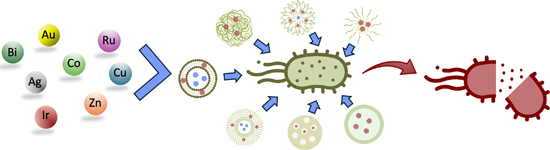
- : antimicrobial resistance; biocompatibility; metalloantibiotics; nanocarriers; targeted delivery; Introduction Antimicrobial resistance (AMR), the condition that bacteria no longer respond to drugs used to treat infections, has become one of the biggest public health challenges of the 21st century. According to


Acrocomia aculeata oil-loaded nanoemulsion: development, anti-inflammatory properties, and cytotoxicity evaluation
Beilstein J. Nanotechnol. 2025, 16, 1277–1288, doi:10.3762/bjnano.16.93
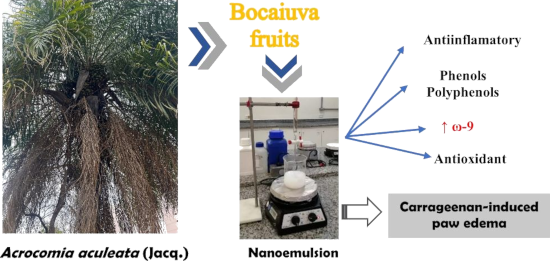
- Brazil. A. aculeata stands out for its wide geographic distribution, being native to tropical forests [1][2]. Its rounded fruits present sensory attractions, such as color, distinctive and intense flavor, and aroma. They are traditionally consumed by the native population, occupying an important place in


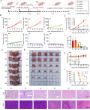
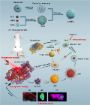
Better together: biomimetic nanomedicines for high performance tumor therapy
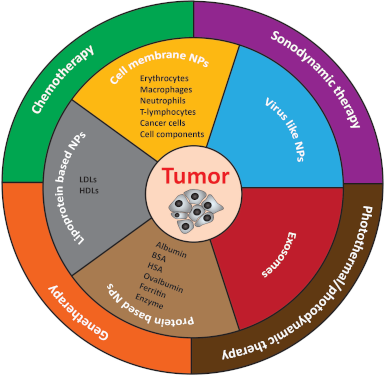
Beilstein J. Nanotechnol. 2025, 16, 1246–1276, doi:10.3762/bjnano.16.92







Hydrogels and nanogels: effectiveness in dermal applications
Beilstein J. Nanotechnol. 2025, 16, 1216–1233, doi:10.3762/bjnano.16.90
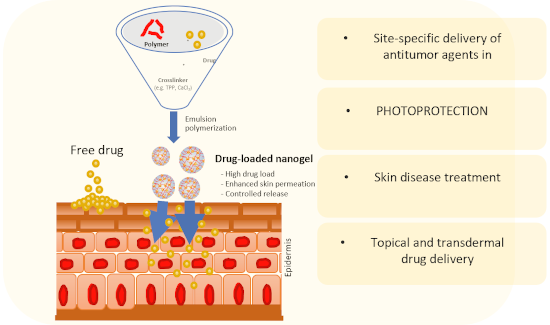
- -1950s and 1960s [1][2][3][4]. From the beginning, hydrogels composed of cross-linked acrylic acid were designed to release drugs into the body [5]. 2-Hydroxyethyl methacrylate was one of the first compounds used to build hydrogels as drug delivery systems (DDSs) [6]. Over the past century, hydrogels


Deep learning for enhancement of low-resolution and noisy scanning probe microscopy images
Beilstein J. Nanotechnol. 2025, 16, 1129–1140, doi:10.3762/bjnano.16.83
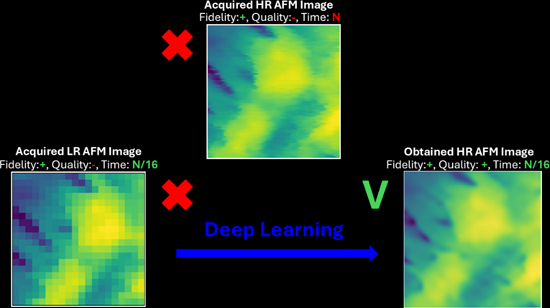
- in their reference images. Specifically, we calculated here the perceptual index (PI) [20], which combines no-reference image quality measures of Ma et al. [21], which relate to human subjective scoring of super-resolution (SR) images, and the Natural Image Quality Evaluator (NIQE) [22], a blind no
- assessments, a blind and subjective evaluation was conducted, polling AFM experts for their opinions on both image fidelity and image quality. Reference metrics The first comparison of the SR images to the GT references was to take the peak-signal-to-noise ratio (PSNR). This is done by taking the logarithm of


Soft materials nanoarchitectonics: liquid crystals, polymers, gels, biomaterials, and others
Beilstein J. Nanotechnol. 2025, 16, 1025–1067, doi:10.3762/bjnano.16.77
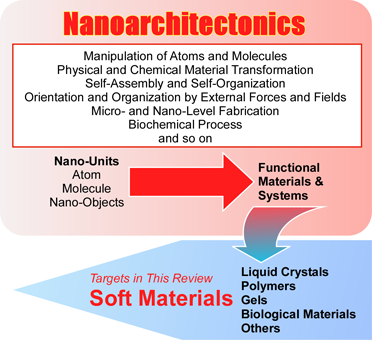
- [120], fulfils this role. Similarly as Richard Feynman established the foundations of nanotechnology in the mid-20th century [121][122], Masakazu Aono proposed the concept of nanoarchitectonics [123][124] at the threshold between the 20th and 21st centuries. Nanoarchitectonics can be defined as the






Shape, membrane morphology, and morphodynamic response of metabolically active human mitochondria revealed by scanning ion conductance microscopy
Beilstein J. Nanotechnol. 2025, 16, 951–967, doi:10.3762/bjnano.16.73
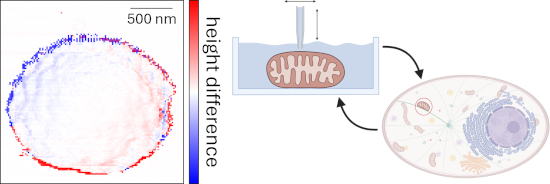
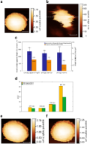
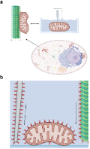
- study of metabolically active organelles [26]. Scanning ion conductance microscopy (SICM) enables three-dimensional visualisation of living cells in their native state [27]. Pioneered by Hansma et al. [28], the method has been continuously refined since the 1990s [27][29][30]. SICM utilises a
- topography is acquired. SICM is particularly well suited for biological applications, as it is a non-contact method with minimal interaction forces, preserving the native state of the sample [27]. To date, SICM investigations of mitochondria have been limited to subsarcolemmal mitochondria, specifically in
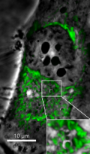
- significant advance in imaging metabolically active organelles in their native environment with nanometer-scale resolution. The outer mitochondrial membrane appears largely “featureless” and smooth in these measurements. No detectable signatures of porins or other integral membrane proteins, which are present



Tendency in tip polarity changes in non-contact atomic force microscopy imaging on a fluorite surface
Beilstein J. Nanotechnol. 2025, 16, 944–950, doi:10.3762/bjnano.16.72
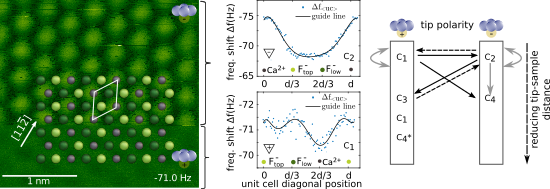
- . This particularly concerns the transfer of surface species to the tip when the tip is subject to intentional or unintentional contact with the surface. Furthermore, ambient species like native oxides, hydrogen ions, or residual water can adsorb on the tip apex during scanning. Additionally, the


Structural and magnetic properties of microwave-synthesized reduced graphene oxide/VO2/Fe2O3 nanocomposite
Beilstein J. Nanotechnol. 2025, 16, 921–932, doi:10.3762/bjnano.16.70
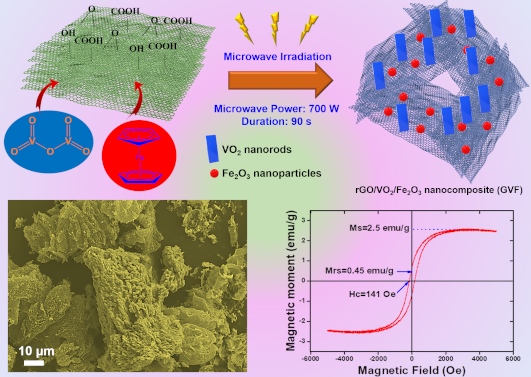
- ]. The presence of magnetic behavior in GVF further promotes the occurrence of iron oxide nanoparticles. Moreover, the low magnetic moment of GVF compared to that of native α-Fe2O3 nanoparticles (mostly synthesized through the Fe-based aqueous salt) could account for the low levels of α-Fe2O3 formed



Focused ion beam-induced platinum deposition with a low-temperature cesium ion source
Beilstein J. Nanotechnol. 2025, 16, 910–920, doi:10.3762/bjnano.16.69
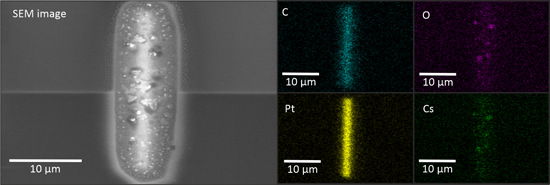
- density of 6 pA·μm−2 . Before deposition, a small part of the Si substrate was gently milled with the Cs+ FIB at 16 kV, such that any native oxide and other contaminations were completely removed at this location. With that, the influence of oxygen molecules on the deposited layer can be excluded. The
- layers, which have a length of 40 μm and a width 1 μm, were deposited across the boundary between the bare Si and the Si with its native oxide intact. A visual inspection with the SEM reveals surface bubbles on layers deposited at 2 and 5 kV (as shown in Figure 1a). No significant differences can be seen
- in the size or density of the bubbles when comparing depositions on Si (upper part) and Si with the native oxide layer (lower part). Similar to Rb+ FIBID-Pt discussed in [11], these bubbles appear after exposure of the samples to air (during the short transfer from the Cs+ FIB to the Ga+ FIB) and are


Ar+ implantation-induced tailoring of RF-sputtered ZnO films: structural, morphological, and optical properties
Beilstein J. Nanotechnol. 2025, 16, 872–886, doi:10.3762/bjnano.16.66
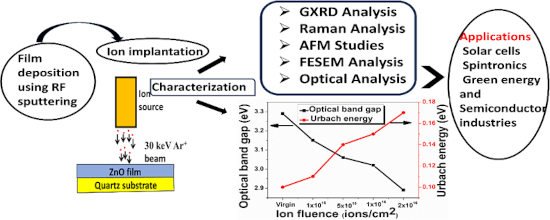
- fluences, the density of electronic excitation increases, and covalent bonds in the lattice are weakened. This leads to relaxation, which causes surface smoothening. The stoichiometry of pristine and implanted samples evaluated using EDS analysis are shown in Table 6. Because of the native oxide layer on


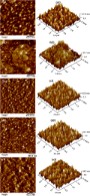
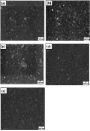


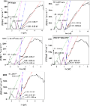


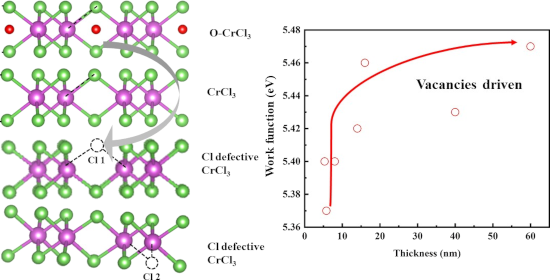
Thickness dependent oxidation in CrCl3: a scanning X-ray photoemission and Kelvin probe microscopies study
Beilstein J. Nanotechnol. 2025, 16, 749–761, doi:10.3762/bjnano.16.58
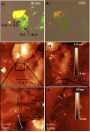
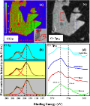
- substrates for SPEM investigations. In contrast, 285 nm SiO2/Si and ITO (190 nm) on glass substrates were used for surface potential studies. On native Si substrates, the optical contrast was insufficient to visualize thin flakes. We were unable to observe flakes with thicknesses smaller than 10 nm using the
- all three aforementioned modes on thin CrCl3 flakes at RT on a native Si oxide substrate. The survey spectra indicate beam damage resulting from the focused beam, as evidenced by the high intensity of the Si 2p core level photoemission, which was not observed in the other cases involving defocused
- silicon oxide substrate would help the determination of flakes thickness, we used also a more conductive substrate to measure photoemission under X-ray irradiation, that is, 1 nm thick native oxide Si substrates. Another convenient substrate for SPEM was 190 nm thick indium-doped tin oxide on glass





Nanostructured materials characterized by scanning photoelectron spectromicroscopy
Beilstein J. Nanotechnol. 2025, 16, 700–710, doi:10.3762/bjnano.16.54
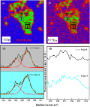
- promising, their performance is often limited by surface properties of the III–V semiconductor material, which furthermore can vary for individual nanowires. This includes native oxides on semiconductor surfaces and their possible removal, surface passivation, and interface defects [27]. Therefore, in-depth
- a weaker in-built potential at the surface. This effect can be expected from surface band bending due to defects or native oxides at the surface. This demonstrates the necessity for both bulk- and surface-sensitive measurements in order to fully understand the local potential distribution in such


Nanoscale capacitance spectroscopy based on multifrequency electrostatic force microscopy
Beilstein J. Nanotechnol. 2025, 16, 637–651, doi:10.3762/bjnano.16.49

- locations on the microcapacitor sample. The first spectrum was recorded on one of the microcapacitors (C3, see Figure 2). Then, we measured in one of the FIB-etched trenches around the capacitors. Here, we assume that the bare silicon surface is covered by a thin native oxide layer (Si). Last, we measured




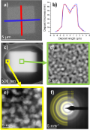
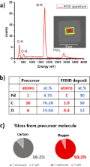
Electron beam-based direct writing of nanostructures using a palladium β-ketoesterate complex
Beilstein J. Nanotechnol. 2025, 16, 530–539, doi:10.3762/bjnano.16.41
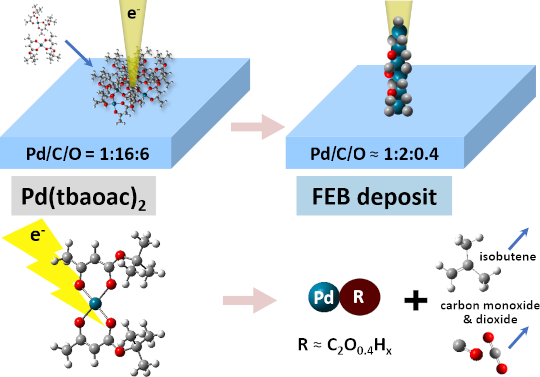
- following the method outlined by Butrymowicz and colleagues [42]. FEBID was performed using a Hitachi S3600 scanning electron microscope (SEM), which features a high-vacuum chamber and a tungsten filament electron source. Native-oxide Si(100) was employed as a substrate, which was thoroughly cleaned with
- duration. A 20 keV electron beam was used with a probe current of 0.7 nA, as measured on a Faraday cup using a Keithley picoamperemeter. This corresponds to a current of 0.5 nA on the native-oxide Si(100) substrate, with the remaining 0.2 nA attributed to BSEs and SEs emitted from the substrate. The
- of the thin focused electron beam (FEB) deposit containing Pd, C, and O without substrate interference (native silicon oxide and silicon), the SAMx Stratagem thin film correction software, based on the work by Pouchou and Pichoir [43] was employed. Stratagem needs k-ratios (i.e., the ratio of X-ray


Performance optimization of a microwave-coupled plasma-based ultralow-energy ECR ion source for silicon nanostructuring
Beilstein J. Nanotechnol. 2025, 16, 484–494, doi:10.3762/bjnano.16.37

- no reaction between the inert Ar ions and the Si atoms, ensuring the absence of a chemical aspect of pattern formation. However, the native silicon oxide layer is partially sputtered. This is also a key factor in generating surface instabilities. The surface morphology largely varies due to different
- -ion bombardment is a consequence of ion-induced instabilities on the surface by the interplay between sputtering and mass redistribution of surface atoms [52][53]. During ion bombardment, the sputtering of the native silicon oxide layer along with that of bulk silicon takes place. The rate of
- oxide on the nanopatterned silicon surface. Additionally, the post-bombardment growth of silicon oxide on nanopatterned silicon leads to site-dependent growth of native oxide, which is useful for producing hysteresis in surface current–voltage characteristic measurements [50][51]. The preferential


Synthetic-polymer-assisted antisense oligonucleotide delivery: targeted approaches for precision disease treatment
Beilstein J. Nanotechnol. 2025, 16, 435–463, doi:10.3762/bjnano.16.34


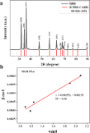
Quantification of lead through rod-shaped silver-doped zinc oxide nanoparticles using an electrochemical approach
Beilstein J. Nanotechnol. 2025, 16, 422–434, doi:10.3762/bjnano.16.33
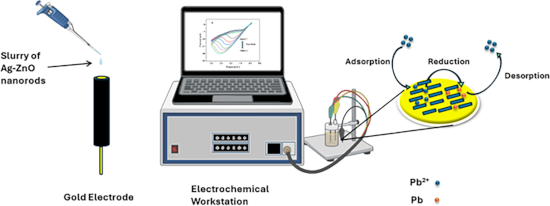
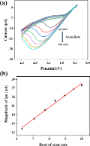
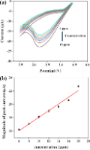
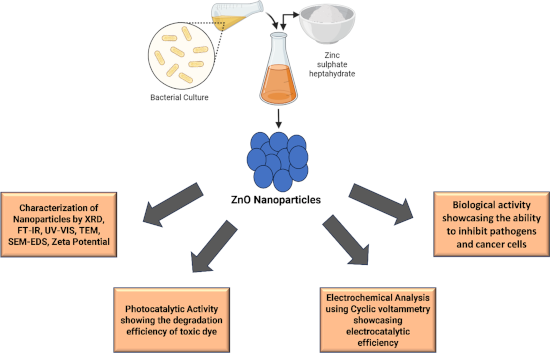
- . (2025) https://BioRender.com/g83x775. Afterwards it was adapted with PowerPoint. This content is not subject to CC BY 4.0. Funding The authors thank the MoE, Government of India, for a research grant vide letter No. SPARC/2019-2020/P2065/SL, dated 28-07-2023. Mr. Ravinder Lamba is thankful to UGC, Govt
- . of India for providing SRF vide letter number 1399/(CSIR-UGC NET JUNE 2019) dated 16 December 2019. Dr. Gaurav Bhanjana is thankful to CSIR, Govt. of India for providing CSIR-SRA (No. B-12998 dated 31 March 2023). Sandeep Kumar thanks the Punjab Engineering College (Deemed to be University) for





Enhancing mechanical properties of chitosan/PVA electrospun nanofibers: a comprehensive review
Beilstein J. Nanotechnol. 2025, 16, 286–307, doi:10.3762/bjnano.16.22

- nanofibers provide topographic guidance to cells, promoting cell adhesion, proliferation, and migration. Most importantly, aligned fibers are a prominent type of nanofiber that closely mimics the fibers in the ECM of native tissue [194]. Radially aligned nanofiber patches of chitosan/PVA with thyme essential


Characterization of ZnO nanoparticles synthesized using probiotic Lactiplantibacillus plantarum GP258
Beilstein J. Nanotechnol. 2025, 16, 78–89, doi:10.3762/bjnano.16.8
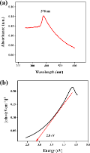
- producing ZnO NPs using indigenous LAB isolated from native breed cow curd from very remote regions of North Karnataka (India), which displayed notable antibacterial activity. Here, people consume curd regularly in their diet. The curd is prepared by traditional methods, and, for several decades, the same
- , suggesting their potential utility in environmental contexts and as biomedical coatings. Conclusion This work effectively proved the use of native lactic acid bacteria as capping and reducing agents in the green synthesis of ZnO NPs. The NPs exhibited potential structural, optical, and biological qualities



Orientation-dependent photonic bandgaps in gold-dust weevil scales and their titania bioreplicates
Beilstein J. Nanotechnol. 2025, 16, 1–10, doi:10.3762/bjnano.16.1
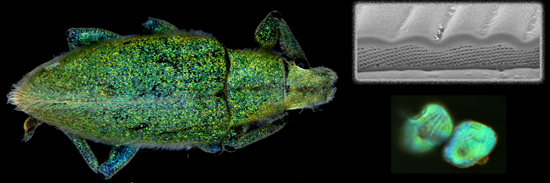
- by modeling is consistent with the measured peak reflectance in original and templated scales (original: <10, template: >10, referred to a diffuse white standard (Figure 1 and Figure 4c). The measured spectra, both of the native templates and the replica, are broader than those produced by the
- the replica, and the increase of the fill fraction. The measured reflectance spectra, both of the native templates and the replicas, are broader than those produced by the idealized model. This difference is partially attributed to the measurement geometry: While the model assumes a plane wave, in the


Attempts to preserve and visualize protein corona on the surface of biological nanoparticles in blood serum using photomodification
Beilstein J. Nanotechnol. 2024, 15, 1654–1666, doi:10.3762/bjnano.15.130

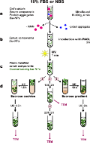
- ) in fetal bovine serum and newborn bovine serum; native sera served as a control. To isolate photomodified bio-NPs, we used ultracentrifugation (UC), sucrose gradient (12%, 30%, and 50%), and sucrose cushion (30%) methods. Isolated bio-NPs were visualized using transmission electron microscopy. The
- (photomodification) could result in the fixation of serum proteins originally bound to the bio-NPs’ surface, that is, the fixation of the “natural” protein corona. We did not isolate bio-NPs beforehand, instead we worked with solutions of native sera. Figure 2 shows the workflow of our experiments for obtaining bio
- in the ultrastructure of bio-NPs comparing with native sera were detected (Figure 3 and Figure 4). Incubation of FBS and NBS with PACL and subsequent UV irradiation resulted in the appearance of an electron-dense material adsorbed directly onto the bio-NPs’ surface (Figure 4a–o). The material



Biomimetic nanocarriers: integrating natural functions for advanced therapeutic applications
Beilstein J. Nanotechnol. 2024, 15, 1619–1626, doi:10.3762/bjnano.15.127

- Biomimetic nanocarriers, engineered to mimic the characteristics of native cells, offer a revolutionary approach in the treatment of various complex human diseases. This strategy enhances drug delivery by leveraging the innate properties of cellular components, thereby improving biocompatibility and
- replicating the characteristics or functions of native cells [19]. Nanoparticle coating involves obtaining nanoparticles (Figure 1-2A), which can be organic or inorganic in structure (Figure 2A), and conjugating them with functional ligands (Figure 1-2B) or biological structures, such as cell membranes


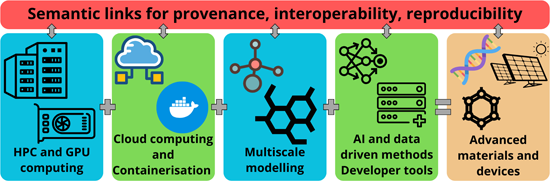
Integrating high-performance computing, machine learning, data management workflows, and infrastructures for multiscale simulations and nanomaterials technologies
Beilstein J. Nanotechnol. 2024, 15, 1498–1521, doi:10.3762/bjnano.15.119