Search results
Search for passenger subjective letter native Bering Strait Alaska 20th century in Full Text gives 405 result(s) in Beilstein Journal of Nanotechnology. Showing first 200.
Ethosomal (−)-epigallocatechin-3-gallate as a novel approach to enhance antioxidant, anti-collagenase and anti-elastase effects
Beilstein J. Nanotechnol. 2022, 13, 491–502, doi:10.3762/bjnano.13.41
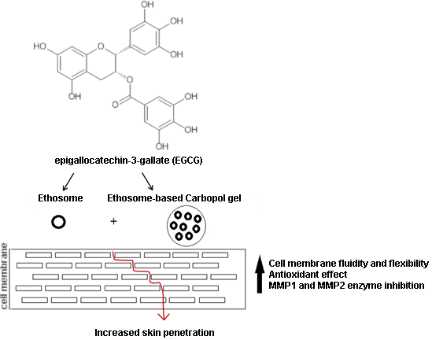
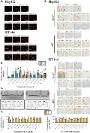
- , n = 3, bars with the same lowercase letter (a,b), (*,**), and (1,2) are not significantly different (p > 0.05)]. Inhibition values (%) of the: (A) collagenase and (B) elastase enzymes upon exposure to the EGCG solution, ETHs, and ETHGs. (Values are expressed as mean ± standard deviation, n = 3



Zinc oxide nanostructures for fluorescence and Raman signal enhancement: a review
Beilstein J. Nanotechnol. 2022, 13, 472–490, doi:10.3762/bjnano.13.40
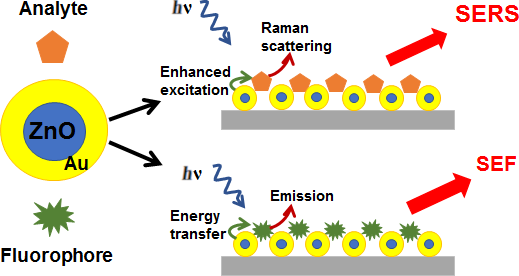
- Fluorescence detection is a powerful and effective tool for monitoring compounds with native fluorescence or labelled with an appropriate tag. For fluorescence-based detection, achieving high sensitivity via improving the signal-to-noise ratio is mandatory [104]. In order to increase the quantum yield and




Effect of sample treatment on the elastic modulus of locust cuticle obtained by nanoindentation
Beilstein J. Nanotechnol. 2022, 13, 404–410, doi:10.3762/bjnano.13.33
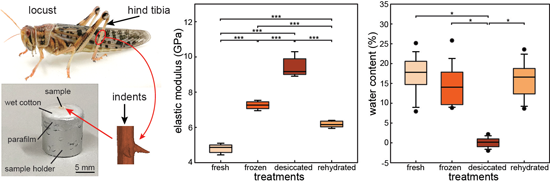
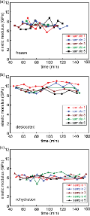
- influence the elastic modulus of native cuticle specimens tested in bending. In the light of our data, we suggest that changes of the elastic modulus of cuticle are not solely due to changes of the water content. Our results provide a platform for more accurate measurements of cuticle properties. Keywords
- in their native state. The level of hydration of freshly dissected cuticle specimens is maintained by surrounding them with wet pieces of cotton. In this way, the specimens can absorb water from the wet cotton pieces without being overhydrated. Our results suggest that this is a more suitable method
- tenfold of the stiffness of cuticle in the native state [16]. This is because water makes cuticle soft and compliant. A significant increase was also observed in the elastic modulus of our specimens after desiccation. The elastic modulus of the desiccated specimens was about twice that of the fresh


Micro- and nanotechnology in biomedical engineering for cartilage tissue regeneration in osteoarthritis
Beilstein J. Nanotechnol. 2022, 13, 363–389, doi:10.3762/bjnano.13.31
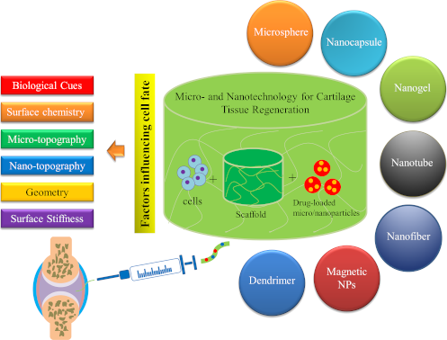
- structures and functions to native cartilage. Nevertheless, despite the progresses made in biomaterial synthesis, scaffold fabrication, and development of growth factor delivery systems, TE has been unable to address OA disease using the routine methods. Recently, more attention has been paid to the
- application of such stimuli pave the way for the application of new and promising sources for re-engineering of biomaterials. In this paper, the native structure of articular cartilage is briefly described due to the importance of understanding its complex structure before designing a suitable construct
- for chondrogenic differentiation while PCL-based 3D printed scaffolds might be more appropriate for osteogenic differentiation [107]. The actual behavior of chondrocytes in a native microenvironment is a consequence of multiple factors, the interactions of which regulate the cell responses. Among


Alcohol-perturbed self-assembly of the tobacco mosaic virus coat protein
Beilstein J. Nanotechnol. 2022, 13, 355–362, doi:10.3762/bjnano.13.30
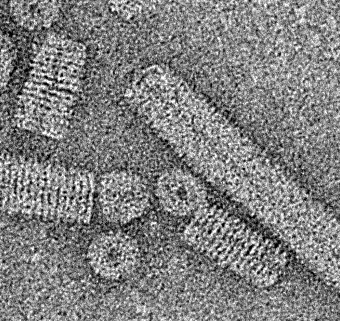
- to work with virus-like particles composed of the viral capsid proteins without the viral genome. One of the most extensively studied viral templates is the tobacco mosaic virus [15]. The native virus forms helical rod-shaped particles composed of ca. 2130 copies of the coat protein. The particles


Relationship between corrosion and nanoscale friction on a metallic glass
Beilstein J. Nanotechnol. 2022, 13, 236–244, doi:10.3762/bjnano.13.18
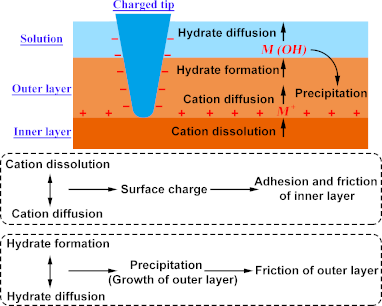
- solution and corrosion products on the surfaces reduced the friction coefficient [16][17]. The native oxide layers grown in the air were found to strengthen the friction coefficient and the wear resistance of MGs at the nanoscale [18][19]. The thermal oxidation caused a higher contribution of shearing and


Nanoscale friction and wear of a polymer coated with graphene
Beilstein J. Nanotechnol. 2022, 13, 63–73, doi:10.3762/bjnano.13.4
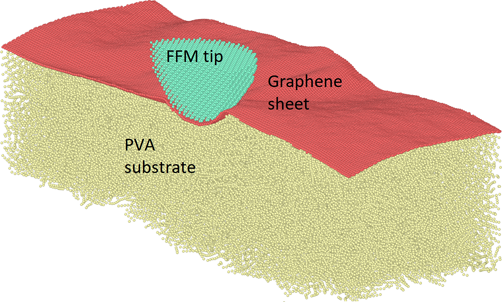
- mechanical properties were already being utilised in engineering applications. Graphite powder, essentially thick flakes of graphene, has been used as a lubricant additive for over a century to reduce wear and friction during sliding [5][6][7]. Nevertheless, we still do not understand the wide variety of


Biocompatibility and cytotoxicity in vitro of surface-functionalized drug-loaded spinel ferrite nanoparticles
Beilstein J. Nanotechnol. 2021, 12, 1339–1364, doi:10.3762/bjnano.12.99
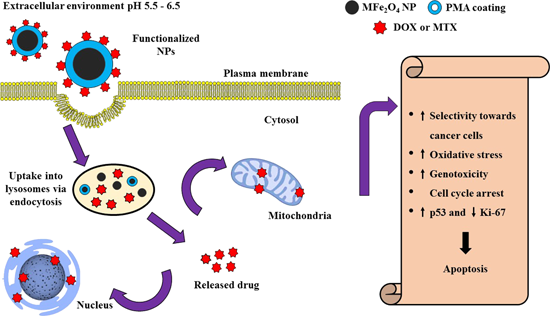
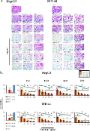
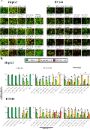
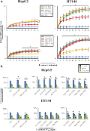
- which enables controlled and nontoxic biological interactions [18]. The hydrophilicity of the nanocarriers is important, as native hydrophobic surfaces of NPs are rapidly opsonized by hydrophobic serum proteins [19]. For this, surface functionalization has a major role [18]. It alters the surface





Identifying diverse metal oxide nanomaterials with lethal effects on embryonic zebrafish using machine learning
Beilstein J. Nanotechnol. 2021, 12, 1297–1325, doi:10.3762/bjnano.12.97
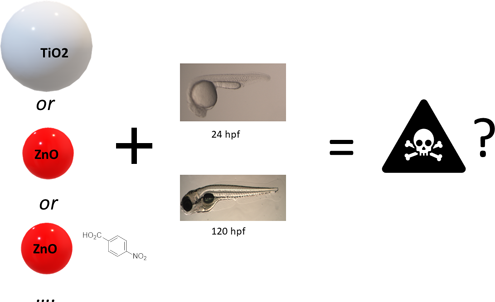
- days (Figure 5). These data were obtained from ChEMBL [47][48] (assay ID = CHEMBL1913666 [49], retrieved on 20th November 2019). They were treated as pseudo-ENM data samples, with the modelled toxic and non-toxic classes being assigned on the basis of whether the data were reported as “toxic” vs


Irradiation-driven molecular dynamics simulation of the FEBID process for Pt(PF3)4
Beilstein J. Nanotechnol. 2021, 12, 1151–1172, doi:10.3762/bjnano.12.86
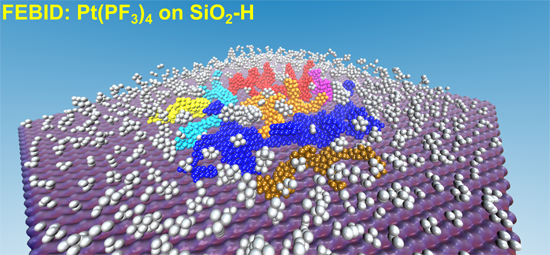
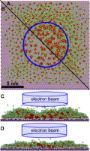
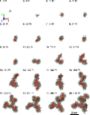
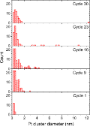
- , which corresponds to the equivalent total experimental irradiation time of 30 ms with the beam parameters from [22]. A snapshot of the system at the end of the 20th FEBID cycle is presented in Figure 4. Panels A–D of Figure 4 correspond to different amounts of energy transferred to the medium via Pt–P








Self-assembly of amino acids toward functional biomaterials
Beilstein J. Nanotechnol. 2021, 12, 1140–1150, doi:10.3762/bjnano.12.85
- ]. Although traditional materials provide good structural analogues for native bone and surrounding tissue, they are difficult to mimic the dynamics and complexity of the natural environment [9]. Therefore, it is necessary to develop a new generation of biomaterials to improve strategies for natural tissue

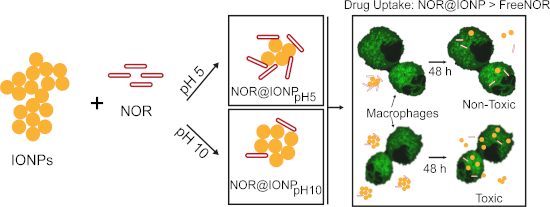
pH-driven enhancement of anti-tubercular drug loading on iron oxide nanoparticles for drug delivery in macrophages
Beilstein J. Nanotechnol. 2021, 12, 1127–1139, doi:10.3762/bjnano.12.84
- (sanction letter No.: SB/S3/CE/059/2014). Partial financial support was also obtained from the Wadhwani Research Centre for Bioengineering, IIT Bombay.



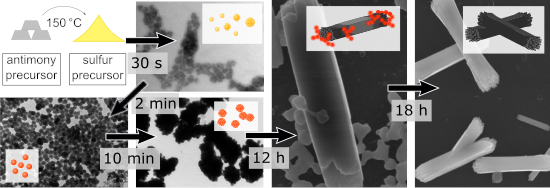
Revealing the formation mechanism and band gap tuning of Sb2S3 nanoparticles
Beilstein J. Nanotechnol. 2021, 12, 1021–1033, doi:10.3762/bjnano.12.76
- efficient, renewable energies with broad availability has become one of the most important challenges of our century. With a usable radiation energy per year that is several times larger than the energy consumption of the world [1], solar energy is a suitable source for future energy supply. However, there


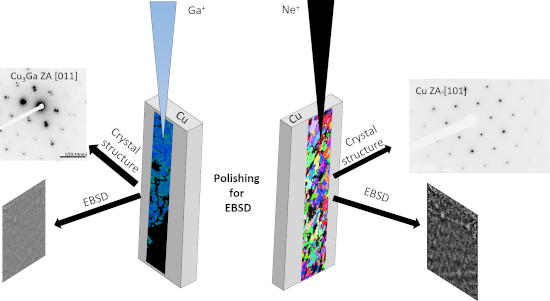
Is the Ne operation of the helium ion microscope suitable for electron backscatter diffraction sample preparation?
Beilstein J. Nanotechnol. 2021, 12, 965–983, doi:10.3762/bjnano.12.73
- century [1]. From its beginnings as primarily an imaging tool [2][3][4][5][6][7][8][9] it was established as a key tool in nanofabrication [10][11][12][13][14][15], defect engineering [16][17], and recently for material analysis [18][19]. The extended range of applications in which the second-generation
- measurements were performed to assess if and how the crystal structure of the sample was altered during different polishing procedures. For each sample, EBSD measurements were performed on the bulk specimen, thus the native Cu TEM grid serves as a true control sample. Thin foils of each specimen were then



Self-assembly of Eucalyptus gunnii wax tubules and pure ß-diketone on HOPG and glass
Beilstein J. Nanotechnol. 2021, 12, 939–949, doi:10.3762/bjnano.12.70
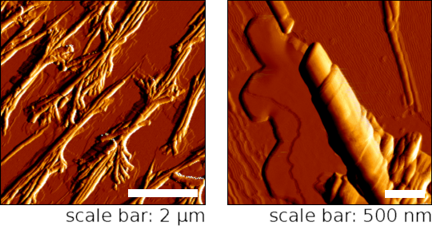
- separation of the ß-diketones from the bulk material after solvent evaporation. Such a process could not be observed here for the eucalyptus wax, but was found in earlier studies with native wax mixtures of nonacosanol waxes [42]. Conclusion Tubules were recrystallized from E. gunnii wax and from a ß


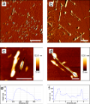


The role of convolutional neural networks in scanning probe microscopy: a review
Beilstein J. Nanotechnol. 2021, 12, 878–901, doi:10.3762/bjnano.12.66
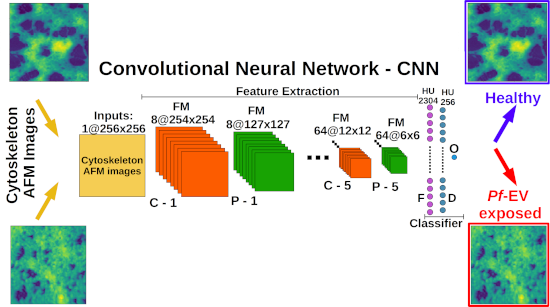


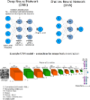


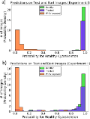

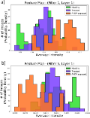


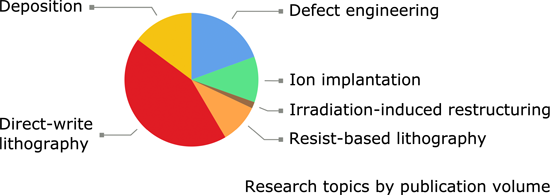
A review of defect engineering, ion implantation, and nanofabrication using the helium ion microscope
Beilstein J. Nanotechnol. 2021, 12, 633–664, doi:10.3762/bjnano.12.52


Impact of GaAs(100) surface preparation on EQE of AZO/Al2O3/p-GaAs photovoltaic structures
Beilstein J. Nanotechnol. 2021, 12, 578–592, doi:10.3762/bjnano.12.48
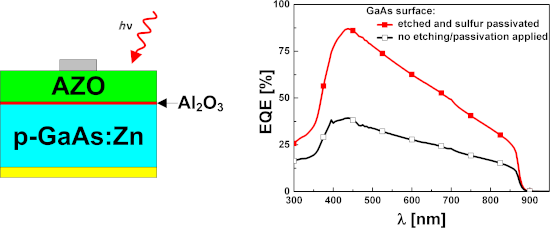
- presence of an amorphous film of native oxides gives rise to midgap surface states in GaAs [8] which results in Fermi-level pinning [9]. Due to a high surface-related recombination velocity, a decrease in the photoluminescence (PL) of the semiconductor is also observed [7]. These phenomena have strong and
- the removal of the native oxide layer followed by an adequate surface passivation technique [13] and/or by a proper choice of the dielectric and its deposition method. Regarding the dielectric, the most common ones are aluminum oxide (Al2O3) and hafnium dioxide (HfO2) for which the preferable
- deposition method is ALD [14][15]. Removal of native oxide layer and protection of such an obtained surface can be done in many ways. In the case of wet-etching techniques, the most popular GaAs native oxide etchants are based on acidic and basic solutions. In order to etch the oxide, one can treat the




A review on nanostructured silver as a basic ingredient in medicine: physicochemical parameters and characterization
Beilstein J. Nanotechnol. 2021, 12, 440–461, doi:10.3762/bjnano.12.36
- sample stored at 4 °C leading to an overlap, which indicates size and shape stability of the nanoparticles [48]. Dynamic light scattering: Historically, the first approaches to describe interactions between light and nanostructures were published in the early 20th century. Currently, the most popular


The impact of molecular tumor profiling on the design strategies for targeting myeloid leukemia and EGFR/CD44-positive solid tumors
Beilstein J. Nanotechnol. 2021, 12, 375–401, doi:10.3762/bjnano.12.31
- simple techniques for the prediction and synthesis of native ligands for specific receptors. Advances in molecular targets for cancer therapy and their implications in nanoscale targeting strategies will be briefly presented in the following part of the article. EGFR is a member of the ErbB family of


Spontaneous shape transition of MnxGe1−x islands to long nanowires
Beilstein J. Nanotechnol. 2021, 12, 366–374, doi:10.3762/bjnano.12.30
- . Experimental Samples were grown in a MBE chamber with a base pressure of 3 × 10⁻¹¹ Torr. Ge(111) wafers were ultrasonically cleaned in methanol and trichloroethylene, followed by removal of the native oxide using sulfuric acid and formation of a volatile oxide by dipping in H2O2/NH3OH/H2O. Prior to Mn


Intracranial recording in patients with aphasia using nanomaterial-based flexible electronics: promises and challenges
Beilstein J. Nanotechnol. 2021, 12, 330–342, doi:10.3762/bjnano.12.27
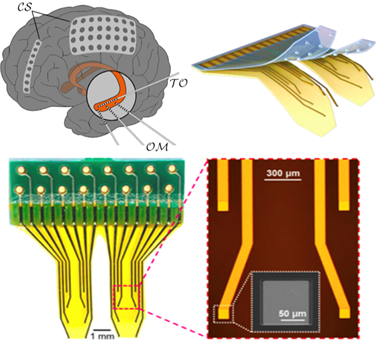
- language. Over the last century, researchers from multiple disciplines, including biology, psychology, neuroscience, linguistics, and cognitive science, have attempted to understand the nature of aphasia. The research techniques used include classical post-mortem and histological procedures, and modern
- area should serve a specific function, and many of them were later found to have a specific role in processing. Although the cortical structure is found to be more complex and heterogeneous than Brodmann suggested, his cytoarchitecture maps remain popular and useful today. In the last century
- equally to word and nonword strings, likely responsible for prelexical letter integration. In contrast, a region in the anterior fusiform gyrus was sensitive to word lexicality (words > nonwords), semantic content, and context. This region could be responsible for concept representation addressable by


Gold(I) N-heterocyclic carbene precursors for focused electron beam-induced deposition
Beilstein J. Nanotechnol. 2021, 12, 257–269, doi:10.3762/bjnano.12.21
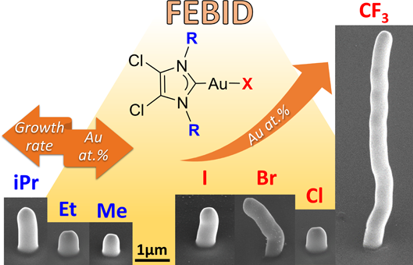
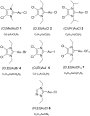
- precursors under electron irradiation [53]. EDX analyses of the deposits show the presence of silicon and oxygen, which are not present in the precursor molecules. Their presence is likely to come from the silicon substrate with its native oxide surface layer. The triazole-based compound 6 is the best





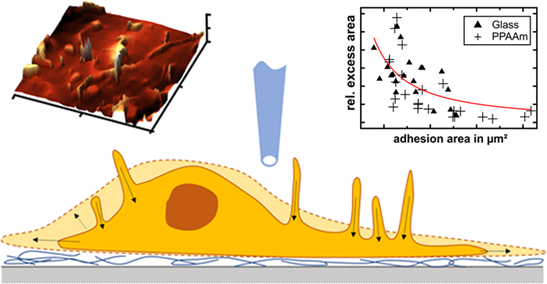
The nanomorphology of cell surfaces of adhered osteoblasts
Beilstein J. Nanotechnol. 2021, 12, 242–256, doi:10.3762/bjnano.12.20
- investigation of the membrane itself, there are intricate issues concerning the applied forces during cell surface–nanoprobe interactions. For example, cellular responses, such as cytoskeleton rearrangements and repair of the extracellular matrix, may be triggered. Thus, the native state of the membrane may
- coatings of positively charged plasma-polymerized allylamine (PPAAm) or negatively charged Au were used, see below. Viability tests (MTS) were performed on glass, sputter-deposited Au, polydimethylsiloxane (PDMS), and PPAAm coating with native titanium and cell culture plastic as reference. Cell viability


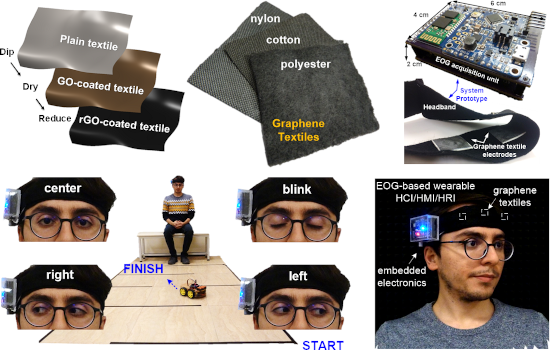
Toward graphene textiles in wearable eye tracking systems for human–machine interaction
Beilstein J. Nanotechnol. 2021, 12, 180–189, doi:10.3762/bjnano.12.14
- executes the designated action. For instance, considering the case of a blink, which is attributed to the mouse click or “select” action, at cursor speeds above a maximum threshold, there is the possibility that the user attempts to click and select a specific letter but misses it due to the latency in
- , in a standard QWERTY keyboard, instead of performing one swift left eye movement to initiate continuous movement of the cursor from letter “A” to letter “K,” one can perform seven swifts left movements to traverse the cursor one at a time to its nearest neighbor in the initiated direction of movement
- (Figure 4a). Alternatively, five swift right movements can be performed to do the same task but in a comparatively faster way (Figure 4b). To illustrate this, five volunteers have participated in a study to test the system by writing randomly generated six-letter sequences, summarized in Table 2, together