


Search results
Search for 奥斯卡6项提名电影片尾旁白剧透 in Full Text gives 2649 result(s) in Beilstein Journal of Nanotechnology. Showing first 200.
Development of a mucoadhesive drug delivery system and its interaction with gastric cells
Beilstein J. Nanotechnol. 2025, 16, 371–384, doi:10.3762/bjnano.16.28

- gastrointestinal system, which leads to higher effectiveness [4][5]. Over the years, different types of gastroretentive drug delivery systems have been developed, including floating, expandable, high-density, or mucoadhesive systems [6]. Among these, mucoadhesive systems are quite effective in localizing the drugs
- measured. The purpose of the different dissolution media was to investigate possible release differences under different pH conditions. It is known that gastric mucus is acidic (around pH 2) at the luminal site and almost neutral (around 6) at the epithelial surface [9]. Since the drug delivery system is
- interaction were 4.5 ± 2.7 and 7.4 ± 0.3 for 6 × 10⁴ and 1.2 × 10⁵ cells/well, respectively. As expected, the nanoparticle adsorption onto the cells depends on the cell concentration. Since the fluorescence measurements were carried out on the cell pellets after washing and centrifugation, the increase in


Vortex lattices of layered HTSCs at different vortex–vortex interaction potentials
Beilstein J. Nanotechnol. 2025, 16, 362–370, doi:10.3762/bjnano.16.27
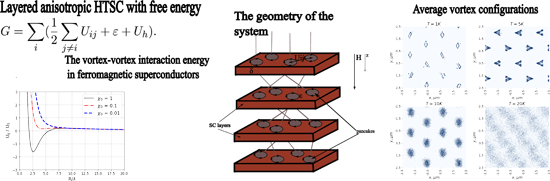
- the magnetic field penetrates the superconductor in the form of Abrikosov vortices [1]. In high-temperature superconductors (HTSCs), such as Y- and Bi-based cuprates, the vortex lattice is further complicated since these compounds have a layered structure [2][3][4][5][6]. The vortex filament in these
- . For further analysis, a vortex configuration in a magnetic field of H = 400 G was chosen. Figure 5 and Figure 6 show the distributions of the magnetic field in the sample with increasing temperature. It is evident that even an increase in temperature to 3 K leads to noticeable thermal motion of the
- clusters themselves does not occur in the temperature range from 1 to 20 K. However, a further increase in temperature leads to the destruction of the ordered lattice of clusters (Figure 6, which shows the magnetic field distributions at 25 and 40 K). We also note the change in the shape of the clusters


Pulsed laser in liquid grafting of gold nanoparticle–carbon support composites
Beilstein J. Nanotechnol. 2025, 16, 349–361, doi:10.3762/bjnano.16.26
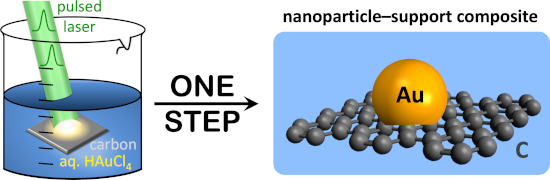
- electrochemical conditions [2]. On the laboratory scale, attachment is achieved electrostatically or by adding ion-conducting polymer (i.e., ionomer) binders to the nanoparticles, either as mixtures (inks) or overlayers [3][4][5][6][7][8][9][10]. Electrostatic attachment of nanoparticles to supports lacks long
- was reported as 3.0 × 10⁻⁶ s−1 [25]. This suggests that pristine graphite surfaces, generated by the in situ decontamination and activation by nanosecond laser cleaning, can exist for Au embedding during the pulsed laser grafting process. However, this microscopic surface decontamination and
- , electrolyte (Figure 6). Gas chromatography (GC) was used to identify products. In mildly alkaline electrolytes, as used here, gold-catalyzed aqueous bicarbonate reduction to hydrogen has been reported [66][67]. Our electrocatalysis testing revealed increased durability and electrochemical performance of


Tailoring of physical properties of RF-sputtered ZnTe films: role of substrate temperature
Beilstein J. Nanotechnol. 2025, 16, 333–348, doi:10.3762/bjnano.16.25
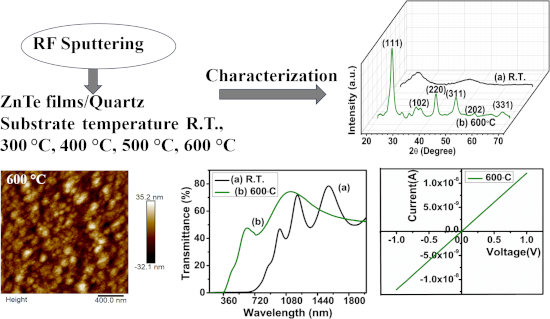
- carrier transport, ZnTe can be used as a buffer layer in CdTe-based solar cells for back contact. Moreover, n-type zinc telluride films can be used in the window layer as a substitute for CdS [6]. Zinc telluride films are highly resistive with a resistivity of about several megaohm·centimetres [7]. The
- an energy-independent constant. The value of the power exponent m depends on the type of transition in the films. For a direct allowed transition, m takes a value of 1/2. Figure 6 (left Y-axis scale, Figure 6A(a,b,c) and Figure 6B(d,e)) shows the (αhν)2-vs-hν graph for ZnTe films deposited at
- bandgap value with substrate temperature is assigned to the enhancement in crystallinity and decrease in dislocation density in the films [15]. For indirect allowed transitions, m = 2. Figure 6 (right Y-axis scale, A(a′, b′, c′) and B(d′, e′)) shows the (αhν)1/2-vs-hv plot for ZnTe films deposited at

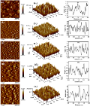

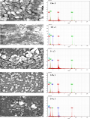


Graphene oxide–chloroquine conjugate induces DNA damage in A549 lung cancer cells through autophagy modulation
Beilstein J. Nanotechnol. 2025, 16, 316–332, doi:10.3762/bjnano.16.24
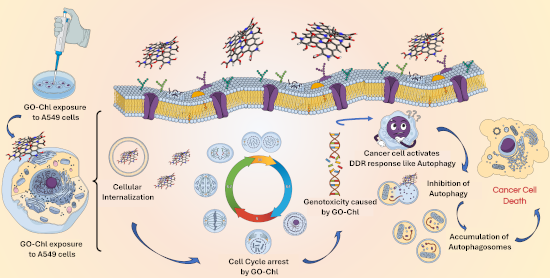
- of DDR either through autophagy modulation or poly (ADP-ribose) polymerase (PARP) inhibition could provide a better therapeutic response [6][7]. Recently, nanomedicine has shown immense potential/efficacy in the treatment of chemoresistant tumors by providing improved molecular targeting, better
- /mL penicillin, 10 mg/mL streptomycin, 25 μg/mL amphotericin-B; Cat No. 15240062), mouse and rabbit secondary antibodies conjugated to HRP, 4',6-diamidino-2-phenylindole (DAPI; Cat No. 62248) were purchased from Life Technologies (Invitrogen, Carlsbad, CA, USA). A549 human lung adenocarcinoma cells
- the specific experiment. Each group contained four technical replicates and three biological replicates for each experiment. In each assay cells without nanoconjugates were used as a control. Transmission electron microscopy analysis The A549 cells (2 × 10⁵ cells/mL/well in 6-well plates) were exposed



Fabrication and evaluation of BerNPs regarding the growth and development of Streptococcus mutans
Beilstein J. Nanotechnol. 2025, 16, 308–315, doi:10.3762/bjnano.16.23
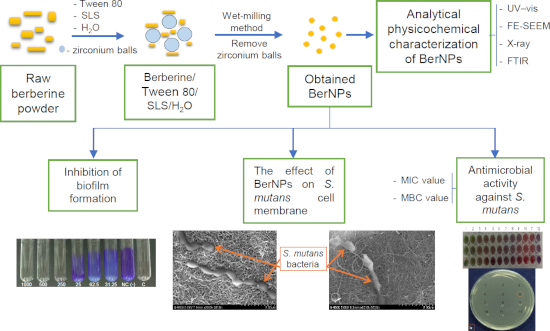
- . mutans can ferment carbohydrates, primarily sucrose and glucose or by-products in saliva, to produce weak organic acids. These acids lead to tooth surface demineralization and the subsequent enamel loss, resulting in tooth decay [6][7]. Furthermore, the biofilm formation by S. mutans contributes to




Enhancing mechanical properties of chitosan/PVA electrospun nanofibers: a comprehensive review
Beilstein J. Nanotechnol. 2025, 16, 286–307, doi:10.3762/bjnano.16.22

- uses, and wound healing [4][5][6]. However, a drawback of electrospun nanofibers is their mechanical properties [7][8]. Electrospun nanofibers typically exhibit poor mechanical properties due to their high porosity, random fiber arrangement, and weak interactions at the cross-points of the nanofibers
- layering fibers upon fibers through multiple steps, as shown in Figure 6. The functionality of the overall structure depends on the different properties exhibited by each layer. In bioactive encapsulation and controlled release applications, for example, multilayered membranes can be used to regulate the
- concentration because of improved coverage of the chitosan shell layer as observed from TEM images of the fiber. The different methods used in the measurement of chitosan/PVA nanofiber properties are summarized in Table 6. These methods allow for comprehensive characterization of the mechanical properties of


Emerging strategies in the sustainable removal of antibiotics using semiconductor-based photocatalysts
Beilstein J. Nanotechnol. 2025, 16, 264–285, doi:10.3762/bjnano.16.21
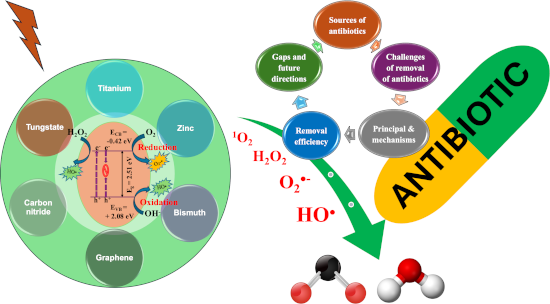
- antibiotics has raised public concern, especially because they are environmental contaminants originating from human and animal waste [5]. These antibiotics can persist without change or as active metabolites in the environment, posing significant toxicity risks to aquatic and human life [6][7][8]. The
- -based photocatalysts often achieved superior efficiency and high mineralization rates, offering a comprehensive solution for antibiotic contamination (see below in Tables 1–6). The progressively increasing trend of publications and corresponding citations in recent times highlight the superiority of
- from water is compiled below in Table 6. Conclusion This review comprehensively explores the latest advancements and challenges in using semiconductor-based photocatalysts



Preferential enrichment and extraction of laser-synthesized nanoparticles in organic phases
Beilstein J. Nanotechnol. 2025, 16, 254–263, doi:10.3762/bjnano.16.20
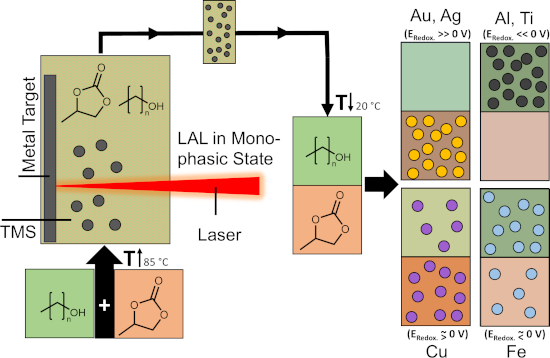
- formed nanoparticles [1][2][3]. However, the formed nanoparticles also interact with the used liquid during the process; thus, chemical reactions such as oxidation [3][4][5][6] or carbon shell formation [7][8][9] occur depending on the solvent’s properties, allowing for alterations of the structural
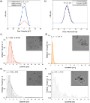
- nanoparticles in either (c, e) 1-nonanol or (d, f) propylene carbonate obtained by LAL in TMS. Mass fraction of colloidal nanoparticles in the propylene carbonate phase gained after LAL of (a) copper and (b) iron in TMSs consisting of propylene carbonate and a primary alcohol with a chain length of 6 to 11. The




Radiosensitizing properties of dual-functionalized carbon nanostructures loaded with temozolomide
Beilstein J. Nanotechnol. 2025, 16, 229–251, doi:10.3762/bjnano.16.18
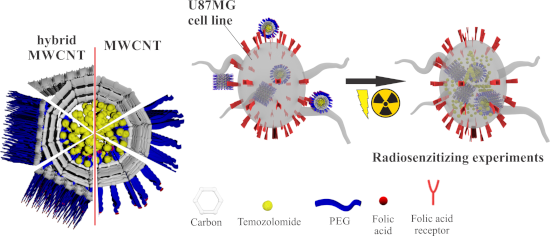
- . Cyril and Methodius University in Skopje, Blv. Mother Theresa No. 17, 1000 Skopje, Republic of North Macedonia Faculty of Medicine, Ss. Cyril and Methodius University in Skopje, Str. 50th Division No. 6, 1000 Skopje, Republic of North Macedonia 10.3762/bjnano.16.18 Abstract In the present study
- processes, including neuroregeneration, neuronal differentiation, and stimulation of neuronal electrical signalization and brain activity. Thus, they are promising materials for new products regarding tissue engineering and prosthetic neuronal devices [6][7][8]. There is also an evidence that CNs manifest
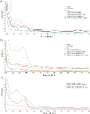
- 0.79, respectively) point to a reverse trend during TMZ loading in the hybrid carrier, suggesting the formation of stable complexes between the drug and the carrier. Thermogravimetric analysis The TGA findings are presented in Figure 6. As mentioned in our previous study [43] and also seen in the




Synthesis and the impact of hydroxyapatite nanoparticles on the viability and activity of rhizobacteria
Beilstein J. Nanotechnol. 2025, 16, 216–228, doi:10.3762/bjnano.16.17
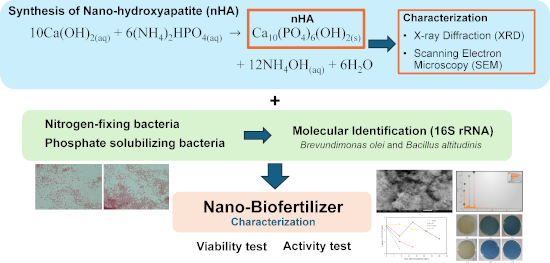
- , making them ideal candidates for serving as carrier materials [6]. Additionally, nanoscale carrier materials offer the advantage of high loading capacity, remarkable stability, and the ability to enhance rhizobacterial resilience against drought conditions. Moreover, they provide convenience in both
- applications. The nHA carrier is hydroxyapatite (Ca10(PO4)6(OH)2) in powder form, comprising the elements calcium, phosphorous, oxygen, and hydrogen. These elements provide nutrients that support the viability of rhizobacteria. Water within the carrier also plays a crucial role in maintaining the viability of
- to the nHA carrier material is not fully understood. However, the structure of nHA, characterized by its voids and crevices, provides an environment conducive to the growth and survival of rhizobacteria, a phenomenon known as biological fixation [33]. Figure 6, along with Table 3 and Table 4, shows


Recent advances in photothermal nanomaterials for ophthalmic applications
Beilstein J. Nanotechnol. 2025, 16, 195–215, doi:10.3762/bjnano.16.16
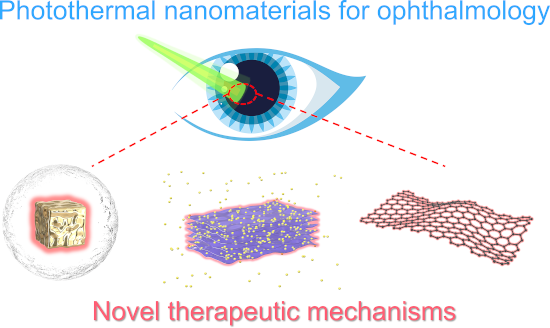
- treatments pose significant barriers [5]. The evolution of nanotechnology has catalyzed the development of novel therapeutic technologies, with a plethora of nanomaterials exhibiting significant potential for nanotherapeutic applications [6][7][8]. Among these, photothermal nanomaterials hold promise in


Probing the potential of rare earth elements in the development of new anticancer drugs: single molecule studies
Beilstein J. Nanotechnol. 2025, 16, 187–194, doi:10.3762/bjnano.16.15

- applications, rare earth elements are yet unexplored in the development of new drugs for cancer chemotherapies, and only a few works have pointed out the potential of such elements for this field [6][7][8]. An initial motivation to investigate the potential of rare earth elements for cancer treatments is the


A review of metal-organic frameworks and polymers in mixed matrix membranes for CO2 capture
Beilstein J. Nanotechnol. 2025, 16, 155–186, doi:10.3762/bjnano.16.14
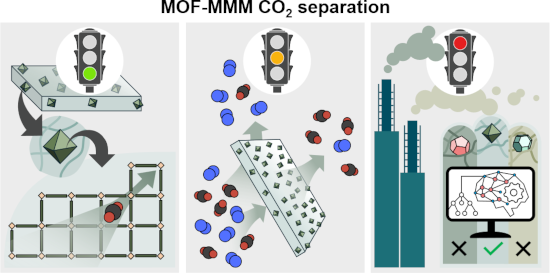
- , including regenerative solvent-based absorption [2][6], fixed-bed adsorption [7], cryogenic separation techniques [8], and membrane separation methods [9][10][11][12]. Of these, membrane technology offers advantages such as exceptional stability, high efficiency, low energy consumption, and ease of
- -benzenedicarboxylic acid (H2BDC)) can be combined with various metal ions (e.g., Mg2+, Cu2+, Zn2+, Fe3+, and Zr4+) to obtain MOFs with diverse structures (e.g., Mg2(DOBDC), CuBTC, and Zr6O4(OH)4(BDC)6). Moreover, utilizing linkers pre-functionalized with substituents (e.g., –Br, –NH2, –SO3H) enables straightforward
- did not persist when tested in a CO2/CH4 mixture with a 6/94 molar ratio (αCO2/CH4 = 61 ± 4), emphasizing the importance and the challenges related to developing MOF structures for CO2 capture [51]. While some MOFs do feature pore apertures within the narrow size range allowing for size exclusion (3.3




Clays enhanced with niobium: potential in wastewater treatment and reuse as pigment with antibacterial activity
Beilstein J. Nanotechnol. 2025, 16, 141–154, doi:10.3762/bjnano.16.13
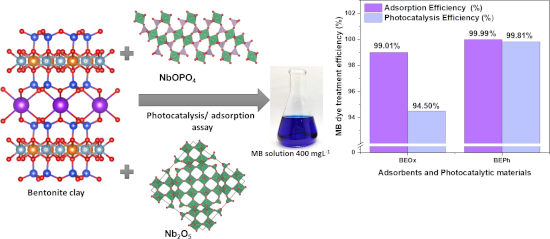
- regeneration of the adsorbent. Various adsorbents including chitosan, cellulose, organophilic clays, kaolinite and montmorillonite clays, and activated carbon have been used for removing toxic compounds from polluted water [6]. Among these adsorbents, bentonite and smectite clays exhibit advantageous
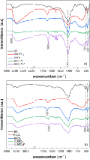
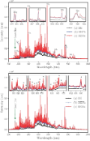
- focused on a material, producing a plasma called laser-induced plasma (LIP). Qualitative and quantitative information about a sample is obtained by measuring the spectral delivery of the laser-induced plasma [19]. Figure 6 shows LIBS spectra for the samples BE, BEPh, and BEOx. It is observed that the
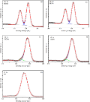
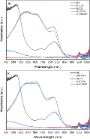
- color parameter difference (ΔE = 6–12). The ΔE values obtained for the samples BEPh (13.62) before the adsorption/photocatalysis process, A-BEPh (23.38), A-BEOx (15.97), and A-BEOxP (13.80) were above 12, indicating a very strong color parameter difference [27]. The colorimetric parameters presented in



TiO2 immobilized on 2D mordenite: effect of hydrolysis conditions on structural, textural, and optical characteristics of the nanocomposites
Beilstein J. Nanotechnol. 2025, 16, 128–140, doi:10.3762/bjnano.16.12
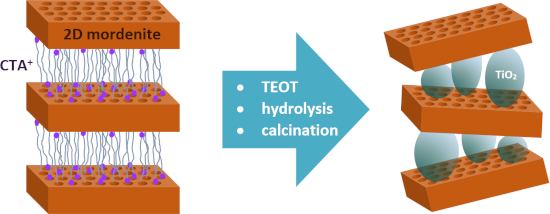
- nanocomposites were synthetized by the introduction of titanium tetraethoxide (TEOT) into the interlamellar space of 2D mordenite, its subsequent hydrolysis in water or a solution of 70% ethanol in water for 6, 12, and 24 h, and calcination. The resulting TiO2/2D mordenite materials were studied by a set of
- hierarchical micro- and mesoporosity [1][2][3][4][5][6]. Zeolites with hierarchical porous structures can be synthesized using different strategies [4], for example, aggregation of nanocrystals, use of templates, and creation of mesoporosity by forming pillars between 2D lamellae of zeolites separated by
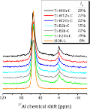
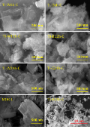
- ) samples are labeled as Ti-WNh-C and Ti-ENh-C with N = 6, 12, and 24 for materials hydrolyzed in water (W) and 70% ethanol solution (E) for 6, 12, and 24 h, respectively. The non-calcined samples are designated as Ti-WNh and Ti-ENh. XRD, 27Al NMR, and SEM-EDX studies Figure 1a and Figure 1b show small



Comparison of organic and inorganic hole transport layers in double perovskite material-based solar cell
Beilstein J. Nanotechnol. 2025, 16, 119–127, doi:10.3762/bjnano.16.11
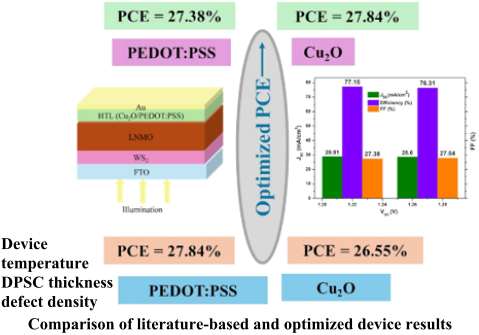
- 2009 to 26.1% in 2023 [5][6]. PSCs consist of an absorber layer sandwiched between charge transport layers (CTLs), that is, the hole transport layer (HTL) and the electron transport layer (ETL). Light generates excitons, which further dissociate into electrons and holes. The electrons and holes are


Nanocarriers and macrophage interaction: from a potential hurdle to an alternative therapeutic strategy
Beilstein J. Nanotechnol. 2025, 16, 97–118, doi:10.3762/bjnano.16.10

- transport across membranes, and extend circulation times. These advantages could reduce the negative effects of off-target drug accumulation and improve the release to the disease sites compared to current delivery systems [6]. Despite the expected applications in the biomedical field, the journey of NPs
- strong pro-inflammatory response. These cells release cytokines such as tumor necrosis factor-α (TNF-α), interleukin (IL)-6, and IL-1β, essential for pathogen clearance and initiating immune defense mechanisms [19]. However, if an inflammation remains active for extended periods, it can contribute to
- inflammation through the secretion of IL-10 and low levels of TNF-α. M2c macrophages, stimulated by IL-10 and glucocorticoids, resolve inflammation and promote tissue regeneration. Last, M2d macrophages, known as tumor-associated macrophages (TAMs), are activated by adenosine and IL-6 and characterized by


Modeling and simulation of carbon-nanocomposite-based gas sensors
Beilstein J. Nanotechnol. 2025, 16, 90–96, doi:10.3762/bjnano.16.9
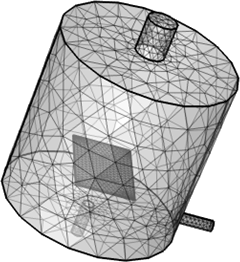
- , its composites, and their application in electrochemical sensors have been discussed [6][7][8]. There are research contributions on pristine graphene and ammonia gas sensors for detection of very low ammonia content [9]. The thin-film sensor fabricated on polyethylenimine- (PEI) functionalized SWCNTs
- maximum surface concentration. At t = 6 s, injection occurs via a Gaussian concentration pulse feed inlet for 1 ppm CO gas concentration, characterized by a bell-shaped curve. This indicates that during the injection process the concentration gradually rises to a peak before returning to the baseline
- homogeneous surface. It is often used in gas sensors where only one layer of gas molecules is adsorbed and where there are no interactions between adsorbed molecules. Fitting of obtained result values into the Langmuir adsorption model is shown in Figure 6, which is defined using the Equation 1. where K is



Characterization of ZnO nanoparticles synthesized using probiotic Lactiplantibacillus plantarum GP258
Beilstein J. Nanotechnol. 2025, 16, 78–89, doi:10.3762/bjnano.16.8
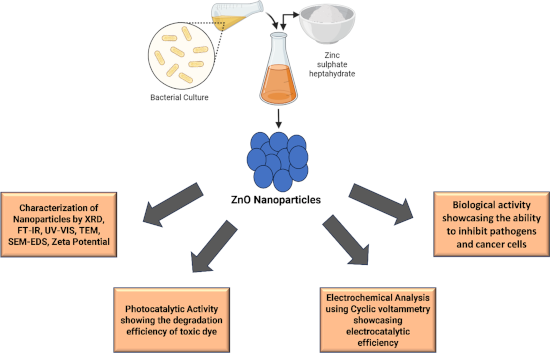
- . When ingested in sufficient quantities, they provide health advantages as they colonize the gut, and their metabolites generally show antimicrobial and health promotion activity to the host [6][7][8]. The thick peptidoglycan layers with crosslinks and the complex cell wall structures of Gram-positive
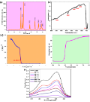
- zone diameters of 6 ± 1 mm and 3 ± 1 mm, respectively. We summarized all these findings visually in Figure 6a,b. MTT assay The anticancer activity of biosynthesized ZnO NPs was assessed, where upon analysis the IC50 values of biosynthesized ZnO NPs were evaluated over a period of 24 h at varying
- KB020 HiLacto Identification Kit (Himedia, India), following the manufacturer’s instructions. The selected bacterial isolates were inoculated to 5 mL of MRS broth, incubated (6–18 h at 37 °C) to obtain 0.1 OD (620 nm). Later, 50 µL of the inoculum was aseptically added to each well using the surface



Instance maps as an organising concept for complex experimental workflows as demonstrated for (nano)material safety research
Beilstein J. Nanotechnol. 2025, 16, 57–77, doi:10.3762/bjnano.16.7

- cases from their high surface reactivity, which results from their small size and large surface area. They include applications in catalysis [3][4] (e.g., as catalytic converters in engines and for energy capture and storage) and as sensors [5][6] (e.g., for bioremediation and environmental monitoring
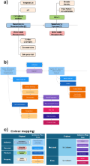
- of future cultures. The steps in the acute daphnia toxicity test performed according to the OECD standard test guideline (OECD 202 “Daphnia sp. acute immobilisation test” [41]) have been visualised using an instance map (Figure 6). An intentional feature of the OECD test guidelines is that they leave


Advanced atomic force microscopy techniques V
Beilstein J. Nanotechnol. 2025, 16, 54–56, doi:10.3762/bjnano.16.6

- . investigate the cross-sectional potential distribution across a III-V multilayer stack [6]. With a spatial resolution down to 20 nm at ambient conditions, they identified the presence of several space charge regions along the stack. The authors further conclude on future requirements on electrical contacts to
Theoretical study of the electronic and optical properties of a composite formed by the zeolite NaA and a magnetite cluster
Beilstein J. Nanotechnol. 2025, 16, 44–53, doi:10.3762/bjnano.16.5
- characteristics of zeolites depend largely on the chemical composition of the framework, specifically the Si/Al ratio [1][2]. These characteristics make zeolites highly appealing for a wide range of applications, including the production of fine chemicals [3][4], gas separation [5][6][7], ion exchange [8][9][10
- the rest of electronic states as valence states. For integration in the reciprocal space, a 3 × 3 × 3 mesh (14 k-points in the irreducible Brillouin Zone (IBZ)) is used during the self-consistent cycle, and a 6 × 6 × 6 mesh (112 k-points in IBZ) for the calculation of density of states and optical
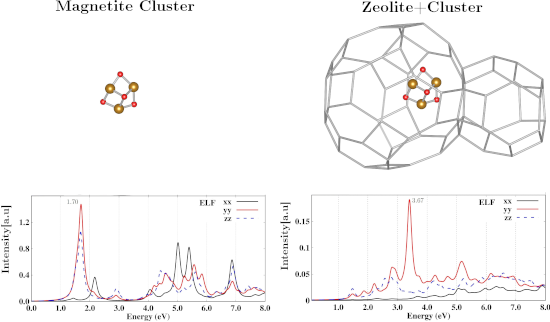
- NaA zeolite offers the possibility of altering not only the electronic and magnetic properties, but also the spin channels of the cluster. Figure 6 provides a comparison of the behavior of the real and imaginary components of relative permittivity ε(=ε1 + iε2) and energy loss function (ELF) for the




Precursor sticking coefficient determination from indented deposits fabricated by electron beam induced deposition
Beilstein J. Nanotechnol. 2025, 16, 35–43, doi:10.3762/bjnano.16.4

- deliberately determined [6]. In some other works, the sticking coefficient has been used in an expression describing the value of precursor supply frequency which was sufficient for the investigated case [7][8]. A number of works using the continuum model assumed the sticking coefficient to be unity as a rough
- Fowlkes and Rack [6] where a value of 0.025 was reported for W(CO)6. In this work, a stationary pulsed beam was used to study the adsorption/desorption dynamics. A fit of the results to the continuum model was performed with an estimated value for the energy-integrated dissociation cross section in order
- Then, with the Equation 4, the dimensionless growth rate is: Substituting τin from Equation 6 we obtain: In the case of significant dissociative depletion Equation 8 yields which is a key feature of the extreme MTL regime and corresponds to the growth rate on the flat-top deposit in Figure 1. This


A nanocarrier containing carboxylic and histamine groups with dual action: acetylcholine hydrolysis and antidote atropine delivery
Beilstein J. Nanotechnol. 2025, 16, 11–24, doi:10.3762/bjnano.16.2

- have a nerve-paralyzing impact and have major health repercussions. The irreversible binding of OPs to the cholinesterase receptors renders the enzyme completely inactive. An antidote that counters the effects of the OPs on the enzyme is given to treat OP poisoning. Atropine (Atr) [6][7][8], an





