Search results
Search for 抖音 AI文案帮写 功能入口 2026年1月 最新位置 in Full Text gives 2681 result(s) in Beilstein Journal of Nanotechnology. Showing first 200.
Retrieval of B1 phase from high-pressure B2 phase for CdO nanoparticles by electronic excitations in CdxZn1−xO composite thin films
Beilstein J. Nanotechnol. 2025, 16, 551–560, doi:10.3762/bjnano.16.43

- ; Introduction Zinc oxide (ZnO)-based thin films are of significant interest due to their wide bandgap value (3.37 eV at room temperature), transparent electrical conduction, and large excitonic binding energy (60 meV) [1]. In contrast, cadmium oxide (CdO) exhibits a lower bandgap of 2.2 eV, along with high
- , we reported a local pressure-driven structural phase transformation (PT) from B1 (NaCl) to B2 (CsCl) in CdxZn1−xO (x = 0.4) composite binary oxide thin films [1]. The radiation stability of these phases is crucial for optoelectronic applications in space, where the exposure to high-energy particles
- thin films [1]. Das et al. reported that Seth for the formation of an amorphous latent track in rock salt CdO is 14.56 keV/nm [7]. Thus, we selected 120 MeV Ag ions, where electronic energy loss (Se) in CdO is 25.10 keV/nm, and 80 MeV O ions, with Se at 1.9 keV/nm, to examine the effects on both sides


Functionalized gold nanoflowers on carbon screen-printed electrodes: an electrochemical platform for biosensing hemagglutinin protein of influenza A H1N1 virus
Beilstein J. Nanotechnol. 2025, 16, 540–550, doi:10.3762/bjnano.16.42
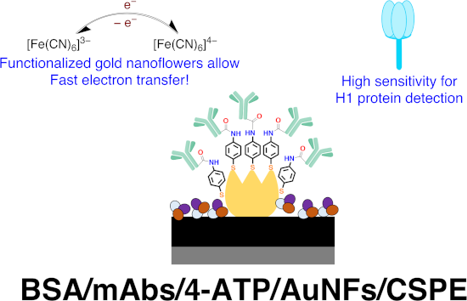
- threat to medical and public health systems, and the economic expenditures due to viral infections have increased steadily for health care systems in past years [1]. Influenza is an acute respiratory disease in mammals and domestic poultry, which emerges from zoonotic reservoirs in aquatic birds and bats
- quantify H1 of influenza A H1N1 virus at clinically relevant concentrations with high accuracy and sensitivity in a complex matrix such as artificial saliva (Figure 1). The biosensing system can also be coupled to a microfluidics system without significant decrease in the electrochemical response. The
- process, forming stable AuNFs that remain at the surface of the electrode upon contact with water and ethanol as no change in the CV was observed after contact with these solvents (Supporting Information File 1, Figure S1). This suggests strong mechanical adhesion of the AuNFs to the CSPE surface. The


Electron beam-based direct writing of nanostructures using a palladium β-ketoesterate complex
Beilstein J. Nanotechnol. 2025, 16, 530–539, doi:10.3762/bjnano.16.41
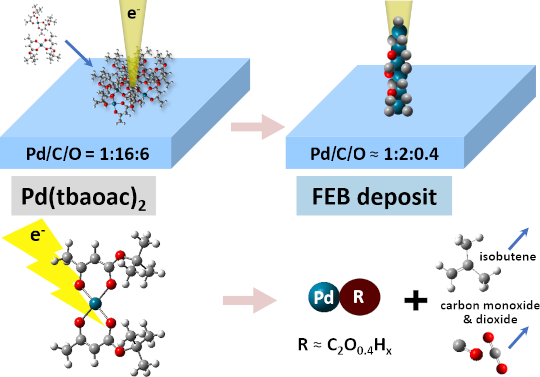
- use of masks, achieving scales down to a few nanometers with various patterns and shapes, offers significant advantages for a wide range of technological applications. These include areas that require plasmonic [1][2][3], phononic [3][4], magnetic [5][6], optoelectronic [7][8][9], and mechanical [10
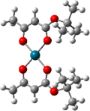
- )2] [40][41]. The potential of growing 3D nanostructures with this precursor was also explored. The insights gained from this research could be valuable in the development of precursors tailored for FEBID. Experimental The structure of [Pd(tbaoac)2] is shown in Figure 1. The precursor was synthesized
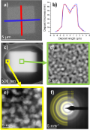
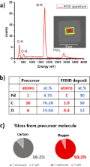
- flow rate in the deposited area was approximately about 2 × 10¹⁶ molecules·s−1 or 3.7 × 10³ molecules·nm−2·s−1. This was determined through measuring the difference in weight of the precursor before and after experiments inside the GIS. This is the amount of precursor consumed for the experimental


Zeolite materials with Ni and Co: synthesis and catalytic potential in the selective hydrogenation of citral
Beilstein J. Nanotechnol. 2025, 16, 520–529, doi:10.3762/bjnano.16.40
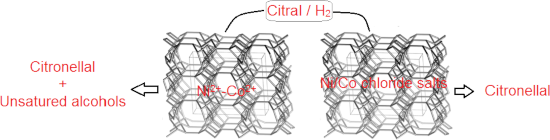
- metallic species for various applications, leading to the invention of new functional materials for sustainable development, such as catalysts [1][2][3]. Among the various methods used to modify zeolites, ion exchange is the most widely employed. Different ion exchange methods are known, such as ion
- . Results and Discussion Composition and characterization of the materials XRD patterns and a SEM micrograph of the starting zeolite mineral (ZSA) are shown in Figure 1 and Figure 2, respectively. The diffraction patterns are normalized and evidence the presence of mordenite and clinoptilolite–heulandite
- these zeolites shown in the XRD pattern (Figure 1). This indicates that zeolitic mineral from the San Andrés deposit is mainly composed of a mordenite and clinoptilolite–heulandite mixture. Furthermore, the SEM micrographs reveal free spaces between crystallites, contributing to the material’s porosity


Water in nanoporous hexagonal boron nitride nanosheets: a first-principles study
Beilstein J. Nanotechnol. 2025, 16, 510–519, doi:10.3762/bjnano.16.39
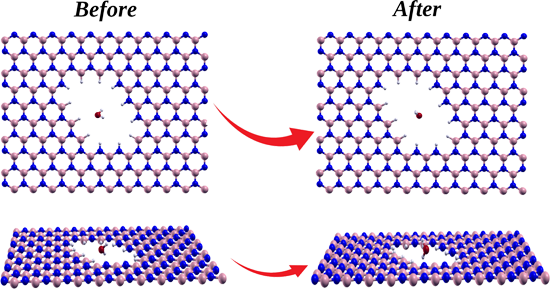
- nitride; DFT; nanoporous materials; water; Introduction Water scarcity represents one of the greatest challenges faced by our societies because of changing climate patterns combined with growing water demand [1]. In the face of this problem, seawater desalination has gained significant attention. In
- nanopores, we calculated the formation energy according to Equation 1: where Etotal and nN, nB, nH, and nO are the total energy of the nanopore and the numbers of N, B, H, and O atoms for each studied system, respectively. μN, μB, μH, μO are the chemical potentials of N, B, H, and O atoms, respectively. The
- of μB and μN. This is because, for stoichiometric pores, Equation 1 can be reformulated as Ef = Etotal − nBNμBN − nHμH − nOμO. Conversely, nanopores may possess varying numbers of B and N atoms. Therefore, it becomes necessary to consider chemical environments favoring either μB (i.e., a B-rich




N2+-implantation-induced tailoring of structural, morphological, optical, and electrical characteristics of sputtered molybdenum thin films
Beilstein J. Nanotechnol. 2025, 16, 495–509, doi:10.3762/bjnano.16.38
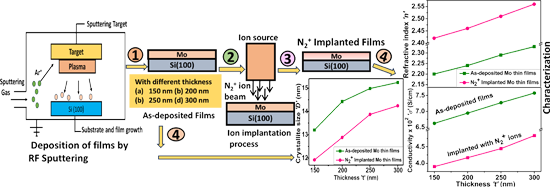
- implanted with 1 × 10¹⁷ N2+·cm−2 at 30 keV using a current density of 4 µA·cm−2. Surface morphology and structural, optical, and electrical properties of the as-deposited and implanted Mo thin films have been systematically investigated. The crystallinity of Mo thin films is enhanced with increasing
- technological applications owing to their outstanding characteristics. The high melting point and stability of molybdenum ensure that it remains structurally intact under the harsh operating conditions of solar cells [1][2]. This stability is essential for long-term reliability and performance. The low
- substrates under suitable conditions lead to improvements in functionality and address the needs of various cutting-edge industries [6][7]. For the deposition of Mo thin films, various techniques such as chemical vapor deposition, physical vapor deposition (RF sputtering and DC sputtering) [1][8][9], and


Performance optimization of a microwave-coupled plasma-based ultralow-energy ECR ion source for silicon nanostructuring
Beilstein J. Nanotechnol. 2025, 16, 484–494, doi:10.3762/bjnano.16.37

- applications and play a crucial role in generating charged particles. Various systems harness energetic ions for diverse purposes, spanning material science, high-energy physics, medical applications, and agricultural science [1][2][3][4][5]. Presently, energetic ions find application in various surface
- nanopatterning and nanoscale functionalization have garnered significant interest, owing to their broad applications in DNA origami [10], tuning of wettability [11] and electrical and magnetic anisotropy [12][13], isolated dot formation [1], nanoscale plasmonic arrays [14], and field emission [15]. Thus, ion
- reduce the thickness to less than 40 μm at the center, ion milling was performed. This ultrathin central region was used for detailed TEM analysis. Description of the Ion Source Figure 1 illustrates the block diagram of the magnetron-coupled ultralow-energy ECR ion source (Plasma Gen-II, Tectra GmbH


Impact of adsorbate–substrate interaction on nanostructured thin films growth during low-pressure condensation
Beilstein J. Nanotechnol. 2025, 16, 473–483, doi:10.3762/bjnano.16.36

- different adsorbate–substrate bonding. Keywords: adsorbate–substrate interaction; adsorptive systems; numerical simulations; pattern formation; Introduction Innovative nanostructured thin films are widely exploited in ground-breaking developments regarding transistors [1][2], energy harvesting [3][4
- is the diffusion coefficient; M = x1(1 − x1) takes into account that diffusion is possible onto free sites; ∇ = d/dr. The last term in Equation 2 represents a stochastic source that takes into account the effects of redistribution of adatoms at the microscopic level, describing the system at the
- mesoscopic level. In the simplest case, we choose it as white zero-mean delta-correlated Gaussian noise: ⟨ξ(r,t)⟩ = 0, ⟨ξ(r,t)ξ(r’,t’)⟩ = σ2δ(r− r’)(t − t’) with the intensity σ2. The reaction term for the first adsorptive layer has the following form: Adsorption processes are described by the term Ra = ka(1


Effect of additives on the synthesis efficiency of nanoparticles by laser-induced reduction
Beilstein J. Nanotechnol. 2025, 16, 464–472, doi:10.3762/bjnano.16.35
- including electrode materials [1], conductive pastes [2][3], catalysts [4][5], sensors [6][7][8], and drug delivery systems [9]. The chemical reduction [10] and the solvothermal methods [11][12] are well known for synthesizing nanoparticles in large quantities at low cost, but these methods require the use
- using LRL has been improved from 1 mg/h [18], when this phenomenon was first discovered, to 20 mg/h through improvements to the optical system and scale-up. However, further improvements in the synthesis efficiency of nanoparticles are an urgent issue to put the nanoparticles synthesized by LRL to
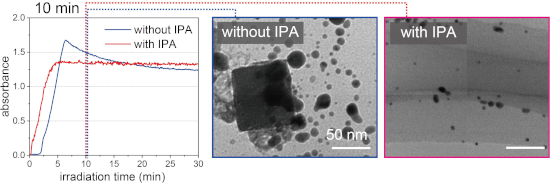
- solution and compared the results with the aim of improving the synthesis efficiency of nanoparticle by LRL. The UV–visible absorption spectrum of the aqueous solution of gold chloride was measured every 5 s during laser irradiation to evaluate the progress of the reaction. Figure 1 shows the results of


Synthetic-polymer-assisted antisense oligonucleotide delivery: targeted approaches for precision disease treatment
Beilstein J. Nanotechnol. 2025, 16, 435–463, doi:10.3762/bjnano.16.34

- oncological, autoimmune, and infectious conditions, where genetic expression plays a crucial role on the disease pathogenesis and prognosis [1][2][3][4]. In the past decades, several approaches including cell-based therapies [5][6][7], gene therapies [8][9], and RNA therapies [10][11] have been studied to
- into three generations based on their structural modifications (Figure 1) [17]. First-generation ASOs are characterised by having an altered phosphate backbone. This chemical modification increases their stability against nucleases, extending their half-life, and promotes the degradation of transcripts
- PLL-based system to enhance ribozyme-catalysed RNA recombination and oligonucleotide assembly within peptide–RNA condensates [27]. This work demonstrated that low-molecular-weight PLL (Mw = 1–5 kDa) facilitated charge-mediated phase separation, significantly shifting the reaction equilibrium from RNA


Quantification of lead through rod-shaped silver-doped zinc oxide nanoparticles using an electrochemical approach
Beilstein J. Nanotechnol. 2025, 16, 422–434, doi:10.3762/bjnano.16.33
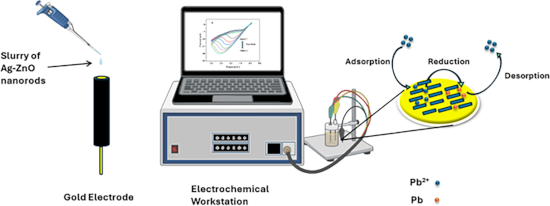
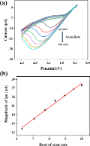
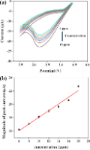
- sensitivity toward lead. The lead chemical sensor that was developed had a detection limit of 3 ppm with a sensitivity of 16 µA·ppm−1·cm−2. The recorded reaction time of lead sensor was less than two seconds. Keywords: electrochemical methods; chemical sensor; doping; lead; nanoparticles; ZnO nanorods
- ; Introduction According to the literature, a lot of work has been done to create durable and dependable smart sensors for the effective identification of analytes that are harmful but also crucial for the environment and technology [1]. Even at very low levels, heavy metals can permanently harm health, and
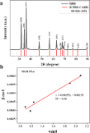
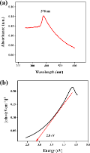
- Zn–O bond is responsible for a significant vibrational band in the FTIR spectra, ranging from 450 to 550 cm−1. The presence of a hydroxy residue, which is caused by ambient moisture, is indicated by a large peak at 3433 cm−1 (stretching) and at 1330 to 1720 cm−1 (bending). Peaks present at 2922 and





Biomimetics and bioinspired surfaces: from nature to theory and applications
Beilstein J. Nanotechnol. 2025, 16, 418–421, doi:10.3762/bjnano.16.32

- Rhainer Guillermo Ferreira Thies H. Buscher Manuela Rebora Poramate Manoonpong Zhendong Dai Stanislav N. Gorb Lestes Lab, Federal University of Triângulo Mineiro, Uberaba, Minas Gerais, Brazil Department of Functional Morphology and Biomechanics, Kiel University, Am Botanischen Garten 1–9, 24098
- Kiel, Germany Dipartimento di Chimica, Biologia e Biotecnologie, University of Perugia, Via Elce di Sotto 8, 06121 Perugia, Italy Embodied AI & Neurorobotics Lab, The Maersk Mc-Kinney Moller Institute, The University of Southern Denmark,Campusvej 55, 5230 Odense, Denmark State Key Laboratory of
- influence their performance and at drawing inspiration for modern technology from the vast array of solutions found in nature [1]. By examining the multiscale structures and mechanisms in biological systems, innovative and technologically advanced solutions can be developed for practical applications

Size control of nanoparticles synthesized by pulsed laser ablation in liquids using donut-shaped beams
Beilstein J. Nanotechnol. 2025, 16, 407–417, doi:10.3762/bjnano.16.31
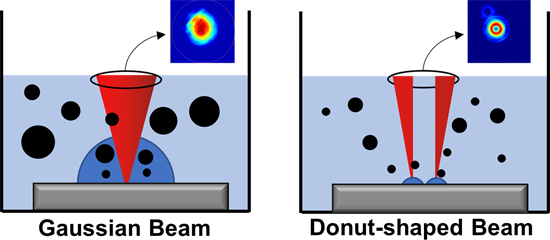
- nanoparticles (NPs) with defined particle sizes and narrow size distribution width is driven by the growing integration of nanomaterials into various industrial applications, such as medicine [1][2][3], catalysis [4][5], sensors [6][7], and additive manufacturing [8]. The performance of NPs typically depends on
- ). The plasma temperature and pressure determine the cavitation bubble and NP formation [40][41]. The plasma plume that heats up the liquid causes liquid vaporization and subsequent bubble nucleation. The initial pressure of the bubble is very high (higher than 1 GPa) allowing it to expand until it
- investigated by using shadowgraphy method for both beam shapes. Materials and Methods Targets for PLAL Plate targets composed of high-purity gold (AGOSI AG, Germany) and Y2O3 (Porzellanfabrik Hermsdorf GmbH, Germany) with dimensions of ca. 10 × 10 × 1 mm3 were used to produce gold and yttrium oxide NPs


ReactorAFM/STM – dynamic reactions on surfaces at elevated temperature and atmospheric pressure
Beilstein J. Nanotechnol. 2025, 16, 397–406, doi:10.3762/bjnano.16.30
- relevant conditions. While much research has been conducted at room temperatures (or below) and under ambient to ultrahigh vacuum (UHV) conditions, industrial conditions expose catalysts to 1000 K and beyond in pressures ranging from ambient to 100 bar [1][2]. This difference in pressure, which influences
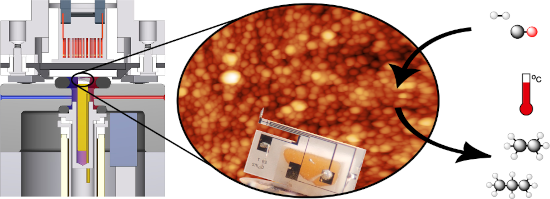
- experimental setup is shown in Figure 1. The apparatus is composed of two chambers maintained at UHV conditions and separated by a gate valve. The preparation chamber is devoted to sample preparation and characterization, while the other accommodates the AFM/STM reactor. The sample can be introduced into the
- pressure controllers, is connected to the AFM/STM reactor, permitting pressures of up to 20 bar. Four gases plus a carrier gas can be mixed and transported to and from the reactor by capillaries at gas mixing ratios ranging from 1:1 up to 1:100 with a flow up to 40 mL/min controlled via a Python script. A


Engineered PEG–PCL nanoparticles enable sensitive and selective detection of sodium dodecyl sulfate: a qualitative and quantitative analysis
Beilstein J. Nanotechnol. 2025, 16, 385–396, doi:10.3762/bjnano.16.29
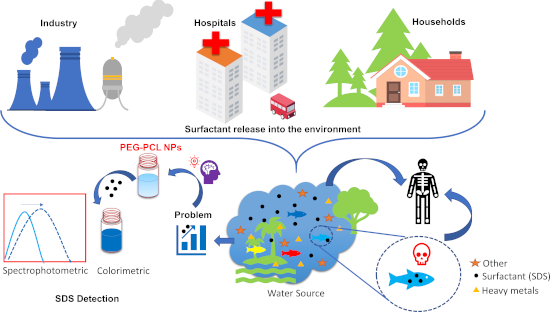
- widely used in household detergents, personal care products, emulsification, lubrication, catalysis, nanoparticles synthesis, plastic industry, and electroplating [1][2][3][4]. This organic compound exhibits an amphiphilic nature, consisting of a 12-carbon hydrocarbon tail covalently bonded to a polar
- as silicon oil (Cat. No. 015067), were obtained from CDH Fine Chemicals (India). All chemicals were used as received without further purification. Prior to experimentation, all glassware was cleaned with aqua regia (HCl:HNO3, 3:1 v/v) and thoroughly rinsed with double-distilled water. Methodology
- vigorously stirred in a silicon oil bath at 130 °C. Subsequently, a syringe introduced 2 mL of ε-caprolactone and 1 mL of stannous octoate (as a reaction catalyst) into the molten mPEG. The polymerization reaction was conducted under vacuum with continuous stirring at 130 °C for 24 h. After the


Development of a mucoadhesive drug delivery system and its interaction with gastric cells
Beilstein J. Nanotechnol. 2025, 16, 371–384, doi:10.3762/bjnano.16.28

- Drug delivery through the oral route is the most preferred route because of ease of application, high patient compliance, and non-invasiveness [1]. Drug formulations designed for the oral route are aimed for two delivery approaches, namely, (i) systemic drug delivery, in which the drug must be absorbed
- ) nanoparticles, topography, surface composition, size, and charge distribution of the delivery system were determined. The topography of the nanoparticles was studied with SEM (Figure 1). Both Alg and EudAlg nanoparticles are spherical with smooth surfaces (Figure 1A,B). It should be noted that during SEM
- . In addition to morphological characterization, the coating of Alg nanoparticles with Eudragit RS100 polymer was studied by using fluorescently tagged polymers during particle synthesis (Supporting Information File 1). For the preparation of fluorescently tagged Alg (F-Alg) nanoparticles, fluorescein


Vortex lattices of layered HTSCs at different vortex–vortex interaction potentials
Beilstein J. Nanotechnol. 2025, 16, 362–370, doi:10.3762/bjnano.16.27
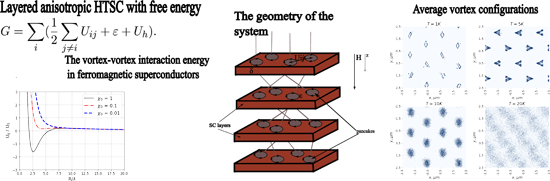
- using the Monte Carlo method within the framework of a two-dimensional model of a layered high-temperature superconductor. Interaction potentials close to the potential applicable in superconductors with the Ginzburg–Landau parameter κ = 1/2 (intertype superconductors) and in ferromagnetic
- the magnetic field penetrates the superconductor in the form of Abrikosov vortices [1]. In high-temperature superconductors (HTSCs), such as Y- and Bi-based cuprates, the vortex lattice is further complicated since these compounds have a layered structure [2][3][4][5][6]. The vortex filament in these
- method within the framework of a two-dimensional model of a layered HTSC [24][25][26]. Most of the HTSCs applicable in practice are strongly anisotropic substances characterized by the anisotropy parameter γ > 10. Examples of such HTSCs are YBa2Cu3O7−δ (γ ≈ 10) and Bi2Sr2CaCu2O8−δ (γ ≈ 200) [1]. Such


Pulsed laser in liquid grafting of gold nanoparticle–carbon support composites
Beilstein J. Nanotechnol. 2025, 16, 349–361, doi:10.3762/bjnano.16.26
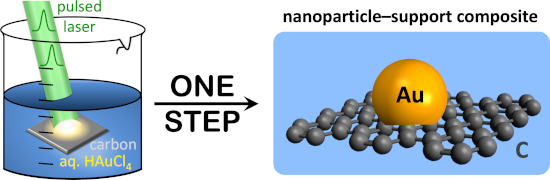
- attachment on a support (Figure 1). Another challenge is the resulting poor physical and electrical contact of nanoparticles on supports. Our pulsed laser grafting process overcomes these problems by directly seeding and growing nanoparticles on substrates using nanosecond laser pulses, thereby eliminating
- surfactants for size control [17][18][19]. Nanoparticles prepared by pulsed laser in liquid synthesis are surfactant-free [1], but the same binder strategies are used for nanoparticle–support composites as for conventionally made nanoparticles. Capping ligands and binders hinder intimate contact between
- trapped materials that are not accessible under thermodynamic equilibrium conditions [1]. Pulsed laser grafting permits access to extreme regions of materials phase diagrams by concentrating the laser energy into the region where nanoparticles emerge, followed by rapid cooling. Kinetically trapped


Tailoring of physical properties of RF-sputtered ZnTe films: role of substrate temperature
Beilstein J. Nanotechnol. 2025, 16, 333–348, doi:10.3762/bjnano.16.25
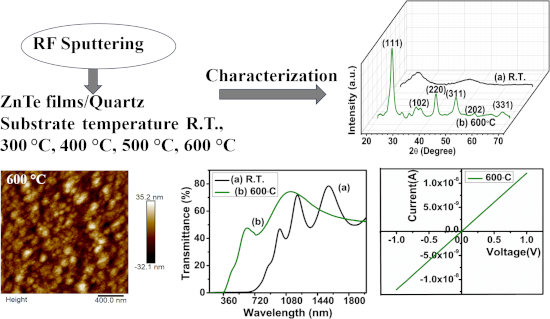
- ) compounds have numerous applications in optoelectronic devices such as light-emitting diodes [1], display devices [2], infrared detectors [3], and terahertz emitters [4]. Owing to their suitable physical properties (deposition at low temperatures and good thermal stability) and unique optical properties due
- diameter and 3 mm thickness) having 99.99% purity was used for sputter deposition of the films. The substrate was kept at a distance of 7 cm from the target. The different deposition parameters are specified in Table 1. The thickness of the fabricated ZnTe/Qz films was determined using spectroscopic
- -3600 Plus) equipped with Integrating Sphere Assembly (Model-ISR-603) in the wavelength range of 200–2000 nm (accuracy 1 Å) available at Ion Beam Centre, Kurukshetra University. The photoluminescence (PL) emission spectra of ZnTe/Qz films were recorded using a HORIBA Scientific (Fluorescence 3.5




Graphene oxide–chloroquine conjugate induces DNA damage in A549 lung cancer cells through autophagy modulation
Beilstein J. Nanotechnol. 2025, 16, 316–332, doi:10.3762/bjnano.16.24
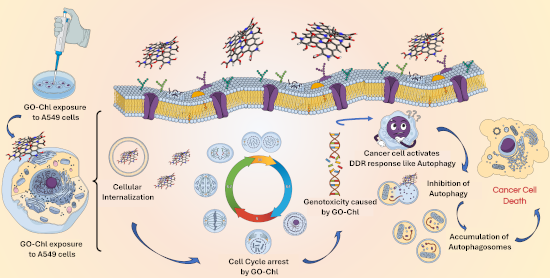
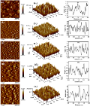
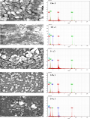
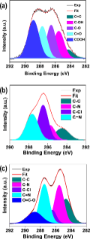
- -damage response. GO–Chl causes loss of plasma membrane integrity, cell cycle arrest, and significant genotoxicity in A549 cells. Further, elevated expression of key autophagy proteins beclin-1, ATG-7, LC-3-I/II, and SQSTM1/p62 reveal that inhibition of autophagy plays a crucial role in regulating DDR
- ; nanoconjugates; SQSTM1/p62; Introduction Despite of advances in basic and clinical research, an increased mortality rate is seen worldwide in cancer-associated deaths [1]. The heterogeneous and complex tumor microenvironment along with intrinsic and/or acquired drug resistance mechanisms, such as increased drug
- , including WNT, Notch, STAT 1/3, and NRF-2, respectively [20]. Graphene oxide nanosheets have been shown to selectively disrupt the cell membrane and cytoskeleton of cancer cells through activation of FAK-Rho-ROCK pathway and suppressed expression of integrin [21]. It has also been found that nuclear



Fabrication and evaluation of BerNPs regarding the growth and development of Streptococcus mutans
Beilstein J. Nanotechnol. 2025, 16, 308–315, doi:10.3762/bjnano.16.23
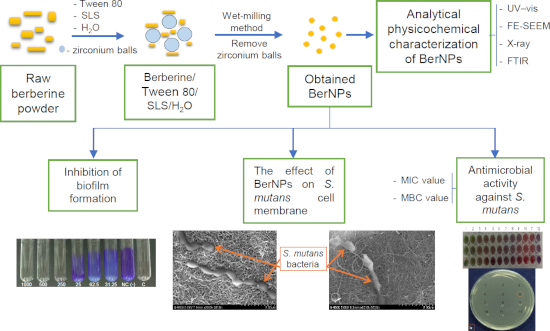
- study, the global prevalence of oral diseases increased from 2.5 billion individuals in 1990 to 3.5 billion individuals in 2017 [1]. Of these, approximately 2.5 billion individuals suffer from chronic tooth decay. In Vietnam, the prevalence of these diseases is notably high, with up to 90% of the
- [24][28], which shows that ball grinding does not alter the crystal structure of berberine. FTIR spectroscopy results show that the characteristic peaks of BerNPs coincide with that of the raw berberine at 1597, 1507, 1363, 1276, 1103, and 1035 cm−1 [24]. These results demonstrate that ball grinding
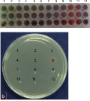
- the twelfth) was inoculated with 100 µL of S. mutans solution at a density of 108 cfu/mL. The plates were then incubated for 24 h at 37 °C under anaerobic conditions. The experiment was conducted in triplicate. After incubation, 60 µL of 1× resazurin was added to each well, and the plate was incubated




Enhancing mechanical properties of chitosan/PVA electrospun nanofibers: a comprehensive review
Beilstein J. Nanotechnol. 2025, 16, 286–307, doi:10.3762/bjnano.16.22

- recent years, electrospinning has attracted significant attention from scientists because of its easy process [1]. Electrospinning can fabricate polymeric fibers ranging from the micro- to the nanoscale [2]. It is an easy, simple, and low-cost technique that does not require heat, an important factor for
- sensitive compounds [3]. Electrospun nanofibers exhibit a large surface area, high porosity, and small pore size, making them useful for a wide range of applications, as shown in Figure 1. Chitosan/polyvinyl alcohol (PVA) electrospun nanofibers have many applications, including water treatment, biomedical
- water treatment. Table 1 shows the properties applications of chitosan that have been studied. Among the crucial factors in the electrospinning process is the solubility of the polymer [51]. Chitosan is soluble in organic acids such as diluted aqueous acetic, formic, and lactic acids, but it is


Emerging strategies in the sustainable removal of antibiotics using semiconductor-based photocatalysts
Beilstein J. Nanotechnol. 2025, 16, 264–285, doi:10.3762/bjnano.16.21
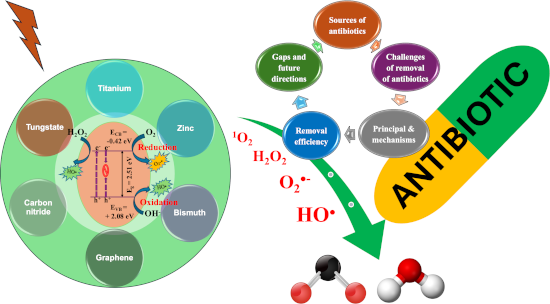
- , and livestock feed [1]. Their global use has increased significantly, reaching an estimated 100,000 to 200,000 tonnes between 2010 and 2019 [2], with approximately half designated for animal feed, projected to escalate to 105,596 tonnes by 2030 [3][4]. The widespread and often excessive use of
- -based photocatalysts often achieved superior efficiency and high mineralization rates, offering a comprehensive solution for antibiotic contamination (see below in Tables 1–6). The progressively increasing trend of publications and corresponding citations in recent times highlight the superiority of
- semiconductor-based photocatalysts for the degradation of antibiotics (Figure 1). The appeal of photocatalysis lies in its potential to achieve extensive mineralization, converting organic pollutants into harmless mineral compounds. Furthermore, its nonselective nature enables it to address a broad spectrum of



Preferential enrichment and extraction of laser-synthesized nanoparticles in organic phases
Beilstein J. Nanotechnol. 2025, 16, 254–263, doi:10.3762/bjnano.16.20
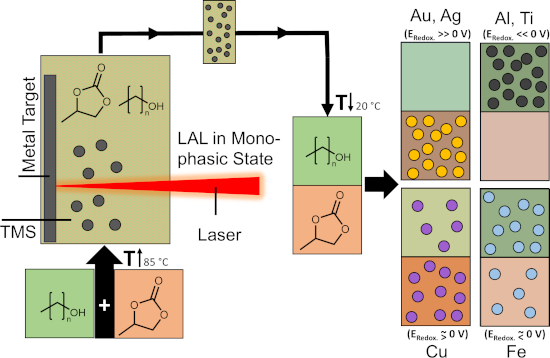
- formed nanoparticles [1][2][3]. However, the formed nanoparticles also interact with the used liquid during the process; thus, chemical reactions such as oxidation [3][4][5][6] or carbon shell formation [7][8][9] occur depending on the solvent’s properties, allowing for alterations of the structural
- properties and surface chemistry of the gained colloids. The use of organic solvents as liquid may result in reactive LAL processes [1][10] that cause elements from the solvent molecules (and solutes) to be part of the final nanoparticle’s composition. The solvent decomposition induced by laser-based
- propylene carbonate and 1-nonanol TMS and observed their phase preference to gain insights if the nanoparticle material has an impact on the preferred phase. We further narrowed down the influence of the TMS composition by varying the alkyl chain length of the alcohol from C6 to C11 and, consequently




Radiosensitizing properties of dual-functionalized carbon nanostructures loaded with temozolomide
Beilstein J. Nanotechnol. 2025, 16, 229–251, doi:10.3762/bjnano.16.18
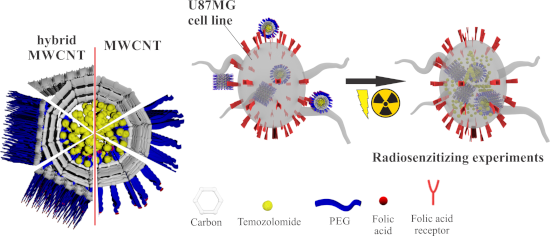
- photodynamic therapy can be obtained [1][2][3][4][5]. It has been shown that CNs have an anti-amyloid aggregation activity, and some of them (i.e., carbon nanotubes (CNTs) and graphene) are able to interface with neurons and neuronal circuits and play an important role in the modulation of neurobiological
- -methyl-1-triazene-1-yl)imidazole-4-carboxamide) (MITC) is a first-line therapy for primary and recurrent GBM, especially O6-methylguanine-DNA methyltransferase (MGMT)-promotor-methylated tumors. MITC, acting via its metabolite methyl diazonium cation generated at physiological pH (>7), develops O6
- values for TMZ loading efficacy and content were achieved, ranging from 42% to 67% and from 11% to 18%, respectively (Table 1), which are in the scope of values reported for nanocarriers of TMZ (27% to 89% and 4% to 11%, respectively) [44][45][46]. The higher values achieved for plain (non-functionalized