


Search results
Search for 日本10公里记录 in Full Text gives 2649 result(s) in Beilstein Journal of Nanotechnology. Showing first 200.
Electron beam-based direct writing of nanostructures using a palladium β-ketoesterate complex
Beilstein J. Nanotechnol. 2025, 16, 530–539, doi:10.3762/bjnano.16.41
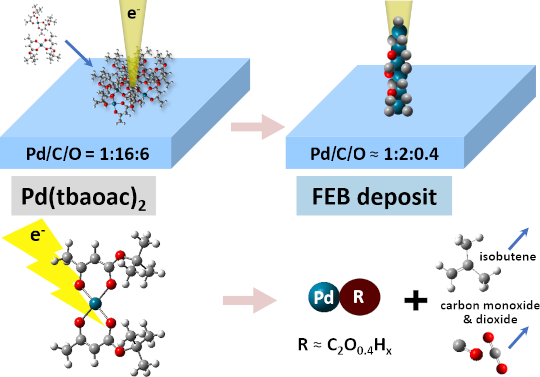
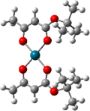
- use of masks, achieving scales down to a few nanometers with various patterns and shapes, offers significant advantages for a wide range of technological applications. These include areas that require plasmonic [1][2][3], phononic [3][4], magnetic [5][6], optoelectronic [7][8][9], and mechanical [10
- introduced into the GIS under ambient conditions as it was tested stable. The GIS nozzle was placed 200 µm above the substrate at an angle of 30° to the substrate plane. Both GIS and substrate were heated using resistive heating wires. FEBID was carried out at an operating pressure of 2.0 × 10⁻⁶ mbar. For
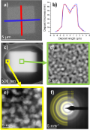
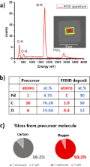
- 0.35 nA. The operating pressure was 1.5 × 10⁻⁵ mbar. Results and Discussion The square deposit, fabricated on the native-oxide Si(100) substrate using a spiral inward scanning strategy, was analyzed to assess its morphology and structure. Secondary electron detection in SEM imaging reveals the


Zeolite materials with Ni and Co: synthesis and catalytic potential in the selective hydrogenation of citral
Beilstein J. Nanotechnol. 2025, 16, 520–529, doi:10.3762/bjnano.16.40
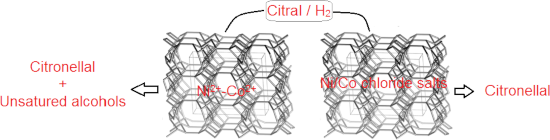
- systems enables the creation of materials with enhanced properties compared to monocationic zeolites, which is crucial for the development of advanced catalysts and other materials [7][8][9][10]. Natural zeolites attract significant attention because of their abundance, low cost, non-toxic nature, and
- reagent-grade, supplied by Sigma-Aldrich, St. Louis, MO, USA. The IE processes were performed at 80 °C with reflux for 24 h, using a total of 2 milliequivalents of the corresponding cations (Ni2+, Co2+, and Ni2+/Co2+) in solution per gram of ZSA and 1 g/10 mL solid/solution ratio. The solid phases were
- of isopropanol and transferred into the autoclave. The reactor was first purged with nitrogen and then with hydrogen before raising the temperature to 130 °C. A mixture of 3 mL citral and 10 mL isopropanol was then introduced into the reactor via a cylinder under 75 bar of hydrogen pressure. Time


Water in nanoporous hexagonal boron nitride nanosheets: a first-principles study
Beilstein J. Nanotechnol. 2025, 16, 510–519, doi:10.3762/bjnano.16.39
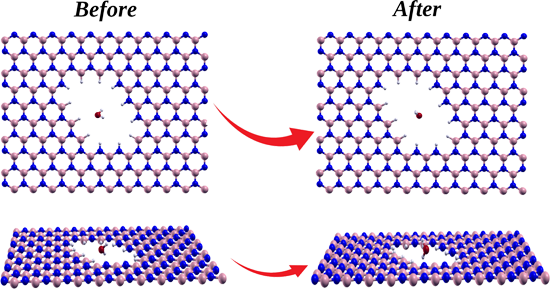
- improve the desalination process. In pursuit of greater efficiency in the desalination process, the scientific community has proposed membranes composed of various materials, including graphene [7][8][9][10], carbon nanotubes [11][12][13][14], molybdenum disulfide (MoS2) [15][16][17][18], and hexagonal




N2+-implantation-induced tailoring of structural, morphological, optical, and electrical characteristics of sputtered molybdenum thin films
Beilstein J. Nanotechnol. 2025, 16, 495–509, doi:10.3762/bjnano.16.38
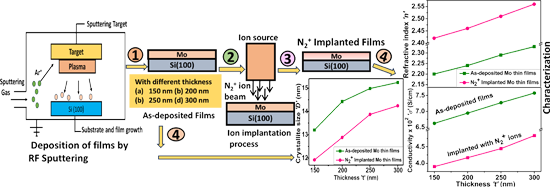
- electron beam evaporation [10] have been reported in the literature. RF sputtering is the predominant technique for thin film deposition because of its benefits regarding layer adhesion, uniformity, composition, and deposition rate compared to other methods [11]. In the deposition of molybdenum films, RF
- this study, molybdenum thin films of varying thickness were deposited at room temperature on Si(100) substrates via RF sputtering using a pure 2″ diameter Mo target (99.99% purity) in Ar gas atmosphere with a flow rate of 10 sccm. The plasma was obtained by setting the RF power to 100 W, while careful
- to a base pressure of 2.0 × 10⁻³ mbar, with a working pressure during deposition of approximately 1.2 × 10⁻² mbar; deposition times varied from 7 to 12 min, resulting in films with thicknesses from 150 to 300 nm, as measured by spectroscopic ellipsometry. After deposition, some films with different


Performance optimization of a microwave-coupled plasma-based ultralow-energy ECR ion source for silicon nanostructuring
Beilstein J. Nanotechnol. 2025, 16, 484–494, doi:10.3762/bjnano.16.37

- nanopatterning and nanoscale functionalization have garnered significant interest, owing to their broad applications in DNA origami [10], tuning of wettability [11] and electrical and magnetic anisotropy [12][13], isolated dot formation [1], nanoscale plasmonic arrays [14], and field emission [15]. Thus, ion
- (waveguide) is chosen in such a way that it can produce maximum beam current. To generate plasma in the plasma cup, a gas is inserted into it through a capillary tube attached to the gas cylinder (reservoir). A pressure of 10−4 mbar is maintained for sustaining plasma by adjusting a needle valve attached to
- is maximum at a gas pressure of 1.5 × 10⁻⁴ mbar, regardless of the ion energy. It is also evident that for the same gas pressure, the beam current is maximum for the highest ion energy. At low gas pressure, the mean free path of gas molecules is larger because of the lower density of gas molecules


Impact of adsorbate–substrate interaction on nanostructured thin films growth during low-pressure condensation
Beilstein J. Nanotechnol. 2025, 16, 473–483, doi:10.3762/bjnano.16.36

- can have nanometer-scale linear dimensions [10][11]. Experimental observations showed that nanometer-scale vacancy islands can arrange into a perfect triangular lattice when a single monolayer of Ag is deposited on a Ru(0001) surface at room temperature [12]. Similar elongated nanometer-sized islands
- calculating the effective potential V(x) related to the reaction force Equation 10 as . The form of the potential V(x) at different points of the stability diagram at α = 0.03 is shown in Figure 2b. From Figure 2a, one finds that an increase in the adsorption rate α requires smaller values of the interaction
- = 0.5, that is, the spatial integration step; Δt = 10−3 is the time step. The Fourier spectral method is used [45][46] to take spatial derivatives. As initial conditions, we assume that the substrate is free of adsorbates by taking x(r,0) = 0; boundary conditions are periodic. We fix σ2 = 0.01 for all


Effect of additives on the synthesis efficiency of nanoparticles by laser-induced reduction
Beilstein J. Nanotechnol. 2025, 16, 464–472, doi:10.3762/bjnano.16.35
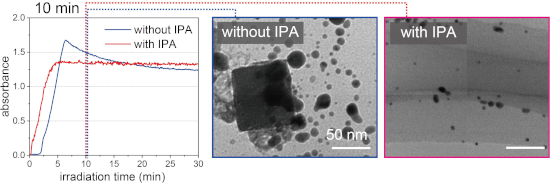
- including electrode materials [1], conductive pastes [2][3], catalysts [4][5], sensors [6][7][8], and drug delivery systems [9]. The chemical reduction [10] and the solvothermal methods [11][12] are well known for synthesizing nanoparticles in large quantities at low cost, but these methods require the use
- those for the solution with 10 vol % IPA. In both cases, the absorbance increases as the laser irradiation time progresses, reaches a peak, and then becomes constant. In the case of the absorbance spectrum of the solution without IPA (Figure 1, black line), the absorbance gradually increases from about
- solution without IPA. On the other hand, when 10 vol % IPA was added (red line in Figure 1), an increase in absorbance was immediately seen after the start of laser irradiation, and the absorbance levelled off after 5 min of laser irradiation. Figure 2 shows the transmission electron microscopy (TEM


Synthetic-polymer-assisted antisense oligonucleotide delivery: targeted approaches for precision disease treatment
Beilstein J. Nanotechnol. 2025, 16, 435–463, doi:10.3762/bjnano.16.34

- oncological, autoimmune, and infectious conditions, where genetic expression plays a crucial role on the disease pathogenesis and prognosis [1][2][3][4]. In the past decades, several approaches including cell-based therapies [5][6][7], gene therapies [8][9], and RNA therapies [10][11] have been studied to
- conjugated drugs or drug delivery systems. For example, early studies by Zheng et al. demonstrated a strategic use of PLL conjugated to galactose (Gal–PLL, Gal/PLL = 10:1) as a carrier for a 16-mer phosphorothioate analogue of the antisense oligodeoxynucleotide 5′-CATGCCCCAAAGCCAC-3′, targeting the hepatitis
- of PLG (DP = 20) in the development of a novel gene delivery system. In this study, surface-modified complexes were designed using PLG as a backbone to which polyethylene glycol (PEG, Mw = 5, 10, and 20 kDa) or epidermal growth factor (EGF) were conjugated [101]. This approach aimed to enhance the


Quantification of lead through rod-shaped silver-doped zinc oxide nanoparticles using an electrochemical approach
Beilstein J. Nanotechnol. 2025, 16, 422–434, doi:10.3762/bjnano.16.33
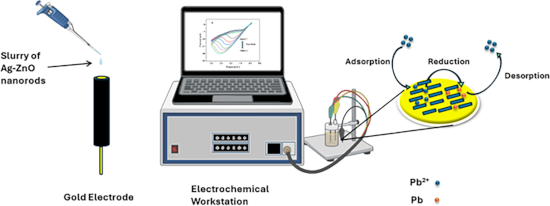
- medicine, electronics, environmental remediation, and energy [10][11]. The use of certain metal dopants to modify the chemical, optical, and electrical features of a material has gained considerable interest in the realm of semiconductor technology. A recent study has conducted thorough investigations into
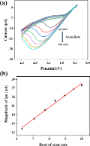
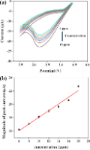
- observed [28]. The suggested redox reaction that occurs during the electrochemical sensing experiment is depicted in Figure 10. Scan rate study of the modified sensor Furthermore, by carrying out several scan-rate dependent studies, the electrochemical response of the modified electrode was thoroughly
- zinc nitrate hexahydrate solution. The resulting solution was stirred for approximately 10 min at room temperature. After the reaction time, a 1 M potassium hydroxide (KOH) solution was gradually added drop by drop. This step adjusted the pH of the mixture to 10. Then the mixture underwent further





Biomimetics and bioinspired surfaces: from nature to theory and applications
Beilstein J. Nanotechnol. 2025, 16, 418–421, doi:10.3762/bjnano.16.32

- blade by reducing the drag, which improves the overall performance of the engine. Finally, Sameoto [10] presents a stimulating perspective article on bioinspired adhesives, which advocates for a paradigm shift in biomimetics research. Instead of merely drawing inspiration from nature to discover new

Size control of nanoparticles synthesized by pulsed laser ablation in liquids using donut-shaped beams
Beilstein J. Nanotechnol. 2025, 16, 407–417, doi:10.3762/bjnano.16.31
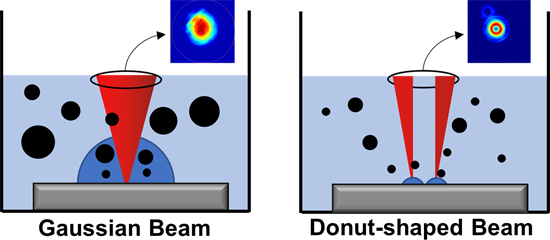
- size can cause cellular damage or prevent membrane permeation for drug delivery [10]. Therefore, a fine and reproducible size control during NP synthesis is essential. Pulsed laser ablation in liquids (PLAL) allows for the synthesis of colloidal NPs offering numerous advantages, such as being
- investigated by using shadowgraphy method for both beam shapes. Materials and Methods Targets for PLAL Plate targets composed of high-purity gold (AGOSI AG, Germany) and Y2O3 (Porzellanfabrik Hermsdorf GmbH, Germany) with dimensions of ca. 10 × 10 × 1 mm3 were used to produce gold and yttrium oxide NPs
- , respectively, by PLAL. The Cantor HEA CoCrFeNiMn target of equimolar composition was prepared by employing powder pressing as described in [18]. In brief, elemental powders of Co (purity 99.8%), Cr (99.2%), Fe (99.5%), Mn (99.6%), and Ni (99.9%) with a particle size less than 10 µm (Thermo Fisher Scientific


ReactorAFM/STM – dynamic reactions on surfaces at elevated temperature and atmospheric pressure
Beilstein J. Nanotechnol. 2025, 16, 397–406, doi:10.3762/bjnano.16.30
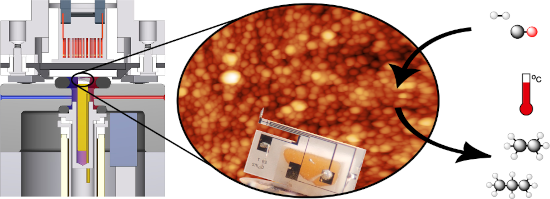
- , a high-pressure ReactorSTM has been developed [10][11]. The pressures in the scanning tunneling microscopy (STM) reactor are orders of magnitude above UHV (up to several bar), rendering gas–catalyst interactions very significant and leading to differences in reaction mechanisms [12][13][14][15
- acquisition of the tunneling current, and its small oscillation amplitudes (10 pm to 100 nm) [16]. The fundamental limits of the quartz tuning fork as a force sensor in scanning probe microscopy have been discussed in detail by Grober and colleagues [21]. Moreover, conventional AFM requires an optical
- a CaCl2 electrolytic solution (CaCl2 5 g, H2O 30 mL, acetone 2 mL). An alternating current (AC) voltage (50 Hz, 1–10 V) is applied between the tip and a gold ring electrode with the etching solution in suspension resulting in a sharp tip, which serves as the probe. In a second step, the etched Pt/Ir


Engineered PEG–PCL nanoparticles enable sensitive and selective detection of sodium dodecyl sulfate: a qualitative and quantitative analysis
Beilstein J. Nanotechnol. 2025, 16, 385–396, doi:10.3762/bjnano.16.29
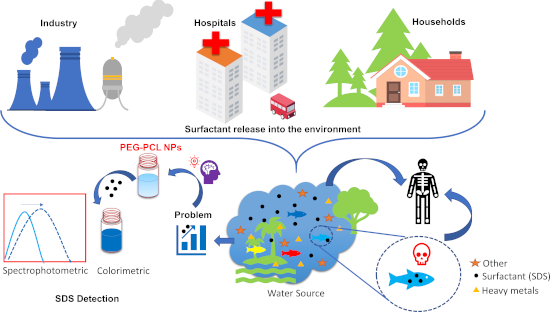
- assessed using the in vitro model system (MucilAir™) at a concentration of ≤10 mM. The study concluded that the release of IL-8 cytokines (≥0.063 mM) increased mucin secretion and decreased transepithelial electrical resistance (TEER) (≥1.25 mM), and the release of lactate dehydrogenase (LDH) (≥2.5 mM) [9
- ]. Apart from that, quantitative and qualitative measurements of SDS in terms of laboratory use are necessary. The SDS is widely used in protein estimation via polyacrylamide gel electrophoresis (PAGE) [10]. Several research groups widely explore nanoparticle synthesis using SDS as a capping agent for
- , UK). Dried 10 mg/mL PEG–PCL NPs were dissolved in PBS and sonicated for 30 min. The sonicated sample was taken in a cuvette for measurement. The sample pH was in the range of 7.2–7.4. Separate cuvettes (DTS1072 and DTS0012) were used to measure the surface charge and average size of the nanoparticles


Development of a mucoadhesive drug delivery system and its interaction with gastric cells
Beilstein J. Nanotechnol. 2025, 16, 371–384, doi:10.3762/bjnano.16.28

- , hydrogen bonding, disulfide bond formation, or physical entanglement of polymers within the mesh-like mucus structure [9][10]. Sodium alginate is a linear polysaccharide composed of 1,4-linked β-ᴅ-mannuronic acid and α-ʟ-guluronic acid residues. Alginate can be used to form porous matrix-type drug delivery
- to test the penetration of mucoadhesive nanoparticulate systems. For instance, Ungaro and colleagues designed poly(lactic-co-glycolic acid) nanoparticles with different modifiers and revealed 10% diffusion into the gelatin layer. In addition, their study revealed the effect of particle charge on the
- is 190–275 µm [65], with about 150 µm of this layer being firmly adherent over the mucosal surface in the antrum [66], and the mucin turnover in stomach is around 10 h [67]. Judging from this information, the diffusion of nanoparticles through a mucus layer of 7 mm thickness in 24 h, may actually be


Vortex lattices of layered HTSCs at different vortex–vortex interaction potentials
Beilstein J. Nanotechnol. 2025, 16, 362–370, doi:10.3762/bjnano.16.27
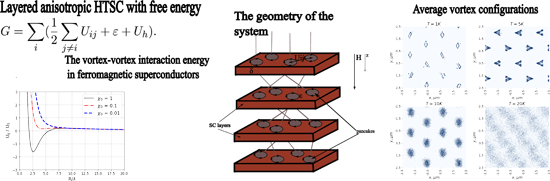
- with respect to the superconducting planes. The phase diagram of the vortex system becomes even more complex in an inclined magnetic field. As studies [9][10][11] have shown, the structure of the vortex lattice depends on the anisotropy parameter of the superconductor in the form of the Josephson
- Josephson vortices disappear, and a regular lattice of inclined Abrikosov vortices remains. In the first case, Josephson vortices can impart a zigzag shape to Abrikosov vortices; this shape, as shown in [9][10][11], leads to effective attraction of vortex filaments. At close distances (less than λ), short
- method within the framework of a two-dimensional model of a layered HTSC [24][25][26]. Most of the HTSCs applicable in practice are strongly anisotropic substances characterized by the anisotropy parameter γ > 10. Examples of such HTSCs are YBa2Cu3O7−δ (γ ≈ 10) and Bi2Sr2CaCu2O8−δ (γ ≈ 200) [1]. Such


Pulsed laser in liquid grafting of gold nanoparticle–carbon support composites
Beilstein J. Nanotechnol. 2025, 16, 349–361, doi:10.3762/bjnano.16.26
- electrochemical conditions [2]. On the laboratory scale, attachment is achieved electrostatically or by adding ion-conducting polymer (i.e., ionomer) binders to the nanoparticles, either as mixtures (inks) or overlayers [3][4][5][6][7][8][9][10]. Electrostatic attachment of nanoparticles to supports lacks long
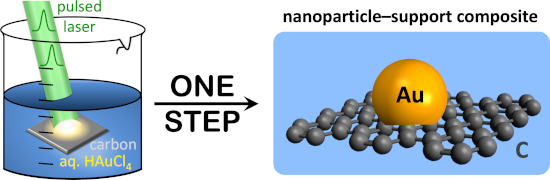
- the reported specific surface area of the carbon fiber paper used here [24]. Pulsed laser grafting produced integrated gold nanoparticle–carbon fiber paper composites (Figure 2B), using aqueous 1.0 M HAuCl4 solution, hydrophilic carbon fiber paper, and unfocused Nd:YAG laser irradiation with 10 Hz, 8
- was reported as 3.0 × 10⁻⁶ s−1 [25]. This suggests that pristine graphite surfaces, generated by the in situ decontamination and activation by nanosecond laser cleaning, can exist for Au embedding during the pulsed laser grafting process. However, this microscopic surface decontamination and


Tailoring of physical properties of RF-sputtered ZnTe films: role of substrate temperature
Beilstein J. Nanotechnol. 2025, 16, 333–348, doi:10.3762/bjnano.16.25
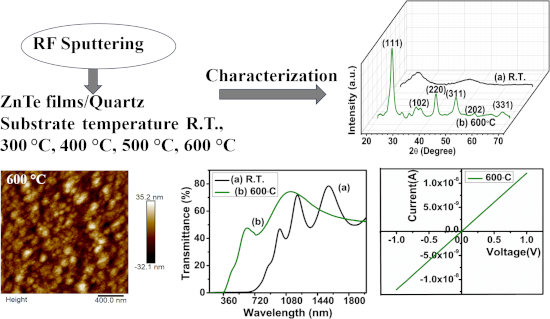
- physical and chemical methods such as molecular beam epitaxy [8], electron-beam evaporation [9], thermal evaporation [10], pulsed laser deposition (PLD) [11], and RF sputtering [12]. RF sputtering is a versatile technique because various process parameters such as RF power, deposition time, substrate
- temperatures. Prior to film deposition, the substrates were cleansed in an ultrasonic cleaner using acetone and isopropyl alcohol sequentially for 10 min at room temperature. The cleaned substrates were then dried in air and placed on the substrate holder in the chamber. A ZnTe target (dimensions 2 inch
- energy-dispersive X-ray spectroscopy (EDS) operated at 10 keV. The current–voltage (I–V) characteristics of the films were measured in the voltage range from −1 V to 1 V using a two-probe Keithley 4200 A-SCS parametric analyser available at Ion Beam Centre, Kurukshetra University. Results and Discussion




Graphene oxide–chloroquine conjugate induces DNA damage in A549 lung cancer cells through autophagy modulation
Beilstein J. Nanotechnol. 2025, 16, 316–332, doi:10.3762/bjnano.16.24
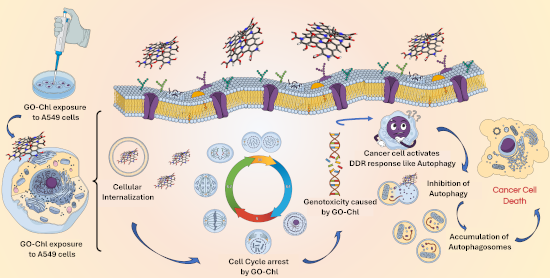
- pharmacokinetics, and reduced side effects. Nanomaterials can directly target DNA or inhibit the DDR and sensitize cancer cells to chemotherapeutics in multidrug resistant tumors [8][9][10]. Satapathay reported DNA damage and apoptotic cell death in HCT116 cells, human colorectal epithelial carcinoma cells, after
- /mL penicillin, 10 mg/mL streptomycin, 25 μg/mL amphotericin-B; Cat No. 15240062), mouse and rabbit secondary antibodies conjugated to HRP, 4',6-diamidino-2-phenylindole (DAPI; Cat No. 62248) were purchased from Life Technologies (Invitrogen, Carlsbad, CA, USA). A549 human lung adenocarcinoma cells
- ) were cultured using DMEM F-12 medium (Life Technologies, Invitrogen, Carlsbad, CA, USA), supplemented with 10% heat-inactivated fetal bovine serum, 0.2% sodium bicarbonate, and 10 mL/L of antibiotic and antimycotic solution. The cells were maintained at 37 °C under a humidified atmosphere of 5% CO2



Fabrication and evaluation of BerNPs regarding the growth and development of Streptococcus mutans
Beilstein J. Nanotechnol. 2025, 16, 308–315, doi:10.3762/bjnano.16.23
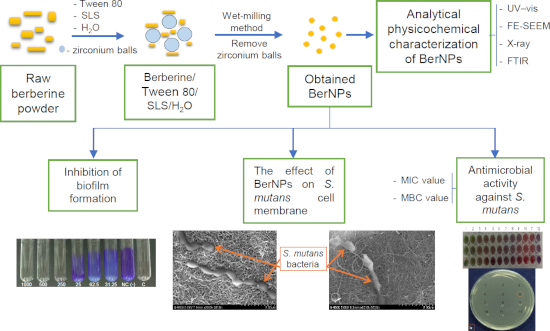
- . It also exhibits antifungal activity against Aspergillus, Penicillium, Candida, and Cryptococcus [10]. While having several benefits, berberine has limited therapeutic usage since it is poorly soluble in water, absorbs poorly through the intestinal wall, and has a very low bioavailability (about 5
- temperature, and analyzed at a voltage of 10 kV [24]. X-ray diffraction analysis was used to evaluate the crystalline structure of berberine and BerNPs. FTIR spectra were analyzed to identify typical functional groups and chemical bonds in raw berberine and BerNPs [28]. Determination of minimum inhibitory
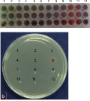
- BerNPs. (d) FTIR spectra of pure berberine and BerNPs. (a) Minimum inhibitory concentration values and (b) minimum bactericidal concentration values of BerNPs against S. mutans. Wells 1–10 contained two-fold serial dilutions of BerNPs (ranging from 5000.0 to 19.5 µg/mL) with 108 cfu/mL of S. mutans, the




Enhancing mechanical properties of chitosan/PVA electrospun nanofibers: a comprehensive review
Beilstein J. Nanotechnol. 2025, 16, 286–307, doi:10.3762/bjnano.16.22

- chitosan-to-PVA ratios in cross-linked chitosan/PVA nanofibers investigated by Zhou et al. [135] shows improvement in tensile strength, elongation at break, and Young’s modulus with increasing PVA content from 10% (w/w) to 50% (w/w). Choo et al. [136] measured the tensile strength and elongation at break
- -linking [176][177], which often employs toxic chemicals. An example of physical cross-linking is heat treatment, which has been extensively used to cross-link PVA [178]. Figure 10 illustrates the mechanisms of cross-linking in chitosan/PVA composites. In one study, electrospun chitosan/PVA nanofibers were


Emerging strategies in the sustainable removal of antibiotics using semiconductor-based photocatalysts
Beilstein J. Nanotechnol. 2025, 16, 264–285, doi:10.3762/bjnano.16.21
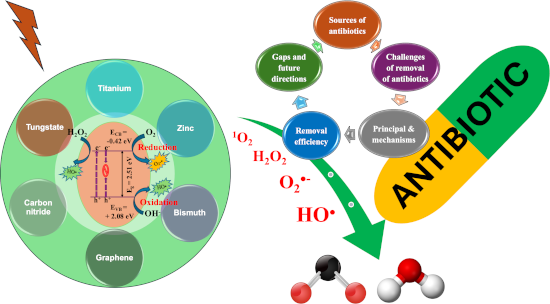
- continuous presence of antibiotics in natural environments can contribute to the development of antibiotic-resistant bacteria (ARBs) and their resistance genes (ARGs), hastening the spread of antibiotic resistance [9][10]. Several studies have reported that this situation poses significant risks to human



Preferential enrichment and extraction of laser-synthesized nanoparticles in organic phases
Beilstein J. Nanotechnol. 2025, 16, 254–263, doi:10.3762/bjnano.16.20
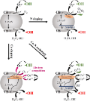
- properties and surface chemistry of the gained colloids. The use of organic solvents as liquid may result in reactive LAL processes [1][10] that cause elements from the solvent molecules (and solutes) to be part of the final nanoparticle’s composition. The solvent decomposition induced by laser-based
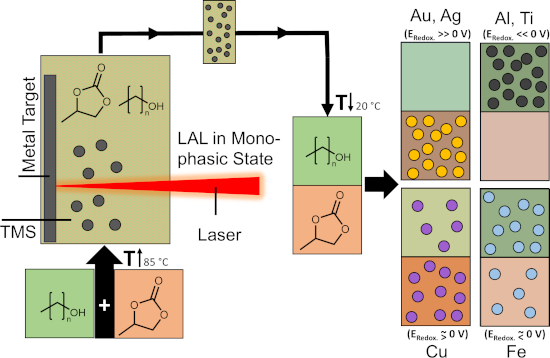
- Nanoparticles are generated by ablating the target material (10 × 10 × 1 mm) immersed in the organic solvent using a Nd:YAG-laser (RSM 100D, ROFIN-SINAR Laser GmbH) working with a pulse duration of 35 ns, a wavelength of 1064 nm, a repetition rate of 5 kHz and pulse energy of 5.4 mJ. LAL was performed in a 30
- File 1, Figure S3. The temperature of the batch vessel was set to 85 °C to induce a conversion to the monophasic TMS. Afterward, the target material was ablated for 10 min followed by storage of the batch vessel at room temperature for two hours to attain phase separation. A slow cooling rate was




Radiosensitizing properties of dual-functionalized carbon nanostructures loaded with temozolomide
Beilstein J. Nanotechnol. 2025, 16, 229–251, doi:10.3762/bjnano.16.18
- antiproliferative, antimigratory, and antiangiogenic activities in gliomas due to their direct killing effect through inducing apoptosis and the capability to inhibit genes involved in oxidative phosphorylation and to downregulate genes essential for cytoskeleton formation [9][10][11][12]. In addition, an effect on
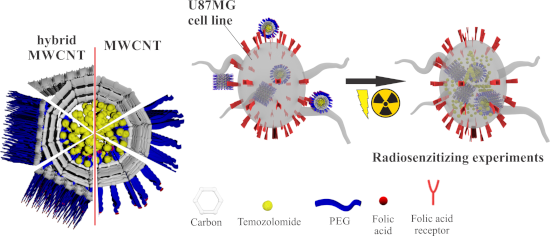
- for the surface charge (−38 vs −33 mV), and the smaller length of the hybrid CN (less than 10 vs 10–30 µm, data from the producers), one can say that the higher fraction of flat surfaces in the hybrid CN, that is, the more intense contact with the cells and the length of the hybrid CN are dominant




Synthesis and the impact of hydroxyapatite nanoparticles on the viability and activity of rhizobacteria
Beilstein J. Nanotechnol. 2025, 16, 216–228, doi:10.3762/bjnano.16.17
- . Furthermore, they require only small quantities for utilization [8]. Several types of nanoparticles have been employed as carriers for rhizobacteria inoculants, including silica nanoparticles [9], clay nanoparticles [8], carbon nanoparticles [10], zinc oxide nanoparticles [11], and calcium carbonate
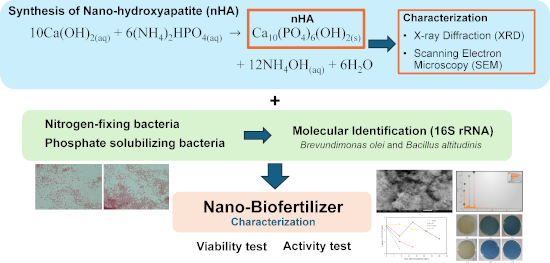
- (Tb) are gram-positive rhizobacteria with rod-like morphology, as illustrated in Figure 10. Conclusion Nanohydroxyapatite (nHA) was synthesized successfully using a hydrothermal method, and XRD analysis confirmed its alignment with the ICSD standard #154781. The measured crystal size of nHA was 34.27
- material. The assessment utilized the total plate count (TPC) method, following the methodologies outlined by Sohaib and coworkers [34]. To conduct the experiments, formulations of rhizobacteria-nHA were initially suspended in sterile water at 10−1 dilution. Subsequently, 1 mL of the rhizobacteria-nHA


Recent advances in photothermal nanomaterials for ophthalmic applications
Beilstein J. Nanotechnol. 2025, 16, 195–215, doi:10.3762/bjnano.16.16
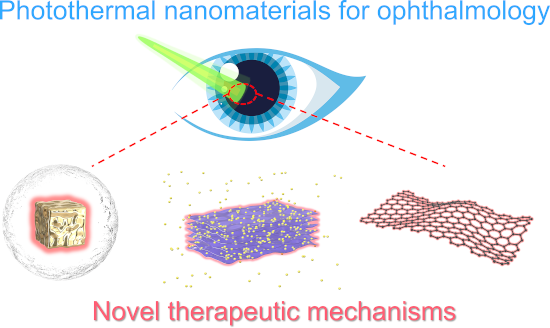
- ophthalmology because of their compatibility with the high transmittance characteristics of ocular tissues, allowing for a more sensitive response to various types of incident light [9][10][11]. This sensitivity facilitates diverse therapeutic effects and offers solutions to complex ophthalmic diseases. In
- circularly polarized laser pulses, drastically reducing cell viability to about 10%. This targeted approach ensures that the laser energy remains below the threshold that could damage healthy cells, and the thermal field is efficiently confined to a 10 nm range around the cancer cells, thereby sparing
- aggregates in the vitreous. This method provides a safer and more effective approach for treating opacities near the retina (Figure 4b). Compared with HA-AuNPs (10 nm) that absorb light near 520 nm, the light absorption of the organic dye ICG mainly occurs in the NIR region, with less absorption of NIR by





